Can Car Brakes Go Bad From Sitting? What You Need to Know
Car brakes can indeed go bad from sitting for extended periods, even if the vehicle never moves. This post explains exactly what happens, which components degrade, and how to prevent or fix brake damage caused by inactivity.
Simply put, yes — car brakes degrade when a vehicle sits unused for weeks or months. Rust forms on rotors, brake fluid absorbs moisture, calipers can seize, and rubber seals dry out. The damage ranges from surface rust that cleans off with driving to complete brake failure requiring part replacement.
Key Takeaways
- Car brakes go bad from sitting primarily due to rust, moisture absorption, and seal degradation.
- Surface rust on rotors is usually harmless and clears after a few stops, but deep pitting requires replacement.
- Brake fluid absorbs moisture over time, lowering its boiling point and risking brake fade.
- Calipers can seize from corrosion, especially in humid climates or coastal areas.
- Regular short drives or proper storage techniques prevent most brake damage from inactivity.
How Does Sitting Affect Car Brakes?
When a car sits idle, the braking system undergoes slow but steady degradation. Unlike engine parts that stop completely, brake components remain under tension and exposed to environmental factors.
Wagner
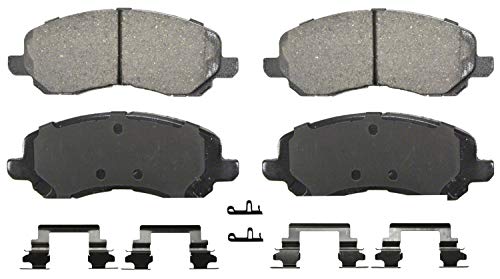
DRiV Wagner Disc Brake Pad Set -…
- Compatibility: Fits BAIC X65 2018–2020 and BAIC BJ20 2018–2020; Chrysler Cirrus 2007–2010; Chrysler Sebring 2001–2005 and 2007–201…
- Restores Like-New Braking: The Wagner Disc Brake Pad Set helps restore braking performance for car disc brakes; it ensures even fr…
- Reduces Noise & Vibration: These ceramic brake pads are engineered for noise-reducing braking thanks to the stable braking system
As an Amazon Associate I earn from qualifying purchases.
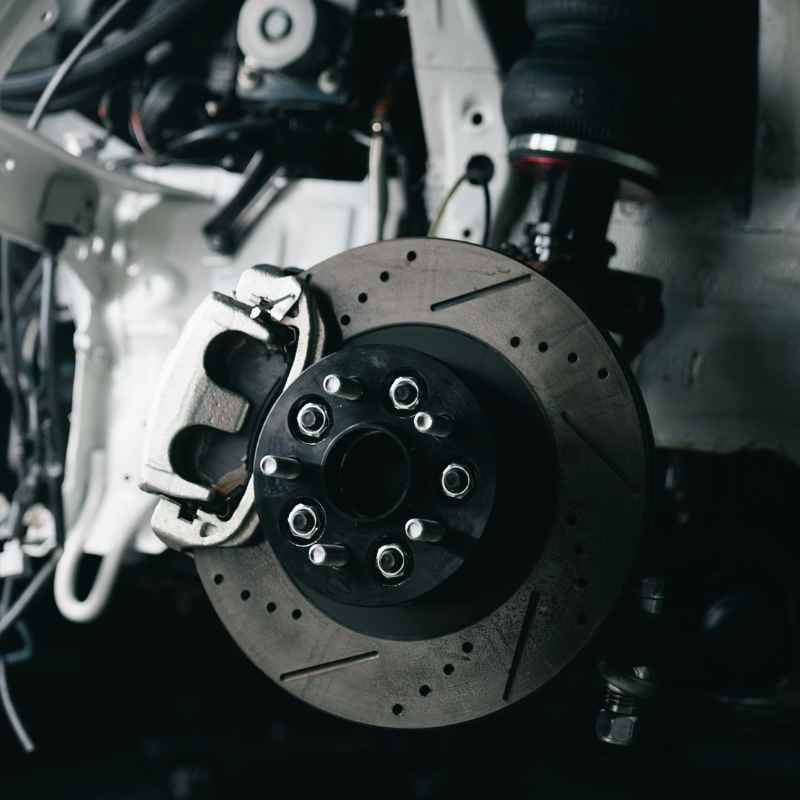
The three most vulnerable areas are the rotors, calipers, and brake fluid. Each reacts differently to prolonged inactivity, but all can lead to reduced braking performance or failure if left unchecked.
- Rotor rust: Bare metal surfaces oxidize when exposed to air and moisture, forming rust patches within days.
- Caliper corrosion: Pistons and slide pins can corrode, causing uneven pad wear or complete seizure.
- Fluid contamination: Hygroscopic brake fluid pulls water from the air, reducing its boiling point by as much as 30–40% over a year.
- Pad glazing: Moisture between pads and rotors can create uneven surfaces, reducing friction.
- Seal hardening: Rubber seals around pistons dry out and crack, leading to fluid leaks.
- Parking brake issues: Cables can rust and stick, leaving the brake engaged even after release.
The rate of degradation depends heavily on where the car is stored and for how long. A vehicle parked in a climate-controlled garage fares far better than one left outside in a rainy region.
Tip: If you store a car for over 30 days, place jack stands under the chassis to take weight off the tires and brakes. This prevents rotor warping and flat spots on tires.
| Component | Effect of Sitting | Severity |
|---|---|---|
| Rotors | Surface rust forms within 2-5 days | Low to Medium |
| Calipers | Pistons and slide pins corrode over weeks | High |
| Brake Fluid | Moisture absorption increases over months | Medium to High |
| Brake Pads | Moisture can cause uneven surfaces | Low |
| Parking Brake Cables | Rust and sticking over 30+ days | Medium |
As the table shows, rotors and parking brake cables suffer the fastest degradation, while calipers and fluid take longer but pose greater safety risks when they fail.
What Happens to Brake Components When a Car Sits?
Each component in the braking system reacts differently to prolonged inactivity. Understanding these changes helps you diagnose issues early and avoid costly repairs.
Rotors and Rust Formation
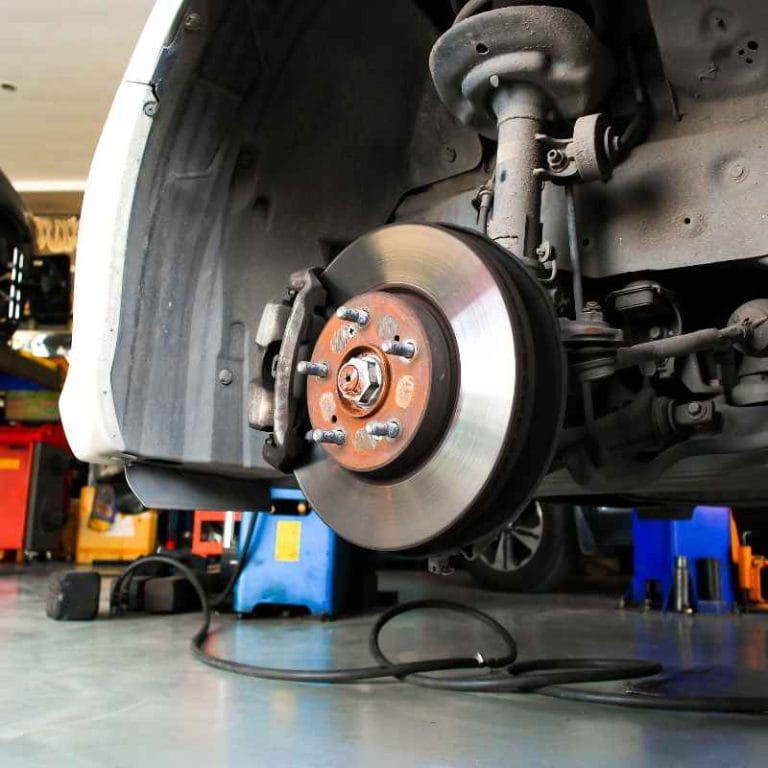
Brake rotors are made of cast iron or steel — both prone to rust when exposed to oxygen and moisture. Even a few days of sitting can produce a thin orange layer on the rotor surface.
Surface rust is typically harmless and gets scraped off after a few brake applications. However, deep rust or pitting occurs when a car sits for months in a damp environment. Pitted rotors cannot be fixed by driving and must be machined or replaced.
Important: Rotors with deep pitting reduce braking performance and can cause brake pedal pulsation. The Motor Vehicle Safety Administration reports that rotor-related issues account for roughly 15% of brake system failures in long-stored vehicles.
Calipers and Seized Pistons
Brake calipers contain pistons that push the pads against the rotors. When a car sits, the piston seals can corrode and stick to the caliper bore. This prevents the piston from retracting, causing the brake to drag constantly.
A seized caliper not only wears out pads and rotors faster but also reduces fuel economy by up to 5–10% due to constant drag. Rebuilding or replacing a seized caliper costs between $150 and $400 per wheel depending on the vehicle.
- Slide pin corrosion: Pins that allow the caliper to float can rust and seize, causing uneven pad wear.
- Dust boot damage: Rubber boots crack over time, letting moisture and dirt into the piston.
- Uneven braking: A seized caliper on one wheel pulls the car to one side during braking.
- Overheating: Dragging brakes generate excess heat, damaging nearby seals and bearings.
Brake Fluid Degradation
Brake fluid is hygroscopic — it actively absorbs moisture from the air. Over months of sitting, the water content in the fluid increases, lowering its boiling point. Under hard braking, water in the fluid can boil, creating vapor bubbles that compress instead of transmitting pressure.
According to the Society of Automotive Engineers, brake fluid with 3% water content has a boiling point roughly 40% lower than fresh fluid. Most manufacturers recommend flushing brake fluid every two years, but stored cars may need it sooner.
- Fresh DOT 3 fluid boils at approximately 401°F (205°C).
- After one year of sitting, the boiling point can drop to 340°F (171°C).
- After two years, it may fall below 300°F (149°C), risking brake fade during heavy use.
Moisture-laden fluid also corrodes internal brake lines, master cylinders, and ABS modulators from the inside out. This internal corrosion is invisible without removing the fluid, making it a hidden danger in long-stored vehicles.
Signs That Your Brakes Have Gone Bad From Sitting
If you’re getting a stored car back on the road, watch for these warning signs before driving at speed. Some issues are obvious, while others require a closer look.
Visual Signs
- Orange or brown rust on rotors: Surface rust is normal, but flaking or deep pitting is not.
- Fluid leaks: Puddles of clear or amber fluid near the wheels indicate caliper or line failure.
- Cracked rubber boots: Dust boots on calipers and master cylinder may show signs of dry rot.
- Low fluid level: A drop in the reservoir suggests a leak or worn pads.
- Corroded lines: Brake lines, especially near the wheels, may show green or white corrosion.
Performance Signs
- Spongy brake pedal: If the pedal feels soft or sinks to the floor, air or moisture is in the lines.
- Pulsation: A vibrating pedal when stopping indicates warped or pitted rotors.
- Pulling: The car veers left or right during braking — a seized caliper is likely.
- Squealing or grinding: Noisy brakes suggest glazed pads or metal-on-metal contact.
- Dragging: The car feels sluggish or the wheels are hot after a short drive — the brake is stuck.
| Symptom | Likely Cause | Action Required |
|---|---|---|
| Spongy pedal | Moisture in brake fluid | Flush and replace fluid |
| Pulsating pedal | Warped or pitted rotors | Machine or replace rotors |
| Car pulls to one side | Seized caliper or stuck piston | Rebuild or replace caliper |
| Grinding noise | Pads worn to metal backing | Replace pads and inspect rotors |
| Wheels hot after short drive | Dragging brake from seized caliper | Replace caliper and check fluid |
If you notice any of these symptoms, do not drive the car at highway speeds until the issue is resolved. Brake failure at speed is one of the most dangerous mechanical failures on the road.
How to Prevent Brake Damage From Sitting
Prevention is far cheaper than repair. If you know your car will sit for weeks or months, take these steps to protect the braking system.
Short-Term Storage (1–30 Days)
For short periods, minimal preparation is needed. Surface rust will still form but will clear after a few stops.
- Park in a dry, covered area — a garage is ideal, but a carport or cover helps.
- Avoid setting the parking brake if the car is on level ground. Use wheel chocks instead to prevent cable sticking.
- Drive the car at least once every two weeks for 15–20 minutes to dry out the rotors and circulate brake fluid — or use a battery maintainer and skip the starts for storage over 30 days.
Long-Term Storage (30+ Days)
For extended storage, more aggressive measures are necessary to prevent permanent damage.
- Jack up the car: Place jack stands under the frame to lift all four wheels off the ground. This removes weight from the brakes and tires entirely.
- Use a battery maintainer: A trickle charger keeps the battery alive so you can start the car periodically.
- Change brake fluid before storage: Fresh fluid has less moisture content, slowing internal corrosion.
- Apply anti-seize to caliper pins: A thin coat prevents corrosion on the slide pins.
- Cover exposed metal: Spray rotor surfaces with a rust inhibitor or silicone spray to delay oxidation.
- Disconnect the parking brake: If you jack up the car, release the parking brake fully to relieve cable tension.
Tip: For seasonal storage like a summer car or winter project, consider using a dedicated brake fluid tester. These inexpensive tools measure moisture content in seconds, so you know exactly when to flush the system.
Storage Environment Matters
Climate plays a huge role in brake degradation. According to the American Society for Testing and Materials, vehicles stored in coastal or high-humidity areas experience corrosion rates up to four times faster than those in dry climates.
- Dry climates (Arizona, Nevada): Brakes can sit for months with minimal rust. Focus on fluid and seals.
- Humid climates (Florida, Gulf Coast): Expect rapid rust and corrosion. Use dehumidifiers in the garage.
- Cold climates (Minnesota, Canada): Moisture from snow and road salt accelerates caliper and line corrosion.
- Coastal areas: Salt air attacks all metal components. Wash the undercarriage and apply protective coatings.
How to Restore Brakes After Long-Term Storage
If you’re bringing a stored car back to life, follow this step-by-step process to return the brakes to safe operation.
Step 1: Inspect Visually
Walk around the car and check all four wheels. Look for rust, leaks, cracked seals, and low fluid. If you see heavy pitting or fluid puddles, skip to step 4.
Step 2: Check Brake Fluid
Open the master cylinder reservoir. If the fluid is dark brown or smells burnt, it needs replacement. Use a moisture tester if available — anything above 3% moisture warrants a flush.
Step 3: Surface Rust Removal
If rotors have only surface rust, take the car to an empty parking lot and perform 10–15 firm stops from 30 mph. Do not slam the brakes — apply steady pressure. This will scrub off light rust and bed the pads back in.
Step 4: Address Deep Rust or Seized Components
If the rotors are deeply pitted or the calipers are seized, driving will not fix the problem. You must replace or machine the affected parts.
- Remove the wheel and inspect the rotor surface. If pitting is deeper than 1mm, replace the rotor.
- Check if the caliper piston moves freely. If stuck, rebuild or replace the caliper.
- Inspect brake lines for corrosion or cracks. Replace any damaged lines.
- Bleed the entire brake system with fresh fluid to remove air and moisture.
Warning: Never try to burn off rust by driving aggressively. Deep rust can cause the rotor to crack under heat, leading to sudden brake failure. If you can feel the rust with your fingernail, replace the rotor.
Step 5: Test Drive Carefully
After basic repairs, test the brakes at low speeds first. Check for pulling, noise, or pedal feel. Gradually increase speed to 40 mph and test again.
If everything feels normal, the brakes are safe for regular use.
How Long Can a Car Sit Before Brakes Go Bad?
The exact timeline depends on storage conditions, but here is a realistic breakdown based on industry experience and mechanical standards.
As a general rule, any car sitting longer than three months without preparation will need some brake work. Cars sitting over a year almost always require rotor replacement and caliper service.
Common Myths About Brakes and Storage
Several misconceptions persist about how storage affects brakes. Here are the facts behind the fiction.
Myth 1: Rust on Rotors Always Means Replacement
False. Light surface rust is cosmetic and will clear after a few stops. Only deep pitting or flaking rust requires rotor replacement.
A quick visual check and fingertip test (if you can feel the texture, it’s likely fine) tells you the difference.
Myth 2: Setting the Parking Brake Prevents Damage
Actually, leaving the parking brake engaged for months can cause the cables to seize and the shoes to stick to the drum or rotor. For long-term storage, use wheel chocks instead of the parking brake.
Myth 3: Starting the Car Periodically Keeps Brakes Healthy
Starting the engine without moving the car does nothing for the brakes. You need to drive the car and apply the brakes to clear rust, circulate fluid, and exercise the calipers. A short idle does not help.
Myth 4: Brake Fluid Never Goes Bad
Brake fluid degrades over time even in a sealed system. Moisture ingress happens through rubber hoses and reservoir vents. Fluid should be tested annually and replaced every two years regardless of mileage.
Important: The National Highway Traffic Safety Administration recommends brake fluid replacement every 30,000 miles or two years — whichever comes first. For stored vehicles, follow the time-based schedule.

Frequently Asked Questions
Can car brakes go bad from sitting in a garage?
Yes, even in a garage. While a garage protects from rain and sun, humidity still causes rust on rotors and moisture absorption in brake fluid. A climate-controlled garage slows degradation but does not stop it entirely.
How do I know if my brakes are bad from sitting?
Look for visible rust on rotors, fluid leaks near the wheels, low brake fluid in the reservoir, and cracked rubber seals.
On the road, symptoms include a spongy pedal, pulsation when stopping, pulling to one side, and grinding noises.
Can sitting cause brake calipers to seize?
Yes. Caliper pistons and slide pins can corrode and seize when a car sits for weeks or months. This causes the brake to drag constantly, wearing out pads and rotors and reducing fuel economy.
Regular driving helps prevent this by moving the pistons and lubricating the seals.
Is it safe to drive a car that has been sitting for 6 months?
Not without checking the brakes first. After 6 months, rotors may have deep pitting, calipers could be seized, and brake fluid likely has elevated moisture content. A thorough inspection by a qualified mechanic is recommended before driving at speed.
How often should I drive a stored car to keep brakes healthy?
Ideally, drive the car at least once every two weeks for 15–20 minutes on roads where you can safely apply the brakes at various speeds.
This clears rust, circulates brake fluid, and exercises caliper pistons. If you cannot drive it, jacking up the car and spinning the wheels manually helps but is less effective.
Final Thoughts
Car brakes can go bad from sitting — rust, moisture, and corrosion are real threats to any unused vehicle. The good news is that most damage is preventable with proper storage and a few simple precautions.
If you are returning a stored car to the road, inspect the rotors, check the fluid, and test the brakes at low speed before driving normally. A little attention now saves you from expensive repairs and dangerous failures later.
See also how to prevent car brake dust from ruining your wheels.
Related pick: Check today's price on Amazon
Products related to this article
Sponsored / affiliate links. As an Amazon Associate I earn from qualifying purchases. I may earn additional commission from eligible campaigns.