How Much Does a Car Engine Oil Change Cost?
A car engine oil change typically costs $50 to $100 for conventional oil, and $70 to $150 or more for full synthetic, depending on your vehicle, oil type, and where you get it done. A DIY change usually cuts that to $25-$50 in parts.
Below is what drives the price up or down — oil type, filter, shop labor rates — plus real cost examples by vehicle and how to save money without skipping maintenance.
A typical car engine oil change costs between $50 and $100 for standard oil. Prices can go up to $150 or more for synthetic oil or if the vehicle requires more oil or specialized filters. The final cost depends on oil type, filter, labor, and shop type.
Understanding Engine Oil Change Costs
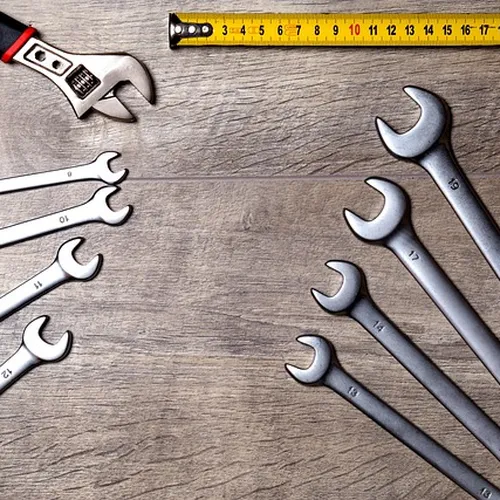
WORKPRO Universal Adjustable Oil Filter Wrench
Best for: Breaking loose a stuck spin-on filter without puncturing it or rounding the housing.
Why we picked it: The adjustable 3-jaw design fits filters from 2-3/8″ to 3-3/4″, so it works across most 4- and 6-cylinder engines instead of needing a size-specific cap wrench.
Main drawback: Tight engine bays can limit swing room — check clearance around your filter before buying.
Check Price on Amazon| Product | Best For | Price Range | Link |
|---|---|---|---|
 Dorman 15-Quart Oil Drain Pan |
Catching old oil cleanly without a mess under the car | $ | View |
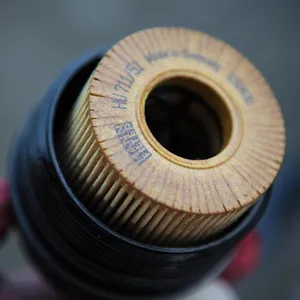 FRAM Extra Guard Oil Filter |
A reliable, widely-fit replacement filter for the DIY change itself | $ | View |
 Automotive Oil Funnel |
Pouring new oil back in without spilling it across the engine bay | $ | View |
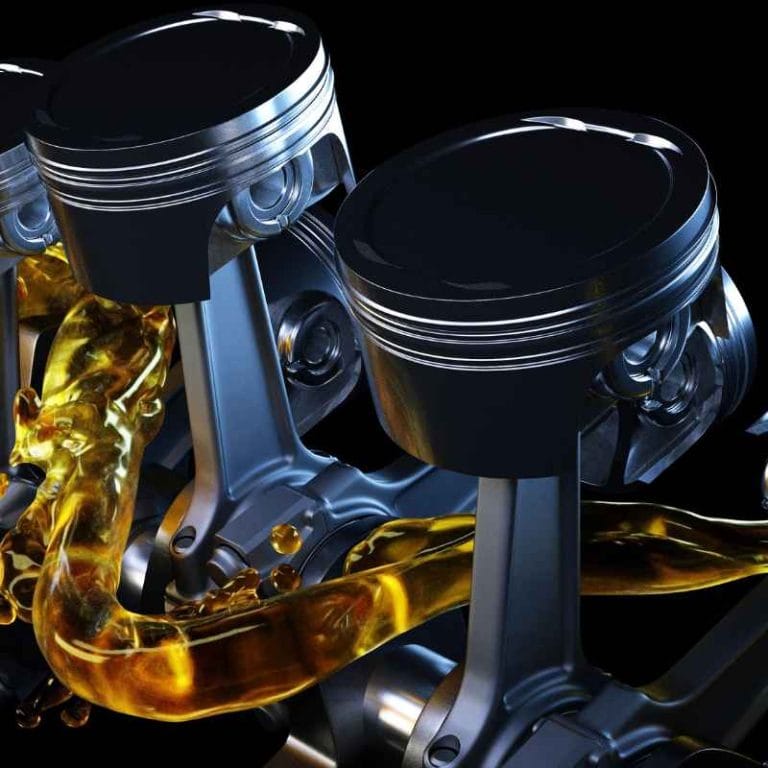
Your car’s engine oil is its lifeblood. It keeps parts moving smoothly. It also keeps them cool and clean.
Changing it regularly is one of the most basic car maintenance tasks. But the price tag can vary a lot.
Why does the cost shift so much? Many things play a part. Think about the type of oil your car needs.
Some oils are fancy and cost more. The oil filter is another piece of the puzzle. The shop you visit also matters.
Labor rates differ from place to place.
We will look at each of these parts. This helps you understand your bill. It also helps you make smart choices for your car.
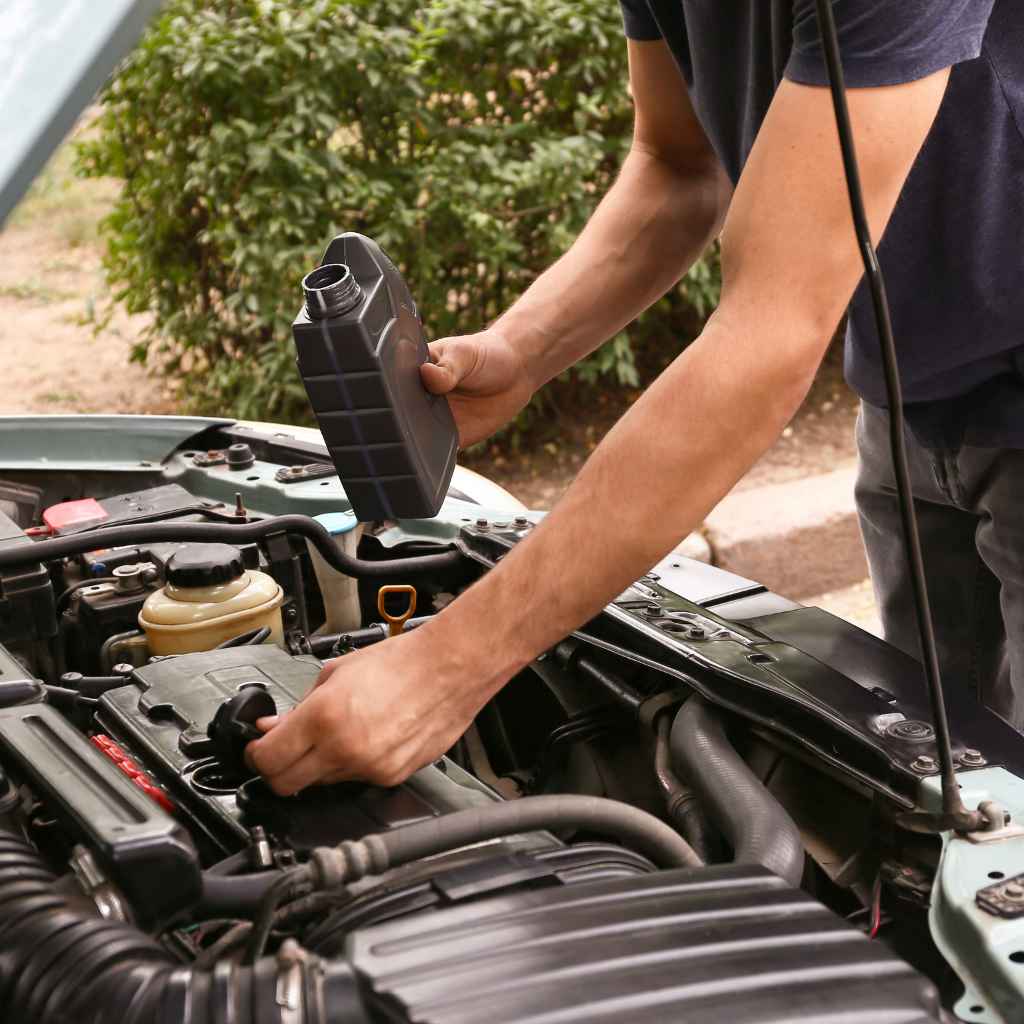
The Different Types of Engine Oil
The biggest cost factor is often the oil itself. There are three main types.
Conventional Oil
This is the most basic type. It comes straight from crude oil. Conventional oil is usually the cheapest option.
It works well for many older cars or cars that don’t drive much. If your car’s manual says you can use it, this will save you money.
Synthetic Blend Oil
This is a mix. It has conventional oil and synthetic oil. It offers better protection than pure conventional oil.
It also lasts a bit longer. Many modern cars use synthetic blends. They offer a good balance of price and performance.
Full Synthetic Oil
This is the premium choice. It’s made in a lab. Full synthetic oil offers the best protection.
It works well in extreme temperatures, both hot and cold. It also helps engines run cleaner and longer. Many high-performance cars and newer models require full synthetic oil.
This is why it costs the most.
Your car’s owner’s manual is the best guide. It will tell you which type of oil is recommended. Using the wrong type can hurt your engine.
It can also void your warranty.
Oil Type vs. Price
Conventional: Least expensive. Good for basic needs.
Synthetic Blend: Mid-range price. Offers good protection.
Full Synthetic: Most expensive. Best protection and performance.
Why the difference? Synthetics are engineered. They have fewer impurities. They offer superior lubrication and stability under stress.
The Role of the Oil Filter
An oil filter is a small but mighty part. It catches dirt and tiny metal bits. These particles can damage your engine.
A new filter goes in with every oil change. The cost of the filter is usually a small part of the total bill. Still, it adds up.
Filters vary in quality and price. Basic filters are cheaper. High-quality filters might cost a little more.
But they can trap more debris. They can also last longer between changes. Most shops use a standard filter that meets your car’s needs.
Ask your mechanic what kind of filter they use. If you want a premium filter, they can usually provide it. Just know it might add a few dollars to the bill.
Labor Costs: The Mechanic’s Time
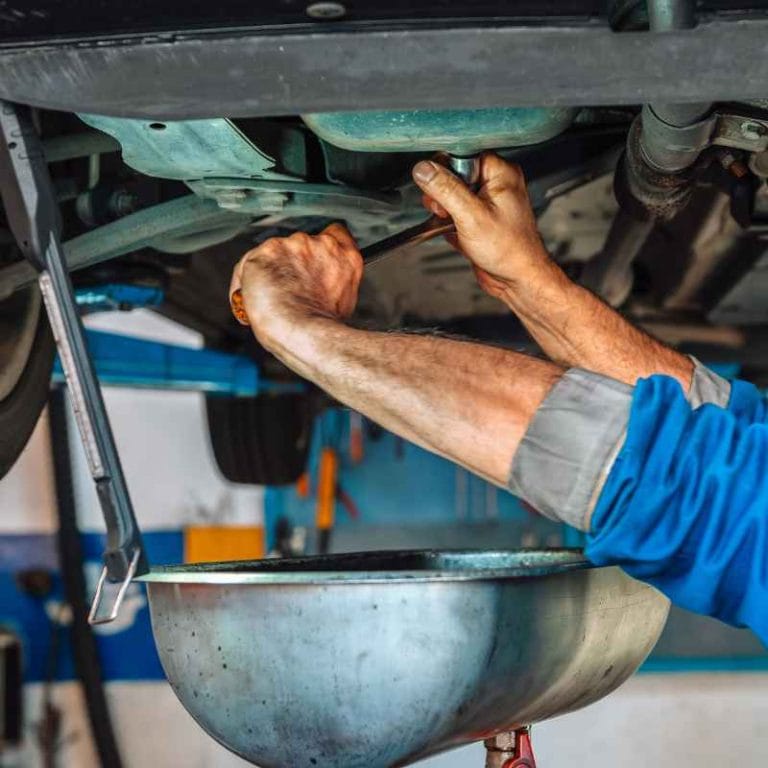
Labor is a significant part of the cost. Mechanics spend time draining the old oil. They then replace the filter.
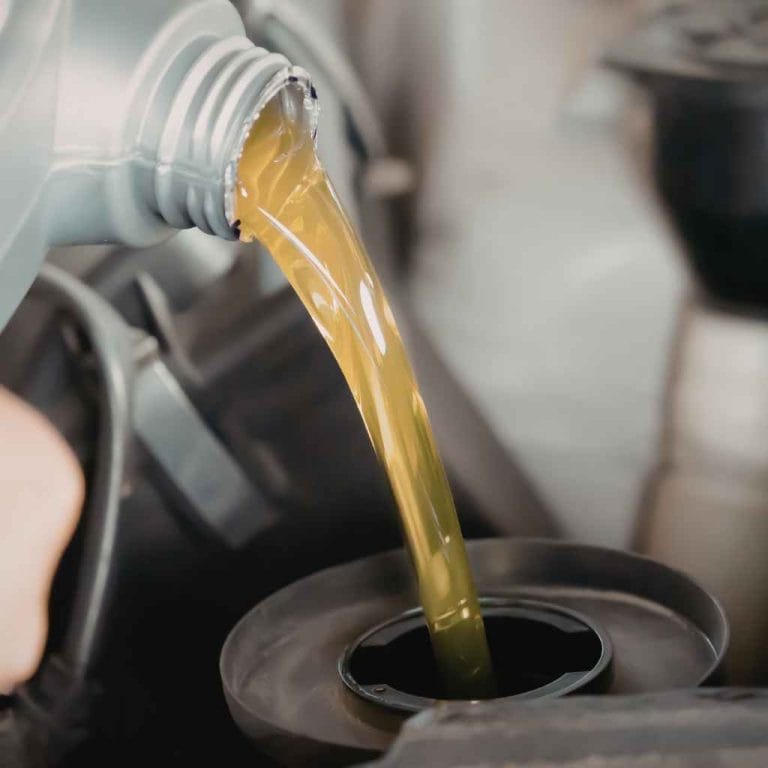
After that, they add the new oil. This process isn’t long for them. But their time is valuable.
Labor rates vary by location. Shops in big cities often charge more than shops in smaller towns. The type of shop also makes a difference.
Dealerships usually have higher labor rates than independent garages or quick lube places.
Some shops charge a flat fee for an oil change. Others bill by the hour. Most oil changes are quick.
It might take 30 to 60 minutes. This time includes checking other things, like tire pressure and fluid levels.
Labor Rate Comparison
Dealerships: Often highest rates. Specialized knowledge for your brand.
Independent Garages: Mid-range rates. Good general expertise.
Quick Lube Shops: Often lowest rates. Focused on speed.
What to Expect: Most oil changes are quick. The time spent is usually under an hour.
Where You Get Your Oil Changed Matters
The type of place you choose for your oil change impacts the price. Here’s a look at common options.
Car Dealerships
Dealerships are often the most expensive. They have specialized technicians for your car’s brand. They might also use brand-specific parts.
While they can be pricier, they often provide a thorough inspection. They might also offer perks like car washes.
Independent Repair Shops
These are your local mechanics. They are usually more affordable than dealerships. They often have experienced technicians.
Many independent shops build strong relationships with their customers. They can handle most car maintenance needs.
Quick Lube Chains
These places focus on speed. They are typically the cheapest option. They often have special deals or coupons.
However, their service might be less personal. They may also try to upsell you on other services.
It’s wise to compare prices. Look at reviews for local shops. A good mechanic is worth their weight in gold, no matter the price.
Factors That Can Increase the Cost
Most oil changes are straightforward. But sometimes, things come up that make the bill higher.
Vehicle Type and Oil Capacity
Some cars need more oil than others. Larger engines or certain types of trucks might hold 6 or even 8 quarts of oil. This means more oil is needed, driving up the cost.
Performance cars or SUVs often require more oil.
Specialty Oils and Filters
As we discussed, synthetic oils cost more. Some vehicles need very specific, high-performance filters. These can also be more expensive than standard ones.
If your car is a luxury model or a specialty vehicle, expect higher costs.
Additional Services
Many shops offer more than just an oil change. They might check your tire pressure. They could top off other fluids.
Sometimes, they will suggest other services like fuel injector cleaning or a transmission flush. While these can be good for your car, they add to the bill. Always ask what’s included in the advertised oil change price.
Be clear about what you want. If you just need an oil change, say so. You can always ask about other services later if you feel they are needed.
Extra Costs to Watch For
High Oil Capacity: Bigger engines need more oil.
Premium Filters: Some cars need specialized, pricier filters.
Synthetic Oil: Full synthetics cost significantly more.
Unnecessary Add-ons: Be wary of services you don’t need.
Real-World Cost Examples
Let’s look at some examples to give you a clearer picture. These are just estimates. Your local prices may differ.
Scenario 1: Basic Oil Change
A small, older sedan using conventional oil. It needs 5 quarts of oil and a standard filter. At a quick lube shop, this might cost between $40 and $60.
Scenario 2: Mid-Range Oil Change
A common family car needing a synthetic blend oil. It takes 5 quarts and a good quality filter. An independent garage might charge $60 to $90 for this service.
Scenario 3: Premium Oil Change
A newer SUV or sports car requiring full synthetic oil. It might need 7 quarts of oil and a premium filter. A dealership or a higher-end shop could charge $100 to $150 or more.
These examples show the range. Always get a quote before agreeing to service. It’s also good to know your car’s specific needs.
How to Save Money on Oil Changes
Saving money on car maintenance is always a good idea. Here are some tips for keeping your oil change costs down.
Look for Coupons and Deals
Many quick lube chains and some independent shops offer coupons. Check their websites or mailers. These can often save you $5 to $15 off the regular price.
Follow Your Car’s Recommended Oil Type
Don’t overspend on oil if your car doesn’t need it. If your manual says conventional oil is fine, stick with that. Using synthetic when it’s not required is just throwing money away.
Consider DIY Oil Changes (If You’re Comfortable)
If you’re handy and have the tools, changing your own oil can save a lot. You’ll only pay for the oil and filter. It might take an hour or so.
Make sure you know how to dispose of the old oil properly. Many auto parts stores have recycling centers.
Stick to a Regular Maintenance Schedule
Sometimes, getting an oil change as part of a larger service package can offer savings. Also, regular changes prevent bigger, more expensive problems down the road. This saves money in the long run.
Money-Saving Tips
Coupons: Always look for discounts.
Right Oil: Use what your car actually needs.
DIY: If you can, do it yourself.
Bundles: Sometimes maintenance packages save money.
When Is It Time for an Oil Change?
Knowing when to change your oil is key. Cars have different needs. Your owner’s manual is your best friend here.
It will tell you the recommended oil change intervals. These are often based on miles driven or time passed.
Many modern cars have oil life monitors. These systems track your driving habits. They estimate when the oil needs changing.
They might show a percentage or a countdown. This is a good guide, but don’t ignore the manual’s recommendations entirely.
If you drive in harsh conditions, like very hot or cold weather, or do a lot of stop-and-go driving, you might need changes more often. It’s better to change oil a little early than too late.
What to Ask Your Mechanic
When you take your car in, don’t be afraid to ask questions. A good mechanic will be happy to explain things.
Key Questions to Ask:
- What type of oil are you using today?
- Is this conventional, synthetic blend, or full synthetic?
- What kind of oil filter are you installing?
- What is the total cost for this service?
- Are there any other recommendations for my car?
Understanding what’s happening with your car is empowering. It helps you trust your mechanic. It also helps you manage your budget.
Quick Check Questions
Oil Type: What’s going in?
Filter Type: Is it standard or premium?
Total Cost: What’s the final price?
Other Needs: Anything else important?
Personal Experience: The Day I Almost Fried My Engine
I remember one sweltering August afternoon. I was driving my old trusty sedan cross-country. The air conditioning was blasting.
I was miles from anywhere, singing along to the radio. Suddenly, a small red light blinked on my dashboard. Then another.
My stomach dropped.
My car’s oil pressure light came on. I didn’t know what it meant. I pulled over to the side of the road.
Dust billowed around me. I felt a wave of panic. My car’s manual was in the glove box.
I flipped through it frantically. It said something about low oil pressure being very bad.
I got out and popped the hood. I didn’t see any leaks. But the engine felt really hot.
I remembered I hadn’t changed the oil in ages. I’d put it off. I thought, “It’s fine, it’s still running.” Big mistake.
A tow truck eventually came. The mechanic told me I was lucky. My engine was close to seizing up.
He said if I’d driven much further, it would have been toast. The repair bill was much more than a simple oil change. That day taught me a hard lesson.
Regular maintenance saves money and prevents disaster.
The Impact of Oil Viscosity
Oil viscosity is another term you might hear. It refers to how thick or thin the oil is. It’s often shown as a number like 5W-30.
The ‘W’ stands for winter. The first number is the viscosity when cold. The second number is the viscosity when hot.
Why does this matter for cost? Oils with different viscosities might have different prices. But more importantly, using the wrong viscosity can affect your engine’s performance.
It can also impact fuel economy. Again, your owner’s manual is the best guide for recommended viscosity.
Some performance oils or specialized synthetics for extreme conditions can cost more. But for most everyday drivers, the standard recommended viscosity is perfectly adequate and won’t break the bank.
Understanding Oil Viscosity (e.g., 5W-30)
5W: Flow when cold. Lower number means thinner when cold.
30: Flow when hot. Higher number means thicker when hot.
Why it matters: Proper viscosity ensures lubrication in all temperatures.
Cost link: Most standard viscosities are similarly priced. Specialty viscosities might cost more.
What Happens If You Don’t Change Your Oil?
Let’s talk about the consequences of skipping oil changes. It’s not pretty.
Increased Engine Wear
Over time, oil breaks down. It loses its ability to lubricate. Tiny metal particles and dirt build up in the oil.
These act like sandpaper. They grind away at engine parts. This causes wear and tear.
This can lead to costly repairs.
Overheating
Oil helps cool your engine. As it gets dirty and old, it can’t do this job as well. Your engine might start to overheat.
This can cause serious damage. It can even lead to the engine failing completely.
Sludge Buildup
Old, dirty oil can turn into sludge. This thick, gunk-like substance can clog oil passages. This prevents oil from reaching vital parts of the engine.
Imagine trying to drink through a straw that’s blocked. That’s what happens to your engine.
Reduced Fuel Efficiency
A dirty, overworked engine doesn’t run as smoothly. This can make your car use more gas. You might notice you’re filling up the tank more often.
The cost of regular oil changes is small compared to fixing engine damage. It’s a crucial part of keeping your car running well for years.
When to Worry: Signs Your Oil Needs Changing
Besides the mileage or time recommendations, your car might give you other signs.
Dark or Dirty Oil
New oil is usually clear or light amber. As it works, it picks up dirt. It will get darker.
If you check your oil dipstick and the oil looks very dark, almost black, it’s likely time for a change.
Low Oil Level
If your oil level is consistently low, even after topping it off, you might have a leak or the engine is burning oil. This needs to be checked. Low oil levels mean poor lubrication.
Strange Engine Noises
Knocking or grinding sounds from the engine can indicate a lack of lubrication. This is a serious sign your oil isn’t doing its job.
Burning Oil Smell
If you smell oil burning, it could mean oil is leaking onto hot engine parts or being burned inside the engine. This is a definite sign to get it checked.
Don’t ignore these signs. They are your car’s way of telling you it needs attention.
Frequently Asked Questions
How often should I get my oil changed?
Most car manufacturers recommend an oil change every 5,000 to 7,500 miles. Some synthetic oils can go up to 10,000 or even 15,000 miles. Always check your car’s owner’s manual for the exact recommendation for your vehicle.
Is synthetic oil worth the extra cost?
For many modern cars, especially those that require it by the manufacturer, yes. Full synthetic oil offers superior protection, lasts longer, and performs better in extreme temperatures. For older cars or those driven lightly, conventional oil might be sufficient.
Can I use a cheaper oil filter?
While cheaper filters are available, they might not filter as effectively or last as long. It’s generally best to use a filter recommended for your vehicle. A slightly more expensive, good-quality filter is often a better investment for your engine’s health.
What is the average cost of an oil change with synthetic oil?
An oil change with full synthetic oil typically costs between $70 and $150, sometimes more for luxury or high-performance vehicles. This includes the more expensive oil and often a premium filter, plus labor.
Does the brand of oil matter?
While specific brands might have slight differences, the most important thing is to use an oil that meets the specifications recommended in your owner’s manual (like viscosity and API service rating). Reputable brands are generally good choices.
What’s the difference between an oil change at a dealership versus a quick lube place?
Dealerships often charge more but may offer more in-depth inspections and brand-specific expertise. Quick lube places are usually cheaper and faster but might have less personalized service and a higher tendency to upsell services you may not need.
Can I do my own oil change?
Yes, if you’re comfortable with basic car maintenance and have the right tools. You’ll need to buy oil, a new filter, a wrench, a drain pan, and gloves. Remember to dispose of used oil responsibly at a recycling center.
Conclusion
Understanding the cost of an engine oil change involves looking at oil type, filter, labor, and where you get it done. Prices can range from $50 to $150 or more. Regular oil changes are vital for engine health.
They prevent costly damage. Always check your car’s manual. Look for deals.
A little knowledge goes a long way in saving money. And most importantly, it keeps your car running smoothly for miles to come.
Products related to this article
Sponsored / affiliate links. As an Amazon Associate I earn from qualifying purchases. I may earn additional commission from eligible campaigns.
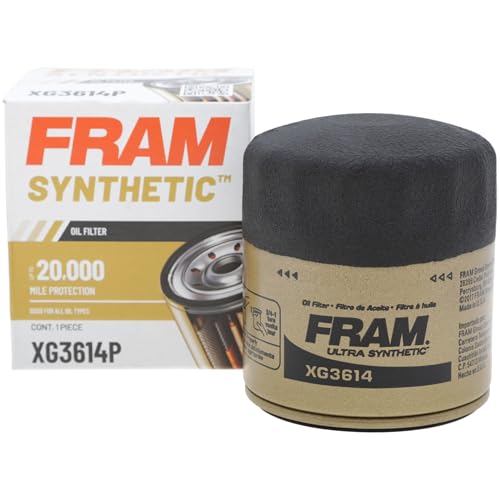 FRAM Synthetic XG3614P 20K Mile Change Automotive Replacement Engine Oil Filter for Synthetic Oil Changes, Premium Vehicle Engine Protection Oil Filter for Select Vehicle Model Years
 RVS Technology G6 Engine oil Treatment; For Gasoline Engines with a Motor oil capacity up to 6 quarts; Save fuel, Boost Power and Safely Restore and protect your Car, Truck, and all other engines