How to Protect Car Tires From Sun Damage
Use a UV-blocking tire cover for any vehicle or spare tire left in direct sun for weeks, and treat dressing as cosmetic only; for daily parking, shade or a full car cover is commonly more effective than coating alone. Skip sun protection and rubber dries out, cracks, and ages faster, which can lead to blowouts or early replacement. This article covers covers versus dressing, daily parking, long-term storage, spare-tire protection, and the signs that mean a tire is beyond saving.
Why sun damages tires



UV exposure starts the damage, and heat, rain, dirt, and time can make it worse on the same tire. Rubber compounds dry out, the surface fades, and dry rot can appear as cracking. Once that cracking reaches deeper layers, protection is no longer enough. Tire makers and safety agencies routinely warn that heat, sunlight, ozone, and long storage speed tire aging (NHTSA tire aging guidance; major tire maker care guides).
How UV exposure breaks down rubber compounds
UV exposure attacks the rubber compounds in a tire’s sidewall and outer surface. Direct sunlight is the fastest path, but parked vehicles age even when they never move. That is why sun protection matters for cars, RVs, trailers, and spare tires that sit in the open. Tire makers generally recommend limiting unnecessary sun exposure and checking tires regularly for weathering and cracking.
Why heat, rain, and dirt make damage worse
Heat speeds drying and can accelerate the aging of rubber compounds, especially on tires that sit on hot pavement. Rain and dirt add stress by leaving contaminants on the surface and creating repeated wet-dry cycles. NHTSA and industry guidance both note that environmental exposure and long storage can contribute to aging, so outdoor parking deserves more frequent checks.
What dry rot looks like on parked tires
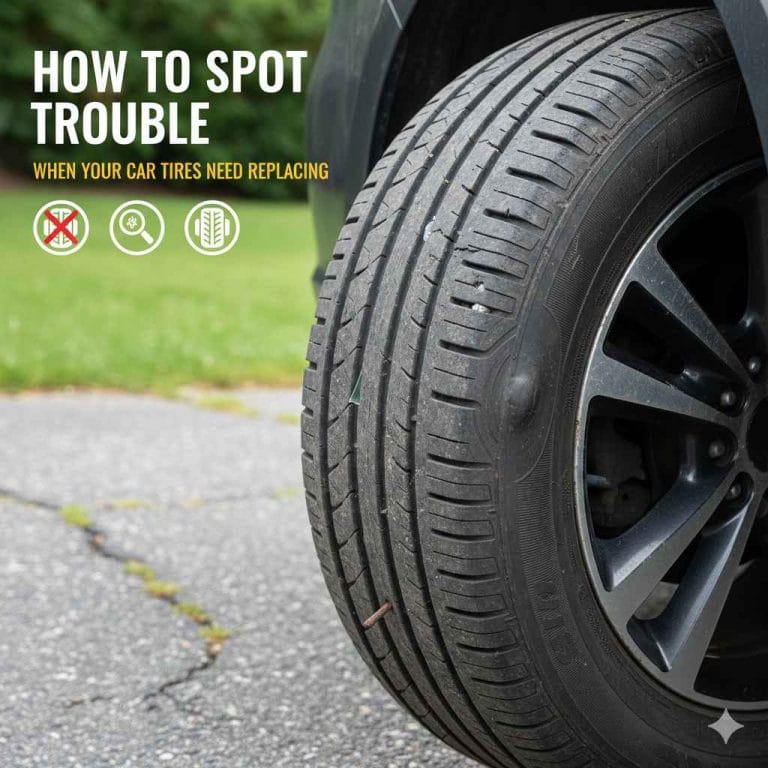
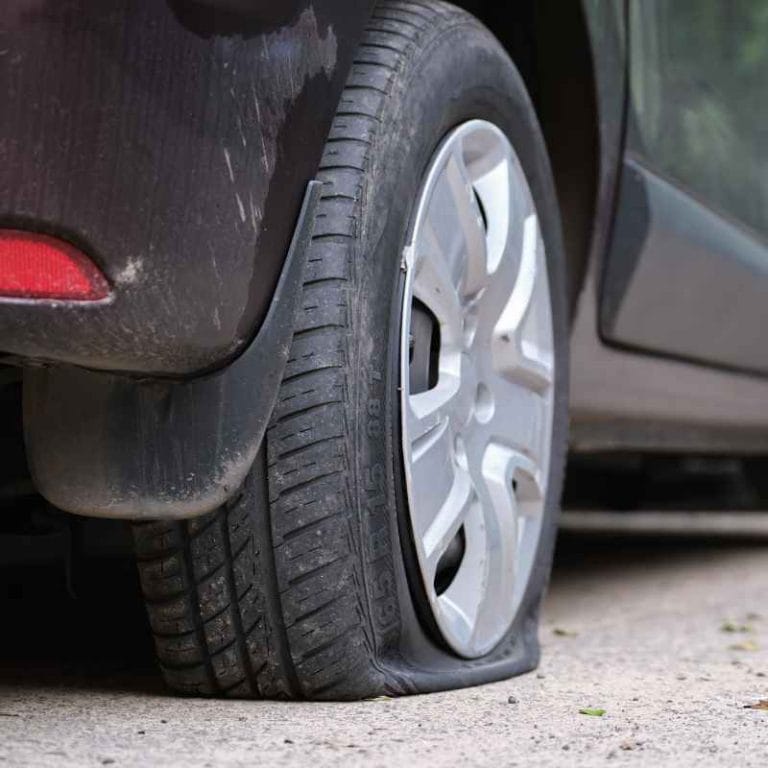
Dry rot is the condition readers are trying to avoid. It often shows up as fine sidewall cracking, more obvious checking near the tread shoulder, and a dull or faded look. A tire may still hold air and still be unsafe for longer road use. If cracks are deep, spreading, or visible on both sidewalls, the tire is often beyond safe service.
What protection fits your parking setup?
The right protection depends on how long the tire sits exposed and how much weather it takes. Daily parking calls for reducing total exposure, while weeks or months in one spot usually call for a UV-resistant cover plus shaded parking if possible. Exposed spare tires need their own protection, too.
Daily outdoor parking
For a car that sits outside every day, shaded parking is the first step. A full car cover can reduce total exposure better than tire dressing alone, while tire dressing can help improve appearance on exposed tires. If shade is not available, regular inspection matters more often, because daily sun and heat still move aging forward.
Weeks to months in storage
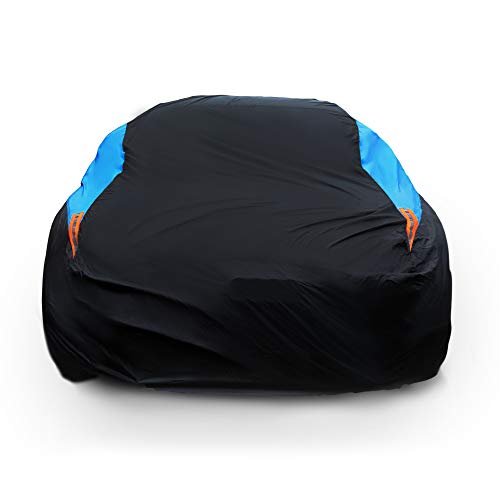
Long-term vehicle storage needs more than occasional attention. A UV-resistant tire cover is the better fit when a car, RV, or trailer sits outside for weeks or months. Covers block sunlight, rain, and dirt, which matters when the tire is not being driven and cleaned. Tire maker care guides also recommend protection from prolonged weather exposure.
Exposed spare tires on trucks and SUVs
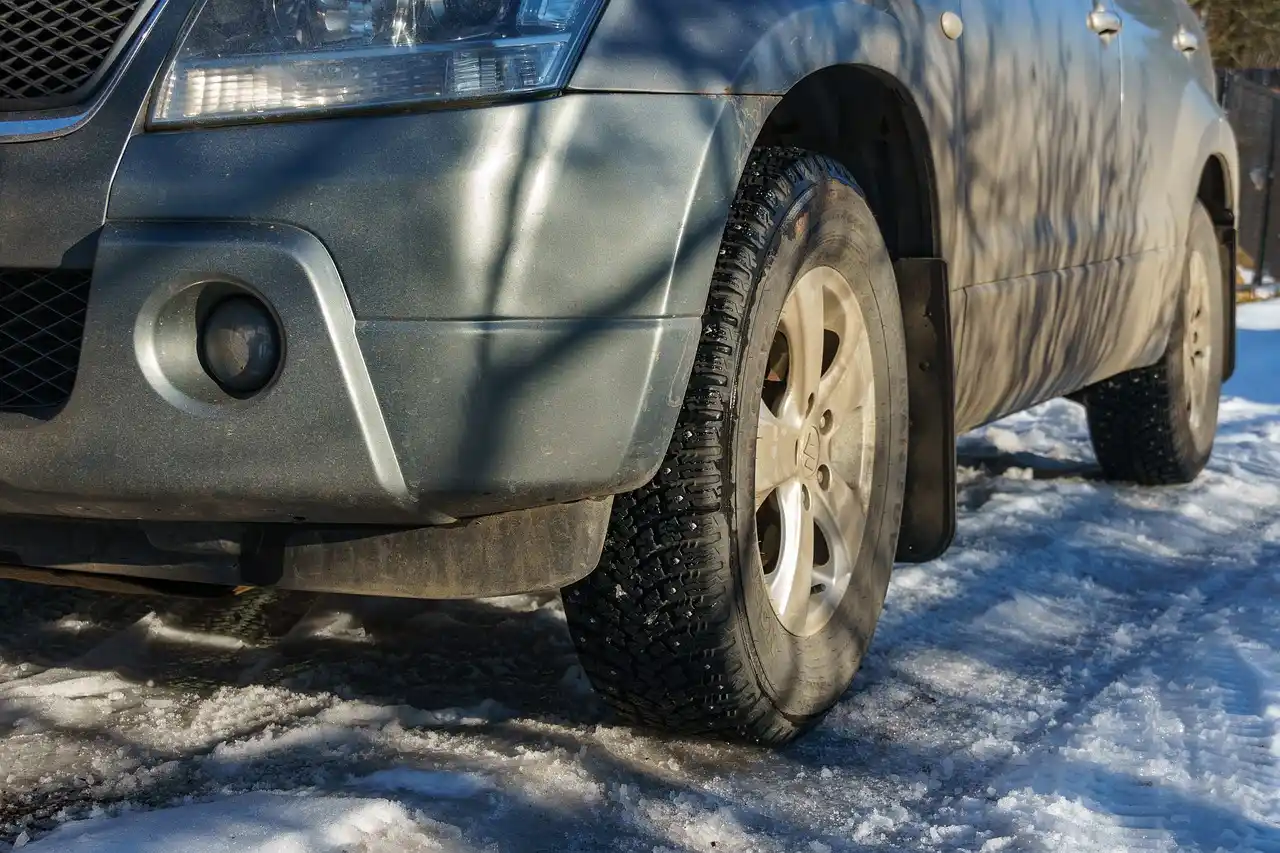
A spare tire under a truck or mounted outside on an SUV faces the same UV exposure as the main tires, sometimes with more dirt and splash. If it is exposed outdoors, protect it with a cover or shaded storage. If it lives inside a trunk, inspect it anyway before road trips, because spare tires age even when they are not being used.
Tire protection decision table
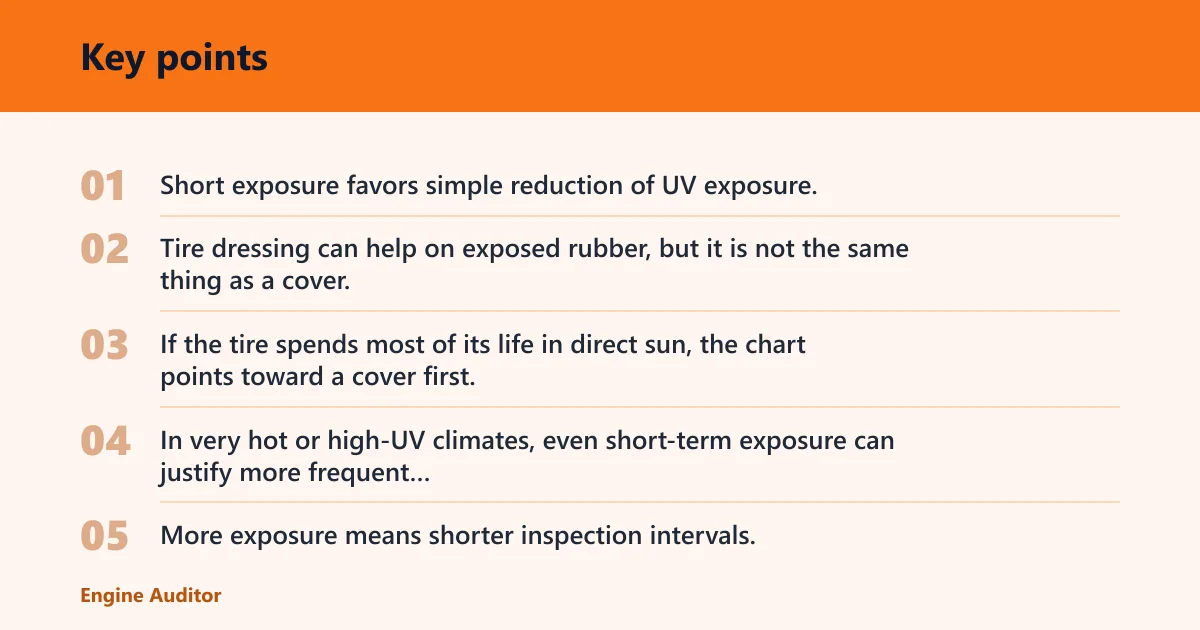
Use this chart as a decision tree. Start with how long the tire sits, then match the protection method to the exposure. After that, follow the inspection interval and check for red-flag signs. If the tire has cracking, fading, or deep checking, replacement may be the safer choice. For any tire stored in high-UV, hot, or coastal conditions, move up one protection level and inspect more often.
| Parking duration | Climate / exposure | Recommended product | Inspection interval | Red-flag signs that mean replace |
|---|---|---|---|---|
| Daily outdoor parking | Direct sun, warm pavement, rain, and dust | Shaded parking when available; tire dressing only as a secondary layer | Weekly quick look; monthly close check | Sidewall cracking, dry-looking rubber, visible checking between tread blocks |
| Weeks in one spot | Strong UV exposure with periods of heat and moisture | UV-resistant tire cover | Every 2 weeks | Fading plus cracking, brittle feel, cover rubbing that exposes cord or deep splits |
| Months in storage | Long-term vehicle storage, outdoor or partially sheltered | UV-resistant tire cover and shaded parking if possible | Monthly | Deep sidewall checks, dry rot, distortion from flat-spotting that does not recover |
| Exposed spare tire | Mounted outside, under-body exposed, or rear-mounted | Cover or shaded storage; dressing if the tire stays in serviceable condition | Monthly and before trips | Cracks at the sidewall shoulder, fading, age-related brittleness, tread or sidewall damage |
How to read the exposure-to-protection chart
Short exposure favors simple reduction of UV exposure. Longer exposure needs a physical barrier. Tire dressing can help on exposed rubber, but it is not the same thing as a cover. If the tire spends most of its life in direct sun, the chart points toward a cover first. In very hot or high-UV climates, even short-term exposure can justify more frequent checks.
When to inspect each setup
More exposure means shorter inspection intervals. A tire parked outdoors every day deserves a weekly glance and a monthly close check. A stored vehicle should be inspected at least monthly, because aging continues even when the engine is off and the vehicle is not moving. For vehicles left 2+ weeks in the same spot, inspect before and after the storage period.
Which red flags mean replace the tire?
Replace the tire when cracking is deep, when dry rot is obvious, or when the rubber feels brittle and faded rather than pliable. If the sidewall shows visible checking or the spare has spent too long exposed outdoors, the risk may be higher than the remaining tread value. Replace now if cracks are spreading, cords are visible, or the sidewall is splitting.
Are tire covers worth it?
Yes, when the tire sits in direct sun for weeks or months. UV-resistant tire covers are made to block sunlight, rain, and dirt, which makes them a practical fit for cars, RVs, trailers, and outdoor spares. They reduce exposure, but they do not stop age from moving forward. NHTSA guidance and tire manufacturer care pages still recommend routine inspection for weathering, cracking, and aging.
When UV-resistant tire covers make the most sense
A tire cover makes the most sense when parking is fixed and exposure is long. That includes storage lots, seasonal RV parking, trailers that sit outside, and spare tires mounted where sun and weather can reach them. Covers are a strong choice when shade is not available and the vehicle will sit 2+ weeks or longer.
What to look for in fit and material
Look for a cover that fits the tire size closely and stays in place in wind. UV-resistant materials matter because the cover itself spends the same time outside as the tire. A loose fit can rub, trap moisture, and let dirt work under the edge. For outdoor storage, choose a cover that sheds water rather than pooling it.
Limits of covers in wind, rain, and dirt
Covers are protection, not a cure-all. Wind can shift a loose cover, rain can pool if the shape is poor, and dirt can still work into seams or under the edge. A cover works best when the tire is clean, dry, and checked on schedule.
Say your trailer sits beside a driveway for three months in summer. A UV-resistant cover protects the sidewalls from direct sun, but the tires still need a monthly inspection for cracks, fading, and cover wear. If the rubber is already brittle, the cover cannot reverse that damage.
Which tire dressing protects best?
Choose dressing only when the label and product type indicate UV protection, not just shine. Many dressings are cosmetic and mainly improve appearance; some also include UV inhibitors. Tire dressing can help slow UV-related fading on exposed rubber, but it does not reverse dry rot and it cannot replace shade or a cover on tires parked outside for long periods.
UV protection versus tire shine
A glossy finish can look useful and still offer little UV defense. The better choice is a dressing that explicitly calls out UV protection for rubber. If the product only promises a wet look or shine, treat it as cosmetic unless the directions say otherwise. Manufacturer care guides generally position dressings as appearance and maintenance products, not structural protection.
How often to apply dressing for exposed tires
How often you apply dressing depends on climate, exposure, and the product directions. In harsh sun, more frequent reapplication may be needed because heat, rain, and washing can remove it faster. For lightly exposed tires, longer intervals may be enough if the rubber still looks healthy. Reapply only to clean, dry tires so residue does not trap grit.
When dressing is not enough
Dressing cannot rescue a tire with dry rot, deep cracking, or obvious brittleness. It also cannot replace shade or a cover on a vehicle parked outside for long periods. If the tire is already checking badly, the right answer is replacement, not a thicker coating.
How to protect tires during storage
During storage, the goal is to cut UV exposure and slow aging, not just keep the tires clean. Use shaded parking when possible, add a cover for outdoor storage, and keep the tires off hot surfaces if the setup allows it. Storage checks should include flat-spotting and surface aging. For long-term parked vehicles, the safest pattern is reduce exposure, clean the tire, cover it, and inspect on a schedule.
Shade, covers, and clean storage surfaces
Shade reduces exposure across the vehicle, but it is not complete protection by itself. Pair shade with covers when storage lasts weeks or months. Keep the storage surface clean so dirt and grit do not sit against the rubber and work into the sidewall or tread shoulder. If possible, park on a cooler, cleaner surface than direct sun-baked asphalt.
Keeping parked tires off hot pavement
Hot pavement adds heat to the same rubber that is already dealing with UV exposure. If the vehicle can be parked on a cooler surface, that helps reduce stress. For long-term storage, clean concrete or a shaded pad is preferable to direct sun on asphalt. Heat-related aging is one reason tire safety guides recommend more frequent checks in hot climates.
Checking for flat-spotting after storage
Flat-spotting can appear after a long sit, especially on vehicles stored without movement. A tire may look fine at first but feel rough or vibrate on the first drive. If the flat spot does not recover after normal driving, inspect the tire for damage before more use. If flat-spotting is paired with cracks or sidewall checking, replacement may be warranted.
Picture a SUV stored outside for the winter with a rear-mounted spare. The main tires may still roll fine after storage, but the spare can fade and crack faster because it never gets rotated into service. That spare needs its own cover, monthly checks, and a pre-trip inspection.
When sun damage means replacement
Protection has a limit. If cracking reaches the sidewall, if the rubber feels brittle, or if fading has turned into obvious dry rot, replacement is the safer call. A tire that has lost structural confidence from age or sun exposure should not be treated as a cosmetic problem. Tire industry guidance generally treats sidewall cracking, deep weather checking, and age-related deterioration as reasons to remove the tire from service.
Cracking on sidewalls and between tread blocks
Cracks on the sidewall are a warning sign because that area flexes every time the tire rolls. Cracking between tread blocks can also signal age and exposure. Shallow surface marks may call for closer monitoring, but deep or spreading checks mean the tire is moving toward failure. NHTSA and tire maker materials both emphasize that sidewall damage deserves prompt inspection.
Fading, brittleness, and deep checking
Fading alone is not the worst sign, but faded rubber often means UV exposure has been active for a while. Add brittleness, and the concern rises. Once the surface feels dry and the cracks are no longer just cosmetic, protection is no longer the answer. At that point, a cover or dressing may hide the look but will not restore tire strength.
When a spare tire is no longer dependable
Spare tires often age in silence because they are rarely inspected. If an exposed spare shows sidewall cracking, dry rot, or heavy fading, it should not be trusted on a road trip. A spare is only useful if it is still roadworthy when you need it, so inspect it before every long trip and replace it when the rubber is clearly aged.
Frequently asked questions
How do I protect car tires from sun damage?
Use shade when you can, then add a UV-resistant tire cover for anything parked outside for long periods. Tire dressing can help slow UV degradation on exposed rubber, but it is secondary. Inspect for cracking, fading, and dry rot before those signs become safety problems. For daily parking, weekly checks are a practical minimum.
Do tire covers really protect tires from UV?
Yes. A UV-resistant tire cover blocks sunlight and also helps keep rain and dirt off the tire. It works best on vehicles parked outside for weeks or months, and on exposed spare tires. A cover reduces exposure, but it does not stop aging completely. Tire maker care guides still recommend regular inspection.
What is the best tire dressing for UV protection?
The best choice is a dressing that specifically claims UV protection for rubber, not just shine. Cosmetic tire shine can improve appearance without offering meaningful sun defense. Apply dressing only as directed, and use it as a supplement when tires are exposed, not as the main barrier. No dressing reverses dry rot or deep cracking.
How do I protect tires during storage?
For storage, use shaded parking first, then add UV-resistant tire covers if the vehicle sits outside. Keep the tires clean and inspect them monthly. Also check for flat-spotting after the vehicle comes back into service, especially after long periods without movement. If storage runs beyond 2 weeks, move from casual checks to a set inspection schedule.
How do I protect a spare tire under a truck from sun damage?
If the spare is exposed to sunlight, treat it like a regular tire. Use a cover if the mounting position allows it, and inspect it monthly for cracking, fading, and dry rot. If it lives underbody and sees a lot of road splash, keep it clean and check the sidewalls carefully. Before trips, inspect the spare even if it has not been used.
Can sunlight cause dry rot in tires?
Yes. Sunlight, heat, and time can dry out rubber compounds and speed dry rot. The first signs often include fading and small cracks, especially on sidewalls and parked vehicles. Once the cracking deepens, no dressing or cover can restore the rubber to safe condition. That is why tire makers and NHTSA recommend regular visual checks.
Products related to this article
Sponsored / affiliate links. As an Amazon Associate I earn from qualifying purchases. I may earn additional commission from eligible campaigns.