Is it Ok to Use Car Tires on a Trailer? (Expert Answer)
Thinking about using car tires on your trailer? It’s a common question, especially for those new to hauling or DIY projects. You might be wondering, Is It OK to Use Car Tires on a Trailer? The answer isn’t always straightforward, and there’s a lot to learn to stay safe and legal. Don’t worry, we’ll break it down in a way that’s easy to grasp. We’ll explore the main considerations, safety tips, and how to find the right tires for your needs. Let’s get started!
Deciphering Tire Types and Trailer Safety
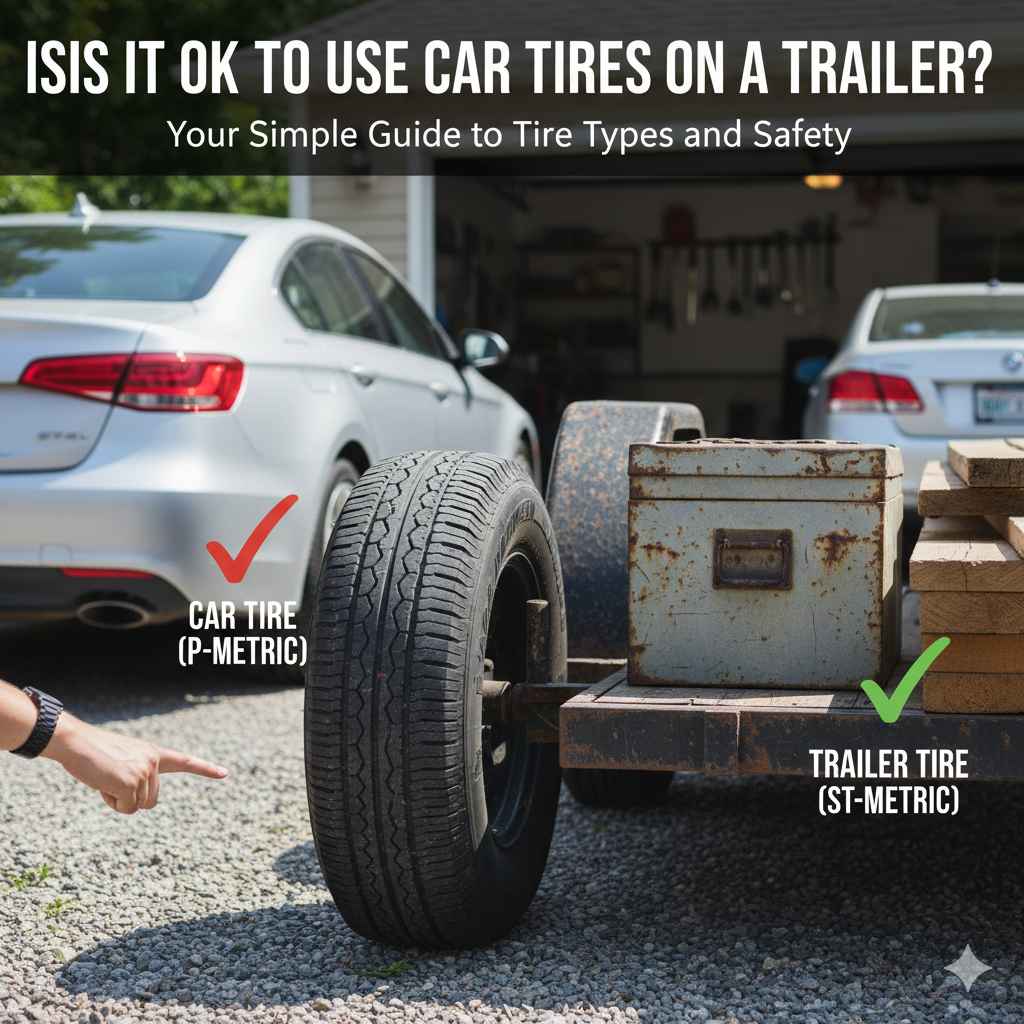
Before deciding about car tires on a trailer, it’s key to explore the different tire types available. Passenger vehicle tires, often found on cars, are built to handle specific loads and driving styles. Trailer tires, on the other hand, are engineered to bear heavier loads and deal with the unique stresses of towing. This difference is paramount when considering the safety and stability of your trailer. Each type of tire has particular construction characteristics, tread patterns, and load ratings that affect its performance.
Ignoring these aspects can lead to dangerous situations, including tire failure, reduced control, and potential accidents. Knowing the fundamentals of tire design and intended use is the first, and possibly most crucial, part of the answer to, “Is It OK to Use Car Tires on a Trailer?“
Passenger Vehicle Tires: What to Know
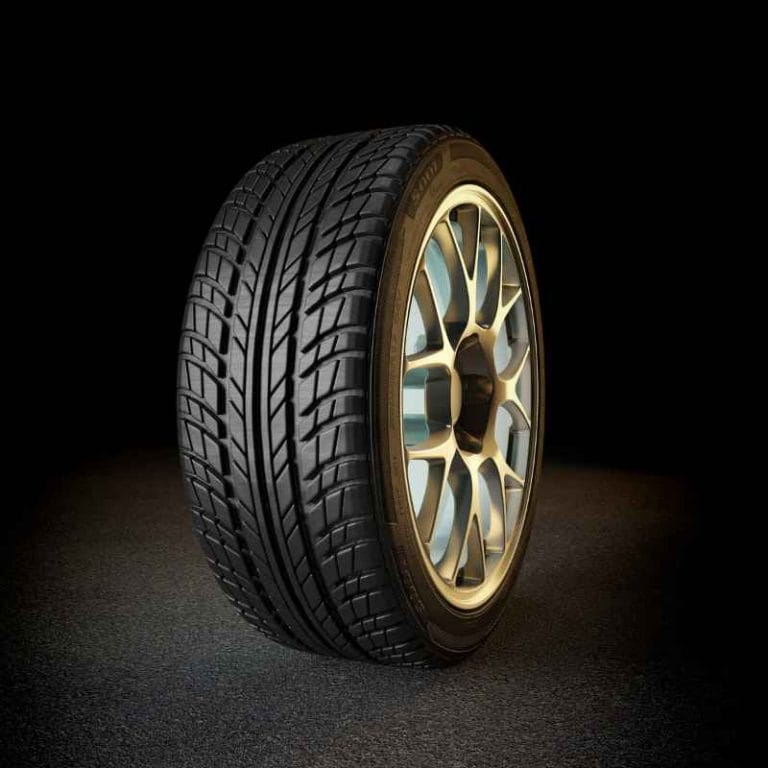
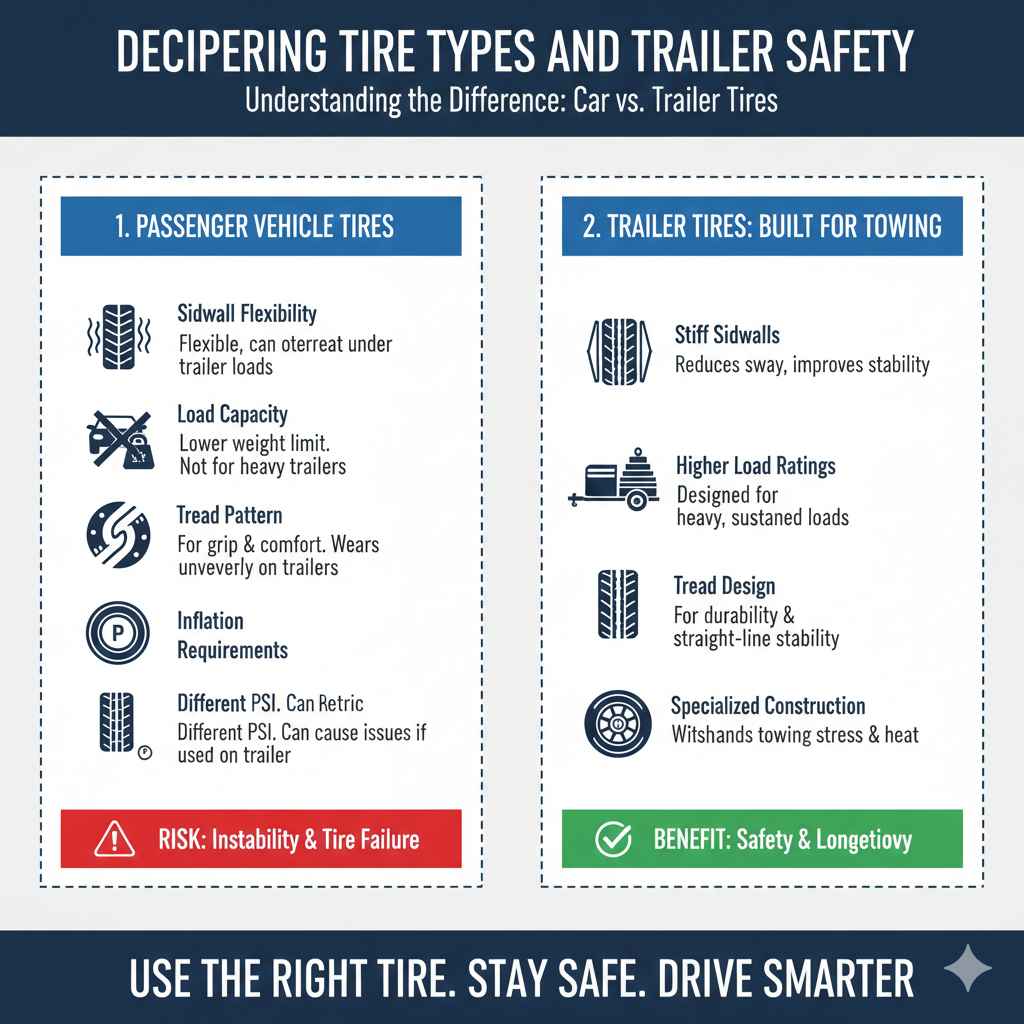
Passenger vehicle tires, or car tires, are built for cars, SUVs, and light trucks. They are designed for passenger comfort, fuel efficiency, and a smoother ride. These tires typically have more flexible sidewalls to absorb road impacts and offer improved handling for daily driving. The tread design often prioritizes wet or dry road grip and noise reduction. They are not engineered to handle the concentrated and sustained loads often seen with trailers. Because of this, using car tires on a trailer can put them under significant stress, potentially leading to premature wear and catastrophic failures.
- Sidewall Flexibility: The flexible sidewalls, while improving ride quality, can be a disadvantage on trailers. They may flex excessively under load, generating heat and reducing stability at higher speeds.
- Load Capacity: Car tires have load ratings that may be insufficient for the weight of the trailer and its cargo. Exceeding the load rating is a major safety risk.
- Tread Pattern: The tread patterns are usually optimized for handling and braking on paved roads. Trailer tires, conversely, often have a more robust tread design for stability when towing and better resistance to scrubbing.
- Inflation Requirements: Car tires have different inflation requirements than trailer tires. Inflating them incorrectly can lead to uneven wear and possible failure.
Trailer Tires: Built for Towing
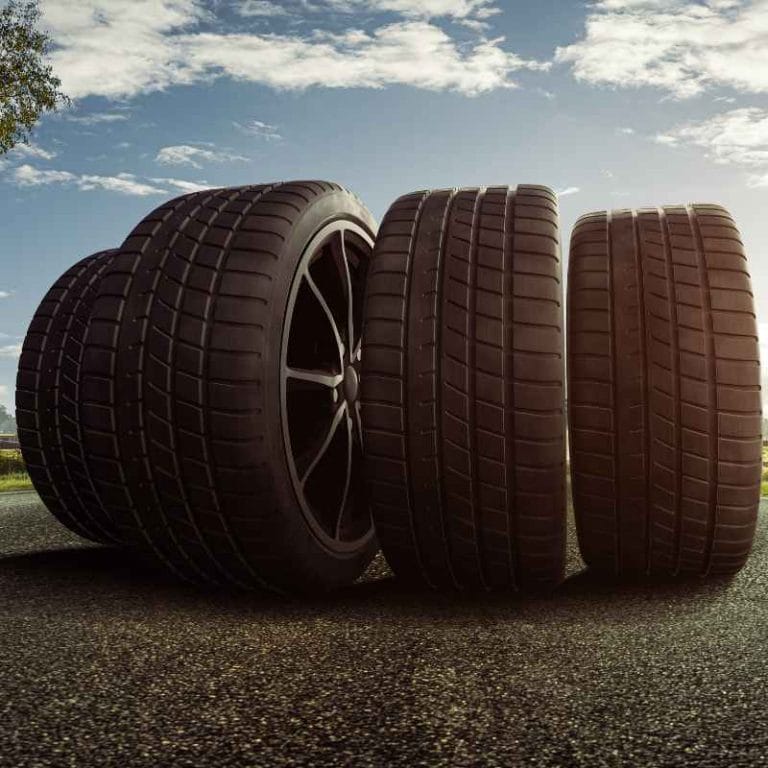
Trailer tires are specially designed to handle the unique demands of towing. They are built with stiffer sidewalls to support heavier loads and minimize side-to-side sway. The tread patterns are typically less complex, focusing on durability and stability at higher speeds and carrying loads. These tires also have a higher load index, meaning they can safely carry more weight. These characteristics make trailer tires a much safer choice for hauling. Their design prioritizes longevity and safety when subjected to the prolonged stresses of towing. These tires are clearly different, so “Is It OK to Use Car Tires on a Trailer?” becomes less of a question when considering their construction.
- Stiff Sidewalls: Stiff sidewalls reduce sway and improve stability, especially during turns and when navigating uneven road surfaces.
- Higher Load Ratings: Trailer tires have significantly higher load ratings than car tires, ensuring they can bear the weight of the trailer and its cargo safely.
- Tread Design: The tread designs focus on durability and straight-line stability, reducing wear and tear under heavy loads.
- Specialized Construction: They often have more robust construction to endure the constant stresses of towing, including heat build-up and scrubbing.
Legal Aspects and Load Ratings: Key Things
The legality of using car tires on a trailer can vary. It depends on your local and state laws. Also, understanding load ratings is vital to safety. Ignoring these aspects can lead to hefty fines, insurance claim denials, and, more importantly, put you at risk. This is a critical factor when trying to assess “Is It OK to Use Car Tires on a Trailer?“. Compliance with regulations ensures that your trailer is roadworthy and that you are operating it responsibly. Checking for the correct tires can also prevent legal troubles.
Understanding Load Ratings and Their Importance
Load ratings are a key factor in tire safety. They show the maximum weight a tire can safely carry at a certain inflation pressure. This rating is imprinted on the tire’s sidewall, usually following the size designation (e.g., 205/75R15 95H, where “95” represents the load index). It’s crucial to ensure that the load rating of your tires matches or exceeds the gross axle weight rating (GAWR) of your trailer. GAWR can be found on a sticker, usually on the trailer’s frame. Using tires with insufficient load ratings is dangerous. They can result in tire failure, which causes accidents. Always check the GAWR and the tires’ load ratings before using a trailer.
- Find the GAWR: Locate the Gross Axle Weight Rating (GAWR) of your trailer. This number indicates the maximum weight the axle can bear, including the trailer’s weight and cargo.
- Check Tire Load Index: Find the load index on the sidewall of your tires. This number corresponds to a specific weight capacity.
- Calculate Total Capacity: Multiply the load index of each tire by its maximum load capacity to determine the total load capacity.
- Compare and Ensure Safety: Make sure the total load capacity of the tires meets or exceeds the GAWR of your trailer.
State and Local Regulations on Tire Use
Regulations vary widely by state and even by locality. Some areas may permit car tires on trailers under certain conditions, while others prohibit them altogether. It is your job to understand the laws in your area. Failure to comply can result in fines and, in extreme cases, vehicle impoundment. Some states require specific tire types for certain trailers, such as those used for commercial purposes or those exceeding a specific weight threshold. Checking the laws protects you from potential legal issues. It also ensures the safety of everyone on the road. The safety of the tire usage may depend on the state and the nature of the trailer.
- Research Local Laws: Find out the specific regulations in your state or local area. Check with your Department of Motor Vehicles (DMV) or state police.
- Review Trailer-Specific Requirements: Some regions require specific types of tires for certain trailer uses, like commercial hauling or trailers with specific weight limits.
- Keep Documentation: Carry proof of compliance with tire regulations, such as tire specifications and receipts, if needed.
- Stay Updated: Regulations can change. Stay informed by checking for updates and new legal requirements.
Practical Considerations for Tire Selection
Selecting the right tires for your trailer is not just about choosing between car tires and trailer tires. Factors like the trailer’s weight, the type of cargo you’ll be hauling, and your typical driving conditions should be considered. These considerations can impact tire performance and how long they last. The right choice supports safe and effective towing. Selecting the best choice is essential to knowing “Is It OK to Use Car Tires on a Trailer?“. You must choose the right tire for the job to keep you and your cargo safe.
Matching Tires to Trailer and Cargo
The trailer’s weight is the most important factor in choosing tires. You must consider the trailer’s empty weight (tare weight) and the maximum loaded weight (gross vehicle weight rating, or GVWR). The tire load rating should always meet or exceed the trailer’s GVWR. The type of cargo also has an effect. Heavier cargo requires tires with higher load ratings. For instance, hauling construction materials requires more robust tires than transporting lighter goods. Remember to select tires that suit the intended use of the trailer.
- Assess Trailer’s GVWR: Find the Gross Vehicle Weight Rating (GVWR) of your trailer. This is the maximum weight the trailer is designed to carry, including itself and the cargo.
- Determine Cargo Weight: Estimate the typical weight of the cargo you’ll be hauling. This should be added to the trailer’s empty weight.
- Choose Load Rating: Select tires with a load rating that meets or exceeds the combined weight of the trailer and cargo.
- Consider Driving Conditions: If you frequently drive on rough roads or at higher speeds, consider tires with a higher load rating and robust construction.
Understanding Tire Size and Speed Ratings
Tire size is also important. The correct tire size ensures the tires fit your trailer’s wheels properly. The size is marked on the tire’s sidewall (e.g., ST205/75R15), indicating the tire’s width, aspect ratio, construction type, and rim diameter. Speed ratings are also important for safety. They show the maximum speed at which the tire can safely carry a load under specific conditions. Tires with higher speed ratings are often better suited for higher speeds. However, always respect speed limits and avoid exceeding the tire’s speed rating.
- Check Tire Size: Confirm the correct tire size by checking the sidewall of your existing tires or the trailer’s owner’s manual.
- Match Rim Diameter: Make sure the tire’s rim diameter matches your trailer’s wheels.
- Consider Speed Ratings: Select tires with a speed rating appropriate for your towing habits and the speeds you typically drive.
- Consult a Professional: If you are unsure about tire size or speed ratings, talk to a tire specialist for guidance.
Real-Life Examples and Scenarios
To provide a better grasp of the potential consequences and benefits of choosing the correct tires, consider the real-life examples below. These case studies can illustrate the difference between using car tires versus trailer tires. Understanding these examples is part of answering the question, “Is It OK to Use Car Tires on a Trailer?” The safety of your trailer and its cargo is very important. These situations can help provide a more clear picture.
- Case Study 1: The Overloaded Trailer. A family planned a weekend camping trip. They loaded their utility trailer with camping gear, including a large tent, several coolers, and other equipment. Their trailer had car tires with a load index slightly below the combined weight of the trailer and its cargo. During the trip, one of the tires failed due to the stress from the overload, causing the trailer to sway dangerously and making them pull over. This situation could have been prevented by using trailer tires with a higher load rating.
- Case Study 2: High-Speed Towing. A contractor regularly towed a small construction trailer with car tires on the highway. They often drove at highway speeds to get to different job sites quickly. Over time, the tires showed unusual wear, and at one point, one tire blew out due to the heat generated by constant highway speeds and the added weight. Replacing the tires with trailer tires, which are built for these conditions, improved stability and safety.
These two examples demonstrate the need to choose tires based on load and intended use.
Scenario 1: Towing a Lightweight Utility Trailer
You have a small utility trailer that you use to haul garden waste and occasional light loads. The trailer’s GVWR is 1,500 pounds. You rarely exceed 1,000 pounds of total weight. In this situation, the use of car tires might be considered. You should still ensure that the load rating of the tires is sufficient and they are inflated to the proper pressure. However, it is advisable to use trailer tires for increased safety, stability, and longevity. The best approach is to examine your actual use case.
Scenario 2: Heavy-Duty Cargo Towing
You regularly haul construction materials or heavy equipment with a larger trailer. The GVWR of the trailer is 5,000 pounds or more. In this scenario, car tires are not a suitable choice. They are unlikely to have the required load ratings or construction for such heavy-duty use. Trailer tires are critical for safe towing. Always choose trailer tires that match or exceed the trailer’s GVWR. This is the only safe way to haul heavy loads and protect yourself.
Best Practices and Pro Tips
You have learned about the aspects of tire selection. Applying some best practices can help. Regular inspections, proper maintenance, and following specific safety tips can increase your safety. These practices can help you make an informed decision when considering, “Is It OK to Use Car Tires on a Trailer?“. These tips will assist you in making the right choice for your particular needs.
Regular Tire Inspections and Maintenance
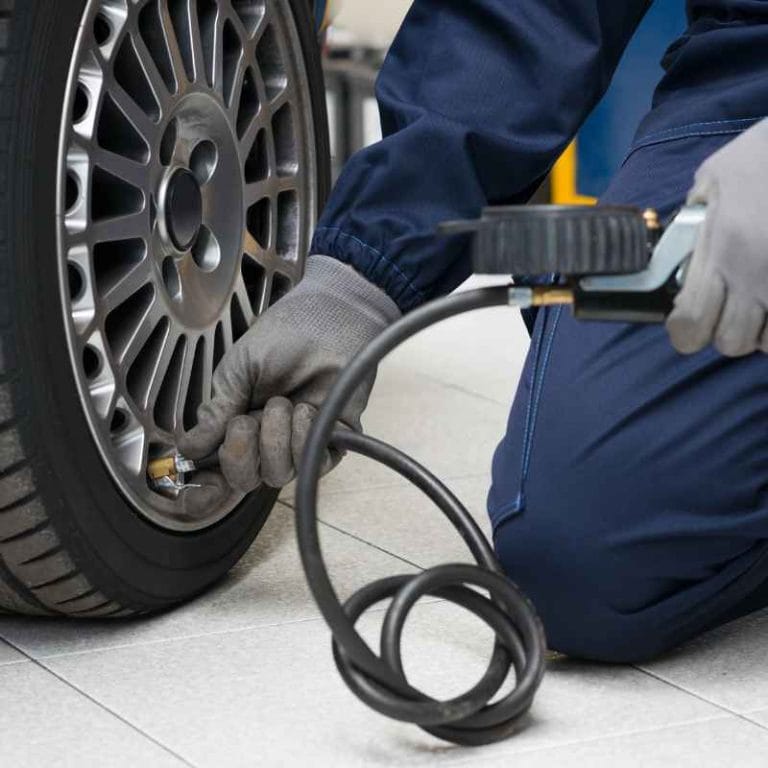
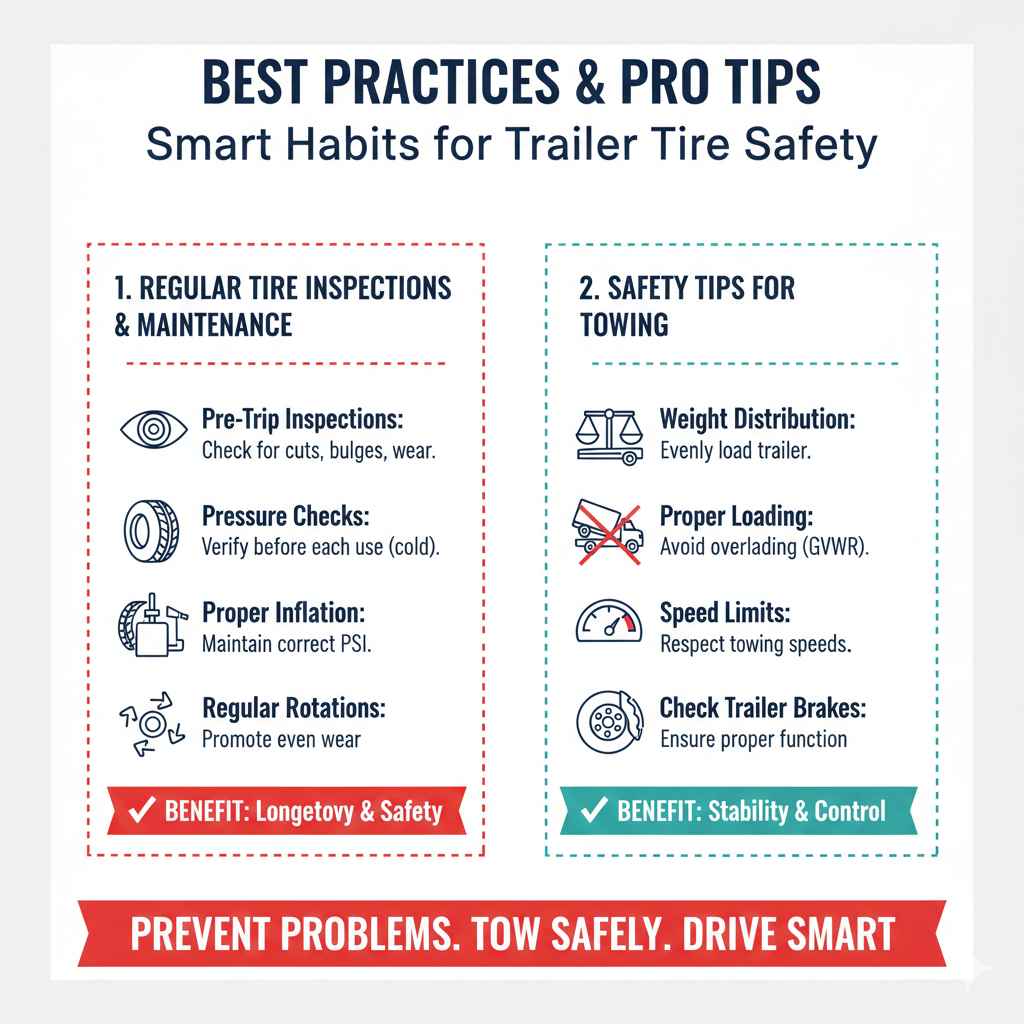
Checking tires frequently is an easy way to prevent issues. Before each trip, inspect your tires for any signs of wear and tear, such as cuts, bulges, or uneven wear patterns. Check the tire pressure before each use, as pressure changes with temperature. It is also important to maintain the tires, including regular rotations and balancing. Following these procedures can maximize the lifespan of your tires and ensure they are safe for travel. Proper care is key for your trailer’s safety.
- Pre-Trip Inspections: Check tires for cuts, bulges, or excessive wear before each trip.
- Pressure Checks: Verify the tire pressure before each use, referencing the sidewall for recommended values.
- Proper Inflation: Maintain correct tire pressure, as under-inflation can cause heat build-up and tire failure.
- Regular Rotations: Rotate tires regularly to promote even wear.
Safety Tips for Towing and Tire Care
Safe towing practices involve more than just selecting the right tires. It also involves driving habits, load distribution, and trailer maintenance. Properly distributing the load on the trailer will prevent excessive stress on the tires. Avoid overloading the trailer, and always respect speed limits. Taking extra care can avoid problems while towing. This also helps with tire care.
- Weight Distribution: Distribute weight evenly in the trailer to maintain balance.
- Proper Loading: Avoid overloading the trailer beyond its GVWR.
- Speed Limits: Respect the recommended speed limits for towing, often lower than general speed limits.
- Check Trailer Brakes: Ensure your trailer’s brakes are working correctly, especially on heavier trailers.
Frequently Asked Questions
Question: Can I mix car tires and trailer tires on the same trailer?
Answer: It is not a good idea to mix tire types. Using the correct tires on all positions will improve stability. This is especially true for towing.
Question: How often should I replace trailer tires?
Answer: Trailer tires should be replaced every 3-5 years, regardless of their tread wear, due to rubber aging and degradation from UV exposure.
Question: What’s the difference between radial and bias-ply trailer tires?
Answer: Radial tires offer a smoother ride and better handling due to their construction. Bias-ply tires are stiffer and more durable but may provide a bumpier ride.
Question: What does ST mean on a tire?
Answer: ST stands for Special Trailer, indicating the tire is designed for trailer use. These tires have specific features. They make them suitable for the demands of towing.
Question: Can I use run-flat tires on a trailer?
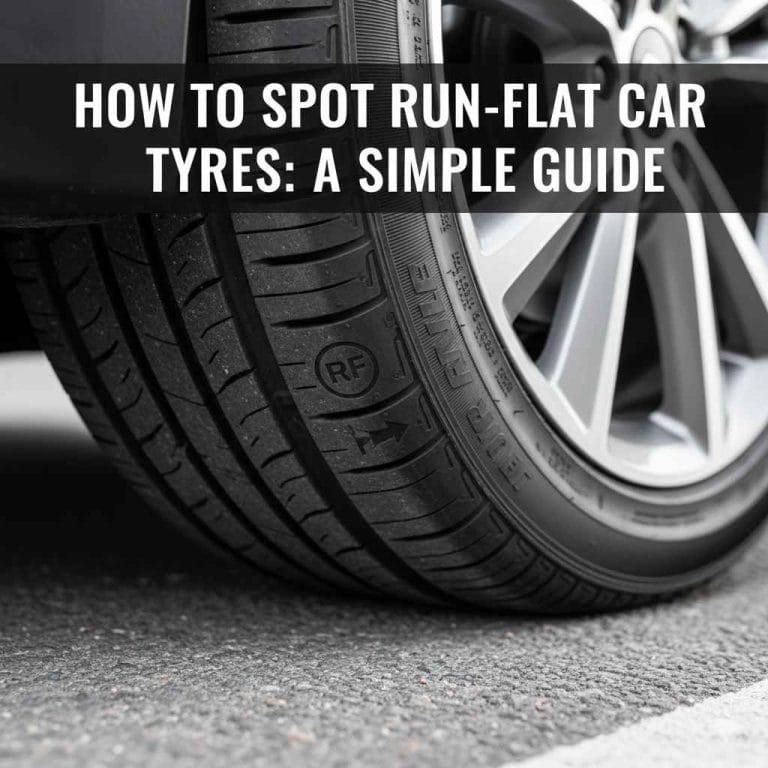
Answer: Run-flat tires are generally not designed for trailer use. Their construction and load capacity are usually not suitable for the higher loads. Stick with trailer-rated tires for safety.
Final Thoughts
The choice of whether to use car tires on a trailer is not always simple, and there are many safety considerations. Understanding tire types, load ratings, and the regulations in your area is the starting point. Using car tires can be risky because they may not be built for the stresses of towing. Trailer tires are designed to handle the extra weight. By selecting the right tires, maintaining them, and following safe towing practices, you can make your hauling experience safer. Always consider the trailer’s GVWR, the load you plan to carry, and your local laws before making a decision. Remember, safety comes first. Do your research, choose wisely, and have a safe journey.
Products related to this article
Sponsored / affiliate links. As an Amazon Associate I earn from qualifying purchases. I may earn additional commission from eligible campaigns.