Why Are Car Tires So Important for Safety? Must Read
Every day, millions of drivers trust their vehicles to transport them safely from point A to point B, often taking for granted the critical components that make this possible. Among these, car tires are perhaps the most underestimated aspect of vehicle safety. While modern cars boast advanced features like automatic emergency braking, lane departure warnings, and adaptive cruise control, the true foundation of road safety lies where the rubber meets the road—your tires. Their condition, design, and maintenance can mean the difference between a safe journey and disaster.
Yet, statistics reveal a worrying reality: tire-related incidents contribute to thousands of accidents annually. According to the National Highway Traffic Safety Administration (NHTSA), over 11,000 tire-related crashes occur in the US each year, resulting in hundreds of fatalities. Despite this, drivers often neglect tire maintenance and underestimate the impact of tire choice and condition on safety. This article dives deep into why car tires are absolutely vital for safety, explores how they influence every aspect of driving, and provides actionable insights to ensure your tires are optimized for maximum protection.
Key Takeaways
- Car tires play a pivotal role in safety, directly affecting braking, handling, and accident prevention.
- Regular tire maintenance—including pressure checks, rotation, and inspection—greatly reduces risk.
- Tire selection matters: The right type and tread depth are essential for varying conditions.
- Data shows tire-related incidents are a major cause of road accidents, emphasizing the need for awareness.
- Investing in high-quality tires and proper care can save lives and money in the long run.
Credit: texastrucktire.com
The Crucial Role Of Tires In Vehicle Safety
Tires: The Only Contact Point With The Road
No matter how advanced your vehicle’s safety technology, tires are the sole contact between your car and the road surface. This simple fact underscores their importance: all steering, braking, and acceleration forces are transferred through a patch of rubber no larger than your hand.
- Steering and handling: Tires directly affect how well you can control your car, especially in emergency maneuvers. When you turn the wheel, the tire’s grip on the road determines how quickly and accurately the vehicle responds. If your tires are worn or mismatched, steering response can become sluggish or unpredictable, increasing the risk of losing control.
- Braking: The ability to stop quickly relies on tire grip and condition. Braking force is transmitted through the tires, and their ability to “bite” into the road surface determines how efficiently a vehicle can decelerate. This is especially critical in wet or slippery conditions, where poor tires can lead to dangerous skids.
- Acceleration: Even powerful engines are useless without tires that can translate force into motion safely. Tires with insufficient tread or incorrect pressure may struggle to transfer power, especially on slick surfaces, resulting in wheel spin and loss of traction.
It’s important to remember that the contact patch—the portion of the tire actually touching the road—is very small relative to the size of the vehicle. Four tires support thousands of pounds of weight and are responsible for keeping you anchored to the road during all driving situations.
This reliance makes tire quality and maintenance absolutely essential.
Impact On Braking Performance
Braking efficiency is heavily dependent on tire condition and type. According to a study by the NHTSA, vehicles with worn tires require up to 30% longer stopping distances compared to those with new tires. This increase can turn a near miss into a collision, especially at higher speeds or in emergency situations.
Key factors influencing braking:
- Tread depth: Greater tread means better water dispersion, reducing hydroplaning risk. Tires with deep tread can channel water away from the contact patch, maintaining grip even in heavy rain. Worn tires lose this ability, making hydroplaning more likely.
- Rubber compound: Softer compounds grip better but wear out faster. Many performance tires use softer rubber for maximum traction, but they require more frequent replacement. All-season tires balance durability and grip, while winter tires use unique compounds designed to stay pliable in freezing temperatures.
- Tire pressure: Under-inflated tires increase stopping distances and reduce stability. Low pressure causes tires to flex more, reducing the effectiveness of the tread and increasing the risk of overheating. Over-inflated tires, meanwhile, reduce the contact area, impairing grip and braking.
| Tire Condition | Dry Road Stopping Distance (60-0 mph) | Wet Road Stopping Distance (60-0 mph) |
|---|---|---|
| New tires | 120 ft | 145 ft |
| Worn tires (2/32″ tread) | 140 ft | 185 ft |
| Under-inflated tires | 150 ft | 190 ft |
Even a difference of 20–40 feet in stopping distance can be the difference between avoiding a crash and a serious collision. For example, in urban environments, where traffic is dense and reaction times are critical, a longer stopping distance can result in rear-end accidents and pedestrian injuries.
Tire Influence On Accident Avoidance
Tires are integral to accident prevention, particularly in situations like evasive steering or sudden braking. The European Tyre & Rubber Manufacturers’ Association found that tire failures contribute to approximately 5% of road accidents in Europe.
- Grip and stability: High-quality tires maintain traction during abrupt maneuvers. When swerving to avoid an obstacle, the tire’s ability to hold the road surface determines whether you can safely change direction. Tires with poor grip may slide or lose contact, dramatically increasing crash risk.
- Responsive handling: Properly maintained tires enable swift course corrections. Responsive tires react quickly to steering inputs, giving drivers more control in emergency situations. This is especially important in vehicles equipped with modern safety systems—these systems rely on good tires to maximize their effectiveness.
In high-speed driving or on winding roads, tire performance can be the deciding factor in accident avoidance. Vehicles with superior tires are able to maintain composure during aggressive steering or braking, while those with subpar tires may lose stability and skid out of control.
Real-world Example: The 2017 Florida Highway Incident
In 2017, a multi-car pileup on a Florida highway was traced back to a single vehicle with severely worn tires. Investigators determined that the lack of tread led to hydroplaning and loss of control, triggering the accident. This case highlights the real consequences of neglecting tire safety.
Further details revealed that the driver had ignored repeated warnings about tire condition, and the accident occurred during heavy rain. Over a dozen vehicles were involved, resulting in injuries and significant property damage. The incident became a catalyst for statewide campaigns promoting tire inspections and maintenance, demonstrating how a single neglected tire can impact dozens of lives.
Credit: donutscoffeehouse.com
Tire Types And Their Impact On Safety
All-season Tires Vs. Specialized Tires
Choosing the right tire type is crucial. All-season tires are designed for versatility but may not excel in extreme conditions. Winter tires and performance tires offer enhanced safety in specific scenarios.
- All-season tires: Good for mild climates, compromise between wet, dry, and light snow performance. They are the most common choice for drivers, offering reasonable grip in a variety of conditions but lacking the deep tread or soft compounds required for severe weather.
- Winter tires: Superior traction in snow and ice due to softer compounds and deeper treads. Winter tires feature unique tread patterns that “bite” into snow and maintain flexibility in freezing temperatures, offering up to 50% better grip than all-season tires in winter conditions.
- Performance tires: Enhanced grip for dry and wet conditions, ideal for sporty driving but less durable. Performance tires are designed for maximum handling, cornering, and braking at higher speeds, but they can wear quickly and are not suitable for snow or ice.
| Tire Type | Optimal Conditions | Safety Benefits |
|---|---|---|
| All-season | Moderate climates | Balanced performance; not specialized |
| Winter | Snow, ice | Maximum grip in low temperatures |
| Performance | Dry, wet roads | Superior handling and braking |
Additional tire types include all-terrain tires for off-road and rugged environments and touring tires for comfort and longevity. Each serves a unique purpose, and mismatching tires to driving conditions can compromise safety.
Tread Design And Safety
Tread patterns are engineered for specific performance goals:
- Directional tread: Channel water efficiently, reducing hydroplaning. These tires are designed to rotate in a single direction, maximizing water evacuation and wet-weather performance.
- Asymmetric tread: Combine dry grip and wet stability. These tires feature different tread patterns on inner and outer sides, optimizing handling and cornering while maintaining wet traction.
- Mud and snow tread: Deeper grooves for traction in tough conditions. Tires with aggressive tread designs are ideal for off-road, muddy, or snowy environments, preventing slippage and maintaining control.
Choosing the correct tread design ensures your vehicle is prepared for the conditions you frequently encounter. For example, vehicles in rainy climates benefit from directional treads, while those in snowy areas require mud and snow designs.
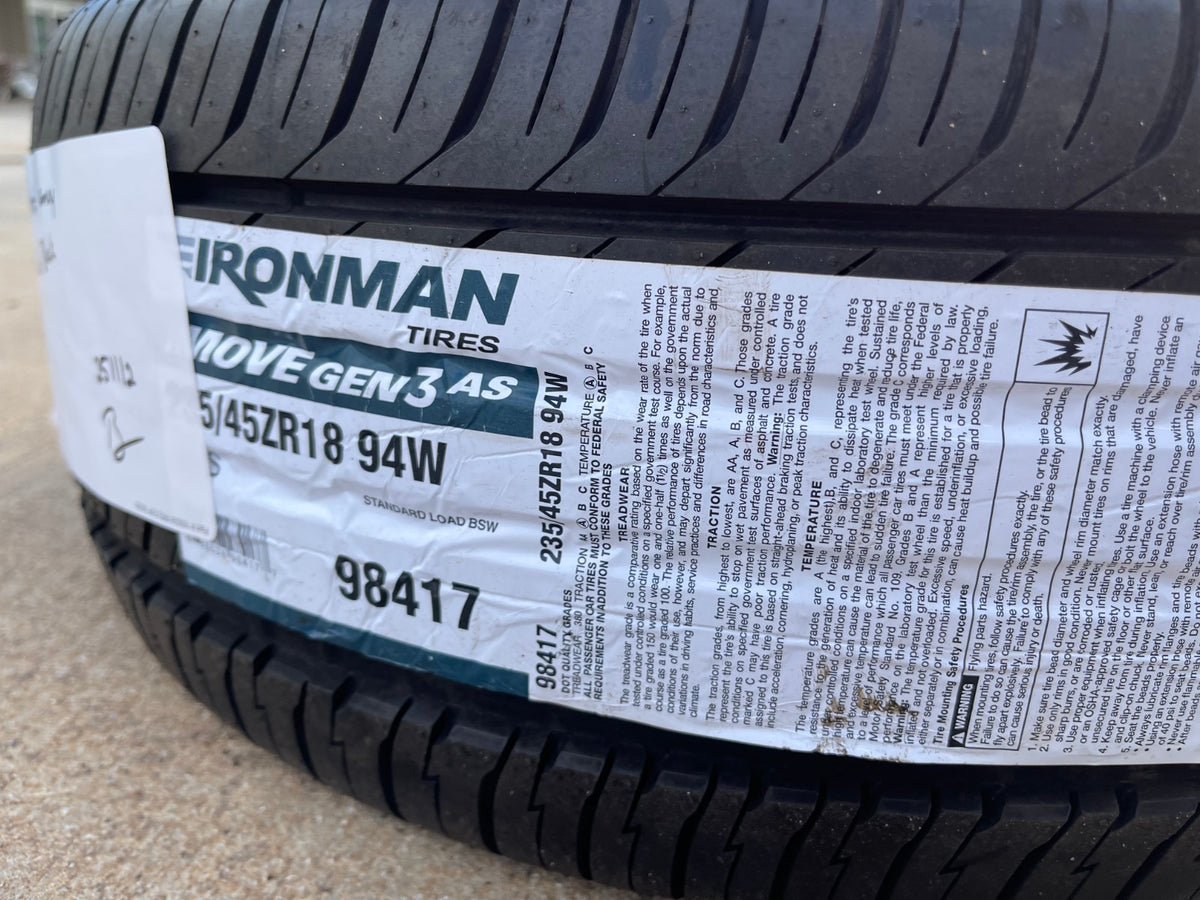
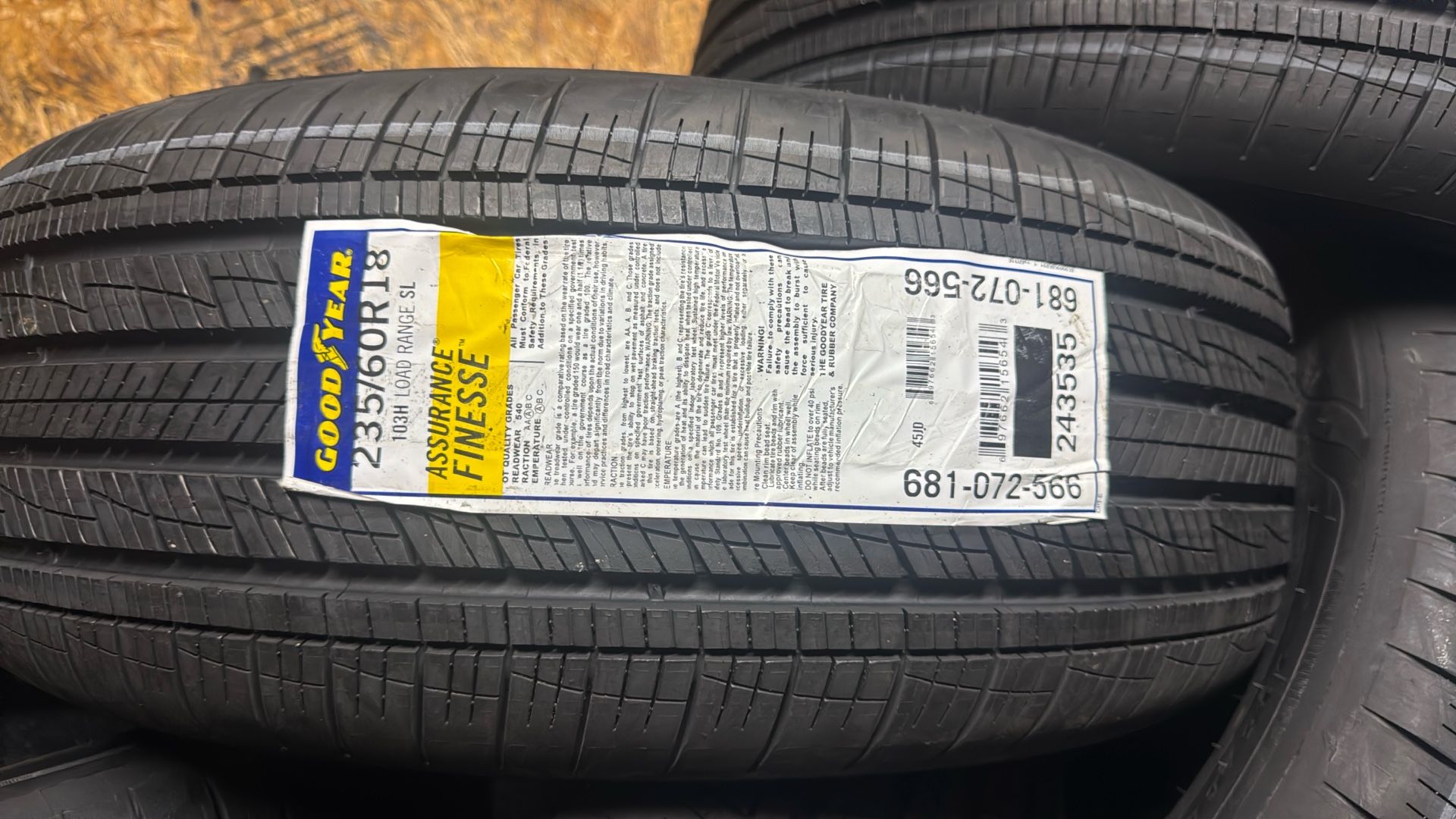
Tire Size And Load Rating
Incorrect tire size or load rating compromises safety. Always follow manufacturer recommendations to ensure optimal performance and avoid tire failure.
- Size: Installing a tire that is too wide or narrow affects contact patch and handling.
- Load rating: Indicates the maximum weight a tire can safely carry. Exceeding this rating can cause overheating and blowouts.
- Speed rating: Specifies the maximum safe speed for a tire. Using tires below your vehicle’s speed capability can result in failure during high-speed driving.
Matching tire specifications to your vehicle is essential. Using improper sizes or ratings not only voids warranties but also exposes you to greater risks on the road.
Real-world Example: Winter Tires In Canada
A study by the Government of Canada showed that vehicles equipped with winter tires had a 35% lower accident rate during winter months. The difference was most pronounced in regions with heavy snowfall, emphasizing the importance of specialized tires.
The study also found that winter tires reduced stopping distances by up to 40% on icy roads compared to all-season tires. This improvement translated into fewer collisions and injuries, leading several provinces to enact laws requiring winter tires during the coldest months.
Tire Maintenance: Essential For Safety
Regular Inspections
Routine tire inspections are vital. Look for:
- Cracks or bulges: These indicate structural weakness and can lead to sudden failure.
- Uneven wear patterns: Suggest alignment or suspension issues, reducing tire effectiveness.
- Embedded objects: Nails, glass, or stones can puncture tires or cause slow leaks.
Even minor issues can escalate into dangerous failures if ignored. For instance, a small bulge may indicate a broken belt inside the tire, which can cause blowouts at high speeds. Regular visual checks, combined with professional inspections, greatly increase safety.
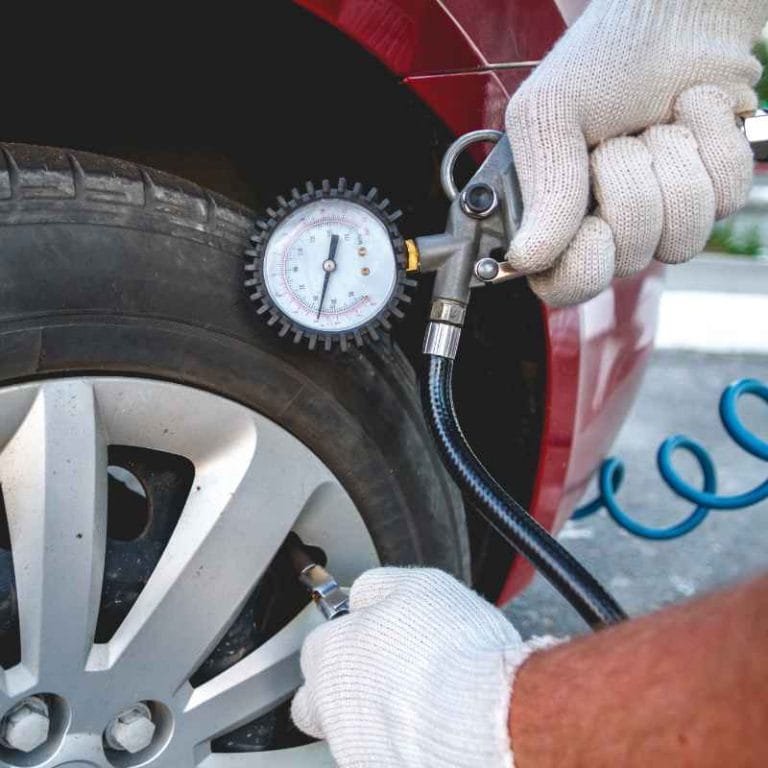
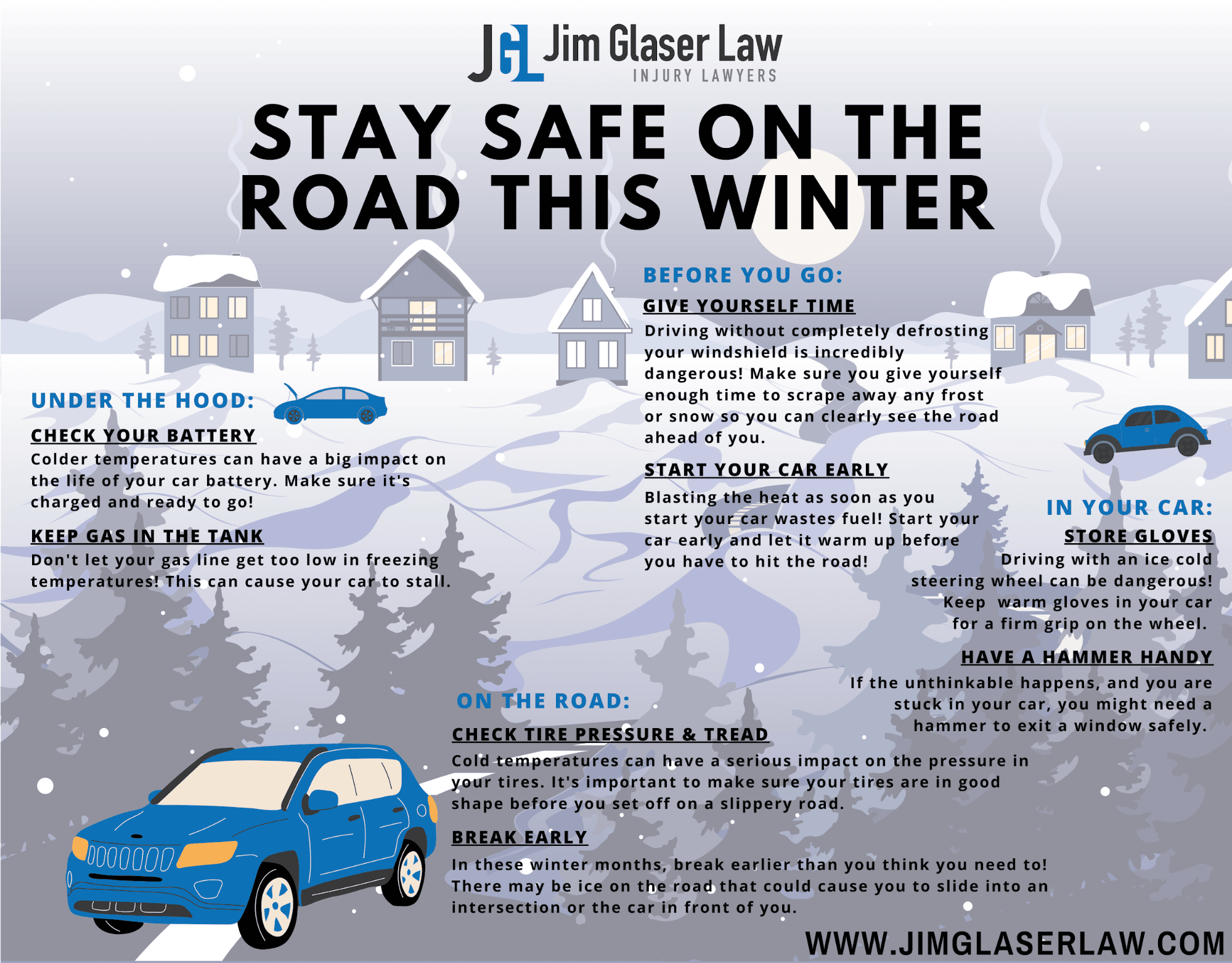
Tire Pressure Checks
Maintaining proper tire pressure ensures optimal contact with the road. Under-inflated tires reduce fuel efficiency, increase wear, and compromise safety. Over-inflated tires decrease grip and can cause blowouts.
- Check pressure monthly or before long trips.
- Use a reliable gauge and follow the manufacturer’s recommended PSI.
- Remember that tire pressure fluctuates with temperature changes—cold weather lowers pressure, while hot weather increases it.
Improper tire pressure can also affect vehicle handling, making steering heavier or lighter than intended. This can be dangerous during emergency maneuvers, so consistent checks are crucial.
Tire Rotation And Alignment
Rotating tires every 5,000–7,000 miles promotes even wear and extends lifespan. Proper alignment prevents uneven wear and improves handling.
- Rotation: Ensures all tires wear evenly, preventing premature replacement.
- Alignment: Keeps tires pointed in the correct direction, maximizing contact and stability.
- Balancing: Prevents vibrations and ensures smooth operation.
Neglecting these practices can lead to “cupping” (uneven wear), vibration, and reduced safety.
Tread Depth Monitoring
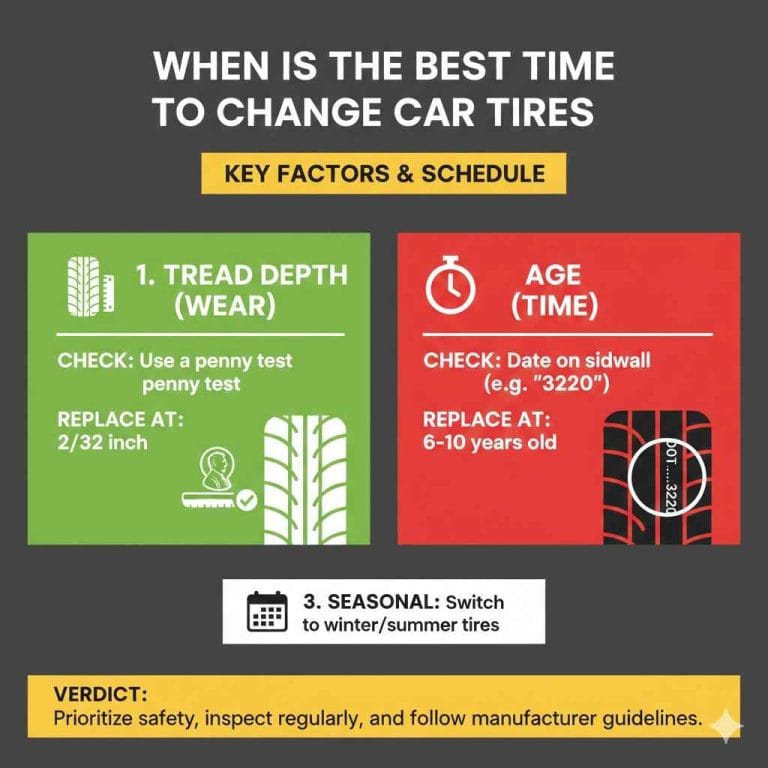
Legal minimum tread depth in the US is 2/32″, but safety experts recommend replacing tires at 4/32″ for wet conditions. Use a tread depth gauge or the penny test: insert a penny into the tread—if Lincoln’s head is visible, it’s time to replace.
Tread depth affects water evacuation, grip, and braking. Shallow tread increases the risk of hydroplaning and reduces performance in snow and ice.
Real-world Example: Fleet Maintenance Success
A logistics company implemented regular tire maintenance checks across its fleet. Over two years, tire-related breakdowns dropped by 40%, and accident rates decreased by 28%. This demonstrates the tangible safety benefits of proactive tire care.
The company also reported lower repair costs and extended tire lifespan, underscoring how routine maintenance not only saves lives but also reduces operational expenses.
Credit: jimglaserlaw.com
Tire Technology Advancements And Safety
Run-flat Tires
Run-flat tires allow vehicles to continue driving after a puncture, reducing the risk of dangerous roadside stops. According to a study by the Insurance Institute for Highway Safety (IIHS), run-flat tires decreased the likelihood of being stranded after a blowout by 70%.
Run-flat tires use reinforced sidewalls and specialized construction to support the vehicle even when air pressure drops. This allows drivers to reach a safe location without stopping immediately, minimizing exposure to roadside hazards.
Tire Pressure Monitoring Systems (tpms)
TPMS alert drivers to low tire pressure, preventing accidents caused by under-inflation. Since 2007, US law mandates TPMS in all new vehicles, leading to a measurable reduction in tire-related incidents.
TPMS can be direct (using sensors inside the tire) or indirect (using wheel speed data). These systems provide real-time alerts, prompting drivers to address issues before they become dangerous.
Smart Tire Innovations
Emerging smart tires incorporate sensors to monitor tread wear, temperature, and pressure in real time. These systems warn drivers of potential issues before they become hazardous.
- Connected apps: Some smart tires integrate with smartphones, providing alerts and maintenance reminders.
- Predictive analytics: Advanced sensors analyze driving habits and forecast tire lifespan, helping drivers plan replacements.
Smart tires are still evolving, but they promise to revolutionize safety and maintenance, reducing human error.
Real-world Example: Tpms In Action
A 2020 study by the University of Michigan Transportation Research Institute found that vehicles equipped with TPMS were 25% less likely to experience tire-related accidents compared to those without the system.
The study also noted that drivers responded faster to pressure alerts, preventing blowouts and improving fuel efficiency. TPMS is now recognized as a critical safety feature, and its adoption continues to grow.
How Tire Quality Affects Cost And Safety
Short-term Savings Vs. Long-term Safety
Many drivers opt for budget tires, but the cost savings can be deceptive. Low-quality tires often:
- Wear out faster
- Provide inferior grip
- Increase risk of blowouts
Investing in premium tires may cost more up front, but they deliver superior safety and longer lifespan. Premium tires use advanced compounds and designs that maximize performance, durability, and comfort.
| Tire Brand/Type | Average Lifespan (miles) | Cost per Tire | Annual Accident Rate (per 10,000 vehicles) |
|---|---|---|---|
| Premium (Michelin) | 60,000 | $150 | 2.1 |
| Mid-range (Goodyear) | 45,000 | $100 | 3.5 |
| Budget (Generic) | 25,000 | $60 | 6.2 |
Premium tires are also more consistent in performance, providing reliable grip and handling in all conditions. The higher initial investment pays off in fewer replacements, lower accident risk, and better driving experience.
Insurance And Liability Impacts
Insurance companies may deny claims if accidents are caused by neglected or unsafe tires. Keeping tires in good condition protects not only lives but also financial interests.
Some insurers offer discounts for vehicles equipped with premium tires or advanced safety features like TPMS, recognizing the reduced risk. Conversely, claims related to tire failure may be scrutinized, especially if maintenance records are lacking.
Environmental Considerations
High-quality tires last longer and reduce waste. Sustainable tire brands use eco-friendly materials and manufacturing processes, minimizing environmental impact.
Eco-conscious drivers can choose low-rolling-resistance tires, which improve fuel efficiency and reduce carbon emissions. Recycling programs for old tires help prevent landfill buildup and support sustainable practices.
Real-world Example: Tire Upgrades Reduce Fleet Accidents
A taxi fleet in New York switched from budget to premium tires. Within a year, tire-related incidents dropped by 55%, and insurance premiums decreased due to improved safety records.
Drivers also reported better handling, quieter rides, and fewer breakdowns, demonstrating the holistic benefits of quality tires.
Common Tire Safety Mistakes And How To Avoid Them
Overlooking Tire Age
Even if tread appears adequate, tires deteriorate over time. Rubber compounds break down, increasing the risk of blowouts. Replace tires every 6 years, regardless of appearance.
Older tires may develop internal cracks invisible to the naked eye, compromising structural integrity. Heat, sunlight, and ozone exposure accelerate aging, making regular replacement essential.
Neglecting Spare Tires
Drivers often ignore the spare tire, leading to emergencies when it’s needed most. Check spare tire pressure and condition regularly.
Many modern vehicles use compact “donut” spares, which are not intended for long-term use. Always ensure the spare is ready for emergencies, and replace it if it shows signs of age or damage.
Ignoring Warning Signs
Vibrations, unusual noises, or changes in handling often signal tire issues. Prompt attention can prevent accidents.
If you notice persistent vibration, it could indicate imbalance or internal tire damage. Unusual noises may suggest tread separation or bulges. Always investigate these symptoms promptly.
Using Mismatched Tires
Mixing different tire brands or types on a vehicle compromises safety and handling. Always use matching tires for optimal performance.
Mismatched tires can cause uneven wear, unpredictable handling, and increased risk of failure. If one tire must be replaced, choose the same brand and model as the others.
Real-world Example: Accident Due To Neglected Spare
A 2019 report from the AAA detailed an incident where a driver’s neglected spare tire failed during an emergency, resulting in a crash. This highlights the importance of maintaining all tires, including spares.
The driver had not checked the spare for years, and it was severely under-inflated. When a flat tire occurred, the spare failed within minutes, causing a loss of control. Regular checks could have prevented the accident.
How Weather And Road Conditions Influence Tire Safety
Wet And Rainy Conditions
Hydroplaning is a major hazard in wet weather. Tires with adequate tread depth and correct pressure can channel water away, maintaining grip.
- Replace tires before tread depth reaches 4/32″.
- Use tires designed for wet conditions if living in rainy climates.
Rain reduces friction between tire and road, making braking and steering more difficult. Premium tires feature advanced tread designs that minimize hydroplaning and maximize wet-weather safety.
Snow And Ice
Winter tires are essential for snowy and icy roads. Their specialized compounds remain flexible in cold, improving traction.
- All-season tires may suffice in mild winters, but are inadequate for severe conditions.
On snow and ice, braking distances can be twice as long with all-season tires compared to winter tires. Specialized tread and rubber compounds ensure vehicles stay planted, reducing accident risk.
Hot Weather
High temperatures can cause tire blowouts, especially in under-inflated or aged tires. Check pressure more frequently during summer months.
Heat increases internal tire pressure and accelerates rubber degradation. Long road trips and high-speed driving compound these risks, making regular maintenance crucial.
Poor Road Surfaces
Potholes and debris increase the risk of tire damage. Slow down in rough areas and inspect tires regularly for cuts or bulges.
Repeated impacts can cause sidewall damage or tread separation. Avoiding hazards and checking tires after rough journeys helps prevent unexpected failures.
Real-world Example: Weather-related Accident Reduction
After a regional campaign promoting winter tire usage in Quebec, accident rates dropped by 38% during the first winter season. This demonstrates the direct link between tire choice and safety in adverse conditions.
The campaign included public education, incentives, and stricter enforcement, resulting in widespread adoption and dramatically improved safety outcomes.
Best Practices For Maximizing Tire Safety
Routine Maintenance Checklist
- Inspect tires monthly for damage or wear.
- Check and adjust pressure at least once per month.
- Rotate tires every 5,000–7,000 miles.
- Ensure alignment and balance during every service.
- Replace tires at recommended intervals or when tread is low.
- Clean tires regularly to remove debris and chemicals that accelerate aging.
Choosing The Right Tire
- Consult your vehicle manual for recommended tire specifications.
- Select tires based on local climate and driving habits.
- Buy from reputable brands and authorized dealers.
- Consider tire warranties and service plans for added peace of mind.
Safe Driving Habits
- Avoid sudden acceleration or harsh braking.
- Slow down in adverse weather and on rough roads.
- Don’t overload your vehicle—excess weight strains tires.
- Maintain safe following distances, especially in wet or icy conditions.
Emergency Preparedness
- Keep a properly maintained spare tire and jack.
- Know how to change a tire safely.
- Carry a tire pressure gauge and patch kit.
- Familiarize yourself with roadside assistance resources.
Real-world Example: Consumer Education Success
A safety campaign by the NHTSA encouraged routine tire checks. Participating drivers reported a 20% reduction in tire-related incidents over a year, proving the effectiveness of education and awareness.
The campaign also emphasized proper tire storage, seasonal changes, and the importance of professional inspections, leading to broader adoption of best practices.
Frequently Asked Questions
Why Do Tires Matter More Than Other Car Safety Features?
Tires are the only contact point between your car and the road. No matter how advanced your car’s safety systems, their effectiveness depends on tire grip and performance. If your tires fail, even the best brakes or stability control cannot prevent an accident.
How Often Should I Check My Tire Pressure?
Check your tire pressure at least once a month and before long trips. Temperature changes can cause pressure fluctuations, so frequent checks are vital for maintaining safety and performance. For vehicles with TPMS, monitor alerts and respond promptly.
What Is The Minimum Safe Tread Depth?
While the legal minimum in the US is 2/32″, experts recommend replacing tires at 4/32″ for wet conditions. Adequate tread depth ensures grip, water dispersion, and reduces the risk of hydroplaning. For winter driving, deeper tread is essential.
Can I Mix Different Tire Brands Or Types On My Car?
Mixing tire brands or types can compromise handling and safety. Always use matching tires (same brand, model, size) for the best performance and stability. Consult your mechanic if you must replace one tire.
Are Expensive Tires Really Safer Than Budget Options?
Generally, premium tires offer superior safety, longer lifespan, and better performance. While budget tires may save money upfront, they often wear faster and provide less grip, increasing accident risk. Premium tires also come with better warranties and support.
Authoritative Sources And Further Reading
For readers seeking more information, consult these authoritative resources:
- NHTSA Tire Safety
- IIHS Tire Safety Research
- Wikipedia: Tire
- Government of Canada: Winter Tire Safety
- AAA Tire Safety
- European Tyre & Rubber Manufacturers’ Association
Car tires are more than just a means to keep your car moving—they’re the foundation of every safety system your vehicle has. By understanding their importance and committing to regular maintenance, smart selection, and safe driving habits, you dramatically reduce the risk of accidents and ensure peace of mind for yourself and your passengers.
Whether facing rain, snow, heat, or rough terrain, the right tires in optimal condition are your best defense. Make tire safety a priority, and every journey will be safer for everyone on the road.
Products related to this article
Sponsored / affiliate links. As an Amazon Associate I earn from qualifying purchases. I may earn additional commission from eligible campaigns.