Does a Car Tire Have a Tube Inside? The Honest Answer
Car tires are a marvel of modern engineering, yet for many drivers, what lies beneath the surface of that sturdy black rubber remains a mystery. One of the most common questions people ask is: Does a car tire have a tube inside? This seemingly simple query opens the door to a fascinating world of tire construction, safety, history, and technology. Understanding whether your car tires have tubes—and what that means for your driving experience—can help you make informed decisions about maintenance, safety, and tire replacement.
The answer isn’t as straightforward as you might think. Over the past century, tire technology has evolved dramatically. While inner tubes were once the norm for almost every vehicle, today’s cars overwhelmingly rely on a different design. This article breaks down the facts, dispels myths, and provides a comprehensive look at the science and real-world implications behind tube-type and tubeless tires. Whether you’re a car enthusiast, a safety-conscious driver, or simply curious, read on for the honest truth about what’s inside your tires.
Key Takeaways
- Most modern car tires are tubeless, relying on an airtight seal between the tire and rim rather than an inner tube.
- Tube-type tires are now rare on passenger vehicles but are still used in some specialty, vintage, or off-road applications.
- Tubeless tires offer advantages in safety, performance, and maintenance, while tube-type designs are easier to repair in low-tech or remote settings.
- Understanding your tire type is crucial for correct maintenance, puncture repair, and safety.
- Case studies and real-world examples show the evolution from tube-type to tubeless technology and its practical impact.

Credit: www.lutherauto.com
The Evolution Of Car Tire Construction
Understanding whether car tires have tubes inside requires a look back at tire history and the technological advancements that have shaped modern driving.
The Early Era: Tube-type Tires
In the early days of automotive history, tube-type tires dominated the roads. These tires had two main components:
- The outer tire (or casing): This provided structure, traction, and protection.
- The inner tube: A separate, inflatable rubber bladder that held the air and maintained tire pressure.
This design made early tires easier to manufacture and repair, especially when synthetic materials were limited and wheel designs were less precise. However, they were also more prone to sudden air loss and required regular maintenance.
The tube-type tire system had certain inherent weaknesses. For example, when the tire was punctured, the tube inside could rapidly lose air, sometimes causing a blowout. Pinch flats—where the tube is trapped between the tire and rim—were also common, especially on rough roads or when tires were under-inflated.
Furthermore, the necessity of removing the tire to access the tube for repairs made roadside fixes more cumbersome, particularly for those without specialized tools.
In terms of materials, early tubes were made from natural rubber, which was susceptible to degradation from heat and ozone. This led to frequent tube replacements and added to the cost and complexity of ownership. As tire manufacturing advanced, synthetic rubber compounds improved tube longevity, but the fundamental design limitations remained.
The Shift To Tubeless Tires
The game changed in 1947 when BF Goodrich introduced the first successful tubeless tire for passenger vehicles. By the 1960s, most new cars featured tubeless tires. These relied on:
- A single, airtight outer casing that holds both the shape and the air.
- A bead (the edge of the tire) that seals tightly against the rim, keeping air inside without a tube.
This breakthrough reduced blowout risk, improved safety, and made tires lighter and easier to maintain.
Tubeless tires eliminated the need for a separate inner tube by integrating an air-retaining liner into the body of the tire itself. This inner liner, typically made from butyl rubber, is highly resistant to air leakage. The bead, reinforced with steel wires, ensures a snug, airtight fit against the rim.
As a result, even when a puncture occurs, air escapes more slowly, giving drivers additional time to respond and reducing the likelihood of abrupt tire failures.
The adoption of tubeless tires also brought about significant advances in wheel and rim design. Modern rims are engineered with a “safety hump” that helps keep the tire bead seated, even if air pressure drops. This innovation further decreased the risk of tire dismounting during rapid deflation scenarios.
Modern Tire Construction
Today, the vast majority of passenger vehicles use tubeless radial tires. Key components include:
- Tread: Provides grip and disperses water.
- Sidewall: Offers lateral stability and flexibility.
- Bead: Ensures an airtight fit with the rim.
- Inner liner: A layer of synthetic rubber that prevents air from escaping.
Additionally, modern radial tires include steel belts and textile plies that improve structural strength, enhance handling, and extend tread life. The use of multiple rubber compounds in different parts of the tire allows manufacturers to fine-tune performance characteristics such as wet traction, ride comfort, and resistance to wear.
Specialty vehicles, classic cars, or vehicles in certain environments may still use tube-type tires, but these are exceptions rather than the rule. For example, certain off-road vehicles or vehicles with split rims (common in agricultural and military applications) still benefit from the field-serviceability of tube-type tires.
Data Snapshot: Tire Technology Adoption
| Year | % of Cars with Tube-Type Tires (US) | % of Cars with Tubeless Tires (US) |
|---|---|---|
| 1940 | 99% | 1% |
| 1960 | 20% | 80% |
| 1980 | 2% | 98% |
| 2026 | <0.5% | >99.5% |
*Source: Wikipedia: Tire*
The above data highlights the dramatic shift in tire technology over the past century. This transformation was driven not just by technological innovation, but also by changing expectations of reliability, performance, and safety among drivers and regulators.
Tube-type Vs. Tubeless: How To Tell The Difference
Knowing whether your car tires have tubes is essential for proper maintenance, safety, and repair. Here’s how to distinguish between the two main types.
Visual Inspection
- Valve stem type: Tube-type tires usually have a valve that’s attached to the inner tube and may look slightly different or “floppy.” Tubeless valves are firmly mounted directly to the rim.
- Tire marking: Most tubeless tires are marked with “TUBELESS” on the sidewall. Tube-type tires may say “TUBE TYPE” or have no marking.
- Rim design: Tubeless tires require a rim designed for airtight sealing; older, multi-piece rims are more likely to be tube-type.
Additionally, the base of the valve stem for tubeless tires is often wider and better sealed against the rim. Tube-type valve stems might appear to move slightly when pushed, as they are attached to a flexible tube inside the tire.
If you remove the tire from the rim, a tube-type tire will reveal a separate, balloon-like inner tube, whereas a tubeless tire will not.
Performance And Maintenance Differences
- Puncture behavior: A tubeless tire loses air slowly when punctured, giving you more time to respond. Tube-type tires can deflate rapidly if the tube is pierced.
- Repair process: Tubeless tires can often be repaired with a plug or patch from the outside. Tube-type tires require removing the tire and patching or replacing the inner tube.
Tubeless tire repairs are generally quicker and less labor-intensive. For example, tire plug kits are widely available and can be used by most drivers with minimal training, making them an ideal solution for roadside emergencies. In contrast, tube-type repairs require removing the tire from the rim—often a more complex and time-consuming process, especially if you lack the proper tools or experience.
Quick Reference Table: Key Differences
| Feature | Tube-Type Tire | Tubeless Tire |
|---|---|---|
| Air Retention | Inner tube | Tire/rim seal |
| Puncture Response | Rapid air loss | Slower air loss |
| Repair Method | Remove tube | Plug/patch externally |
| Modern Usage | Rare (classic, off-road) | Standard |
| Sidewall Marking | “Tube Type” or none | “Tubeless” |
When Are Tube-type Tires Still Used?
While rare in modern cars, tube-type tires are still found in:
- Classic and antique vehicles: To maintain authenticity or due to original wheel design.
- Off-road and agricultural vehicles: Where repairs need to be simple and field-serviceable.
- Heavy-duty trucks in some regions: Particularly in developing countries.
In addition, tube-type tires are occasionally seen in motorcycles, bicycles, and certain specialty trailers, where the simplicity and field-repairability of tubes are valuable. In remote or rugged environments—such as construction sites or undeveloped rural areas—having a tube-type tire can be advantageous, since tubes are cheap, lightweight, and easy to carry as spares.

Credit: www.chieflandchryslerdodgejeep.com
The Science Behind Tubeless Tires
Why did the industry move almost entirely to tubeless tires? The answer lies in both safety and engineering.
Airtight Seal Technology
Tubeless tires have an inner liner made of butyl rubber, a synthetic material that’s highly impermeable to air. The bead of the tire fits tightly against the rim, creating a seal that holds air without the need for a separate tube.
Key Components Of Tubeless Tires
- Bead wire: High-tensile steel cords ensure a tight, secure fit to the rim.
- Inner liner: Retains air, similar in function to an inner tube but integrated into the tire.
- Steel belts and plies: Add strength and shape, reducing rolling resistance.
This combination of components allows tubeless tires to maintain air pressure more consistently and for longer periods. The inner liner, which is typically 1-2mm thick, serves as the main barrier to air loss. Advanced manufacturing techniques ensure this liner is uniform and free from defects, which is crucial for long-term reliability.
Safety Improvements
- Reduced blowout risk: Without a separate tube, punctures usually result in slow leaks.
- Lower heat buildup: Tubeless designs dissipate heat more effectively, reducing the risk of tire failure at high speeds.
- Better handling: The absence of a tube means less weight and improved road feedback.
Tubeless tires also reduce the chances of “pinch flats” (where the tube is pinched between the rim and the tire), which can cause sudden deflation. The direct interface between the tire and the rim in tubeless systems not only improves heat dissipation but also enhances lateral stability and handling, especially during high-speed maneuvers.
Case Study: The 1960s Tubeless Revolution
In the 1960s, the widespread adoption of tubeless tires in North America and Europe led to a 40% reduction in tire-related highway accidents over a decade, according to the National Highway Traffic Safety Administration (NHTSA). This transformation was driven by enhanced safety and lower maintenance requirements.
The reduction in accidents can be attributed not only to slower air loss during punctures but also to improved tire construction and performance. The tubeless revolution also paved the way for the development of radial tire technology, which further enhanced safety, ride comfort, and durability.
Why Tubeless Isn’t Universal
Certain wheel designs, extreme off-road conditions, or vintage authenticity may still require tube-type tires. However, ongoing improvements in rim and bead technology continue to reduce these exceptions.
For instance, beadlock rims used in off-road racing are specifically designed to clamp the tire bead and prevent it from slipping off at extremely low pressures. In these cases, some teams still use tubes to guarantee an airtight seal, especially when running on unconventional wheel configurations or in environments where rapid tire changes are routine.

Credit: zeusebikes.ca
Advantages And Disadvantages: Tubeless Vs. Tube-type
When considering whether your car tire has a tube, it’s important to weigh the pros and cons of each design.
Tubeless Tire Advantages
- Improved safety: Slow air loss during punctures gives drivers more time to react.
- Lower maintenance: Fewer components mean less to go wrong.
- Better fuel efficiency: Lighter tires reduce rolling resistance.
- Easier repairs: Many punctures can be fixed without removing the tire from the rim.
- Reduced risk of “pinch flats”: No tube to get pinched between rim and tire.
- Enhanced ride comfort: Advanced design allows for better balance and less vibration.
- Greater compatibility with tire pressure monitoring systems (TPMS): Most modern TPMS sensors are designed to work with tubeless tires.
Tube-type Tire Advantages
- Field repairability: Tubes can be easily patched or replaced in remote locations without special tools.
- Compatibility with older rims: Some classic or multi-piece rims are not suited to tubeless designs.
- Cost-effectiveness: Tubes can be a cheaper solution in low-speed, low-performance settings.
- Flexibility for specialty uses: Certain agricultural, industrial, or military vehicles require tube-type tires for extreme conditions.
Disadvantages Of Each
- Tubeless tires:
- Require properly maintained rims for airtight sealing.
- Can be difficult to seat on the rim without specialized equipment.
- Not suitable for all vintage vehicles.
- Some types of rim damage (such as corrosion or dents) can compromise the seal and cause slow leaks.
- Tube-type tires:
- Higher risk of sudden deflation.
- More complex to repair and maintain.
- Heavier and less fuel-efficient.
- More susceptible to heat buildup, which can lead to premature tube failure.
Comparison Table: Pros And Cons
| Category | Tube-Type Tires | Tubeless Tires |
|---|---|---|
| Safety | Prone to blowouts | Slower air loss, safer |
| Repairability | Easy tube patch in field | External plug/patch |
| Weight | Heavier | Lighter |
| Maintenance | More frequent | Less frequent |
| Cost | Cheaper for low-tech | Better value for modern use |
| TPMS Compatibility | Limited | Standard |
| Suitability for Modern Rims | Poor | Excellent |
Real-world Examples And Case Studies
Examining real-life scenarios helps illustrate the practical impact of tire design.
Example 1: Classic Car Restoration
A 1962 Chevrolet Impala owner in California wanted to preserve the vehicle’s authenticity. The original wheels were designed for tube-type tires. Despite the availability of tubeless tires, the restoration shop sourced period-correct tube-type tires and tubes to maintain the car’s appearance and ride characteristics.
The owner found that while maintenance was more involved, the car’s value and historical accuracy increased.
Additionally, the owner noted that the feel of the ride—particularly on bias-ply, tube-type tires—differed noticeably from modern radials. While the handling was less precise, the period-correct experience was an essential part of the restoration. The owner also joined a community of classic car enthusiasts, where knowledge of tube maintenance and repair remains valuable.
Example 2: Rural Off-road Utility
In rural India, many farm vehicles and jeeps continue to use tube-type tires. Tubes can be patched or replaced easily with basic hand tools—crucial in areas far from modern repair shops. However, reports from the Society of Indian Automobile Manufacturers (SIAM) show a steady shift toward tubeless options as infrastructure improves.
Local mechanics often keep a supply of tubes and patch kits, and roadside repair shops are adept at fixing tube punctures on the spot. However, as rural road conditions and vehicle fleets modernize, tubeless tires are gaining popularity for their longer service life and improved safety, despite the initial investment in compatible rims.
Example 3: Modern Passenger Vehicle
A 2026 Toyota Camry owner experienced a nail puncture on the highway. Thanks to tubeless technology, the tire lost air slowly, allowing the driver to pull over safely. A roadside repair with a plug kit restored the tire within minutes, avoiding the need for a tow or full tire replacement.
This reflects the practical benefits of tubeless tires in everyday situations.
In a follow-up, the driver noted that the tire maintained its integrity and performance for several months after the repair, with regular pressure checks confirming no further issues. This real-world example demonstrates how tubeless technology not only enhances safety but also reduces repair costs and downtime.
How To Maintain And Repair Your Tire Type
Proper maintenance depends on knowing whether your tire is tube-type or tubeless. Here’s what you need to know:
Maintenance Tips For Tubeless Tires
- Check air pressure regularly: Even tubeless tires can lose air over time.
- Inspect the valve stem: Replace if cracked or leaking.
- Look for rim damage: Ensure the bead area is clean and free of corrosion.
- Use proper sealants: Specialized sealants can temporarily fix small punctures.
- Rotate tires according to schedule: This promotes even wear and prolongs tire life.
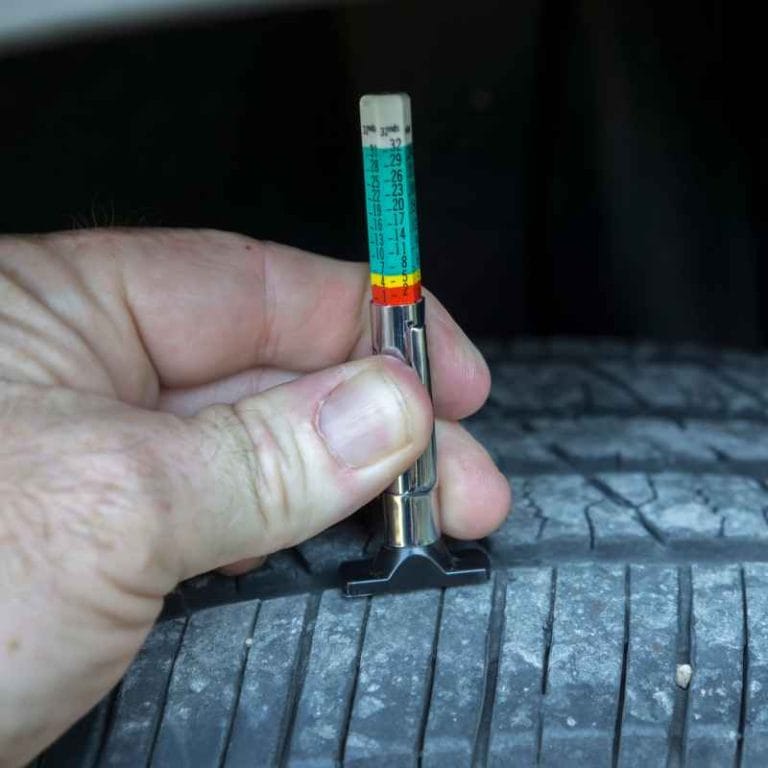
- Keep an eye on tread depth and sidewall condition: Replace tires before they reach the legal or manufacturer-specified minimum tread depth.
Repairing Tubeless Tires
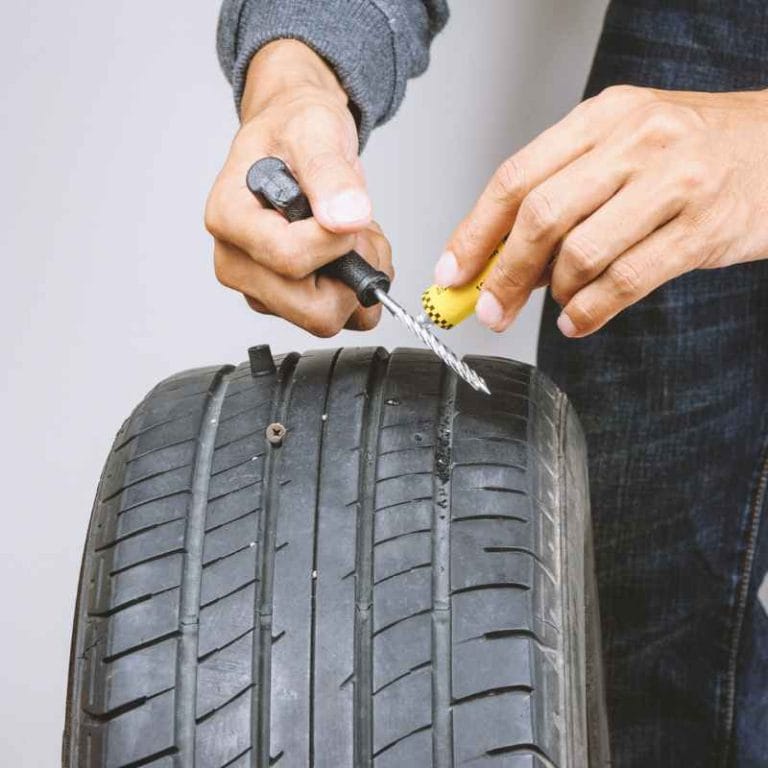
- External plug: For small punctures, a plug kit can seal the hole without removing the tire.
- Patch from inside: For larger or sidewall damage, professional repair may require removing the tire from the rim.
- Replace if necessary: Severe damage or multiple punctures may mean replacement is safest.
- Check for slow leaks: Sometimes, leaks are due to rim corrosion or a faulty valve stem, not a puncture.
Maintenance Tips For Tube-type Tires
- Inspect tubes for wear: Check for folds, pinches, or aging.
- Ensure correct tire pressure: Over- or under-inflation can damage the tube.
- Monitor for valve leaks: Tubes can leak around the valve base.
- Check tire and rim for debris: Small objects inside the tire can wear holes in the tube.
- Store spare tubes properly: Keep them away from heat, sunlight, and chemicals that degrade rubber.
Repairing Tube-type Tires
- Remove the tire from the rim: Access the inner tube.
- Patch or replace the tube: Use a patch kit or a new tube as needed.
- Reinstall carefully: Avoid pinching the tube during installation.
- Check for sharp edges or foreign objects: Always inspect the inside of the tire and the rim before reassembly to prevent repeat punctures.
When To Seek Professional Help
- Sidewall damage: Both tube-type and tubeless tires with sidewall punctures are often unsafe to repair.
- Multiple punctures: Multiple repairs can compromise safety.
- Uncertain tire type: If unsure, consult your vehicle’s manual or a tire professional.
- Persistent air loss: If the tire loses air rapidly and there’s no obvious puncture, the issue may be with the rim or valve stem.
The Role Of Tubes In Specialty And High-performance Tires
While tube-type tires are rare in modern cars, they remain relevant in certain markets and applications.
Classic And Vintage Cars
Enthusiasts often seek out tube-type tires for authenticity. Some classic wheels lack the bead design required for tubeless tires, making tubes necessary.
Restoration experts recommend matching the tire and rim to the original design whenever possible, as substituting tubeless tires on non-compatible rims may compromise safety or authenticity. Clubs and forums dedicated to classic vehicles often provide resources for sourcing quality tubes and period-correct tires.
Motorsports And Off-roading
Certain off-road racing and rally teams use tubes in combination with beadlock rims. This setup prevents air loss when running extremely low pressures, a technique for maximizing traction in loose terrain.
In addition, in harsh racing conditions where tire and rim damage are likely, tubes can serve as a backup to maintain some inflation and prevent the tire from coming off the rim, allowing the driver to finish a stage or limp back to the pits.
Heavy Commercial And Agricultural Vehicles
Some trucks, tractors, and construction equipment still use tube-type tires, especially in regions where field repairs are common. However, the trend is toward tubeless designs as technology and infrastructure evolve.
For example, split-rim wheels, which are still found on some older heavy trucks and farm equipment, are specifically designed for tube-type tires. These wheels allow for easy tube and tire changes in the field, which is essential for minimizing downtime during critical work periods.
Aviation And Specialized Equipment
Aircraft tires and some industrial vehicles may use tubes for specific safety or performance needs. For more, see FAA TSO-C62d.
Aircraft tires, for example, often run at very high pressures and may require tube-type setups for redundancy and compliance with stringent safety standards. Similarly, specialized forklifts and heavy machinery designed for unique environments may employ tube-type tires for ease of repair and operational reliability.
Safety Implications: What Drivers Need To Know
Your tire type directly affects how you respond to punctures, blowouts, and maintenance needs.
Tubeless Tire Safety
- Punctures are less catastrophic: Air escapes slowly, reducing the risk of loss of control.
- Monitor for slow leaks: Nail or screw punctures may go unnoticed for days. Regular pressure checks are vital.
- Sidewall integrity is crucial: Sidewall damage can be dangerous and is usually unrepairable.
- TPMS compatibility: Most new vehicles have tire pressure monitoring systems that work optimally with tubeless tires, providing early warnings of underinflation.
Tube-type Tire Safety
- Blowouts can be sudden: A punctured tube may deflate rapidly, potentially causing loss of control.
- Check for “pinch flats”: Hitting a pothole can pinch the tube, creating a sudden flat.
- Proper installation matters: Incorrect tube placement can lead to premature failure.
- Routine inspection is critical: Because tube-type tires are less forgiving, regular checks for tube and tire condition are especially important.
Tire Pressure Monitoring Systems (tpms)
Modern cars increasingly feature TPMS to alert drivers of low tire pressure. These systems are designed primarily for tubeless tires but can sometimes be adapted for tube-type setups.
TPMS sensors are typically mounted inside the rim and directly measure the pressure within the tubeless tire. While some aftermarket systems can be adapted for tube-type tires, they are less common and may require additional calibration or modifications.
Regulatory And Industry Standards
- US DOT: Sets standards for tire performance and labeling (DOT Tire Standards).
- European ECE regulations: Specify requirements for tubeless and tube-type tires (UNECE Tyre Regulations).
Manufacturers are required to meet these standards regarding sidewall markings, maximum load ratings, speed ratings, and minimum performance thresholds. Compliance with these regulations is critical for both safety and legal road use.
Environmental And Economic Considerations
The debate between tube-type and tubeless tires extends to environmental impact and cost.
Environmental Impact
- Tubeless tires: Fewer materials used, lower weight means less fuel consumption and emissions.
- Tube-type tires: Extra rubber and materials for the tube, higher waste if tubes are frequently replaced.
- Recycling complexity: Tubeless tires are generally easier to recycle since they are a single unit, whereas tube-type tires require separation of components.
Economic Factors
- Initial cost: Tubeless tires are slightly more expensive but last longer and require fewer repairs.
- Long-term savings: Lower maintenance, improved fuel efficiency, and fewer replacements benefit drivers over time.
- Repair costs: Tubeless tire repairs are often less expensive and less labor-intensive, saving money over the tire’s lifespan.
Sustainability Efforts
Tire manufacturers are investing in recyclable materials and more sustainable production processes. The move toward tubeless designs supports these goals by reducing material use and waste. See more at Michelin Sustainable Tires.
Moreover, companies are developing new eco-friendly rubber compounds and reinforcing materials that extend tire life and reduce environmental impact. The growing market for retreaded tubeless tires, especially in the commercial sector, further illustrates the sustainability benefits of this technology.
Frequently Asked Questions
Do All Car Tires Have Tubes Inside?
No, most modern car tires are tubeless, meaning they do not have an inner tube. The tire itself forms an airtight seal with the rim to hold air. Tube-type tires are now rare in passenger vehicles but may still be found in classic cars, certain off-road vehicles, or in regions with older infrastructure.
How Can I Tell If My Car Tire Is Tubeless Or Tube-type?
Check the tire’s sidewall—tubeless tires are usually marked “TUBELESS”. The valve stem design can also be a clue: tubeless tires have a valve mounted directly to the rim, while tube-type tires have a valve attached to the tube. If in doubt, a tire professional can inspect and confirm the type.
Can I Put A Tube In A Tubeless Tire?
While it is technically possible to install a tube in a tubeless tire, it is not recommended except in emergencies. Doing so can cause additional heat buildup, increased wear, and a higher risk of failure. Always use the tire type recommended by your vehicle manufacturer.
Are Tube-type Tires Safer Than Tubeless Tires?
For most modern vehicles, tubeless tires are safer due to their design, which provides slower air loss during punctures and reduces the risk of blowouts. Tube-type tires can be safe when properly maintained, but they are generally more prone to sudden deflation and require more frequent checks.
Why Do Some Vehicles Still Use Tube-type Tires?
Some classic cars, off-road vehicles, and heavy-duty equipment still use tube-type tires due to wheel design, ease of field repairs, or to maintain authenticity in restoration projects. In most cases, however, tubeless tires are preferred for their safety, convenience, and performance advantages.
As tire technology continues to advance, the shift toward tubeless designs is only set to accelerate. For today’s drivers, understanding what’s inside your tires—and why—can help you make safer, smarter decisions on the road. Whether you’re maintaining a classic car or simply checking your modern sedan’s tires, knowing the honest answer to the tube question empowers you to drive with confidence.
Products related to this article
Sponsored / affiliate links. As an Amazon Associate I earn from qualifying purchases. I may earn additional commission from eligible campaigns.