How to Prevent Dry Rot on Car Tires
Prevent dry rot on car tires by keeping them out of sun and ozone, holding inflation at the placard pressure, moving the vehicle every month, and replacing any tire with sidewall cracks, exposed cords, or bulges right away. Bad storage turns surface checking into air loss, blowouts, and costly roadside damage. This guide covers a five-minute inspection routine, the conditions that cause cracking, what wear you can ignore, and when tire replacement is the only safe call.
What dry rot on tires looks like
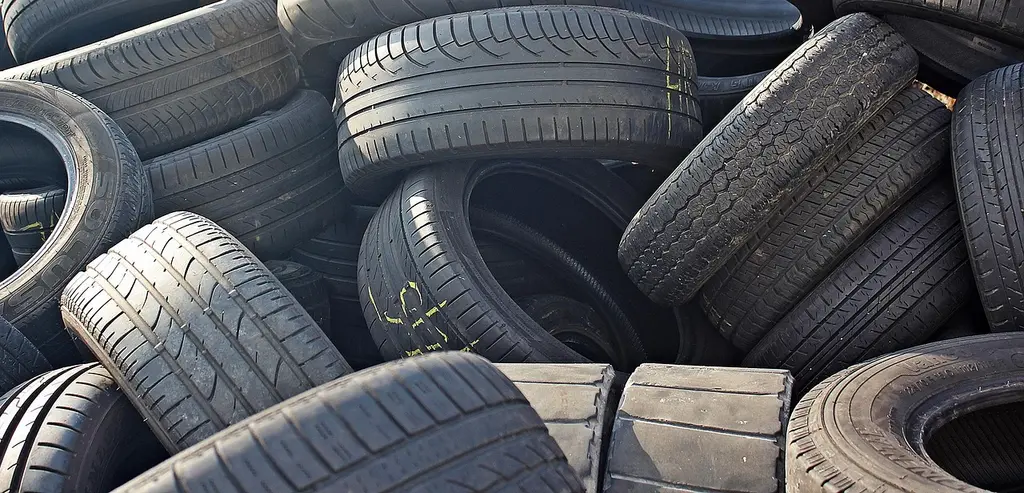


Dry rot on tires is rubber cracking from age, weathering, UV light, heat, and ozone. It often appears first on the sidewall, then the shoulder and tread grooves. Small surface checks can be cosmetic. Deep cracks, spreading cracks, or cracks near the sidewall or bead are a different problem.
Sidewall cracks versus tread cracks
The sidewall is the easiest place to inspect and one of the first places dry rot appears. Les Schwab identifies sidewall cracks as an early visible sign of dry rot, and the sidewall also carries vehicle weight, so damage there deserves more attention than light tread checking.
Tread cracks can appear inside the grooves even when tread depth still looks acceptable. That is why tread depth alone does not tell the full story. A tire can still have usable tread and still be past safe service if the rubber is split, brittle, or crumbling.
Weather checking, ozone cracking, and brittle rubber
Dry rot is also called tire cracking, weather checking, weathering, or ozone cracking. The names point to the same aging process: the rubber loses flexibility, then starts to split. Les Schwab notes that extreme dry rot can feel crumbly on very old tires.
Surface checking usually looks like fine lines. It can stay shallow for a while. When the cracks are wide enough to catch a fingernail, cluster together, or show on more than one surface, the tire needs a closer inspection and may be past safe use.
Which signs mean the tire may still be serviceable?
Light, shallow checking limited to the outer surface is sometimes a monitor-not-repair situation, especially on a tire that is otherwise young, holds pressure, and shows no bulges, cords, or sidewall splits. If the cracks do not extend deeper than the surface glaze, the tire may still be serviceable for now.
That judgment changes fast when the cracks spread, cross the sidewall, appear near the bead, or show in more than one zone. When cracking is paired with air loss, vibration, or a brittle feel, the safer move is to stop driving on that tire and have it inspected.
Why tires crack during storage
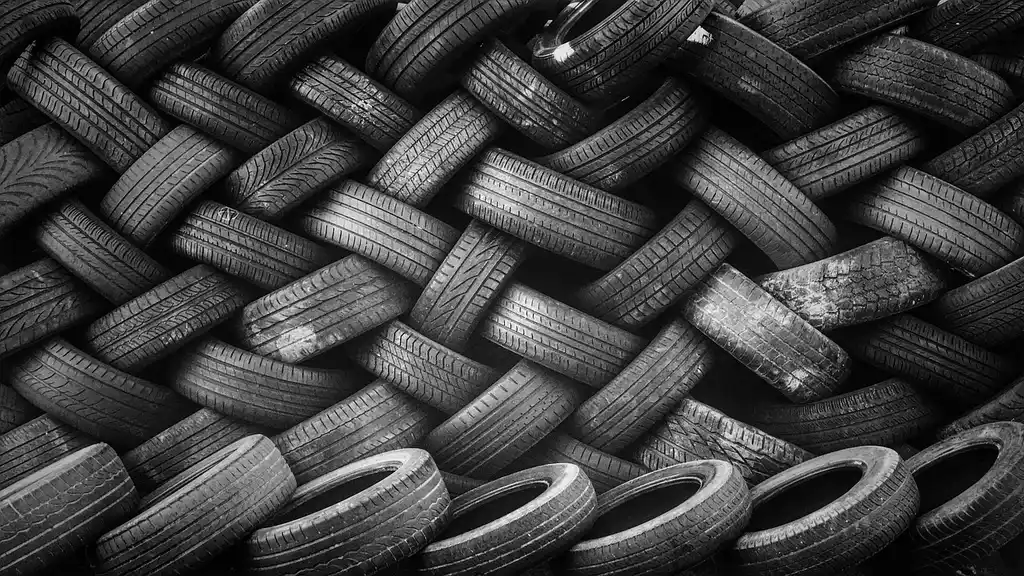
Tires crack during storage because rubber still ages when the vehicle sits. UV light, heat, ozone, underinflation, overinflation, and poor storage conditions all speed that aging. Low-use vehicles often show more weathering than driven vehicles because the tires sit in one position and get less regular inspection.
UV light, heat, and ozone exposure
The same source lists sunlight and heat as major causes of dry rot, and it warns that ozone exposure can break down tire rubber. Parking in direct sun for long periods hardens the surface. Outdoor storage near motors, compressors, or other ozone-producing equipment adds another stress layer.
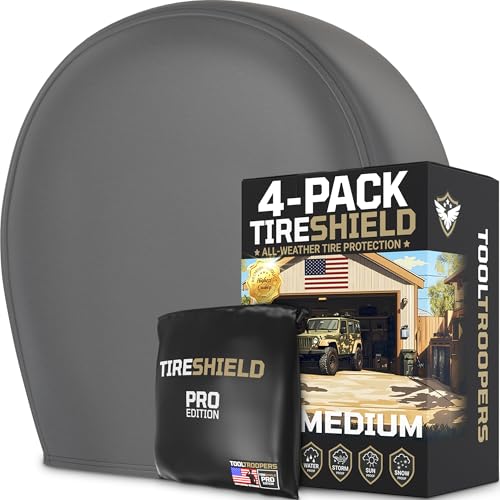
Shade helps. A garage helps more. Tire covers or car covers can reduce direct sunlight when a car must sit outside, but they work best when the tire also has proper inflation and is kept off wet or dirty ground.
Low use, underinflation, and overinflation
Low-mileage driving can hide age-related wear because the tire may look fine from a distance while the rubber slowly hardens. Monthly inspection for abnormalities is a common schedule for vehicles that sit often, like weekend cars or seasonally used pickups.
Corwheels also advises keeping tires at the manufacturer-recommended pressure. Underinflation and overinflation both shorten tire life. Proper air pressure matters enough that Les Schwab says it can extend tire life by up to 4,700 miles.
Parking surface and damp-storage problems
Dirt, damp concrete, and poorly ventilated storage areas are bad partners for rubber. Moisture and grime do not cause dry rot alone, but they add to the damage when the tire is already aging. A cool, dry, ventilated space is a better long-term home for stored tires.
Say your sedan sits outside on a gravel driveway for three months each winter. The tires face sun, temperature swings, and ozone exposure, then pick up dirt and moisture from the ground. That mix is harder on the rubber than storage in a shaded garage with proper pressure.
Five-minute tire inspection routine
A five-minute inspection is enough to catch most dry-rot problems before they become unsafe. Start at the sidewall, then move to the shoulder, tread grooves, outer tread edge, bead area, and spare tire. Look for cracks, fading, brittle rubber, and any loss of air.
- Look at the sidewall in good light. Check for cracks, bulges, and crumbly texture.
- Inspect the shoulder and outer tread edge for split rubber and fine lines that spread across the surface.
- Look inside the tread grooves for cracking, not only on the outer rubber.
- Check the bead area where the tire meets the wheel. Any cracking here is serious.
- Check the spare tire, including stored spares that have not touched the road in months.
- Read the DOT date code and compare the tire’s age to common replacement windows.
Use the DOT date code to gauge age
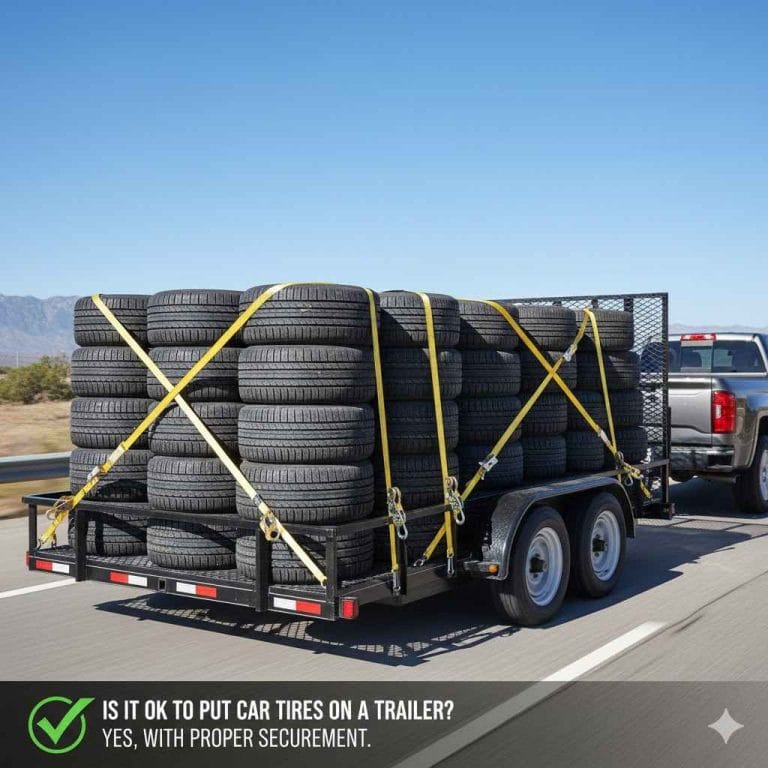
The DOT date code tells you when the tire was made. Corwheels says tires commonly start showing dry-rot signs after 6-10 years, and many shops use age as a major replacement cue even before tread is gone. Some trailer tire guidance is tighter; Car Gear Advisor notes trailer tires are often replaced every 5 to 7 years.
If you do not know the tire’s age, the DOT code gives you a starting point. Age alone does not condemn every tire, but age plus cracking usually does. Older tires deserve more frequent checks, especially if they have spent time in sun or storage.
How do you prevent tire rot?
Prevent tire rot by limiting sun exposure, keeping the tires at placard pressure, cleaning off grime with mild soap and water, and using a water-based tire dressing if you want extra UV help. Inspect monthly and before long trips. Skip petroleum-based products, which can attack rubber.
Keep tires shaded or covered
UV light is a major dry-rot accelerator, so shade matters. A garage is better than a driveway. If outside parking is the only option, use a car cover or tire covers to reduce direct sun on the rubber and slow surface aging.
Maintain the correct PSI monthly
Check pressure once a month and set it to the vehicle placard, not the sidewall maximum. The same source recommends the manufacturer’s pressure, and that advice lines up with dry-rot prevention because abnormal pressure speeds aging and can make cracks spread sooner.
Clean with mild soap and water
Road film, salt, and dirt hold moisture and grime against the rubber. Mild soap and water are enough for routine cleaning. Avoid harsh solvents and glossy dressings that leave a slick film; those products can give the tire a wet look without helping the rubber age better.
Use water-based tire protectant only
The same source recommends water-based tire dressing for added UV protection. That is the safer choice if you want a protectant. Avoid petroleum-based products, greasy cleaners, and products with no clear rubber-safe label. Those can dry, stain, or attack the tire surface instead of helping it.
Tire crack checklist
Use this checklist as your replacement decision tool. The most important factors are crack location, depth, and spread. Cosmetic surface checking is one thing. Cracks in the sidewall or bead area are another. When in doubt, inspect before driving farther.
| Location of crack | What it usually means | What to do next |
|---|---|---|
| Sidewall | Early visible dry rot; sidewall cracks can be structural because this area flexes and supports load | Stop and inspect closely. Replace now if cracks are deep, spreading, or paired with bulges, cords, or air loss. |
| Shoulder | Weathering from UV, heat, and flexing near the tread edge | Monitor if shallow and limited. Replace if cracks widen, split, or spread toward the sidewall. |
| Tread groove | Cracking inside the grooves can appear even when tread depth still looks acceptable | Inspect for depth and spread. Replace if cracks are deep or extend across several grooves. |
| Bead area | Possible sealing or structural problem where the tire seats on the wheel | Replace now. Do not rely on a tire with bead cracking. |
| Spare tire | Age-related cracking from long storage, often unnoticed because it is used less | Check the DOT date code and surface condition. Replace if it is older, cracked, or brittle. |
| Replace-now threshold | Any sidewall or bead crack, any exposed cords, any bulge, or any crack that is deep, spreading, or crumbly | Remove the tire from service immediately and have it replaced. |
| Monthly prevention routine | Prevents small weathering from turning into unsafe cracking | Inspect visually, check PSI to the placard, clean with mild soap and water, and store in shade or a cool, dry, ventilated place. |
How should you store tires?
Store tires in a cool, dry, ventilated place away from direct sunlight and ozone sources. Mounted tires and loose seasonal tires need different handling. Mounted tires stay under recommended pressure. Loose tires need clean, dry support and should not sit on damp floors or near motors.
Mounted tires on a vehicle
Keep mounted tires inflated to the placard pressure and move the vehicle about every month so the same contact patch is not pinned in one position for months. If the vehicle is parked for a season, shade it or cover the tires to reduce UV exposure.
Loose seasonal tires
Loose tires should be stored indoors in a cool, dry, ventilated space. Avoid direct sun, dirt, damp basements, and areas near ozone-generating equipment such as electric motors or welders. Keep them clean and away from chemicals that can soften or stain the rubber.
Keep them cool, dry, and ventilated
The goal is stable conditions, not perfection. A temperature-stable room with airflow is better than a hot attic or wet shed. If the tires are on racks, keep them off bare dirt and away from standing water. That reduces the storage stress that speeds cracking.
Avoid ozone sources and direct sun
Ozone cracking is not a myth. Rubber exposed to it breaks down faster. Keep tires away from compressors, electric motors, and similar equipment when possible. Direct sun is just as unhelpful, whether the tire is mounted on a car or stacked loose in storage.
Can dry-rotted tires be fixed?
Dry-rotted tires cannot be made new again. Cleaning can remove surface grime, and shallow checking can sometimes be monitored, but cracks that reach the sidewall, shoulder, or bead area are not a repair job. If the tire is crumbly, losing air, or showing cords, replacement is the safe choice.
What can be cleaned or monitored?
Light surface checking, mild fading, and a dry exterior can be cleaned and watched if the tire is otherwise sound. That means no bulges, no cords, no sidewall splits, and no air-loss problem. Monthly inspection helps you decide whether the condition is stable or spreading.
When replacement is the only safe choice
Replace the tire if the cracking is deep, widespread, or located on the sidewall or bead. Replace it if the rubber feels crumbly, the tire will not hold pressure, or the cracks are joined by bulges. Severe aging is not something dressing or cleaning can reverse.
Picture a 205/55R16 commuter tire that still has decent tread but shows a ring of cracks across the sidewall after sitting through a hot summer. Even if the tread grooves look usable, the sidewall damage changes the answer. That tire belongs in the replace-now category.
Products related to this article
Sponsored / affiliate links. As an Amazon Associate I earn from qualifying purchases. I may earn additional commission from eligible campaigns.