Best Tire Care Habits for High-Mileage Drivers (2026): we compared
Monthly PSI checks and wear-pattern triage pay off fastest. I use them first because they catch trouble while it can still be fixed, before heat cooks a tire, bad alignment scrubs it flat, or a slow leak kills it.
This guide is part of our Car tire maintenance guide series.
Quick comparison
| Product | Badge | Best for | Price | ||
|---|---|---|---|---|---|
 |
AstroAI Digital Tire Pressure Gauge with Inflator 3-250 PSIAstroAI | Our pick | 3-250 PSI gauge with 3-in-1 inflator | $23.99
Price as of 30 Sep 2026
|
View |
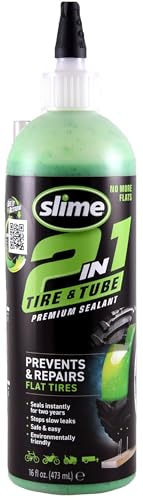 |
Slime 10193 Tire and Tube Sealant Puncture Repair Sealant,Slime | Pair with it | 16oz sealant for non-highway tires and tubes | $11.98
Price as of 30 Sep 2026
|
View |
 |
OlarHike Tire Inflator Portable Air Compressor,DualOlarHike | Upgrade pick | Dual-power portable inflator with large display | $27.98
Price as of 30 Sep 2026
|
View |
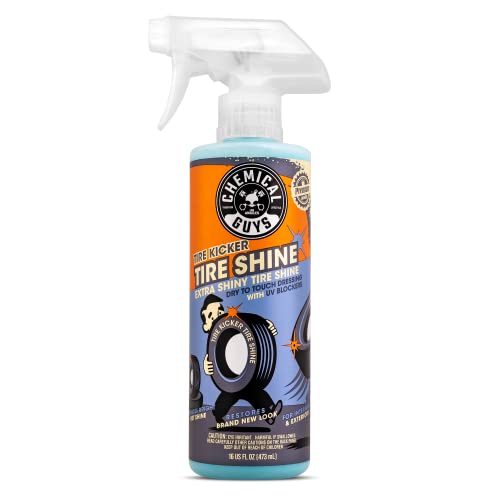 |
Chemical Guys, Tire Kicker Extra Glossy Tire Shine forChemical Guys | Also great | Extra glossy spray for rubber and trim | $9.97
Price as of 30 Sep 2026
|
View |
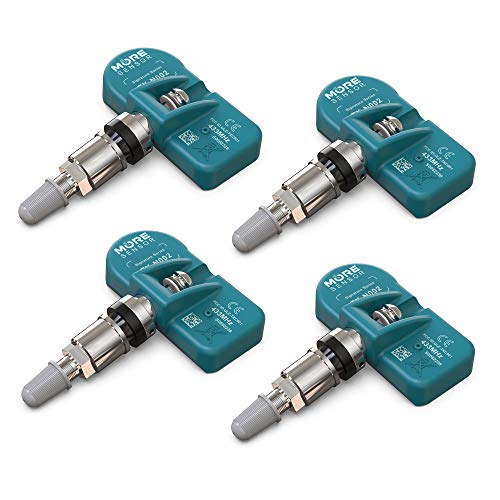 |
MOBILETRON MORESENSOR Signature Series 433MHz TPMS TireMOBILETRON | Our pick | Preprogrammed TPMS sensor 4-pack for select models | $39.99
Price as of 30 Sep 2026
|
View |
If an older car gets only two tire checks, make them pressure and tread/sidewall inspection. Those two steps usually tell you whether the next move is inflation, rotation, alignment, suspension work, or replacement.
According to tiresplus.com — Tires Plus suggests tire rotations as part of 100,000-mile maintenance.
How we chose
This guide focuses on the failures I see most after 100,000 miles: uneven wear, slow leaks, heat aging, and tires worn on the edges while the center still looks usable.
The routine is meant to be practical at home with a gauge, a tread tool, and a careful walkaround. It favors the cheapest fix that actually solves the cause.
The payoff matters. If money is tight, pressure correction and a visual inspection usually beat buying parts first. I reach for that path first on older cars, where alignment and suspension wear may be part of the problem.
It is written for cars at or beyond 100,000 miles, including commuter cars, ride-share vehicles, fleet cars, and mostly-highway cars that spend a lot of time hot and loaded.
AstroAI gauge and inflator: best for fast pressure checks
- Calibrated to ANSI B40.7 Grade 2A for accuracy
- 3-in-1 operation inflates, deflates, and gauges
- Large backlit LCD is readable in dim garages
This fits drivers who want one tool for checking, topping up, and correcting pressure in the same session. On paper and in owner feedback, the backlit LCD and combined inflate/deflate/gauge layout make it a practical garage tool for older cars that lose a little air between checks.
The main advantage is speed. When pressure keeps drifting off spec, this makes it easier to bring all four tires back to the door-jamb placard without dragging out a separate compressor.
The drawback is simple: it is a tool, not a fix. If a tire keeps losing air, the valve stem, bead, or tread area still needs inspection.
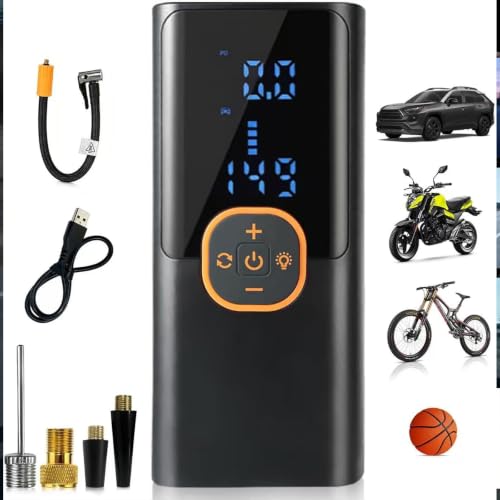
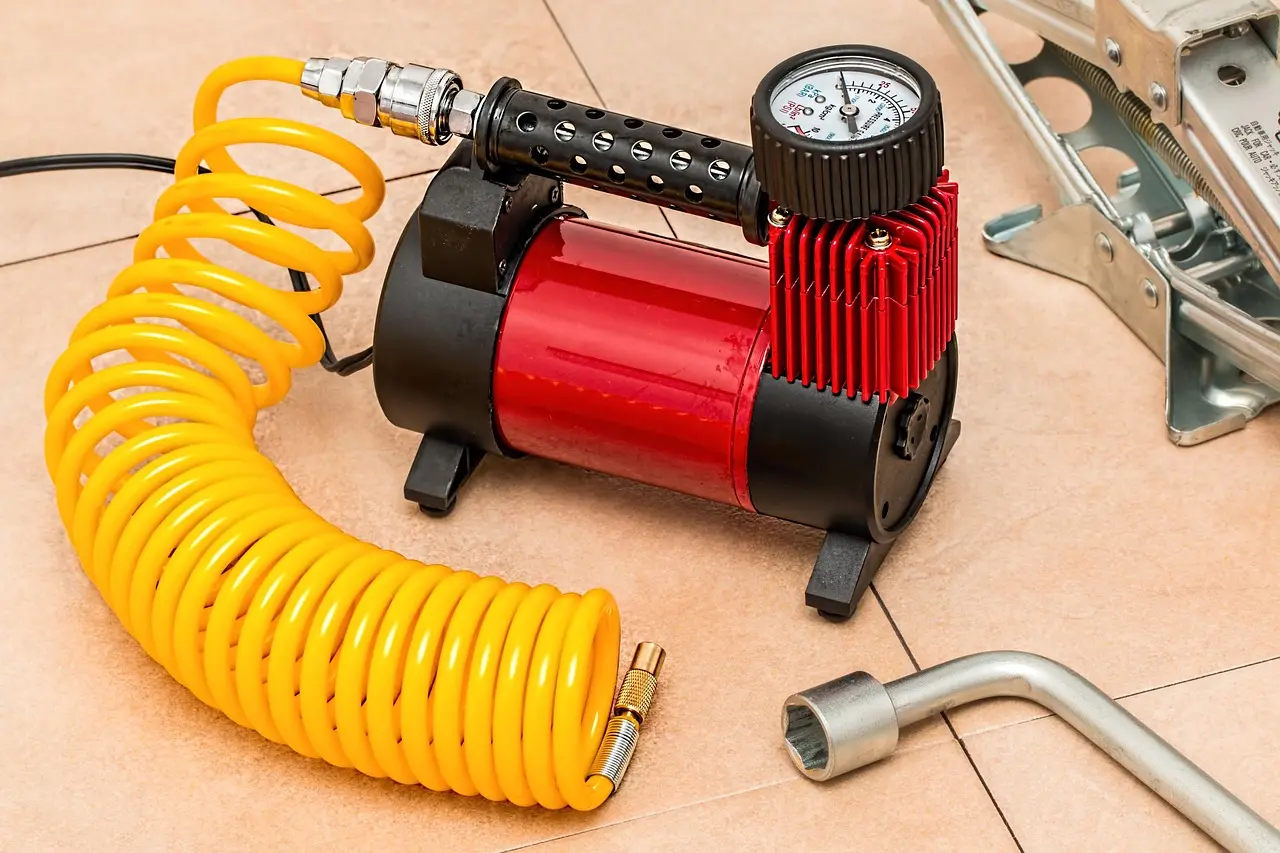
OlarHike portable inflator: best for drivers who need cordless top-offs
- Dual power allows cordless or 12V DC use
- High-voltage battery handles multiple quick top-offs
- Four preset modes for cars and motorcycles
This is aimed at drivers who need an inflator that can ride in the car and handle quick corrections without hunting for shop air. Based on specs and reviews, the dual-power setup is useful for older vehicles checked at home, in a lot, or before a long trip.
It stands out when pressure habits slip because it cuts friction. If topping off tires is easy, the monthly habit is more likely to happen.
The drawback is battery dependence. For repeated use on multiple low tires, any portable inflator has limits and is best treated as a maintenance tool, not roadside rescue for a serious leak.
Slime sealant: best for temporary puncture repair on non-highway tires
- Seals tread punctures up to 1/4 inch instantly
- Non-toxic, eco-friendly, and water soluble
- Easy to install with the included valve cap
This is for non-highway tires and tubes where a temporary puncture stop can keep equipment moving. Based on the product description and review patterns, it is useful when the issue is a small tread puncture and the goal is to buy time, not declare the tire healthy.
The upside is convenience. It can seal a minor puncture quickly and may keep a slow loss from turning into a dead tire before the next service stop.
The drawback is scope. It is not the answer for sidewall damage, exposed cords, repeated slow leaks, or normal highway tires that need a proper repair or replacement.
Chemical Guys Tire Kicker: best for rubber dressing, not tire health
- Restores a deep, wet showroom look quickly
- Safe for rubber, vinyl, and plastic surfaces
- Easy spray application with minimal residue
This is for appearance, trim cleanup, and a cleaner look after the mechanical checks are done. Based on specs and owner feedback, it gives a glossy finish, but it does not add tread, stop cracking, or cure age-related damage.
It can be useful after inspection because a clean tire makes sidewall cracks, cuts, and bulges easier to spot on the next walkaround.
The drawback is that shine can hide problems if it is used as a substitute for inspection. On a high-mileage car, cosmetics should come last.
MOBILETRON MORESENSOR 433MHz TPMS sensor: best for sensor replacement on select vehicles
- Pre-programmed and OE validated for direct fit
- Compatible with existing TPMS diagnostic tools
- Clamp-in design supports standard relearn procedures
This is for vehicles that use direct TPMS and need a replacement sensor rather than a pressure top-off. Based on the spec sheet, it suits owners dealing with a sensor fault after age or service work, especially when the vehicle family matches the listed compatibility.
It stands out because a failing sensor can hide a real pressure problem. On older vehicles, that matters because a missed warning often turns a cheap air loss into an expensive tire loss.
The drawback is fitment. It is not universal, and direct TPMS parts need the right vehicle application and relearn procedure.
How do I make tires last longer on a high-mileage car?
Start with pressure, tread, and wear-pattern checks, then correct the cause before buying tires. On a car past 100,000 miles, the best habits are monthly PSI checks, regular rotations, alignment after impacts or pull, and suspension inspection when wear turns uneven. Those steps prevent the common mistakes that shorten tire life fast.
Use a triage order
Do the cheapest checks first. Air pressure, tread depth, sidewalls, and valve stems tell you whether the tire is salvageable, needs rotation, or is being ruined by a mechanical issue.
If the car is already high mileage, do not let rotation hide a bad alignment or worn shocks. Rotation spreads wear; it does not cure the cause.
What tire pressure habits matter most for older cars?
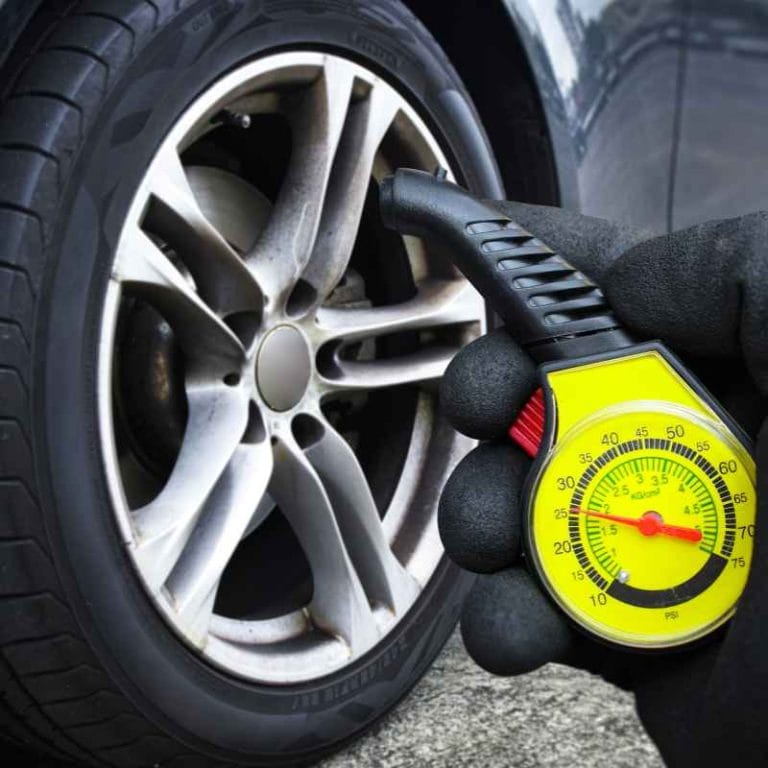
Check tire pressure monthly and before long trips, then set it to the door-jamb placard unless the vehicle maker gives a different load or towing adjustment. High temperatures can raise tire pressure, so heat and long highway runs deserve a fresh check. Underinflation wears the shoulders; overinflation wears the center.
What to look for fast
Underinflated tires often feel soft, run hotter, and show wear on both shoulders. Overinflated tires ride harsher and wear the center faster because the contact patch shrinks.
If pressure keeps dropping, inspect the valve stem for cracks or brittleness, make sure the valve cap is present, and look for a slow puncture. A missing cap can let dirt and moisture in, which is not a big problem for one day but becomes one over time.
How often should high-mileage drivers rotate tires?
Follow the owner’s manual or service schedule, then keep rotations consistent. Tires Plus includes rotations as part of 100,000-mile maintenance, which is a good reminder that the interval matters more than waiting for visible damage. Many vehicles use front-to-rear swaps, and some need crossed rear-to-front patterns.
Pair rotation with the right checks
Rotation is most useful when it is paired with balance checks if the steering wheel shakes or weights have gone missing. It should also be paired with alignment if the car pulls, the wheel sits off-center, or a pothole or curb strike happened recently.
At 150,000 miles, wheel alignment and tire condition should be watched closely. By then, the tires may be telling the story of the suspension, not just the road surface.
How can I tell if my tires are wearing unevenly?
Uneven wear is usually visible before it becomes dangerous. Inside-edge wear often points to negative camber or toe problems. Feathering usually suggests toe is off. Center wear is a pressure problem. Cupping or scalloping often points to worn shocks or struts, sometimes with worn bushings or ball joints.
Read the pattern, not just the tread depth
Inside-edge wear means the tire is scrubbing on one side. That often shows up on cars that need alignment or have worn suspension parts.
Feathering feels rough if a hand is run across the tread blocks. It usually means the wheels are not tracking straight.
Cupping looks like scalloped dips around the tread. On high-mileage cars, that pattern often means the tire is bouncing because the dampers are weak.
When should you replace tires on a high-mileage vehicle?
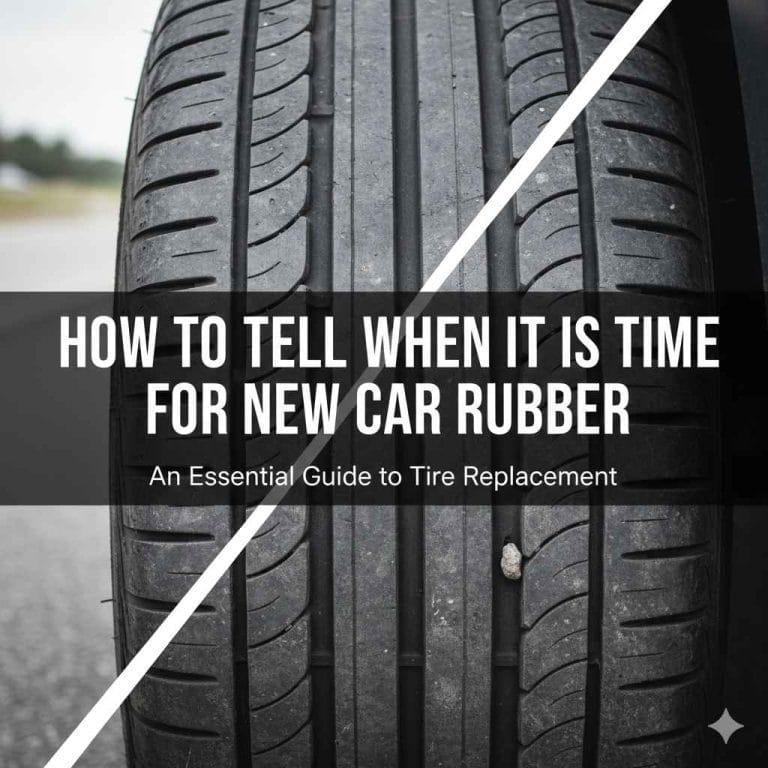
Replace tires when tread is worn down to around 2/32 inch, and earlier if wet or snow performance matters. Replace sooner for age, cracking, sidewall damage, exposed cords, bubbles, or repeated slow leaks. A tire can look legal and still be unsafe on a wet road.
Do not wait for the last groove
Use a tread gauge or a coin test as a quick screen, then check each tire individually. Four tires on the same car can age and wear very differently.
Rubber aging matters. UV and heat exposure cause dry rot, cracking on sidewalls and tread blocks, and brittle rubber that no longer deserves another season of use. At 200,000 miles and beyond, tires may need replacement if necessary even when some tread remains.
High-mileage tire-care decision checklist
- Check PSI. Compare all four tires to the door-jamb placard. Correct low pressure first.
- Inspect tread, sidewalls, and valve stems. Look for shallow tread, cuts, bubbles, cracking, and brittle stems or missing caps.
- Identify the wear pattern. Decide whether the damage looks like center wear, shoulder wear, feathering, inside-edge wear, or cupping.
- Verify rotation history. If the tires have not been rotated on schedule, plan rotation unless the wear pattern points to a deeper problem.
- Choose the next move. Inflate if pressure is off, rotate if wear is even enough, align if pull or edge wear is present, inspect suspension if cupping shows up, replace if cracking, cords, bubbles, or repeated leaks are present.
This checklist works because it ranks urgency and payoff together. A bad PSI reading is cheap to fix. A corded tire is not.
Does highway driving wear tires differently than city driving?
Yes. Highway driving is often gentler on tread scrub than stop-and-go city use, but long runs and heat can age tires faster. Heat is described as the biggest enemy of tyres in the UAE, and that logic applies anywhere tires spend long hours hot and loaded. That means age and pressure matter more on highway cars than many drivers expect.
What changes on mostly-highway cars
Highway cars may show less shoulder scrub and more age-related cracking, especially if they sit in sun between trips. On fleet and ride-share vehicles, the main threat is not just mileage. It is heat, load, and too many miles between inspections.
City cars usually suffer more from curb hits, potholes, and short-trip underinflation habits. Both patterns wear tires out, just in different ways.
What maintenance should I check when my car passes 100,000 miles?
At 100,000 miles, tires should move from background item to active maintenance item. Check pressure, tread depth, wear pattern, sidewall condition, rotation history, and suspension symptoms together. Tires Plus suggests rotations as part of 100,000-mile maintenance, and that is a good time to inspect for slow leaks and alignment drift too.
What changes after this milestone
At 100,000 miles, small problems stop staying small. A weak strut, a slightly bent wheel, or a valve stem that seeped a little last month can become a tire replacement before the next service interval.
This is the point where driver habit matters more than tire brand. A well-kept midrange tire can outlast a neglected premium one.
Are heat and long trips harder on tires?
Yes. Heat raises pressure and speeds rubber aging, while long trips keep the tire loaded and flexing for hours. That combination can accelerate dry rot, expose weak valve stems, and make a small underinflation problem turn into a shoulder-worn tire much sooner than expected.
Heat is a wear multiplier
Long trips are not automatically bad, but they are demanding. They make inspections before departure more valuable than guessing after the fact.
If a tire already shows cracking, repeated pressure loss, or a rough tread pattern, long highway use can finish it off quickly.
Which tire issues are most common on high-mileage cars?
The most common problems are uneven wear, slow leaks, age cracking, and alignment-related edge wear. Worn shocks, struts, bushings, and ball joints also show up often because they let the tire bounce or steer itself slightly off line. That is how a tire gets ruined while the driver thinks the tread just “wore out.”
Think in systems
A tire is often the first part to show a suspension problem. That makes it a useful diagnostic tool, not only a consumable.
If one tire keeps going low or one corner wears faster, inspect the tire and the hardware around it together.
What should I inspect besides tread on a worn-in car?
Inspect sidewalls, valve stems, valve caps, bulges, cracks, punctures, and the inside and outside shoulder wear. Also look for pull, steering wheel off-center, and ride changes that point to alignment or suspension trouble. On a high-mileage car, the tire is only half the story.
Suspension parts matter
Shocks and struts control bounce. Bushings and ball joints control where the wheel points. When those parts wear out, tires pay for it first.
If the car is already past 150,000 miles, a tire inspection should be treated as a suspension check in disguise.
Frequently asked questions
How often should high-mileage drivers rotate tires?
Use the owner’s manual or service schedule, then keep to it. A consistent rotation habit spreads wear across all four tires, but it only works if pressure and alignment are already close to correct. If the car pulls or the wear is uneven, fix the cause first.
How do I make tires last longer on a high-mileage car?
Keep pressure at the placard, rotate on schedule, and catch alignment or suspension wear early. The best tire lasts longer when the car stops scrubbing it against bad toe settings, low air, or a weak shock. That is the cheapest way to buy tire life.
When should I replace tires on a high-mileage vehicle?
Replace them at 2/32 inch tread depth in many places, earlier if wet or snow traction matters, and immediately if there are cracks, bulges, cords, or repeated slow leaks. Age matters too. Rubber that is hard and cracked is not trustworthy just because it still has grooves.
What tire pressure habits matter most for older cars?
Check monthly and before long trips, and reset to the door-jamb placard after load or temperature changes. If a tire keeps losing air, inspect the valve stem, cap, and puncture points before assuming the gauge is wrong. Repeated top-offs mean something is leaking.
How can I tell if my tires are wearing unevenly?
Look at the shoulders, center, and tread blocks. Inside-edge wear points toward alignment trouble, feathering points toward toe issues, center wear points toward too much air, and cupping often points to worn shocks or struts. Uneven wear is a symptom, not a standalone problem.
Are heat and long trips harder on tires?
Yes. Heat raises pressure and speeds aging, while long trips keep flexing the same rubber for hours. That is why a high-mileage driver should inspect pressure and sidewalls before a road trip, not after. A tired tire can fail far from home.
Products related to this article
Sponsored / affiliate links. As an Amazon Associate I earn from qualifying purchases. I may earn additional commission from eligible campaigns.