How to Clean Car Tires Without Damaging Rubber
Clean tire sidewalls with diluted mild dish soap, a soft tire brush, and plenty of rinse water. Dry them fully before any dressing. Harsh cleaners, stiff brushes, and leftover residue can dry the rubber, stain the sidewall, and cause browning or sling. This guide shows the safest workflow for cleaning tire sidewalls at home, plus what to avoid and how to keep the finish clean.
What you’ll need
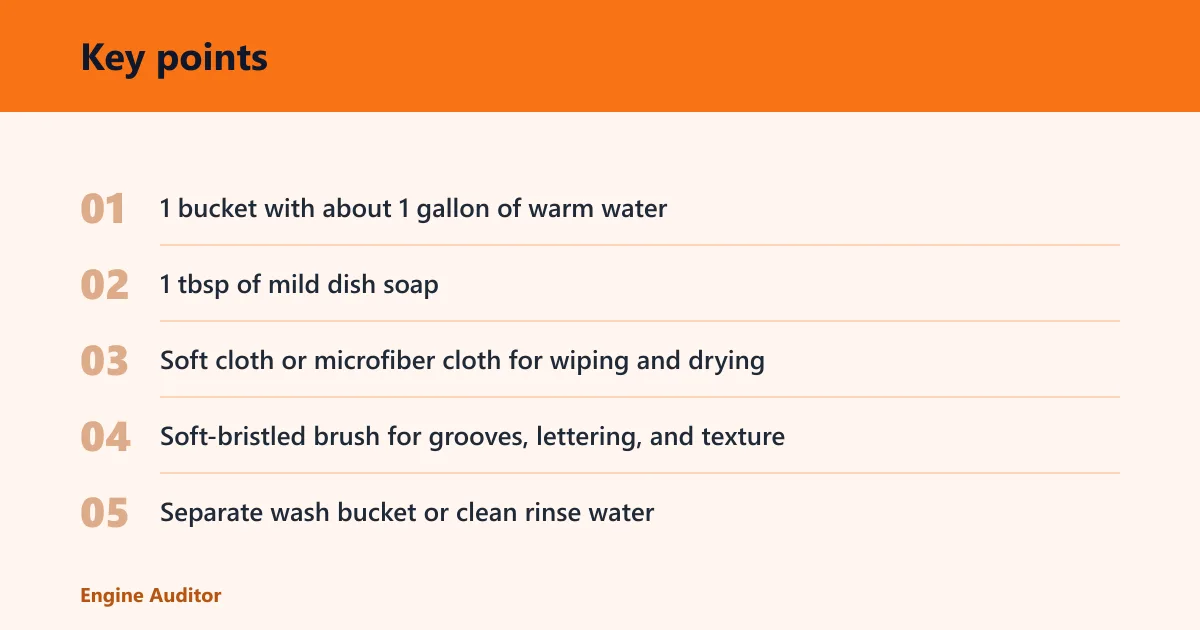


- 1 bucket with about 1 gallon of warm water
- 1 tbsp of mild dish soap
- Soft cloth or microfiber cloth for wiping and drying
- Soft-bristled brush for grooves, lettering, and texture
- Separate wash bucket or clean rinse water
- Wheel cleaner matched to the wheel finish
- Tyre dressing, if you want a finished sidewall look
- Wet scouring pad only for stubborn tar or whitewall spots
- Isopropyl alcohol for compatible adjacent wheel surfaces only
Cleaning steps
- Rinse the tire and wheel area first to knock off loose grit.
- Mix about 1 gallon of warm water with 1 tbsp of dish soap in a bucket.
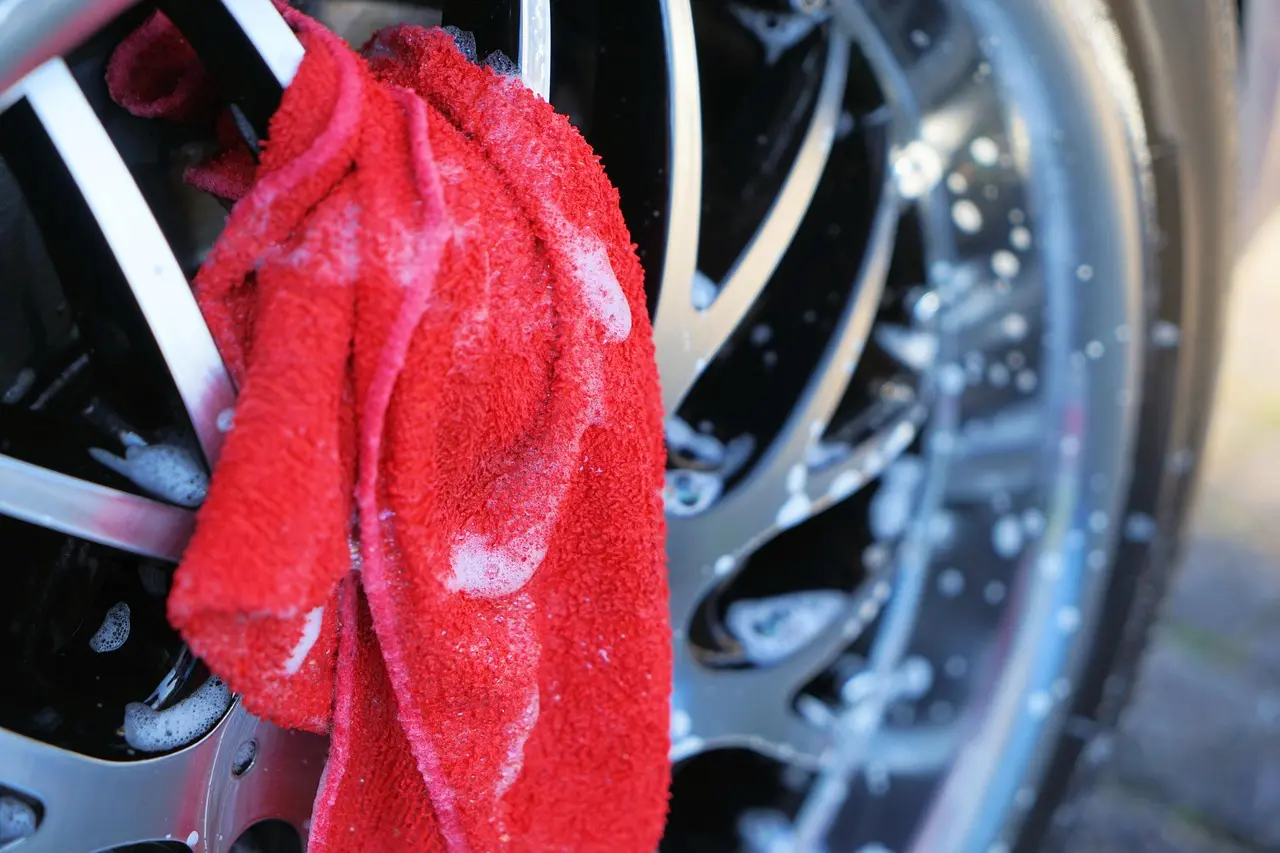
- Dip a soft cloth or microfiber cloth into the solution and wash the sidewall in sections.
- Use a soft-bristled brush on raised lettering, grooves, and textured sidewalls.
- Rinse the tire well, then rinse the wheel face separately.
- Dry the sidewall and wheel area with a clean microfiber cloth before any dressing.
- Inspect the tire tread and keep all dressing off that safety-critical surface.
Why sidewalls need their own method
Tire sidewalls can collect road film, browning from antiozonant bloom, and brake dust transfer from nearby wheels. Tread does not need dressing, and wheel faces need finish-specific cleaners. Treating all three surfaces the same is how rubber gets stained and wheels get dulled.
Say your 18-inch all-season tire has a dusty gray band on the sidewall and clean tread grooves. Wash the sidewall with the soap mix, then move to the wheel face with a separate cleaner. That keeps wheel grime off the rubber and prevents sidewall residue from getting flung onto paint later.

Can you use household soap or bleach on car tires?
Mild dish soap is a safe baseline cleaner for tire rubber. Dilute it in warm water and wipe with a soft cloth or sponge. Bleach is generally a poor fit for rubber. Harsh chemicals and abrasive tools can deform or cloud the surface, so they are poor choices for routine tire care.
What mild dish soap can do safely
Dish soap removes everyday grime, road film, and light browning without attacking the tire finish when mixed in water and rinsed off well. It works best on the sidewall, not the tread, and it should not dry on the tire before you rinse it away.
Why bleach and harsh chemicals are a bad fit
Bleach can dry rubber and damage the sidewall finish. Strong solvents and stiff pads can leave the tire looking chalky or patchy. If a cleaner is strong enough to strip brake dust from a wheel, it is usually too aggressive for bare tire rubber.
How do you remove tar or stubborn grime?
Start with soap and water, then step up only if the mark remains. For tar or bonded grime on the sidewall, a wet scouring pad can help, but use it cautiously because it can abrade rubber and may be especially risky near whitewalls. For adjacent wheel marks, isopropyl alcohol is only for compatible finishes.
When to use a wet scouring pad
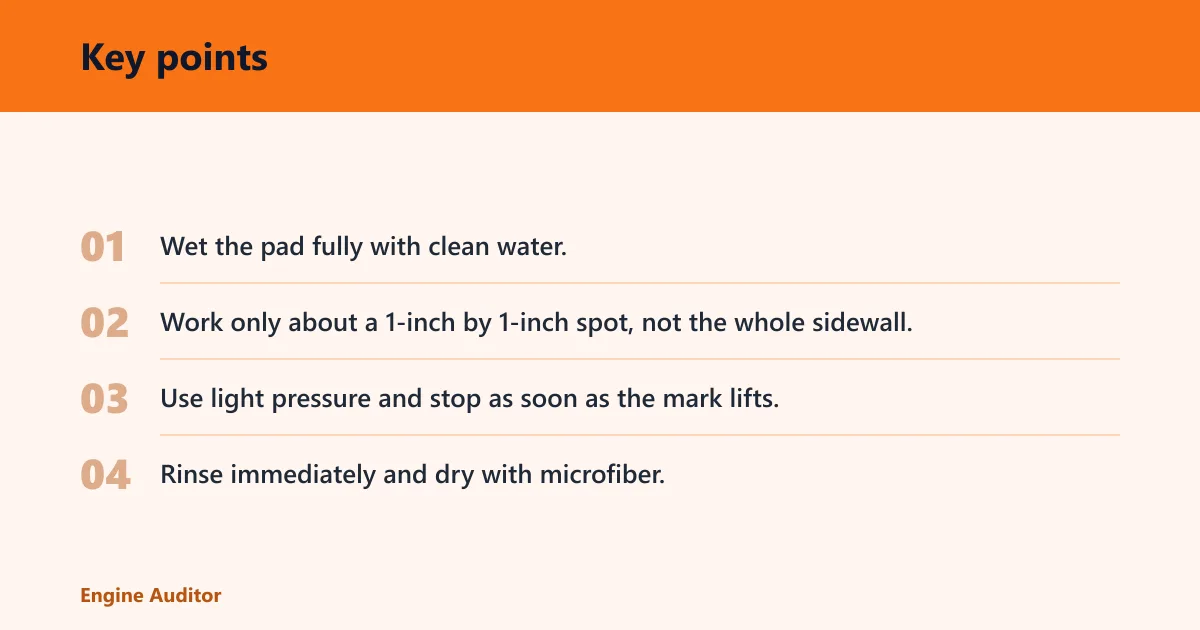
- Wet the pad fully with clean water.
- Work only about a 1-inch by 1-inch spot, not the whole sidewall.
- Use light pressure and stop as soon as the mark lifts.
- Rinse immediately and dry with microfiber.
When isopropyl alcohol is appropriate
Use isopropyl alcohol only on nearby wheel surfaces if the finish allows it and the mark survives wheel cleaner. Keep it off sensitive clear coats unless the product label says it is safe. Aluminium or chrome-plated wheels often need special polish, while painted or clear-coated steel wheels can use standard auto polish products.
Suppose a black streak sits on the wheel lip after tire dressing sprayed off the sidewall. Wipe the wheel lip with a cloth dampened with isopropyl alcohol only if the wheel finish is compatible. Do not drag that cloth back across the tire tread or the cleaned sidewall.
How do you clean wheels and tires without cross-contamination?
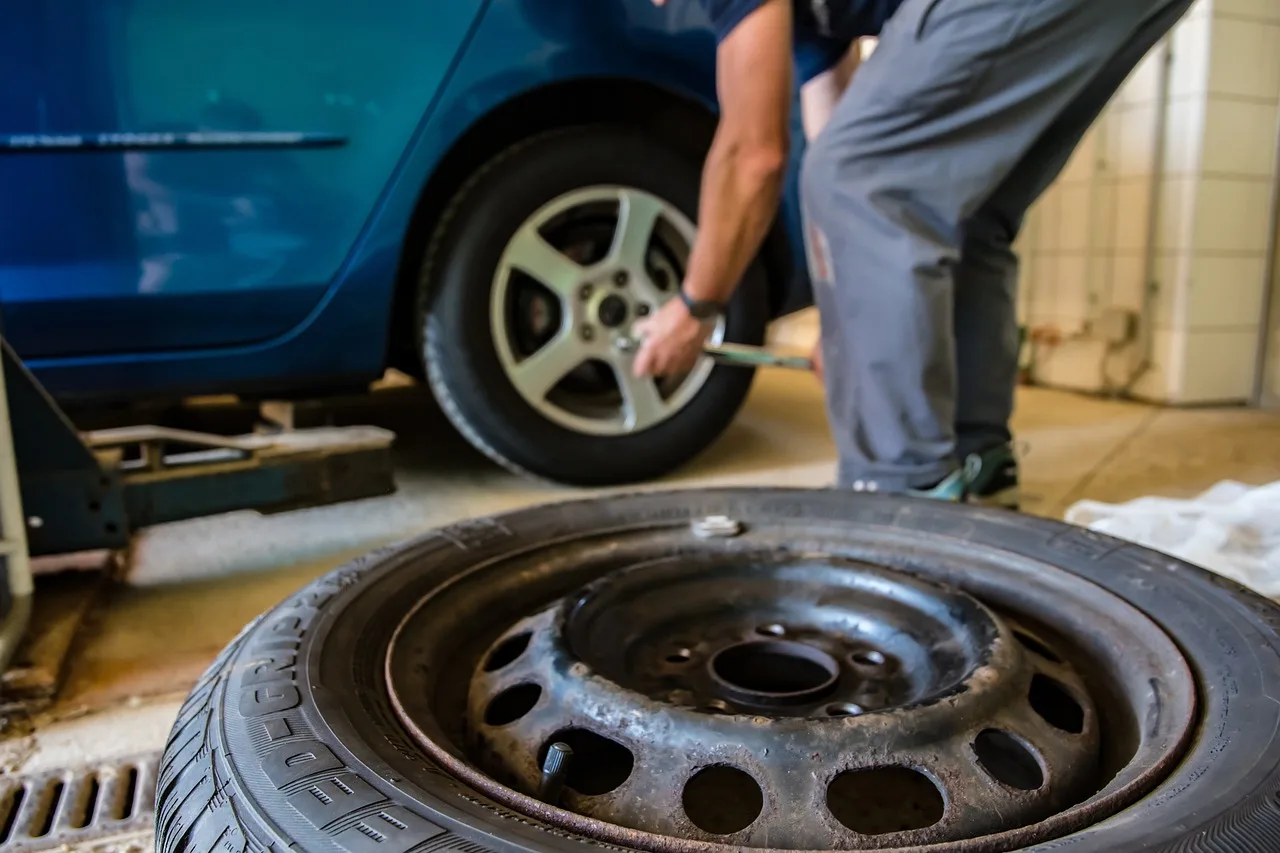
Clean the tire sidewall, wheel face, and tread as separate surfaces. Use one cleaner for rubber, another for the wheel finish, and a separate cloth or brush for each area. Armour All advises washing the wheels last after the rest of the vehicle, and soft wheel brushes or 100% cotton cloths are recommended for the wheel area.
Choose wheel cleaner by finish
Wheel cleaner belongs on the wheel, not on the tire tread. Aluminium or chrome-plated wheels need special polish. Painted or clear-coated steel wheels can use standard auto polish products. If the wheel finish is delicate, test on a small area first and keep the cleaner off the tire.
| Cleaner type | Safe use area | Compatibility warning | Recommended removal step |
|---|---|---|---|
| Mild dish soap in warm water | Sidewall, light tread edge, wheel face if the label allows | Avoid bleach and harsh chemicals; rinse fully so residue does not dry on rubber | Wipe with microfiber, then rinse with clean warm water |
| Wheel cleaner | Wheel face only | Match to aluminium, chrome-plated, painted, or clear-coated steel wheels | Rinse immediately and dry the wheel area |
| Tyre dressing | Clean sidewall only | Never apply to tread | Wipe off excess before driving |
| Wet scouring pad | Tar spots, stubborn marks, some whitewalls | Use lightly; it can abrade rubber or whitewall surfaces | Rinse and inspect; stop if the surface dulls |
| Isopropyl alcohol | Adjacent wheel surface only, if compatible | Keep off sensitive finishes unless the product says otherwise | Wipe dry with microfiber after a brief contact |
Tire cleaning compatibility checklist
This checklist helps separate safe cleaning steps from finishing steps and from wheel care. It also shows where browning, sling, residue, and chalking usually start.
| Failure mode | Likely cause | What to check first |
|---|---|---|
| Browning | Antiozonant bloom surfacing through the rubber, often mixed with road film | Was the sidewall cleaned with soap and fully rinsed? |
| Sling | Too much tyre dressing, or dressing left wet before driving | Was excess dressing wiped off the sidewall? |
| Residue | Cleaner or dressing left on the rubber and dried in place | Was the tire rinsed and dried with microfiber? |
| Chalking | Harsh cleaner, over-scrubbing, or an incompatible finish treatment | Did a strong chemical or abrasive pad touch the tire? |
Common mistakes
Most tire damage from cleaning comes from overdoing pressure or mixing up surfaces. Keep the workflow simple, and stop once the sidewall is clean.
- Applying tyre dressing to the tread. That surface needs traction, not gloss.
- Using abrasive pads or stiff brushes on rubber. wikiHow warns that abrasive cleaners and tools can deform or cloud rubber.
- Leaving soap or dressing residue behind. It dries into streaks and can attract dust.
- Cleaning the wheel and tire with the same cloth. That transfers brake dust to rubber and cleaner to the wheel finish.
- Using bleach as a shortcut. It is not a safe baseline for tire rubber.
A common first-timer mistake is polishing the sidewall until it looks wet, then driving away immediately. The result is sling on the fender and residue on the tread shoulder. Wipe the tire down until the cloth comes away nearly clean, then let the surface dry before dressing.
Frequently asked questions
How to clean auto tires
Use the same sidewall-first method for auto tires: soap solution, soft cloth, soft brush, rinse, and dry. If the tire is brown from bloom, repeat the wash rather than reaching for a harsh cleaner. Dressing belongs only on a clean sidewall, never on the tread.
What should I use to clean car tires without drying out the rubber?
Use diluted mild dish soap in warm water, a soft cloth or microfiber cloth, and a soft-bristled brush for texture. Rinse well and dry after cleaning. Skip bleach, aggressive solvents, and hard pads, because those are more likely to dry or mark the rubber.
How do I clean tire sidewalls and avoid getting product on the tread?
Work from the wheel edge outward, not across the tread. Apply cleaner to the cloth or brush, then scrub the sidewall only. Keep a dry microfiber handy to catch drips at the shoulder, and wipe the tread edge if any dressing or soap reaches it.
Products related to this article
Sponsored / affiliate links. As an Amazon Associate I earn from qualifying purchases. I may earn additional commission from eligible campaigns.