Best Tire Habits for City Driving (26): we compared
Best tire care habits for city driving are: check pressure monthly and before long trips, inspect tread and sidewalls weekly, and reset alignment after any curb hit or pothole strike. Skip them, and stop-and-go traffic wears tires faster, hurts braking, and brings surprise replacements. This guide covers the daily checks, parking habits, and damage-prevention rules that keep urban tires safer and cheaper to run.
This guide is part of our Car tire maintenance guide series.
Best tire care habit for city driving
According to How tire maintenance influences fuel efficiency — Correct tire pressure can boost efficiency by up to 3%.
Quick comparison
| Product | Badge | Best for | Price | ||
|---|---|---|---|---|---|
 |
AUTOWN Flat Tire Repair Kit 68pcs, Heavy Duty Tire Plug KitAUTOWN | Our pick | 68-piece heavy-duty plug kit | $19.99
Price as of 1 Oct 2026
|
View |
 |
Slime 10011 Flat Tire Puncture Repair Sealant, EmergencySlime | Also great | 16 oz non-toxic sealant | $10.29
Price as of 1 Oct 2026
|
View |
This comparison centers on the habits that matter most on city streets: pressure, impact damage, wear patterns, and wet grip. The right routine is less about perfection and more about catching the small problems that urban driving creates every week.
How we chose
The shortlist here is built around how well each habit blocks city damage before it spreads. I gave priority to routines that are easy to do at home, useful after potholes or curb scrapes, and tied to real wear, braking, or fuel-use changes.
- How often the habit prevents urban damage
- How easy it is to check at home or at a shop
- How well it fits potholes, curbs, parking scrapes, and short trips
- How much it affects wear, wet grip, or fuel use
Pressure checks: best for daily commuting
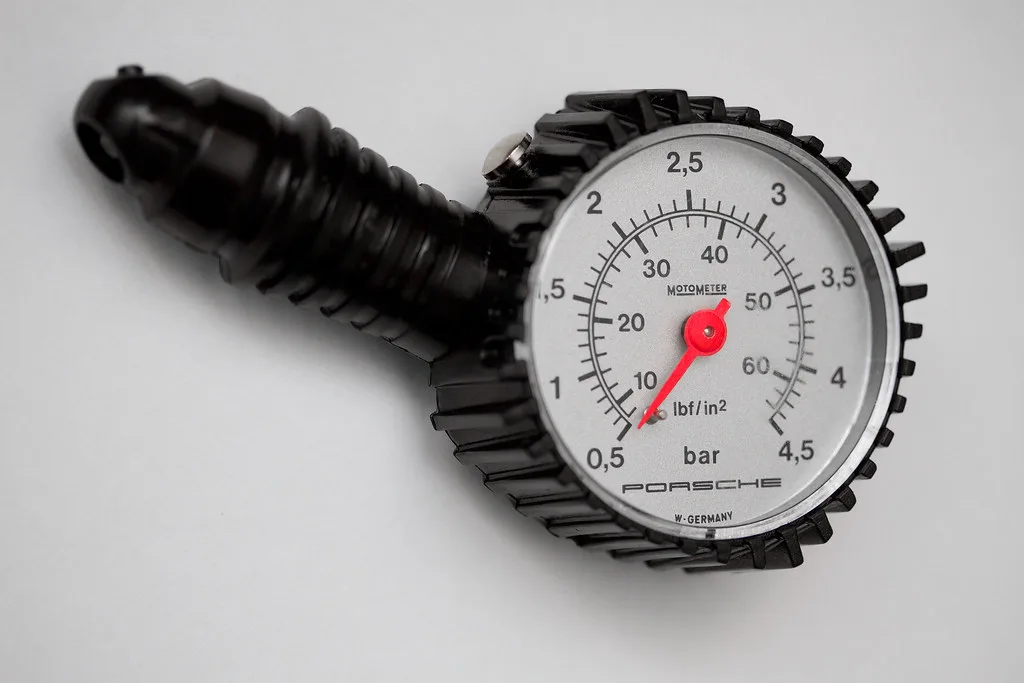
Tire pressure is the simplest urban habit to keep consistent, and it is the one city drivers miss most often. Check it monthly with the vehicle manufacturer’s recommended PSI, usually listed on the driver’s side door or in the manual. Urban stop-and-go driving can make small losses matter faster because braking, turning, and curb maneuvers load the tire more often.
How often city drivers should check tire pressure
Monthly is the baseline, and it should be faster if the vehicle has a warning light, a temperature swing, or frequent short trips. Nearly 25% of vehicles on the road have under-inflated tires, which is one reason city drivers see uneven wear and fuel loss before the problem feels obvious.
Under-inflated tires increase wear and fuel consumption, and they can also increase stopping distances significantly. Correct pressure can improve efficiency by up to 3%, which matters in a commute where small losses repeat every day.
What a correct PSI reading protects you from
Proper inflation supports tread life across the center and shoulders, helps the tire maintain its shape in corners, and reduces the rolling drag that wastes fuel. It also helps the tire respond more predictably in wet braking, which matters when city rain leaves lanes slick and brake lights stacked in traffic.
When to recheck after temperature swings or warning lights
Recheck any time the pressure light comes on, after a sharp weather change, or after a long stretch of short urban trips. Those are the moments when a tire can drift from safe to under-inflated without showing a visible problem.
Post-impact inspections: best after potholes and curb hits
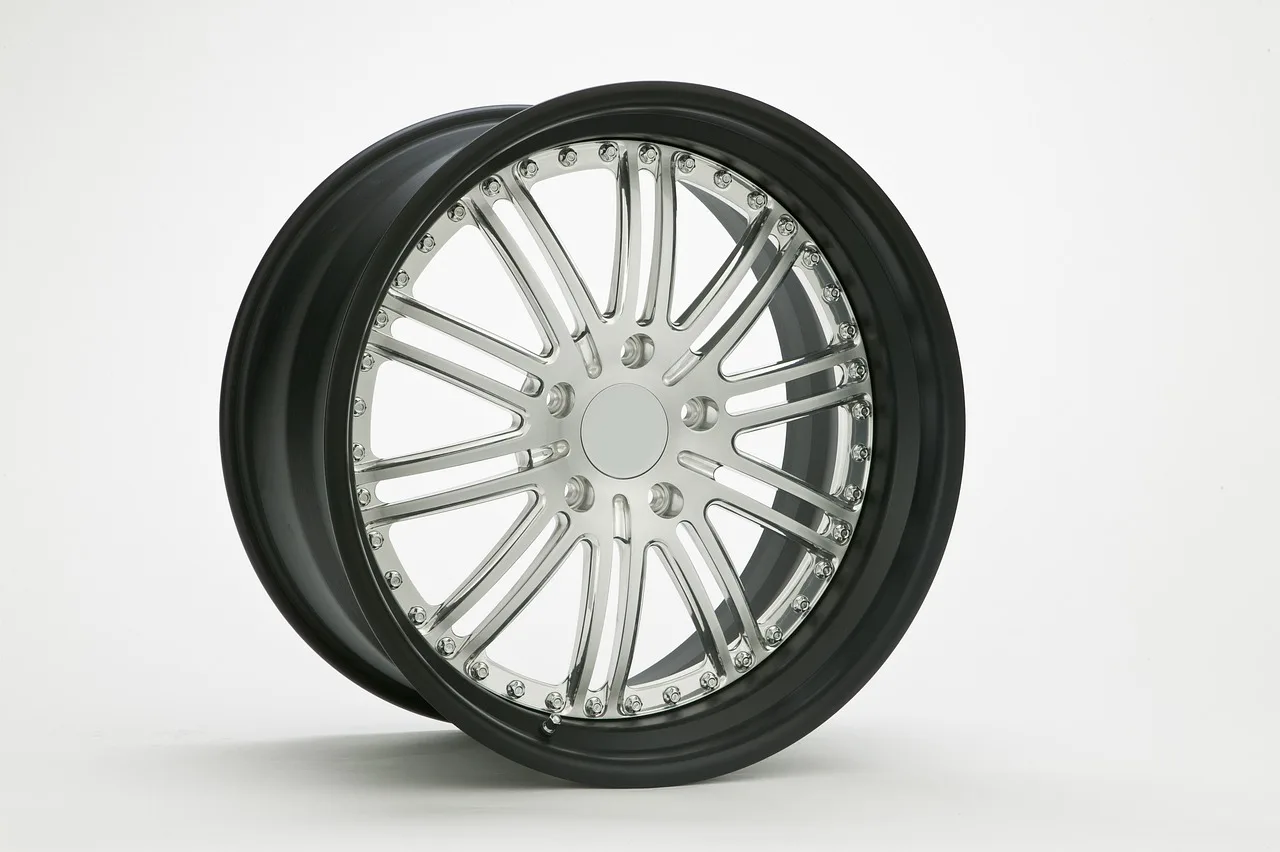
Potholes, curb scrapes, uneven pavement, and street debris are everyday tire hazards in cities. After a curb strike or pothole impact, inspect the sidewall, bead area, and tread face right away. The main question is simple: does the damage look cosmetic, or does it threaten the tire’s structure?
What to inspect on the sidewall and bead area
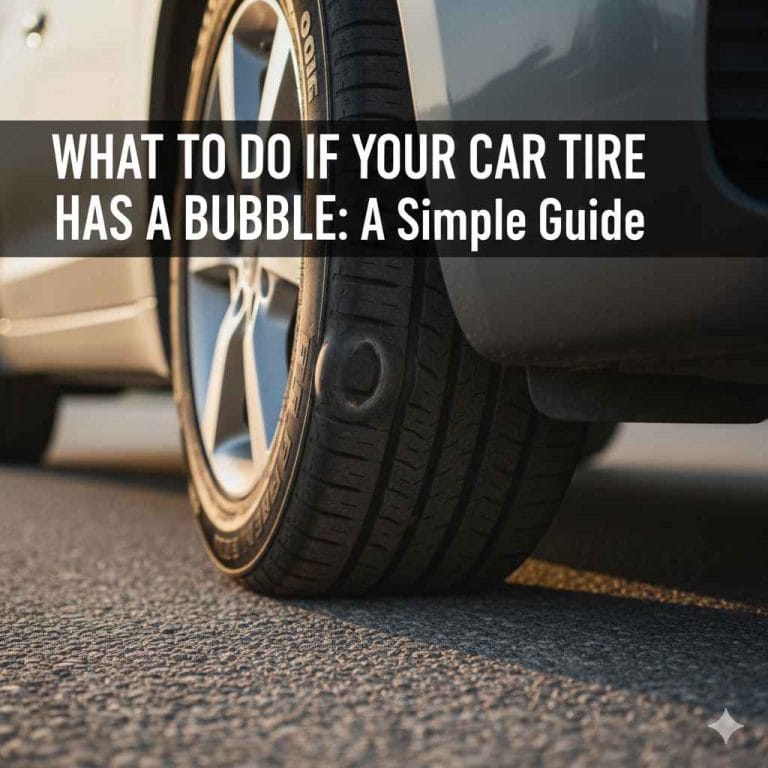
Look for cuts, bulges, cracks, and foreign objects. Sidewall damage is the decision point that city drivers often misread, because a scuffed sidewall may look minor while a bulge or deep cut can make the tire unsafe. Inspect after any curb strike or pothole impact, even if the car still drives normally.
Which damage needs a shop visit right away
A bulge, visible cord, deep cut, or sudden air loss needs immediate attention. If the tire shows new vibration, a pull, or a thumping sound after impact, the wheel may also be bent or the alignment knocked off. That is not a wait-and-see problem.
How to separate harmless scuffs from unsafe damage
Light cosmetic rash on the outer sidewall edge is not the same as a structural cut. The unsafe signs are swelling, cracking that opens when the tire flexes, or a gash that reaches deeper rubber layers. When in doubt, treat sidewall damage as unsafe until a shop confirms otherwise.
Rotation and balance: best for stop-and-go wear
Tread wear may be uneven from city braking and turning. Rotate tires every 5,000–10,000 km to spread that wear across the set. Balance checks matter too, because vibration and irregular wear often appear when a wheel is out of balance or the alignment is off.
When to rotate if you mostly drive in the city
Frequent stop-start use usually justifies staying near the lower end of the rotation range. Rotating on schedule helps even out shoulder wear and can support better fuel efficiency by keeping rolling resistance more consistent across the set. It also keeps one tire from aging out much earlier than the others.
How balance checks fit in with alignment service
Balance is often checked alongside alignment because both affect vibration and wear patterns. Alignment plus balance may add up to 2.2% in savings, and the bigger value in city driving is often the prevention of feathered wear, steering shake, and that constant hum that signals a tire is no longer rolling cleanly.
Wet-traction tires: best for rainy city streets
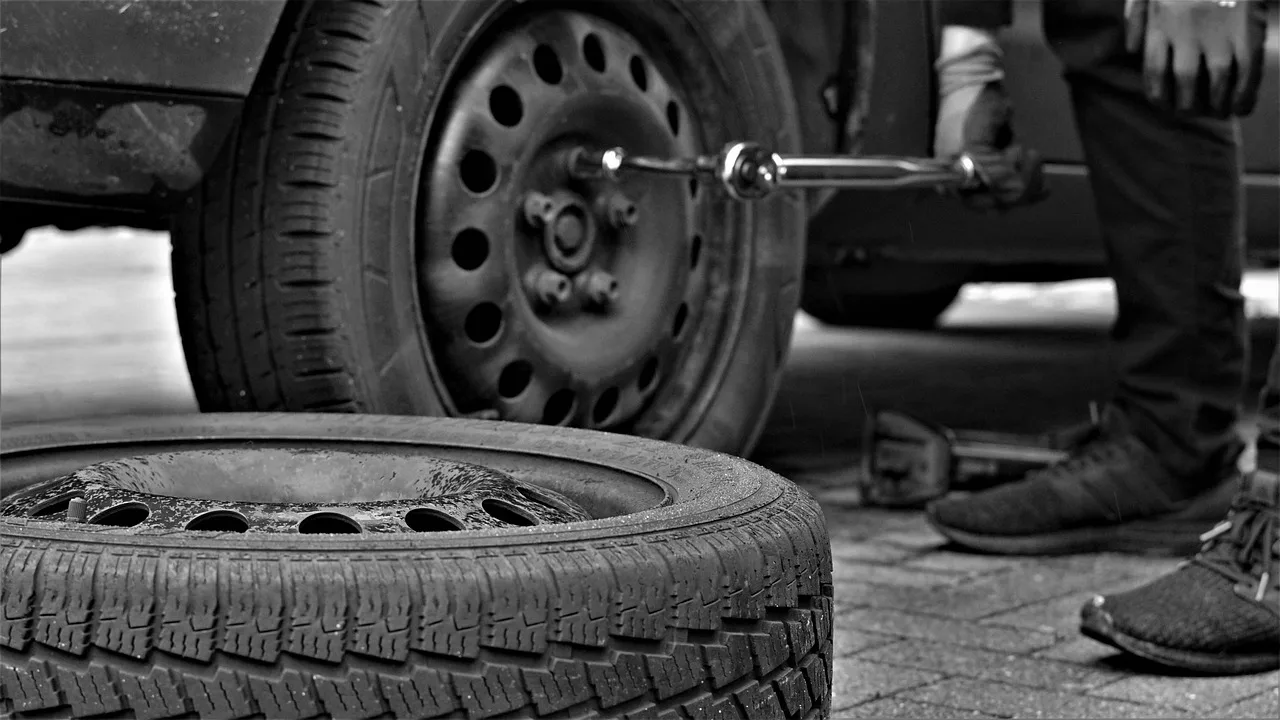
Wet traction matters more in cities than many drivers think, because traffic keeps tires in spray, shallow standing water, and repeated brake zones. Deeper tread and good drainage help the tire move water out of the contact patch, which reduces hydroplaning risk. That matters when lanes pool near curbs and drain openings.
Why tread depth and drainage matter in heavy traffic rain
Use a penny test as a quick home check for tread depth. If the tread is too low, the tire cannot move water away as well, and braking on slick pavement gets longer and less predictable. This is especially important on routes that include bus lanes, old pavement, and storm drains where water collects.
When low rolling resistance helps and when grip matters more
Low rolling resistance tires can improve fuel economy by up to 9%, which is useful for frequent urban driving. The tradeoff is that some drivers need to pay closer attention to wet grip and tread design, especially where rain, puddles, and abrupt braking are routine. Fuel savings should not come at the cost of traction you need every day.
What to look for if your commute includes flooded or slick roads
Choose tread that clears water well and check that the tires still have enough depth for wet braking. If the route regularly includes standing water, drainage matters more than the smallest fuel gain. In that case, the better habit is to keep the tire in good shape first and chase economy second.
Which one should you buy
If the goal is the biggest safety payoff, start with pressure checks and after-impact inspections. If the goal is fuel use, stay disciplined about pressure first, then rotation, balance, and tire choice. If the route is full of potholes and curbs, post-impact inspection is the habit that prevents the most expensive misses.
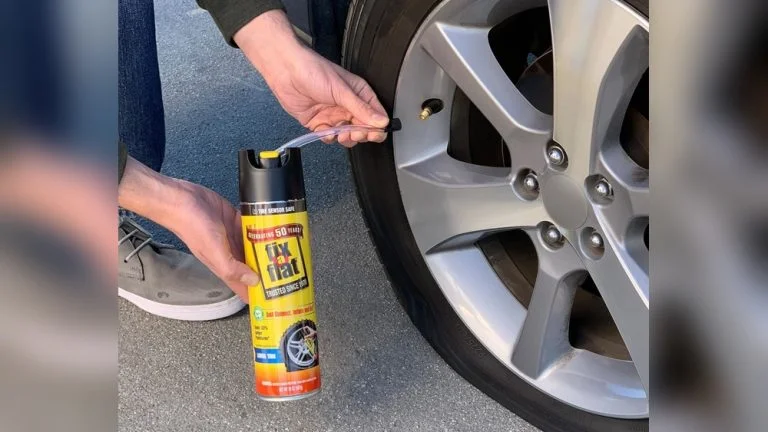
For a simple routine, monthly pressure checks are the easiest habit to keep. For a city route with frequent rain, tread checks and wet-traction planning matter more than cosmetic tire age. For drivers who want a maintenance item to pair with emergency readiness, a repair kit or sealant can help after a small tread puncture, but neither one replaces a proper inspection or structural repair.
A city-driving tire care checklist
| Timing | Check | Pass | Fail | Action if failed |
|---|---|---|---|---|
| Daily | Look for a flat tire, visible bulge, or fresh curb scrape before driving | No visible damage, no pull, no warning light | Bulge, deep cut, low tire, or new vibration | Stop and inspect; drive only if the tire is clearly safe |
| Weekly | Walk around the car and inspect tread, sidewall, and embedded debris | Even wear, no cracks, no objects stuck in rubber | Cracks, cuts, bulges, or uneven shoulder wear | Book a shop check if the damage is structural or growing |
| Monthly | Check tire pressure against the door-jamb PSI | Pressure matches the manufacturer’s recommendation | Any under-inflation or repeated warning light | Inflate to the correct PSI and recheck for leaks |
| Monthly or by mileage | Rotate tires every 5,000–10,000 km | Wear is spreading evenly | One axle or one shoulder is wearing faster | Rotate and ask about alignment if wear is uneven |
| After pothole or curb impact | Inspect sidewall, bead, wheel, and steering feel | No bulge, no pull, no vibration | Air loss, pull, vibration, visible sidewall damage | Get a shop inspection and alignment check |
Frequently asked questions
How often should I check tire pressure for city driving?
Check tire pressure monthly, and do it sooner if the warning light appears or the weather changes sharply. City drivers who make many short trips should be especially careful, because under-inflation can build quietly and show up first as uneven wear, weaker braking, or higher fuel use.
What tire care habits help prevent pothole damage in the city?
The best habits are keeping pressure correct, slowing before rough sections when possible, and inspecting the tire after an impact. Potholes can bend a wheel, break internal tire structure, or knock alignment out of spec, so the after-hit check matters as much as the drive itself.
Does stop-and-go driving wear tires out faster?
Yes. Repeated braking, turning, and low-speed scrubbing make city tires wear in patterns that highway tires often do not see. Rotation helps spread that wear, and correct inflation keeps the tire from overheating or squirming under load, which slows the damage that builds up in traffic.
How can I tell if my tires are wearing unevenly from city driving?
Look for one shoulder wearing faster than the other, feathered tread edges, or a tire that looks more rounded on one side. A steering wheel that pulls or a vehicle that vibrates can also point to uneven wear, alignment trouble, or balance problems that need attention.
What should I inspect after hitting a curb or pothole?
Check the sidewall for cuts, bulges, and cracks, then look at the wheel edge and tread face for fresh damage. If the car now pulls, shakes, or loses air, the tire or wheel may be compromised. That is the point to get a shop involved quickly.
Do I need different tire care in summer and winter city driving?
Yes, because temperature and road surface change how tires behave. Summer heat can make under-inflation and wear more obvious, while winter and rainy conditions make tread depth and wet grip more important. The routine stays similar, but the risk you watch for changes with the season.
How can I improve fuel economy with better tire care?
Start with correct tire pressure, because it can improve efficiency by up to 3%. Then keep the tires rotated, balanced, and aligned so they roll evenly. Low rolling resistance tires can improve fuel economy by up to 9%, but they make the most sense when wet grip and route conditions also fit the choice.
When should I rotate tires if I mostly drive in the city?
Rotate them every 5,000–10,000 km, and stay closer to the lower end if the car spends most of its time in traffic. City braking and turning can wear the front tires faster, so rotation is one of the easiest ways to keep the set wearing at a similar pace.
AUTOWN Flat Tire Repair Kit 68pcs: best for roadside puncture repair
The AUTOWN 68-piece plug kit is a practical pick for city drivers who want a repair option for tread punctures before a full shop visit. Based on the spec sheet and owner feedback, the steel tools and T-handle layout make it the more complete of the two emergency options here, and the kit format suits a trunk or garage shelf.
It is best for drivers who want to deal with a nail or small tread puncture after a curbside stop. The drawback is simple: a plug kit is for puncture repair, not sidewall damage, and it does nothing for alignment, bent wheels, or a tire that has already been structurally compromised.
Slime 10011 Flat Tire Puncture Repair Sealant: best for emergency seal-and-go use
The Slime 10011 sealant is aimed at drivers who want a fast emergency option for small tread punctures. Based on the spec sheet, owner feedback, and range experience, it fits the city driver who values simplicity and a less hands-on fix when a tire loses air unexpectedly.
Its drawback is that sealant is not a cure-all. It is not meant for sidewall cuts, larger damage, or repeated use as a substitute for inspection, and the cleanup can be a nuisance once the tire is eventually repaired or replaced.
Products related to this article
Sponsored / affiliate links. As an Amazon Associate I earn from qualifying purchases. I may earn additional commission from eligible campaigns.