How Often Do Car Headlights Go Out? What Drivers Should Know
This guide will break down everything you need to know about your car’s headlights. We’ll look at how long they typically last, what makes them stop working, and the signs you should pay attention to. We aim to make this clear and easy, so you feel more in control of your car’s safety.
A car headlight typically lasts between 2 to 5 years, or about 1,000 to 2,000 hours of use. However, this can vary a lot. Factors like the type of bulb, how much you drive, and even road conditions can change how long they stay bright and functional. Regular checks are key.
Understanding Your Car Headlights
Headlights are more than just lights that help you see. They are vital safety components. Their main job is to light up the road ahead at night or in bad weather.
Good headlights let you see obstacles. They also help other drivers see you. Without working headlights, driving at night is very dangerous.
Modern cars use different types of headlight bulbs. The most common ones are halogen bulbs. These are like older light bulbs but tougher.
They are also the cheapest to replace. HID (High-Intensity Discharge) bulbs are brighter. They use a gas to create light.
LED (Light Emitting Diode) lights are the newest. They last the longest and use the least power.
Each type has its own lifespan. Halogen bulbs usually burn out sooner. LED lights can last for many years, sometimes the life of the car.
But even with the best bulbs, something can still go wrong. It’s good to know the general life span for each type.
Many things affect how long your headlights work. How often you use them is a big one. If you drive a lot at night, your bulbs will wear out faster.
The vibrations from driving also play a role. Rough roads can shorten a bulb’s life. Even frequent on-and-off cycles can make them wear out quicker.
The voltage from your car’s electrical system also matters. If the system is not working right, it can send too much power to the bulb. This can make the bulb overheat and fail.
The weather can also have an effect. Extreme heat or cold can stress the bulbs. Moisture getting into the headlight assembly is another common problem.
It can cause corrosion and damage the bulb or its connections.
My Own Headlight Scare
I remember one time, I was driving home from a friend’s house late on a Tuesday. It was already pretty dark. My town doesn’t have the best streetlights.
As I turned a corner, I noticed my right headlight seemed a bit dim. I thought maybe it was just the angle of the road. But then, it flickered.
My heart sank a little. I knew I couldn’t ignore it.
I pulled over to the side of the road, thankfully on a quiet street. I turned the lights off and then back on. The right one stayed off.
Complete darkness. A wave of panic washed over me. It was already hard enough to see.
Driving without that light felt incredibly risky. I pictured a deer jumping out, or another car not seeing me. It was a stark reminder of how important these simple lights are.
I ended up driving very slowly home, using my fog lights to get a bit more visibility. That night taught me a valuable lesson about not putting off headlight checks.
Headlight Bulb Lifespans at a Glance
Type of Bulb
- Halogen
- HID (Xenon)
- LED
Typical Lifespan
- 500 – 1,000 hours
- 2,000 – 3,000 hours
- 15,000 – 30,000+ hours
Note: These are general estimates. Actual life can vary.
Why Do Headlights Go Out?
Several things can cause your car’s headlights to stop working. The most common reason is simply the bulb reaching the end of its life. Think of it like a light bulb in your house.
Over time, the filament inside the bulb, which is what creates the light, wears out. It gets thinner and thinner until it breaks. When that happens, the bulb can no longer light up.
Halogen bulbs have a filament made of tungsten. When this filament breaks, the bulb is done. For HID bulbs, the light is made by an electric arc through a gas.
Over time, the gas can degrade, or the electrodes can wear away. This makes the light dimmer or causes it to stop working. LED lights don’t have filaments.
They fail when the individual LEDs burn out or when the internal circuitry breaks. This is much rarer than with other types.
Another major cause is damage to the electrical system. The wiring that sends power to the headlights can get damaged. This could be from wear and tear, corrosion, or even an accident.
A loose connection at the bulb socket can stop power from reaching the bulb. A blown fuse is also a common culprit. Fuses are small safety devices that break the circuit if there’s too much power.
If a fuse blows, it cuts power to the headlight circuit.
The headlight switch itself can also fail. This is the part you turn or push to turn on your lights. If the switch is broken, it won’t send the signal to the headlights to turn on.
The relay, another electrical component, can also malfunction. Relays act like switches for high-current circuits, like headlights. If a relay is bad, the headlights won’t get power.
The headlight housing itself can be a problem. If the plastic or glass cover is cracked or has a hole, moisture can get inside. This moisture can corrode the bulb socket, wiring, and even the bulb itself.
It can also cause the reflective material inside the housing to degrade, making the light beam weaker even if the bulb is still good. This is why it’s important to keep your headlight assemblies in good condition.
Top Reasons Headlights Fail
Problem
- Bulb Life Ended
- Electrical Wiring Issue
- Blown Fuse
- Faulty Headlight Switch
- Damaged Housing (Water Intrusion)
- Relay Failure
Explanation
- Filament breaks or gas degrades.
- Corrosion or physical damage cuts power.
- Protects circuit from too much power.
- Fails to send signal to turn on lights.
- Moisture causes corrosion and damage.
- Acts as a switch for high power.
Signs Your Headlights Might Be Failing
Your car’s headlights often give you clues before they completely stop working. Paying attention to these signs can save you from a surprise failure. The most obvious sign is a bulb that is already out.
If you notice one headlight is off, it’s a clear indicator that the bulb needs replacing. Don’t wait for the other one to go out too.
Another common sign is a dim headlight. If one headlight looks noticeably dimmer than the other, it’s a warning. The bulb is likely nearing the end of its life.
The filament is thinning, or the gas inside is losing its effectiveness. This can also happen if there’s a problem with the electrical connection. Dirt or corrosion on the socket can reduce the power reaching the bulb.
Flickering headlights are also a concern. If your headlights flicker on and off, it’s a sign of an unstable electrical connection or a bulb that’s about to fail completely. This can be caused by a loose bulb, a faulty wiring harness, or a problem with the headlight switch or relay.
It’s a clear signal that something isn’t right.
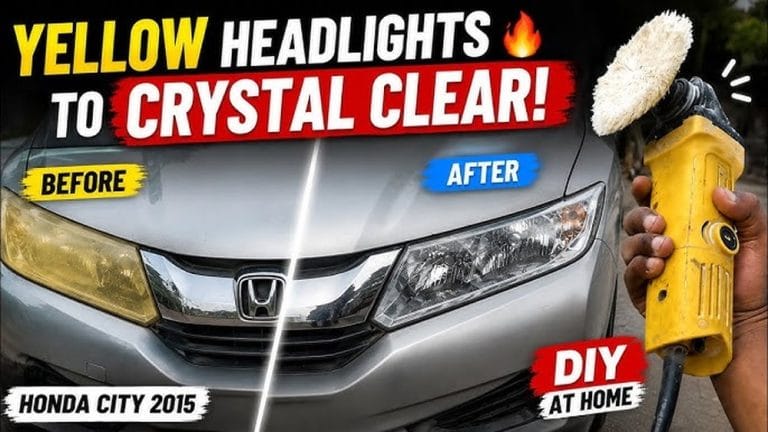
Sometimes, the light color can change. If your headlights are starting to look yellowish or have a brownish tint, it’s a sign of aging. This is more common with older halogen bulbs.
The gas inside can start to discolor the light. A bluish tint might indicate a bulb that’s running too hot or too much voltage.
The reflective surface inside the headlight assembly can also show signs of trouble. If you notice that the light beam seems weaker or is not directed correctly, it could be due to a dirty or degraded reflector. Moisture and heat can cause the shiny coating on the reflector to peel or turn dull.
This means less light is being sent out onto the road.
When you notice any of these symptoms, it’s best to get them checked out. A quick visit to a mechanic or even a simple DIY inspection can help you catch problems early. It’s always better to be proactive than to be caught in the dark.
Warning Signs for Your Headlights
Observation
- One Headlight Out
- Dim Headlight Beam
- Flickering Lights
- Yellowish or Discolored Light
- Weak or Poorly Directed Beam
Likely Cause
- Bulb Failure
- Aging Bulb, Poor Connection, or Electrical Issue
- Electrical Connection Problem or Failing Bulb
- Aging Halogen Bulb or Voltage Issue
- Dirty/Degraded Reflector or Housing Issues
Headlight Lifespan: How Long Do They Really Last?
The question of “how often do car headlights go out?” doesn’t have one simple answer. It really depends on the type of bulb and how it’s used. Let’s look at the general life spans for the most common types.
Halogen Bulbs
These are the most traditional type. You’ll find them in many older cars and some newer, more budget-friendly models. A typical halogen headlight bulb lasts for about 500 to 1,000 hours of use.
If you drive your car regularly, say for an hour each day on average, this could mean they last anywhere from 1.5 to 3 years. Some might last a bit longer, perhaps up to 4 or 5 years if you don’t drive much at night or in bad weather.
HID (High-Intensity Discharge) or Xenon Bulbs
These bulbs produce a brighter, whiter light. They are common in luxury cars and many modern vehicles. HID bulbs are designed to last much longer than halogens.
You can expect them to last anywhere from 2,000 to 3,000 hours of use. If you drive an average of an hour a day, this could translate to 5 to 8 years or even more. However, HID systems are more complex.
They also involve ballasts, which can fail independently of the bulb.
LED (Light Emitting Diode) Bulbs
LED headlights are becoming the standard in new cars. They are incredibly durable and energy-efficient. Their lifespan is significantly longer than other types.
LED bulbs can last from 15,000 to 30,000 hours, and sometimes even more. This means they can easily last for 10 to 15 years, or potentially the entire life of the vehicle. While the LEDs themselves rarely burn out, the driver electronics or the housing can sometimes fail.
It’s important to remember these are just averages. Many factors can shorten or extend these times. Vibrations from driving, frequent on-and-off cycles, extreme temperatures, and even poor manufacturing quality can all impact a bulb’s lifespan.
If you live in an area with very bumpy roads, your headlights might not last as long. Similarly, if you tend to turn your headlights on and off constantly, they will wear out faster.
Also, remember that headlights often don’t fail at the same time. It’s common for one bulb to go out before the other, even if they were installed at the same time. This is due to slight differences in manufacturing or the way power is distributed.
This is why most mechanics recommend replacing headlight bulbs in pairs. This ensures consistent brightness and color, and you won’t have to worry about the other one going out soon after.
Bulb Type vs. Lifespan
Bulb Type
- Halogen
- HID (Xenon)
- LED
Average Hours
- 500 – 1,000
- 2,000 – 3,000
- 15,000 – 30,000+
Estimated Years (1 hr/day usage)
- 1.5 – 3 years
- 5 – 8+ years
- 10 – 15+ years
These are estimates and can vary greatly.
Real-World Factors Affecting Headlight Life
Beyond the bulb type, numerous real-world conditions can impact how long your headlights stay bright and functional. Understanding these can give you a better picture of why yours might be failing sooner or lasting longer than expected.
Driving Habits: This is a big one. Do you drive mostly during the day and only occasionally at night? Or is your car your main mode of transport for early morning commutes and late-night errands?
The more hours your headlights are on, the faster they will reach their end of life. People who live in regions with long daylight hours in the summer might see their headlights last longer simply because they are used less.
Vibration and Road Conditions: Cars are constantly subjected to vibrations. Rough roads, potholes, and general driving create jolts and shakes. These vibrations can stress the delicate filament inside a halogen bulb, making it more prone to breaking.
Over time, constant shaking can shorten the lifespan of any bulb, but it’s particularly detrimental to traditional filaments.
Environmental Exposure: The weather plays a role too. Extreme temperatures, both hot and cold, can affect the materials within the headlight assembly and the bulb itself. Moisture is a major enemy.
If water gets into the headlight housing, it can cause corrosion on the electrical contacts. This can lead to poor connections, flickering, and eventual failure. Even condensation inside the housing can cause issues over time.
Electrical System Health: Your car’s electrical system needs to provide a steady and correct voltage to the headlights. If there’s a voltage regulator issue or a wiring problem, the headlights might receive too much voltage. This is like constantly running a light bulb too hot; it will burn out much faster.
Conversely, too little voltage will make them dim.
Headlight Assembly Quality and Maintenance: The quality of the headlight assembly itself matters. The plastic or glass lens can become cloudy or yellowed over time due to UV exposure. This reduces light output.
If the seals around the housing are compromised, it’s easier for moisture to enter. Keeping the lenses clean and ensuring the seals are intact can help prolong the life of the bulbs inside.
Frequent On-Off Cycles: For halogen bulbs especially, turning them on and off frequently puts stress on the filament. Each time you turn them on, the filament heats up rapidly. Repeated heating and cooling cycles can weaken the filament over time.
This is why highway driving with lights on for extended periods might actually be gentler on halogen bulbs than city driving with constant stops and starts.
These real-world factors mean that the advertised lifespan of a headlight bulb is often just a guideline. Your actual experience may differ significantly based on your specific driving conditions and environment.
Factors Influencing Headlight Life
Factor
- Driving Frequency (Day/Night)
- Road Surface Quality
- Temperature Extremes
- Moisture Exposure
- Vehicle Electrical System
- Headlight Lens Condition
- On/Off Cycle Frequency
Impact
- More use = Shorter life
- More vibration = Shorter life
- Stress on components = Shorter life
- Corrosion, damage = Shorter life
- Voltage fluctuations = Shorter life
- Reduced light output, housing damage = Shorter life
- More stress on bulbs = Shorter life
What This Means for You: When to Worry and When Not To
It’s natural to wonder if a flickering headlight or a dim beam is a major issue. Most of the time, issues with car headlights are straightforward fixes. However, it’s important to know the difference between a minor inconvenience and a sign of a more serious problem.
When it’s Normal:
The most common scenario is a bulb simply burning out. If one headlight goes out, it’s usually just the bulb itself. This is especially true for halogen bulbs, which have a finite lifespan.
If you notice a bulb is dim, or has gone out, and the other one is still bright and clear, it’s likely just the bulb reaching its end. This is a normal part of car ownership and usually happens every few years.
Another normal occurrence is the color of the light changing. Older halogen bulbs can sometimes develop a yellowish hue as they age. While not ideal for maximum visibility, it doesn’t necessarily mean an immediate failure is imminent, though replacement is recommended for safety.
When to Worry:
You should start to worry if you see multiple symptoms at once, or if the problem is widespread. If both headlights suddenly go out at the same time, that’s a bigger concern. This points to a potential issue with the main headlight switch, a blown fuse for both circuits, or a problem with the car’s main electrical system.
This is a critical safety issue that needs immediate attention.
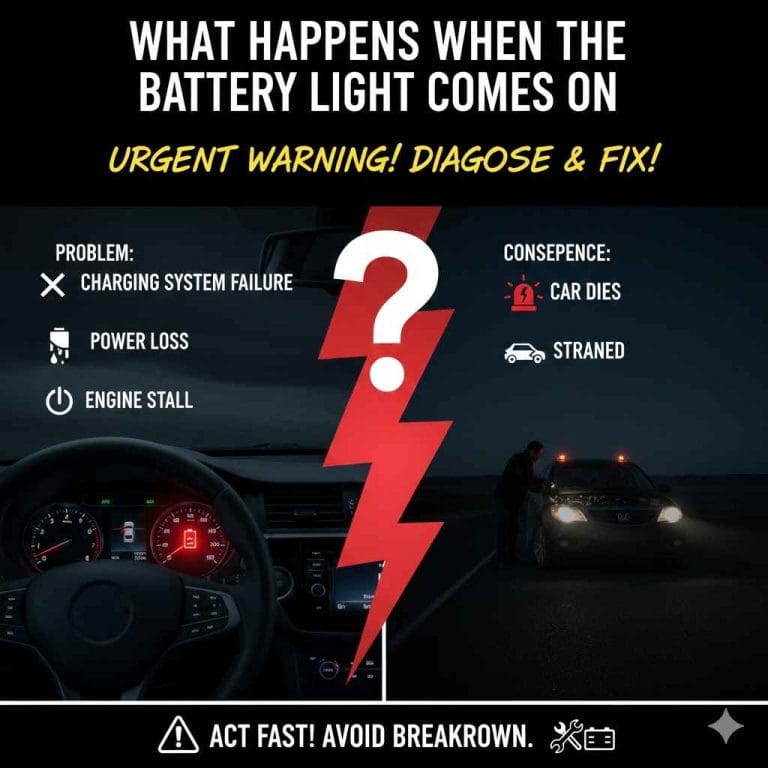
If your headlights are flickering erratically, or dimming and brightening without reason, it could signal a more serious electrical problem. This might include a failing alternator, a bad ground connection somewhere in the car, or a faulty headlight relay. These issues can affect other electrical components in your car too.
Constant moisture inside the headlight housing is also a reason to be concerned. While a small amount of condensation might be normal in certain weather, a lot of water sloshing around means the seals are likely compromised. This can lead to rapid corrosion and damage to the bulb, socket, and wiring, potentially causing multiple electrical gremlins.
Simple Checks You Can Do:
Before you panic, try a few simple checks. First, turn your headlights off and then back on. Does the problem persist?
If it’s a dim bulb, compare it to the other side. If one is clearly dimmer, that’s your culprit. Check your car’s fuse box to see if the headlight fuse has blown.
Your car’s manual will show you where to find it and which fuse it is. Visually inspect the headlight lens for cracks or obvious signs of water entry.
If you’re comfortable, you can try gently wiggling the headlight bulb to see if it’s loose. However, if you suspect anything beyond a simple bulb replacement, or if you’re not sure, it’s always best to consult a qualified mechanic. They have the tools and expertise to diagnose more complex electrical issues safely.
Headlight Health: What to Watch For
Situation
- One headlight out
- Both headlights out suddenly
- Flickering or inconsistent brightness
- Dimming lights
- Yellowish light
- Visible water in housing
Likely Cause
- Bulb failure (Normal)
- Fuse, switch, or electrical system issue (Concerning)
- Electrical fault (Concerning)
- Aging bulb or electrical issue (Normal/Concerning)
- Aging bulb (Normal, but needs replacement)
- Seal failure (Concerning)
Quick Fixes and Tips for Headlights
While some headlight issues require professional attention, there are several things you can do yourself or simple practices that can help keep your headlights in good shape. The goal is to maintain visibility and safety on the road.
Replace Bulbs in Pairs:
This is a golden rule. When one headlight bulb burns out, replace both. Why?
Because bulbs have a similar lifespan. If one has burned out, the other is likely close to the end of its life. Replacing them together ensures consistent brightness and color output.
It also saves you the hassle of having another bulb go out shortly after the first. Make sure you get the correct type of bulb for your car.
Clean Your Headlight Lenses:
Over time, headlight lenses can become foggy, yellowed, or scratched. This reduces the amount of light that shines onto the road. You can buy headlight restoration kits at auto parts stores.
These kits usually involve cleaning, sanding (with very fine grit sandpaper), and applying a protective coating. A clean lens makes a big difference in nighttime visibility.
Check Your Fuses Regularly:
Your car has a fuse box, usually located under the dashboard or in the engine compartment. Your owner’s manual will tell you which fuse controls your headlights. If a headlight goes out suddenly, check the fuse.
If it looks blown (the metal wire inside is broken),
Inspect Wiring and Connections:
If you’re comfortable working on your car, take a look at the wiring going to your headlights. Check for any signs of corrosion, frayed wires, or loose connections. You can sometimes clean up corroded terminals with a wire brush.
Ensure the bulb is seated firmly in its socket.
Use the Correct Bulb Type:
Always use the exact type of bulb recommended for your vehicle. Your owner’s manual will specify the correct bulb size and type (e.g., H4, 9006). Using the wrong type can lead to poor light output, incorrect beam pattern, or even damage to your electrical system.
If you have HID or LED lights, these are typically replaced as a complete unit, not just a bulb.
Be Mindful of Usage:
While you need your headlights for safety, be mindful of unnecessary use. If you’re driving in bright daylight with good visibility, you might not need them on. However, always use them in low-light conditions, rain, fog, or snow.
Many modern cars have automatic headlights, which simplifies this.
Consider LED Upgrades:
If your car uses halogen bulbs and you’re looking for a longer-lasting, brighter solution, you might consider upgrading to LED bulbs. However, ensure that the LED bulbs you choose are designed for your specific headlight housing. Some aftermarket LED kits might not project light correctly and could cause glare for other drivers, or may not be legal in your area.
Always check local regulations.
Headlight Maintenance Checklist
Task
- Replace bulbs in pairs.
- Clean headlight lenses.
- Check fuses.
- Inspect wiring.
- Use correct bulb type.
- Be aware of usage needs.
Benefit
- Consistent brightness, longevity.
- Improved visibility, better beam pattern.
- Prevents circuit overload.
- Ensures proper power delivery.
- Prevents damage and ensures correct light output.
- Maximizes bulb life and safety.

Frequently Asked Questions About Car Headlights
How long should my car’s headlights last on average?
On average, halogen headlight bulbs last about 500 to 1,000 hours, which can be around 2 to 5 years depending on usage. HID bulbs can last 2,000 to 3,000 hours (5-8 years), and LED headlights can last 15,000 to 30,000+ hours (10-15+ years).
Why is one headlight brighter than the other?
This usually happens because one bulb is older and nearing the end of its life, or there’s a slight difference in voltage reaching each bulb due to wiring or connection issues. It’s best to replace bulbs in pairs to ensure consistent brightness.
Can I replace my car’s headlight bulbs myself?
Yes, in many cases, you can replace headlight bulbs yourself. It often involves opening a small panel in the engine bay or behind the headlight assembly. However, some cars have complex headlight systems that make DIY replacement difficult or impossible, requiring professional help.
What does it mean if my headlights flicker?
Flickering headlights can indicate a loose bulb connection, a failing bulb, a weak electrical connection, or a problem with the car’s electrical system like a faulty relay or alternator. It’s a sign that needs to be checked.
How can I tell if my headlight housing is leaking water?
Look for condensation or visible water droplets inside the headlight assembly. Small amounts of condensation might be normal in humid weather, but if there’s a significant amount of water, the seals are likely compromised and need repair to prevent damage.
Is it okay to drive with one headlight out?
No, it is not safe or legal to drive with one headlight out. It severely reduces your visibility at night and makes it harder for other drivers to see you. You risk a ticket and, more importantly, an accident.
Should I
Upgrading to LED headlights can offer longer life and better brightness. However, ensure you use LED bulbs designed for your specific housing, as improper installation can cause glare or poor light distribution. Always check local laws regarding aftermarket lighting.
Conclusion
Understanding how often car headlights go out is key to staying safe. Beyond bulb lifespan, fogging and condensation inside the lens housing is another common issue — see our guide on how to stop car headlights fogging up for the condensation fix. While bulbs have a lifespan, many factors affect them. By watching for warning signs like dimness or flickering, and by performing simple maintenance like replacing bulbs in pairs and cleaning lenses, you can ensure your headlights work their best.
Safe driving depends on good visibility, so keep those lights bright!
See also which car lights to use in fog here’s the right answer. See also here’s how.
Products related to this article
Sponsored / affiliate links. As an Amazon Associate I earn from qualifying purchases. I may earn additional commission from eligible campaigns.