Which Is The Best Car For Daily Use? Top Picks Ranked
Choosing the right car for your everyday drive can feel like a big puzzle. You want something that’s easy to live with. Something that won’t break the bank on gas.
And something that just feels right when you get behind the wheel. It’s a common worry. Many people struggle to pick the perfect fit from so many options.
The best car for daily use balances reliability, fuel efficiency, comfort, and cost-effectiveness. Top choices often include sedans and compact SUVs known for smooth rides, good gas mileage, and lower maintenance needs, making them practical for commuting and errands.
Understanding What Makes a Car Great for Daily Use
A car that’s best for daily use isn’t always the flashiest. It’s usually the one you can count on. It starts up every morning without a fuss. It gets you where you need to go without costing a fortune in gas. These cars are built for the long haul. They handle the stop-and-go of traffic well. They offer a comfortable ride on bumpy roads.
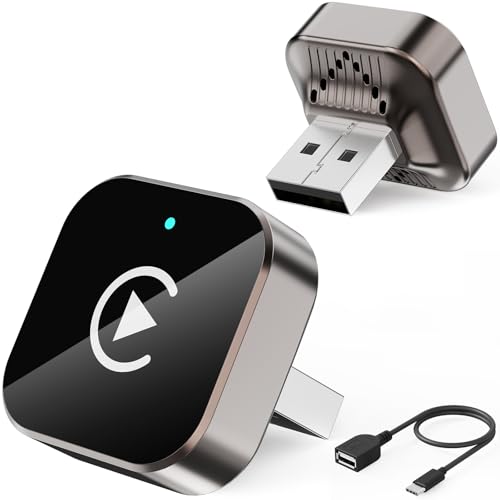
Butook
(2026 Upgraded) 2 in 1 Wireless CarPlay…
- Car System Compatibility: The wireless Carplay adapter is compatible with most vehicles. It supports new versions running iOS10 an…
- Smart CarPlay: Save 60 per cent of your time with seamless operation, including quick automatic switching and navigation, music pl…
- Instructions for Use: The wireless CarPlay adapter for iPhone utilises the latest Bluetooth 5.3 technology and a state-of-the-art…
As an Amazon Associate I earn from qualifying purchases.
Think about your typical week. You might drive to work, run errands, or take kids to school. You probably do this many times a week. Your car needs to be a partner in this routine. It should make your life easier, not harder. That means looking beyond just the price tag or how fast it can go.
Reliability is King
When we talk about daily driving, reliability is the most important thing. A car that’s always in the shop costs time and money. It causes stress. Brands that have a long history of building dependable cars often rise to the top. These cars use proven parts. They have fewer major issues reported by owners.
Consumer Reports and J.D. Power are good sources for this data. They survey millions of car owners. They ask about problems they’ve had. Cars with high reliability scores tend to need fewer repairs. They also tend to last longer. This is key for daily use. You want a car that feels like a safe bet.
Fuel Economy Matters a Lot
Gas prices can really add up. For daily drivers, great fuel economy saves you money month after month. This often means looking at smaller engines or hybrid technology. Cars that get 30 miles per gallon or more on the highway are usually good. Many can even hit 40 MPG or higher.
Think about how many miles you drive each year. If you commute 20 miles each way, five days a week, that’s 200 miles weekly. Over a year, that’s 10,400 miles. Saving even a few dollars per week on gas makes a big difference. Hybrids offer excellent MPG. They use less gas in city driving. Electric cars offer even more savings if you can charge at home.
Comfort and Practicality Go Hand-in-Hand
Your daily commute should be comfortable. This means good seating. It means a quiet cabin. It means easy-to-use controls. A car designed for daily use often has smart storage. It has enough space for your groceries or gear. The ride quality should be smooth. It should absorb bumps without feeling jarring.
The size of the car also plays a role. A compact car is easy to park. A slightly larger SUV might offer more space for passengers and cargo. It really depends on your specific needs. Think about who rides with you. How much stuff do you carry? These questions help narrow down the best size.
Cost of Ownership
Beyond gas and repairs, consider the overall cost of ownership. This includes insurance, taxes, and maintenance. Some cars are more expensive to insure. Others have higher registration fees. Regular maintenance, like oil changes and tire rotations, is also a factor. Cheaper parts and simpler designs often mean lower maintenance costs.
Depreciation is another thing. Some cars lose value faster than others. While you might not plan to sell soon, it affects the car’s long-term worth. For daily drivers, cars that hold their value reasonably well are a plus. They make the car feel like a smart investment.
My Own Car Search Journey
I remember when I needed a new car a few years back. My old one was giving me trouble. It was a constant worry. Every time I turned the key, I hoped it would start. I spent a lot of time looking at different models. I wanted something reliable and good on gas. My budget wasn’t huge.
One day, I test-drove a compact sedan. It wasn’t the most exciting car. But it felt solid. The seats were supportive. The engine was quiet. I drove it for about 30 minutes. I went over some rough roads. The suspension handled them well. I checked the dashboard. Everything seemed easy to understand.
Later, I looked up reviews for that car. Owners praised its reliability. They mentioned how good it was on gas. One owner said they had driven it for over 100,000 miles with only basic maintenance. That was exactly what I was looking for. It felt like a good choice for my daily grind.
Top Car Categories for Daily Driving
Not all cars are created equal for daily use. Some types just fit the bill better. Here’s a look at what usually works best.
Compact Sedans: The Everyday Champs
Compact sedans have been popular for a reason. They offer a great blend of features. They are often very fuel-efficient. Many models offer excellent reliability. They are also usually quite affordable to buy and own. Think of cars like the Toyota Corolla or the Honda Civic.
These cars are nimble. They are easy to maneuver in city traffic. Parking is usually a breeze. Inside, they offer comfortable seating for four or five people. Trunk space is often sufficient for groceries or luggage. The driving experience is typically smooth and predictable. This makes them ideal for routine commutes.
What’s great about them is their balance. They aren’t too big. They aren’t too small. They don’t guzzle gas. They don’t usually have expensive repair bills. For many people, a compact sedan is the sensible choice. It’s the car that just gets the job done without drama.
Compact Sedan Quick Facts
Key Features:
- Good Fuel Economy
- High Reliability Scores
- Affordable Price
- Easy to Park
- Comfortable for Daily Commutes
Best For:
- Single drivers
- Small families
- City and suburban driving
- Budget-conscious buyers
Mid-Size Sedans: More Space, Same Sensibility
If you need a bit more room, mid-size sedans are a great next step. They offer more passenger space. They often have larger trunks. Think of cars like the Toyota Camry or the Honda Accord. These cars build on the strengths of compact sedans. They are still very fuel-efficient.
They provide a more refined driving experience. The ride is often smoother. The cabin is usually quieter. This makes longer commutes more pleasant. They are also packed with safety features. Many mid-size sedans have excellent reliability ratings. They are a solid choice for families who need a dependable daily driver.
These cars offer a bit more comfort. They can easily fit three people in the back seat. They have ample legroom. For road trips or hauling extra gear, they perform well. They strike a great balance between comfort and efficiency. They are a workhorse for many American households.
Compact SUVs: Versatility for Everyday Life
Compact SUVs have grown in popularity. They offer a higher driving position. This gives a better view of the road. They also provide more cargo space. Models like the Honda CR-V or the Toyota RAV4 are very popular. They combine car-like handling with SUV utility.
These vehicles are great for families. They can easily fit car seats. There’s plenty of room for strollers and sports equipment. Many compact SUVs offer all-wheel drive. This is useful in areas with varied weather. While they might be slightly less fuel-efficient than sedans, many models are now very close.
Their versatility is their main selling point. They can handle grocery runs. They can manage weekend adventures. They can ferry kids to soccer practice. Their practicality makes them a top choice for many. The higher ground clearance also helps on rougher roads or in light snow.
Compact SUV vs. Sedan for Daily Use
Compact SUV:
- Pros: Higher driving position, more cargo space, versatile, optional AWD.
- Cons: Slightly less fuel-efficient, can be pricier than sedans.
Compact Sedan:
- Pros: Excellent fuel economy, lower price, easier to park, often better handling.
- Cons: Less cargo space, lower seating position, less versatile.
Hybrid Vehicles: The Fuel Sippers
Hybrid cars are fantastic for saving money on gas. They combine a gasoline engine with an electric motor. This allows them to use less fuel, especially in city driving. Cars like the Toyota Prius or the Hyundai Ioniq Hybrid are leaders here. They offer impressive MPG figures.
Hybrids are also often very reliable. The technology has matured over many years. They generally have lower emissions. This is good for the environment. The driving experience in a hybrid can be very smooth. The electric motor provides instant torque. This makes acceleration feel brisk.
If your commute involves a lot of stop-and-go traffic, a hybrid shines. It uses its electric power most often in these conditions. This maximizes fuel savings. For many, a hybrid is the smartest choice for daily driving costs. They offer a tangible financial benefit over time.
Electric Vehicles (EVs): The Future of Daily Driving
Electric cars are becoming more common. They run purely on electricity. This means zero tailpipe emissions. Charging at home can be very cheap. It’s often less than paying for gasoline. Cars like the Tesla Model 3 or the Chevrolet Bolt are popular examples.
EVs offer a unique driving experience. They are incredibly quiet. They have instant acceleration. Maintenance is often lower too. There are fewer moving parts compared to a gasoline car. No oil changes are needed.
The main consideration for EVs is charging infrastructure. You need a place to charge regularly. This is usually at home or at work. Public charging is growing. But for daily use, home charging is key. If you can make it work, an EV can be the most cost-effective and environmentally friendly daily driver.
My Experience with a Hybrid Sedan
I decided to try a hybrid sedan for my daily commute. I was tired of watching the gas gauge drop. The car I chose was a mid-size hybrid. It had good reviews for reliability. The MPG ratings were amazing, easily in the 50s. I was a bit worried about the battery. But the warranty on it was long.
Driving it was surprisingly smooth. The electric motor kicked in at low speeds. It was so quiet. When the gas engine turned on, I barely noticed it. I started noticing the savings on gas almost immediately. My weekly fill-ups became much less frequent. It was a noticeable difference in my budget.
What I loved most was how practical it was. It had enough space for my dog in the back. The trunk was big enough for all my groceries. The infotainment system was easy to use. It felt like a car that was designed for everyday life. It made my commute less of a chore and more of a peaceful drive.
Key Features to Look for in a Daily Driver
When you’re shopping, what should you focus on? It’s easy to get distracted by fancy tech. But some features are more important for daily driving.
Safety First: Advanced Driver-Assistance Systems (ADAS)
Modern cars offer great safety tech. Things like automatic emergency braking are common. Lane departure warning can help keep you in your lane. Adaptive cruise control is a game-changer for highway commutes. These systems can help prevent accidents. They give you extra peace of mind.
Look for cars with good safety ratings from the IIHS (Insurance Institute for Highway Safety). They crash-test cars thoroughly. Features like blind-spot monitoring are also very useful. They help you change lanes safely. For daily driving, safety is non-negotiable.
Essential Safety Features for Daily Drivers
- Automatic Emergency Braking (AEB): Helps prevent or reduce the severity of a crash.
- Blind-Spot Monitoring (BSM): Alerts you to vehicles in your blind spots.
- Lane Departure Warning (LDW): Warns you if you drift out of your lane.
- Rearview Camera: Essential for backing up safely.
- Airbags: Multiple airbags for occupant protection.
Infotainment and Connectivity
While not as critical as safety, a good infotainment system makes driving more pleasant. Apple CarPlay and Android Auto are standard on many cars now. They let you use your phone’s apps on the car’s screen. This includes navigation, music, and calls.
A user-friendly touchscreen is helpful. Buttons for common functions are also good. You want to adjust the radio or temperature without getting too distracted. Bluetooth connectivity is a must for hands-free calling. Good sound quality in the speakers is a nice bonus for your commute.
Comfort Features: Seats, Climate Control, and Noise Reduction
Comfort is a huge part of enjoying your daily drive. Supportive seats can prevent back pain on long commutes. Heated and ventilated seats are a luxury many appreciate. Good climate control ensures you’re always at a comfortable temperature.
Noise reduction is also important. A quiet cabin makes it easier to talk or listen to music. Cars with good insulation and aerodynamic designs are usually quieter. You might not think about this when buying. But you’ll notice it every day.
Cargo Space and Interior Layout
Think about how you use your car. Do you haul groceries? Sports equipment? Luggage for weekend trips? You need enough cargo space. A wide trunk opening makes loading easier. The rear seats often fold down. This creates a larger, flat loading area.
The interior layout should be practical. Are there enough cup holders? Is there a place to put your phone? Are the door bins deep enough? Small details like these make a big difference in daily usability.
Brands Known for Daily Driver Excellence
Some car brands consistently deliver cars that are great for everyday use. They focus on reliability, value, and practicality.
Toyota
Toyota is almost synonymous with reliability. Cars like the Camry, Corolla, and RAV4 are legendary. They hold their value well. They rarely have major mechanical issues. Toyota’s hybrid technology is also top-notch. They are a safe bet for a daily driver.
Honda
Honda is another brand that excels in this area. The Civic and Accord are popular for good reason. They offer a blend of performance, efficiency, and dependability. Honda’s smaller SUVs like the CR-V are also highly rated. They are well-built and easy to live with.
Hyundai & Kia
These Korean brands have made huge strides. They offer great value. Their cars are often packed with features. Reliability has improved dramatically. They also offer long warranties. This gives buyers extra confidence. Models like the Hyundai Elantra or Kia Forte are strong contenders.
Subaru
Subaru is known for its standard all-wheel drive. This is great for drivers in snowy climates. Their cars are also generally very safe and reliable. The Outback and Forester are popular choices for families who need a capable daily driver.
My Pick for the “Best” Daily Driver
This is tough because “best” is personal. But if I had to pick one car that hits almost every mark for daily driving, it would be the Toyota Camry Hybrid.
Why the Camry Hybrid?
Unmatched Reliability: Toyota’s reputation is well-earned.
Exceptional Fuel Economy: It sips gas, saving you money.
Supreme Comfort: The ride is smooth and quiet.
Spacious Interior: Plenty of room for passengers and cargo.
Good Safety Features: Comes with modern safety tech.
Proven Hybrid Tech: It’s a mature and dependable system.
It’s not the most exciting car on the road. But for getting you from point A to point B day after day, without hassle or worry, it’s hard to beat. It’s a car that makes your life easier. That’s the true measure of a great daily driver.
Real-World Scenarios Where the Best Cars Shine
Let’s think about how these cars fit into actual life.
The Busy Parent
Picture a parent juggling school drop-offs, soccer practice, and grocery runs. A compact SUV like a Honda CR-V or a Toyota RAV4 is perfect. There’s space for car seats and gear. The higher driving position gives a good view of traffic. The hatchback makes loading easy. A hybrid version would offer great fuel savings.
The Long-Haul Commuter
For someone driving 50 miles each way to work, comfort and fuel efficiency are key. A mid-size sedan like the Toyota Camry or Honda Accord is ideal. They offer a smooth, quiet ride. Their excellent MPG reduces fuel costs. Some models have advanced cruise control for highway driving. A hybrid version would be even better.
The City Dweller
Living in a city means tight parking and lots of stop-and-go traffic. A compact sedan like a Honda Civic or Toyota Corolla is perfect. They are small and easy to park. They are very fuel-efficient in traffic. Many have advanced safety features to help avoid collisions.
The Weekend Adventurer
Even if your weekdays are routine, you might want to get out on weekends. A car like the Subaru Outback offers versatility. Its standard AWD is great for dirt roads or light trails. It has plenty of cargo space for camping gear. It’s still comfortable enough for the daily commute.
What These “Best” Cars Mean for You
Choosing a car for daily use is about making a smart decision for your life. It’s not about the fastest or the most stylish. It’s about practicality, reliability, and value.
When It’s Normal to Have a “Best” Daily Driver
It’s normal and smart to want a car that you can depend on. Most people spend a lot of time in their cars. Making that time pleasant and worry-free is a good goal. The cars we’ve talked about are designed to do just that. They are built for the long haul.
When to Reconsider Your Daily Driver
You might need to reconsider if your car causes constant worry. If repair bills are piling up. If you’re spending too much on gas. If it no longer fits your lifestyle needs (e.g., too small for a growing family). These are signs it might be time for a change.
Simple Checks for Your Current Car
Before buying new, check your current car. Are the tires worn out? Does it need an oil change? Sometimes, a little maintenance can make a big difference. Check your car’s reliability ratings and common issues online. Knowing these can help you budget for potential repairs.
Quick Tips for Finding Your Daily Driver
Test Drive Extensively: Drive on roads similar to your commute.
Check Reliability Data: Look at sources like Consumer Reports.
Calculate Total Cost: Consider gas, insurance, and maintenance.
Read Owner Reviews: See what real people say about daily use.
Prioritize Safety: Look for top safety ratings and ADAS features.

Frequently Asked Questions About Daily Use Cars
What is the most reliable car brand for daily use?
Toyota and Honda consistently rank as the most reliable car brands for daily use. They have a long history of building durable vehicles with fewer reported problems, making them excellent choices for consistent, trouble-free driving.
Are hybrid cars good for daily commutes?
Yes, hybrid cars are excellent for daily commutes, especially in stop-and-go traffic. Their electric motors help conserve fuel when driving at lower speeds, leading to significant savings on gas and lower emissions.
How important is fuel economy for a daily driver?
Fuel economy is very important for a daily driver. The more miles you drive, the more you’ll save on gas with a fuel-efficient car. Over time, this can add up to thousands of dollars in savings.
Should I choose a sedan or an SUV for daily driving?
The choice depends on your needs. Sedans are generally more fuel-efficient and easier to park. SUVs offer more cargo space, a higher driving position, and often better versatility for families and varied conditions.
What are the best compact SUVs for daily use?
Top compact SUVs for daily use include the Honda CR-V, Toyota RAV4, and Mazda CX-5. They balance practicality, comfort, fuel efficiency, and reliability, making them great all-around choices for everyday driving.
Are electric cars practical for daily commutes?
Electric cars can be very practical for daily commutes if you have reliable access to charging, typically at home or work. They offer zero emissions and lower running costs, but range and charging time are factors to consider.
The Final Word on Finding Your Perfect Daily Driver
Finding the best car for daily use is about matching your needs. It’s about finding a car that fits your life. One that is dependable, efficient, and comfortable. Focus on reliability and fuel economy. These factors will save you stress and money. Your daily drive should be something you look forward to, or at least don’t dread.
},
},
},
},
},
}
]
}
See also best car stop light for garage safety and easy parking.
Related pick: Check today's price on Amazon See also why do my car lights turn off common causes and fixes.
Products related to this article
Sponsored / affiliate links. As an Amazon Associate I earn from qualifying purchases. I may earn additional commission from eligible campaigns.