How To Prevent Car Headlights From Yellowing (Proven Tips)
Preventing car headlights from yellowing involves understanding the causes and taking proactive steps. This includes regular cleaning, applying UV protectants, and choosing protective films or coatings. By maintaining your headlights, you ensure better visibility and a cleaner look for your vehicle.
What Causes Headlight Yellowing?
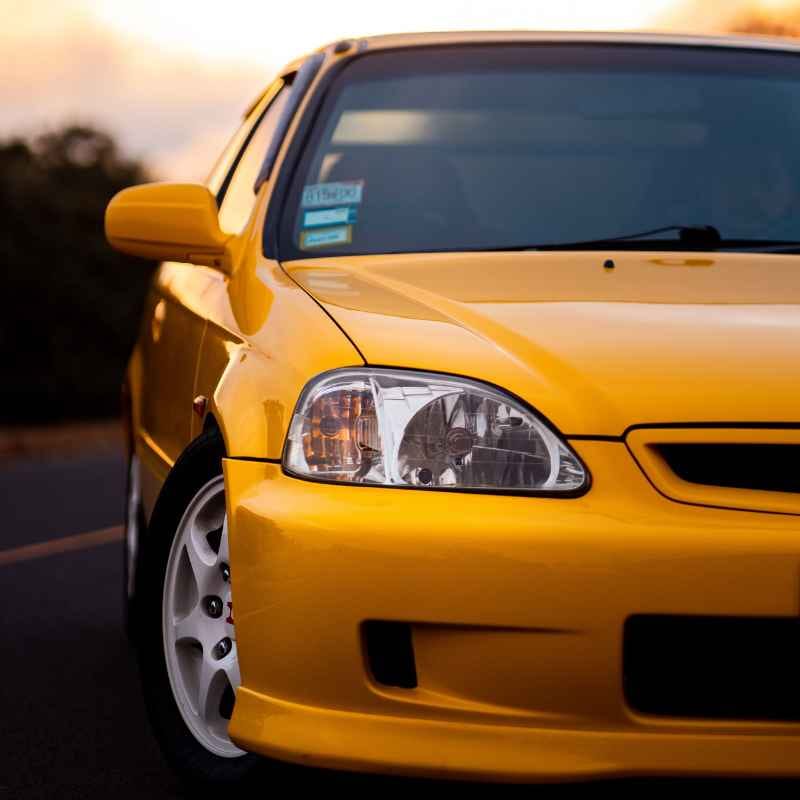
Headlight yellowing happens mostly because of the sun. UV rays from sunlight are very strong. They break down the plastic that makes up your headlight lenses.

VekAuto
VekAuto Headlight Lens Cover Headlight Headlamp Lense…
- Fit for:for Audi A4 B9 2016-2019
- Product Highlights:The transparent color, as well as the classic design, makes this product look more beautiful, so they do not af…
- Material:Headlight lens cover made of PC material, environment-friendly with a protective sunlight coating which prevents yellowin…
As an Amazon Associate I earn from qualifying purchases.
These lenses are usually made of polycarbonate plastic. It’s a tough material, but the sun’s rays are persistent.
Think of it like leaving a plastic toy out in the sun all summer. It gets brittle and faded. Your car’s headlights are exposed to this 24/7.
Over time, the plastic starts to degrade. This damage causes the lens to lose its clear look.
Besides sun damage, other things play a role. Road chemicals can also hurt the plastic. Things like salt in winter or bug spray in summer can speed up the breakdown.
Also, if the protective coating on the headlight wears off, the plastic is more exposed.
The Science Behind the Haze
Polycarbonate is a great plastic for car parts. It’s strong and clear. But it needs protection.
The outer layer of a new headlight lens has a special coating. This coating is a UV inhibitor. It acts like sunscreen for the plastic.
This coating absorbs the UV rays. It stops them from reaching the polycarbonate. Over years of exposure, this coating wears away.
It can get scratched by road debris. It can be damaged by harsh cleaning chemicals.
Once the coating is gone, the UV rays start to work on the plastic itself. They break the polymer chains in the polycarbonate. This process is called oxidation.
Oxidation causes the plastic to become discolored. It turns yellow and then cloudy. This makes the light beam spread out.
Real-Life Impact of Yellowed Headlights
I remember a time when I was driving home late one foggy night. My headlights had gotten pretty yellow. I could barely see the road ahead.
It was honestly scary. I felt like I was driving blindfolded. Other cars seemed much brighter.
This experience really highlighted the danger. Yellowed headlights don’t just look bad. They make your car less safe.
The light they produce is weaker. It doesn’t shine as far. This is especially dangerous on dark, rural roads or in bad weather.
The beams scatter more. This can also cause glare for oncoming drivers. It’s a double problem: you can’t see well, and you might be blinding others.
It makes driving much more stressful. You have to go slower. You worry more about what you might not see.
Why Yellowing Matters Beyond Visibility
Appearance: Yellow headlights make a car look old and uncared for. This can really hurt its overall look.
Resale Value: Buyers often notice the condition of the headlights. Poor condition can lead to lower offers.
Legality: In some places, very yellow or cloudy headlights might not pass safety inspections. This could mean you have to fix them.
Understanding the UV Damage Process
The sun’s ultraviolet (UV) radiation is the main culprit. It’s a form of energy. This energy can break chemical bonds.
Polycarbonate plastic is made of long chains of molecules. UV rays hit these chains.
They have enough energy to snap these bonds. When the bonds break, the plastic structure changes. This causes the material to yellow.
It also makes the plastic more brittle. Think of it like an old rubber band left in the sun too long. It loses its stretch and cracks.
The coating on new headlights is designed to prevent this. It’s like a shield. It blocks or absorbs UV light.
Many coatings use special chemicals. These chemicals react with UV rays. They turn the harmful energy into harmless heat.
This protects the plastic underneath.
How Smog and Pollution Contribute
Living in an area with a lot of air pollution can also affect headlights. Smog contains various chemicals. These chemicals can settle on your car’s surface.
Some of these can be acidic or abrasive.
Over time, these pollutants can eat away at the protective coating. They can also react with the plastic itself. This speeds up the degradation process.
It’s like adding another stressor on top of the sun’s damage.
Think about cars parked near busy roads. They often get dirtier faster. They might also show wear and tear quicker.
The same goes for the headlights. The constant bombardment from exhaust fumes and industrial pollutants takes its toll.
Quick Scan: Factors Affecting Headlight Life
- Sunlight (UV Rays): Primary cause. Breaks down plastic.
- Environmental Pollutants: Smog, acid rain, road chemicals.
- Physical Abrasion: Dust, sand, dirt, debris from the road.
- Harsh Cleaning Products: Some cleaners can damage the coating.
- Wear and Tear: The protective coating degrades over time.
Preventing Yellowing: Proactive Steps
The best way to deal with yellowing is to stop it before it starts. This involves a few simple habits. Making these part of your car care routine can save you trouble later.
First, always wash your car regularly. This removes dirt and pollutants. Use a car-specific soap.
Avoid harsh dish soaps. They can strip away the protective wax or coating.
After washing, consider waxing your car. Some car waxes contain UV protectants. Applying wax to the headlight lenses can add a small layer of defense.
It’s not a perfect solution, but it helps.
Applying UV Protectants
There are products made specifically to protect plastic from UV rays. You can find them at auto parts stores. These are often sprays or wipes.
They contain chemicals that block UV light.
When you apply them, make sure the headlights are clean and dry. Follow the product instructions carefully. You might need to reapply them every few months.
This is especially important if you live in a sunny climate.
Some people use car interior protectants, like Armor All. While these can make plastic look shiny, they aren’t always the best for exterior headlights. Look for products specifically designed for exterior plastic or headlights.
Split Insight: Protection Methods
Regular Washing: Removes damaging grime and chemicals.
Car Wax: Adds a minor layer of UV protection.
UV Protectant Sprays/Wipes: Specialized products designed to block UV rays.
Ceramic Coatings: A more durable, professional option for long-term protection.
The Power of Protective Films and Coatings
For the best protection, consider professional solutions. Paint Protection Film (PPF) is a clear film. It’s applied over the headlight lens.
It’s very durable. It protects against UV rays, rock chips, and scratches.
Another option is a ceramic coating. This is a liquid polymer. It chemically bonds to the plastic.
It forms a hard, protective layer. Ceramic coatings are very resistant to UV light and chemicals.
These options are more expensive upfront. But they offer much longer-lasting protection. They can keep your headlights clear for years.
They are a great investment if you plan to keep your car for a long time.
Choosing the Right Cleaning Products
What you use to clean your car matters. Harsh cleaners can strip away the factory coating. This makes the plastic more vulnerable.
Always use pH-neutral car shampoos.
When drying, use a clean microfiber towel. This prevents scratches. Avoid abrasive sponges or rough cloths.
Even washing your car too aggressively can cause micro-scratches. These tiny marks can dull the lens over time.
If you use a car wash, opt for touchless washes when possible. Or, if you use a wash with brushes, make sure they are well-maintained and soft. The less physical contact with the headlight surface, the better.
My Experience with Headlight Maintenance
I used to be terrible at this. My old car had really yellow headlights. I lived in Florida, so the sun was intense.
I’d just wash the car and forget about the lights. Then one day, I noticed how dim they were.
I tried a DIY headlight restoration kit. It worked okay for a while. But the yellowing came back faster than I expected.
I learned that restoration is fixing damage, not preventing it. I decided to try something new on my next car.
I bought a good quality UV protectant spray. I applied it every few months. I also made sure to wax my headlights when I waxed the car.
It made a noticeable difference. They stayed clear for much longer. It was a simple change, but it worked.
Observational Flow: Maintaining Headlight Clarity
- Regular Washing: Clean your car frequently with mild soap.
- Gentle Drying: Use a soft microfiber towel.
- Apply UV Protectant: Reapply every 2-3 months, especially in sunny areas.
- Wax Lenses: Include headlights in your waxing routine.
- Consider Films/Coatings: For long-term, robust protection.
When Yellowing Has Already Started
What if your headlights are already yellow? Don’t despair. There are ways to fix them.
But remember, these are often restorations, not true prevention. The plastic has already been damaged.
The most common method is using a headlight restoration kit. These kits usually involve sanding the lens. You start with a coarse grit sandpaper.
You move to finer grits. This removes the damaged outer layer.
After sanding, you polish the lens. Then, you apply a protective sealant or coating. This sealant is crucial.
It protects the newly cleared plastic. Without it, the yellowing will return quickly.
DIY Restoration Kits
You can buy these kits at most auto stores. They are relatively inexpensive. They come with different grit sandpaper pads.
They also include polishing compounds and a sealant. Some even have a drill attachment.
The process can be a bit labor-intensive. You need to be careful not to over-sand. You also need to make sure you cover the surrounding paintwork.
Sandpaper can damage your car’s paint.
I’ve used these kits a few times. They work. But the results vary.
Some cars respond better than others. The key is to be thorough with the sanding. And never skip the sealant step.
That sealant is your new UV shield.
Contrast Matrix: Restoration vs. Prevention
| Restoration | Prevention |
| Fixes existing damage. | Stops damage before it starts. |
| Removes outer plastic layer. | Adds a protective layer. |
| Can be temporary if not sealed well. | Provides long-term protection. |
| Labor-intensive process (sanding). | Simple maintenance habits. |
| Costs less upfront for a kit. | Can cost more upfront for films/coatings. |
Professional Restoration Services
If you don’t want to tackle it yourself, there are professionals. Many auto detailers offer headlight restoration services. They have specialized tools and products.
They can often achieve better results than DIY kits. They may also offer more durable coatings as part of their service. This is a good option if your headlights are severely damaged.
The cost will be higher than a DIY kit. But you get the peace of mind that it’s done right. It’s a worthwhile expense for improved safety and appearance.
The Role of Headlight Sealants
After sanding and polishing, a sealant is your best friend. It’s the final layer of defense. Think of it like putting on a rain jacket.
It keeps the water out.
These sealants are designed to block UV rays. They also provide a barrier against moisture and road grime. Some sealants are liquid.
Others are wiped on. Follow the application instructions precisely.
Many restoration kits come with a sealant. Make sure to use it. If your kit doesn’t have one, buy a separate one.
Look for UV-resistant sealants. They are designed for this purpose. Without a good sealant, the yellowing will return quickly.
Long-Term Solutions: Ceramic Coatings and Films
For the most robust protection, ceramic coatings and PPF are the way to go. Ceramic coatings offer a very hard, durable shield. They are applied by trained professionals.
They can last for several years.
Paint Protection Film (PPF) is a thick, clear plastic film. It’s cut precisely to fit your headlights. It’s excellent at resisting physical damage too.
It can stop small rocks from cracking the lens. It also blocks UV rays.
These are considered premium solutions. They cost more than DIY kits or sealants. But their longevity and effectiveness are hard to beat.
If you want your headlights to stay clear for the life of the car, these are your best bets.
What This Means for Your Car
Knowing how to prevent headlight yellowing is empowering. It means you can take control. You can keep your car looking good.
More importantly, you can keep yourself and others safe.
If your headlights are clear now, start applying UV protectants today. Wash your car regularly. Wax those lenses.
It’s easy. It doesn’t take much time.
If your headlights are already yellow, don’t worry. You have options. You can try a DIY kit.
Or you can go to a professional. Either way, you can bring them back to life. And then, you can focus on preventing further damage.
Quick Tips for Headlight Care
Tip 1: Wash headlights gently with car soap and water.
Tip 2: Dry with a clean microfiber towel.
Tip 3: Apply a UV protectant spray every few months.
Tip 4: Wax your headlights when you wax your car.
Tip 5: Avoid abrasive cleaners or pads.
When to Be Concerned About Headlights
Most of the time, yellowing is just a cosmetic issue that reduces light output. However, there are times when you should be more concerned.
If your headlights are not just yellow but also very dim, that’s a problem. It means they aren’t providing enough light to see safely. This could be due to extreme yellowing or other internal issues with the bulb.
Also, if the plastic feels very brittle or starts to crack, it’s a sign of severe degradation. Cracks can let moisture into the headlight assembly. This can cause further damage to the bulb and electrical components.
In some states, very yellow or hazy headlights can cause your car to fail a safety inspection. This is because they are considered a safety hazard due to poor visibility. If you notice these issues, it’s time to take action.
Simple Checks You Can Do
You can easily check the condition of your headlights. Park your car in a dark garage or at night in a safe, unlit area. Turn on your headlights.
Observe the beam pattern. Is it scattered? Does it seem weak?
Compare it to another car if you can. You should be able to see a clear cutoff line. The light should reach a good distance ahead.
Gently touch the headlight lens. Does it feel rough or chalky? Does it feel brittle?
These are signs that the plastic is degrading. Also, look for any visible cracks or deep scratches.
Quick Fixes and Protective Measures
If you want a quick fix that offers some protection, consider using a paste wax with UV blockers. Apply a thin layer to your clean headlights. Buff it off.
This can add a bit of shine and protection.
For a slightly more robust solution, try a dedicated automotive plastic protectant. These often have better UV resistance than car wax. Apply them according to the product’s instructions.
Reapply every month or two.
If your headlights are already showing signs of yellowing, you can use a mild abrasive cleaner, like toothpaste or baking soda paste, as a temporary fix. Rub it on with a soft cloth. Rinse and dry.
This can temporarily clear up some haze. Then, immediately apply a UV sealant.
DIY Temporary Clear-Up (Use with Caution)
What to Use: Non-gel toothpaste or a paste of baking soda and water.
How To: Apply a small amount to a soft cloth. Gently rub in a circular motion on the headlight lens. Rinse thoroughly with water.
Dry with a clean microfiber towel.
Crucial Next Step: Immediately apply a UV sealant or protectant. This step is vital because this method removes some of the old coating and exposes the plastic.
Frequent Questions About Headlight Yellowing
Why do my car headlights turn yellow so fast?
Headlight yellowing happens when the UV protective coating wears off. This leaves the polycarbonate plastic exposed to the sun’s harsh UV rays. The sun’s energy breaks down the plastic, causing it to oxidize and turn yellow and cloudy.
Can I prevent my headlights from yellowing?
Yes, you can significantly slow down or prevent headlight yellowing. Regular washing, applying UV protectant sprays or waxes, and considering professional ceramic coatings or paint protection films are effective methods.
Are headlight restoration kits worth the money?
Headlight restoration kits can be worth it for older, yellowed headlights. They can restore clarity and improve visibility. However, they are a repair, not prevention.
You must apply a good sealant afterward, or the yellowing will return relatively quickly.
How often should I apply UV protectant to my headlights?
It’s best to reapply UV protectants every 2 to 3 months, especially if you live in a sunny region. Some more durable ceramic coatings may last a year or longer, but simpler sprays need more frequent application.
Does toothpaste really clean yellow headlights?
Mild abrasive cleaners like non-gel toothpaste or a baking soda paste can help remove the oxidized layer on yellow headlights. They act as a mild abrasive. However, this is a temporary fix.
You must follow up with a UV sealant to protect the newly exposed plastic.
Are yellow headlights a safety hazard?
Yes, yellow or cloudy headlights are a safety hazard. They reduce the amount and effectiveness of light projected onto the road. This makes it harder to see at night and in poor weather conditions.
They can also cause glare for oncoming drivers.
Conclusion
Keeping your car’s headlights clear is more than just about looks. It’s about safety and performance. By understanding what causes them to yellow and taking simple, consistent steps, you can maintain their clarity.
Regular cleaning, protective coatings, and mindful product choices are your best defense. Don’t let dim headlights compromise your drive.
See also car light vs heavy ammo which should you actually use . See also how much is a front car light costs you should expect.
Related pick: Check today's price on Amazon