What Is The Purpose Of Vehicle Hazard Lights? Explained
Hazard lights, also called four-way flashers, are a vital safety feature on your vehicle. Their primary purpose is to signal to other drivers that your vehicle is stopped or moving at a slower-than-normal speed due to an emergency or unexpected situation, or that you are about to make a hazardous maneuver. They warn others to be cautious.
Understanding Hazard Lights
Think of your hazard lights as your car’s way of shouting, “Pay attention! Something is wrong!” They are a universal signal. Everyone on the road knows they mean something out of the ordinary is happening.
ASPL
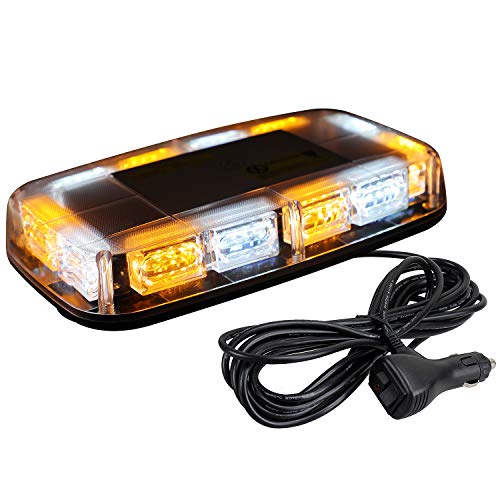
ASPL 48LED Roof Top Strobe Lights with…
- UPGRADED -- ASPL Roof top strobe light bar use 48 high-intensity LED chips with magnifying lens to maximize light output. At the s…
- EASY TO INSTALL -- 2 x 7 strong magnets with larger thick rubber suction cups, more stable than other 2 x 5 magnets. Very quick to…
- FLASH PATTERN -- Double switch buttons setting, 16 Patterns to choose from. You can switch ON/OFF or select the flashing mode conv…
As an Amazon Associate I earn from qualifying purchases.
They are not just for breakdowns. They have several uses that help keep everyone safe.
Your car has regular turn signals. These are for normal turns. They tell people which way you plan to go.
Hazard lights are different. They flash all four turn signals at once. This makes your car very visible.
It stands out in any traffic condition.
The lights flash in a pattern. This pattern is meant to catch the eye. It signals a problem.
It tells other drivers to slow down or move away. This is crucial when visibility is bad. Rain, fog, or snow make it hard to see.
Hazard lights help your car be seen then.
Knowing when to use them is key. Using them correctly can prevent accidents. Not using them when you should can put you and others in danger.
They are a tool. Like any tool, they are best used when you know how.
My Own Scare with Hazard Lights
I remember one particularly nasty winter storm a few years back. I was driving home from a client meeting, and the snow was coming down hard. Visibility dropped to almost zero in minutes.
The roads were getting slick. I was creeping along, maybe going 20 miles per hour, which felt like warp speed in those conditions. Suddenly, I saw brake lights ahead.
Lots of them. People were slamming on their brakes.
I instinctively reached for the hazard light button. It was right there on the dashboard. I hit it, and my car’s four turn signals started blinking.
It felt good to do something. I felt like I was telling the cars behind me, “Hey, I’m going slow! Watch out!” My heart was pounding.
The sheer chaos unfolding on the road was scary. I felt a surge of relief that I had done what I could to signal my reduced speed. It made me realize how vital these lights are when things go wrong unexpectedly.
That experience stuck with me. It wasn’t just about a breakdown. It was about an unforeseen, dangerous driving condition.
It taught me that hazard lights aren’t just for when your car is dead. They are for when your car is a hazard to others, for any reason.
Hazard Light Basics
What they are: Your vehicle’s four turn signals flashing at once.
Why they flash: To signal a problem or an unusual situation.
How they help: They make your car highly visible to others.
When to use: Emergencies, breakdowns, slow travel, bad weather.
When to Use Your Hazard Lights
The core purpose of hazard lights is to alert others to a situation that requires their immediate attention. This often means your vehicle is a potential hazard. Here are the main reasons you should use them.
It’s good to know these so you can react quickly.
Breakdowns and Mechanical Issues
This is the most common reason people think of. If your car breaks down, you need to let other drivers know. This is especially true if you are on the side of a busy road.
Your car is not moving as it should. It could be a danger to passing traffic. Turn on your hazard lights as soon as you realize there is a problem.
If you can, pull over safely. Get your car as far off the road as possible. Even if you are on the shoulder, your hazard lights are important.
They help drivers see you, especially at night. This prevents them from swerving too late.
Unexpectedly Slow Travel
Sometimes, your car is still running, but you have to go much slower than usual. This could be due to a serious mechanical issue. Maybe your engine is overheating.
Perhaps you have a flat tire that you can’t pull over to change right away. Or maybe you are driving through a very dangerous area.
If you are moving at a speed far below the flow of traffic, turn on your hazard lights. This warns drivers behind you that you are not going at a normal pace. They need to slow down and give you space.
It’s better to use them than to cause a rear-end collision.
Bad Weather Conditions
When visibility is poor, hazard lights are a lifesaver. This includes heavy rain, dense fog, heavy snow, or even dust storms. Roads can become treacherous.
Drivers need extra warning that a vehicle is on the road ahead.
If you are driving in conditions where the weather significantly reduces visibility, use your hazard lights. This applies even if you are moving at normal speed. It helps others spot you from further away.
It gives them more time to react to your presence on the road. Remember, if you can barely see, others likely can’t either.
Stopping or Parking in a Dangerous Spot
There are times when you might need to stop briefly in a place that is not ideal. For example, if you need to let a passenger out in a no-stopping zone because of an emergency. Or if you need to pull over quickly to check on something or someone.
In these situations, using your hazard lights signals your temporary stop. It tells others you are not parked there long-term. It alerts them that your vehicle might be an obstruction for a short time.
This is important for traffic flow and safety.
Approaching a Hazard or Accident Scene
If you see a dangerous situation ahead, like an accident or debris on the road, you might need to slow down sharply. Some drivers turn on their hazard lights in this scenario. This warns the drivers behind them.
It tells them there is something to be aware of.
This is a proactive use of hazard lights. It helps prevent a chain reaction. Drivers behind you see the flashing lights and know to be alert.
They can then prepare to slow down or maneuver safely. It’s a good way to warn traffic about upcoming dangers.
When NOT to Use Hazard Lights
Normal Driving: Never use them while driving normally. They can confuse other drivers.
Regular Parking: Do not use them when parked in a safe, legal spot.
Just to be Seen: They are for specific warning situations, not general visibility.
Understanding the Law
Laws about using hazard lights can vary by state. However, most states agree on the basic principle: hazard lights are for emergencies. You should use them when your vehicle is disabled or presents a hazard to other traffic.
For example, many states have laws requiring drivers to use hazard lights when stopped on the shoulder of a highway. This is to make sure they are visible to passing cars. Some states may also require them when driving at very slow speeds due to hazardous weather.
It is your responsibility to know the laws in your area. Driving safely includes knowing how to use your vehicle’s safety features legally and effectively. Generally, if you are unsure, it is better to use them when stopped or moving very slowly in a dangerous situation.
Ignoring these rules can be dangerous. It can also lead to tickets. Police officers might stop you if you are using hazard lights unnecessarily.
They might think you are having trouble. This can cause a traffic backup.
The Psychology Behind Hazard Lights
Why are these flashing lights so effective? It’s partly due to how our brains are wired. Flashing lights naturally draw our attention.
They signal something out of the ordinary. Our brains are trained to react to flashing lights, whether it’s a police siren or a hazard warning.
When you see hazard lights, your brain tells you to be cautious. You instinctively assess the situation. You might slow down, increase your following distance, or look for a way around the hazard.
This built-in reaction is what makes hazard lights so crucial for road safety.
They create a visual cue. This cue overrides normal driving assumptions. A driver expects other cars to move at similar speeds.
Hazard lights break that expectation. They say, “This car is different right now.” This simple visual signal can prevent a lot of accidents.
Hazard Light vs. Turn Signals
Turn Signals: Indicate intended direction of travel (left or right).
Hazard Lights: Indicate a problem or hazard with the vehicle or its situation.
Visual Cue: Turn signals blink one side at a time. Hazard lights blink all four.
Purpose: Turn signals are for navigation. Hazard lights are for warnings.
Real-World Scenarios
Let’s look at some real-world examples. Imagine you’re driving on a highway. The car in front of you suddenly has a flat tire and starts to slow down rapidly.
They turn on their hazard lights. You see them. You have time to react.
You slow down and give them space to pull over safely.
Now, imagine the same scenario, but the car doesn’t use hazard lights. You might be caught by surprise. You might have to brake hard.
This could cause a pile-up. The hazard lights made a huge difference. They provided that critical warning time.
Another scenario: you’re driving through a mountain pass. The fog is incredibly thick. You can only see a few feet ahead.
You turn on your hazard lights. This makes your car visible to any other drivers who might be brave or foolish enough to be out in such conditions. It helps them avoid hitting you.
Think about a truck carrying loose cargo. A piece of that cargo falls onto the road. The truck driver might put on their hazard lights to warn other vehicles about the falling debris.
This gives drivers a heads-up about a potential hazard on the roadway.
What This Means for You
Understanding the purpose of hazard lights affects how you drive and react. When you see them, know that the driver needs space and caution. They might be in trouble.
They might be in an unsafe position.
When it’s normal: Seeing hazard lights on a car pulled over on the shoulder is normal. It means the car is likely disabled. Seeing them in very bad weather is also normal and good practice.
When to worry: You don’t necessarily need to “worry” in a fearful way. Instead, be alert. If you see hazard lights on a car that is still moving slowly in traffic, be ready to slow down.
If you see them on a car stopped in a lane of traffic, be prepared for a sudden stop or a need to change lanes quickly.
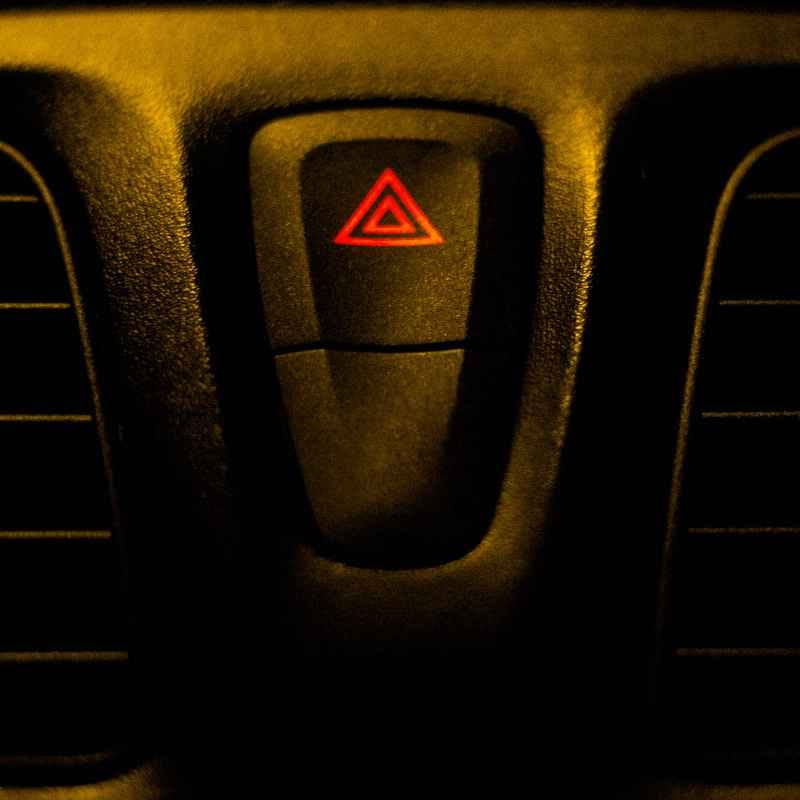
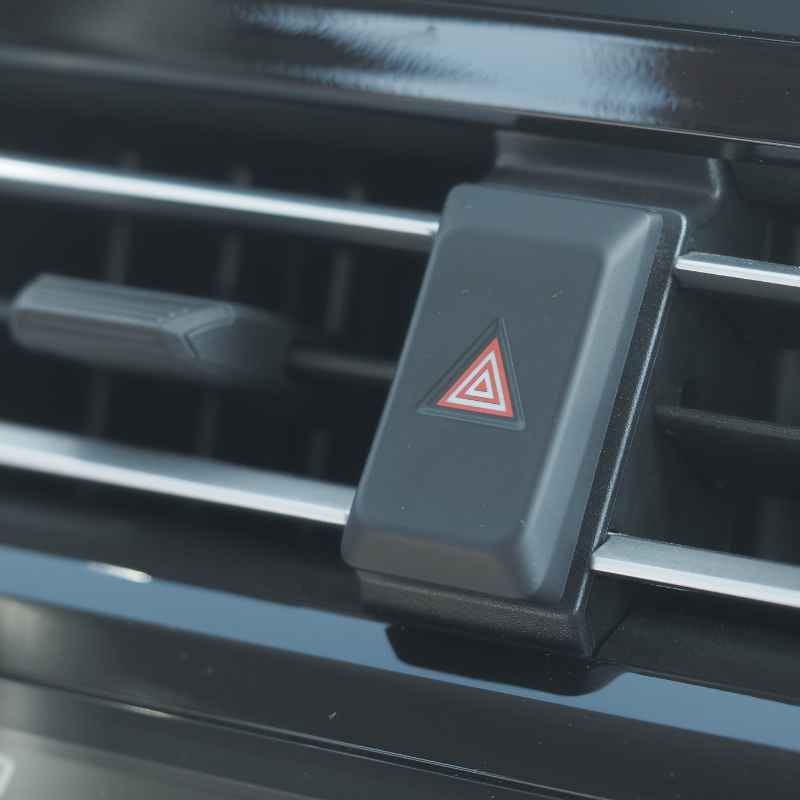
Simple checks: Make sure your hazard light button works. Test it every now and then. Check your owner’s manual if you’re not sure where it is.
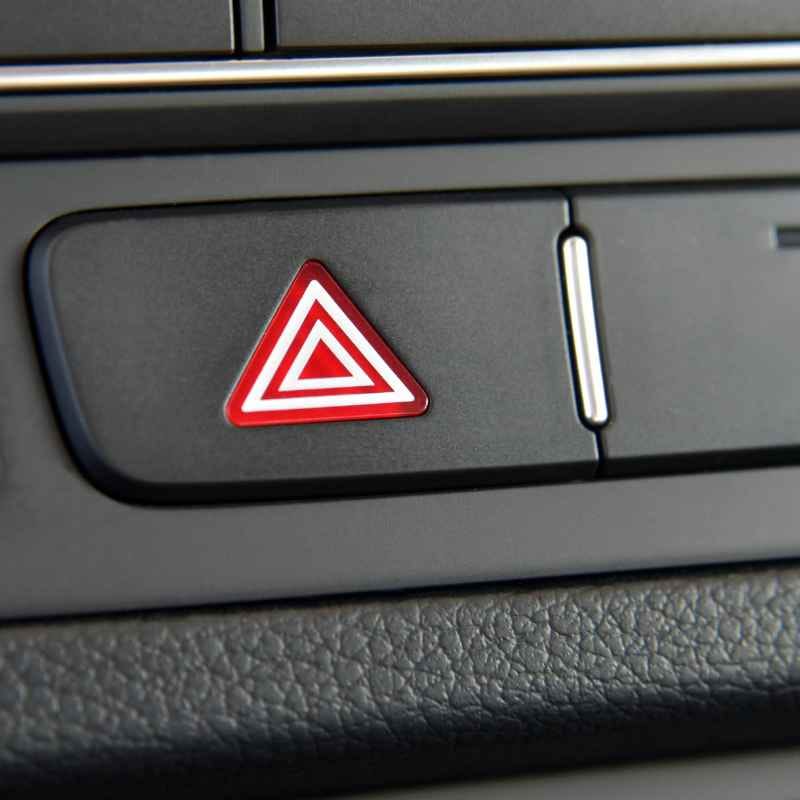
It’s usually a red triangle button on the dashboard.
Quick Safety Checks
Button Location: Know where your hazard light switch is.
Functionality: Test them to ensure they work before you need them.
Visibility: Check if your bulbs are clean and bright. Replace if needed.
Quick Fixes & Tips
While hazard lights themselves don’t have “fixes,” knowing how to use them properly is key. Here are some tips to make sure you’re using them effectively and safely.
Be decisive: If you are in a situation that warrants hazard lights, turn them on promptly. Don’t wait until the last second. Early warning is the goal.
Pull over if possible: If you break down, try to get your car completely off the road. If you can’t, then hazard lights are even more important.
Use them in traffic jams: If you are in a sudden, unexpected traffic jam, especially on a highway, turning on your hazard lights can warn drivers behind you. This helps prevent rear-end collisions.
Combine with other signals: If you need to pull over, signal your intention to move to the shoulder first with your regular turn signal. Then, once stopped, activate your hazard lights.
Stay visible at night: Hazard lights are critical at night. They make your stationary vehicle much more visible to oncoming and passing traffic.
Hazard Light Habits for Safer Driving
1. Check Functionality: Regularly test your hazard lights.
2. Know Your Button: Be familiar with its location.
3. Use in Fog/Snow: Turn them on when visibility is very low.
4. Signal Breakdowns: Activate immediately when your car stops working.
5. Warn of Slowdowns: Use when traveling much slower than traffic.
6. Alert to Road Hazards: For sudden debris or accidents ahead.
Frequent Questions
Are hazard lights the same as my blinkers?
No, hazard lights are not the same as your regular blinkers. Your blinkers (turn signals) operate one side of your car at a time to show your intended turning direction. Hazard lights, also called four-way flashers, make all four turn signals flash simultaneously to warn other drivers of a problem or unusual situation with your vehicle.
Can I use hazard lights while driving?
Generally, you should NOT use hazard lights while driving normally. They are intended for emergencies, breakdowns, or situations where your vehicle is moving much slower than traffic or poses a hazard. Using them during normal driving can confuse other drivers and may be illegal in some areas.
However, some jurisdictions allow their use in extremely poor visibility conditions, even when moving.
When should I use hazard lights in bad weather?
You should use hazard lights in bad weather when visibility is significantly reduced. This includes heavy rain, fog, snowstorms, or dust storms. If you can barely see, other drivers likely can’t either.
Turning on your hazard lights makes your vehicle more visible to others, giving them more time to react to your presence on the road.
What if my car breaks down on the highway?
If your car breaks down on the highway, the first thing you should do is try to pull over to the shoulder as safely as possible. Once stopped, immediately turn on your hazard lights. This warns other drivers that your vehicle is disabled and presents a potential hazard.
Stay in your car with your seatbelt on if it’s safe, or exit carefully on the side away from traffic.
Is it illegal to use hazard lights when not in an emergency?
In most places, it is illegal to use hazard lights when you are not in an emergency situation. Using them unnecessarily can cause confusion for other drivers, potentially leading to accidents. They are a specific safety signal for specific circumstances.
Always refer to your local traffic laws for precise regulations.
How do I turn on my hazard lights?
The button to activate your hazard lights is usually a red triangle symbol. It is typically located on the dashboard, often near the steering wheel or the center console. Pressing this button will make all four of your vehicle’s turn signals flash simultaneously.
Pressing it again will turn them off.
Conclusion
Hazard lights are a simple yet powerful safety tool. They are your car’s way of communicating a critical warning. Knowing when and how to use them is essential for safe driving.
Whether it’s a breakdown, bad weather, or an unexpected slowdown, your hazard lights are there to help protect you and others on the road. Use them wisely.
},
},
},
},
},
}
]
}
See also how to light a car interior for style and visibility.
Related pick: Check today's price on Amazon
Products related to this article
Sponsored / affiliate links. As an Amazon Associate I earn from qualifying purchases. I may earn additional commission from eligible campaigns.