Why Are Car Lights Blurry At Nightcan A Car Light Look Like A Faucet? Here’S What It Means
Seeing blurry car lights at night can be a real puzzle. You’re driving along, and suddenly things look hazy, soft, or even have strange halos around them. It’s not just you.
Many drivers notice this, and it can range from a little odd to downright concerning. Let’s break down what’s really going on when your vision of car lights at night isn’t sharp and clear.
Blurry car lights at night usually point to how light interacts with your eyes or your vehicle’s lighting. It often involves issues like astigmatism, dry eyes, or problems with your car’s headlights or surrounding lights, leading to diffused or haloed appearances. This can affect night vision and driving safety.
Why Car Lights Look Blurry: Understanding the Visual Phenomenon
When we talk about blurry car lights, we’re looking at a few main things. It’s often about how light spreads out. This can happen because of your eyes or because of the lights themselves.
iFunyLED
iFunyLED Car Interior USB LED Night Light,…
- 13 Modes: You can choose from a variety of colors and lighting effects to choose your favorite style. No longer displaying in a si…
- Touch Control: Gently touch the sensing area on the top of the bottle to turn on/switch the light mode, long press the sensing are…
- Retro Drosted Design: Our retro lights use durable and wear-resistant frosted glass and LED bulbs. The frosted glass makes the lig…
As an Amazon Associate I earn from qualifying purchases.
Think of it like looking through a dirty window. The view is not as crisp. Your eyes work in a similar way.
The shape of your eye’s lens and cornea matters a lot. If these parts aren’t perfectly smooth, light bends in uneven ways. This makes distant lights, like car headlights, look fuzzy.
It’s like a distorted mirror reflecting the world. This condition is quite common and has a specific name.
Even if your eyes are fine, the car lights themselves can cause blurriness. Modern car lights are very bright. They use different technologies.
Sometimes, these lights are designed to spread light out more. This helps you see the road better. But it can also make the lights look bigger or fuzzier to other drivers.
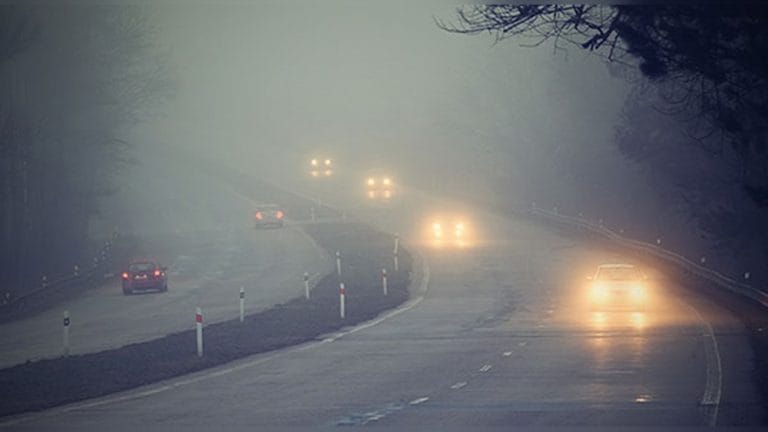
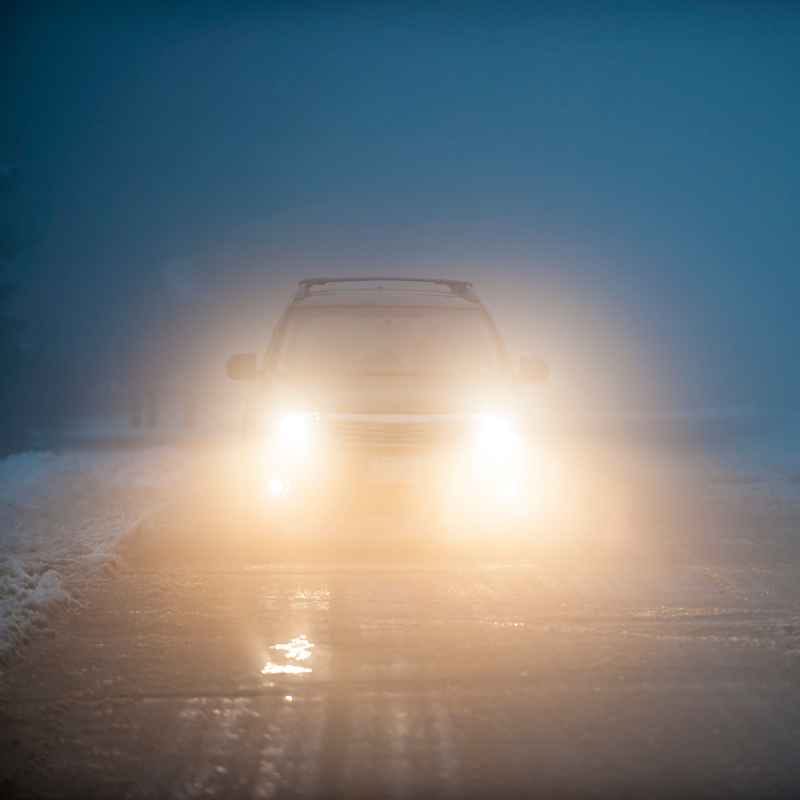
The air itself plays a part. Fog, mist, or even just humidity can make lights seem less clear. Tiny water droplets in the air scatter the light.
This scattering effect makes the lights appear diffused. It’s as if the light is being spread thin. This is why driving in bad weather can make lights look very blurry.
So, it’s a mix of personal vision, the car’s lighting tech, and the environment. Each part adds to the overall look of the lights you see. Understanding these pieces helps us figure out why this happens.
My Own Night Driving Scare: A Blurry Revelation
I remember one evening distinctly. I was driving home on a familiar road. It was getting dark, and a light drizzle had started.
As I rounded a bend, I saw what looked like a cluster of very bright, fuzzy orbs ahead. They weren’t just bright; they seemed to bloom outwards, like soft, blurry flowers. My first thought was, “Are there that many cars?
Or is something wrong with my headlights?”
My heart skipped a beat. My vision suddenly felt off. The road ahead seemed less defined.
I slowed down, gripping the steering wheel tighter. Was this a new problem with my eyes? Had my prescription changed without me knowing?
The sheer brightness and the fuzzy edges made me uneasy. I kept thinking I was seeing things. It felt like the light was directly attacking my eyes, making it hard to focus on the actual road.
The rain made it worse, reflecting off the wet pavement and adding to the confusion.
I pulled over for a moment, just to let my eyes adjust. The car that had caused the initial concern drove past. It was a newer model with LED headlights.
The light was indeed very bright and spread out in a way I wasn’t used to. It was a moment of relief, but also a wake-up call. My own eyes were reacting to this modern lighting.
It made me realize how much our vision changes, and how different car lights can be.
Understanding Astigmatism and Light Blur
A big reason many people see blurry car lights at night is something called astigmatism. It’s a very common eye condition. It happens when your eye’s shape isn’t quite right.
Normally, your cornea (the clear front part of your eye) and lens are smooth and round. Think of a perfectly shaped glass ball.
With astigmatism, the cornea or lens is a bit more like a football or an egg. It’s curved more in one direction than the other. Because of this uneven curve, light entering your eye doesn’t focus on one single spot on your retina.
Instead, it focuses on multiple points. This creates distorted vision.
At night, when light sources are often small and far away, astigmatism becomes more noticeable. Bright lights, like headlights or streetlights, can appear to have halos or streaks around them. They might look fuzzy or distorted.
This is because the light is bending incorrectly as it passes through your eye.
It’s not just about seeing blurry shapes. It can also make things seem stretched or doubled. You might also experience eye strain or headaches, especially after reading or doing close-up work.
For many, astigmatism is present from birth. For others, it can develop over time.
The good news is that astigmatism is usually easy to correct. Special contact lenses or eyeglasses can fix the uneven curvature. A simple eye exam can detect it.
If you’re seeing blurry lights often, especially at night, it’s worth getting checked.
Astigmatism: The Eye’s Curve Ball
What it is: An eye condition where the cornea or lens has an irregular shape.
How it affects vision: Light focuses in more than one place, causing blurry or distorted images.
Night vision impact: Makes lights appear fuzzy, with halos or streaks.
Commonality: Very common. Many people have some degree of astigmatism.
Correction: Usually fixed with glasses, contact lenses, or refractive surgery.
Dry Eyes and the Blurry Light Effect
Another common culprit for blurry vision, especially at night, is dry eyes. Your eyes need a smooth, consistent layer of tears to function properly. This tear film helps keep the surface of your eye clear and smooth.
It also helps light focus correctly.
When your eyes are dry, this tear film can become uneven or break up too quickly. Imagine a window with water spots. The view through it isn’t clear.
Similarly, dry spots on your eye’s surface can scatter light. This scattering causes blurriness and can make lights look hazy.
Symptoms of dry eyes include a gritty feeling, burning, or stinging. Your eyes might also feel tired or watery. Sometimes, paradoxically, dry eyes can cause your eyes to produce too many tears as a response to the irritation.
This watery response doesn’t provide the smooth surface needed for clear vision.
At night, dry eyes can feel worse. Air conditioning or heating systems can dry out the air, making the problem more noticeable. Staring at screens for long periods can also reduce blinking, which is how your eyes spread tears.
This can lead to dryness and blurriness during evening hours.
If you suspect dry eyes are affecting your vision, there are things you can do. Over-the-counter artificial tears can help. Sometimes, lifestyle changes like taking breaks from screens or using a humidifier can make a difference.
In more severe cases, a doctor can suggest treatments.
Modern Car Headlights: Brightness and Beam Patterns
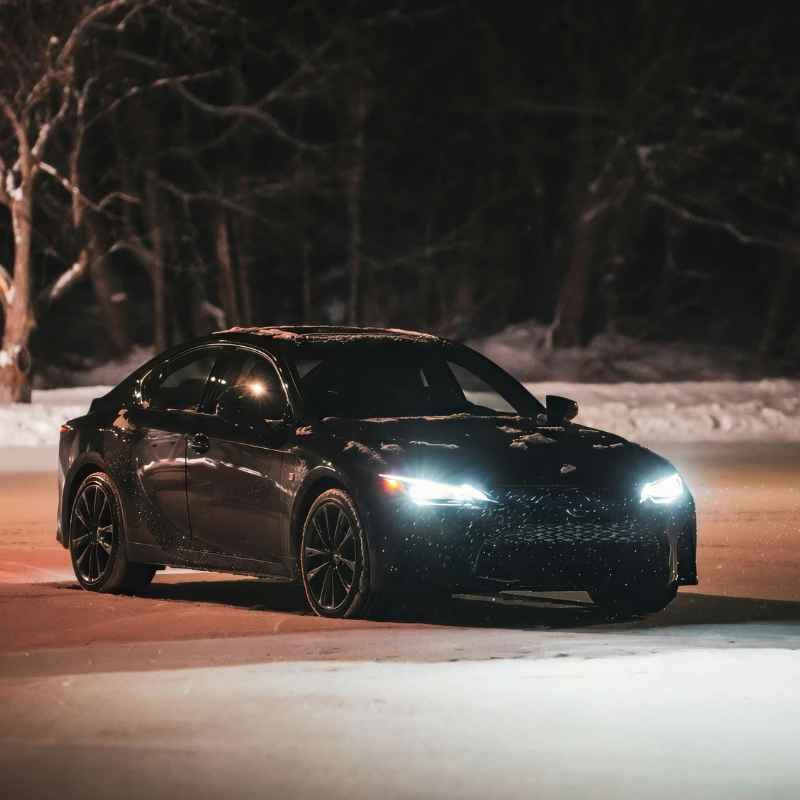
Car technology has changed a lot. Headlights are no exception. Many newer cars use LED (Light Emitting Diode) or HID (High-Intensity Discharge) bulbs.
These are much brighter than older halogen bulbs. They also tend to have a cleaner, more focused beam of light.
This brightness is great for illuminating the road ahead. It helps drivers see further and spot hazards more easily. However, this intense light can also cause issues for other drivers, especially those with vision conditions like astigmatism or dry eyes.
The strong light can be more prone to scattering or causing glare.
The design of the headlight itself matters too. Modern headlights are often designed to project light in a specific pattern. This pattern aims to light up the road and shoulders without blinding oncoming drivers.
But sometimes, these beams can scatter unexpectedly, especially if the headlight is dirty or slightly misaligned.
You might notice that some headlights seem to have a very sharp cutoff line. Others might have a softer glow. Both types can contribute to how blurry lights appear.
If a headlight is designed to spread light wider, it might naturally look less like a sharp point and more like a diffused area.
Think about how a spotlight looks versus a floodlight. A spotlight is intense and focused. A floodlight spreads light over a wider area.
Different car headlights can act like these different types of lights, affecting what you see.
Headlight Tech vs. Your Eyes
LED/HID Bulbs: Brighter, can cause more glare.
Beam Patterns: Designed to illuminate roads, but can scatter light.
Older Halogen Bulbs: Softer light, less prone to scattering.
Modern Designs: Aim for better road visibility, but can impact sensitive eyes.
The Impact of Weather and Air Quality
The environment plays a huge role in how we see lights at night. Even if your eyes are perfectly healthy and your car’s lights are pristine, the weather can turn a clear night into a blurry one.
Fog and Mist: These are the classic culprits. Tiny water droplets suspended in the air scatter light in all directions. This makes lights appear fuzzy, diffused, and much harder to judge distance.
A single headlight can look like a large, soft glow. This is known as light scattering.
Rain: Falling rain can also scatter light, especially if it’s heavy. Water on your windshield adds another layer of distortion. Reflections on wet roads can create double images or make lights seem to stretch and shimmer.
Snow: Snowflakes, like fog particles, scatter light. Snow falling at night can create a very hazy environment where lights lose their sharpness. Snow kicked up by other cars can also add to the blurriness.
Air Pollution: Even on a clear night, smog or haze in the air can contain tiny particles. These particles can scatter and absorb light, reducing visibility and making lights appear softer and less defined. This is why city lights often look “fuzzy” or have a reddish glow from light pollution.
When these atmospheric conditions are present, your ability to see clearly is reduced. It’s not just about your vision; it’s about the light itself being physically altered before it reaches your eyes. This is why it’s crucial to slow down and increase your following distance when driving in poor weather.
When Blurry Lights Might Signal a Bigger Problem
While astigmatism, dry eyes, and environmental factors are common reasons for blurry lights, it’s also important to know when to seek professional advice. Sometimes, changes in vision can be a sign of something more serious developing.
Sudden Onset: If you suddenly start experiencing blurry vision or noticing new patterns of light distortion, and it wasn’t like this before, see a doctor. A rapid change can indicate a new medical issue.
Other Vision Changes: If the blurry lights are accompanied by other vision problems, such as flashing lights, floaters (specks or threads drifting in your vision), or a persistent curtain or shadow in your field of vision, these could be signs of serious conditions like retinal detachment or glaucoma.
Pain or Discomfort: While dry eyes can cause discomfort, persistent eye pain, redness, or discharge along with blurry vision needs medical attention. These could be symptoms of infections or other eye diseases.
Loss of Vision: Any significant loss of vision, even if temporary, should be checked by a medical professional immediately. This could be a sign of a stroke or other emergency condition.
Prescription Changes: If you wear glasses or contacts and notice that your prescription no longer seems to correct your vision properly, it’s time for an updated eye exam. Your vision can change over time, and your correction needs to keep up.
It’s always best to err on the side of caution. Your eyesight is too important to ignore persistent or sudden changes. A quick check-up can provide peace of mind or catch an issue early when it’s most treatable.
Watch for These Red Flags
Sudden vision change: New blurriness or distortion appearing quickly.
Accompanying symptoms: Flashes, floaters, shadows, pain, or redness.
Prescription failure: Glasses/contacts not working as well.
Vision loss: Any significant, even temporary, loss of sight.
Action: Consult an eye doctor or medical professional.
Can a Car Light Look Like a Faucet? The Strange Phenomenon Explained
This is a fascinating question that touches on how our brains interpret visual information, especially under unusual lighting conditions. Can a car light really look like a faucet? The short answer is: not directly, but the visual experience can sometimes trigger that association or confusion.
Imagine you’re driving at night in heavy fog or rain. You see a distant, bright light. Because of the atmospheric conditions, the light isn’t a sharp point.
It’s diffused, maybe with streaks or a halo. Your brain is trying to make sense of this fuzzy input. It might pull from stored images or patterns it recognizes.
A faucet often has a distinct shape: a spout, a handle, a base. When a car light is highly distorted, especially if it’s a single light source with a bright center and maybe a trailing glow, your brain might try to piece it together into a familiar object. The “spout” could be a streak of light, and the “base” could be the main glow.
This is related to phenomena like pareidolia, where we see familiar shapes in random patterns (like seeing faces in clouds). In this case, it’s seeing a familiar object’s shape in a distorted light source. It’s more about the brain’s interpretation and pattern-matching rather than the light actually morphing into a faucet.
Another aspect could be specific types of car lights or how they are mounted. Sometimes, a light fixture might have a shape that, when viewed from a certain angle or when its light is diffused by weather, can vaguely resemble parts of a faucet. For example, a dangling light on a truck or a unique street lamp design could, under very specific and blurry conditions, trigger this thought.
It’s also possible that someone experiencing significant vision issues, like severe astigmatism or perhaps early signs of cataracts, might see lights so distorted that they lose their usual form and take on unusual, abstract shapes. If one of those abstract shapes happens to align with the visual memory of a faucet, the connection might be made.
Essentially, it’s a trick of the light and the brain. The car light isn’t a faucet, but under conditions that distort vision and make familiar shapes hard to discern, our minds might connect the dots in unexpected ways based on learned patterns and visual cues.
Common Scenarios Where Lights Appear Unusual
Let’s look at some real-world situations where you might see car lights looking strange:
Unusual Light Scenarios
Scenario 1: Wet Roads at Night
Observation: Headlights seem to reflect and stretch across the road surface. You might see double images or shimmering lights.
Why: Water on the road creates a reflective surface. Lights bounce off it. Heavy rain also scatters light.
Scenario 2: Driving Towards a Sunrise/Sunset
Observation: Incoming headlights might appear very bright, with a strong glare or halo effect, even in clear air.
Why: The sun’s angle causes strong backlighting. Light scatters in your eye’s structures and on your windshield.
Scenario 3: Approaching a Tunnel Exit
Observation: Lights from outside the tunnel can seem intensely bright and blurry as your eyes adjust from dark to light.
Why: Your pupils are dilated in the dark tunnel. When they suddenly encounter bright light, they can’t constrict fast enough, causing temporary blur and glare.
Scenario 4: New LED/HID Headlights Nearby
Observation: Lights from newer cars can seem sharper and brighter, sometimes with a distinct blueish tint or a defined beam edge, which can appear different.
Why: Modern lighting technology is more intense and can have different beam patterns than older lights.
What This Means For You and Your Driving
The appearance of blurry car lights isn’t just a curiosity; it has practical implications for your safety and comfort. Understanding why it happens helps you manage it.
When it’s normal: Seeing lights with slight halos or a softer glow in fog, rain, or snow is generally normal. Also, if you have mild astigmatism, you might always notice a little blurriness around lights at night. This doesn’t necessarily mean there’s a problem.
When to worry: Significant changes in how you see lights are a reason to pay attention. If lights that used to be clear now look very blurry, or if you see new shapes or extreme glare, it’s time to investigate. Sudden onset of blurry vision or vision disturbances like flashes or floaters definitely warrants a doctor’s visit.
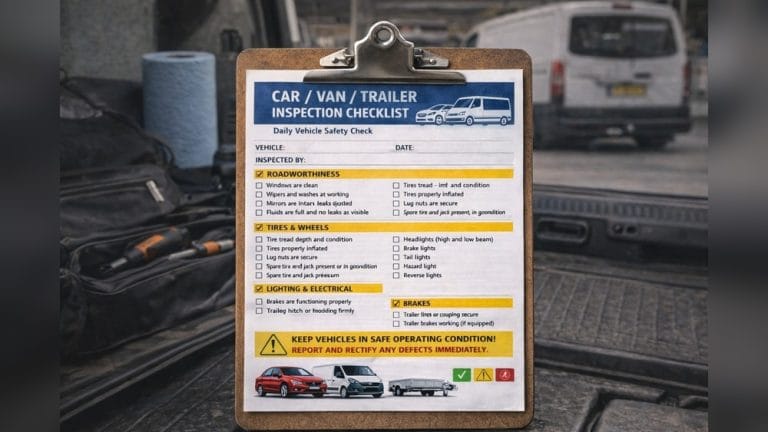
Simple checks: Before blaming your eyes, check the basics. Are your car’s windshield and mirrors clean, inside and out? Are your headlights clean and properly aimed?
Sometimes, simple maintenance can significantly improve night vision. Also, consider if you’re getting enough sleep, as fatigue can temporarily worsen vision.
If you wear glasses or contact lenses, make sure they are clean and up-to-date. An old prescription might not be sufficient for the demands of night driving anymore.
Ultimately, recognizing what’s normal for your vision and what’s not is key. If blurry lights are making you feel unsafe or anxious when driving at night, it’s a sign that you should seek professional advice.
Quick Tips for Better Night Driving Vision
Here are some practical tips to help you navigate the road better when lights seem blurry:
1. Keep Your Windshield and Mirrors Clean: This sounds simple, but a dirty windshield acts like a filter. Use a good glass cleaner.
Pay attention to the inside too, where film can build up.
2. Clean Your Headlights: Hazy or dirty headlight lenses can scatter light and reduce their effectiveness. You can often restore them with a headlight restoration kit.
3. Adjust Your Rearview Mirror: Use the day/night lever on your rearview mirror. This reduces the glare from headlights behind you.
4. Avoid Looking Directly at Oncoming Lights: Train your eyes to focus on the road edge or shoulder line in front of you, rather than staring directly at oncoming headlights. This helps your eyes adjust better.
5. Slow Down: When visibility is reduced due to weather or light distortion, reducing your speed gives you more time to react.
6. Ensure Proper Prescription: If you wear glasses or contacts, make sure your prescription is current and suitable for night driving. Discuss any night vision concerns with your eye doctor.
7. Get Enough Sleep: Fatigue significantly impacts vision. Being well-rested helps your eyes function at their best.
8. Consider Anti-Glare Eyewear: Some specialized glasses are designed to reduce glare from headlights, though their effectiveness can vary.
9. Use Your High Beams Wisely: Only use high beams when there are no other cars around, and remember to switch back to low beams when approaching other vehicles.
Frequently Asked Questions About Blurry Car Lights
What is the most common cause of blurry car lights at night?
The most common causes are vision conditions like astigmatism and dry eyes. Environmental factors like fog and rain also play a big role by scattering light.
Can my car’s headlights cause lights to look blurry for other drivers?
Yes, very bright or improperly aimed headlights can cause glare and make lights appear blurry or hazy to other drivers, especially those with existing vision issues.
How does astigmatism affect seeing car lights at night?
Astigmatism causes light to focus unevenly on the retina. This makes distant lights like headlights appear fuzzy, distorted, or surrounded by halos and streaks.
What should I do if I suddenly start seeing blurry lights at night?
If the change is sudden and significant, it’s important to see an eye doctor or medical professional promptly. It could indicate a new or developing eye condition.
Are there special glasses for driving at night with blurry lights?
Some glasses are designed to reduce glare from headlights. While they can help some people, their effectiveness varies, and they don’t fix underlying vision problems.
Is it normal for car lights to look like faucets sometimes?
No, car lights don’t literally turn into faucets. However, in very poor visibility (like heavy fog) with distorted lights, your brain might interpret the fuzzy shapes in unusual ways, perhaps associating them with familiar objects like faucets.
Can dry eyes make car lights look blurry?
Yes. A dry surface on your eye can cause light to scatter instead of focusing properly. This leads to blurry vision and halos around lights, especially at night.
Final Thoughts on Seeing Clearly at Night
Seeing blurry car lights at night can be unsettling, but often it has simple explanations tied to your vision or the environment. Understanding astigmatism, dry eyes, and how weather affects light helps demystify the experience. Always keep your own eyes and your car well-maintained.
If you notice new or concerning changes, don’t hesitate to seek professional advice to ensure your safe travels.
See also when must you drive with lights on know the rules.
Related pick: Check today's price on Amazon
Products related to this article
Sponsored / affiliate links. As an Amazon Associate I earn from qualifying purchases. I may earn additional commission from eligible campaigns.