How To Stop Car Headlight Misting Up For Good (Easy Fixes)
It’s that moment when you’re driving, and suddenly, your car’s headlights look like they’ve been through a car wash from the inside. That hazy, foggy look isn’t just annoying; it can really mess with your night vision. Trying to drive with dim lights feels unsafe.
You want to fix it fast, but where do you even start? It’s a common problem many drivers face.
It is common for car headlights to mist up due to condensation. This happens when warm, moist air inside the headlight unit meets the cooler exterior surface, causing water vapor to turn into liquid droplets. The best way to stop this is by ensuring the headlight’s ventilation system works properly and sealing any cracks or openings that let moisture in.
What Causes Headlight Misting?
Headlights mist up for a few main reasons. Think of your car’s headlights like a small house. They need to breathe.

ZMHUM
ZMHUM Headlight Restoration Kit Spray - Restores…
- ⚡ 90%+ Clarity Restoration - Targets severe oxidation with lab-tested formula. Restores significant brightness for safer night dri…
- 🚫 No Sanding Required - Skip messy grinding! Spray evenly, wait 8 minutes, wipe clean. Revives both headlights faster than a coffe…
- 🛡 Dual-Action Protection - Removes sun/grime damage while forming transparent barrier that delays haze return (accelerated aging t…
As an Amazon Associate I earn from qualifying purchases.
Most modern headlights have small vents. These vents let air flow in and out. This helps keep the moisture level balanced inside.
But sometimes, these vents get blocked. Dirt, leaves, or even bugs can sneak in. When the vents can’t do their job, moisture builds up.
This moisture comes from the air inside the headlight. It can also sneak in through tiny cracks.
The biggest culprit is temperature change. On a cool day, warm, wet air inside the headlight hits the cold plastic lens. This makes tiny water drops.
It’s like the outside of a cold soda can on a hot day. You see little water beads form.
Another big problem is damage. A small rock chip or a crack from a bump can let water in. Even a bad seal around the lens can be the entry point for rain or car wash water.
Once water gets in, it’s hard to get out. This causes that foggy look.
The material of the headlight also matters. Older headlights used glass. Newer ones use plastic.
Plastic is lighter. But it can sometimes be more prone to fogging if not made well. The seal where the lens meets the body of the headlight is super important.
So, it’s usually a mix of things: blocked vents, temperature swings, and tiny leaks. Understanding these points is the first step. It helps you know what to look for when your lights get foggy.
My Headlight Fogging Nightmare
I remember this one time, I was driving home late from visiting my parents. It was a really humid summer night. Suddenly, I noticed my passenger side headlight looked… off.
It was dimmer. Then, I saw it – a thick fog inside the whole headlight unit. It was like looking through a dirty window.
I started to panic a little. My headlights are my eyes on the road at night. If they’re fogged up, I can’t see well.
This makes driving feel really dangerous. I gripped the steering wheel tighter. I kept thinking, “What if I can’t see a deer or a pothole?”
I pulled over to the side of the road. I turned the engine off. I opened the hood, even though I barely knew where to look.
I tried to wipe the outside of the headlight, but the fog was clearly on the inside. It was so frustrating. I felt helpless, with this simple problem making my drive unsafe.
That night, I drove extra slow. Every headlight brightened by a passing car felt like a relief. I knew I had to fix this the next day.
It was a good lesson. Ignoring small car issues can become big safety problems quickly. That fuzzy headlight made me realize how much I rely on clear visibility.
Headlight Fogging: Key Causes Breakdown
Ventilation Issues: Blocked vents prevent air flow.
Temperature Changes: Warm, moist air condenses on cool surfaces.
Leaks and Cracks: Small damages allow moisture entry.
Seal Degradation: Old or damaged seals lose their tightness.
Improper Installation: After bulb changes, seals might not be perfect.
Understanding Your Headlight’s Breathing System
Your car’s headlights aren’t sealed boxes. They need to “breathe” to manage moisture. This is a really smart design.
Inside the headlight unit, there are tiny vents. These vents usually have small filters or covers. They let air in and out.
Why is this breathing important? Well, when your car is running, the headlights get warm. This heat can cause some moisture to build up inside.
The vents let this warm, moist air escape. Then, cooler, drier air can come in. This cycle helps keep the inside dry.
Think of it like a house with an attic fan. The fan helps move air around. It stops moisture from building up and causing mold.
Your headlights have a similar job to do. They manage the air and humidity inside their own little space.
However, these vents can get blocked. Road dirt, leaves from trees, or even small insects can find their way into the vent openings. When this happens, the headlight can’t breathe properly.
Moisture gets trapped. This is when you start to see that hazy fogging.
The materials used in headlights also play a part. Most headlights today are made of polycarbonate plastic. This plastic is strong and light.
But it can be more sensitive to temperature changes than glass. The seal between the plastic lens and the headlight body is also crucial.
If this seal is broken, cracked, or worn out, water can get in. This can happen from small impacts, like a pebble hitting the headlight. It can also happen over time as seals age and dry out.
Car washes can also force water past a weak seal.
So, a healthy headlight system relies on two main things: clear vents and a good seal. If either of these is compromised, you’ll likely see that misty interior. It’s a simple system, but vital for clear light output.
Quick Scan: Headlight Vent Health
| Check Point | What to Look For | Action if Problem Found |
|---|---|---|
| Vent Openings | Dirt, leaves, debris blocking holes. | Clean gently with a small brush or compressed air. |
| Vent Covers/Filters | Torn, missing, or damaged. | Replace damaged parts if possible (may require headlight disassembly). |
Real-World Scenarios of Headlight Fogging
Headlight fogging isn’t just one thing. It happens in different ways depending on the situation. Let’s look at some common real-world examples.
Scenario 1: The New Car Wash Mist
You take your car through an automatic car wash. It feels great to have a clean car. But later, you notice a fine mist inside your headlights.
This often happens because the high-pressure water jets can force moisture past a less-than-perfect seal. Older seals or small chips can’t hold up.
Scenario 2: The Morning Dew Problem
You park your car outside overnight. The air is cool and a bit damp. In the morning, you see a light fogging inside your headlights.
This is normal condensation. As the sun warms the headlight, the fog usually disappears on its own. It’s your headlight “breathing” as it warms up.
Scenario 3: The Post-Rain Haze
After a heavy rain, you notice water droplets clinging to the inside of your headlight lens. This points to a crack or a faulty seal. Rainwater has found its way in.
If this doesn’t dry out quickly, it means there’s a persistent leak.
Scenario 4: The Bulb Replacement Error
You or a mechanic replace a headlight bulb. Sometimes, the seal around the bulb access port isn’t put back correctly. This creates an easy entry for moisture.
Over time, this can lead to significant fogging.
Scenario 5: The Extreme Temperature Swing
You drive from a warm garage into a cold, snowy day. Or vice-versa. The sudden temperature change can cause condensation.
If your headlight seals are strong and vents are clear, this fog should dissipate as the headlight heats up from use. But if not, it can linger.
These examples show that fogging can be temporary and normal, or it can signal a real problem. The key is to watch how long the fog stays and if it gets worse.
Contrast Matrix: Normal vs. Concerning Fogging
Normal Fogging
Appearance: Light haze or a few small droplets.
Duration: Disappears within an hour of driving or when the sun warms the lens.
Cause: Temperature and humidity changes, normal condensation.
Concerning Fogging
Appearance: Heavy fog, large water droplets, or standing water.
Duration: Lingers for days, or doesn’t clear at all.
Cause: Cracks, faulty seals, blocked vents that don’t allow moisture to escape.
When is Headlight Misting a Real Problem?
Most of the time, a little bit of fog in your headlights isn’t a huge deal. It’s like when you see condensation on a bathroom mirror after a hot shower. It clears up on its own.
This kind of light misting usually happens when there’s a big change in temperature.
For example, if you park your car outside on a cold night, and then the sun comes out and warms it up, you might see some fog. Or after a rainstorm, a little bit of water might get in. If this fog clears away within an hour of you driving, or as the sun warms the lens, it’s probably okay.
But there are times when you absolutely need to pay attention. You should worry if the fogging is really bad. I mean, so thick you can barely see the bulb inside.
Or if you see actual puddles of water inside the headlight.
Another sign something is wrong is if the fog doesn’t go away. If you drive for hours, and it’s still foggy, then it’s a problem. This means moisture is getting trapped.
It’s not able to escape through the vents or dry out.
Also, keep an eye on the seals and the lens itself. If you see any cracks, no matter how small, that’s an entry point for water. A damaged seal around the edge of the headlight is a definite red flag.
These issues will only get worse over time.
Why is this important? Because that fog isn’t just ugly. It blocks the light.
Your headlights won’t be as bright. This means you won’t be able to see as far down the road at night. This is a major safety risk.
It makes it harder to react to things like potholes, animals, or other cars.
So, if your headlights are constantly foggy, or the fog is severe, it’s time to act. Don’t ignore it. It could be a simple fix, or it could be something that needs professional attention.
Safety first is always the best policy.
Easy Fixes to Stop Headlight Misting
Okay, so your headlights are foggy. Don’t sweat it! There are some simple things you can do right now.
These fixes often work wonders. They help clear the fog and keep it from coming back.
1. Check and Clean the Vents:
This is the most common fix. Your headlights have small vents, usually on the back. They let air move in and out.
Find them. Are they clogged with dirt or leaves? Gently clean them out.
Use a soft brush or a can of compressed air. Make sure the air can flow freely. This often solves the problem quickly.
2. Dry Out the Inside:
If there’s a bit of moisture inside, you need to get it out. On a warm, sunny day, park your car in direct sunlight. Open the hood.
If you can, try to prop the headlight assembly slightly away from the body. This lets warm air circulate. Sometimes, just parking in the sun for a few hours is enough to dry out light fog.
3. Seal Up Small Cracks:
Inspect the headlight lens and the seals around it very carefully. Do you see any tiny cracks? Even a small one can let water in.
For very minor cracks, you might be able to use a clear silicone sealant designed for automotive use. Apply it carefully to seal the crack. Be sure not to get it on the visible lens surface.
4. Reseal the Lens Gasket:
The gasket is the rubber or foam strip that seals the headlight lens to the headlight body. Over time, these can dry out, crack, or shrink. If you see a gap, you might need to replace the gasket.
This can be a bit more involved. Sometimes, you can buy aftermarket gaskets. Other times, you might need to remove the headlight unit.
Clean the old sealant. Apply a new, high-quality automotive sealant or a new gasket.
5. Use a Headlight Restoration Kit:
Sometimes, the plastic lens itself can become hazy or yellowed. This can make fogging seem worse. A headlight restoration kit can polish the plastic.
This improves clarity. While it doesn’t fix leaks, clearer lenses let light through better. It can make a big difference in visibility.
6. Consider Anti-Fog Treatments:
There are products available that you can apply to the inside of the lens. These are like anti-fog sprays for glasses or car windows. They create a coating that prevents water droplets from forming.
This can be a temporary solution, but it helps maintain clear visibility.
These are all things you can try at home. They don’t require a lot of special tools. Start with the easiest fixes, like checking the vents.
If those don’t work, move on to the more involved steps. You can often solve headlight misting with a little patience and effort.
Fixes: Quick Guide
Problem: Vents Clogged
Fix: Clean vents with brush or air.
Problem: Light Interior Moisture
Fix: Park in sun, open hood.
Problem: Tiny Lens Crack
Fix: Seal with automotive silicone.
Problem: Worn Lens Seal
Fix: Clean and reseal, or replace gasket.
Problem: Hazy Lens
Fix: Use headlight restoration kit.
Preventing Headlight Misting Before It Starts
The best way to deal with headlight misting is to stop it from happening in the first place. Prevention is always easier than fixing. There are several habits and checks that can help keep your headlights clear for a long time.
Regular Inspections:
Make it a habit to check your headlights. Do this when you wash your car or check your tires. Look closely at the seals around the lens.
Do you see any gaps? Any signs of damage? Check the vents on the back for any blockages.
Early detection is key. You can catch small problems before they lead to fogging.
Be Careful with Car Washes:
High-pressure car washes can be tough on seals. If you have an older car or notice any wear on your seals, consider skipping the high-pressure wash. A gentle hand wash is much safer for your headlight assemblies.
Address Damage Promptly:
If you notice a small chip or crack in your headlight lens, fix it right away. Don’t wait for it to spread or let water in. Small chips can often be repaired using a headlight repair kit.
This will save you from dealing with fogging later.
Proper Bulb Replacement:
When you or a mechanic replace a headlight bulb, make sure the access cover is sealed correctly. The rubber or plastic seals must be seated properly. A loose cover is an open invitation for moisture.
Understand Normal Condensation:
Remember that light fogging on cold or humid days is often normal. It usually goes away. Don’t panic and try to seal up your vents entirely.
That would be worse. The system is designed to breathe. Your goal is to keep the vents clear and the seals intact.
Consider Protective Coatings:
There are clear protective films you can apply to your headlights. These films act as a barrier. They can help protect the plastic from minor impacts and UV damage.
Some films also have hydrophobic properties that can reduce water spotting.
By following these simple preventive steps, you can greatly reduce the chances of your headlights misting up. It’s about being aware and doing a little bit of maintenance. This keeps your car looking good and, more importantly, safe to drive at night.
Prevention Checklist
- Inspect seals regularly.
- Check vents for blockages.
- Fix small cracks immediately.
- Ensure proper bulb cover sealing.
- Avoid overly aggressive car washes.
- Understand normal condensation cycles.
What This Means for Your Driving Safety
The fog inside your headlights isn’t just an aesthetic issue. It has real-world consequences for your safety on the road. When your headlights mist up, their performance suffers.
This directly impacts how well you can see at night, in fog, or during heavy rain.
Reduced Light Output:
The primary job of headlights is to illuminate the road ahead. When the inside of the lens is foggy, it scatters the light. This means less light actually reaches the road.
It’s like trying to shine a flashlight through a frosted window. The beam becomes dimmer and less focused.
Shorter Visibility Distance:
Because the light is weaker, your visibility distance decreases. You won’t be able to see obstacles, pedestrians, or other vehicles as far in advance. This gives you less time to react.
In a critical situation, this short difference can be the difference between a safe stop and an accident.
Impaired Depth Perception:
Fogging can also affect your perception of distance. It becomes harder to judge how far away things are. This is especially dangerous on winding roads or when approaching intersections.
Glare from Other Vehicles:
Ironically, foggy headlights can sometimes create more glare for oncoming drivers. The scattered light might hit their mirrors or windshields in a way that’s distracting or blinding. This can be just as dangerous as not being able to see yourself.
Legal and Inspection Issues:
In many places, having functional and clear headlights is a legal requirement. If your headlights are significantly fogged, you could fail a vehicle inspection. You might even get a ticket from law enforcement.
Increased Driving Stress:
Simply put, driving with poor visibility is stressful. You’ll be more anxious, constantly straining to see. This can make your commute or a long drive much more tiring and unpleasant.
Therefore, addressing headlight misting is not just about making your car look better. It’s a crucial step in ensuring your safety and the safety of others on the road. Clear headlights mean clear vision, and clear vision means a safer drive for everyone.
Frequently Asked Questions About Headlight Misting
Why do my headlights fog up after a car wash?
High-pressure water jets in car washes can force moisture past seals that might not be perfectly tight. Even small imperfections in the seal can allow water to enter. Once inside, the moisture can lead to fogging.
This is especially true for older headlights or those with minor wear.
Can I just seal the vents to stop misting?
No, you should never seal the headlight vents. These vents are essential for regulating moisture and temperature inside the headlight unit. Sealing them will trap moisture, making the fogging problem much worse.
It can also lead to internal corrosion or damage to the headlight components.
How long should it take for normal headlight condensation to clear?
For normal condensation caused by temperature changes, the fogging should typically clear up within an hour of driving. As the headlight heats up from the bulbs and the surrounding air, the moisture will evaporate and be vented out. If it doesn’t clear, it indicates a problem with leaks or ventilation.
Is it safe to drive with foggy headlights?
Driving with significantly foggy headlights is not safe. The fog reduces the amount of light that reaches the road, decreasing your visibility. This makes it harder to see hazards and react in time.
It’s best to address the issue as soon as possible to ensure clear night driving.
What’s the difference between condensation and a leak?
Condensation is usually a light mist that forms due to normal temperature and humidity changes and typically clears up on its own. A leak is when water actively enters the headlight unit through cracks or faulty seals. Leaks often result in heavier fogging, water droplets, or standing water inside the headlight, and it won’t clear up easily.
Can I fix a cracked headlight lens myself?
For very small chips or hairline cracks, you might be able to use a headlight repair kit or a clear automotive silicone sealant. These kits often involve cleaning the area and then applying a resin or sealant. For larger cracks or significant damage, replacement of the headlight assembly is usually the best and safest option.
Conclusion
Headlight misting is a common annoyance, but it doesn’t have to be a permanent problem. By understanding why it happens and knowing what to look for, you can take action. Whether it’s a simple vent cleaning or sealing a small leak, there are fixes.
Keeping your headlights clear ensures you can see the road safely. Drive with confidence, knowing your path is well-lit.
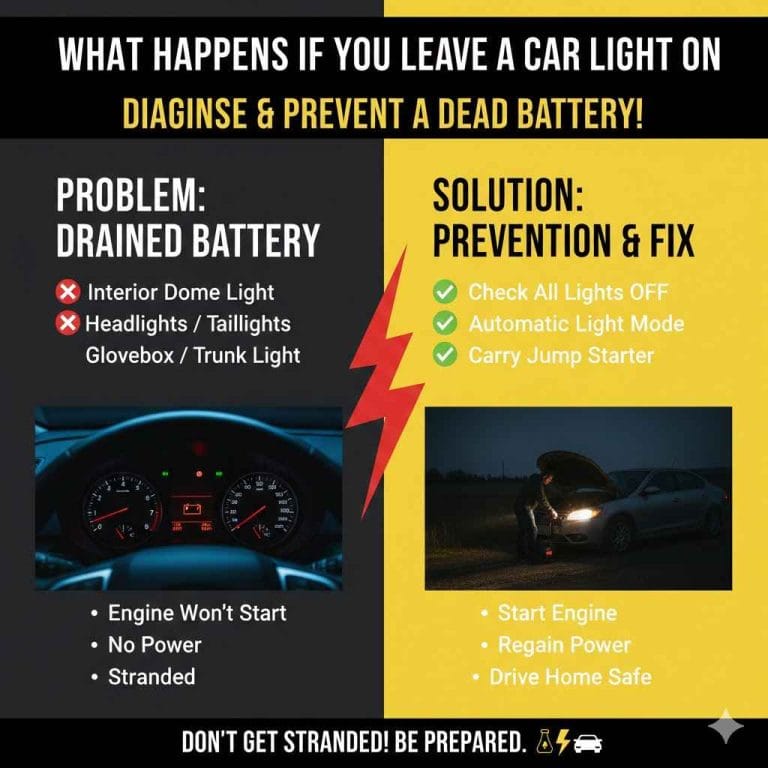
See also do car lights drain the battery if left on find out now.
Related pick: Check today's price on Amazon See also how professionals clean car headlights pro methods .
Products related to this article
Sponsored / affiliate links. As an Amazon Associate I earn from qualifying purchases. I may earn additional commission from eligible campaigns.
 800g Auto Headlight Restoration Liquid, Car Headlight Scratch Restoring Fluid Headlight Repair Polish Cleaner, Headlight Restoration Kit Refill Bottle for Polishing, Restoring Dull Yellow Headlamp
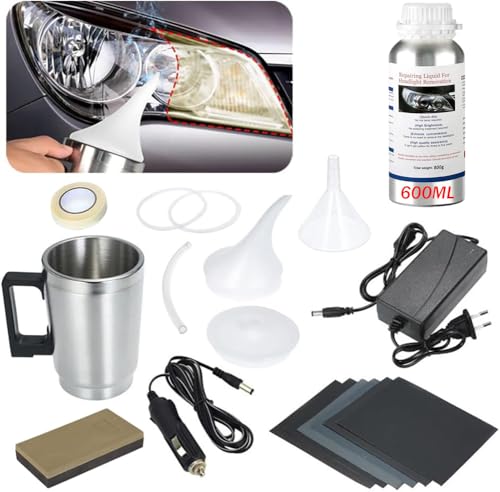 600ML Headlight Restoration Kit Car Headlight Polish Repair Renovation with 600ML Repair Liquid, Auto Head Light Lens Restore Kit for Repair Headlight Yellowing, Haze, Scratches, Oxidation