What Happens When A Car Tire Blows Out
It’s a sound most drivers dread. A sudden, loud pop. Then, a wobbly, jarring sensation.
Your car starts to pull hard to one side. This is the terrifying moment when a car tire blows out. It’s a sudden, scary event.
Many people panic. But knowing what to expect can help you stay safer.
When a car tire blows out, the vehicle can suddenly veer or pull to the side of the blown tire. This is due to the loss of air pressure and the structural integrity of the tire. Drivers should remain calm, avoid sudden braking or steering, and gently steer the car to a safe stopping location.
Understanding a Tire Blowout
A tire blowout happens fast. It means your tire has suddenly failed. This usually involves a rapid loss of air.
The tire might shred or burst open. It’s not just a slow leak. This is a dramatic event.
Several things can cause a blowout. One common cause is severe underinflation. When a tire is very low on air, it flexes too much.
This builds up heat. Heat can weaken the tire’s structure. Another cause is hitting something sharp.
A nail, glass, or metal shard can puncture the tire. If the damage is bad, the tire can blow out.
Old tires can also fail. Tires have a lifespan. Rubber degrades over time.
Cracks can form. The internal structure weakens. Driving on old, worn tires increases the risk.
A severe impact, like hitting a pothole hard, can also trigger a blowout. Even a tire defect can be the culprit. These are rarer but do happen.
My Own Scary Blowout Experience
I remember one time I was driving on a highway. It was late afternoon. The sun was low.
I was on my way home from a long trip. Suddenly, I heard it. A loud BANG!
It was deafening. My car immediately yanked to the right. It felt like I was fighting the steering wheel.
I gripped it hard.
My heart pounded. I felt a surge of adrenaline. I knew I had to stay calm.
My mind raced. Was the car going to flip? Was I going to hit another car?
I forced myself to remember what I’d learned. No sudden moves. I eased off the gas pedal gently.
I resisted the urge to slam on the brakes.
The car wobbled and shook. It felt very unstable. I could see the tire was flat in my side mirror.
It was shredded. I focused on keeping the car straight. I slowly guided it towards the shoulder of the road.
It felt like an eternity. Finally, I was off the main road. I pulled over as far as I could.
I was shaken but safe. That feeling of helplessness was intense.
What Causes a Tire to Blow Out?
Sudden Loss of Air: The tire ruptures and loses all its air very quickly.
Underinflation: Driving with tires that have too little air causes heat buildup.
Punctures: Sharp objects like nails or glass can cause damage.
Old Tires: Rubber degrades, making tires brittle and prone to failure.
Impact Damage: Hitting potholes or curbs hard can weaken a tire.
Overloading: Carrying too much weight puts extra stress on tires.
The Immediate Effects of a Tire Blowout
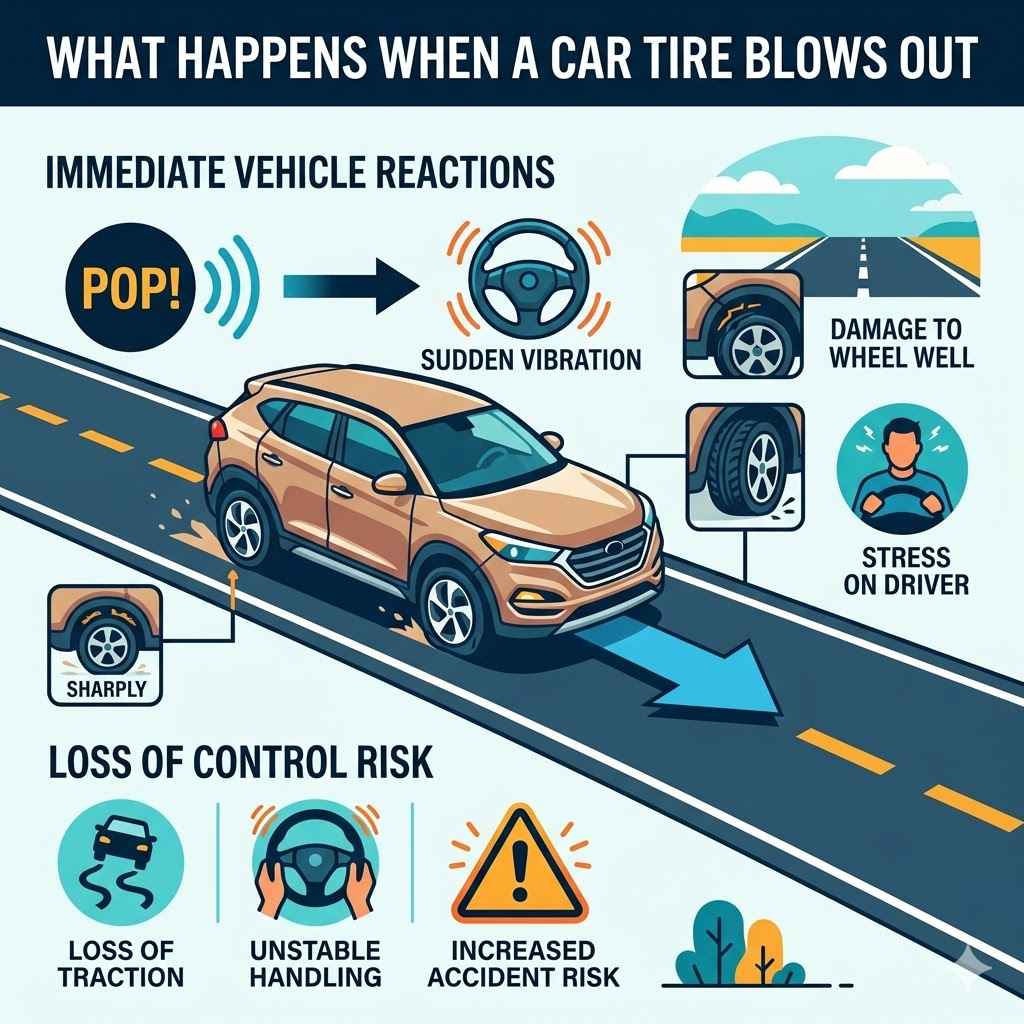
When a tire blows, the car’s behavior changes instantly. The most obvious effect is the car pulling hard. This pull happens towards the side of the blown tire.
This is because that tire is no longer supporting the car’s weight. It’s flat or gone.
Steering becomes very difficult. The steering wheel will want to turn on its own. You have to fight it to keep the car going straight.
The car might also shake or vibrate a lot. This is the feeling of the damaged tire. It’s not a smooth ride anymore.
Braking can also be affected. If the blowout happens on a front tire, braking might be even harder to control. The car could swerve more violently.
It’s a very unstable situation. This is why staying calm and avoiding sudden actions is crucial. The goal is to regain control, not lose it.
Your Immediate Actions: What to Do Right Away
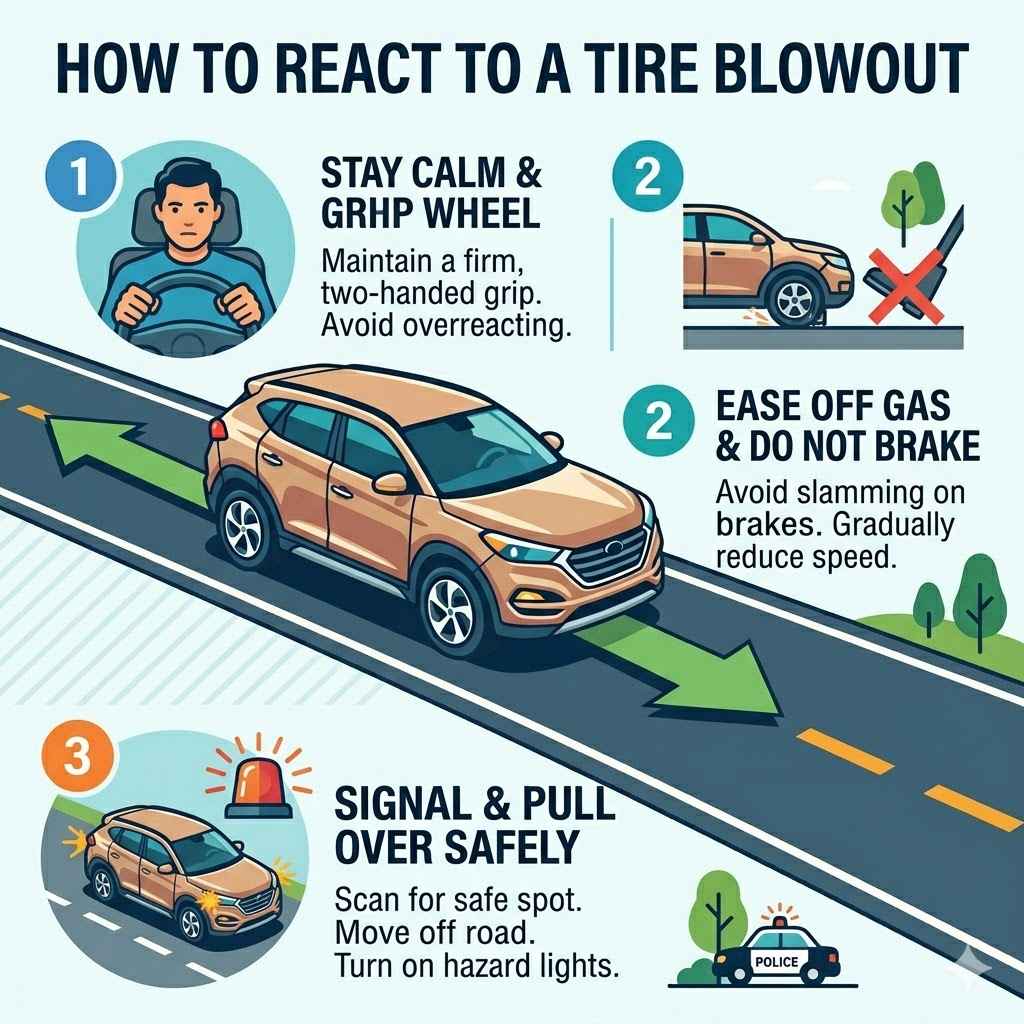
The first and most important step is to stay calm. I know it’s hard. Your instincts might scream to hit the brakes.
Don’t. Slamming on the brakes can cause you to lose control. It can make the car spin or swerve unpredictably.
Instead, take your foot off the gas pedal. Let the car slow down gradually. Keep a firm grip on the steering wheel.
You need to steer straight. Gently steer the car to maintain your lane. Don’t make any sudden turns.
You are trying to control the pull of the car.
Look for a safe place to pull over. This could be the shoulder of the road, an exit ramp, or a parking lot. Signal your intentions early.
Make sure other drivers see you. Slowly and smoothly guide the car off the road. Once you are stopped, turn on your hazard lights.
Quick Steps for a Tire Blowout
- Don’t Panic: Take a deep breath.
- Ease Off Gas: Gently lift your foot from the accelerator.
- Hold Wheel Firm: Grip the steering wheel tightly and steer straight.
- Avoid Braking: Do not hit the brakes hard. Let the car slow naturally.
- Signal & Steer: Gently signal and steer towards a safe spot off the road.
- Hazard Lights: Turn on your hazard lights once stopped.
What Happens to the Car’s Handling
A blown tire drastically changes how your car handles. The tire that failed is no longer round. It’s likely collapsed or shredded.
This means there is no longer consistent contact with the road on that side.
Imagine trying to walk with one shoe completely flat. It’s harder to balance. Your body pulls to the side of the flat shoe.
Your car feels this too. The weight distribution is suddenly uneven. This causes the strong pull to one side.
The suspension on that side also takes a beating.
If it’s a front tire that blows, it affects steering even more. The front wheels are crucial for direction. A blown front tire can make the car feel like it wants to spin.
If a rear tire blows, the car might fishtail or sway. This is when the back end feels loose.
The Role of Tire Maintenance
Good tire maintenance is your first line of defense. It’s not just about avoiding blowouts. It’s about keeping your car safe and running well.
Regularly checking your tire pressure is key. Tires can lose air over time. Driving on underinflated tires is risky.
You should check tire pressure at least once a month. Do it when the tires are cold. This means before you’ve driven the car much.
The recommended pressure is usually on a sticker inside the driver’s doorjamb or in your owner’s manual. Don’t use the number on the tire itself. That’s the maximum pressure.
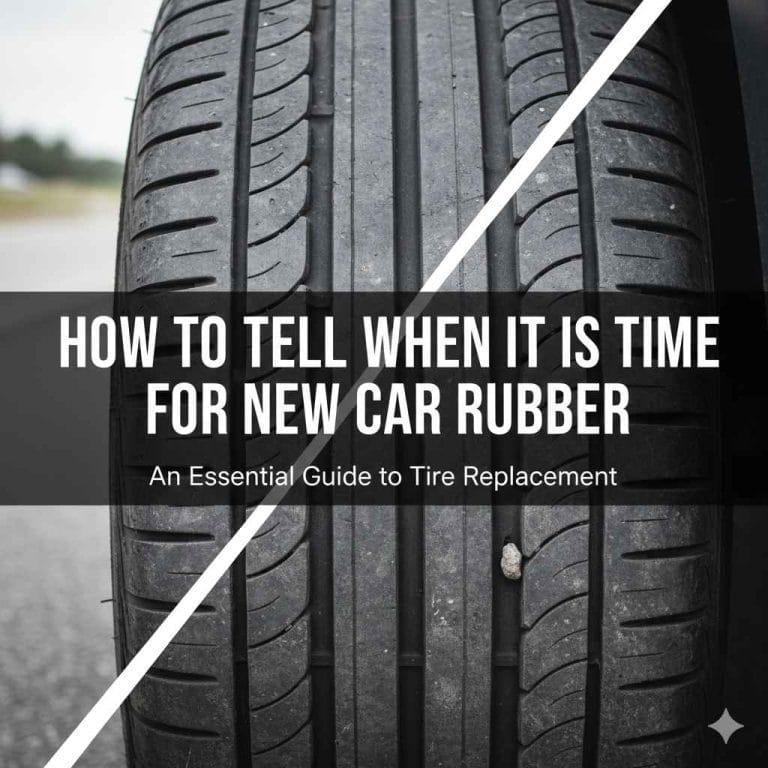
Also, check your tires for wear and damage. Look for cracks in the sidewalls. See if the tread is wearing down unevenly.
Look for any cuts or bulges. These are warning signs. If you see them, get your tires checked by a professional.
Worn-out tires just don’t grip as well. They are more likely to fail.
Tire Maintenance Checklist
Tire Pressure: Check monthly when cold. Use recommended PSI.
Tread Depth: Ensure adequate tread for grip. Replace when worn.
Visual Inspection: Look for cracks, bulges, cuts, and embedded objects.
Rotation: Rotate tires regularly for even wear (usually every 5,000-7,500 miles).
Wheel Alignment: Get alignment checked if you notice uneven wear or pulling.
What Happens When a Front Tire Blows
A front tire blowout is often more dramatic. It happens at the front of the car. This is where your steering is controlled.
When a front tire blows, the car will pull very strongly to that side. It’s like the car is trying to turn by itself.
You will feel a sudden jerk. The steering wheel will try to spin out of your hands. You must hold on very tight.
Fight that pulling sensation. Resist any sudden steering input. It’s crucial to keep the car going as straight as possible down your lane.
Braking is also more critical. If you brake too hard, you can lock up the wheels. This makes steering even harder.
Some cars have Anti-lock Braking Systems (ABS). ABS can help prevent lock-up. But even with ABS, you need to be smooth.
The goal is to slow down without losing control.
What Happens When a Rear Tire Blows
A rear tire blowout can also be very scary. It affects the stability of the car. Instead of a strong pull to one side, you might feel the back end of the car start to slide or fishtail.
This is a loss of rear-wheel traction. The car can feel wobbly. It might swerve from side to side.
This is a more difficult situation to correct. Again, the key is to avoid sudden reactions. Keep your hands on the wheel.
Try to counter-steer gently if the rear end slides.
Letting off the gas is important. You want to let the car regain stability. Some drivers find it helps to give a little gas if the car is fishtailing.
This can help straighten the rear wheels. But this takes practice and is very risky for an untrained driver. For most people, gentle deceleration is best.
Blowout Comparison: Front vs. Rear
Front Tire Blowout:
- Effect: Strong pull to one side, hard to steer.
- Feeling: Car wants to turn sharply.
- Action: Fight for straight steering.
Rear Tire Blowout:
- Effect: Car feels unstable, back end may slide (fishtail).
- Feeling: Wobbly or swerving motion.
- Action: Gentle counter-steering and smooth deceleration.
The Science Behind the Pulling Force
Why does the car pull so hard? It’s all about physics. When a tire loses air, it collapses.
It no longer provides the same resistance to motion as a fully inflated tire. The wheel rim might even start to drag on the road surface.
Think about friction. A blown tire has very little friction. It can’t grip the road properly.
The other tires on the car are still inflated. They are gripping the road and rolling normally. This creates an imbalance of forces.
The good tires are pushing the car forward, but one corner is barely rolling.
This imbalance causes a torque. Torque is a twisting force. The car is being twisted.
The force is always towards the side with the failed tire. This is because the friction and rolling resistance on that side are drastically reduced. Your steering is trying to counteract this twisting force.
What If You Have Run-Flat Tires?
Run-flat tires are designed to keep going even after a blowout. They have stronger sidewalls. These sidewalls can support the weight of the car without air.
This allows you to drive for a limited distance at a reduced speed.
If you have run-flat tires and experience a blowout, the experience is different. You might not feel a dramatic pull or wobble. The car will feel more stable.
However, you will likely get a warning light on your dashboard. This light indicates a tire pressure issue.
Even with run-flat tires, you can’t drive forever. There’s usually a limit, often around 50 miles. You also can’t drive at high speeds.
Check your tire’s manual for specific limits. It’s still important to pull over when it’s safe. You need to get the tire inspected or replaced.
Driving on a blown run-flat tire can still damage your wheel.
Run-Flat Tires: Key Points
- Strong Sidewalls: Can support vehicle weight without air.
- Limited Distance/Speed: Can usually be driven for about 50 miles at lower speeds.
- Warning Light: Dashboard indicator will alert you to pressure loss.
- Still Need Repair: Do not drive indefinitely; get them checked.
- Wheel Protection: Designed to protect the wheel rim from damage.
What to Do After You’ve Stopped Safely
Once you are safely pulled over, don’t get out of the car immediately. Assess your surroundings. Are you in a safe location?
Is there heavy traffic right behind you? If it feels unsafe, stay in your car with your seatbelt on.
If you are on a busy road, you might need to call for roadside assistance. You can call your car insurance provider. Many offer roadside help.
You can also call a tow truck company. Your car’s manual might have a number for assistance too.
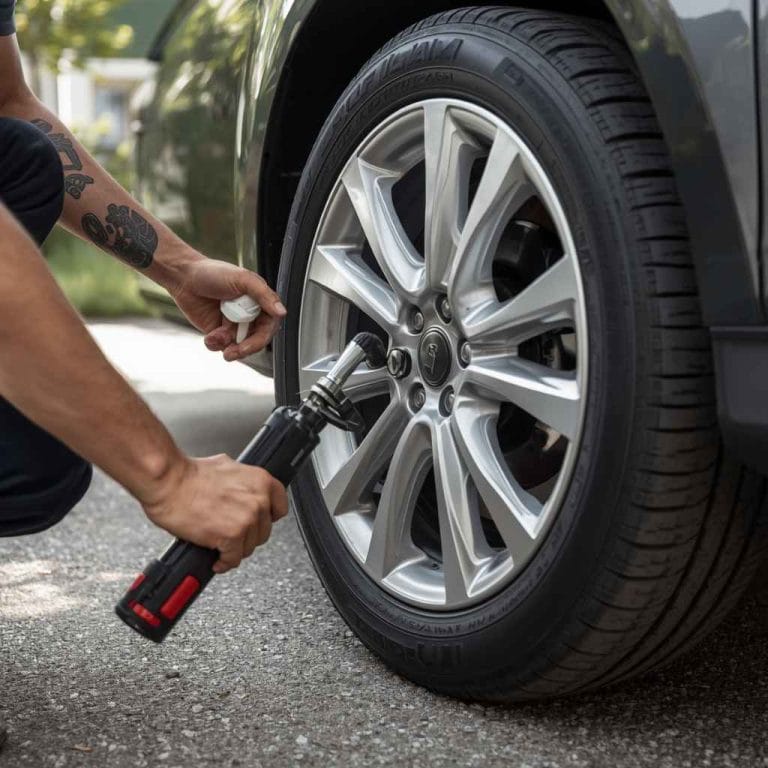
If you are in a safe spot and know how to change a tire, you can do it yourself. Make sure you have a spare tire, a jack, and a lug wrench. It’s best to have these items in good condition.
Be aware of your surroundings while changing the tire.
Changing a Blown Tire
Changing a tire after a blowout is the same as changing a flat. First, make sure the car is on a level surface. Apply the parking brake firmly.
If you have wheel chocks, use them on the wheels opposite the one you are changing.
Loosen the lug nuts on the blown tire. Turn them counterclockwise. Don’t remove them completely yet.
Place the jack under the car at the designated jack point. This is usually a reinforced area on the frame near the tire. Lift the car until the flat tire is off the ground.
Now, remove the lug nuts completely. Take off the blown tire. Put on the spare tire.
Hand-tighten the lug nuts. Lower the car slowly until the spare tire touches the ground. Then, tighten the lug nuts firmly in a star pattern.
Lower the car the rest of the way and remove the jack. Tighten the lug nuts one more time.
Tire Change Quick Guide
Safety First: Park on a level surface, engage parking brake, use hazard lights.
Loosen Lug Nuts: Loosen before jacking (counterclockwise).
Jack Up Car: Use the correct jack point. Lift until tire is off the ground.
Remove Tire: Fully remove lug nuts and the blown tire.
Mount Spare: Put on the spare tire and hand-tighten lug nuts.
Lower and Tighten: Lower car partially, tighten nuts in a star pattern. Lower fully, tighten again.
When to Call for Professional Help
Sometimes, changing a tire yourself isn’t an option. If you are on a busy highway with no safe shoulder, call for help. If you don’t have a spare tire, or your spare is also flat, you’ll need a tow.
If you are not comfortable changing a tire, it’s okay to call a professional. Many people don’t know how. Or maybe you have a physical limitation.
Roadside assistance is there for these situations. They have the tools and experience to help you safely.
Also, consider the location. If you are in a remote area with poor cell service, plan ahead. You might need to call for help before you lose signal.
It’s always better to be safe than sorry.
The Aftermath: Getting a New Tire
After a blowout, you need a new tire. Don’t drive on a damaged or spare tire for longer than necessary. Spare tires are usually temporary.
They are not designed for long-term use or high speeds.
Take your car to a tire shop. They can inspect the damage. They will help you choose the best replacement tire.
It’s often recommended to replace tires in pairs on the same axle. This ensures even wear and handling.
If the blowout was caused by a defect or an unusual circumstance, you might want to report it. Tire manufacturers often have a way to report issues. This can help them identify potential problems with their products.
Keep the damaged tire if possible. It might be needed for inspection.
After the Blowout: Next Steps
- Get a New Tire: Replace the blown tire promptly.
- Consider Tire Pairs: Replace tires in pairs on the same axle for balance.
- Check Alignment: A blowout can affect wheel alignment.
- Inspect Other Tires: Make sure your other tires are in good condition.
- Report Issues: If it seems like a tire defect, consider reporting it.
Preventing Future Blowouts
Prevention is always the best strategy. Regular tire checks are essential. Make it a habit.
Check your tire pressure weekly or bi-weekly. Look for any obvious damage. Ensure your tires are appropriate for your car and driving conditions.
Don’t overload your vehicle. Check your car’s load capacity. Overloading stresses your tires.
This can lead to overheating and failure. Drive at safe speeds, especially in adverse weather. Avoid driving over debris or rough surfaces when possible.
Finally, replace your tires when they are worn out. Look at the tread wear indicators. These are small raised bars in the grooves of the tire.
When the tread wears down to these bars, it’s time for new tires. Don’t wait until they are completely bald.
When is a Tire Blowout Just a Flat?
A blowout is a sudden, rapid loss of air. A flat tire can be a slow leak. You might notice your tire pressure warning light come on over time.
Or you might see the tire looking a bit low. A slow leak means you might have time to deal with it.
A blowout is an emergency. It happens instantly. The tire often disintegrates.
A flat might just be a small puncture. You can often drive on a slowly deflating tire for a short distance. But a blown tire is a complete failure.
The handling of the car is severely compromised.
It’s important to distinguish between the two. If you feel a sudden, violent change in your car’s handling, assume it’s a blowout. If you just notice a tire looks a little low and your car feels mostly normal, it might be a slow leak.
In either case, address tire issues promptly.
Blowout vs. Flat Tire: The Difference
Blowout:
- Sudden, loud noise.
- Rapid loss of air.
- Dramatic change in car handling (pulling, shaking).
- Requires immediate, calm reaction.
Flat Tire:
- Can be a slow leak over time.
- Car may feel slightly low or pull gently.
- Often allows time to find a safe place.
- May be fixable without replacement.
The Importance of Tire Condition
The condition of your tires is incredibly important. It’s not just about comfort. It’s about safety.
Good tires provide grip. They help you steer and stop effectively. They are your connection to the road.
Worn tires have less tread. This means they can’t channel water away effectively. This increases the risk of hydroplaning.
They also can’t grip dry pavement as well. This makes braking distances longer.
Cracked or aged tires are brittle. They are more likely to fail under stress. A sudden impact, like hitting a pothole, can cause a weakened tire to blow out.
Always inspect your tires visually. Look for signs of aging or damage. If in doubt, ask a tire professional.
Could This Happen to My New Tires?
Even new tires can fail. While less common, a defect in manufacturing can occur. Or, you might hit a very large, sharp object at high speed.
A new tire might still have the structural integrity to withstand a minor puncture, but a severe impact could cause a blowout.
For the most part, new tires are very reliable. They are made with modern materials. They undergo strict testing.
However, no mechanical part is absolutely perfect. The most common causes of blowouts are still related to maintenance and misuse.
If you have a blowout on a relatively new tire, it might be worth investigating. Did you hit something unusual? Was there a potential manufacturing defect?
It’s unlikely, but it’s something to consider.
The Psychological Impact of a Blowout
Experiencing a tire blowout can be traumatic. The sudden loss of control is frightening. The noise is startling.
It can make drivers anxious about driving. They might feel nervous every time they hear a strange sound from their car.
This is normal. The feeling of helplessness is intense. But the good news is that most blowouts end without serious injury.
This is especially true if the driver reacts correctly. Remembering the steps you need to take can help reduce this anxiety.
Practice makes perfect, or at least better prepared. Understanding what happens can demystify the event. It gives you a sense of control.
You know what to expect and what to do. This knowledge is empowering.
Final Thoughts on Tire Safety
Your tires are a critical safety component. Treat them with respect. Regular checks and maintenance are not a chore; they are essential.
They keep you and your passengers safe. A tire blowout is a scary event, but it doesn’t have to be a disaster.
By staying calm, knowing how to react, and keeping your tires in good condition, you can navigate this situation safely. Understand the risks. Take preventative measures.
Be prepared. Your car’s tires are the only thing between you and the road. Keep them in top shape.
See also why is my tire not turning common causes and quick fixes.