Is It Safe To Buy Car Tyres Online? What You Must Know
Buying car tyres online feels like a big step for many. You want good tyres, but you also want to be sure. It’s easy to feel unsure when you can’t touch or see them first. This guide will walk you through everything. We’ll help you feel confident about buying tyres online. You’ll learn what makes it safe and what to look for. We’ll also cover how to get the best deal without any risk.
Buying car tyres online is generally safe and can offer great value. The key is to know exactly what you need and to buy from reputable sellers. Always check for brand reputation, customer reviews, size compatibility, and return policies to ensure a secure and satisfactory purchase.
Understanding Online Tyre Shopping
Buying car tyres online has become very common. Many people now choose this way to get new tyres. Why is this happening? It’s often about price and choice. Online stores have many more options than a local shop. They also can offer lower prices because their costs might be less. Think about it, they don’t need a huge showroom.
But with more choice comes more questions. Is the quality the same? Will they fit my car correctly? Who do I talk to if something goes wrong? These are all valid concerns. Most online tyre sellers are legitimate businesses. They want you to have a good experience. They know that happy customers come back. They also know that word spreads fast, good or bad.
The biggest challenge is often trust. You are spending money on a vital car part. These tyres keep you safe on the road. It’s natural to want proof they are good. Seeing them in person lets you check the tread depth. It lets you feel the rubber. Online, you rely on pictures and descriptions. That’s why it’s so important to do your homework.
My First Online Tyre Scare
I remember the first time I bought tyres online. I was driving an older sedan. The tyres were almost bald. I needed them fast. My local garage quoted me a price that made my eyes water. So, I jumped online. I found a website that looked professional. They had a great selection. I found a brand I knew and a price that was much lower.
I clicked “buy.” A few days later, a large box arrived. It was just the tyres, no fancy packaging. I took them to a local tyre shop to have them fitted. The mechanic looked at them. He raised an eyebrow. “These look a bit… off,” he said. My stomach dropped. He pointed out a small detail on the sidewall. It wasn’t quite what I expected from that brand.
It turned out they were a slightly older model. Still usable, but not exactly what the listing implied. I felt a bit foolish and worried. That experience taught me a huge lesson. You can’t just pick the cheapest option. You need to check more details. You need to be sure about the seller and the product. It was a wake-up call to be more careful.
What to Look For Before You Click “Buy”
So, what are the crucial things to check? Let’s break them down. This will make your online tyre shopping much safer.
1. Know Your Tyre Size
This is the most important step. Your car needs specific tyres. Using the wrong size can be dangerous. It can also affect how your car drives and uses fuel.
Where do you find this information?
Your Car’s Doorjamb: Open the driver’s side door. There’s usually a sticker there. It tells you the correct tyre size.
Your Owner’s Manual: This book has all the details about your car.
Your Current Tyres: Look at the sidewall of your existing tyres. You’ll see numbers like “P215/65R15.”
“P” means Passenger car.
“215” is the tyre’s width in millimeters.
“65” is the aspect ratio (height of the sidewall as a percentage of width).
“R” means Radial construction.
“15” is the wheel diameter in inches.
Always double-check this information. Buying the wrong size is a costly mistake.
2. Research the Seller’s Reputation
This is where many people stop. But a good seller is key to a good experience.
How to check a seller:
Read Online Reviews: Look at review sites. Search for the seller’s name. See what other customers say. Pay attention to reviews about delivery, customer service, and product quality.
Check Their “About Us” Page: Legitimate companies have clear contact information. They explain who they are.
Look for Contact Details: Is there a phone number? An email address? A physical address? If this info is hidden, be wary.
Watch Out for “Too Good to Be True” Prices: If a deal seems unbelievable, it often is.
3. Understand Tyre Markings and Ratings
Tyres have important ratings on their sidewalls. These ratings tell you about their performance. You’ll see these numbers online too.
The main ones are:
Treadwear: This is a number (e.g., 400, 600). Higher numbers usually mean the tyre lasts longer.
Traction: This letter (AA, A, B, C) shows how well the tyre stops on wet surfaces. AA is the best.
Temperature: This letter (A, B, C) shows the tyre’s resistance to heat. A is the best.
These are part of the Uniform Tire Quality Grading (UTQG) system. Most reputable sellers will list these.
You’ll also see:
Load Index: A number indicating the maximum weight the tyre can carry.
Speed Rating: A letter indicating the maximum speed the tyre can safely handle.
Always match these to your car’s requirements. Your owner’s manual or doorjamb sticker will tell you these too.
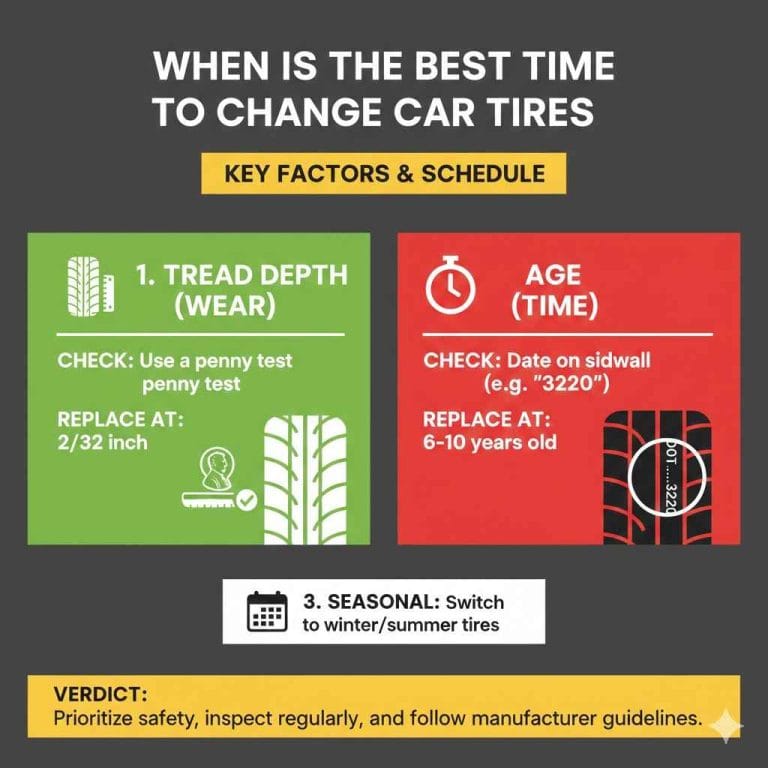
4. Check the Manufacturing Date
Tyres degrade over time, even if unused. Look for a four-digit code on the sidewall. The first two digits are the week of manufacture. The last two are the year. For example, “2319” means the tyre was made in the 23rd week of 2019.
It’s best to buy tyres made in the last 1-2 years. Tyres older than 5-6 years might not be as safe. Some sellers might try to sell older stock. Be sure to check this code.
Modern Infographic-Style Section 1: Quick Tyre Size Decoder
Quick Tyre Size Decoder
What the Numbers Mean:
- P215/65R15
- P: Passenger Car
- 215: Width (mm)
- 65: Aspect Ratio (Sidewall height % of width)
- R: Radial
- 15: Wheel Diameter (Inches)
Delivery and Installation Options
Buying tyres online is only half the battle. You still need to get them on your car.
Delivery to Your Home
Most online retailers deliver tyres directly to your door. This is convenient. You can have them shipped to your home or office. Sometimes, there’s a small fee for this. It’s usually worth it for the convenience.
Be aware that tyres are bulky. Delivery might take a few days. Check the estimated delivery times. Make sure you are home or have someone there to receive them.
Direct to a Fitting Station
Many online tyre sellers partner with local garages. They can ship the tyres directly to a chosen fitting station. This is super handy. You order the tyres. They arrive at a local shop. You then just need to book an appointment to get them fitted.
This often simplifies the process. You don’t have to transport the tyres yourself. The fitting station is already expecting them. It’s a streamlined approach.
DIY Installation (Not Recommended)
Some people consider fitting their own tyres. This requires special equipment. It’s also a safety-critical job. Incorrect fitting can lead to serious accidents. Most mechanics strongly advise against DIY tyre fitting.
Stick to professional installation. It’s safer and ensures the job is done right.
Return Policies and Warranties
What if something goes wrong? This is a major concern for online buyers. Always check the seller’s return policy before buying.
Key things to look for:
Time Frame: How many days do you have to return tyres?
Reason for Return: Can you return them if they don’t fit? What if they are defective?
Restocking Fees: Some companies charge a fee to take tyres back.
Who Pays for Return Shipping: This can be expensive for heavy tyres.
Warranty Information: What warranty comes with the tyres? Who handles warranty claims?
Reputable sellers will have a clear and fair return policy. They will stand behind their products. If a seller makes it hard to find this information, it’s a red flag.
Personal Experience: The Mystery of the “Universal Fit”
Years ago, before I knew much, I bought some cheap accessories for my car online. I saw a “universal fit” steering wheel cover. It looked nice. The description said it fits “most cars.” I ordered it. When it arrived, it was clearly too small for my steering wheel. It just wouldn’t stretch. I tried forcing it. It looked ridiculous and felt unsafe.
I tried to return it. The seller was very difficult. They said “universal fit” meant it would fit some cars, not necessarily my car. They implied it was my fault for not checking dimensions better. It was a frustrating experience. I learned that “universal” often means “might fit.”
This is similar to tyres. A tyre isn’t truly “universal.” It has to match your car’s specific needs. Relying on vague descriptions is a mistake. Always use the precise tyre size. This is where online tools can help. Most good tyre sites have a “fitment guide.” You enter your car’s make, model, and year. It shows you the tyres that will fit. Use these tools! Don’t guess.
Modern Infographic-Style Section 2: Fitment Guide Benefits
Why Use a Fitment Guide?
It Ensures Safety and Performance:
- Correct Size: Guarantees tyres fit your wheels perfectly.
- Proper Load: Matches the tyre’s weight capacity to your car.
- Speed Compatibility: Ensures the tyre can handle your car’s top speeds.
- Accurate Handling: Prevents issues with steering and suspension.
- Saves Time: Filters out unsuitable options quickly.
Comparing Prices Online
One of the biggest draws of online tyre shopping is the potential for savings. But how do you ensure you’re really getting a good deal?
Look Beyond the Tyre Price
The price you see on the screen is not always the final price. Consider these extra costs:
Shipping Fees: Some sites offer free shipping. Others charge based on weight or location.
Installation Costs: If you choose direct shipping to a fitting station, what do they charge? Some online retailers include basic fitting in the price. Others don’t.
Disposal Fees: Local garages usually charge a small fee to dispose of your old tyres.
Taxes: Sales tax will be added at checkout.
Always calculate the total cost. Add the tyre price, shipping, and estimated fitting. Compare this total to local prices. Sometimes, a slightly higher online tyre price with free shipping and installation can still be cheaper.
Use Comparison Websites
There are websites that compare tyre prices from different online retailers. These can be very helpful. They show you a range of options for the specific tyre you want.
Be Wary of Deep Discounts
Very low prices can sometimes mean the tyres are old or a lower grade. Always check the manufacturing date and UTQG ratings. Don’t be swayed by a massive discount if the tyre isn’t what you need.
The Importance of Customer Service
When you buy something important online, good customer service matters. If you have a question before buying, or an issue after, you want help.
What makes good customer service?
Responsiveness: Do they answer your emails or calls quickly?
Helpfulness: Do they provide clear answers? Do they solve your problem?
Accessibility: Are they easy to reach? Do they offer multiple contact methods?
I once had an issue with a delivery. The tyres arrived slightly damaged in transit. I contacted the seller. They were very professional. They sent out replacements quickly. They even arranged for the damaged tyres to be collected. That level of service made me a loyal customer. Poor service can turn a good deal sour.
Modern Infographic-Style Section 3: Red Flag Checklist
Online Tyre Shopping Red Flags
Watch Out For These Signs:
- Hidden Contact Info: No phone number or physical address.
- Vague Descriptions: Lack of detail on tyre specs or condition.
- Unrealistic Prices: Prices far below market value.
- No Clear Return Policy: Information is hard to find or confusing.
- Bad Reviews: Multiple complaints about quality, delivery, or service.
- Outdated Stock Claims: Seller reluctant to share manufacturing dates.
When Is It NOT Safe to Buy Online?
While generally safe, there are times when buying online might not be the best idea.
1. You Don’t Know Your Tyre Size
If you are completely unsure about your car’s tyre size, and you can’t find it easily, going to a local shop is better. They can help you identify the correct size. They can also show you options in person.
2. You Need Tyres Urgently and Can’t Wait for Delivery
If you have a flat tyre right now and need a replacement today, a local shop is your only option. Online delivery takes time.
3. You Have Very Specific Needs or Rare Tyres
For very niche or high-performance tyres, sometimes local specialists have better stock and expertise. They might also be able to source rare options faster.
4. You Prefer Face-to-Face Service
Some people just feel more comfortable talking to someone directly. They like to see the product and ask questions in person. If this is you, then a local tyre shop is the way to go.
The Evolving World of Online Retail
It’s important to remember that online retail is constantly improving. Companies are investing more in customer service and logistics. They understand that trust is built on reliability. Many online tyre stores now offer excellent support. They have advanced fitment guides. They partner with vast networks of fitting stations.
This makes buying online more secure and convenient than ever before. The trend is towards more people buying tyres online. As consumers, we have more power and choice. The key is to use that power wisely. Be informed. Do your research.
Real-World Context: Types of Tyres and Online Options
Let’s look at different tyre types and how they fit into online shopping.
All-Season Tyres
These are the most common tyres for everyday driving. They work well in dry, wet, and light snowy conditions. Most online retailers have a huge selection of all-season tyres from all major brands. You can easily compare prices and reviews.
Winter Tyres
If you live in an area with heavy snow and ice, winter tyres are crucial. You can buy these online. Many people buy a set of winter tyres and wheels as a package. This can be a good deal. Just ensure you know your exact wheel size and bolt pattern.
Performance Tyres
These are for sports cars or drivers who want better grip and handling. Performance tyres can be more expensive. Online shopping can help you find competitive prices for these. However, ensure you get the exact speed and load rating required.
Off-Road Tyres
For trucks and SUVs used off-road, these tyres have aggressive treads. They are rugged. Online retailers offer a good selection, but their size can make shipping costly. Check delivery options carefully.
What This Means For You: Making the Smart Choice
Buying car tyres online can be a safe and smart decision. It can save you money and give you access to more choices. But it requires you to be an active and informed shopper.
Here’s a quick summary of what it means for you:
Empowerment: You have the power to compare prices and brands easily.
Responsibility: You need to do your homework to ensure you buy the right product.
Convenience: You can order tyres anytime, anywhere, and have them delivered.
Potential Savings: You can often find better deals than at a local shop.
The risks are manageable if you take the right steps. Don’t be afraid of buying online. Just be prepared.
When to Worry: Signs of a Bad Online Tyre Deal
There are a few signs that suggest you might be heading for trouble with an online tyre purchase.
“Too Good to Be True” Pricing: If a tyre is drastically cheaper than everywhere else, investigate why. It could be old stock, a counterfeit, or a misrepresented product.
Lack of Detailed Information: If the website doesn’t provide clear specifications, UTQG ratings, or manufacturing dates, walk away.
Aggressive Sales Tactics: If a site is pushing you to buy immediately with high-pressure tactics, it might be a sign they want you to overlook details.
No Clear Shipping or Returns Policy: If you can’t easily find out how much shipping will cost, or what happens if you need to return the tyres, that’s a warning sign.
Poor Website Design: While not always an indicator, a very poorly designed or unprofessional-looking website can sometimes mean a less reputable operation.
Quick Fixes & Tips for Online Tyre Buyers
Here are some actionable tips to make your online tyre shopping experience smooth and safe:
Always Double-Check Your Tyre Size: Write it down. Verify it. Use online fitment guides.
Read Recent Reviews: Look for feedback on the seller and the specific tyre model.
Compare Total Costs: Include shipping, fitting, and disposal.
Check the Manufacturing Date: Aim for tyres made within the last year or two.
Understand the Return Policy: Know your rights before you buy.
Use a Credit Card for Payment: Credit cards often offer better purchase protection than debit cards.
Ask Questions: If you’re unsure about anything, contact the seller. A good seller will be happy to help.
Consider a Package Deal: Sometimes buying tyres and wheels together online offers better value.
Look for Installation Partners: Many sites list garages that can fit the tyres you buy.
Frequent Questions About Buying Tyres Online
Is it cheaper to buy car tyres online?
Often, yes. Online stores have lower overheads. This allows them to offer more competitive prices. However, you must factor in shipping and fitting costs. Always compare the total cost with local options.
How do I ensure the tyres I buy online will fit my car?
The most important step is knowing your exact tyre size. This is usually found on a sticker on your driver’s side doorjamb or in your car’s owner’s manual. Most reputable online tyre sellers also have a “fitment guide” where you enter your car’s details to see compatible tyres.
What if the tyres arrive damaged or are not what I ordered?
This is where a good return policy is crucial. If the tyres arrive damaged or incorrect, contact the seller immediately. Document the issue with photos if possible. Reputable sellers will arrange for a return and send you the correct or undamaged items.
Can I get my tyres fitted at a local garage after buying them online?
Yes, absolutely. Many online tyre retailers have networks of partner garages. You can often have the tyres shipped directly to a fitting station. Even if not, you can usually take the tyres to any local garage for installation, though you’ll pay for their service.
Are older tyres less safe to buy, even if they are cheaper?
Yes. Tyres degrade over time due to exposure to air, sunlight, and temperature changes. Even unused tyres can become less safe with age. Look for the DOT code on the sidewall to check the manufacturing date. It’s generally recommended to buy tyres made within the last 1-2 years.
What is the UTQG rating on tyres?
UTQG stands for Uniform Tire Quality Grading. It’s a system that rates tyres on three aspects: Treadwear (how long they last), Traction (how well they stop on wet surfaces), and Temperature (resistance to heat buildup). These ratings help you compare different tyres.
Conclusion: Buy Smart, Drive Safe
Buying car tyres online can be a smart move for any car owner. It offers great selection and potential savings. By understanding what to look for – the correct tyre size, a reputable seller, clear return policies, and manufacturing dates – you can shop with confidence. Remember to compare total costs, including shipping and fitting. Your safety on the road depends on good tyres, so take the time to make an informed choice. Happy driving!
See also how old can a car tire be before it becomes dangerous .
Products related to this article
Sponsored / affiliate links. As an Amazon Associate I earn from qualifying purchases. I may earn additional commission from eligible campaigns.