When Should You Especially Check the Engine Oil Level: Essential Tips
Taking care of your car is not just about keeping it clean or filling up the tank. One of the most important habits for every car owner is checking the engine oil level. This simple act can save you from expensive repairs, breakdowns, and even dangerous situations on the road. Yet, many drivers are not sure when it is especially important to check their oil. Some rely only on the dashboard light or wait for the next service appointment. But the truth is, there are many times when checking your oil could make all the difference.
Understanding when and why to check your engine oil can help extend the life of your engine, improve performance, and keep you safe. In this guide, you’ll find not only the most critical moments to check your oil but also practical advice, real-world examples, and expert tips.
Whether you drive daily or just occasionally, this information will help you avoid mistakes that many beginners make.
Why Engine Oil Level Matters

CAR CHECK
Car Check Printer Service Reminder Stickers, Check…
- Remind customers to return to your shop for their next service
- Ultra-removable adhesive; does not leave residue
- Adheres well in hot or cold climates
As an Amazon Associate I earn from qualifying purchases.
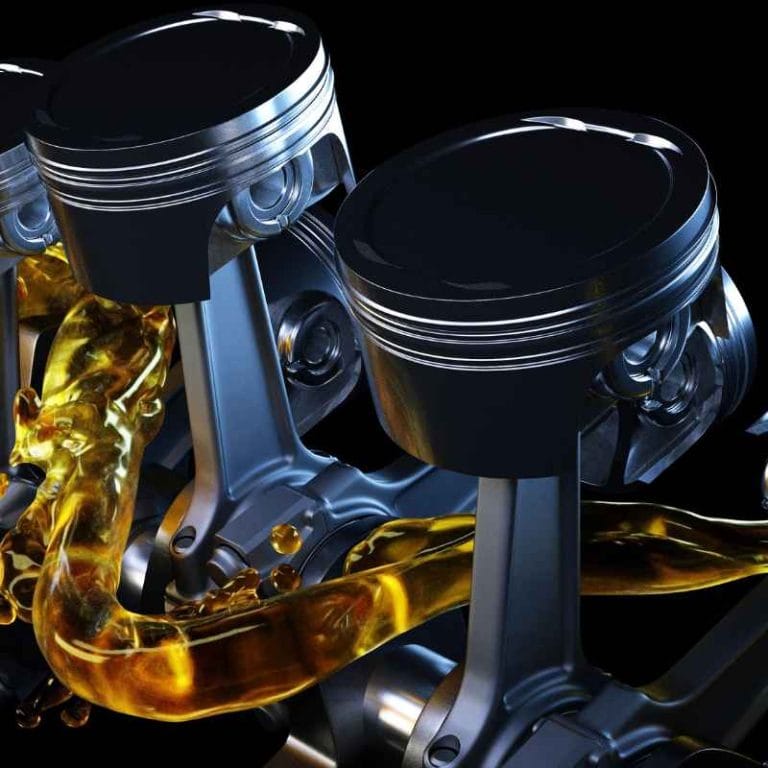
The engine oil acts like the lifeblood of your vehicle’s engine. It lubricates moving parts, reduces friction, and helps carry away heat. Without enough oil, the engine can overheat, parts can wear out quickly, and you might face a total engine failure.
Even a small drop in oil can increase wear by up to 30% over time. According to the American Automobile Association, about one in five cars on the road has a low or dirty oil level, which increases the risk of breakdowns. If you want your car to last and run smoothly, regular oil checks are non-negotiable.
When Should You Especially Check The Engine Oil Level
There are specific times when checking your oil is more urgent and important. Below are the situations and reasons, explained with practical details.
1. Before Long Trips
Any time you plan a long drive—such as a road trip, vacation, or business journey—check your oil. Long journeys put extra stress on your engine. If the oil is already low, driving hundreds of miles can quickly cause damage. Imagine heading out on a holiday, only to break down in the middle of nowhere because the engine seized up. This is a common scenario, especially for drivers who skip pre-trip checks.
Checking oil before a trip also gives you a chance to spot leaks or other issues early. If you discover a problem at home, you can fix it easily. If you discover it on the road, it might be expensive and inconvenient.
2. After The Oil Change
Many people believe they can relax after an oil change. In reality, it’s wise to check the oil level one to two days after the service. Why? Sometimes, a mechanic can underfill or overfill the oil. There’s also a small risk of leaks from a poorly seated oil filter or loose drain plug.
A quick check ensures the job was done right. If you notice oil is already low or see spots under your car, return to the mechanic immediately.
3. After Hard Driving Conditions
Heavy use, such as towing, racing, or mountain driving, puts extra demand on your engine and oil. High speeds and heavy loads can cause the engine to burn more oil. Checking the oil after these activities can help you spot any drop in level and top up if needed.
For example, if you tow a trailer up a steep hill, the engine works much harder than usual. Oil may break down faster or even leak under high pressure.
4. If You Notice Oil Spots Or Smells
Finding oil spots under your parked car or noticing a strong oil smell inside or outside the vehicle are strong warning signs. These could mean you have an oil leak. Checking your oil level right away can help you see how serious the leak is.
If the oil level is dropping quickly, you should get the car checked by a mechanic immediately. Ignoring leaks often leads to much bigger problems.
5. When The Oil Warning Light Comes On
Many cars have a low oil warning light on the dashboard. If this light turns on or blinks, stop the car as soon as it is safe. Check your oil level right away. Driving with low oil can cause engine damage in just a few minutes.
However, the oil light doesn’t always come on until the level is dangerously low. That’s why regular checks are better than waiting for the warning.
6. After The Engine Overheats
If your car overheats, always check the oil before driving again. Overheating can thin the oil or even cause it to burn away. Running the engine with overheated or too little oil can cause serious damage.
Sometimes the dipstick will show a lower level after overheating, even if it was fine before. Topping up the oil and getting the engine checked is a smart move.
7. After A Long Period Of Inactivity
If your car sits unused for weeks or months, oil can settle or leak out slowly. Before you start driving again, check the oil level. This is especially important if you store your car for winter or travel often.
Starting a car with low oil after a long rest can cause immediate wear, because the engine is dry. Always check and top up as needed before that first drive.
8. When Buying A Used Car
Before you buy a used car, always check the oil level and condition. Dirty, low, or milky oil can be a sign of poor maintenance or hidden engine problems.
A healthy car should have clean, amber-colored oil at the correct level. If the oil is very dark, gritty, or foamy, ask the seller about the maintenance history and consider a mechanic’s inspection.
9. During Extreme Temperatures
Both hot and cold weather affect engine oil. In very hot weather, oil can thin out and evaporate more easily. In freezing weather, oil can become thick and may not flow well, leading to poor lubrication at startup.
Extreme temperatures also increase the risk of leaks as gaskets and seals expand or contract. During summer heatwaves or winter cold snaps, check your oil more often than usual.
10. When You Hear Unusual Engine Noises
If you notice ticking, knocking, or rattling sounds from your engine, check the oil level immediately. These noises can be caused by low or dirty oil, which prevents smooth movement of engine parts.
Ignoring these sounds can lead to costly damage or even a complete engine failure. If the oil level is fine, but noises continue, see a mechanic soon.
11. If You Drive An Older Vehicle
Cars over 10 years old or with high mileage usually use more oil. Seals may wear out, and engines tend to burn oil faster as they age.
For older cars, check the oil every 1,000 to 2,000 miles, rather than waiting for the next oil change. This simple habit can prevent surprise breakdowns.
12. After Repairs Related To Oil System
If your car has had recent work on the engine, oil pan, gaskets, or oil filter, check the oil level after repairs. Sometimes, parts are not sealed correctly, and leaks can develop.
Always check the oil after getting your car back from the shop, especially if the repairs involved the oil system in any way.
13. When You Notice Reduced Engine Performance
If your car feels sluggish, struggles to accelerate, or you see a drop in fuel economy, low oil could be part of the problem. Oil helps reduce friction and allows the engine to run smoothly.
Checking and topping up the oil can sometimes restore normal performance. If the problem continues, further diagnosis may be needed.
14. If You Change Oil Brands Or Types
Switching to a new oil brand or viscosity can sometimes have unexpected effects. Some oils may be consumed faster by your particular engine, or they may react differently to temperature.
After changing oil type, check the level more often for the first few weeks to make sure everything is working as expected.
15. If You Drive Mostly Short Distances
Short trips, especially in city driving, don’t allow the engine to fully warm up. This can cause condensation and fuel to mix with the oil, thinning it out or causing sludge.
If you mostly drive under these conditions, check your oil more frequently. This will help you catch problems before they become serious.
How To Check Engine Oil Properly
Knowing when to check is only half the story. Doing it the right way gives more accurate results. Here’s a simple step-by-step guide:
- Park on level ground: If the car is on a slope, the reading might be wrong.
- Turn off the engine: Wait 5–10 minutes after stopping to let oil settle.
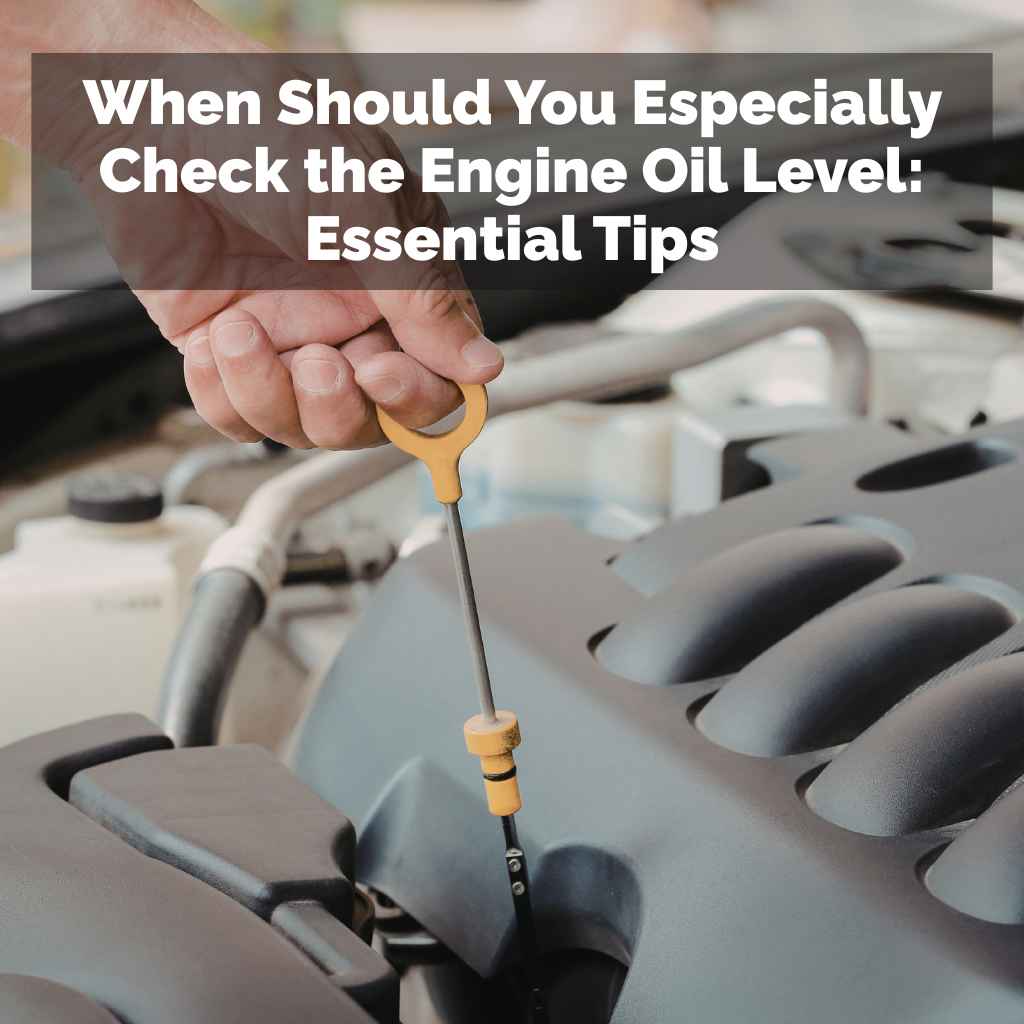
- Find the dipstick: Usually marked with a bright handle.
- Pull out and wipe: Remove the dipstick and wipe it clean with a cloth.
- Reinsert and remove again: Put it back fully, then pull out to check the level.
- Read the marks: Oil should be between the “Min” and “Max” marks.
- Check oil color: It should be amber or light brown. Very dark, thick, or milky oil is a warning sign.
Visual Guide: Oil Level Readings
Here’s a quick comparison of typical dipstick readings and what they mean:
| Dipstick Reading | What It Means | What To Do |
|---|---|---|
| Above Max Line | Overfilled | Drain to correct level |
| At Max Line | Perfect | No action needed |
| Between Min/Max | Acceptable | Monitor regularly |
| At or Below Min Line | Too Low | Add oil immediately |
How Often Should You Check Engine Oil?
Manufacturers usually recommend checking oil at least once a month. However, your needs may be different based on your driving habits, car age, and climate. In reality, checking every two weeks is safer, especially if you drive an older car or in tough conditions.
Comparison: Oil Check Frequency By Car Type
Here is a quick overview of how often different types of drivers should check their oil:
| Car/Driver Type | Suggested Frequency | Reason |
|---|---|---|
| New Car, Light Use | Monthly | Modern engines use less oil |
| Older Car (10+ years) | Every 2 weeks | Higher oil consumption |
| Heavy Towing/Hauling | After each trip | Extra engine stress |
| City Driving, Short Trips | Every 2 weeks | Oil breaks down faster |
| Extreme Weather | Weekly | Temperature affects oil |
Common Mistakes When Checking Engine Oil
Even experienced drivers sometimes make errors when checking oil. Here are some common mistakes and how to avoid them:
- Checking oil on a slope: Always use flat ground for an accurate reading.
- Not waiting after turning off engine: Oil needs a few minutes to settle.
- Using dirty dipstick: Always wipe it clean first for a clear reading.
- Ignoring oil color: Only checking level is not enough. Look at the color and thickness.
- Topping up too much: Overfilling can harm the engine as much as running low.
- Forgetting the oil cap: Always secure it tightly after adding oil.
What To Do If Oil Level Is Low
If you find your oil level is below the minimum:
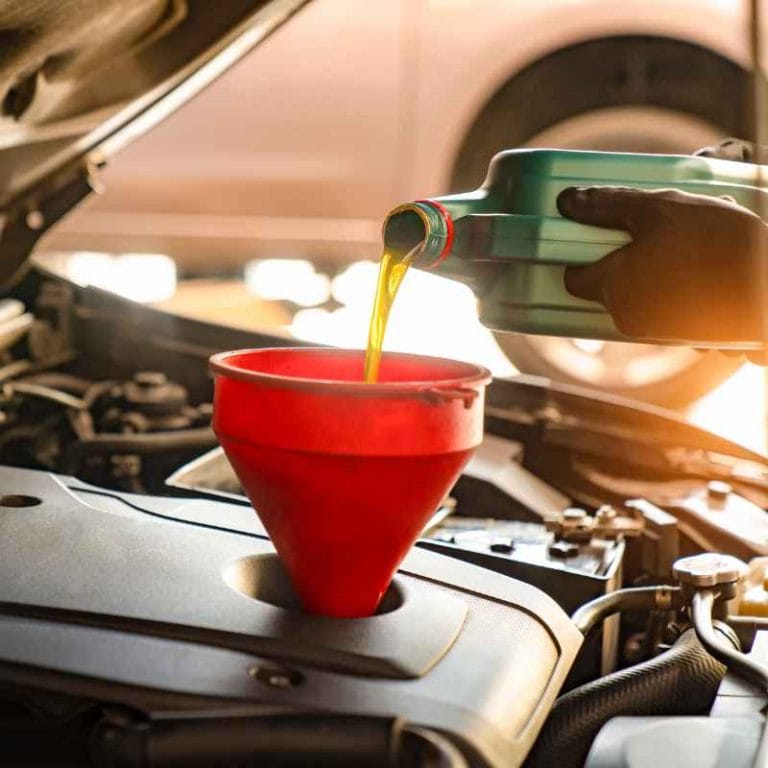
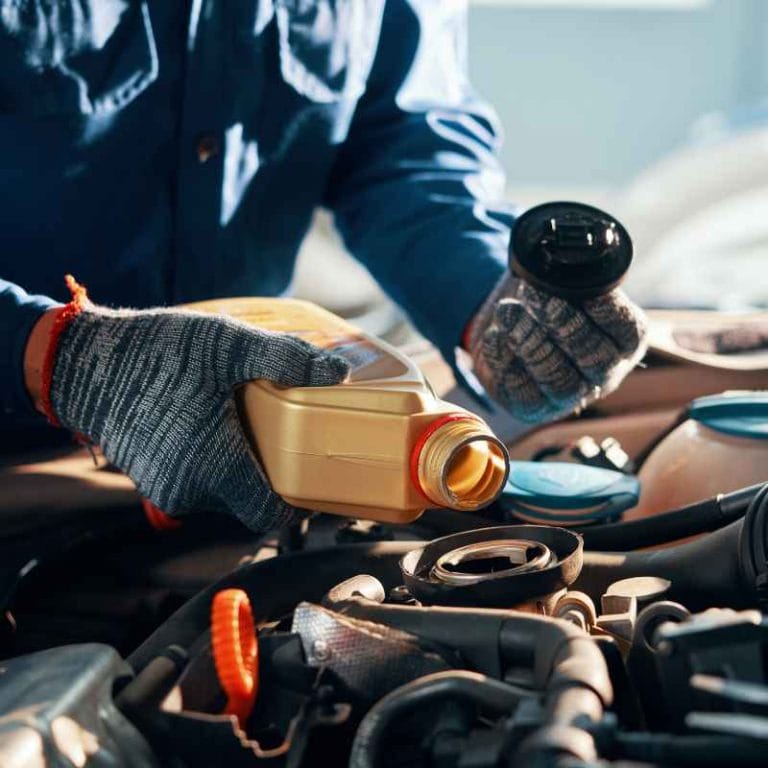
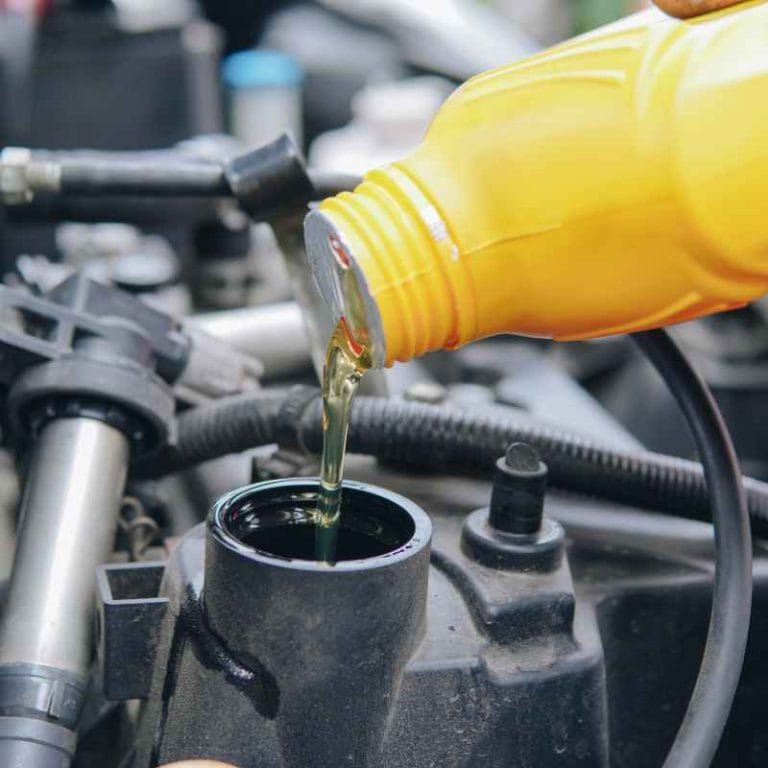
- Add the correct oil type: Use the grade recommended in your owner’s manual.
- Add slowly: Pour a little, wait, and check again. It’s easy to overfill.
- Check for leaks: If you need to top up often, look for leaks under your car or near the engine.
- Watch for warning signs: If the oil warning light stays on, or engine runs rough, see a mechanic.
The Hidden Dangers Of Skipping Oil Checks
Many car owners underestimate the risk of skipping oil checks. The damage isn’t always immediate. Small drops in oil level can slowly wear down the engine, causing poor performance, higher fuel usage, and eventually, expensive repairs. In the U.S., engine failure is one of the top 5 most costly car repairs, often caused by neglecting oil maintenance.
Another often-missed point: Sometimes, oil leaks only show up under high pressure or at high speeds. You may never notice a small leak unless you check your oil regularly.
Oil Level And Modern Technology
Modern cars sometimes have electronic sensors that show oil level on the dashboard. While these are helpful, they are not always 100% reliable. Dirt, faulty sensors, or software issues can give false readings. That’s why checking with the dipstick is still the gold standard.
Some luxury vehicles even remind you to check the oil after a certain number of miles or days. Don’t ignore these reminders—use them as a helpful nudge.
Two Non-obvious Insights Beginners Often Miss
- Oil Consumption Increases Over Time: Many beginners think that if their car never used oil before, it never will. But as engines age, even well-maintained cars begin to burn or leak small amounts of oil. Checking more often as your car ages is smart, not just for old clunkers.
- Oil Can Look Fine But Still Be Bad: Sometimes, oil looks clean and at the right level but has lost its ability to lubricate due to age or contamination. If it’s been a long time since your last oil change, don’t rely only on appearance—follow the recommended change intervals.
The Environmental Impact Of Oil Leaks
Oil leaks are not just a problem for your car—they’re a problem for the environment. Just one quart of leaked oil can pollute up to 250,000 gallons of water. Regular checks help prevent leaks from getting worse and stop pollution before it starts.
If you notice repeated low oil levels, find the source and fix it quickly. Not only does this protect your engine, but it also helps protect the planet.
When In Doubt, Ask A Professional
If you are ever unsure about your oil level, oil type, or notice unusual symptoms, don’t guess. Visit a trusted mechanic or use resources like your car’s manual. For more detailed technical information, you can also check sites like Wikipedia.
Frequently Asked Questions
How Do I Know Which Type Of Engine Oil To Use?
Check your owner’s manual for the recommended oil type and viscosity. Most cars use 5W-30 or 10W-40, but using the wrong type can cause damage or poor performance.
Can I Add Oil Without Changing It?
Yes, you can top up the oil if it’s low. But adding oil is not a substitute for a full oil change, which removes dirt and worn-out oil. Always follow the change intervals in your manual.
What Happens If I Overfill My Engine Oil?
Too much oil can create foam, reduce lubrication, and cause leaks or pressure problems. If you accidentally overfill, drain the extra oil as soon as possible.
Why Does My Car Use More Oil In Summer?
High temperatures can cause oil to thin and evaporate faster, or increase leaks from expanding seals. Check your oil more often during heatwaves and use oil with the correct viscosity.
Is It Bad To Check Oil Right After Driving?
Yes, because hot oil is still circulating and you may get a false reading. Wait at least 5–10 minutes after turning off the engine before checking the oil.
Caring for your car’s engine is one of the smartest investments you can make. By knowing exactly when to check the engine oil level, you can avoid many common problems and keep your vehicle running strong for years to come. Make it a habit, and your car—and your wallet—will thank you.
Related pick: Check today's price on Amazon
Products related to this article
Sponsored / affiliate links. As an Amazon Associate I earn from qualifying purchases. I may earn additional commission from eligible campaigns.
 ACROPIX Engine Oil Level Indicator Dipstick for Ford Fusion 2010-2012 for Ford Escape 2010-2012 for Ford Fusion 2006-2007 No.6E5Z6750AC Car Parts
 DongJinK Engine Oil Level Gage Dipstick Compatible with Toyota 4Runner 1984-1995 for Toyota Celica 1984-1985 for Toyota Pickup 1984-1995 Replace# 15301-35020 1530135020