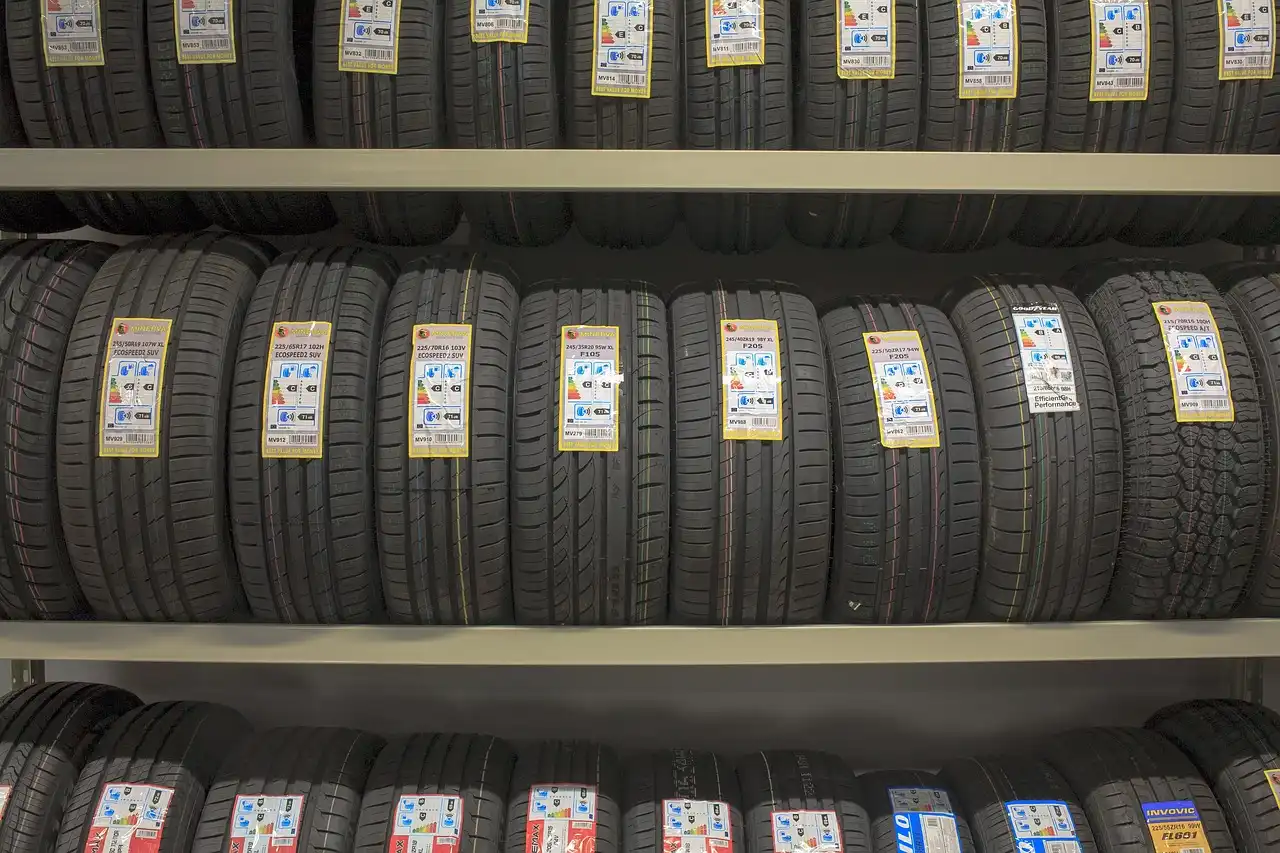
How to Keep Tires Healthy for Longer Life
Check tire pressure monthly, rotate tires every 5,000 to 7,500 miles, and replace them when tread reaches 2/32 inch or the sidewall shows age or damage. Skip those basics, and tread life drops, wet grip suffers, and uneven wear or failure becomes more likely. This guide covers the weekly, seasonal, and storage steps that keep tires safe and working longer.
Why tire life drops


Tire life falls for three main reasons: wear from driving, age from time, and damage from storage or road impacts. Those problems work together. A tire can lose tread from underinflation, lose grip from heat and weathering while parked, and lose structural strength after curb hits or overload.
Wear from driving
Underinflated tires create extra friction and wear out faster. Proper inflation can improve fuel economy and tire life. Overloading raises heat and pressure inside the tire, which also shortens service life. Hard cornering, repeated braking, and rough roads add more uneven wear.
Age from time and storage
Tires age even when they are not driven. Heat, sunlight, moisture, and ozone can harden rubber and weaken sidewalls over time. That matters for low-mileage cars, seasonal cars, and spare sets stored in a garage or shed.
Damage from load and road impacts
Wheel and suspension damage can show up as pull, shake, or fast wear on one edge of the tread. Alignment problems can cause the car to pull sideways. A pothole or curb impact can bend components enough to shift alignment or damage a tire casing.
Are your tires at the right pressure?
Check pressure monthly and always when tires are cold. Use the vehicle placard inside the driver’s side door jamb or the owner’s manual for the correct PSI. TPMS can warn you about low pressure, but it does not replace a manual gauge check.
Find the placard PSI
The tire-pressure reference point is the label inside the driver’s side door jamb. That label lists the pressure the vehicle maker expects for the stock tire size and load setup. Do not guess from the number molded on the tire sidewall; that is not the same as the vehicle’s target PSI.
A low-cost pressure gauge is worth keeping in the car or glove box. Set the pressure with the tires cold, before a drive warms the air inside them. That gives a stable reading.
Use TPMS as a warning, not the full check
TPMS detects low pressure in many modern vehicles and may show a warning light or real-time readings. It is useful, but it does not tell you whether all four tires match the placard PSI or whether one tire is drifting lower than the rest. Check manually anyway. (Wikipedia)
Say your sedan sits overnight and the left front tire reads 4 PSI low on a gauge, but TPMS has not lit yet. That tire is already carrying more flex and heat than the others, and that extra load can shorten tread life before the dashboard notices.
How can you slow uneven wear?
Rotate tires on the right interval, watch for alignment clues, and balance tires when vibration starts. Rotation moves wear across positions. Alignment fixes angle problems that scrub tread. Balancing reduces vibration and uneven tread wear, especially after tire service or at the first sign of shake.
Rotate on the right interval
Rotating tires every 5,000 to 8,000 miles helps balance wear. Many manufacturers recommend tire rotation intervals in the owner’s manual, and some vehicles need a different pattern or no rotation at all. Performance cars with staggered sizes may not be rotatable in the usual way.
Watch for alignment clues
Get wheel alignment checked after pothole or curb impacts. It is also worth checking when one edge wears faster, the steering wheel sits off-center, or the car pulls to one side. For city driving, alignment is often inspected roughly once a year.
Balance when vibration starts
Balanced tires reduce vibration and uneven tread wear. Balancing is often done with rotation, especially if the shop has the wheels off already. If the steering wheel shakes at speed or the seat vibrates, balance is one of the first checks.
A common first-timer mistake is to blame a shake on the front end alone. Suppose a compact car develops a 65-mph steering-wheel buzz after new tires are mounted. That points first to balancing, not alignment, because a pull problem and a vibration problem usually show up differently.
Tread depth and wear indicators
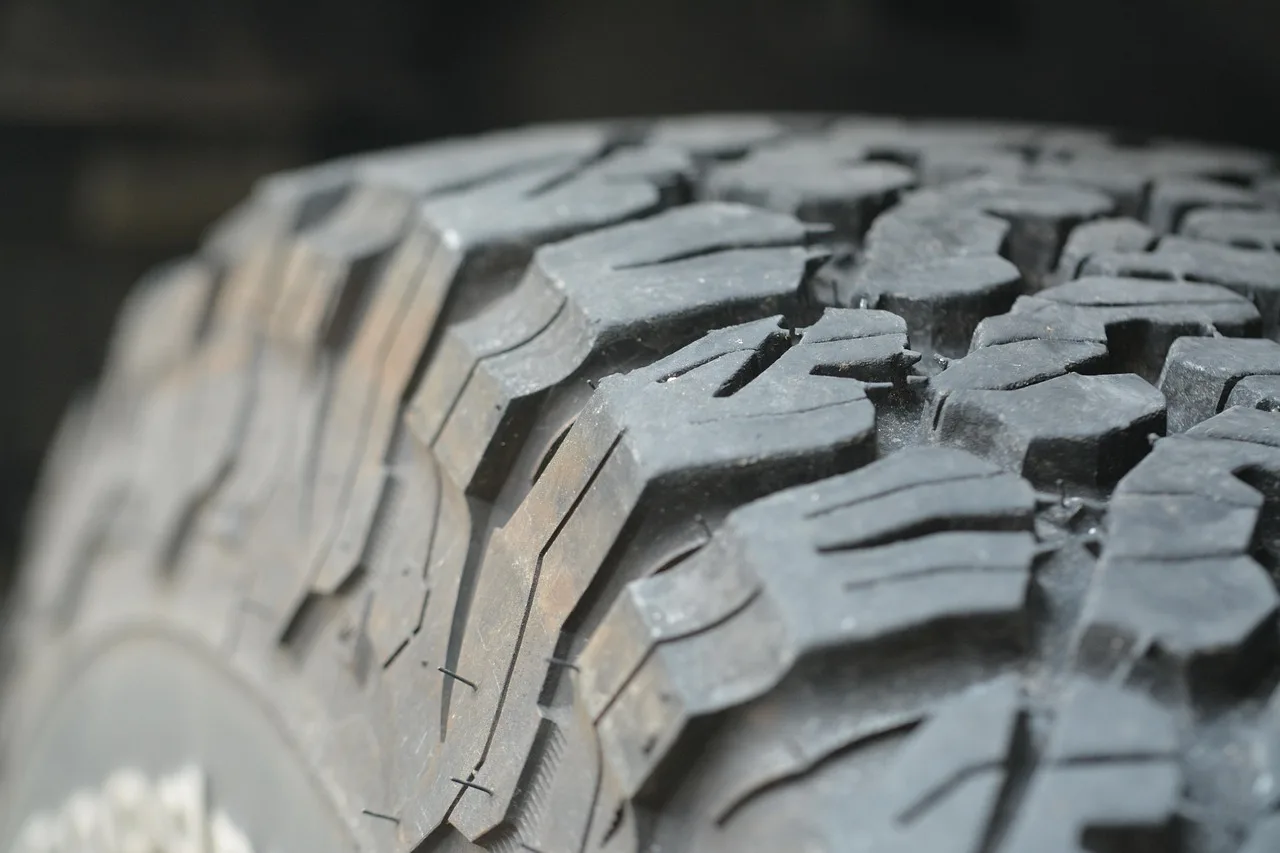
Most experts recommend replacement at 2/32 of an inch tread depth. Some drivers replace tires at 4/32 for extra wet-road safety. Use a coin test for a quick check, then look at the built-in wear bars and the sidewalls for damage.
Use the coin test
A coin test gives a fast read on tread depth when you do not have a gauge. Check several points across each tire, because shoulder wear and center wear can differ. A single bad spot matters, but a full tread-depth check tells you whether the tire is nearing its limit.
Read wear bars and visual damage
Tire wear indicators are built into the tread and signal when replacement is needed. Look for bars that sit flush with the tread surface, bulges, cuts, exposed cords, bald spots, and sidewall cracks. Those signs call for action even if the tire is not yet at 2/32.
| Task | Interval | Failure sign |
|---|---|---|
| Check tire pressure with a gauge when cold | Weekly | One tire is low, TPMS light is on, or the car feels vague in a straight line |
| Inspect tread, sidewalls, and wear bars | Monthly | Bald spots, bulges, cuts, cracks, or tread near 2/32 inch |
| Rotate tires | Every 5,000 to 8,000 miles | One axle wears faster than the other, or the owner’s manual calls for a different pattern |
| Check alignment and balance during service | Seasonal or after impact | Pulling, steering wheel offset, vibration, or feathered tread wear |
| Prepare tires for storage | Before long storage | Cracks, flat-spotting, pressure loss, or visible age marks after sitting |
| Escalate to alignment, balancing, or replacement | When symptoms appear | Persistent pull, repeat vibration, exposed cords, bulges, or tread at 2/32 inch |
How to store tires long term
Store tires in a cool, dry, dark place away from heat, sunlight, moisture, and ozone. For mounted tires, keep them inflated, clean, and off sharp edges. For loose sets, keep them stacked or hung in a stable position and seal them from dust and light.
Mounted tires versus loose sets
Mounted tires on wheels can be stored in a standing position or stacked flat if the surface is clean and level. Loose tires without wheels are usually best stored upright and turned occasionally, or stacked only if they are kept clean and protected from deformation. The goal is to prevent flat-spot damage and sidewall stress.
Heat, sunlight, moisture, and ozone
Heat and sunlight speed rubber aging. Moisture encourages corrosion on wheels and can weaken storage conditions. Ozone from electric motors, compressors, and some shop equipment can also attack rubber. Keep tires away from those sources whenever possible.
Pre-storage prep and storage position
Before storage, wash off brake dust, road salt, and grit, then dry the tires fully. Mark the tire positions if you plan to reinstall them in the same pattern. Inflate mounted tires to the placard PSI unless the vehicle manual says otherwise, and avoid storing them under load.
- Clean each tire and wheel thoroughly.
- Inspect for cuts, bulges, cracks, and embedded debris.
- Set mounted tires to the placard PSI when cold.
- Bag loose tires or cover them to block light and dust.
- Store them in a cool, dry, dark area away from ozone sources.
What else shortens tire life?
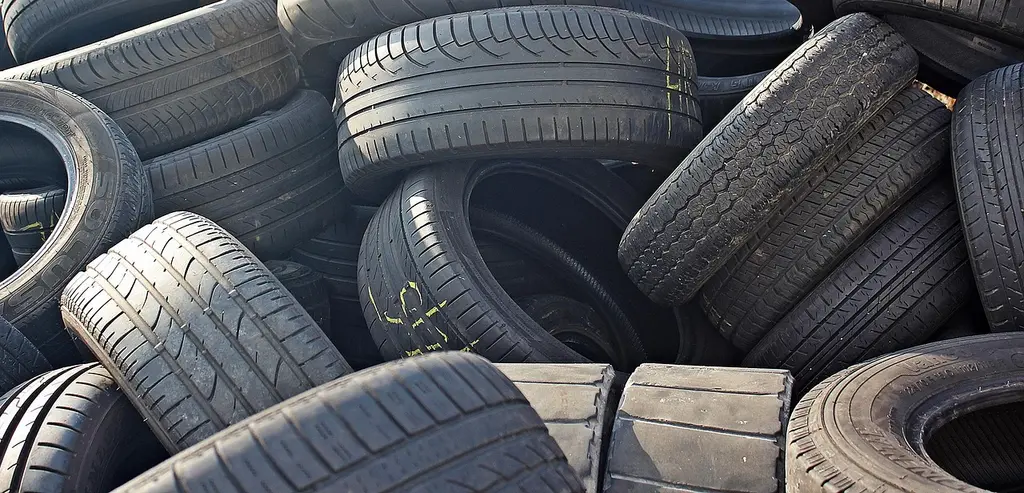
Load rating, climate fit, road damage, and driving style all affect how long tires last. A tire’s load rating is listed on its sidewall, and the vehicle load limit is in the manual. Tires also age faster when they do not match local weather or when impacts and overloads keep stressing the carcass.
Load rating and vehicle load limit
Load rating is listed on the sidewall. Use it with the vehicle’s load limit from the manual. Overloading increases heat and pressure inside the tire, which raises blowout risk. Spread cargo evenly so one corner does not carry more than the rest.
Choose tires for local weather
Tires should match local weather conditions. Cold-weather performance differs from summer tires, and the wrong type can wear badly or lose grip sooner than expected. A tire that fits the climate usually gives better traction and a longer useful life.
Driving style and road damage
Wide tires do not automatically make a car safer or longer-lasting. They may change handling feel, but they can also add rolling resistance and affect wear if the setup is not matched to the vehicle. The better move is to use the size and type the manufacturer intended unless a specialist setup is needed.
Picture a hatchback with winter tires that sits all summer in a driveway near a running compressor. Even with low mileage, sunlight, heat, and ozone can age the rubber. In that case, time and storage conditions, not tread use, become the main threat.
Frequently asked questions
How long are car tires good for?
Car tires can remain usable for several years, but tread depth, sidewall condition, storage, and climate matter as much as mileage. Car and Driver gives a typical tire lifespan of three to six years and up to 80,000 miles, but inspection still decides whether they are fit for service. (Caranddriver)
How long should good tires last?
Good tires last as long as they stay within tread, age, and damage limits. A tire may still look fine at 4/32, but some drivers replace there for wet-weather safety. Once you hit 2/32, or see cracks, bulges, or exposed cords, replacement is due.
How to store tires correctly
Clean them first, keep them dry, and block sunlight and ozone exposure. Mounted tires should stay inflated to the placard PSI unless the manual says otherwise. Loose tires should be stored upright or in a safe stack, away from heat, fuel vapors, and heavy loads.
How long can you keep tires?
You can keep tires only while the tread, sidewalls, and carcass remain sound. Time alone matters, though. Storage heat, ozone, and sunlight can age rubber faster than driving. Check the date code and inspect any tire that has sat unused for a long period.
Will wider tires improve handling?
Sometimes, but wider tires are not a general fix. They can change steering response and grip, yet they may also alter wear patterns, noise, and fuel use. Fitment has to match the vehicle’s wheel size, suspension, and intended load, or the tradeoff can work against tire life.
Products related to this article
Sponsored / affiliate links. As an Amazon Associate I earn from qualifying purchases. I may earn additional commission from eligible campaigns.