How To Check Car Engine Oil Properly (Step-By-Step Guide)
So, you’re wondering about checking your car’s engine oil. It’s one of those tasks that feels a bit technical, maybe even a little daunting, especially if you’re not used to tinkering under the hood. You might have heard it’s important, but not exactly why or how.
Maybe you’ve seen your car’s dashboard light blink on, or you just want to be proactive about keeping your car running smoothly. Whatever your reason, you’re in the right place. Let’s break down how to check your car’s engine oil properly.
It’s simpler than you think, and it’s a key part of keeping your car healthy.
Checking your car engine oil properly involves a few simple steps: ensure the engine is warm and off for a few minutes, locate the dipstick, pull it out, wipe it clean, reinsert it fully, pull it out again, and check the oil level against the markings. If it’s low, you’ll need to add the correct type of oil.
Understanding Your Engine Oil
Your car’s engine oil is like its lifeblood. It does a few super important jobs. First, it lubricates all the moving metal parts inside your engine.
Think of tiny metal pieces rubbing against each other very fast. Without oil, they’d grind themselves down, causing massive damage. Oil creates a slippery film between them.
Second, oil helps keep your engine cool. As it circulates, it picks up heat from the engine parts and carries it away to be cooled. It’s like a tiny, internal cooling system.
It also helps clean your engine. As it flows, it picks up dirt, grime, and metal bits. These bits get trapped in the oil filter, keeping your engine’s insides cleaner.
Finally, oil helps create a seal. It fills tiny gaps between parts like pistons and cylinders, which helps maintain compression and engine power. So, this simple liquid is doing a lot of heavy lifting!
Why is checking it so important? If your oil level gets too low, the oil can’t do its job properly. The moving parts won’t get enough lubrication. This leads to more friction, more heat, and can quickly cause serious, expensive damage.
Think of it like trying to run without drinking any water. Eventually, your body just can’t function.
Over time, oil also breaks down. It loses its ability to lubricate and protect. It can get dirty with combustion byproducts and tiny metal particles.
This is why we change the oil regularly. But even between changes, the level can drop due to minor leaks or the engine burning a small amount of oil.
Knowing how to check it yourself means you can catch these problems early. You can ensure your engine always has enough clean, healthy oil doing its vital work. It’s a small step that saves big headaches later.
My First Time Checking Oil
I remember my first time trying to check my car’s engine oil. I was probably in my early twenties, and my car, a trusty old sedan, was making a funny noise. My dad, who always knew these things, told me to check the oil.
I felt a wave of dread. It sounded complicated. I pictured myself fumbling with parts, maybe making things worse.
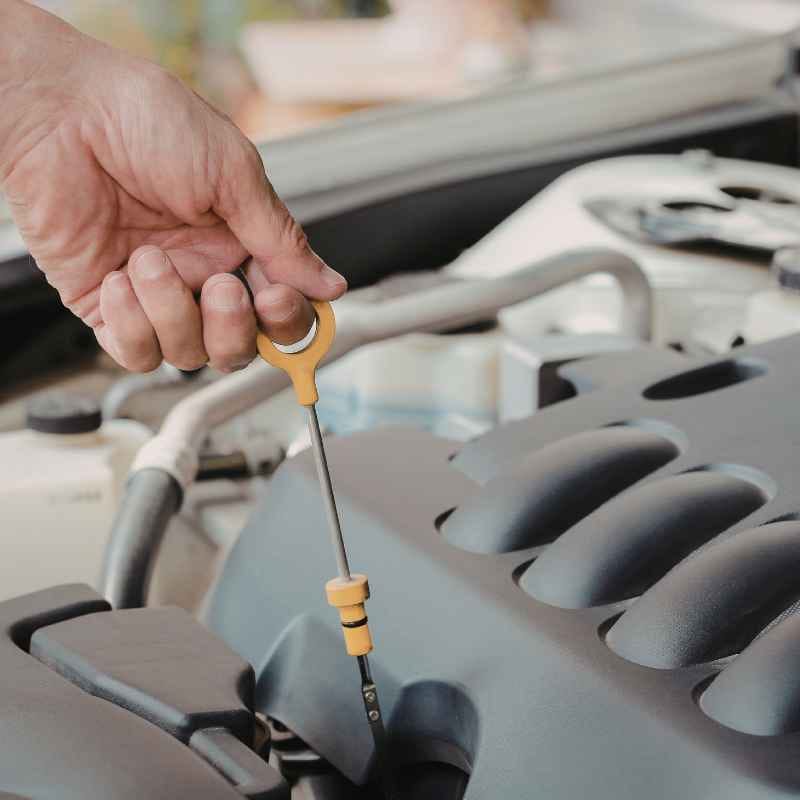
I walked out to the car, popped the hood (which was an adventure in itself – where was that lever?!), and stared at the maze of tubes and wires. Nothing looked like it should. Then, I spotted it: a bright yellow loop.
It had to be the dipstick, right? I grabbed it, pulled it out, and saw… goo. Brown, sludgy goo.
I had no idea if it was too much, too little, or just… wrong.
I wiped it off with a paper towel (feeling very unofficial) and then struggled to get it back in perfectly. Was it supposed to click? Did it go all the way?
My mind raced with worries. Was the noise because of this? Had I already done damage just by looking?
It was a moment of real beginner’s panic, a feeling of being completely out of my depth. But I kept at it, tried to follow what I’d seen someone else do once, and eventually got a reading that looked somewhere in the middle. It wasn’t perfect, but it was a start.
That feeling of slight accomplishment, mixed with lingering doubt, is what pushed me to learn more.
How to Check Your Car Engine Oil: The Step-by-Step Guide
Alright, let’s get this done. Checking your car’s oil is not a high-tech operation. You don’t need special tools.
Just a clean rag or paper towel and a few minutes of your time. Follow these steps, and you’ll be a pro in no time.
Preparing Your Car for an Oil Check
Engine Temperature Matters: For the most accurate reading, your engine should be warm, but not hot. This means driving your car for about 5-10 minutes. If it’s been sitting overnight, the oil will have all drained back into the oil pan, giving a different reading.
A warm engine allows the oil to circulate properly, mimicking normal operating conditions.
Park on a Level Surface: This is super important. If your car is parked on a slope, the oil will pool to one side of the oil pan. This will make your dipstick reading inaccurate.
Always find a flat, level spot to park. This ensures the oil settles evenly at the bottom.
Turn Off the Engine: Once you’re on a level surface and the engine is warm, turn it off. Wait for about 5 to 10 minutes. This gives the oil time to drain back down into the oil pan from the engine’s upper parts.
If you pull the dipstick too soon, you might get a falsely low reading.
Locating the Dipstick
Pop the hood of your car. Look for a brightly colored loop or handle, usually yellow or orange. This is your oil dipstick.
It’s often labeled with the word “OIL” or has an oil can symbol on it. If you can’t find it, check your car’s owner’s manual. It will show you exactly where it is.
It’s usually towards the front or middle of the engine area.
Pulling and Wiping the Dipstick
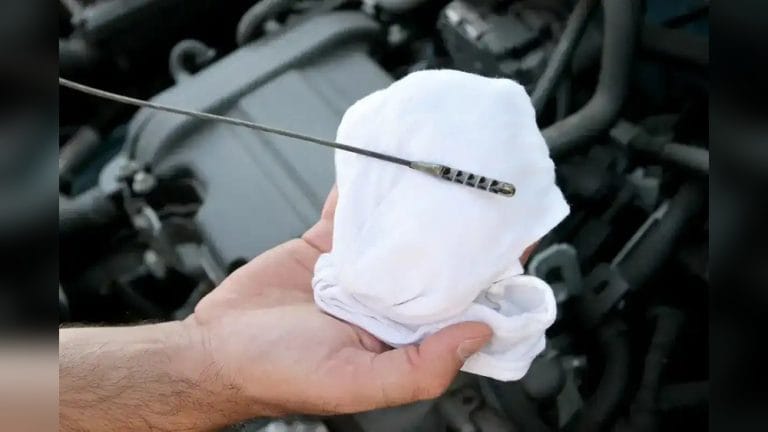
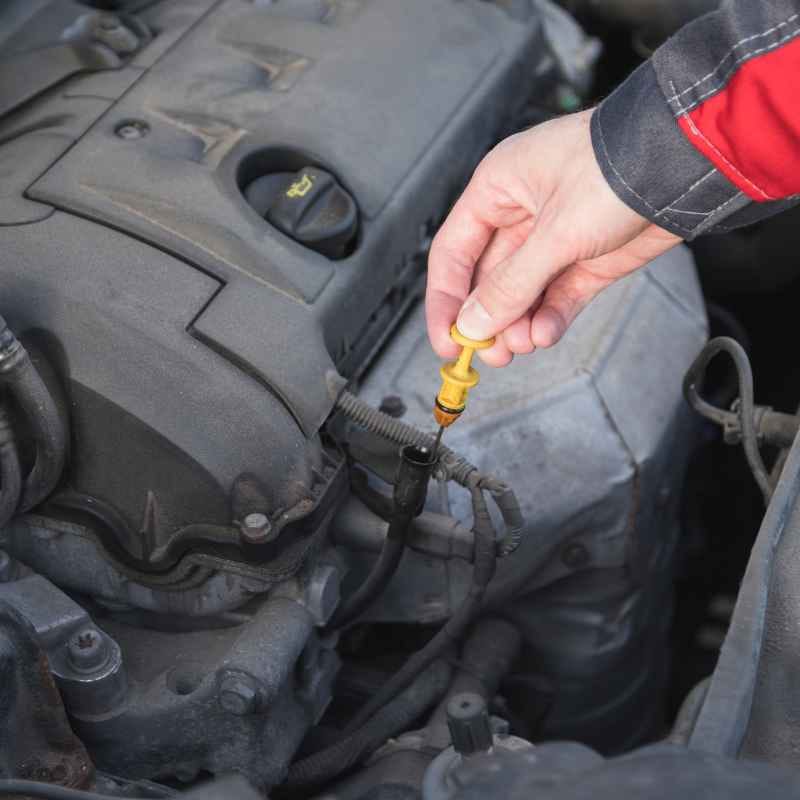
Once you’ve found the dipstick, grasp the handle firmly and pull it straight out. Be ready for a bit of oil to come with it. Take a clean rag or a few paper towels.
Wipe the entire length of the dipstick clean. You want to remove all the old oil so you can get a clear reading of the new oil level.
Reinserting the Dipstick
This step is critical for an accurate reading. With the dipstick wiped clean, push it all the way back into its tube. Make sure it’s fully seated.
Some dipsticks click when they’re fully in, others just slide in. Just ensure it’s all the way down.
Reading the Oil Level
Now, pull the dipstick out again, slowly and carefully. Hold it horizontally so the oil doesn’t run. Look at the very end of the dipstick.
You’ll see markings. These usually look like two dots, two small holes, or two lines. There’s often a range marked between “ADD” or “MIN” and “FULL” or “MAX”.
The oil film on the dipstick should be between these two marks. Ideally, the oil level should be right at or very close to the “FULL” or “MAX” mark. If it’s below the “ADD” or “MIN” mark, your oil is too low.
What the Oil Looks Like
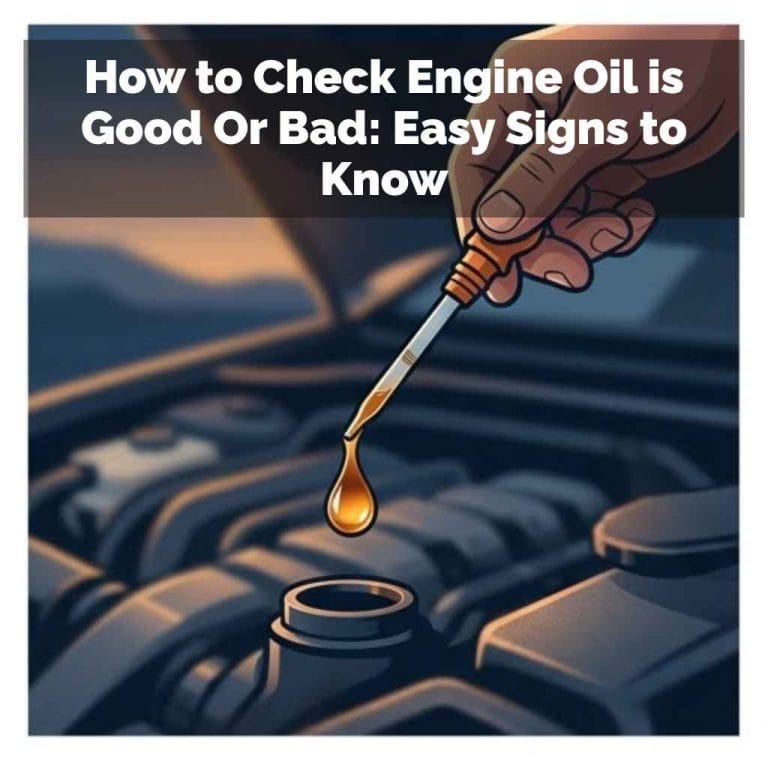
Color: Fresh engine oil is typically amber or light brown. As it gets used, it darkens. Dark brown or black oil is normal.
However, if you see milky or foamy oil, this could indicate a problem, like coolant leaking into the oil. This needs immediate attention.
Consistency: The oil should feel slick between your fingers. If it feels gritty or thick like sludge, it’s old and needs to be changed. Very thin or watery oil could also be a sign of an issue.
Adding Engine Oil (If Needed)
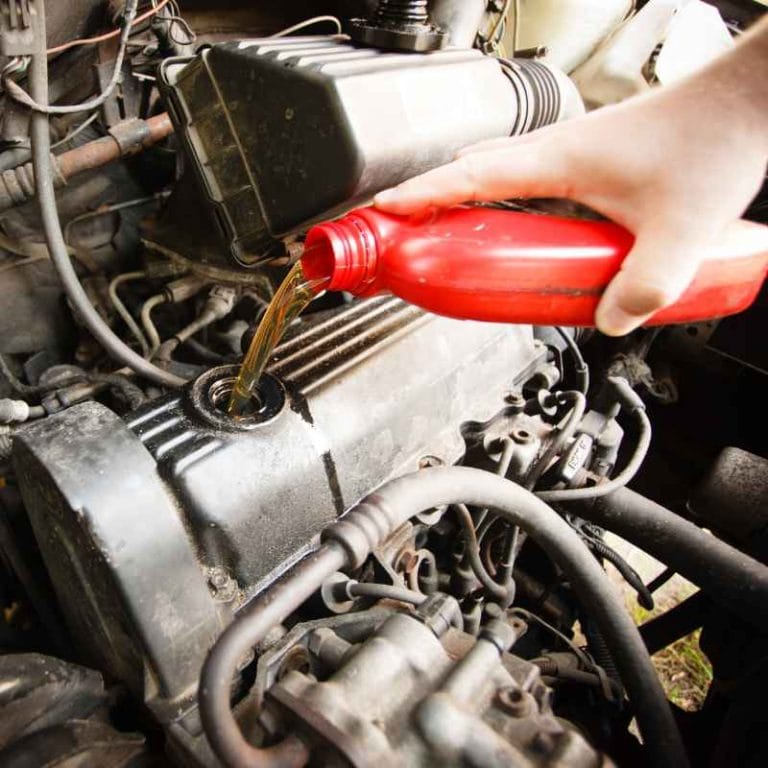
If your dipstick shows the oil level is low (below the “ADD” or “MIN” mark), you need to add more. First, find the oil fill cap. It’s usually on top of the engine and might have the oil can symbol on it or say “OIL.” Never add oil through the dipstick tube!
Use the Right Oil: This is crucial. Your car’s owner’s manual will tell you the specific type of oil your car needs. This includes the viscosity grade (like 5W-30) and the oil specification (like API SN or Dexos).
Using the wrong oil can harm your engine. If you’re unsure, consult your manual or a mechanic.
Add Small Amounts: Start by adding just a small amount of oil, like half a quart (or half a liter). Wait a minute or two, then check the dipstick again. Repeat this process, checking the dipstick after each addition, until the oil level reaches the “FULL” or “MAX” mark.
It’s much easier to add oil than to remove it if you overfill.
Overfilling is Bad: Adding too much oil can be just as damaging as having too little. Excess oil can cause the crankshaft to churn the oil into foam, reducing its lubricating ability. It can also lead to increased oil pressure, which can blow out seals and gaskets.
When to Check Your Engine Oil
There’s no single answer for everyone, but here are some good times to check your oil:
Regular Oil Check Schedule
Monthly Check: Most car manufacturers and mechanics recommend checking your oil at least once a month. This is a good habit for general maintenance.
Before Long Trips: If you’re planning a road trip, especially a long one, check your oil before you leave. This ensures your car is ready for extended driving.
After Oil Changes: Always check the oil level right after you or your mechanic has changed the oil. Make sure it’s filled to the correct level.
If a Dashboard Light Comes On: If your car’s oil pressure warning light (often looks like an oil can) or oil level light illuminates, check your oil immediately. This is a serious warning.
If You Notice Leaks: If you see oil spots under your parked car, check your oil level. There might be a leak.
Signs Your Engine Oil Might Be Low
Sometimes, your car will give you hints that the oil level is low, even before the warning light comes on. Paying attention to these signs can save your engine.
Common Indicators of Low Engine Oil
Oil Pressure Warning Light: This is the most serious sign. It means your oil is too low to maintain proper engine lubrication. Stop driving as soon as it’s safe to do so and check your oil.
Strange Noises: Low oil can cause engine parts to grind or knock because they aren’t lubricated. You might hear ticking, knocking, or rumbling sounds, especially when the engine is under load.
Burning Smell: If oil is leaking onto hot engine parts, it can create a burning smell. This could indicate a leak and low oil levels.
Smoke from the Exhaust: If oil is getting into the combustion chamber, it can cause blue smoke to come from your exhaust pipe. This is a sign the engine is burning oil.
Decreased Performance: An engine low on oil might feel sluggish, less powerful, or less responsive. This is because the engine is working harder with less lubrication.
The Importance of the Right Oil Type
We touched on this, but it’s worth repeating because it’s so important. Using the correct type of engine oil is vital for your car’s health. Think of it like giving a specific medicine to a patient; the wrong one can do more harm than good.
Viscosity Grade: This is the number you see on the oil bottle, like 5W-30. The “W” stands for winter. The first number (5) tells you how well the oil flows when it’s cold.
A lower number means it flows better in cold temperatures. The second number (30) tells you how well it flows when the engine is hot. A higher number means it’s thicker when hot.
Your car’s manufacturer recommends a specific viscosity grade based on the engine design and the typical temperatures it will operate in. Using oil that’s too thick in cold weather can make it hard for the engine to start and lubricate properly. Using oil that’s too thin when hot might not provide enough protection.
Oil Specifications: Beyond viscosity, oils also meet certain performance standards, like those set by the American Petroleum Institute (API) or specific car manufacturers (like GM’s Dexos). These standards ensure the oil has the right additives for cleaning, anti-wear, and protection against oxidation and sludge. Always look for the recommended API service category or manufacturer approval on the oil bottle.
Where to Find This Information: Your car’s owner’s manual is the best source. Look in the maintenance or specifications section. If you can’t find it, your local mechanic or dealership can tell you.
Oil Additives: What They Do
Detergents: These keep engine parts clean by preventing deposits and removing existing sludge.
Dispersants: They keep dirt and soot suspended in the oil so they don’t clump together and form sludge.
Anti-wear agents: These form a protective layer on metal surfaces to reduce friction and wear.
Antioxidants: They slow down the process of oil breakdown, which is caused by heat and oxygen.
Viscosity Index Improvers: These help the oil maintain its thickness over a wider range of temperatures.
What If You Overfill the Oil?
It happens. You’re adding oil, and you get distracted, or you just add a bit too much. While it’s usually better to be slightly over than significantly under, overfilling can cause problems.
As mentioned, too much oil can cause the crankshaft to whip the oil into a froth. This foamy oil doesn’t lubricate well. It can also lead to increased oil pressure, which can damage seals and gaskets over time, causing leaks.
What to do: If you’ve slightly overfilled, and it’s just a tiny bit above the “MAX” line, you might be okay. Keep a close eye on it and check for any new leaks or strange noises. If you’ve significantly overfilled, the safest bet is to remove the excess oil.
You can do this by carefully draining some oil from the oil drain plug at the bottom of the engine. If you’re not comfortable doing this, take it to a mechanic. They can quickly drain out the extra oil for you.
Checking Oil in Different Car Types
While the basic steps for checking engine oil are the same for most cars, trucks, and SUVs, there can be slight variations:
Variations in Oil Checks
Hybrid Cars: Hybrids often have smaller gasoline engines that are used less frequently than in a traditional car. They still require oil checks, but you might find the dipstick in a slightly different spot. Some hybrids also use specialized synthetic oils.
Electric Cars: Pure electric vehicles (EVs) do not have internal combustion engines and therefore do not use engine oil. They have different fluid systems (like for transmissions or cooling), but no engine oil to check.
Older Cars: Older vehicles might have dipsticks that are harder to read or less clearly marked. They might also be more prone to oil leaks or burning oil.
Performance/Luxury Cars: Some high-performance or luxury vehicles might not have a traditional dipstick at all. Instead, they rely on electronic oil level sensors that you check through the car’s dashboard computer or infotainment system. These systems are usually quite sophisticated and will prompt you if the oil level is low.
Maintaining Your Engine’s Health Beyond Oil Checks
Checking your oil is a crucial part of car maintenance, but it’s not the only thing. Keeping your engine in good shape involves a few other key practices:
Comprehensive Engine Care
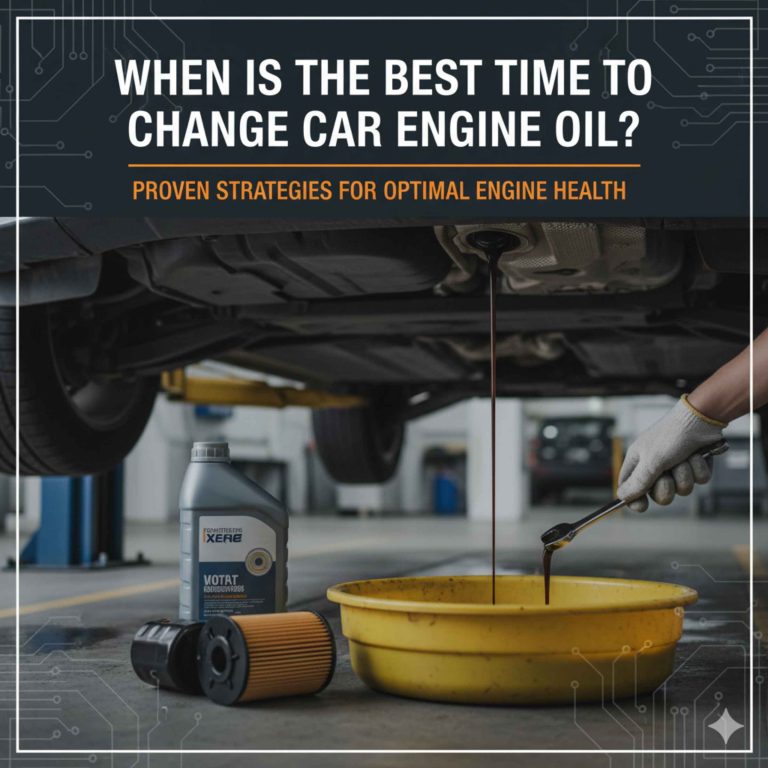
Regular Oil Changes: Follow your car’s recommended schedule for oil changes. This usually involves changing the oil and oil filter. The interval depends on your car, the type of oil used (conventional vs.
synthetic), and your driving habits. Consult your owner’s manual.
Check Other Fluids: Don’t forget about other vital fluids like coolant, brake fluid, power steering fluid, and windshield washer fluid. Each plays a critical role in your car’s operation and safety.
Air Filter: A clean air filter is important for engine performance and fuel efficiency. It ensures your engine gets enough clean air to mix with fuel.
Tire Pressure: Properly inflated tires improve fuel economy, handling, and safety. Check your tire pressure regularly.
Listen to Your Car: Pay attention to any new sounds, smells, or changes in how your car drives. These can be early warnings of problems.
Frequently Asked Questions
How often should I check my car’s engine oil?
It’s a good idea to check your engine oil at least once a month. You should also check it before going on a long road trip or if you notice any warning lights on your dashboard.
What does the oil light on my dashboard mean?
The oil light, often shaped like an oil can, is usually an oil pressure warning light. If it comes on, it means your engine oil pressure is too low. This is a serious issue that can cause significant engine damage.
You should stop driving as soon as it is safe and check your oil level immediately.
Can I use a different type of oil than what’s recommended?
It’s best to always use the type of oil recommended by your car’s manufacturer in the owner’s manual. Using the wrong type, especially a different viscosity grade or specification, can reduce engine performance, fuel efficiency, and even cause damage over time.
Is it bad if my oil is black?
Engine oil naturally darkens as it ages and collects dirt and combustion byproducts. Black oil is usually normal and indicates the oil is doing its job cleaning the engine. However, if the oil is black and also feels gritty or sludgy, or if you see milky or foamy oil, it’s a sign the oil needs to be changed or there might be a more serious problem.
What happens if I don’t check my oil?
If you don’t check your oil, you risk running your engine with too little oil. This can lead to increased friction, overheating, and severe wear on engine parts. Eventually, this can cause major engine failure, which is very expensive to repair or replace.
It’s one of the simplest yet most critical maintenance checks.
How do I know if my car uses oil?
Some cars naturally consume a small amount of oil as part of their normal operation. You might notice the oil level drop slightly between oil changes. If you frequently need to add oil, or if you see blue smoke from the exhaust, a burning smell, or low oil pressure warnings, your car might be consuming oil at an abnormal rate, indicating a potential leak or internal engine issue.
Conclusion
Taking a few minutes to check your car’s engine oil is a small habit that offers huge rewards. It’s about protecting your investment and ensuring your car reliably gets you where you need to go. You now know the exact steps to get an accurate reading, what to look for, and why it all matters.
Keep up with this simple check, and your engine will thank you with miles of smooth, trouble-free driving.
},
},
},
},
},
}
]
}