How to Prepare a Car for Summer Heat
Prepare a car for summer heat by checking coolant, battery, tires, A/C, and belts before temperatures reach about 90°F; fix any overheating, leaks, or weak battery signs before a long drive. Missed heat issues can leave you stranded, cook a battery, warp an engine, or turn a road trip into a tow bill. This guide ranks the checks by urgency, flags warning signs that need immediate action, and separates DIY inspection from shop-only testing.
Check cooling, battery, tires, and fluids for heat


Heat presses every weak part harder. Cooling problems come first because the system must shed more heat at idle and in traffic; common hot-weather causes include low coolant, a weak radiator cap, clogged radiator fins, a failing fan, a stuck thermostat, and a worn water pump. Battery wear follows because heat speeds chemical breakdown. Tire pressure shifts with temperature, and low or overinflated tires can fail fast on hot pavement. Fluids thin, evaporate, or break down faster in heat, so a quick check before daily driving is worth doing.
Cooling system first
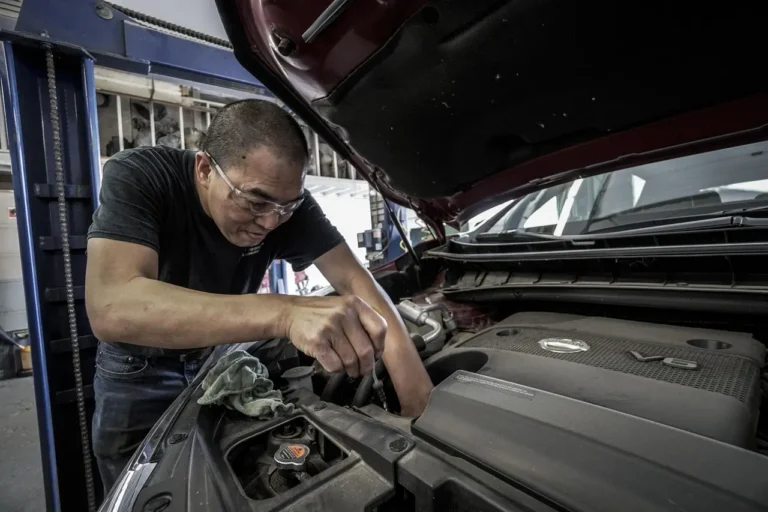
The cooling system is often one of the first checks because it helps protect the engine from rapid overheating in traffic, on grades, and during long idle periods. Start with coolant level and condition, then inspect hoses, belts, radiator fins, and the thermostat area for leaks or damage. A stuck-closed thermostat can cause rapid overheating, and NHTSA advises that a rising temperature gauge, steam, or a hot smell means you should pull over, shut the engine off, and let it cool before opening anything under the hood. NHTSA guidance and OEM manuals generally treat active overheating as a do-not-drive condition.
DIY checks
Check coolant only when the engine is cool. The reservoir should sit between the marked minimum and maximum lines, and the coolant should look clean, not rusty or sludged. Inspect hoses for soft spots, cracks, and swelling. Look at the drive belt for glazing, fraying, or missing ribs. Check the radiator face for leaves, bugs, and bent fins that can block airflow. If the vehicle has an electric fan, confirm it comes on when the engine reaches operating temperature or the A/C is turned on, as specified by the vehicle-specific maintenance specs.
Shop-only tests
A pressure test belongs in a shop if the coolant keeps dropping, the heater output changes, or you see dried coolant around clamps, the radiator, or the water pump area. A pressure test can reveal leaks that a visual check misses. If the gauge climbs toward hot in traffic, stop driving before damage spreads. OEM service information and major radiator makers recommend professional diagnosis for repeated overheating, because weak caps, failing water pumps, and clogged passages often show up only under system pressure.
Do-not-drive signs
If the temperature warning light comes on, steam appears from the hood, coolant is spraying, or the gauge moves into the hot zone and stays there, pull over and stop the engine. Do not remove the radiator cap while hot. If the engine keeps overheating after it cools, arrange a tow instead of trying to “make it home.”
Tire pressure and wear
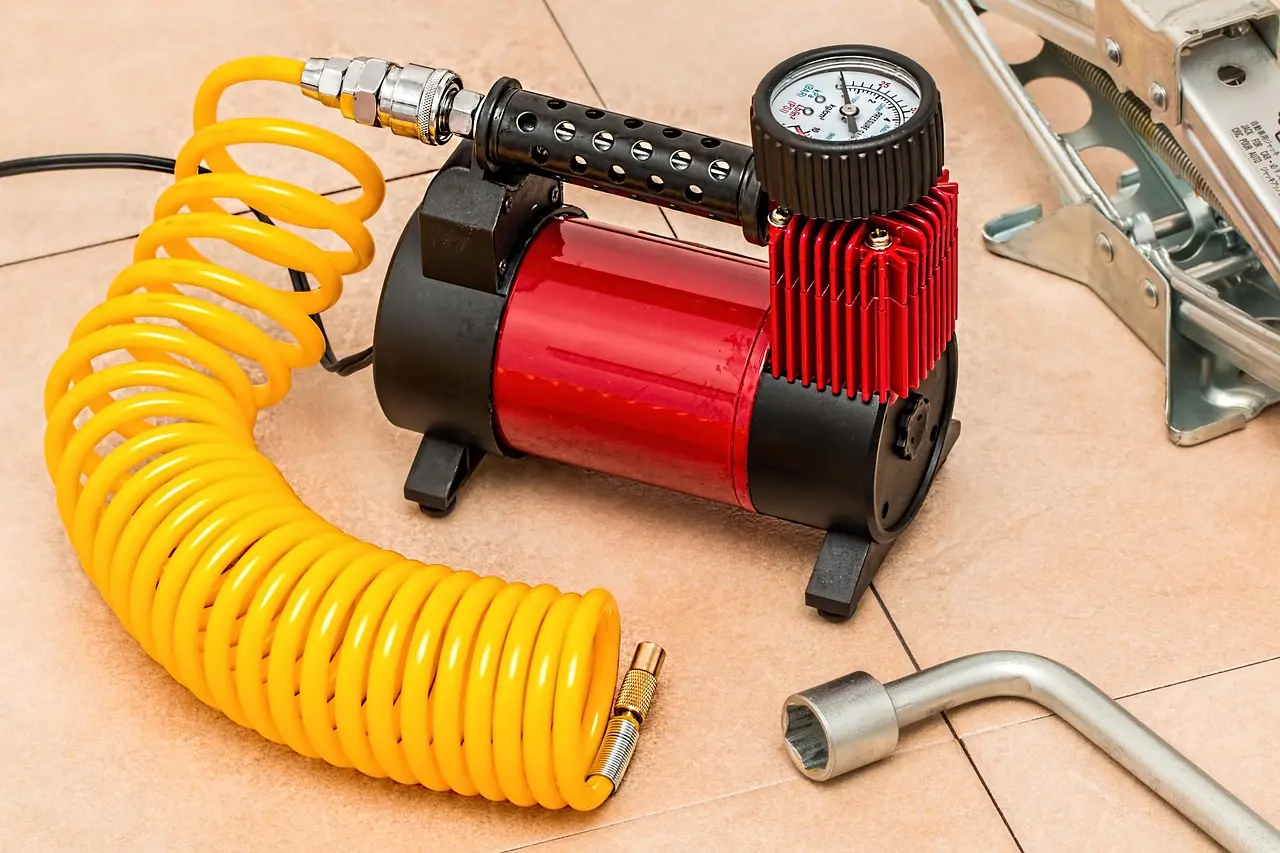
Check tire pressure at least once every month, and again before a long summer drive. Tire pressure changes about 1 PSI for every 10°F change in temperature, so a tire that was fine on a cool morning can read different later in the day. Use the manufacturer recommendation on the door-jamb placard, not the number molded into the sidewall. Tire makers such as Michelin, Bridgestone, and Goodyear all note that proper inflation is one of the biggest defenses against heat-related tire failure.
Overinflated tires can move into the danger zone in summer heat. Underinflated tires build heat too, which raises blowout risk. The highest-risk segments are underinflated tires, overloaded tires, old or cracked tires, and tires with damaged sidewalls. Inspect sidewalls for cracking or bulging, and look for uneven wear that points to alignment or inflation trouble. A common first-timer mistake is topping off all four tires to the same number without checking the placard first.
DIY checks: say your sedan shows 34
Say your sedan shows 34 PSI in the morning and the placard calls for 35 PSI cold. Add air in small steps of 1 PSI, then recheck. If one tire is 4 to 5 PSI lower than the others, find the cause before you leave. A tire with a bulge, deep crack, or sidewall split should not go on a long hot drive. Check tread depth and make sure the vehicle is not carrying more weight than the tire placard or load label allows.
Shop-only tests: if wear is uneven
If wear is uneven, the steering wheel shakes, or the car pulls to one side, a shop should check alignment, balance, and possible suspension issues. If a tire has cord showing, sidewall damage, or repeated pressure loss, replacement is the safe path. Tire makers and OEM owner manuals commonly treat visible sidewall damage as a replacement issue, not a repair-and-continue item.
Does heat kill car batteries faster?
Yes. Heat can speed battery wear more than cold, and it can dry out electrolyte in some batteries while weakening charging performance. AAA, battery makers, and OEM service guides commonly note that hot-weather aging can be as damaging as winter starting stress. Check the battery early in the season, especially if it is 3–4 years old. Corrosion on the terminals, slow cranking, or dim starting behavior means the battery needs attention before hot weather exposes the weakness.
DIY checks: look for white or blue-green
Look for white or blue-green corrosion on the terminals and make sure the connections are tight. Check the hold-down so the battery does not move. If the case is swollen, cracked, or leaking, stop using the car until it is replaced. Weak charging can show up as slow starts after short trips. A battery that has been repeatedly jump-started should be treated as suspect even if it still starts the car.
Shop-only tests: a load test
A load test is a shop check. It shows whether the battery can hold voltage under demand, which a quick glance cannot confirm. If the car starts normally in the morning but hesitates after a hot soak, have charging output checked too. Heat can hide a failing battery until the first heavy summer use.
What fluids should you check before summer driving?
Check engine oil, transmission fluid, brake fluid, and power steering fluid before summer driving. Heat can cause evaporation of car fluids and overheating damage, and some fluids degrade faster when the engine bay stays hot. Dark color, low level, or a burnt smell means the fluid needs closer inspection or service. Brake-fluid moisture contamination is especially important because moisture lowers boiling point and can make the pedal feel soft during repeated hard stops; OEM service manuals and major brake-fluid makers warn to service it on schedule rather than wait for symptoms.
DIY checks: engine oil should be within
Engine oil should be within the marked range on the dipstick or electronic display. Transmission fluid that smells burnt or looks very dark can point to heat stress. Brake fluid should stay clear to amber, not muddy or dark. Low power steering fluid can show up as noise or harder steering. Check for wet spots around the master cylinder, lines, and reservoirs. If your vehicle uses sealed systems or electronic oil-life monitoring, follow the manual rather than guessing at intervals.
Shop-only tests: if a fluid level keeps
If a fluid level keeps dropping, if brake fluid looks dark, or if the steering or transmission feels different after the car heats up, a shop should inspect for leaks, contamination, or component wear. Brake-fluid moisture testing and complete flush intervals belong in service documentation, not guesswork. If the engine oil warning light comes on, stop driving as soon as it is safe to do so.
Air conditioning and cabin checks
Inspect the air conditioning system before the first heat wave so weak cooling does not leave you stuck in a hot cabin. Low refrigerant, a failing compressor, a clogged condenser, or a faulty blend door actuator can all cut cooling performance. Also check wiper blades and a windshield sunshade, since summer storms and parked heat both reduce visibility and cabin comfort. If cooling is weak, if the system cycles oddly, if it struggles at hot idle, or if there is a musty smell from the vents, it is smart to service the system before summer gets underway.
DIY checks: start the car, set A/C
Start the car, set A/C to max cold, and confirm that vent air gets cool within a few minutes. If one side blows warm while the other is cool, the blend door may be stuck. If airflow is weak, inspect the cabin filter if your vehicle has one. Replace cracked or streaking wiper blades before storm season.
Shop-only checks
If the A/C blows warm air at idle, cycles oddly, loses cooling on hotter days, or smells musty, a technician should check refrigerant charge, compressor operation, cabin-filter condition, evaporator drainage, and condenser airflow. Do not keep adding guesswork. Refrigerant work requires the right equipment, and a clogged condenser or actuator fault needs proper diagnosis before more parts are replaced. OEM service manuals and major A/C service documentation also caution against overcharging or using the wrong refrigerant oil.
Summer heat readiness checklist
| Item | Safe range or condition | Warning sign | Action needed |
|---|---|---|---|
| Cooling system | Coolant between marks; hoses and belts intact; radiator clean | Low coolant, overheating gauge, wet leaks, stuck-closed thermostat symptoms | Top up only when cool; schedule pressure test or cooling-system service |
| Battery | Clean terminals; cranks strongly; battery under 3–4 years old or load-tested | Corrosion, slow crank, swollen case, weak charging | Clean terminals; have a shop perform a load test |
| Tires | Cold PSI matches door-jamb placard; sidewalls smooth | About 1 PSI per 10°F rise pushing pressure too high, bulging, cracking, uneven wear | Adjust to placard pressure; replace damaged tires before driving far |
| Fluids | Correct level; normal color; no burnt smell | Low level, dark fluid, or burnt odor | Top up if allowed; inspect for leaks or heat damage |
| Air conditioning | Cold air at vents, steady airflow, quick cooldown | Warm air, poor airflow, compressor noise, uneven temp | Have a shop diagnose refrigerant, compressor, condenser, or blend door faults |
| Do not drive | Only if all systems stay in the safe range | Overheating, bulging tire, or weak charging | Pull over, stop the engine if needed, and arrange a tow or repair |
Common mistakes
Waiting for the first hot day is the biggest mistake. That is when weak hoses, tired batteries, and low coolant show up at the worst time. Check the car before the heat wave, not after it starts. A second mistake is checking tires once and forgetting them for the rest of the season.
Do not skip the owner’s manual. It lists the correct pressure, service intervals, and vehicle-specific maintenance specs. Also avoid driving past warning signs. A hot engine, bulging tire, or weak charging system is not a “see how it goes” problem. It is a stop-and-check problem.
Frequently asked questions
How do I prepare my car for summer heat?
Check the cooling system first, then battery, tires, fluids, and A/C before hot weather starts. Use the owner’s manual for the right tire pressure and service intervals. If any gauge climbs, a tire bulges, or the battery cranks slowly, fix that before a long trip.
What should I check before driving in extreme heat?
Check coolant level, tire pressure, battery condition, fluid levels, and A/C output before extreme heat driving. Make sure the tires match the placard pressure when cold. If the temperature gauge rises above normal or the cabin will not cool, delay the trip until the problem is solved.
How do I keep my car cool in summer?
Use a windshield sunshade when parked, park in shade when you can, and keep the cooling system in good shape. Clear the condenser area of debris, replace weak wiper blades, and confirm the A/C cools before the first heat wave. Good airflow and proper fluid levels matter most.
How often should I check tire pressure in summer?
Check tire pressure at least once every month, and more often before highway travel or during large temperature swings. Recheck when tires are cold. Use the door-jamb placard as the target, then account for about 1 PSI per 10°F change.
How do I know if my car is ready for a summer road trip?
A car is road-trip ready when coolant is full and clean, tire pressure matches the placard, the battery starts strongly, fluids are in range, and the A/C cools well at idle. If any warning light is on, or any tire is bulging or cracked, postpone the trip.
Products related to this article
Sponsored / affiliate links. As an Amazon Associate I earn from qualifying purchases. I may earn additional commission from eligible campaigns.