Can Low Engine Oil Cause Your Car To Shake? Find Out Now
The short answer is yes, low engine oil can absolutely cause your car to shake. This shaking is a warning sign that your engine isn’t getting the proper lubrication it needs to run smoothly. Ignoring it can lead to serious damage.
Understanding Engine Oil and Its Role
Engine oil is the lifeblood of your car’s engine. Think of it as the lubricant that keeps all the moving metal parts from grinding against each other. Your engine has many parts working together very quickly.
Pistons move up and down. Crankshafts spin. Valves open and close.
All this action creates heat and friction.
Oil does a few key jobs:
- Lubrication: It creates a slippery film between parts. This lets them slide past each other without wearing down.
- Cooling: It carries away heat generated by friction. This prevents the engine from overheating.
- Cleaning: It picks up dirt, gunk, and metal bits. Then it carries them to the oil filter to be removed.
- Sealing: It helps seal the gaps between pistons and cylinder walls. This keeps combustion pressure from escaping.
When the oil level drops too low, these jobs don’t get done properly. That’s when problems start to show up. And one of the first signs can be a shaky feeling.
The Science Behind the Shake: Why Low Oil Causes Vibrations
So, how does a lack of oil lead to shaking? It all comes down to increased friction and stress on engine parts. When there’s enough oil, parts glide smoothly.
But when the oil level is low, metal-on-metal contact becomes more likely.
Imagine two metal pieces rubbing together without any oil. They’d be noisy and eventually wear down. Your engine parts work this way when oil is scarce.
This rough contact creates uneven movement. The pistons might not move as smoothly. Other parts might grind or knock against each other.
This uneven movement translates directly into vibrations. You feel these vibrations as shaking. It’s the engine struggling to do its job because its crucial lubricant is missing.
The shaking can happen when you’re idling, accelerating, or even cruising at a steady speed. It signals that something is wrong, and it needs your attention.
Here’s a breakdown of what’s happening inside:
- Increased Friction: Parts that should glide now scrape.
- Metal-on-Metal Contact: Without a proper oil film, surfaces touch directly.
- Uneven Motion: This contact causes jerky, jerky movements.
- Engine Strain: The engine parts are working harder and under more stress.
- Vibrations Transmit: These internal struggles are felt as shaking throughout the car.
My Own Scare with a Shaky Car
I remember one crisp autumn evening a few years back. I was driving home from a late meeting. The sky was dark, and I was tired.
Suddenly, I felt a strange tremor through the steering wheel. It wasn’t a constant shake, but it came and went. Then, when I stopped at a red light, the car started to idle rough.
The whole vehicle seemed to shudder. My heart sank. I immediately thought, “This is bad.”
My mind raced through all the possibilities: transmission issue? Engine mount? Something way worse?
I pulled over as soon as it was safe and popped the hood. I’m not a mechanic, but I know the basics. I grabbed my dipstick.
The oil level was way, way down. It was almost non-existent. I felt a wave of relief mixed with embarrassment.
It was a simple fix, but it could have been a costly lesson if I’d ignored it.
That experience taught me how critical checking that little dipstick is. It was a stark reminder that even small issues can quickly become big ones if we don’t pay attention. The shaking was the engine’s way of screaming for help.
And thankfully, I listened.
Signs Your Car Might Have Low Engine Oil
Besides shaking, what else can low oil do?
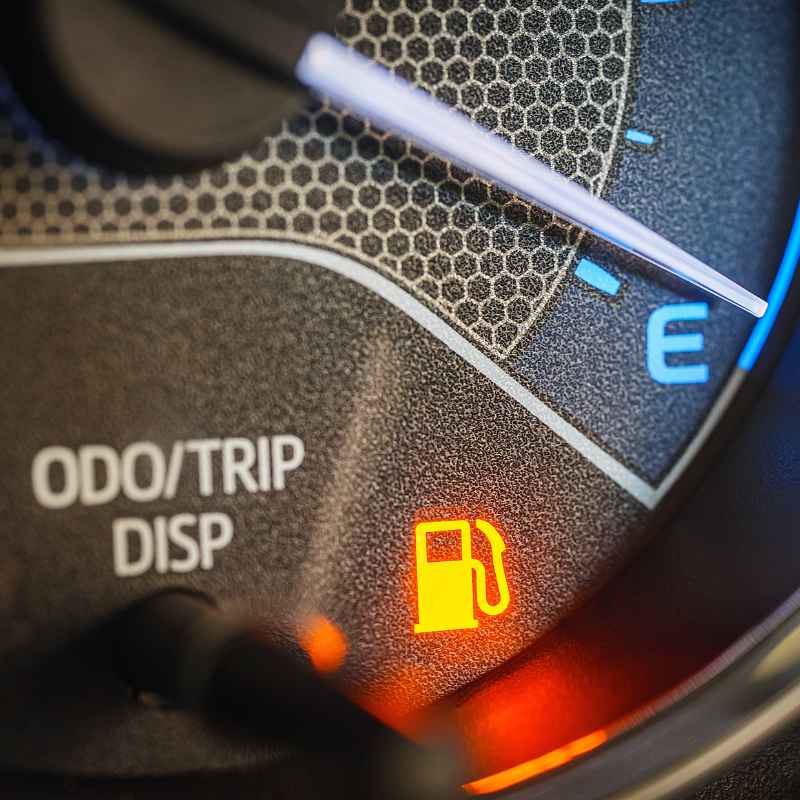
- Oil Warning Light: This is the most obvious sign. A red oil can symbol on your dashboard means low pressure or level.
- Strange Noises: You might hear knocking or ticking sounds from the engine.
- Burning Smell: Overheating due to lack of lubrication can cause a burning oil smell.
- Exhaust Smoke: Blue smoke from the exhaust can mean oil is burning.
- Engine Overheating: Low oil can’t cool effectively, leading to higher engine temps.
Common Reasons for Low Engine Oil
Now that we know why low oil causes shaking, let’s look at how the oil level gets low in the first place. It’s usually one of two main reasons, or a combination of both.
1. Oil Leaks
This is like having a slow leak in a tire. If you don’t catch it, the air (or in this case, oil) just keeps escaping. Your engine has many seals and gaskets designed to keep oil contained.
Over time, these can wear out, crack, or get damaged. Common places for leaks include:
- Oil Pan Gasket: This seals the oil pan to the bottom of the engine.
- Valve Cover Gasket: This seals the top of the engine.
- Oil Filter Seal: If the filter isn’t tightened properly or the seal is bad.
- Drain Plug: The plug that seals the oil drain hole.
- Rear Main Seal: This is a more serious leak at the back of the engine where it meets the transmission.
If you notice oil spots under your car after it’s been parked, you likely have a leak. The size of the spots can give you a clue about how bad it is. Small drips might be slow, but they can still lower your oil level over time.
2. Oil Consumption (Burning Oil)
Some engines, especially as they get older or have higher mileage, naturally use a bit of oil. This is called oil consumption. The oil can get past the piston rings and burn up in the combustion chamber.
Or it might leak into the intake system and be burned there.
This is different from a leak because you won’t see oil spots on the ground. Instead, the oil is being burned and expelled through the exhaust. You might notice:
- Blue Smoke: This is a tell-tale sign of burning oil, especially when you first start the car or accelerate.
- Reduced Oil Level: Even without leaks, the oil level just keeps dropping because it’s being used up.
Modern cars are designed to burn very little oil. If you notice your car is consuming a significant amount, it can indicate internal engine wear. This is something a mechanic should check.
Infographic: Where Does Oil Go?
Proper Lubrication
Oil flows smoothly, reducing friction and heat.
Leak
Oil escapes through worn seals or gaskets, leaving spots.
Consumption
Oil burns in the engine, seen as blue exhaust smoke.
When is Shaking Normal? (Spoiler: It’s Not!)
Let’s be clear: shaking caused by low engine oil is never normal. Your car’s engine is designed to run smoothly and quietly. Any significant vibration you feel, especially if it’s new or changing, is a signal.
It’s the car’s way of telling you something needs attention.
Some minor vibrations might be considered normal in certain situations. For example, a very old car might have a slightly less refined engine. Or, you might feel a slight tremor when the air conditioning compressor kicks on.
These are usually minor and don’t indicate a serious problem.
However, the shaking associated with low oil is different. It’s a more pronounced, often concerning tremor that can worsen over time. It’s your engine complaining about being starved of its essential lubrication.
Ignoring it is a gamble you don’t want to take.
Other Causes of Car Shaking (To Rule Things Out)
While low oil is a prime suspect for shaking, it’s not the only one. It’s good to be aware of other potential causes. This helps you communicate better with your mechanic and understand the full picture.
Tire and Wheel Issues
Problems with your tires or wheels often cause shaking, especially at certain speeds. This is because they are the parts directly in contact with the road.
- Unbalanced Tires: If your tires aren’t perfectly balanced, they can cause vibrations. You’ll often feel this in the steering wheel.
- Misaligned Wheels: Poor wheel alignment can make your car pull to one side and cause uneven tire wear. This can lead to shaking.
- Damaged Tires: Bulges, cuts, or uneven wear on tires can cause significant shaking.
- Bent Wheel Rim: If you hit a pothole hard, a wheel rim can bend.
Brake Problems
If your car shakes specifically when you apply the brakes, it points to a brake issue.
- Warped Brake Rotors: This is a common cause. The metal rotors can become uneven.
- Sticking Brake Calipers: A caliper that doesn’t release properly can cause drag and shaking.
Engine Mounts
Engine mounts are rubber and metal components that hold your engine in place. They absorb vibrations. If they wear out or break, the engine can move more than it should.
This can cause shaking, especially during acceleration or braking.
Transmission Problems
Issues with your transmission can also lead to shaking. This is often felt when shifting gears or accelerating.
- Low Transmission Fluid: Similar to engine oil, low transmission fluid can cause rough shifting and shaking.
- Internal Transmission Damage: More serious issues can cause significant shuddering.
It’s crucial to get a proper diagnosis from a mechanic. They have the tools and expertise to pinpoint the exact cause of your car’s shaking. But understanding the possibilities helps you be an informed car owner.
Contrast Matrix: Low Oil Shake vs. Other Shakes
| Symptom | Low Engine Oil Shake | Tire/Wheel Shake | Brake Shake |
|---|---|---|---|
| When felt | Idle, acceleration, cruising | Often speed-dependent (e.g., 40-60 mph) | Primarily when braking |
| Location of vibration | Throughout the car, engine area | Steering wheel, seat, floor | Steering wheel, brake pedal |
| Associated signs | Oil light, engine noise, blue smoke | Pulling to side, uneven wear | Squealing, grinding |
What This Means for You: When to Worry and What to Do
The shaking from low engine oil is a serious warning. It means your engine is not getting the protection it needs. If you ignore it, the consequences can be severe and expensive.
When It’s Time to Worry
You should worry if:
- The oil warning light comes on. This is a critical alert.
- You hear knocking or grinding sounds. These are signs of metal-on-metal contact.
- The shaking is significant and new. Especially if it happens at idle or during normal driving.
- You notice blue smoke from the exhaust. This means oil is burning.
- Your car is losing oil rapidly.
These are all indicators that your engine is at risk. Continued driving can lead to catastrophic engine failure. This means needing a complete engine rebuild or replacement, which can cost thousands of dollars.
Simple Checks You Can Do
The most important check you can do is for your oil level. It’s simple and can save you a lot of trouble.
- Park on a Level Surface: This ensures an accurate reading.
- Turn Off the Engine: Wait at least 5-10 minutes for the oil to drain back into the oil pan.
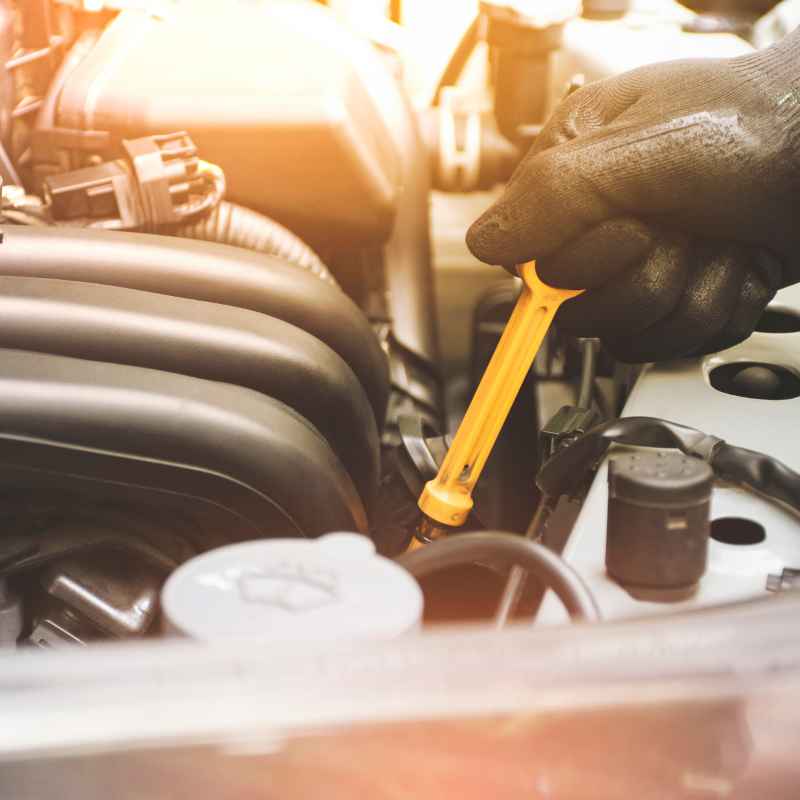
- Locate the Dipstick: It usually has a bright-colored loop or handle (often yellow or orange).
- Pull Out the Dipstick: Wipe it clean with a rag or paper towel.
- Reinsert the Dipstick: Push it all the way back in.
- Pull It Out Again: Look at the oil level. There will be markings (often two dots or lines).
- Check the Level: The oil level should be between the “add” and “full” marks. If it’s at or below the “add” mark, you need to add oil.
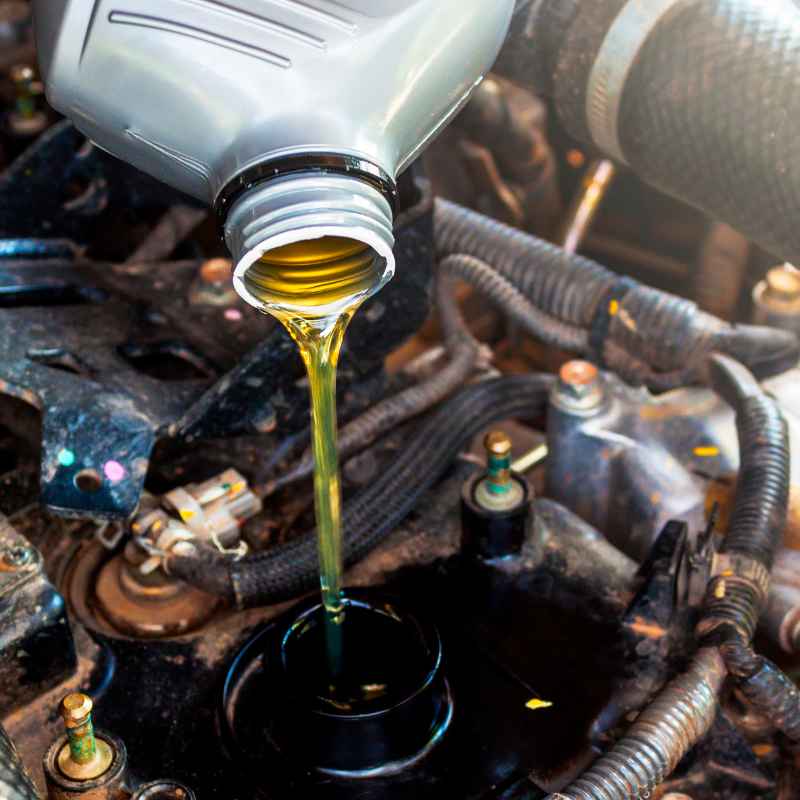
If your oil is very low, don’t start the engine again until you add enough. You can buy oil at any auto parts store or gas station. Make sure you get the correct type for your car.
Check your owner’s manual for the right viscosity (e.g., 5W-30).
When to Call a Mechanic
If you find your oil is very low, or if you add oil and the shaking continues, it’s time to see a professional. A mechanic can:
- Diagnose the exact cause of oil loss (leak or consumption).
- Inspect for damage to engine components caused by low oil.
- Check for other causes of shaking if the oil level is fine.
- Perform necessary repairs.
Don’t delay. The sooner you address an oil-related issue, the better the outcome for your engine.
Quick Scan: Oil Dipstick Guide
Too Low:
(Below ‘Add’)
Add Oil Immediately!
Just Right:
(Between Marks)
Good to go!
Too High:
(Above ‘Full’)
May indicate a problem, consult mechanic.
Quick Fixes & Tips for Preventing Future Shakes
While there aren’t really “quick fixes” for underlying engine problems, there are smart habits you can adopt to prevent low oil situations and the shaking they cause.
Regular Oil Changes Are Key
This is the single most important thing you can do. Your car’s owner’s manual will recommend an oil change interval, usually based on mileage (e.g., every 5,000 or 7,500 miles) or time (e.g., every 6 months). Follow these recommendations.
- Use the Right Oil: Always use the oil type and viscosity recommended by your car’s manufacturer.
- Change the Oil Filter: Always replace the oil filter when you change the oil.
- Keep Records: Note when you had your last oil change.
Check Your Oil Regularly
Don’t wait for the oil light. Make it a habit to check your oil level at least once a month. It only takes a few minutes.
- During Fuel Stops: When you’re at the gas station, it’s a good time to check.
- Before Long Trips: Ensure everything is topped up and ready to go.
- If You Notice Changes: If your car suddenly starts making new noises or feels different, check the oil immediately.
Watch for Leaks
If you see oil spots under your car, get it checked out promptly. A small leak can become a big problem if ignored. It’s easier and cheaper to fix small leaks before they drain your engine.
Understand Oil Consumption
If your car is older and you know it consumes some oil, be extra vigilant about checking the level. Keep a quart of the correct oil in your trunk. This way, you can top it up if needed between oil changes.
Prevention Checklist
- Schedule Routine Oil Changes: Stick to your manual’s recommendations.
- Use Recommended Oil & Filter: Quality matters.
- Weekly/Monthly Oil Checks: Make it a habit.
- Inspect Under Your Car: Look for fresh oil spots.
- Listen to Your Engine: Unusual noises need investigation.
Frequently Asked Questions About Car Shaking and Low Oil
Can a car shake with a full oil tank?
Yes, absolutely. A full oil tank doesn’t guarantee a smooth ride if other issues are present. Shaking can be caused by tire problems, brake issues, transmission trouble, or worn engine mounts, among other things.
Low oil is just one of many potential culprits.
If my car shakes, does it always mean the engine is damaged?
Not necessarily immediately. If the shaking is due to very low oil and it’s caught quickly, adding oil and letting the engine rest might prevent lasting damage. However, if you’ve been driving with low oil for a while, some wear or minor damage might have already occurred.
Continued shaking, especially if accompanied by strange noises, increases the risk of severe engine damage.
How much oil should I add if the dipstick is near empty?
If your dipstick is at or below the “add” line, you’ll want to add oil slowly. Start by adding about half a quart (or about half a liter). Wait a few minutes for it to drain down, then re-check the dipstick.
Add more small amounts as needed until the level is between the “add” and “full” marks. Do not overfill, as too much oil can also cause problems.
What kind of oil does my car need?
The exact type of oil your car needs is specified in your owner’s manual. It will include a viscosity grade, like 5W-30 or 10W-40. It might also specify if it needs synthetic or conventional oil.
Using the wrong type of oil can affect performance and protection.
Is it safe to drive my car if it’s shaking due to low oil?
It is generally not safe to drive a car that is shaking due to low engine oil. The shaking is a sign that critical engine components are not being properly lubricated. Continuing to drive can lead to severe and costly damage, including complete engine failure.
If the shaking is noticeable, it’s best to stop driving and check your oil immediately.
My car’s oil light is on, but the dipstick shows oil. What’s wrong?
This situation can be concerning. The oil light typically indicates low oil pressure, not just low oil level. If the dipstick shows oil, it might mean the oil pump is failing, the oil is very old and thick, or there’s another issue within the lubrication system.
In this case, you should stop driving immediately and have your car towed to a mechanic for diagnosis.
Conclusion: Listen to Your Car’s Whispers
That tremor you feel, the one that makes you wonder if something’s wrong? It’s your car trying to tell you something important. When that shaking is linked to low engine oil, it’s a direct message: your engine needs its lifeblood.
Paying attention to these signals, performing simple checks, and sticking to a regular maintenance schedule are the best ways to keep your car running smoothly. Don’t let a simple oil check turn into a costly engine repair. Your car, and your wallet, will thank you.
Products related to this article
Sponsored / affiliate links. As an Amazon Associate I earn from qualifying purchases. I may earn additional commission from eligible campaigns.