What Happens If Your Car Engine Oil Is Low? (Must Know)
Running your car with low engine oil can lead to severe engine damage, including overheating, increased friction, and component wear. This can result in costly repairs or even necessitate a full engine replacement. Always check and maintain your oil level.
Understanding Your Engine’s Lifeblood: Engine Oil
Engine oil is often called the lifeblood of your car’s engine, and for good reason. It does so much more than just lubricate. Think of it as a multi-tasking hero working tirelessly inside your engine.
It’s a complex blend of base oils and additives, all working together to keep things running smoothly and prevent disaster.
First and foremost, it lubricates. Metal parts in your engine are constantly moving against each other at very high speeds. Without oil, this friction would create immense heat and wear.
Oil creates a thin film between these parts, letting them slide instead of grind. This reduces wear and tear significantly.
But that’s not all. Oil also cools your engine. While your car has a radiator, much of the heat generated deep within the engine is carried away by the circulating oil.
It absorbs heat from parts like the pistons and crankshaft, then carries it to the oil pan where it can dissipate.
Oil also cleans your engine. As it flows, it picks up tiny metal particles, soot, and other debris created by the engine’s normal operation. These particles are then carried to the oil filter, where they are trapped.
This keeps your engine’s internal passages clear and prevents grit from causing damage.
Furthermore, engine oil helps seal the combustion chambers. The oil film between the piston rings and cylinder walls prevents combustion gases from escaping into the crankcase. This helps maintain engine pressure and efficiency.
Finally, oil protects against rust and corrosion. Many engine components are made of metal. Moisture and acidic byproducts can form inside the engine.
The oil coating on these parts acts as a barrier, preventing rust and corrosion from taking hold.
So, when your engine oil level gets low, all these vital jobs start to suffer. The protective layers thin out. The cooling effect diminishes.
The cleaning power weakens. This puts your engine at serious risk.
My Engine Oil Scare: A Personal Story
I remember one time, a few years back, when I was on a road trip through Arizona. It was blazing hot outside, well over 100 degrees Fahrenheit. I was driving on a long, empty stretch of highway, miles from any town.
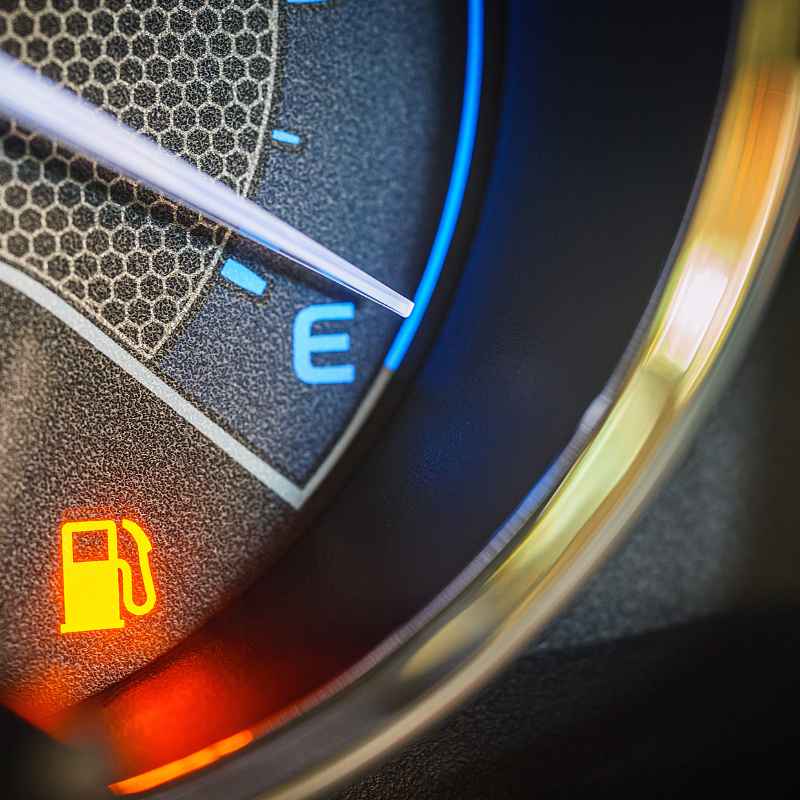
Suddenly, a small, angry red light blinked on my dashboard. It was the oil pressure light. My heart just sank.
I wasn’t sure if it was a serious problem or something that could wait, but the sheer panic of being stranded in the desert kept me from thinking clearly.
I pulled over to the side of the road, turned off the engine immediately, and just sat there for a minute, trying to calm down. I remembered reading somewhere that the oil pressure light is one of the most critical warning lights. I popped the hood, even though I wasn’t entirely sure what I was looking for.
The engine was hot, and I could feel the heat radiating. I waited a few minutes for things to cool down a bit, then grabbed the dipstick.
Pulling it out, I saw it. The oil level was way below the “add” mark. It was scary.
I had been so focused on making good time that I hadn’t checked my oil in a while. I had oil in the trunk for emergencies, thankfully. I carefully added a quart.
The light went off when I restarted the engine, but I was still shaky. That experience taught me a hard lesson about being proactive. It could have been a very, very expensive mistake.
This wasn’t just a close call; it was a stark reminder of how easily essential car maintenance can be overlooked when life gets busy. The memory of that red light against the stark desert landscape is still vivid. It showed me firsthand that a few minutes of preventative care can save hours of stress and dollars later.
Signs Your Engine Oil Might Be Low
Check Engine Light: While this light can mean many things, sometimes it indicates low oil pressure. It’s a general warning sign.
Oil Pressure Warning Light: This is usually a red light shaped like an oil can. It’s a critical warning.
Strange Engine Noises: Knocking, ticking, or grinding sounds can happen as parts move without enough lubrication.
Oil Smell: If you smell burning oil, it might be leaking or burning due to low levels.
Exhaust Smoke: Blue smoke from the exhaust often means oil is burning in the combustion chamber.
Low Oil Level on Dipstick: The most direct way to check. The dipstick shows the oil’s measurement.
What Happens When Oil Levels Drop?
When your engine oil level drops, the entire system starts to struggle. The consequences aren’t immediate and catastrophic like a blown tire, but they are steady and damaging over time. It’s like slowly starving your engine of its essential needs.
The most immediate impact is on lubrication. The oil film between moving parts gets thinner. Imagine trying to slide two dry pieces of metal against each other.
It’s hard and creates a lot of friction and heat. That’s what starts happening inside your engine.
This increased friction means more heat is generated. Your engine’s cooling system is designed to handle a certain amount of heat, but when friction spikes, it can start to overheat. An overheated engine can warp metal parts, damage gaskets, and lead to much bigger problems.
The lack of lubrication also leads to increased wear and tear. Metal parts that should glide smoothly start to grind against each other. This wears them down prematurely.
Pistons can scratch cylinder walls. Bearings can get damaged. This wear reduces engine performance and lifespan.
Cleaning also suffers. With less oil circulating, fewer contaminants are picked up and sent to the oil filter. Dirt and metal particles start to build up inside the engine.
This sludge can block oil passages, further reducing oil flow and exacerbating wear.
The sealing function of the oil also becomes less effective. If the oil film between the piston rings and cylinder walls is too thin, combustion gases can leak past. This reduces engine power and efficiency.
It also means more oil can get pushed into the combustion chamber and burn.
The Domino Effect of Low Oil Pressure
When oil is low, the oil pump might not be able to suck up enough oil. This leads to a drop in oil pressure. Low oil pressure is a very serious issue because it means the oil isn’t being pushed to all the parts of the engine that need it.
It’s like your heart not pumping enough blood to your extremities.
The most critical parts, like the crankshaft bearings and camshafts, start to suffer first. These are often the most expensive components to
This is why the oil pressure warning light is so important. It’s a signal that the lubricating system is failing. Ignoring it is essentially gambling with the life of your engine.
Over time, continuous operation with low oil can lead to:
- Engine Seizure: This is when moving parts like pistons get so hot and worn that they weld themselves together. The engine completely stops working.
- Rod Knock: Damaged connecting rod bearings can cause a distinct knocking sound. This indicates severe internal damage.
- Camshaft and Valve Damage: The parts that control your engine’s valves need constant lubrication. Low oil means they wear out faster.
- Turbocharger Failure: If your car has a turbo, it relies heavily on engine oil for cooling and lubrication. Low oil can destroy a turbo quickly.
All of these issues point to one major outcome: your engine is slowly, or sometimes rapidly, destroying itself from the inside out.
Why Checking Your Oil Is Crucial
Prevents Engine Damage: The most important reason. Stops wear and overheating.
Saves Money: Avoids costly repairs and premature engine replacement.
Improves Performance: A well-lubricated engine runs more efficiently.
Extends Engine Life: Regular checks help your car last longer.
Ensures Safety: Prevents unexpected breakdowns, especially on the road.
Real-World Scenarios: When Low Oil Bites
We see this happen more often than you might think. Picture this: a commuter who’s always running late. They might glance at the dashboard, see no red lights, and assume everything is fine.
They change their oil only when the sticker on the windshield tells them to, or when they notice a problem. This is where the danger lies.
Consider a weekend warrior who loves taking their truck off-road. They might be driving through mud and rough terrain. If there’s a small oil leak they haven’t noticed, the vibrations and jolts of off-roading can make it worse.
If they haven’t checked their oil before a long trip, they might be driving with critically low levels without knowing it.
Another common scenario involves older cars. Seals and gaskets can wear out over time. This can lead to oil leaks, often small ones that you might not notice at first.
If the owner doesn’t regularly check the oil level, these small leaks can add up to a significant loss of oil, eventually causing damage.
I recall a friend who bought a used car. It seemed to run fine. They loved it.
But after a few months, they started hearing a faint ticking sound. They ignored it, thinking it was normal for that make and model. Turns out, the previous owner hadn’t been diligent with oil changes, and there was some minor internal wear.
The ticking got louder, and eventually, the engine started to lose power. By the time they took it to a mechanic, the damage was extensive. The low oil levels over a long period had worn out crucial engine components.
This highlights how subtle issues can become major problems. The engine itself doesn’t have a voice to tell you “I’m thirsty!” It relies on you to notice its subtle cues, like a slightly lower oil level or an unusual sound. These are often the first signs that something is amiss, long before a warning light comes on.
Contrast: Normal Oil Level vs. Low Oil Level
Normal Oil Level
Oil mark is between the ‘Add’ and ‘Full’ dots on the dipstick.
Engine runs smoothly.
Quiet operation.
Good fuel efficiency.
Low Oil Level
Oil mark is below the ‘Add’ dot or not visible on the dipstick.
Engine may run rough.
Ticking or knocking sounds.
Reduced performance.
Warning lights may appear.
What This Means For Your Car
If your car’s engine oil is low, it means trouble is brewing. The question is, how much trouble, and how quickly? The answer depends on a few factors, including how low the oil is and how long it stays that way.
When it’s just a little low: If the oil level is just below the ‘add’ mark, your engine is likely still getting enough lubrication. However, the margins are thinner. The oil will get hotter faster.
It will also pick up contaminants more slowly, meaning the oil filter has to work harder. You’re not causing immediate catastrophic damage, but you are accelerating wear.
When it’s significantly low (below the ‘add’ mark): This is where serious risk begins. Parts are not getting the full film of protection they need. Friction increases, and heat builds up.
This can lead to the problems we’ve discussed, like bearing damage and piston ring wear.
When the oil pressure light comes on: This is an emergency. It means the oil pump is not delivering oil at the correct pressure. The engine is not being lubricated adequately.
You should pull over safely and turn off the engine as soon as possible. Continuing to drive could cause irreversible damage within minutes.
How long it stays low matters: A brief period of low oil might be recoverable if addressed quickly. However, driving for an extended period with low oil, even if the pressure light isn’t on, will inevitably lead to accelerated wear and reduced engine life. It’s like running a marathon without drinking water – you might finish, but you’ll be severely dehydrated and damaged.
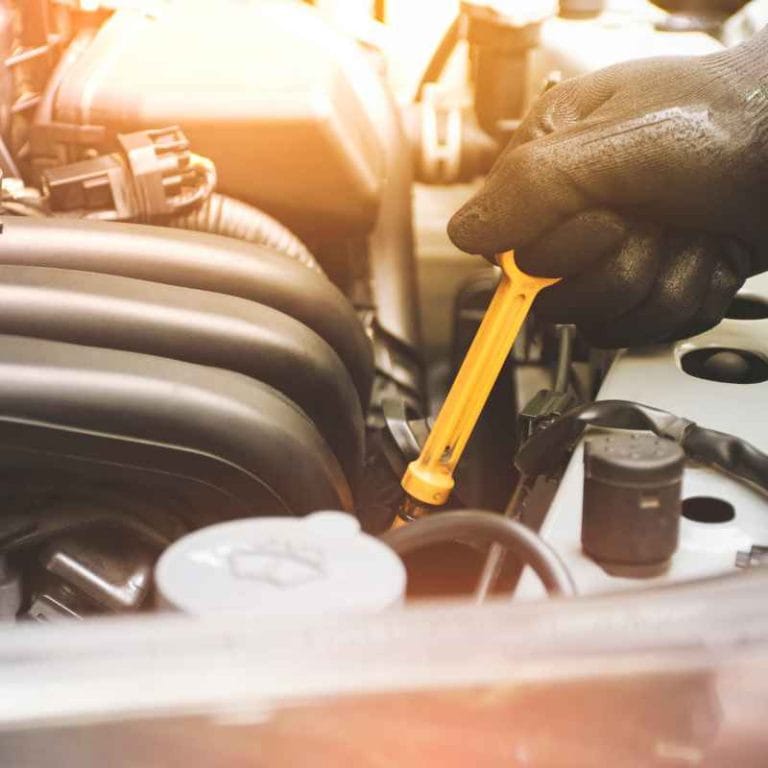
Simple checks you can do: The most important check is the dipstick. Make sure your car is on a level surface and the engine has been off for a few minutes. Pull out the dipstick, wipe it clean, reinsert it fully, and pull it out again.
The oil level should be between the two marks. If it’s low, add the correct type of oil, but don’t overfill.
Quick Checks for Your Oil Level
Location: Park on a level surface.
Engine Temperature: Engine should be warm but not hot (off for 5-10 mins).
Locate Dipstick: Usually has a bright colored handle (yellow, orange, red).
Pull and Wipe: Remove the dipstick and wipe it clean with a rag.
Re-insert Fully: Push the dipstick all the way back in.
Read Level: Pull it out again. The oil should be between the two marks (usually labeled ‘Min’/’Add’ and ‘Max’/’Full’).
Quick Fixes and Tips for Maintaining Oil Levels
The best “fix” for low engine oil is prevention. Keeping your oil at the correct level is one of the simplest and most effective ways to protect your engine.
1. Check Your Oil Regularly: This is the golden rule. Aim to check your oil at least once a month, and always before a long road trip.
It takes less than five minutes.
2. Know Your Oil Type: Always use the type of oil recommended in your car’s owner’s manual. Using the wrong type can be just as bad as having low oil.
It will usually specify a viscosity grade (like 5W-30) and an API service category.
3. Don’t Overfill: While being low is bad, overfilling can also cause problems. Too much oil can foam, leading to reduced lubrication, and it can damage seals and sensors.
4. Address Leaks Promptly: If you notice oil spots under your car, get them checked by a mechanic. Even small leaks can become big problems.
5. Follow Recommended Service Intervals: Change your oil and filter according to your car’s maintenance schedule. This removes old, degraded oil and
6. Keep an Emergency Quart Handy: If you drive an older car or one known to consume oil, keep a quart of the correct oil in your trunk. This can save you in a pinch.
These tips are not complicated. They are just good habits that contribute to the long-term health and reliability of your vehicle. Think of it like a small, consistent investment in your car’s future.
Frequently Asked Questions
How often should I check my car’s engine oil?
It’s a good practice to check your engine oil at least once a month. You should also check it before any long road trips. This ensures you catch any issues before they become serious.
Can I drive my car if the oil pressure light comes on?
No, you should not drive your car if the oil pressure light is on. This is a critical warning that your engine is not being lubricated properly. Pull over safely as soon as possible and turn off the engine.
What kind of oil should I use?
Always refer to your car’s owner’s manual. It will specify the correct type and viscosity grade of oil for your specific vehicle. Using the wrong oil can harm your engine.
How much oil do I need to add if it’s low?
If your oil level is below the ‘add’ mark, start by adding one quart of oil. Then, recheck the dipstick after a few minutes. Add more oil in small amounts if needed, but be careful not to overfill.
Always aim to get the level to the ‘full’ mark.
Is it bad if my car burns a little oil?
Some oil consumption is normal for many engines, especially as they age. However, if you notice a significant increase in oil consumption, blue smoke from the exhaust, or the oil level dropping quickly, it could indicate a problem like worn piston rings or valve seals.
How much does it cost to fix engine damage from low oil?
The cost can vary greatly. Minor repairs might cost a few hundred dollars. However, severe damage like a seized engine can cost thousands of dollars to repair or even require a full engine replacement, which can be more than the car is worth.
Conclusion: Your Engine’s Health is in Your Hands
Understanding what happens if your car engine oil is low is crucial for any car owner. It’s not just about preventing a breakdown; it’s about protecting a complex, expensive piece of machinery. The role of engine oil is vital for lubrication, cooling, cleaning, and sealing.
When that level drops, the engine begins to suffer, leading to increased friction, heat, and wear. By regularly checking your oil, using the correct type, and addressing any leaks promptly, you are taking the best steps to ensure your engine runs smoothly for years to come. Make oil checks a simple part of your routine, and give your car the care it needs.
Products related to this article
Sponsored / affiliate links. As an Amazon Associate I earn from qualifying purchases. I may earn additional commission from eligible campaigns.