What to Do If Your Car Engine Oil Is Low
If your engine oil is low, pull over and shut off the engine as soon as it’s safe, let it sit 5-10 minutes, then check the dipstick. If the level is below the MIN mark, add oil in small amounts until it reaches between MIN and MAX — never drive with the oil light on.
Without enough oil, moving parts rub metal-on-metal, generate heat, and can seize within minutes of hard driving. Below is the full sequence: how to check the level correctly, what oil color and texture tell you, and how to spot a leak before it strands you.
Why Engine Oil Matters
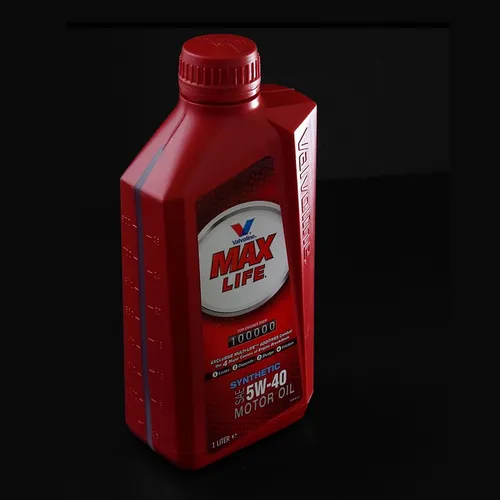
Mobil 1 Advanced Full Synthetic 5W-30 Motor Oil, 5 Quart
Best for: Topping off a low reading or doing a full change once you’re home — one jug covers both.
Why we picked it: 5 quarts covers a full oil change on most 4- and 6-cylinder engines with enough left over for future top-offs, so you’re not buying a new bottle every time the dipstick reads low.
Main drawback: Always confirm 5W-30 matches your owner’s manual spec before pouring — some vehicles call for 0W-20 or other weights.
Check Price on Amazon| Product | Best For | Price Range | Link |
|---|---|---|---|
 Automotive Oil Funnel Automotive Oil Funnel |
Pouring oil into the filler neck without spilling it across the engine bay | $ | View |
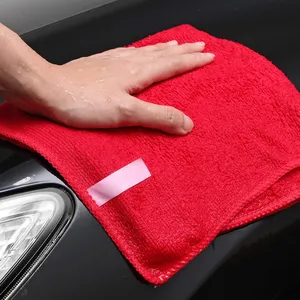 Lint-Free Shop Rags Lint-Free Shop Rags |
Wiping the dipstick clean between checks for an accurate reading | $ | View |
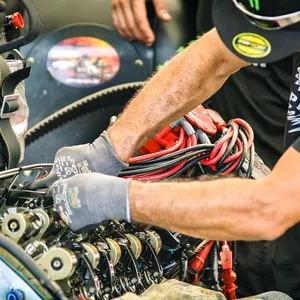 Nitrile Mechanic Gloves Nitrile Mechanic Gloves |
Keeping hands clean while checking hot components or a suspected leak | $ | View |
Engine oil is like the lifeblood of your car. It does several important jobs:
- Lubricates moving parts to reduce friction
- Cools the engine by carrying away heat
- Cleans out dirt and tiny metal bits
- Prevents rust and corrosion
Without enough oil, your engine can quickly overheat or wear out. Even driving a short distance with low oil can cause expensive damage.
How To Tell If Your Engine Oil Is Low
Sometimes, your car may show clear warnings. Other times, the signs are subtle. Here’s what to look for:
- Oil warning light: Most cars have a dashboard light that looks like an oil can. If it turns on, stop as soon as possible.
- Strange noises: Ticking or knocking sounds from the engine often mean low oil.
- Burning smell: If you smell oil burning, your engine may be running hot due to low oil.
- Engine overheating: The temperature gauge may rise if there’s not enough oil.
- Poor performance: Less power or rough running can also be a sign.
Always double-check by looking at the oil dipstick, even if you don’t see any warnings.

Steps To Take If Your Engine Oil Is Low
If you discover your engine oil is low, follow these steps right away. Acting quickly can save you thousands in repairs.
1. Stop The Car Safely
When you notice a warning light or suspect low oil, pull over to a safe spot as soon as possible. Running the engine without enough oil can cause instant damage. Don’t risk driving “just a bit further.”
2. Turn Off The Engine
Let the engine cool for at least 5-10 minutes. This helps the oil settle and makes it safer to check the level. Opening the hood while the engine is hot can be dangerous.
3. Check The Oil Level With The Dipstick
Every car has a dipstick for checking oil. Here’s how to use it:
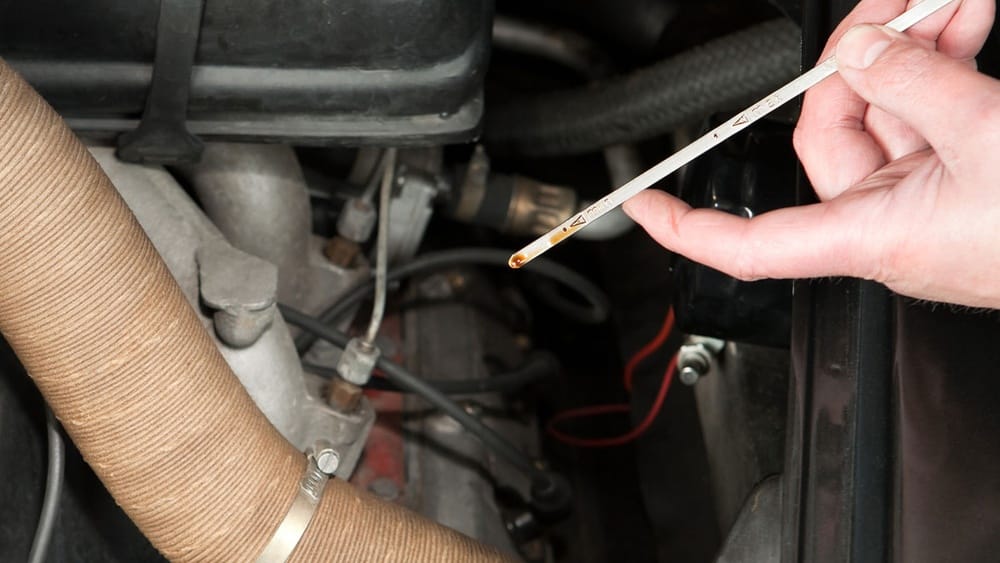
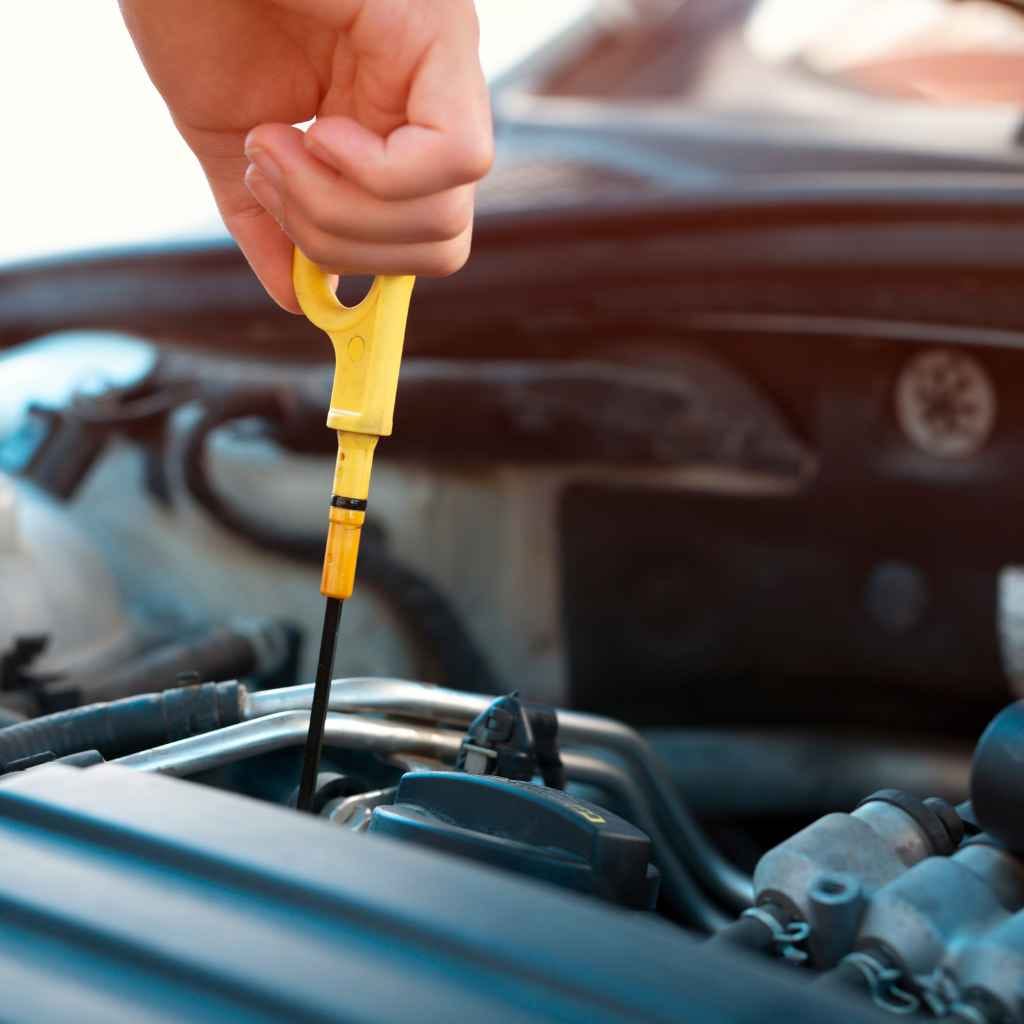
- Open the hood and find the oil dipstick (usually a yellow or orange handle).
- Pull out the dipstick and wipe it clean with a tissue or cloth.
- Insert the dipstick back fully, then pull it out again.
- Look at the oil level. There are usually two marks: MIN and MAX. The oil should be between them.
Example Reading
If the oil barely touches the dipstick or is below the MIN mark, you need to add oil right away.
4. Inspect Oil Condition
While checking the level, notice the color and texture:
- Golden or light brown: Good condition
- Dark brown or black: Old but still okay if not gritty
- Milky or foamy: May signal coolant leak—serious issue
- Gritty or dirty: Oil is contaminated, needs a change
If the oil looks milky or extremely dirty, do not drive further. Get help from a mechanic.
5. Add The Correct Type Of Oil
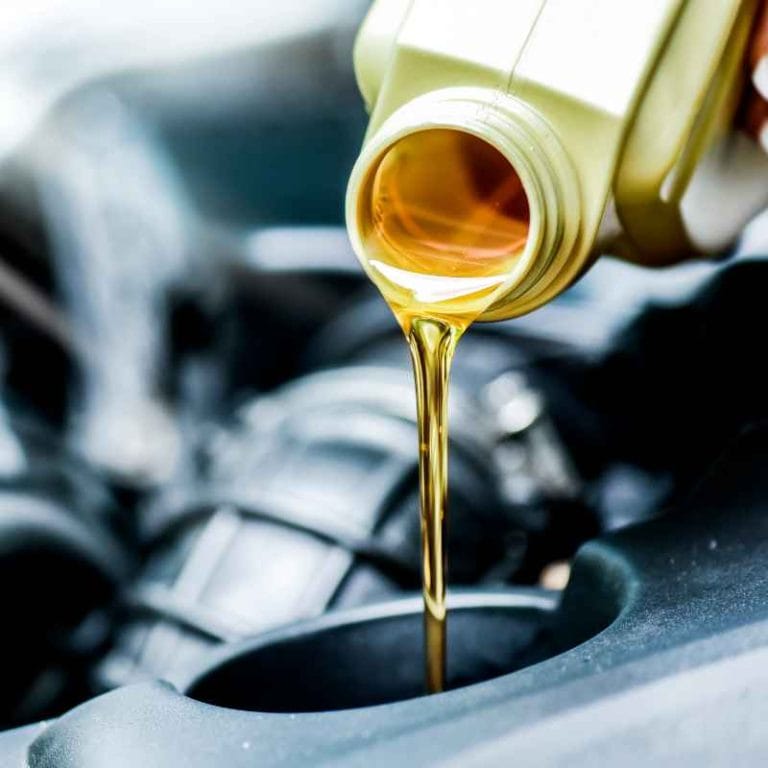
If the level is low, top it up. Always use the oil grade recommended in your owner’s manual (like 5W-30 or 10W-40).
How To Add Oil
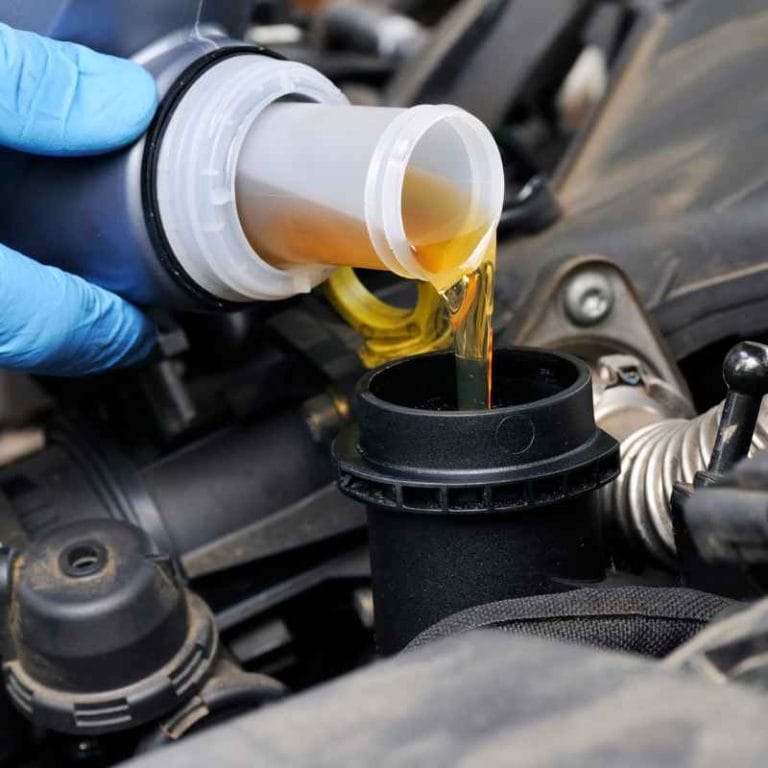
- Find the oil filler cap (usually marked with an oil can symbol).
- Remove the cap and use a funnel to pour in a small amount (about half a quart/liter).
- Wait a minute, then check the dipstick again.
- Add more if needed, but do not overfill.
Common Mistake
Many people pour in too much oil. Overfilling can cause leaks and damage sensors. Always add a little at a time and check frequently.
6. Check For Oil Leaks
Look under the car for any signs of fresh oil. If you see a puddle or dripping, you may have a leak. Also, check around the engine for oily spots.
What To Do If You Find A Leak
If you notice a leak:
- Don’t drive long distances
- Add oil only to get to a repair shop
- Have the leak fixed as soon as possible
7. Restart And Watch For Warning Signs
After adding oil, start the engine and let it run for a few minutes. Watch the dashboard for any warning lights. Listen for odd sounds. If everything seems normal, you can continue your trip, but plan to get a full oil change soon.
8. Schedule An Oil Change Or Inspection
Low oil may mean it’s time for a regular oil change. If you had to add oil more than once between changes, your car may be burning oil or leaking. Have a mechanic inspect your engine to prevent future problems.
Why Your Car’s Oil Gets Low
Engine oil doesn’t just disappear. If your oil is low, there’s always a reason. Understanding the cause can help you avoid repeated issues.
Oil Consumption
All engines use a small amount of oil over time. Older cars or high-performance engines may burn more oil naturally. But if you need to add oil frequently, something else may be wrong.
Leaks
Oil can escape through:
- Worn gaskets or seals
- Loose drain plug
- Damaged oil pan
Even small leaks can add up over time.
Burning Oil
Some engines burn oil internally due to:
- Worn piston rings
- Valve seal problems
This often shows as blue smoke from the exhaust.
Long Oil Change Intervals
If you skip or delay oil changes, oil breaks down and may evaporate or burn off faster. Stick to the schedule in your manual.
Using The Wrong Oil
Using oil that is too thin or not made for your car can make it disappear faster, especially in hot or cold weather.
How Low Oil Affects Your Engine
Running with low oil is risky. Even a small drop below the recommended level can cause:
- Increased friction: Metal parts rub together, causing heat and wear
- Overheating: Oil helps cool the engine—low oil means higher temps
- Engine knocking: Lack of lubrication leads to noise and damage
- Complete engine failure: In extreme cases, the engine can seize
Real-world Example
A 2019 AAA study found that more than one-third of drivers delayed oil changes, and over 20% had run low on oil at least once. Many of these drivers faced expensive repairs, with engine replacements costing $3,000–$7,000 or more.
What Type Of Oil To Use
Choosing the right oil is key for top performance and safety. There are several types, and not all are equal.
| Oil Type | Best For | Pros | Cons |
|---|---|---|---|
| Conventional | Older cars, simple engines | Cheap, widely available | Breaks down faster |
| Synthetic | Modern engines, extreme temps | Lasts longer, better protection | More expensive |
| Blend (Synthetic Blend) | Mix of old/new cars | Balance of cost and protection | Not as good as full synthetic |
| High-Mileage | Cars over 75,000 miles (120,000 km) | Extra additives for aging engines | Costs more than regular oil |
Always check your owner’s manual for the recommended grade and type. Using the wrong oil can lead to more rapid oil loss and engine problems.
How Often Should You Check Your Engine Oil?
Most drivers don’t check oil often enough. Here’s a simple rule:
- Check your oil at least once a month
- Check before long road trips
- Check after any warning light or strange noise
Some new cars have electronic sensors, but checking manually is still a good habit.
When To Check Oil
For the most accurate reading, check oil when:
- The engine is off and cool (wait 5-10 minutes after stopping)
- The car is parked on level ground
What To Do If You Can’t Add Oil Right Away
Sometimes, you may be far from a store or can’t get the right oil right away. Here’s what you should do:
- Do not drive if the oil is below the MIN mark. The risk of engine damage is too high.
- If you must move the car, drive only a short distance (less than 1–2 miles/km) and at low speed.
- Get help from roadside assistance or a tow service.
- Never use a different liquid (like transmission fluid or brake fluid) as a substitute for engine oil.
Common Mistakes To Avoid
Even experienced drivers make errors when dealing with low oil. Watch out for these:
- Ignoring warning lights: Hoping the problem will go away can destroy your engine.
- Overfilling: Too much oil can cause foaming and leaks.
- Using the wrong oil: Always match the grade and type.
- Not checking for leaks: If you add oil but it disappears quickly, there’s a bigger issue.
- Waiting too long for a mechanic: Small problems grow quickly in engines.
Tips For Preventing Low Oil In The Future
A little attention goes a long way in protecting your engine. Here’s how you can prevent low oil issues:
- Regular oil changes: Stick to the schedule in your manual.
- Check oil monthly: Make it a habit.
- Fix leaks quickly: Don’t ignore even small drips.
- Use high-quality oil: Cheap oil saves money now but may cost more in repairs.
- Check after repairs: Sometimes, mechanics forget to top up oil after work.
- Monitor driving habits: Hard driving or towing uses more oil.
- Store oil in your car: A small bottle in the trunk can save you in emergencies.
Comparing Engine Damage Risk: Low Oil Vs. Old Oil
It’s easy to confuse low oil with old, dirty oil. Both are bad, but which is worse? Here’s a quick look:
| Problem | Short-Term Effects | Long-Term Effects | Urgency |
|---|---|---|---|
| Low Oil | Overheating, engine noise | Engine seizure, major damage | Immediate action needed |
| Old Oil | Reduced protection, dirty engine | Sludge buildup, wear over months | Needs fixing soon, not instant |
Low oil is always a bigger emergency. Never drive with oil below the minimum mark.
What If You Accidentally Overfill The Oil?
Overfilling is a common beginner mistake. Too much oil can cause:
- Foaming: Air bubbles reduce lubrication
- Leaks: Excess pressure pushes oil out
- Catalytic converter damage: Oil can get into the exhaust
If you overfill:
- Don’t drive if the oil is well above the MAX mark
- Use a siphon or ask a mechanic to remove the extra oil
How Mechanics Diagnose Low Oil Problems
If you keep losing oil, a mechanic will usually:
- Inspect for visible leaks (oil pan, seals, gaskets)
- Check for oil burning (look for blue exhaust smoke)
- Test the engine compression (to find worn rings)
- Inspect the PCV valve (can cause oil loss if stuck)
Sometimes, they’ll use a UV dye in the oil to find small leaks. This is a trick few beginners know about, but it makes hidden leaks easy to spot.
The Cost Of Ignoring Low Oil
Many drivers put off dealing with low oil, thinking it’s not urgent. But the costs can add up quickly. Here’s a breakdown:
| Problem | Likely Cost (USD) | Result of Delay |
|---|---|---|
| Simple oil top-up | $10–$30 | No damage if done quickly |
| Repairing small leak | $100–$300 | Prevents bigger issues |
| Engine rebuild | $2,500–$7,000 | Major failure from running dry |
| Replacing seized engine | $4,000–$10,000+ | Result of driving with no oil |
As you can see, the cost of a quick oil top-up is nothing compared to a new engine.
Non-obvious Tips Most Drivers Miss
Here are two important insights that even many car owners miss:
- Check the oil after every oil change: Sometimes, even professionals make mistakes. It’s smart to double-check the level before leaving the shop.
- Oil loss may increase in hot or cold weather: Extreme temperatures cause oil to thin out or burn faster. Check more often during summer and winter.
When To See A Mechanic
You should always see a mechanic if:
- Oil keeps going low after topping up
- You see blue, white, or black smoke from the exhaust
- The oil looks milky, which may mean a coolant leak
- There are metal flakes in the oil (shows internal damage)
- Warning lights stay on after adding oil
Don’t wait until your engine starts making loud noises or loses power.
Where To Learn More
If you want to dig deeper into engine oil science, check out the Wikipedia page on motor oil for detailed information on oil types, additives, and how oil works in modern engines.
Frequently Asked Questions
What Happens If I Drive With Low Engine Oil?
Driving with low oil causes increased friction and heat inside the engine. This can lead to serious damage, like worn parts, overheating, or even total engine failure. It’s always best to stop and add oil before driving further.
Can I Use Any Engine Oil If Mine Is Low?
No. Always use the correct oil grade and type for your car. Using the wrong oil can cause poor lubrication or even damage your engine. If you’re not sure, check your owner’s manual or ask a mechanic.
How Much Oil Should I Add If The Level Is Low?
Start by adding half a quart (about 0.5 liters), then check the dipstick. Add more if needed, but never go above the MAX mark. Overfilling can be harmful.
How Often Should I Check My Car’s Engine Oil?
Check your oil at least once a month and before any long trips. If your engine is older or you see small leaks, check more often.
What Causes Engine Oil To Go Low Quickly?
Common reasons are leaks, burning oil, worn engine parts, or not changing oil on schedule. If you need to add oil often, have your engine checked for leaks or other problems.
Taking care of your engine oil isn’t just about maintenance—it’s about protecting your car’s heart. Quick action, regular checks, and understanding the warning signs can keep you on the road and save you from big repair bills. Make oil checks a habit, and your engine will thank you with years of trouble-free driving.