Is It Bad to Get Oil on Your Engine? Risks and Fixes Explained
Many car owners notice oil on their engine at some point. You open the hood and see dark spots or shiny stains on the metal. Maybe you spilled a little when topping up, or you found an unexpected leak after a trip.
Is it bad to get oil on your engine? Should you worry, clean it, or just ignore it? The answer is not as simple as “good” or “bad. ” It depends on how much oil, where it is, and why it’s there.
Let’s explore what happens when oil gets on your engine, the risks, and what you should do. You’ll learn when it’s harmless, when it’s dangerous, and how to handle oil spills or leaks. This guide will help you make smart choices for your car’s health and your safety.
Why Oil Gets On Your Engine
Before we talk about the risks, it’s important to know how oil ends up on your engine.

As an Amazon Associate I earn from qualifying purchases.
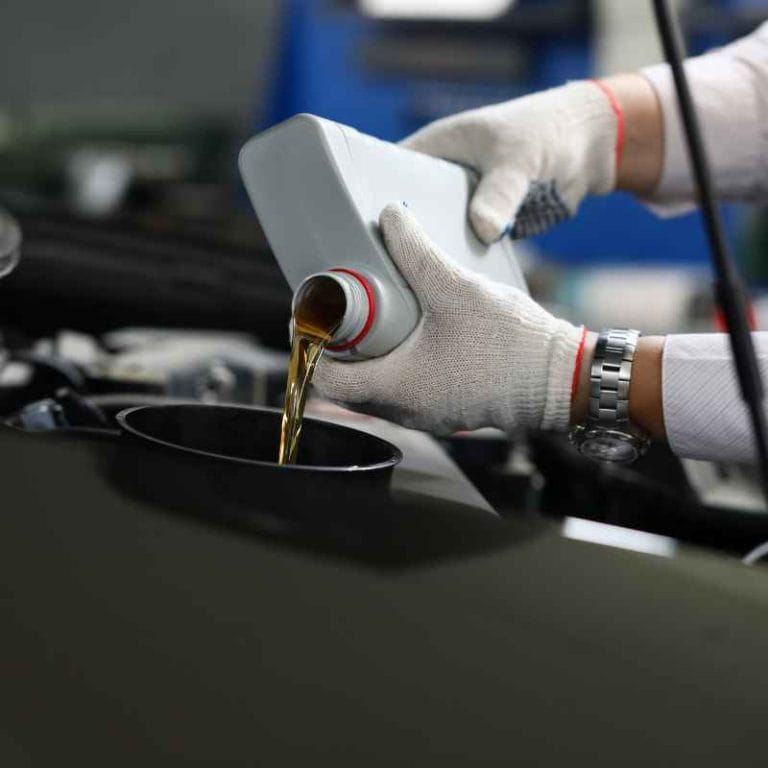
1. Spills During Oil Changes
Even careful mechanics may drip a little oil when refilling or changing the filter. The engine’s shape and tight spaces make clean work difficult.
2. Leaking Gaskets Or Seals
Engines have many seals and gaskets to keep oil inside. As these parts age, they can harden and crack, letting oil escape.
3. Faulty Oil Cap Or Dipstick
A loose or damaged oil cap or dipstick allows oil to spray out, especially when the engine is running.
4. Cracked Engine Parts
Rare, but a crack in the valve cover or block can leak oil onto the exterior.
5. Overfilling Oil
Too much oil increases pressure, forcing oil out weak points onto the engine.
6. Pcv System Issues
A broken Positive Crankcase Ventilation (PCV) valve can cause oil to leak from unexpected places.
Not all engine oil outside the engine means disaster. But each cause has different risks.
What Happens When Oil Contacts The Engine
Engines get hot, and oil is flammable. But the story is more complex.
Oil On A Cold Engine
If you spill oil on a cold engine, nothing dramatic happens right away. Oil just sits on the surface. It may slowly attract dirt and dust, which can make cleaning harder later. If you clean it soon, there’s usually no harm.
Oil On A Running Or Hot Engine
When oil lands on a hot engine, you might see smoke or smell burning oil. Small amounts usually burn off quickly, but larger spills can make a mess. The oil may break down, creating sticky, carbon-rich deposits on the metal.
If the oil finds its way to hot exhaust parts (like the manifold), it can smoke heavily and, rarely, catch fire. However, most modern engines are designed to avoid this, and small spills rarely ignite.
Long-term Effects
If oil stays on your engine for weeks or months:
- It can soften rubber hoses or wiring insulation.
- Dirt sticks to oily spots, making future repairs messier.
- Oil may hide cracks or leaks, making diagnosis harder.
- On aluminum parts, oil can stain or discolor the metal.
Is It Dangerous To Get Oil On Your Engine?
Let’s look at the risks, both minor and serious.
Fire Risk
Most drivers worry about fire. The truth: engine oil has a flash point of about 400°F (204°C), so it won’t catch fire at normal engine temperatures. However, if oil drips directly onto the red-hot exhaust manifold or turbo, it can start smoking and, rarely, ignite.
Fires from oil leaks are uncommon, but they do happen—usually when a big leak goes unnoticed and oil pools on the exhaust. Most small spills from topping up are not a fire risk.
Smell And Smoke
Oil on a hot engine smells bad. It can create blue or white smoke, which looks alarming. This smoke can enter the cabin through the air system, making for an unpleasant drive. The smell can linger for days or weeks.
Damage To Engine Parts
Oil is not corrosive to metal, but it can soften rubber and plastic over time. If oil sits on hoses, gaskets, or wiring, it can:
- Cause hoses to swell and weaken
- Make rubber brittle
- Damage insulation, leading to electrical shorts
Attracting Dirt And Debris
Oily surfaces trap dust and road grime. Over time, this buildup can:
- Hide leaks, making diagnosis harder
- Fall into critical areas during repairs
- Affect sensors if oil reaches connectors
Environmental Risk
Leaking oil can drip onto the road or driveway, washing into drains and polluting water. Even small leaks add up over time.
Reduced Resale Value
A dirty, oily engine bay makes a car look poorly maintained. Buyers may worry about hidden problems or expensive repairs.
How Much Oil Is A Problem?
Is a few drops dangerous? Or only big leaks? Here’s a practical breakdown:
| Amount of Oil | Common Causes | Risk Level | What to Do |
|---|---|---|---|
| Few drops | Oil cap splash, topping up | Very low | Wipe off, no worry |
| Spoonful | Small spill, minor leak | Low | Clean soon |
| Puddle (tablespoon or more) | Leaking seal, overfill | Moderate | Check for leaks, clean, inspect |
| Dripping onto ground | Major seal failure, cracked part | High | Stop driving, repair immediately |
Most small spills are not dangerous, but persistent wetness or dripping should always be checked.
Common Areas Where Oil Leaks Onto The Engine
Not all parts of the engine are equal. Some are more likely to get oily, and some pose more risk.
1. Valve Cover Gasket
Often the first gasket to leak as a car ages. Oil runs down the outside of the engine.
2. Oil Filter Housing
If the filter is loose or the seal is bad, oil drips down the engine block.
3. Oil Pan Gasket
Leaking here sends oil downward, often onto the exhaust.
4. Timing Cover
Leakage can spread oil across belts and pulleys.
5. Turbocharger Oil Lines
Small leaks here can quickly turn serious due to high pressure.
6. Pcv Valve Area
Gunked-up PCV valves push oil out the valve cover.
Oil on the exhaust side of the engine is most dangerous due to heat.
How To Identify The Source Of Oil
Cleaning is important, but so is finding the source of oil. Here’s how:
- Check for fresh oil after cleaning. Use a UV dye if the source is hard to see.
- Look above the wet area—oil flows downward with gravity.
- Inspect gaskets and seals for wetness, cracks, or bulges.
- Check the oil cap and dipstick for tightness.
- Look for oil near the exhaust manifold—this is urgent.
If you can’t find the source, a mechanic can use a pressure or dye test.
Should You Clean Oil Off Your Engine?
Yes, you should remove oil from your engine as soon as possible. Here’s why:
- Prevents rubber/plastic damage
- Stops dirt buildup
- Makes finding leaks easier
- Reduces smell and smoke
Cleaning also helps you spot new leaks early.
How To Clean Oil Off Your Engine Safely
Many people are nervous about cleaning under the hood. Done carefully, it’s safe and effective.
What You Need
- Nitrile gloves
- Absorbent towels or rags
- Degreaser (automotive type)
- Soft brush (optional)
- Water hose (gentle spray)
Steps
- Wait for engine to cool.
- Blot up fresh oil with towels.
- Spray degreaser on oily spots, avoiding electrical connectors.
- Let sit for 5–10 minutes.
- Scrub gently with brush if needed.
- Rinse lightly with water. Avoid high pressure.
- Dry with towels as much as possible.
Practical Tips
- Cover the alternator and air intake with plastic if rinsing.
- Never use strong solvents (like brake cleaner) on painted or plastic parts.
- Don’t let water pool in spark plug wells.
- Dispose of oily rags properly; oil is hazardous waste.
For heavy buildup, professional engine cleaning is safest.
Can Oil Damage Engine Paint Or Plastic?
Engine covers and nearby body parts are often painted or plastic. Oil can:
- Stain paint if left for weeks
- Soften or discolor plastic over time
- Make plastic brittle with repeated exposure
Short-term contact is usually harmless, but always wipe oil away when you see it.
What If Oil Gets On The Serpentine Belt Or Pulleys?
Belts and pulleys drive the alternator, water pump, and air conditioning. Oil here is serious.
- Oil can make belts slip, squeak, or jump off.
- Long-term, belts can swell, crack, or shred.
- Pulleys may lose grip, affecting power steering or charging.
If you see oil on a belt, clean it immediately. Severe contamination means the belt should be replaced.
How To Prevent Oil Getting On Your Engine
Prevention is better than clean-up. Here’s how to reduce oil on your engine:
- Check oil level carefully. Don’t overfill.
- Tighten oil cap and filter after every service.
- Replace gaskets and seals at the first sign of leaks.
- Clean spills right away—even small ones.
- Inspect engine regularly for new wet spots.
- Have the PCV system checked during service visits.
Most leaks are slow and give warning before becoming serious.
When To See A Mechanic
Some oil on your engine is minor, but certain signs mean you need help:
- Oil is dripping onto the ground
- You smell burning oil all the time
- The check engine or oil light comes on
- There’s oil near the exhaust manifold
- Oil is on the timing belt or serpentine belt
- You can’t find the leak source
Don’t ignore these. Engine fires and breakdowns are rare, but possible.
Real-world Examples And Data
A study by the National Fire Protection Association found that engine oil leaks are responsible for about 15% of car fires. Most of these happen in older vehicles with worn gaskets or failed repairs.
Here’s a comparison of the most common leak locations and their average repair cost:
| Leak Location | Repair Difficulty | Typical Cost (USD) | Urgency |
|---|---|---|---|
| Valve Cover Gasket | Easy | $150–$300 | Medium |
| Oil Pan Gasket | Moderate | $300–$600 | High |
| Front/Rear Main Seal | Difficult | $700–$1,200 | High |
| Oil Filter Housing | Easy | $100–$250 | Medium |
Most leaks are not emergencies, but higher costs and risks come with ignoring them.
Non-obvious Insights Most People Miss
1. Oil Can Travel Far From The Leak Source.
Gravity, engine fans, and driving spread oil over large areas. The leak might be above or far from where you see the oil.
2. A Spotless Engine Helps Resale And Diagnosis.
Dealers and mechanics are more confident in cars with clean engine bays. A clean engine makes it easier to see future leaks early.
3. Oily Residue Can Affect Sensors.
Some oil leaks reach wiring harnesses or sensors, causing false check engine lights or poor running.
4. Diy Cleaning Has Limits.
Heavy oil buildup, especially near the exhaust or timing belt, may require professional cleaning and inspection.
What To Do After Cleaning Oil Off Your Engine
- Check for new oil spots daily for a week.
- If new oil appears, the leak is active—find and fix it.
- If the engine stays dry, the problem is solved.
Is It Ever Okay To Ignore Oil On Your Engine?
If you spill a few drops while topping up, wipe it off and relax. But never ignore:
- Persistent wet oil
- Dripping onto the ground
- Oil near hot exhaust parts
- Oil on belts or sensors
Small issues can become big problems if left alone.
How Mechanics Approach Oil On Engines
Professional mechanics use a step-by-step method:
- Clean the engine to remove old oil and dirt.
- Add UV dye to the oil if the leak source is hidden.
- Run the engine and inspect with a UV light.
- Replace gaskets or seals as needed.
- Test drive, then re-inspect for new leaks.
They also check for secondary problems, like damaged hoses or belts.
Environmental Impact Of Oil Leaks
Even a small leak can add up. The US Environmental Protection Agency says one quart of oil can pollute 250,000 gallons of water. Proper disposal of oil and oily rags is critical. Never wash oil into storm drains.
What About Other Engine Fluids?
Oil is not the only fluid that can leak. Coolant, power steering fluid, and brake fluid can also drip onto the engine. Each has its own risks and clean-up needs.
- Coolant is slippery and can damage belts.
- Brake fluid eats paint and rubber.
- Power steering fluid is similar to oil, but more damaging to rubber.
Always identify the fluid before cleaning.
How To Spot The Difference Between Old And Fresh Oil
- Fresh oil is thin, amber, or brown.
- Old oil is black, sticky, and sometimes gritty.
- Leaks that dry to a sticky varnish are usually old.
Use a white rag to check oil color when wiping.
The Bottom Line: Is It Bad To Get Oil On Your Engine?
A little oil on your engine is not an emergency, but it should never be ignored. Small spills from topping up are common and safe if cleaned quickly. Persistent leaks, dripping oil, or oil on hot parts are serious and must be fixed.
Cleaning oil off your engine protects rubber, plastic, and sensors. It prevents bad smells, smoke, and future problems. Regular checks and quick clean-up save you money and worry.
If you’re unsure or the leak returns, visit a trusted mechanic. An ounce of prevention is worth a pound of repairs.
For more technical details about engine oils and their properties, see the Motor oil article on Wikipedia.
Frequently Asked Questions
What Should I Do If I Spill Oil On My Engine While Topping Up?
Wipe off the oil with a clean rag as soon as possible. If the engine is hot, be careful not to burn yourself. Small spills from topping up are not dangerous, but cleaning them quickly prevents smells and dirt buildup.
Can Oil On My Engine Cause A Fire?
It’s rare, but possible if oil leaks onto the exhaust manifold or turbo. Engine oil needs temperatures over 400°F (204°C) to catch fire. Most small spills are not a fire risk, but large leaks should be repaired immediately.
How Can I Tell If An Oil Leak Is Serious?
Serious leaks drip onto the ground, cause constant smoke, or cover belts and sensors. If you see oil near the exhaust or belts, or if the oil light comes on, stop driving and have the car checked by a mechanic.
Is It Safe To Clean My Engine At Home?
Yes, if you follow safety steps. Let the engine cool, use a mild degreaser, and avoid spraying water on electrical parts. Cover the alternator and air intake if rinsing. For heavy buildup, professional cleaning is best.
Why Do Oil Leaks Get Worse Over Time?
Heat, vibration, and age cause gaskets and seals to harden and crack, making leaks bigger. Small leaks often become major if ignored. Regular inspection and early repair prevent bigger problems and costly damage.
Related pick: Check today's price on Amazon