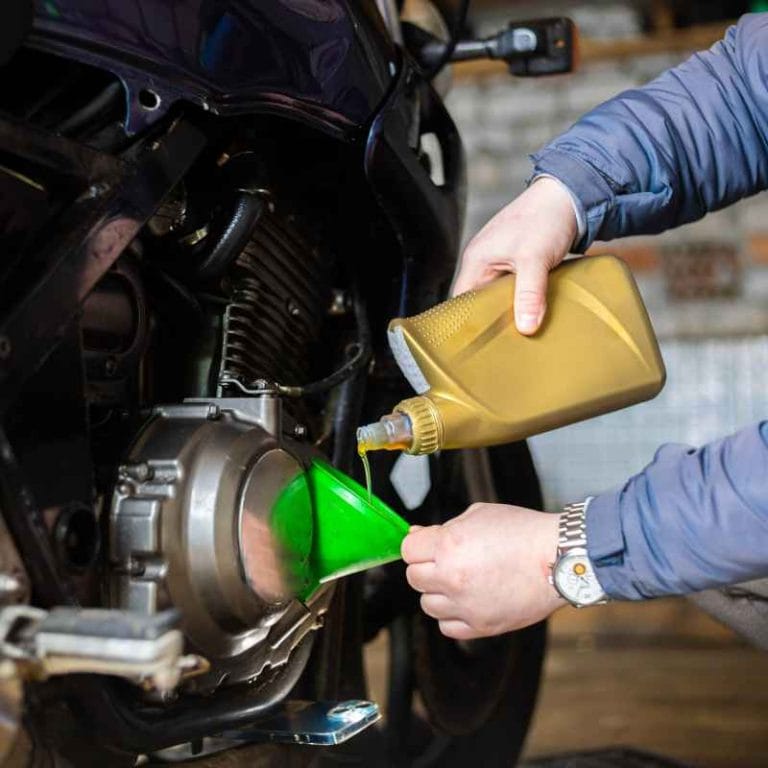
Car Engine Oil Vs Motorcycle Engine Oil: Key Differences
Engine oil does a lot of important jobs. It keeps engine parts clean. It also stops them from rubbing together.
This reduces wear and tear. Oil helps keep the engine cool too. It carries heat away from hot parts.
Think of oil as the lifeblood of an engine. Without the right kind, things can break down fast. This is true for both cars and bikes.
But the way cars and motorcycles work is quite different. These differences mean they need different kinds of oil.
Why Car Oil and Motorcycle Oil Are Not the Same
The main reason they differ is how the engine and transmission work. In most cars, the engine oil only lubricates the engine. The transmission system uses its own special fluid.
This is separate from the engine oil.
Motorcycles are often designed differently. Many bikes use a “wet clutch” system. This means the clutch plates are bathed in the same oil that lubricates the engine and the transmission.
This is a big deal.
Motorcycle Wet Clutch Needs
What is a wet clutch? It’s a clutch where the friction plates are dipped in oil. This oil helps them grip and release smoothly. It also keeps them cool.
Why is this important? The oil must allow the clutch plates to grab each other properly. If the oil is too slippery, the clutch will slip. This means less power gets to the wheel.
It can also cause the clutch to wear out faster.
Car engine oil is made to be a great lubricant. But it often has “friction modifiers.” These are chemicals that make parts slide easily. While good for a car engine, they are bad for a motorcycle’s wet clutch.
They make the clutch slip.
So, the oil in your motorcycle has a tougher job. It must be a good lubricant for the engine and allow the clutch to engage properly. It also needs to handle the transmission gears.
Key Differences Explained
Let’s break down the specific differences you’ll see. It boils down to several key areas. These include viscosity, additive packages, and specific certifications.
Viscosity Grades
Viscosity is how thick or thin oil is. It’s often shown as a number, like 10W-30. The “W” stands for winter.
The first number is how it flows when cold. The second number is how it flows when hot.
Both cars and motorcycles use various viscosity grades. But the specific grades recommended might differ. Manufacturers test their engines and transmissions.
They figure out the best oil thickness for them.
For example, a sports bike might need a thinner oil for high RPMs. A cruiser might need a thicker oil for lower RPMs and heavier loads. Always check your owner’s manual.
It lists the exact viscosity grade your bike needs.
Additive Packages: The Big Deal
This is where the real difference lies. Additives are chemicals mixed into the oil. They give the oil special properties.
Car oils and motorcycle oils have very different additives.
Car oils have additives for engine wear. They also have detergents to keep engines clean. Some have additives to help with fuel economy.
Motorcycle oils have these too. But they also need additives for the clutch and transmission. These include anti-wear agents for gears.
They also need to ensure the clutch plates grab effectively.
Car oil often has friction modifiers. These are great for reducing friction in a car engine. But as we said, they cause slippage in a motorcycle clutch.
This can feel like a loss of power. It can also lead to overheating and damage.
Additives to Watch For
- Friction Modifiers: Common in car oil. Bad for motorcycle clutches.
- Detergents: Keep engines clean. Found in both, but amounts may differ.
- Anti-wear Agents: Protect metal parts from rubbing. Essential for both.
- Anti-foam Agents: Prevent air bubbles. Important for high-revving engines.
- Viscosity Index Improvers: Help oil stay at the right thickness across temperatures.
Certifications and Standards
Oil is tested and given ratings. These ratings tell you it meets certain standards. For cars, you’ll often see API (American Petroleum Institute) ratings.
For motorcycles, there are different standards.
The most common motorcycle oil standard is JASO. JASO stands for Japanese Automotive Standards Organization. There are different JASO ratings:
- JASO MA: For motorcycles with wet clutches. Provides good friction performance.
- JASO MA1: A lower friction version of MA. For bikes needing less clutch grab.
- JASO MA2: A higher friction version. For bikes needing maximum clutch grip.
- JASO MB: For motorcycles with dry clutches or automatic scooters. These don’t use engine oil for the clutch.
When you buy motorcycle oil, look for the JASO MA or MA2 symbol. This means it’s tested and safe for your wet clutch. If your bike has a dry clutch, JASO MB might be suitable.
Always check your manual.
Car oil might have an API rating like SN or SP. These are good for cars. But they don’t guarantee performance in a motorcycle’s wet clutch system.
Using car oil on a motorcycle could void your warranty.
Personal Experience: A Slippery Situation
I remember helping a friend with his bike a few years back. He had a sportbike, a Yamaha R6. He was doing his own maintenance.
He ran out of motorcycle oil one afternoon. He was close to a auto parts store but not near a motorcycle shop.
He thought, “It’s just oil. How different can it be?” He bought a 5-quart jug of car oil. It was the right viscosity, 10W-40.
He topped off his bike. He rode it for a week. Then, he started complaining.
He said his clutch felt “spongy.” He felt like he was losing power when he accelerated hard.
I asked him what oil he used. When he told me, I sighed. I explained about the wet clutch and friction modifiers.
He was worried he’d done serious damage. We ended up draining the car oil. We flushed the engine with motorcycle oil.
Then we refilled it with proper 10W-40 JASO MA2 oil.
After that, his clutch felt normal again. He said it was a hard lesson learned. The cost of the proper oil was nothing compared to potential clutch or engine repairs.
It was a clear example of why the right oil matters.
Quick Check: Oil Type & Your Bike
Does your motorcycle have a wet clutch? Most do. This includes many sportbikes, cruisers, touring bikes, and standard motorcycles.
Does your motorcycle have a dry clutch? Some older bikes or specific models might. Automatic scooters often have a system that doesn’t use engine oil for clutch action.
Check Your Manual: The absolute best place to confirm is your owner’s manual. It will state the exact oil type and JASO rating needed.
Why Using Car Oil in a Motorcycle Can Be Harmful
So, we’ve touched on the main issues. But let’s really spell out the potential harm. It’s not just about minor performance dips.
It can lead to costly repairs.
Clutch Slippage and Wear
This is the most immediate problem. Car oil’s friction modifiers make the clutch plates slide too easily. This means they can’t grab onto each other with full force.
When you twist the throttle, the engine revs up, but the bike doesn’t accelerate as it should.
This constant slipping generates heat. Excessive heat is bad for any engine part, especially a clutch. It can cause the clutch plates to glaze over.
Glazing makes them even less likely to grip. This leads to premature wear. You might notice you need to replace your clutch plates much sooner than expected.
Transmission Gear Damage
Motorcycle transmission gears work hard. They are in constant motion. The oil must provide a strong, protective film between the gear teeth.
This prevents them from grinding against each other.
Some car oils might lack the specific anti-wear additives that motorcycle oils have for transmissions. This is especially true for older car oil formulations or oils not meeting the latest API standards that account for modern engine needs.
If you use car oil, especially over a long period, the gears might not get enough protection. This can lead to premature wear on the gear teeth. You might start hearing grinding noises.
Shifting could become difficult or impossible.
Overheating
Oil plays a vital role in cooling. It carries heat away from the engine’s hottest parts. It also helps cool the clutch, especially in a wet clutch system.
If the oil is too slippery (due to friction modifiers in car oil), it might not carry heat as efficiently. The clutch can overheat. Engine components can also run hotter than they should.
Overheating can cause serious engine damage. This includes warping parts or even seizing the engine.
Voiding Your Warranty
Most motorcycle manufacturers specify using oil that meets certain standards, like JASO MA or MA2. If you use the wrong type of oil and have an engine or clutch failure, your warranty claim will likely be denied. This could leave you with a very expensive repair bill.
When Is Car Oil Potentially Okay (with HUGE Caveats)?
There are a few very specific situations where car oil might be considered. But these are rare, and you must be absolutely sure.
Dry Clutches
Some motorcycles, particularly older models or certain European brands, have dry clutches. These clutches are not in contact with the engine oil. They operate in the air, much like a car’s clutch.
If your bike has a dry clutch, the engine oil’s job is solely engine lubrication. In this case, a car oil that meets the correct viscosity and API specifications for your engine might be acceptable. However, the transmission gears still need proper lubrication.
You must confirm, with 100% certainty, that your motorcycle has a dry clutch. Check your owner’s manual or consult a trusted mechanic. Using the wrong oil in a wet clutch system is a major risk.
Scooters with Separate Transmissions
Many modern scooters use a design where the engine oil lubricates the engine only. The transmission and the clutch (if it’s an automatic type) are in a separate gearbox. This gearbox might use a different type of fluid altogether, often a gear oil or a specific automatic transmission fluid.
Again, the owner’s manual is your best friend here. It will clearly state what type of oil goes into the engine and what fluid goes into the transmission/gearbox.
Scooter Oil Specifics
Engine Oil: Check your manual for viscosity and API specs. JASO MA/MA2 is usually not needed here, but confirm.
Gear Oil: Scooters often have a small separate plug for gear oil. This is usually a thicker oil (like 80W-90) and is critical for the transmission.
Automatic Transmission Fluid (ATF): Some automatic transmissions use a specific type of ATF. Always use what the manufacturer recommends.
What If You Accidentally Used Car Oil?
Don’t panic if this has already happened. The key is to act quickly. The longer you ride with the wrong oil, the higher the risk of damage.
Step 1: Stop Riding Immediately. If you just realized, stop using the bike. The sooner you address it, the better.
Step 2: Drain the Oil. Get your motorcycle ready for an oil change. Warm up the engine slightly for a few minutes. This helps the oil drain better.
Place a suitable drain pan under the oil drain plug.
Step 3: Replace the Oil Filter. It’s good practice to change the oil filter whenever you change the oil. This removes any contaminants.
Step 4: Refill with Proper Motorcycle Oil. Use the exact type of oil recommended in your owner’s manual. Make sure it has the correct viscosity and JASO rating (MA or MA2).
Step 5: Run the Engine Briefly. After refilling, start the engine. Let it run for a minute or two. Check for leaks around the drain plug and filter.
Then, turn it off.
Step 6: Drain and Refill Again (Recommended). For peace of mind, especially if you rode for a while, it’s wise to drain and refill with the correct oil one more time. This helps flush out any remaining traces of the wrong oil. Change the filter again.
If you notice persistent issues like clutch slippage or strange noises after this, it’s time to see a mechanic. They can inspect the clutch and transmission for any damage.
Choosing the Right Oil for Your Car
Now, let’s flip it. What kind of oil does your car need? Car manufacturers have very specific recommendations.
These are based on the engine design, operating temperatures, and emissions standards.
Owner’s Manual is Key: Always refer to your car’s owner’s manual. It will tell you the recommended viscosity grade (e.g., 5W-30, 0W-20) and the required API service category (e.g., API SP). Some manuals may also mention ILSAC standards (like GF-6).
Synthetic vs. Conventional: You’ll find conventional oil and synthetic oil. Synthetic oils are generally better.
They offer superior protection, especially in extreme temperatures. They also tend to last longer between changes.
Oil Change Intervals: Modern cars often have oil life monitoring systems. These tell you when to change the oil based on driving conditions. Follow these recommendations.
If your car doesn’t have one, stick to the intervals in your manual (often 5,000 to 10,000 miles for conventional/synthetic blends, and potentially longer for full synthetics).
Don’t Use Motorcycle Oil in Your Car: While less common, it’s also not a good idea to use motorcycle oil in your car. Motorcycle oils are formulated for specific motorcycle needs. They might lack some additives that modern car engines require.
They might also have too much of something the car engine doesn’t need.
Car Oil Selection Tips
Viscosity: Follow the “W” number and the second number exactly.
API Rating: Look for the latest rating (e.g., API SP) for optimal engine protection.
ILSAC Rating: Often listed alongside API. Standards like ILSAC GF-6 are important for fuel economy and engine protection.
Synthetic: Consider full synthetic for the best performance and protection, especially in extreme climates.
Real-World Context: Why These Differences Matter in Practice
Imagine you’re on a road trip on your motorcycle. The engine is working hard. The clutch is engaging and disengaging with every gear change.
The transmission is handling the power transfer. All of this is happening under heat and pressure.
Now, imagine the oil in your motorcycle is car oil. The friction modifiers are making the clutch plates struggle to grip. This means you’re not getting full power to the rear wheel.
You might notice the bike feels sluggish, especially going uphill or when passing.
The clutch plates are getting hotter than they should. They start to wear down faster. You might also notice that shifting gears feels rougher.
The transmission gears are not as well protected as they would be with proper motorcycle oil. This can lead to premature wear on the gear teeth.
In a car, the oil’s job is different. It’s about lubricating the engine’s pistons, crankshaft, and camshaft. It’s about keeping things cool and clean.
The transmission and clutch are separate systems. They have their own fluids designed for those specific jobs.
The design of vehicles dictates the type of oil. Cars have many moving parts in the engine that need lubrication. They also have a separate, robust transmission and clutch system.
Motorcycles, especially those with wet clutches, combine these lubrication needs into one system.
What This Means for You: Knowing Your Ride
The most important thing is to know your vehicle. Are you working on a car or a motorcycle? What is the specific make, model, and year?
For Motorcycle Owners
Always use motorcycle-specific oil. This is non-negotiable for bikes with wet clutches. Check your owner’s manual for the recommended viscosity and the crucial JASO MA or MA2 rating.
Don’t guess. If you’re unsure, ask a dealership or a reputable motorcycle mechanic. It’s better to ask than to risk expensive damage.
Consider the riding style. If you ride aggressively, a higher-quality synthetic motorcycle oil with a JASO MA2 rating will offer the best protection.
For Car Owners
Follow your owner’s manual. Use the recommended viscosity and API service category. This ensures your engine runs efficiently and lasts longer.
Consider synthetic oil. It often provides superior protection and can extend drain intervals, saving you time and money in the long run.
Don’t use motorcycle oil. While it might not cause immediate catastrophic failure, it’s not designed for your car’s engine and may lead to issues down the line.
Quick Fixes & Preventative Tips
The best “fix” is prevention. Using the correct oil from the start is the smartest move you can make for your vehicle’s health.
- Read Your Owner’s Manual: Seriously, this is the most critical step. It holds all the answers for your specific vehicle.
- Keep a Log: Note down the date, mileage, and type of oil and filter you used for every oil change. This helps track your maintenance schedule.
- Buy Reputable Brands: Stick to well-known oil brands that have a proven track record.
- Inspect Regularly: Check your oil level periodically (weekly or bi-weekly). Look for any unusual color or consistency.
- Listen to Your Vehicle: Pay attention to any new noises, changes in performance, or warning lights. These could indicate an oil-related issue.
Frequently Asked Questions
Can I use car oil in my motorcycle if it has a dry clutch?
In some cases, yes, if your motorcycle has a genuinely dry clutch system and you confirm this with your owner’s manual. You would still need to ensure the car oil meets the specified viscosity and API rating for your motorcycle’s engine. However, verify the transmission fluid requirements separately.
It’s always safest to use motorcycle-specific oil, even for dry clutch bikes, as they often contain other beneficial additives for the engine and transmission.
What does JASO MA2 mean for my motorcycle?
JASO MA2 is a specific standard for motorcycle oils. It indicates that the oil has been tested and meets requirements for motorcycles with wet clutches. The “MA2” rating means it offers higher friction performance, providing excellent grip for the clutch plates.
This is crucial for ensuring your clutch engages properly and doesn’t slip, especially under high load or aggressive riding conditions.
How often should I change the oil in my car vs. my motorcycle?
This varies greatly. For cars, modern synthetics can often go 7,500 to 10,000 miles or more, but always check your manual or oil life monitor. Motorcycles typically require more frequent changes, often every 3,000 to 6,000 miles, or annually, whichever comes first.
High-performance or track bikes might need even more frequent changes. Your owner’s manual is the definitive source.
Will using car oil damage my motorcycle transmission?
Yes, it’s possible. Car oil may not have the correct extreme pressure (EP) additives needed to protect motorcycle transmission gears. These gears experience high stress and friction.
Using car oil can lead to accelerated wear on the gear teeth, making shifting difficult or causing premature transmission failure.
What happens if my motorcycle clutch slips?
Clutch slip means the engine is revving, but the bike isn’t accelerating as it should. This is often caused by the wrong oil (like car oil with friction modifiers), worn clutch plates, or improper clutch adjustment. Continuous slipping generates excessive heat, which can quickly damage the clutch plates, leading to them glazing over and requiring replacement sooner.
Can I use a 10W-40 car oil in my motorcycle if my manual says 10W-40 motorcycle oil?
No, not recommended. While the viscosity (10W-40) might match, the additive package is the critical difference. Motorcycle oil is formulated to work with wet clutches and transmissions.
Car oil contains friction modifiers that are detrimental to motorcycle wet clutches, leading to slippage and potential damage. Always use oil specifically labeled for motorcycles and meeting the JASO rating specified.
Conclusion: The Right Fluid for the Right Ride
It’s clear that while both cars and motorcycles need engine oil, they are not interchangeable. The unique design of most motorcycles, especially their wet clutch systems, demands specialized oil. Using the wrong oil can lead to reduced performance, accelerated wear, and costly repairs.
Always refer to your vehicle’s owner’s manual for the correct specifications. Choosing the right oil is a simple but powerful way to ensure your car or motorcycle runs smoothly for miles to come.
Products related to this article
Sponsored / affiliate links. As an Amazon Associate I earn from qualifying purchases. I may earn additional commission from eligible campaigns.