Why Is There No Oil In My Car? Causes And Quick Fixes
It’s a sinking feeling, isn’t it? You check your car’s engine and there’s no oil. Or maybe the light came on, and you dread the thought of a serious problem. It’s easy to panic when you see low oil levels. But many times, this is a fixable issue. We’re going to break down why this happens. You’ll learn what to look for and what you can do.
No engine oil in your car means a potential for serious damage. Common reasons include oil leaks, burning oil, or simply not topping it off during regular maintenance. Checking your oil dipstick regularly is key to preventing engine failure.
Understanding Engine Oil and Why It Matters
Engine oil is like the blood of your car’s engine. It does a lot of important jobs. First, it keeps things from rubbing together. Moving parts in the engine can get very hot. Oil creates a slick layer. This stops them from grinding against each other. This is called lubrication.

Valvoline
Valvoline Advanced Full Synthetic SAE 0W-16 Motor…
- Advanced protection against the four main causes of engine breakdown: wear friction heat and deposits
- Delivers stronger wear protection than industry standards to reduce friction and improve fuel economy
- Exceeds industry standards, keeping engines cleaner for smoother performance and longer-lasting protection
As an Amazon Associate I earn from qualifying purchases.
Oil also helps keep the engine clean. As it moves around, it picks up tiny bits of dirt and metal. These bits are then carried to the oil filter. The filter traps them. So, your engine stays cleaner inside.
Another big job is cooling. Some parts of the engine get incredibly hot. Oil flows over these parts. It carries some of that heat away. This helps stop the engine from overheating.
Finally, oil helps seal the gaps. There are small spaces between parts like the piston and cylinder. Oil fills these spaces. This helps maintain good pressure. This pressure is needed for the engine to run well. Without enough oil, all these jobs suffer. This can lead to big problems fast.
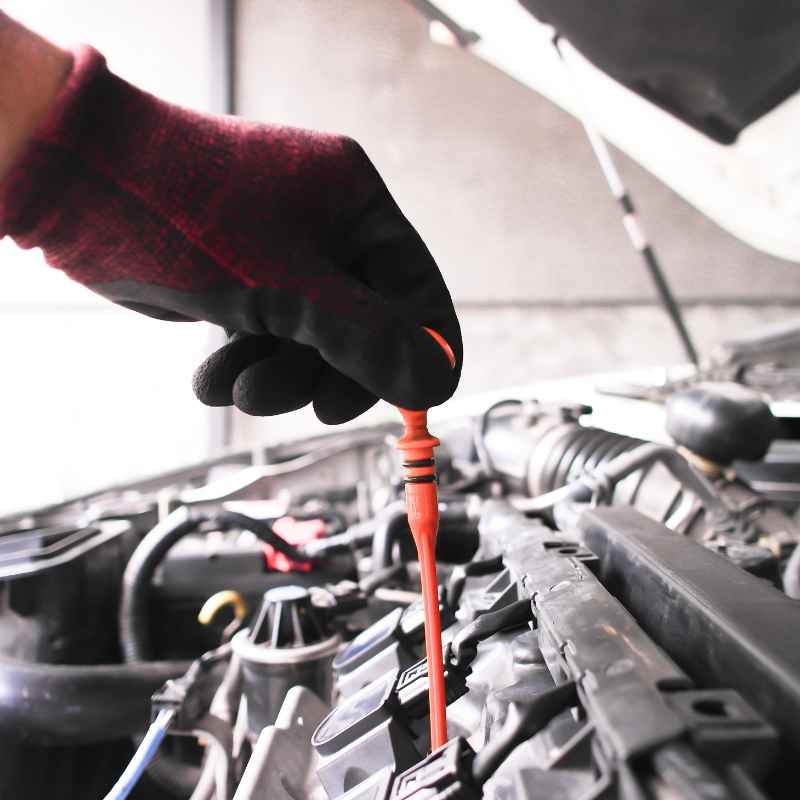
What Does “No Oil” Really Mean?
When we say “no oil,” it usually doesn’t mean the engine is completely dry. Most of the time, it means the oil level is very low. The oil light on your dashboard comes on when the oil pressure drops too low. This happens before the engine is totally empty.
Low oil pressure is a warning. It means there isn’t enough oil to do its job properly. The oil pump can’t pull enough oil to send it everywhere. This is a critical situation. Driving with low oil pressure can cause immediate and severe engine damage.
Imagine your joints. If they don’t have enough lubricant, they ache and grind. Your engine is similar. Without enough oil, metal parts will start to grind. This creates heat and friction. This friction can wear down parts quickly. It can even cause parts to seize up.
So, “no oil” or a low oil pressure light means stop driving. Your engine is crying for help. It needs oil to survive.
My Car Had No Oil: A Real Story
I remember one sweltering summer afternoon. I was driving back from visiting my parents, a good three-hour trip. About halfway there, the dreaded red oil light flickered on. My heart sank. I pulled over to the side of a quiet country road. I popped the hood, a bit nervous.
I grabbed the dipstick. It came out clean. No oil coating at all. I felt a wave of panic. This was before I really knew much about cars. My mind raced with expensive repair bills. Was the engine ruined? I stood there for a moment, just staring. The heat shimmered off the asphalt.
I finally remembered a friend telling me to always keep a quart of oil in the trunk. Luckily, I had one! I found it, unscrewed the oil cap, and poured it in. I waited a few minutes. Then I checked the dipstick again. This time, there was a little oil on it. It wasn’t full, but it was something.
I started the engine. The light stayed off. I drove very slowly and carefully to the nearest auto parts store. I bought another quart and some coolant, just in case. I topped it off there. I then drove straight to a mechanic. He checked for leaks and found a small one. He also told me my car had been burning oil. That’s why it got so low. He fixed the leak and gave me advice on checking my oil more often. That day taught me a valuable lesson. Car maintenance isn’t just about keeping it clean. It’s about keeping it alive.
Common Reasons for Low Engine Oil
There are a few main reasons your car might be running low on oil. Understanding these can help you spot the problem early.
1. Oil Leaks
Leaks are one of the most common culprits. Gaskets and seals in the engine can wear out over time. This creates tiny openings. Oil can then seep out of these openings. It might drip onto the ground. You might see dark spots under your car. This is often a sure sign of a leak.
Sometimes, leaks aren’t obvious. They might be small drips. Or the oil might burn off before it hits the ground. This makes it harder to spot. Leaks can happen in many places. The oil pan, the oil filter housing, valve covers, and the main seals are common spots. Even a small leak can drain a lot of oil over weeks or months.
2. Oil Burning (Consumption)
This happens when oil gets into the engine’s combustion chambers. It mixes with the fuel. Then it burns along with the gasoline. This is called oil consumption. Cars can burn oil as they age. The parts inside the engine wear down. This creates gaps. Oil then finds its way into these gaps.
Piston rings are a common reason for burning oil. These rings seal the gap between the piston and the cylinder wall. If they wear out or get stuck, oil can leak past them. Valve seals can also fail. They help stop oil from getting into the intake and exhaust ports.
When oil burns, you might notice blue smoke coming from your exhaust pipe. This smoke is more visible when you first start the car or accelerate. It’s a clear sign that oil is being burned.
3. Neglected Maintenance
This is a big one. Regular oil changes are crucial. Over time, oil breaks down. It loses its ability to lubricate and protect. It can also become dirty with particles. If you don’t change your oil at the recommended intervals, it can get very low.
The recommended oil change interval varies. It depends on your car’s make and model. It also depends on how you drive. Check your owner’s manual for the exact schedule. Many cars have a sticker on the windshield reminding you. Don’t ignore these reminders.
Also, people sometimes forget to top off the oil. Even if there are no leaks, oil levels naturally go down a bit over time. You need to check it and add more if needed.
4. Incorrect Oil Type or Viscosity
Using the wrong type of oil can cause problems. Cars are designed to work with specific oil weights, or viscosities. This is shown as numbers like 5W-30. The first number is for cold weather. The second is for hot weather.
If you use oil that’s too thin, it might not provide enough protection. It could also burn off faster. If you use oil that’s too thick, it might not flow well. This can cause the oil light to come on, especially when the engine is cold. Always use the oil recommended in your owner’s manual.
5. Damage to the Oil System
Less common, but possible, is damage to the oil system itself. This could be a damaged oil pan. Or the oil pickup tube might be blocked or broken. The oil pump itself could also fail. If the pump isn’t working, it can’t move oil around the engine. This leads to immediate low oil pressure.
How to Check Your Car’s Oil Level
Checking your oil is a simple process. You can do it yourself. It’s a good habit to get into.
What You Need:
Clean rag or paper towel
Gloves (optional)
The correct type of new oil (if you need to add some)
Steps:
1. Park on a level surface. This is very important. If the car is on a hill, the reading will be wrong.
2. Turn off the engine. Wait for at least 5-10 minutes. This lets the oil drain back into the oil pan. If the engine is hot, be careful.
3. Open the hood. Find the oil dipstick. It usually has a bright-colored handle, often yellow or orange. It might have an oil can symbol on it.
4. Pull out the dipstick. Wipe it completely clean with your rag. Make sure there’s no oil left on it.
5. Reinsert the dipstick fully. Push it all the way back in.
6. Pull the dipstick out again. Look at the tip. There will be markings. These usually show two dots or lines. One might say “ADD” or “LOW.” The other might say “FULL” or “MAX.”
7. Read the oil level. The oil should be between the two marks. If it’s at or below the “ADD” mark, you need to add oil. If it’s above the “FULL” mark, it’s overfilled.
What if the Dipstick is Dry?
If you pull out the dipstick and there is no oil on it at all, this is a serious situation. It means your oil level is critically low. You should not start the engine.
This often means there’s a significant leak or the engine has been burning a lot of oil. You will need to add oil immediately. Then, you must get the car inspected by a mechanic as soon as possible.
Quick Oil Check Guide
When: Check oil once a month. Also check before a long trip.
Where: Always on a flat surface.
Engine: Must be off. Wait 5-10 minutes after turning it off.
Dipstick: Pull, wipe, reinsert, pull again.
Level: Should be between the ‘Add’ and ‘Full’ marks.
Adding Oil: What You Need to Know
If your oil level is low, you’ll need to add oil. It’s important to add the right kind and the right amount.
Choosing the Right Oil
Your car’s owner’s manual is your best friend here. It will tell you the exact type and viscosity of oil to use. This is usually something like “5W-30 synthetic blend.” Using the wrong oil can do more harm than good.
If you can’t find your manual, many auto parts stores have lookup tools. You can enter your car’s make, model, and year. They will show you the correct oil.
How Much Oil to Add
When you check the dipstick, if the level is at the “ADD” mark, you usually need to add about one quart (or liter). A quart of oil typically brings the level up from “ADD” to “FULL.”
However, it’s best to add oil in small amounts. Add about half a quart first. Wait a few minutes. Then check the dipstick again. Repeat this process until the oil level reaches the “FULL” mark. Do not overfill. Overfilling can also damage your engine.
Where to Add Oil
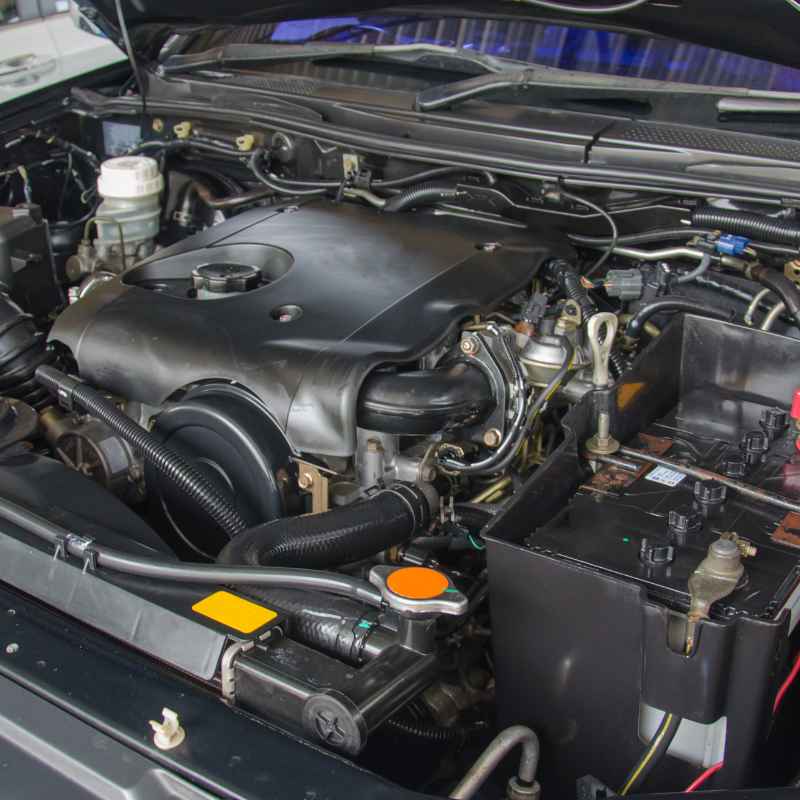
Under the hood, you’ll see various caps. One of them will be for adding engine oil. It usually has a symbol of an oil can on it. Make sure the engine is off and cool. Unscrew the cap. Slowly pour the oil in.
Adding Oil: Simple Steps
Find the Cap: Look for the oil can symbol. It’s usually black or colored.
Use the Right Oil: Check your owner’s manual!
Pour Slowly: Don’t rush. Avoid spills.
Check Often: Add small amounts. Recheck the dipstick after each addition.
Don’t Overfill: Too much oil is bad too.
When to Worry: Signs of Serious Problems
While a low oil level can often be fixed, sometimes it’s a sign of a bigger issue. Here are signs that indicate you need professional help right away.
1. Oil Light Stays On After Adding Oil
If you add oil and the light still stays on, this is a major concern. It could mean the oil pump is failing. Or there might be a blockage in the oil system. It could also mean the oil pressure sensor is faulty, but don’t assume that.
2. Metal Shavings in the Oil
When you check the dipstick, look closely at the oil on it. If you see tiny flecks of metal, this is bad news. It means engine parts are grinding against each other and breaking apart. This is a sign of severe internal engine damage.
3. Strange Engine Noises
If your engine starts making knocking, ticking, or grinding sounds, especially after the oil light came on, stop the car immediately. These noises are often caused by lack of lubrication.
4. Blue Smoke from Exhaust
As mentioned before, blue smoke means your car is burning oil. If it’s a lot of smoke, it suggests a significant internal problem.
5. Leaks That Won’t Stop
If you have a leak and adding oil only helps for a short time, you likely have a serious leak. This could be from a cracked engine block or a blown gasket.
Preventing Low Oil Levels: Your Best Defense
The best way to deal with low oil is to prevent it from happening. Here’s how you can stay ahead.
Regular Oil Changes
Stick to your car’s recommended oil change schedule. This is usually in your owner’s manual. Use the correct oil type and filter. A clean, fresh oil supply is vital for engine health.
Frequent Oil Level Checks
Make it a habit to check your oil level at least once a month. If you drive a lot, or if your car is older, check it more often. Also, check before any long road trips. It only takes a few minutes.
Listen to Your Car
Pay attention to how your car sounds and feels. Any new noises or changes in performance could be a sign of a problem, including oil-related issues.
Address Leaks Promptly
If you notice oil spots under your car, get them checked immediately. Don’t wait. Small leaks can become big problems.
Preventative Maintenance Checklist
- Monthly Oil Check: Ensure the level is correct.
- Oil Change Schedule: Follow your manual’s advice.
- Visual Inspection: Look for leaks under the car.
- Listen Closely: Note any unusual engine sounds.
- Check for Smoke: Watch your exhaust, especially on startup.
Can You Drive with Low Oil?
The short answer is: No, you really shouldn’t.
If your oil light is on, it means oil pressure is critically low. This is the engine’s way of screaming for help. Driving with low oil is like running a marathon without water. You will cause damage.
Even if you only drive a short distance, you risk serious harm to the engine. Parts will grind. Heat will build up. This can lead to bent parts, seized pistons, or a damaged crankshaft. These repairs are incredibly expensive. Sometimes, it’s cheaper to replace the entire engine.
If the light comes on, pull over safely as soon as possible. Turn off the engine. Check your oil. If it’s very low or non-existent, add oil. Then, get your car to a mechanic. Don’t try to push it. The cost of a tow is far less than the cost of a new engine.
How Mechanics Diagnose Low Oil Issues
Mechanics have tools and experience to figure out exactly why your oil is low. Here’s what they might do:
Visual Inspection: They’ll look for obvious oil leaks. They check the oil pan, gaskets, seals, and the oil filter area.
Pressure Test: They can connect a gauge to the engine to measure the actual oil pressure. This tells them if the problem is truly low oil or a bad sensor.
Dye Test: Sometimes, they add a fluorescent dye to the oil. Then they use a black light to find even the smallest leaks.
Engine Compression Test: This test checks the seal of the piston rings. It can help determine if oil is being burned.
Check for Blow-by: They might check for excessive pressure in the crankcase. This indicates oil is getting past the piston rings.
Scan Tool: Modern cars have computers that store error codes. A mechanic can scan these codes for clues about engine problems.
Real-World Scenarios and Oil Levels
Understanding how different situations affect your oil level can be helpful.
Scenario 1: The Weekend Warrior
Imagine you have a truck you use for off-roading. Driving on rough terrain can sometimes put the engine at odd angles. This might make your oil level appear lower than it is. Or, it could dislodge dirt that then causes a small leak. If you’re an off-road enthusiast, check your oil before and after adventures.
Scenario 2: The City Commuter
Lots of stop-and-go traffic means your engine works harder. It might run a bit hotter. This can sometimes increase oil consumption. Also, if you tend to drive short distances, your oil might not get hot enough to burn off moisture. This can degrade the oil faster. Regular checks are vital here.
Scenario 3: The Long-Haul Driver
Highway driving is often easier on the engine. However, continuous running for hours can still lead to oil burning. If your car is older, it might start burning oil during long trips. Keep an eye on the oil level and top off as needed.
Context Matters: Oil Level Scenarios
Off-Roading: Angles and vibrations can affect readings and cause minor leaks.
City Driving: Frequent stops and starts increase engine strain and heat.
Highway Driving: Long runs can increase oil consumption in older engines.
Cold Weather: Thick oil might make the pressure light flicker briefly on startup.
Hot Weather: Oil thins; ensure it’s the right viscosity and level.
What This Means for Your Car’s Health
Your engine oil is a key part of your car’s health. If the oil level is consistently low, it means something is wrong.
Increased Wear: Every moment the oil level is low, engine parts are rubbing more. This wears them down faster.
Overheating Risk: Oil helps cool the engine. Without enough of it, parts can get too hot.
Sludge Buildup: Old, dirty oil doesn’t do its job well. It can form sludge. This blocks oil passages.
Reduced Performance: An engine running without enough oil won’t perform as well. It might feel sluggish.
Catastrophic Failure: In the worst-case scenario, the engine can seize up completely. This means it stops working.
When Is No Oil a Normal Occurrence?
This is a tricky question. Truly, having absolutely “no oil” is never normal. The closest you might get to a normal situation that looks like “no oil” is:
Very New Cars: Some brand new engines might use a tiny bit of oil as parts seat themselves. But this should be very minimal and not result in a “no oil” reading on the dipstick.
Oil Change Time: If you are way overdue for an oil change, the level might be low. But it should still register on the dipstick.
Mistake: You might have forgotten to add oil after a previous check, or the dipstick was inserted incorrectly.
Generally, if you find no oil on the dipstick, it’s not normal. It’s a sign that needs immediate attention.
What to Do If You Suspect No Oil
If you check and genuinely believe there is no oil, here’s a step-by-step guide:
1. Do NOT start the engine. This is the most important step.
2. Get the correct oil. Check your owner’s manual for the exact type and amount.
3. Carefully add oil. Start with one quart. Do it slowly.
4. Wait. Let the oil settle for about 10 minutes.
5. Check the dipstick again. See if any oil registers.
6. Add more oil if needed. Add in small increments, checking each time.
7. Once oil registers, start the engine. Listen for any strange noises. Check if the oil light goes off.
8. Drive directly to a mechanic. Explain what happened. Get a full inspection. You need to know why it got so low.
Frequently Asked Questions
How often should I check my car’s oil?
It’s a good idea to check your oil level at least once a month. If you drive a lot, have an older car, or notice any issues, check it more often. Also, check before any long road trips.
Can I use a different type of oil if I’m in a pinch?
It’s best to use the exact type and viscosity of oil recommended in your owner’s manual. Using the wrong oil can cause damage. If you absolutely must use a different type in an emergency, consult a mechanic as soon as possible to switch back to the correct oil.
What’s the difference between oil leaks and oil burning?
Oil leaks mean oil is escaping the engine and dripping out, often seen as puddles under the car. Oil burning means oil is entering the combustion chamber and being burned with the fuel, often indicated by blue smoke from the exhaust.
Is it okay if my oil level is slightly above the ‘Full’ mark?
A little bit over is usually okay, but it’s not ideal. Overfilling the oil can cause problems like foaming, increased pressure, and damage to seals. It’s best to keep the oil level right at or just below the ‘Full’ mark.
My car is old, is it normal for it to burn oil?
While older cars may burn more oil than newer ones, it’s not necessarily “normal.” It indicates wear on engine components like piston rings or valve seals. You should still monitor the oil level closely and have the issue addressed by a mechanic to prevent further damage.
What does the oil pressure light mean?
The oil pressure light means your engine is not getting enough oil flow. This is a critical warning. It signifies that the oil pump is struggling to circulate oil, and the engine is at high risk of severe damage if you continue to drive.
Final Thoughts on Engine Oil
Keeping your engine properly oiled is one of the simplest yet most vital car maintenance tasks. When you find yourself facing the alarming sight of no oil, remember it’s often a solvable problem. By understanding the common causes like leaks and burning, and by performing regular checks, you can protect your engine. Don’t ignore that oil light. It’s your car’s way of telling you it needs attention. A few minutes of your time can save you thousands in repair costs down the road.
Related pick: Check today's price on Amazon
Products related to this article
Sponsored / affiliate links. As an Amazon Associate I earn from qualifying purchases. I may earn additional commission from eligible campaigns.
 ACROPIX Engine Oil Level Indicator Dipstick for Ford Fusion 2010-2012 for Ford Escape 2010-2012 for Ford Fusion 2006-2007 No.6E5Z6750AC Car Parts
 DongJinK Engine Oil Level Gage Dipstick Compatible with Toyota 4Runner 1984-1995 for Toyota Celica 1984-1985 for Toyota Pickup 1984-1995 Replace# 15301-35020 1530135020