What Happens When Car Brake Fluid Is Low
If you’ve ever wondered about your car’s braking system, you might have asked, “What Happens When Car Brake Fluid Is Low.” This is a common concern, especially for new drivers, and it can seem a bit tricky. Don’t worry! We’ll break it down simply.
This guide will show you exactly what goes on and what you can do about it, step by step. Let’s find out how to keep your brakes working their best.
Understanding Low Brake Fluid Effects
This section explains the direct consequences of having insufficient brake fluid in your vehicle. It covers how this impacts the braking system’s ability to function and the immediate dangers this situation presents. We’ll look at why brake fluid is so important for stopping your car safely.
![MAIANEY [7.5"x3.75"] I Brake for Little Guys…](https://m.media-amazon.com/images/I/41G-R41iqML._SL500_.jpg)
MAIANEY
MAIANEY [7.5"x3.75"] I Brake for Little Guys…
- High-Quality Vinyl Material: Crafted from durable vinyl, our bumper stickers are designed to withstand the elements and maintain t…
- Perfect Size: Measuring 7.5" x 3.75", these stickers are ideal for any vehicle—cars, trucks, motorcycles, and more—making them a v…
- 100% Waterproof: Built to resist fading, scratching, and tearing, our waterproof bumper stickers are perfect for outdoor use and c…
As an Amazon Associate I earn from qualifying purchases.
Why Brake Fluid is Essential
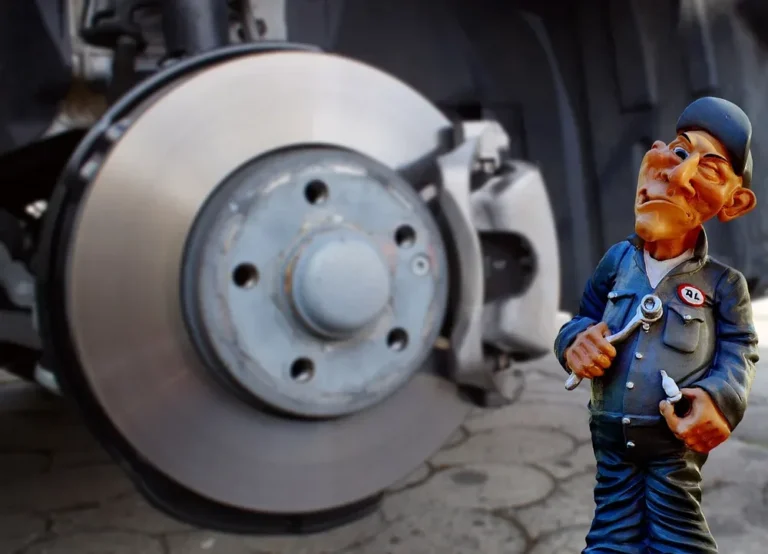
Brake fluid is the lifeblood of your car’s braking system. It’s a special type of hydraulic fluid that transmits the force from your brake pedal to the brake pads. When you press the pedal, the fluid is pushed through brake lines.
This pressure forces the brake pads to grip the rotors, slowing your car down.
Without enough fluid, this pressure can’t build up properly. It’s like trying to push a door open with very little air in a balloon. The force you apply doesn’t get transferred effectively.
This means your brakes won’t work as well as they should, making it harder to stop.
The Science Behind Hydraulic Braking
Hydraulic systems rely on the fact that liquids cannot be compressed. When you push on the brake pedal, you’re essentially pushing on the brake fluid in the master cylinder. This creates pressure that travels through the brake lines to the calipers or wheel cylinders at each wheel.
The brake fluid, being incompressible, transfers this pressure almost instantly and equally to all parts of the system. This is why pressing the brake pedal results in a consistent stopping force. If the fluid level is low, there’s air or space within the system that can be compressed, leading to a spongy pedal and reduced braking power.
What Happens When Car Brake Fluid Is Low
When the brake fluid level drops too low, several things can happen. The most noticeable symptom is a soft or spongy brake pedal. This means you have to press the pedal much further down to get the brakes to engage.
In severe cases, the pedal might go all the way to the floor.
This is because the brake system can no longer build up enough hydraulic pressure. Air can get into the lines, and air is compressible, unlike brake fluid. This compressibility means the force you apply is lost, and your stopping distance increases.
It’s a serious safety hazard.
Spongy Brake PedalA spongy brake pedal feels mushy or elastic when you press it. Instead of a firm resistance, it gives way easily. This is a clear sign that the brake fluid is low or that there’s air in the brake lines.
The air pockets compress under pressure, preventing the fluid from doing its job effectively.
Reduced Braking PerformanceWith less fluid, the hydraulic pressure needed to activate the brakes is significantly reduced. This means your car will take longer to stop. In emergency situations, this delay can be critical and lead to accidents.
The friction between the brake pads and rotors is weaker.
Increased Stopping DistancesBecause the brakes aren’t engaging as forcefully or quickly, the distance your car travels before coming to a complete stop will be much longer. This is a dangerous consequence, especially when driving at higher speeds or in traffic. Imagine needing to stop suddenly but your car just keeps rolling.
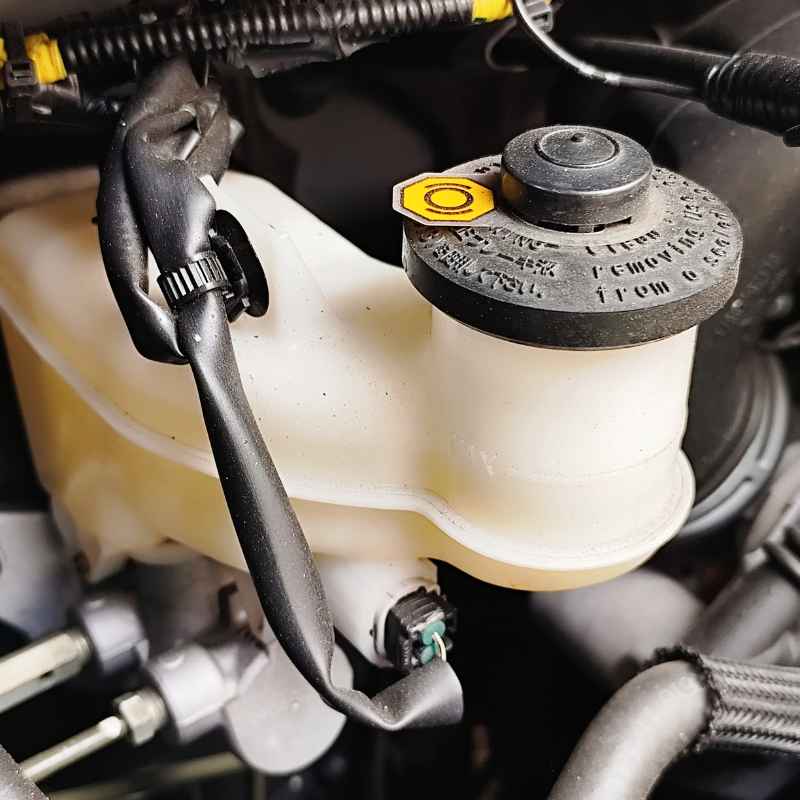
Warning Lights on the DashboardMany cars have a brake warning light that illuminates when the brake fluid level is low. This light is usually red or amber and looks like a circle with an exclamation mark or the word “BRAKE” inside. This is your car’s way of telling you there’s a problem with the braking system that needs immediate attention.
Investigating The Causes Of Low Brake Fluid
Discovering why your brake fluid is low is just as important as knowing the signs. This section will explore the common reasons for this issue, ranging from normal wear and tear to potential leaks. Understanding these causes helps you address the problem effectively and prevent future occurrences.
Normal Brake Pad Wear
As your brake pads wear down over time, they get thinner. This means the brake calipers have to extend further to clamp onto the brake rotors. The pistons inside the calipers push the brake pads against the rotors.
As these pistons move out further, they push more brake fluid out of the master cylinder reservoir.
This gradual decrease in fluid level due to normal wear is expected. It’s not usually a sign of a leak. The brake fluid level will drop slowly as your brake pads approach their minimum thickness.
Most people notice this subtle drop over months or even a year.
Brake Fluid Leaks
Leaks are a more serious cause of low brake fluid. These can happen in various parts of the brake system. A leak means fluid is escaping the system, leading to a rapid drop in the fluid level and compromised braking.
Common leak points include brake lines (which can rust or get damaged), brake hoses (which can crack or split), caliper seals, or wheel cylinders. If you notice a puddle of fluid under your car, especially near the wheels or along the brake lines, it’s a strong indicator of a leak.
Other Potential Issues
Besides normal wear and leaks, other issues can contribute to low brake fluid. Sometimes, a faulty master cylinder can lose fluid internally, though this is less common. Also, if the brake system has been recently serviced, it’s possible that an improper bleed or refill could lead to a low level.
Another factor, though rare, is a faulty brake fluid reservoir cap that isn’t sealed properly, allowing some fluid to evaporate over time. However, the primary reasons remain wear and leaks. Regular inspections are key to catching any of these problems early.
Cracked or Damaged Brake LinesBrake lines are typically made of metal and run from the master cylinder to the wheels. Over time, they can corrode, especially in areas with harsh weather or road salt. Small cracks or pinholes can form, allowing brake fluid to seep out slowly.
Worn or Leaking Caliper SealsBrake calipers house the pistons that push the brake pads. These pistons have seals to prevent fluid from leaking out. If these seals become worn or damaged, fluid can escape, leading to a drop in the reservoir level and a spongy pedal.
Damaged Brake HosesBrake hoses are flexible rubber lines that connect the rigid brake lines to the calipers. They need to be flexible to allow for steering and suspension movement. These hoses can degrade, crack, or split over time, especially from exposure to heat and road debris, causing leaks.
Addressing The Low Brake Fluid Problem
Now that you understand what happens and why, let’s talk about how to fix it. This part focuses on practical steps, from topping up the fluid to knowing when to seek professional help. We’ll guide you through the process safely and effectively.
Topping Up Brake Fluid
If the brake fluid level is low due to normal wear, you can often top it up. First, identify the correct type of brake fluid for your car. This information is usually found in your owner’s manual or on the reservoir cap.
Using the wrong type can damage your brake system.
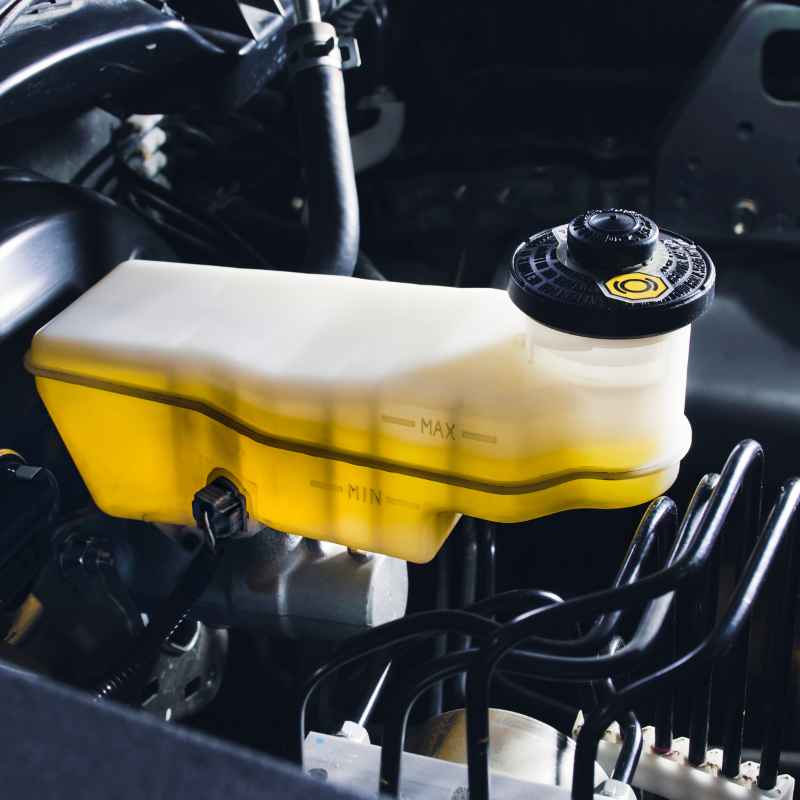
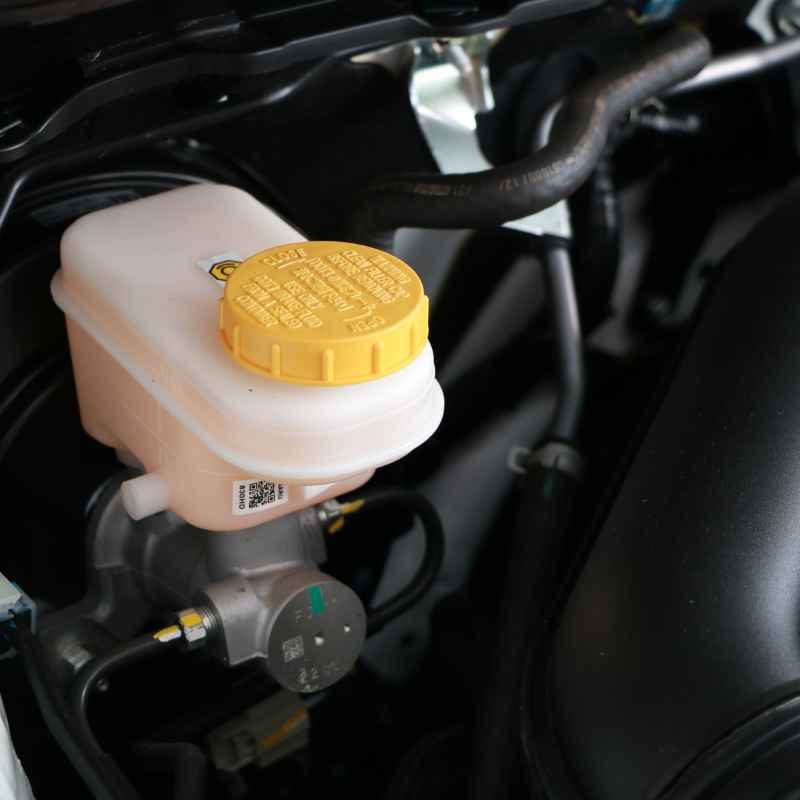
Locate the brake fluid reservoir under the hood. It’s usually a small, translucent plastic container. Open the cap and carefully add the recommended brake fluid until it reaches the “MAX” line.
Do not overfill. Be careful not to spill any fluid on painted surfaces, as it can damage the paint.
Bleeding The Brakes
If you’ve topped up the fluid and still have a spongy pedal, or if you’ve had a leak and replaced a part, you’ll likely need to bleed the brakes. Bleeding removes air from the brake lines. This process involves opening a bleeder valve at each wheel and allowing fluid (and air) to escape while someone else pumps the brake pedal.
This is a more involved process and is often best left to a mechanic if you’re not comfortable with it. Improper bleeding can introduce more air into the system or not remove it all, leading to further braking issues.
When to See A Mechanic
It’s crucial to know when to call in the professionals. If you suspect a brake fluid leak, or if topping up the fluid doesn’t solve the spongy pedal problem, it’s time to visit a mechanic. Leaks can be hard to find and require specialized tools and knowledge to repair safely.
A mechanic can inspect your entire brake system, identify the source of any leaks, repair or replace faulty parts, and properly bleed the system. They have the expertise to ensure your brakes are working perfectly. Your safety and the safety of others on the road depend on it.
Identifying the Correct Fluid TypeThere are different DOT (Department of Transportation) classifications for brake fluid, such as DOT 3, DOT 4, and DOT 5.1. These fluids have different boiling points and chemical properties. Using the wrong type can cause your brakes to fail due to overheating or damage components.
Always check your car’s manual.
The Bleeding Process ExplainedBrake bleeding is necessary to remove air bubbles that may have entered the hydraulic system. Air is compressible, unlike brake fluid, and any air in the lines will result in a spongy pedal and reduced braking power. The process typically involves one person pressing the brake pedal while another opens and closes bleeder screws on the brake calipers or wheel cylinders.
DIY vs. Professional RepairMinor topping up of brake fluid can be a DIY task for many car owners. However, if you are dealing with leaks, replacing brake components, or need to bleed the system, it is highly recommended to seek professional assistance. Brake systems are critical safety components, and mistakes can have severe consequences.
Preventative Maintenance For Your Brakes
Keeping your brake fluid at the correct level is a key part of preventative maintenance. This section highlights simple steps you can take to ensure your braking system remains in top condition and to avoid issues related to low brake fluid.
Regular Inspections
Make it a habit to check your brake fluid level regularly. A quick visual check every few weeks or before a long trip can save you a lot of trouble. Look at the reservoir under the hood and ensure the fluid is between the MIN and MAX lines.
Also, pay attention to how your brakes feel. If the pedal starts to feel soft or spongy, it’s a sign that something might be wrong. Don’t ignore these changes; they are your car’s way of warning you.
Understanding Brake Fluid Properties
Brake fluid absorbs moisture from the air over time. This absorption lowers its boiling point, making it more susceptible to boiling under heavy braking conditions. This can lead to vapor lock, where vapor bubbles form in the lines, causing a sudden loss of braking power.
Brake fluid also breaks down chemically over time. For these reasons, it’s recommended to have your brake fluid flushed and replaced according to your car manufacturer’s service schedule, typically every two years. This ensures optimal performance and safety.
Choosing The Right Brake Fluid
As mentioned before, using the correct type of brake fluid is essential. Your car’s owner’s manual will specify the required DOT rating. For example, most cars use DOT 3 or DOT 4 fluid.
DOT 5 fluid is silicone-based and is not compatible with systems designed for glycol-based fluids (DOT 3, 4, 5.1).
Always use a high-quality brake fluid from a reputable brand. When you top up, make sure to use the same type of fluid that is already in the system unless advised otherwise by a mechanic. Mixing incompatible fluids can cause serious damage.
The Role of Moisture AbsorptionBrake fluid is hygroscopic, meaning it readily absorbs moisture from the atmosphere. Even small amounts of water in the brake fluid can lower its boiling point significantly. This is a major concern because brakes generate a lot of heat during operation.
If the fluid boils, it creates vapor, which is compressible and can cause brake failure.
Scheduled Fluid ChangesMost manufacturers recommend changing brake fluid every two years, regardless of mileage. This is because of the moisture absorption and chemical breakdown that occurs over time. A brake fluid flush and replacement ensures that the fluid maintains its optimal boiling point and protective properties for the brake system components.
Checking For ContaminationBesides low levels, brake fluid can become contaminated with dirt, debris, or even other fluids if not handled carefully. Contaminants can damage seals and valves within the brake system. It’s good practice for mechanics to visually inspect the fluid for discoloration or particulate matter during routine services.
Real-Life Scenarios And Case Studies
To better understand the practical implications, let’s look at some real-life examples. These scenarios illustrate what can happen when brake fluid levels are ignored and the positive outcomes of timely maintenance.
Scenario 1 A Near Miss
Sarah had been driving her car for about a year. She noticed her brake pedal felt a bit softer than usual, but she shrugged it off, thinking it was normal wear. One rainy afternoon, she was driving on the highway and had to brake suddenly for a car that stopped unexpectedly.
Her car took much longer to stop than she expected.
She felt a surge of panic as her car slid slightly before coming to a halt, just inches from the car in front. Shaken, she pulled over. Later, she checked her brake fluid and found it was well below the minimum line.
If she hadn’t been lucky, she could have caused a serious accident. This incident prompted her to always check her brake fluid regularly.
Scenario 2 A Mechanic’s Insight
Mark, a mechanic, shared a story about a customer who ignored the brake warning light for weeks. The customer finally brought his car in because the brakes felt completely dead. Upon inspection, Mark found a significant leak in one of the rear brake lines.
The brake fluid had leaked out almost entirely.
The master cylinder had been drawing in air, and the braking system was essentially non-functional. Mark explained to the customer that it was a miracle he hadn’t had an accident. The repair involved replacing the brake line and bleeding the entire system.
This case highlighted how crucial it is to address warning lights immediately.
Case Study: The Importance of Regular Flushes
A fleet of delivery vans was experiencing an increase in brake system issues, leading to costly repairs and downtime. An analysis revealed that the brake fluid in most of the vans had not been changed for over three years. The fluid was dark, contaminated, and had a low boiling point due to moisture absorption.
The fleet manager decided to implement a strict maintenance schedule, including brake fluid flushes every two years. Over the next year, the number of brake-related repairs dropped by over 60%, and the vans experienced significantly less downtime. This demonstrated the direct economic and safety benefits of proactive brake fluid maintenance.
Daily Commuter’s ExperienceA commuter, let’s call him David, noticed his brake pedal was sinking lower each week. He thought his car was just getting old. One morning, while leaving his driveway, he pressed the brake, and the pedal went almost to the floor.
He immediately stopped the car. He realized he had been ignoring the subtle signs for too long.
He called for a tow and had his car checked. A mechanic found a slow leak in a front brake hose and that the fluid level was critically low. David learned a valuable lesson about listening to his car and the importance of prompt attention to braking issues.
Emergency Vehicle PreparednessEmergency vehicles, like ambulances and fire trucks, undergo rigorous maintenance. Their brake systems are checked constantly. This is because their ability to stop quickly and reliably is paramount to saving lives and responding to emergencies.
If an emergency vehicle had low brake fluid, it could lead to catastrophic failure in a critical moment.
This emphasizes how vital brake fluid maintenance is, not just for everyday drivers but for vehicles where performance is critical. The cost of maintenance is minor compared to the potential cost of an accident.
Frequently Asked Questions
Question: What is the main danger of low brake fluid
Answer: The main danger is significantly reduced braking performance, leading to much longer stopping distances, which can cause accidents.
Question: Can I just add any brake fluid if mine is low
Answer: No, you must use the specific type of brake fluid recommended in your car’s owner’s manual (e.g., DOT 3, DOT 4) as using the wrong type can damage your brake system.
Question: How often should brake fluid be checked
Answer: It’s recommended to check your brake fluid level regularly, such as every few weeks or before a long trip, and to have the fluid flushed and replaced typically every two years.
Question: What does a spongy brake pedal mean
Answer: A spongy brake pedal usually indicates that there is air in the brake lines or that the brake fluid level is low, preventing proper hydraulic pressure from building up.
Question: Will my car warn me if the brake fluid is low
Answer: Yes, most cars have a brake warning light on the dashboard that illuminates when the brake fluid level is critically low.
Wrap Up
When car brake fluid is low, your brakes won’t work well. This means longer stops and a spongy pedal, which is unsafe. Checking the fluid and addressing leaks or wear promptly keeps your car safe.
Don’t ignore warning signs; a quick check can prevent big problems. See also how to stop car brake noise that drives you crazy.
Related pick: Check today's price on Amazon