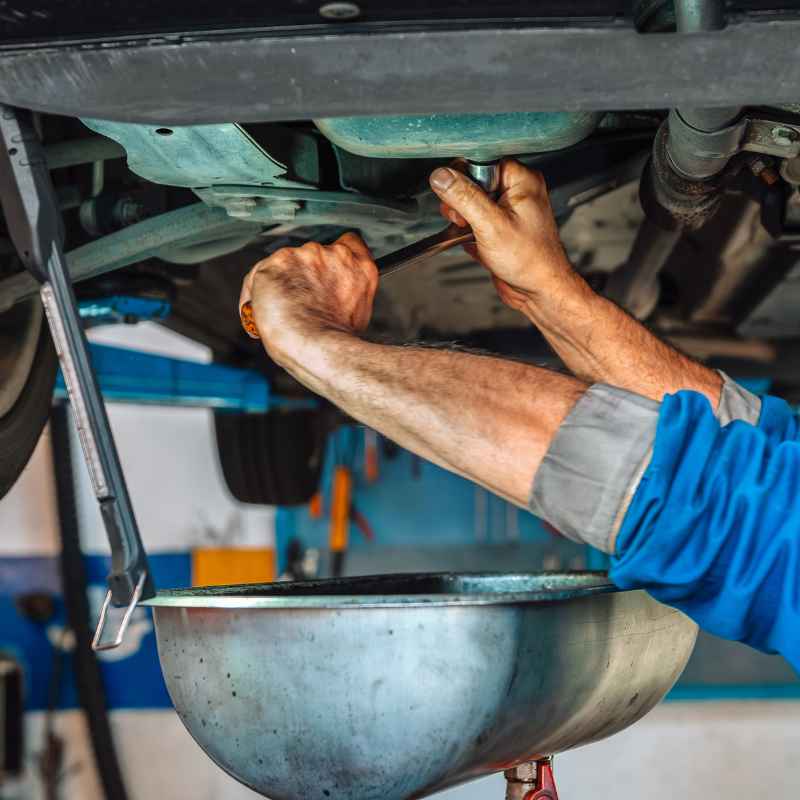
How To Get Rid Of Car Engine Oil Safely And Legally
The safest and most legal way to get rid of used car engine oil is through designated recycling centers or auto shops that accept it. Never pour it on the ground, into sewers, or waterways.
Understanding Used Engine Oil Disposal
Used engine oil is more than just dirty. It’s a complex mix. It holds dirt, metal bits, and chemicals.
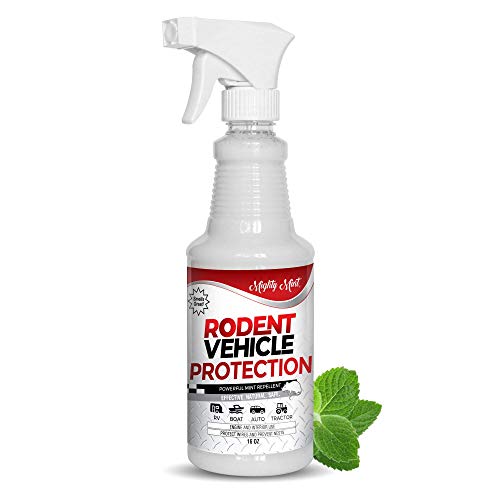
Mighty Mint
Mighty Mint Rodent Repellent Vehicle Spray, 16…
- Pet-Friendly & Family-Safe Formula: Mighty Mint is a trusted choice for rodent control around vehicles. Safe to use near pets and…
- Powerful Plant-Based Rodent Deterrent: Made with extra-concentrated peppermint oil, this spray helps repel mice, rats, and other r…
- Designed For Vehicle Engines & Interiors: Ideal for use in car engines, RVs, trucks, boats, ATVs, and more. Helps protect wiring,…
As an Amazon Associate I earn from qualifying purchases.
These can harm our planet. Think of it like a sponge. It soaks up all the bad stuff from your engine.
When it’s old, it can’t do its job anymore. It needs to be replaced. But just tossing it away isn’t the answer.
In the U.S., there are strong rules about oil disposal. This is to protect our water and soil. The Environmental Protection Agency (EPA) sets many of these rules.
States and local areas also have their own specific laws. These rules aim to stop pollution. They make sure oil gets handled properly.
This means it can be cleaned and used again. Or at least kept from harming nature.
Most people don’t realize how bad used oil is. A single gallon can pollute a million gallons of fresh water. That’s a lot of water!
It also harms soil and wildlife. So, understanding the “why” is key. It helps us all be more responsible.
We want to keep our communities clean. We want to protect the earth for kids.
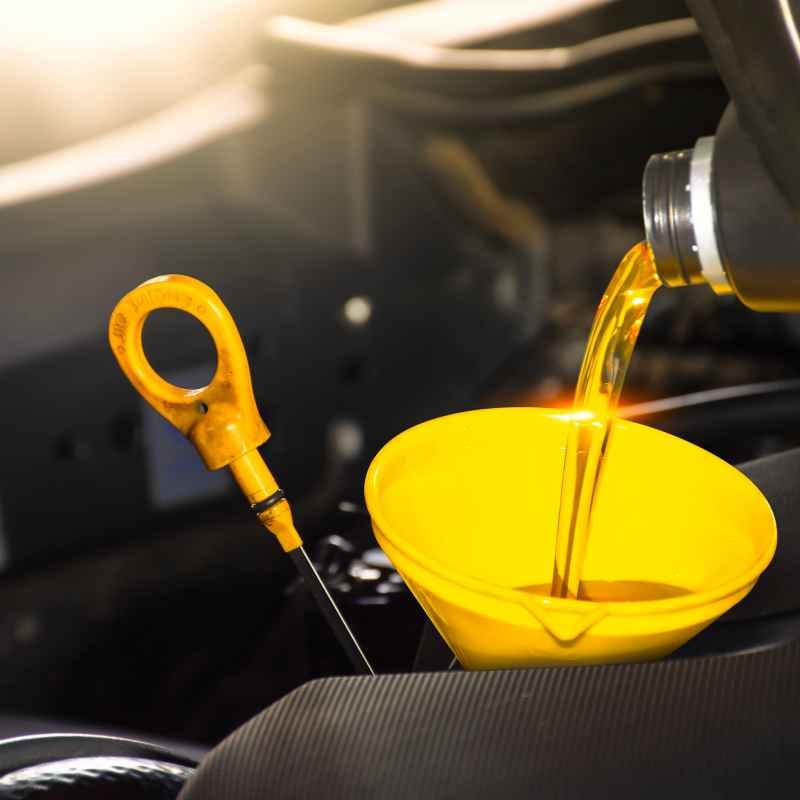
My First Oil Change: A Learning Curve
I remember my first time changing the oil myself. I was maybe 18. I’d watched my dad do it a hundred times.
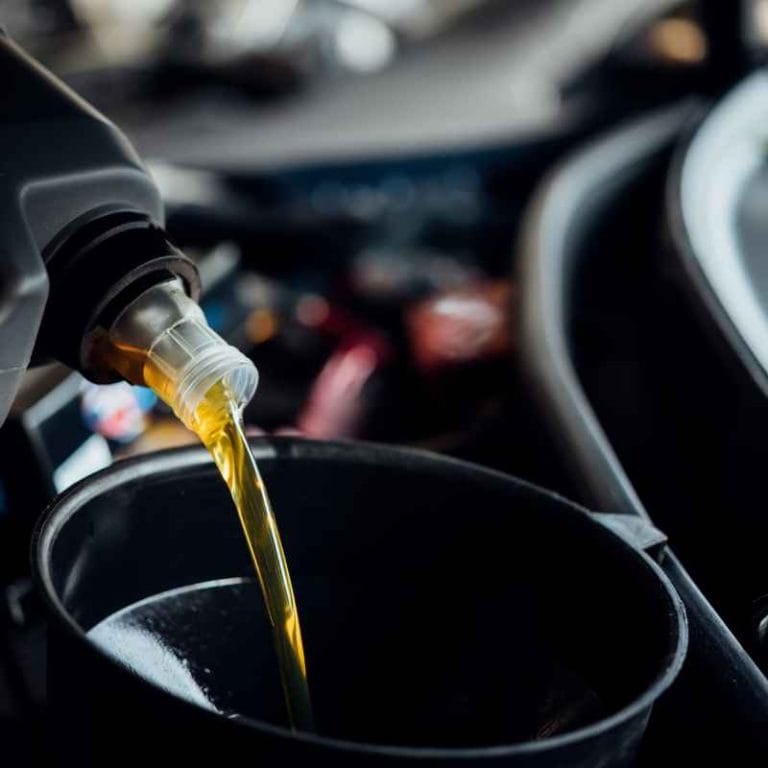
Seemed easy enough. I bought the right oil, a new filter, and the tools. The draining part went okay.
I put the old oil into the empty jugs the new oil came in. Then I sat back, proud of myself. Then the panic hit.
What now?
I looked at those jugs of dark, murky oil. I couldn’t just toss them in the trash. My dad always took his to the gas station.
But it was late. The station was closed. I felt a knot in my stomach.
I had this mess. I didn’t want to mess up. I started Googling.
That’s when I learned about the dangers. I learned it was illegal to dump it. I spent a worried night.
I finally found a local auto parts store. They had a bin for used oil. I felt such relief!
That experience taught me a big lesson. It’s not just about the changing. It’s about the aftermath.
Knowing what to do with the waste is crucial. It’s part of the job. It requires a little planning.
But it’s totally doable. And so much better for everyone.
What’s Really in Used Oil?
Contaminants Found:
- Heavy Metals: Lead, zinc, cadmium
- Dirt and Grit
- Fuel Residue
- Water
- Coolant
- Degradation Products
These make it unsafe for the environment.
Why Proper Disposal Matters So Much
Let’s dive a little deeper into why this is a big deal. Think about our drinking water. Many of us get our water from lakes or rivers.
If used oil pollutes these sources, it’s hard and expensive to clean. It can make the water unsafe to drink. It can also kill fish and other aquatic life.
Soil contamination is another major concern. Oil can seep into the ground. It can stay there for a long time.
This harms plants and makes the soil less fertile. It can also get into groundwater. This is water that’s deep under the ground.
It can take years to naturally break down. This affects local ecosystems.
The law is there for a reason. Dumping oil can lead to fines. In some cases, it can even mean legal trouble.
These laws protect public health. They also protect the natural beauty around us. Responsible disposal is a simple act of good citizenship.
It shows you care about your community. It shows you respect the earth.
Myth vs. Reality: Oil Disposal
| Myth | Reality |
|---|---|
| It’s okay to pour a little bit down the storm drain. | Absolutely not. Storm drains lead directly to local waterways. |
| My used oil is too dirty to be useful. | Used oil can be re-refined or used as fuel. It has value. |
| Disposing of oil properly is too difficult. | Many places accept used oil for free. It’s usually quite easy. |
Where Can You Take Used Car Engine Oil?
So, you’ve changed your oil. You have those jugs. Where do they go?
Thankfully, there are several reliable options. Most of them are free. They are designed to make it easy for you.
The key is finding a designated collection point.
Auto Parts Stores: Many major auto parts chains accept used motor oil. Stores like AutoZone, O’Reilly Auto Parts, and Advance Auto Parts often have collection bins. It’s always a good idea to call ahead.
Confirm they accept oil at your local store. Ask about their limits, if any. They might also accept used oil filters.
Service Stations and Repair Shops: Some gas stations and many independent repair shops will take your used oil. They often have the facilities to handle it. They might charge a small fee.
Or they might accept it for free. This is especially true if they perform oil changes themselves. They have a constant need to dispose of oil.
Local Recycling Centers: Your town or county likely has a household hazardous waste (HHW) collection site. These centers are equipped to handle various dangerous materials. This includes used motor oil.
Check your local government website. It will tell you where to find these centers. It will also list their operating hours.
Community Collection Events: Sometimes, local communities organize special collection days. These are often for hazardous waste. Keep an eye on local news or your city’s website.
These events are great for clearing out old automotive fluids.
Buy-Back Programs: Some states or programs offer incentives. They might pay a small amount for used oil. This is less common for individuals.
But it’s worth looking into if you generate a lot of oil.
How to Store Used Oil Before Disposal
Storing used oil correctly is important. You don’t want spills. You also don’t want it to mix with other things.
This makes it harder to recycle. It also creates safety hazards. The goal is to keep it contained and clean.
Use the Right Containers: The best containers are the original oil jugs. Or any clean plastic jug with a tight-fitting lid. Make sure the container is clearly labeled “Used Motor Oil.” This prevents confusion.
Never use containers that held chemicals like bleach or antifreeze. These can contaminate the oil.
Keep it Sealed: Always make sure the lid is on tight. This stops leaks. It also stops water from getting in.
Water in the oil can make it harder to recycle. It can also cause corrosion.
Store in a Safe Place: Keep the stored oil in a cool, dry place. A garage or shed is usually a good spot. Keep it away from heat sources.
This includes furnaces or water heaters. Also, keep it out of reach of children and pets. Leaks can be messy and dangerous.
Don’t Mix It: This is a big one. Never mix used motor oil with other fluids. This includes antifreeze, brake fluid, paint thinner, or gasoline.
Mixing these makes the oil much harder, or impossible, to recycle. It also makes it a more hazardous waste. Stick to just used motor oil in your dedicated container.
Quick Storage Checklist
- Use clean, sealed containers.
- Label containers “Used Motor Oil.”
- Store in a cool, dry spot.
- Keep away from heat and flames.
- Store away from kids and pets.
- Do NOT mix with other fluids.
The Recycling Process: What Happens to Your Oil?
It’s fascinating to think about where that old oil goes. It doesn’t just disappear. It goes through a process.
This process can turn it into something useful again. This is a big win for the environment.
Collection and Transport: Your used oil is collected from recycling centers. It’s then transported to a specialized processing facility. Special trucks handle this.
They make sure the oil stays contained during travel.
Decontamination: At the facility, the first step is cleaning. They remove water and solid debris. This is done through settling and filtering.
It’s like giving the oil a thorough bath.
Re-refining: The cleaned oil can then be re-refined. This is a complex process. It removes contaminants.
It brings the oil back to a quality similar to new oil. This re-refined oil can be used in engines. It can also be used to make new products.
Energy Recovery: If re-refining isn’t possible or economical, the oil can be used for energy. It can be burned in industrial furnaces or boilers. This generates heat.
This is much better than burning it improperly. It recovers energy that would otherwise be wasted.
This cycle is amazing. It saves resources. It reduces the need to drill for more oil.
It also prevents pollution. Recycling is a smart choice. It supports a circular economy.
It keeps valuable materials out of landfills.
Oil Recycling Facts
Benefits:
- Saves precious crude oil resources.
- Reduces air pollution from burning oil improperly.
- Protects soil and water from contamination.
- Conserves energy.
What NOT to Do with Used Car Engine Oil
We’ve talked a lot about what to do. Now, let’s be super clear about what NOT to do. These are common mistakes.
They have serious consequences.
Never Pour it Down the Drain: This includes sink drains, toilets, or floor drains. As mentioned, storm drains go to waterways. Even if you think it’s a sanitary sewer, it’s still a bad idea.
Wastewater treatment plants aren’t designed for oil.
Don’t Dump it on the Ground: This might seem obvious. But sometimes people do it in remote areas. It seeps into the soil.
It pollutes groundwater. It’s harmful to plants and animals. It’s also often illegal.
Avoid Putting it in the Trash: Regular trash collection isn’t equipped for used oil. It can leak from garbage trucks. It can contaminate landfills.
It poses a risk to sanitation workers.
Don’t Burn it in Outdoor Fires or Stoves: Burning used oil releases harmful pollutants into the air. This includes heavy metals. It can be dangerous to your health.
It can also damage the environment.
Don’t Use it as a Weed Killer or Dust Suppressant: While oil might seem like it would kill weeds, it’s extremely harmful to the soil. It can also contaminate groundwater. It’s not a safe or legal practice.
Don’t Mix it with Other Wastes: We touched on this before. Mixing oil with antifreeze, solvents, or other chemicals makes it hazardous. It can prevent it from being recycled.
It also creates a more dangerous disposal situation.
These rules are critical. They are in place to protect everyone. Always err on the side of caution.
If you’re unsure, find out the right way to dispose of it.
Common Disposal Mistakes to Avoid
Mistake: Pouring oil into a storm drain.
Consequence: Pollutes rivers, lakes, and oceans.
Mistake: Dumping oil on the ground.
Consequence: Contaminates soil and groundwater.
Mistake: Putting oil in regular trash.
Consequence: Leaks, landfill contamination.
Mistake: Mixing oil with other chemicals.
Consequence: Makes oil unrecyclable, more hazardous.
Special Cases: What About Oil Filters?
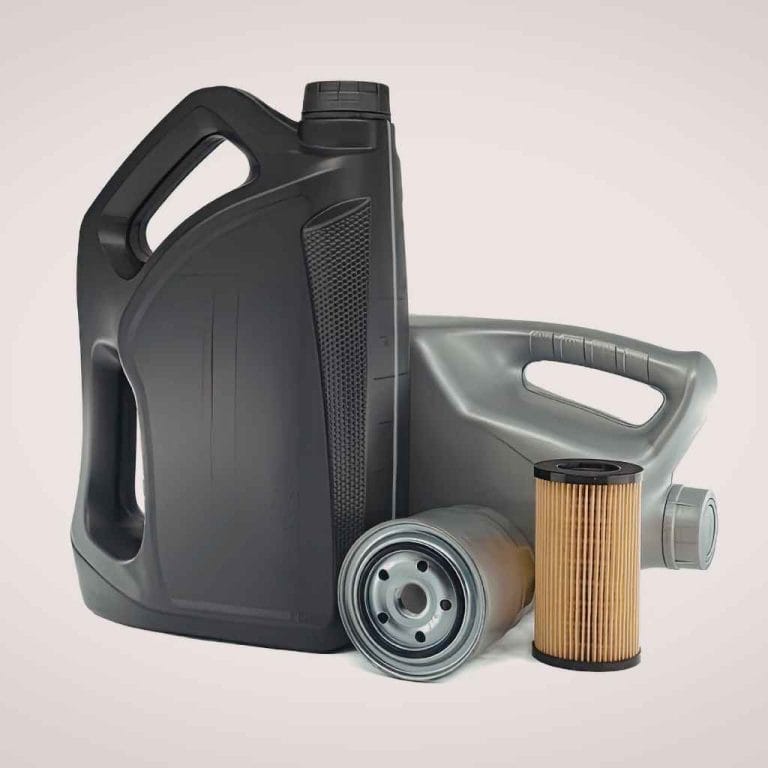
When you change your engine oil, you usually change the oil filter too. These filters are full of oil and metal. So, what do you do with them?
The good news is that oil filters are also recyclable.
Drain Them Thoroughly: Before you take your used oil filter anywhere, drain as much oil as possible. You can do this by puncturing the dome end. Then let it hang upside down over your used oil container.
Let it drain for at least 24 hours. The residual oil collected can often be recycled with your used motor oil.
Where to Take Them: Many of the same places that accept used motor oil also accept oil filters. This includes most auto parts stores and recycling centers. Always ask first.
Some places have specific requirements for filters.
What Happens: Recyclers will crush the filters. This removes the remaining oil. Then they separate the metal.
This metal can be melted down. It can be used to make new products. It’s a great way to reuse materials.
Remember, never put used oil filters in your regular trash or recycling bin. They are considered hazardous waste. Proper disposal is key.
What If You Can’t Find a Local Drop-Off?
Sometimes, finding a place that accepts used oil can be a challenge. Especially if you live in a rural area. But don’t give up!
There are still good options.
Plan Ahead: If you know you’ll be doing an oil change, look for disposal sites beforehand. Check the websites of major auto parts stores in nearby towns. Use online search tools.
Many state environmental agencies have lists of collection sites.
Check Your Local Government Website: Your city or county’s public works or solid waste department is a good resource. They often have detailed information about recycling programs.
Contact a Waste Management Company: Some professional waste management services might offer pick-up for hazardous household waste. This might come with a fee. But it can be a convenient option.
Ask at Oil Change Centers: If you ever get your oil changed professionally, ask them where they take their used oil. They will likely know of local collection points.
Consider Bulk Storage (with Caution): If you plan on doing oil changes regularly, you might be able to store oil for a while. Ensure you use a large, sealed container designed for waste oil. Keep it safe and stable.
Then make a special trip to a recycling center when it’s full. Always check local regulations for storage limits.
The effort is worth it. Keeping oil out of the environment is a priority.
Finding a Drop-Off Spot: Step-by-Step
- Start with online searches like “used oil recycling near me.”
- Check major auto parts store websites (AutoZone, O’Reilly, Advance).
- Visit your local government’s waste management or environmental department website.
- Call local auto repair shops to ask about their disposal methods.
- If all else fails, consider contacting a commercial hazardous waste disposal service.
When is Your Engine Oil “Used”?
This is a good question. How do you know when it’s time to change it? Modern cars have oil life monitoring systems.
But sometimes you have to rely on your own judgment. Or older cars might not have these systems.
Mileage: The classic guideline is every 3,000 to 5,000 miles. Many newer cars can go longer, 7,500 to 10,000 miles or more. Check your car’s owner’s manual.
It will give you the manufacturer’s recommendation. Driving conditions matter too. Stop-and-go city driving is harder on oil than highway driving.
Time: Even if you don’t drive much, oil degrades over time. Most experts recommend changing oil at least twice a year. Even if you haven’t hit the mileage limit.
Appearance: Look at the oil on your dipstick. If it looks very dark, murky, or gritty, it’s probably time for a change. If you see metal particles in the oil, that’s a serious warning sign.
The Dipstick Test: Pull out the dipstick. Wipe it clean. Reinsert it fully.
Pull it out again. The oil level should be between the “add” and “full” marks. The color of the oil is your clue.
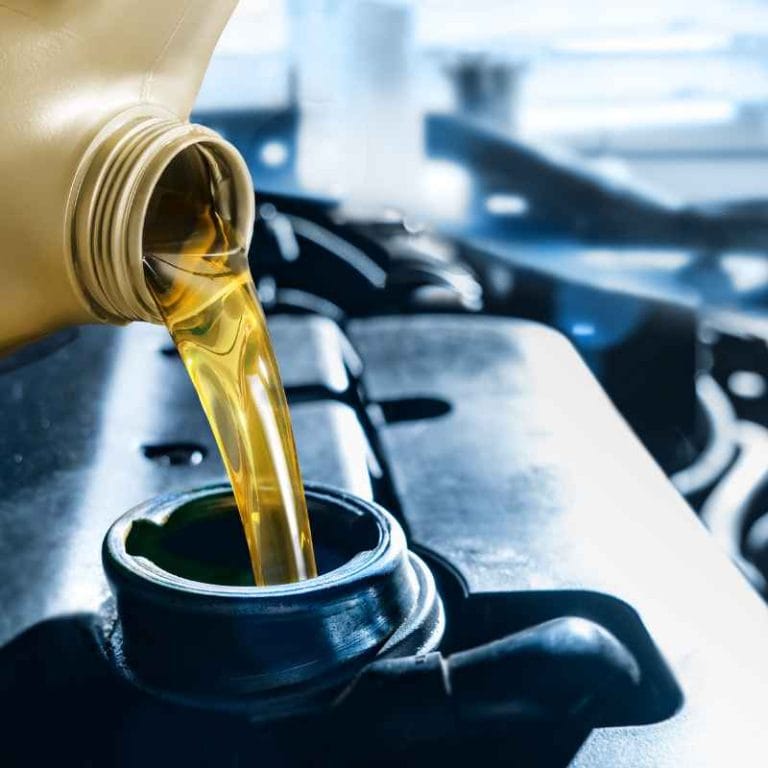
New oil is amber. Used oil is dark brown to black.
Oil Life Monitor: Most modern cars have an oil life monitoring system. It will display a percentage or a message when it’s time to change the oil. Pay attention to these alerts.
Once the oil is changed, it becomes “used oil.” It’s then ready for proper disposal.
What About Synthetic Oil?
Many people use synthetic oil today. It offers better protection. It can last longer.
But is it different when it comes to disposal?
Synthetic Oil Disposal: The good news is that used synthetic oil can be disposed of the same way as conventional oil. It’s still engine oil. It still needs to be recycled properly.
The recycling process works for both types.
Recycling Facilities Handle It: The collection points and re-refining facilities are set up to handle all types of used motor oil. They decontaminate and process it. So, don’t worry about needing a special method for synthetic oil.
Why it’s Still Important: Even though synthetic oil might last longer, it still picks up contaminants. These contaminants are harmful if they get into the environment. So, recycling is just as crucial.
Whether you use conventional oil, synthetic blend, or full synthetic, the disposal rules remain the same. Always find a certified recycling location.
The Environmental Impact of Improper Disposal
Let’s circle back to the environment. It’s the main reason for these strict rules. Understanding the damage helps us all be more mindful.
Water Pollution: Oil is lighter than water. It floats on the surface. This prevents oxygen from reaching aquatic life.
It coats fish gills. It kills plants. Even small amounts can have a big effect on a local ecosystem.
Heavy metals in the oil can poison wildlife.
Soil Contamination: Oil breaks down very slowly in soil. It can harm soil microbes. These are tiny organisms that keep soil healthy.
It can make the soil unusable for farming. It can also take decades for the soil to recover. This impacts the local plant life.
Air Pollution: If oil is burned improperly, it releases toxic fumes. These include volatile organic compounds (VOCs) and heavy metals. These can contribute to smog.
They can also cause respiratory problems for people and animals.
Groundwater Contamination: Oil that seeps into the ground can reach groundwater. This is a major source of drinking water for many communities. Once groundwater is contaminated, it’s very hard to clean.
It can make water unsafe for consumption for a long time.
These impacts are serious. They affect our health. They affect our planet.
Responsible disposal is a small action with a huge positive impact.
Impact Summary: What Happens When Oil Is Dumped?
Waterways: Oxygen depletion, harm to fish and plants, heavy metal poisoning.
Soil: Long-term contamination, harm to soil life, reduced fertility.
Air: Release of toxic fumes and heavy metals, contribution to smog.
Groundwater: Contamination of drinking water sources, difficult and costly cleanup.
Legal Requirements and Penalties in the U.S.
It’s important to know that improper disposal of used motor oil is illegal in the United States. The EPA has regulations. States and local municipalities have their own laws and enforcement.
Federal Laws: The Resource Conservation and Recovery Act (RCRA) governs hazardous waste. Used oil is specifically listed. It’s considered a hazardous waste.
This means it must be managed in a specific way.
State and Local Laws: Each state has its own rules. Some are stricter than federal laws. Your local government also plays a role.
They often manage collection sites and enforce local ordinances. These can include fines for illegal dumping.
Penalties: Penalties vary widely. They can include:
- Fines: These can range from a few hundred dollars to thousands of dollars, especially for repeat offenders or large-scale dumping.
- Clean-up Costs: You may be held responsible for the cost of cleaning up any pollution you cause.
- Legal Action: In severe cases, individuals or businesses could face legal prosecution.
Trustworthiness: The laws are in place to protect everyone. Following them is not just about avoiding fines. It’s about being a responsible member of your community.
It’s about protecting the environment for future generations. Always check your local regulations if you are unsure.
When to Worry: Red Flags for Engine Oil
While this guide focuses on disposal, a quick note on when your oil itself might be signaling a bigger problem is wise. Sometimes, the condition of your oil tells you more than just it being “used.”
Milky or Foamy Oil: If your oil looks like a milkshake, it means coolant is leaking into your engine. This is a serious issue. You need to get it fixed immediately.
Don’t drive the car much.
Metal Shavings: Tiny metal particles in the oil suggest internal engine wear or damage. You’ll see small, shiny specks. This requires professional inspection.
Burning Smell: If the oil smells strongly of burnt toast or plastic, it might be overheating. This can be due to low oil levels or other engine problems.
Very Low Oil Level: If your dipstick shows very little oil, it means you have a leak or the engine is burning oil. Driving with low oil can severely damage your engine.
If you notice any of these, the problem isn’t just disposal. It’s a mechanical issue that needs attention before you can even think about changing the oil.
Making it Easy: Tips for Regular Maintenance
To make oil changes and disposal less of a hassle, a little regular maintenance goes a long way.
Schedule it: Put reminders in your calendar. Use your car’s oil life monitor. Treat it like any other important appointment.
Keep Supplies Ready: Always have a fresh oil filter and the correct amount of new oil on hand before you plan to change it.
Have the Right Tools: A good oil drain pan, wrenches, and gloves make the job easier and cleaner.
Know Your Drop-Off Spot: Before you start, know where you’re going to take the used oil. This way, you can collect it in proper containers and take it straight there.
Consider a Mobile Oil Change Service: If you’re short on time or don’t like doing it yourself, these services come to you. They handle the used oil disposal too.
By making it a routine, it becomes less of a burden and more of a simple part of car ownership.
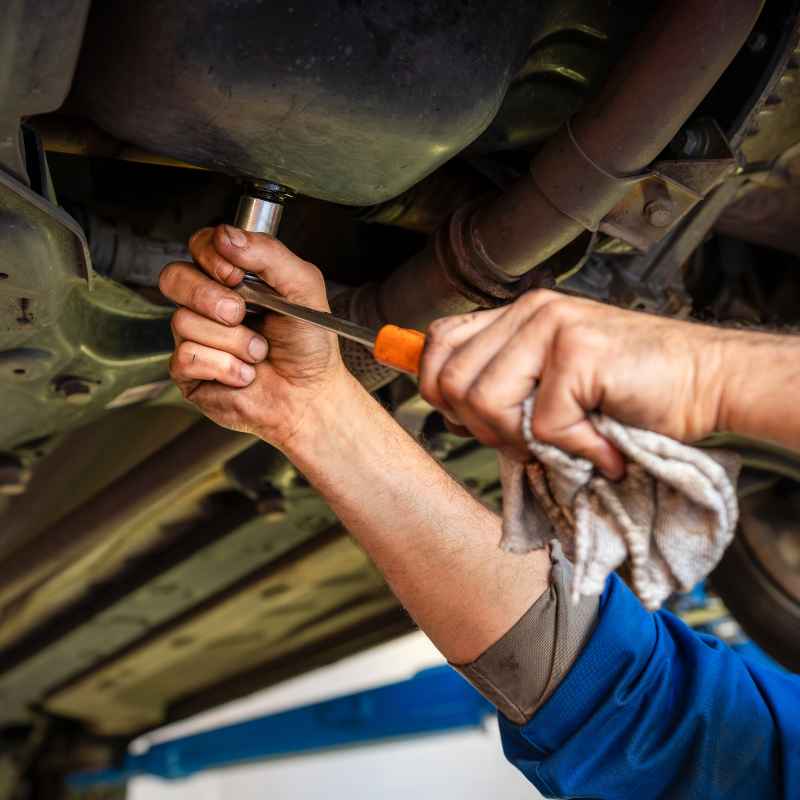
Frequently Asked Questions about Used Engine Oil Disposal
Can I pour used motor oil into my garden?
No, you absolutely cannot pour used motor oil into your garden or onto any soil. It is highly toxic and will contaminate the soil, making it unusable and harmful to plants and the environment. It can also seep into groundwater.
How much used oil can I take to an auto parts store?
Most auto parts stores have limits, but they are usually generous for individuals. Typically, they can accept up to five gallons per person per day. It’s always best to call your local store to confirm their policy before you go.
What if my used oil is mixed with other fluids?
If your used oil is mixed with other fluids like antifreeze, brake fluid, or solvents, it may not be accepted at standard recycling locations. These mixed wastes are often considered hazardous and require special disposal. Contact your local household hazardous waste facility for guidance.
Can I reuse my old oil containers for other things?
It’s generally not recommended to reuse old oil containers for anything that will come into contact with food or drinking water. Even after rinsing, residual oil can remain. They are best used for storing more used oil or other non-consumable items, clearly labeled.
Are there any apps or websites to find oil recycling centers?
Yes, there are resources. Websites like Earth911.com or searching your state’s environmental agency website can help you find local collection sites. Some auto parts store chains also have store locators that indicate recycling services.
How often should I change my car’s oil?
This depends on your car’s make and model, and the type of oil used. Consult your owner’s manual for the manufacturer’s recommendation, which is usually between 3,000 to 10,000 miles, or about every six months, whichever comes first. Older cars or those driven in harsh conditions may need more frequent changes.
Conclusion
Taking care of your car means taking care of the waste it produces. Proper disposal of used engine oil is vital. It protects our environment.
It keeps our water and soil clean. It’s also the legal thing to do. By using designated recycling centers, auto parts stores, or repair shops, you make a real difference.
It’s a simple step. But it has a lasting positive impact.
Related pick: Check today's price on Amazon
Products related to this article
Sponsored / affiliate links. As an Amazon Associate I earn from qualifying purchases. I may earn additional commission from eligible campaigns.
 ECOGARD X10023 Cartridge Engine Oil Filter for Conventional Oil - Premium Replacement | Fits 2018-2023 Volkswagen Atlas 3.6L; 2020-2023 Atlas Cross Sport 3.6L
 ECOGARD X10040 Cartridge Engine Oil Filter for Conventional Oil - Premium Replacement | Fits 2011-2026 Jeep Grand Cherokee, Dodge Durango 3.6L; 2012-2026 Wrangler 3.6L; 2014-2022 Cherokee 3.2L