How Often Should You Check Your Car Oil? (Mechanic’s Advice)
It’s a question many car owners wonder about, especially when they’re not mechanically inclined. “How often should I check my car oil?” It feels like a chore, right? Maybe you’ve heard different things from friends or seen conflicting advice online.
It can feel a bit overwhelming. This guide will make it super clear. We’ll break down why it matters and what you need to do.
By the end, you’ll feel confident about keeping your engine happy and healthy.
The simplest answer is to check your car oil at least once a month. Many manufacturers also suggest checking it every time you fill up your gas tank. It’s a quick task that saves big problems later.
Understanding Your Engine’s Lifeblood
Think of your car’s oil like the blood in your own body. It’s absolutely vital for keeping things running smoothly. Oil does a few key jobs inside your engine.
It lubricates all the moving metal parts. This stops them from rubbing together and causing damage. It also helps to keep your engine cool.
When parts rub, they create heat. Oil carries that heat away.
Oil also cleans your engine. As it circulates, it picks up dirt and tiny metal bits. These get trapped in the oil filter.
Without oil, your engine would seize up very quickly. Imagine trying to run a marathon without any water or energy. That’s what your engine goes through without oil.
It’s a harsh environment in there. Metal parts are moving incredibly fast.
Why Checking Your Oil Is So Important
So, why is it really a big deal to check your oil regularly? Well, cars burn oil. It’s a normal process.
Some oil will naturally get used up as the engine runs. It can also leak out. If you don’t keep an eye on the level, it can get too low.
A low oil level is like a serious health warning for your car.
When the oil is too low, the parts don’t get enough lubrication. This causes more friction. More friction means more heat.
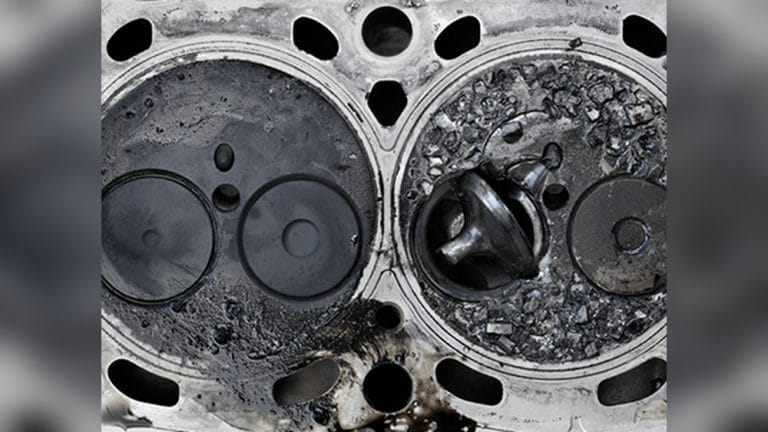
This can lead to serious engine damage. We’re talking about parts wearing out faster. In the worst case, it can cause complete engine failure.
That’s an expensive repair, sometimes more than the car is worth.
Regular checks also help you spot other problems early. If you see that your oil level is dropping much faster than it should, that’s a sign. It could mean there’s a leak somewhere.
Or it could mean the engine is burning too much oil internally. Finding these issues early can save you a lot of money down the road. It’s much cheaper to fix a small leak than a destroyed engine.
My Own Oil Check Scare
I remember this one time, years ago. I had a trusty old sedan. It had treated me well for ages.
I was pretty good about regular maintenance, or so I thought. One weekend, I decided to take a longer road trip. Before I left, I gave the car a quick once-over.
I checked the tires, the lights, you know, the usual stuff. But for some reason, checking the oil completely slipped my mind. I always thought, “It’s fine, it’s a good car.”
About three hours into my drive, I heard this faint tapping noise. It was very subtle at first. I thought maybe it was just the road or something.
But it got louder. It sounded like little metal pieces were knocking together. My stomach dropped.
I pulled over at the next exit. I turned off the engine and popped the hood. I grabbed that little dipstick, the one I usually forget about.
I pulled it out, and oh boy. The oil level was barely on the stick. It was almost completely dry.
I felt a rush of panic. I had been driving for hours with almost no oil. That tapping noise was probably my engine crying for help.
Luckily, I was near a small town. I found a gas station and bought some oil. I managed to add enough to get me to my destination.
But that experience taught me a huge lesson. That scary tapping sound is something I never want to hear again. Ever since then, checking my oil is as automatic as buckling my seatbelt.
Quick Oil Level Check: Step-by-Step
What you need: A clean rag or paper towel.
When to check: When the engine is cool. The best time is in the morning before you start the car.
Step 1: Park your car on a level surface. This is super important for an accurate reading.
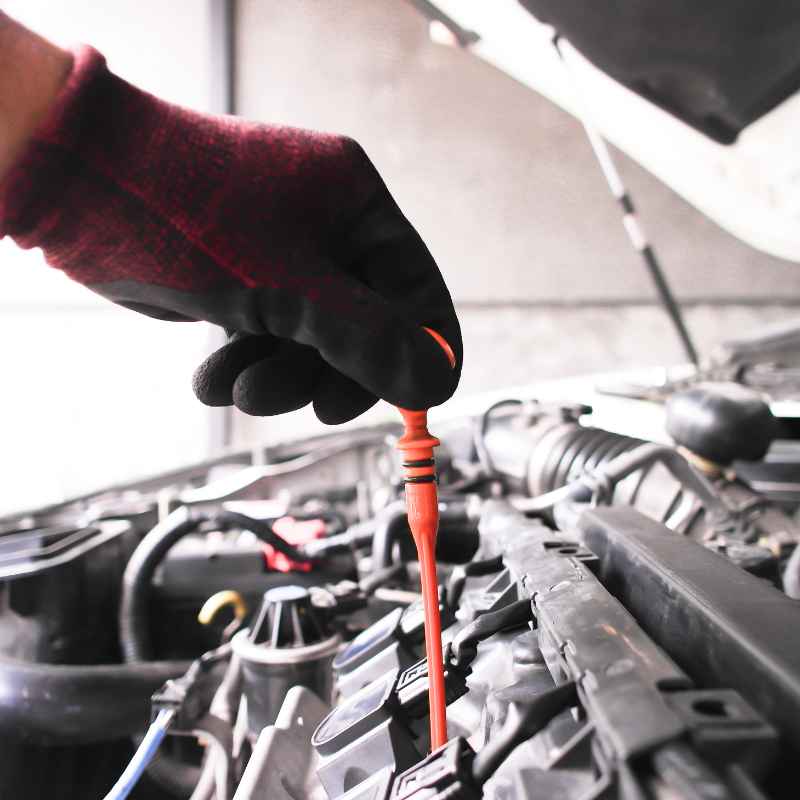
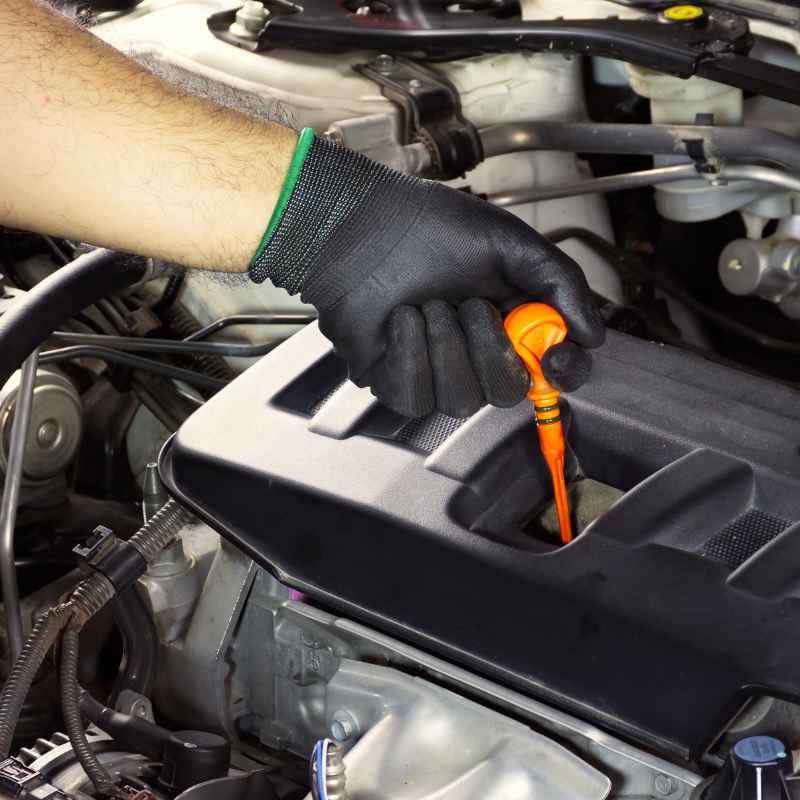
Step 2: Open the hood. Find the oil dipstick. It usually has a brightly colored loop or handle.
Step 3: Pull out the dipstick. Wipe it clean with your rag. Push it all the way back in.
Step 4: Pull the dipstick out again. Look at the very tip. You’ll see markings, usually lines or dots.
These show the low and full marks.
Step 5: Is the oil level between the two marks? Great! If it’s below the low mark, you need to add oil.
How Often Should You Really Check?
So, back to the main question: how often? For most cars, checking your oil once a month is a good rule of thumb. This is a baseline.
It gives you enough time to catch any small issues before they become big problems. Think of it as a monthly health check for your car’s engine.
Many car experts and manufacturers recommend checking it more often. Some say to check it every time you fill up your gas tank. This might seem like a lot.
But it’s a great habit to get into. You’re already at the gas station. It takes less than two minutes.
This ensures your oil level is always topped up and healthy.
If your car is older, or if you drive a lot, you might want to check even more frequently. High mileage or demanding driving conditions can make the engine work harder. This can lead to oil consumption.
For performance cars or vehicles used for towing, frequent checks are a must.
What the Owner’s Manual Says
Your car’s owner’s manual is your best friend. It has specific information for your car model. It will tell you the recommended oil type.
It will also suggest how often to check and change your oil. Different cars have different needs. Some engines are designed to use a little oil.
Others are not.
The manual will also explain the type of oil to use. This is really important. Using the wrong type of oil can harm your engine.
It’s usually listed as a viscosity grade, like 5W-30. It might also specify an API service category. Always stick to what the manufacturer recommends.
Don’t guess or use whatever is on sale.
If you can’t find your owner’s manual, you can usually find a digital version online. Just search for your car’s make, model, and year. Then add “owner’s manual.” You’ll likely find it on the manufacturer’s website.
It’s a treasure trove of important information.
Signs Your Oil Needs Attention NOW
Dark or Dirty Oil: Oil should be somewhat clear, maybe amber-colored. If it’s black and thick, it’s old and needs changing.
Low Oil Level: If the dipstick shows very little oil, or none, this is a critical sign.
Oil Light Comes On: This is a warning light. It means your oil pressure is low. Stop driving as soon as it’s safe.
Strange Engine Noises: Tapping, knocking, or grinding sounds can mean lack of lubrication.
Burning Oil Smell: If you smell burning oil inside or outside the car, there might be a leak or internal burning.
Signs Your Oil Level Is Too Low
Besides the obvious check with the dipstick, your car will often give you clues. One of the biggest warnings is the oil pressure warning light. This light looks like an oil can.
If it illuminates on your dashboard, it’s a serious issue. It means the oil pump isn’t getting enough oil to create pressure. This is bad news for your engine.
Another sign is strange noises. You might hear a tapping or knocking sound coming from the engine. This is often described as “engine knock.” It happens when metal parts are hitting each other because there isn’t enough oil cushioning them.
This is a sound you do NOT want to ignore.
You might also notice your engine running hotter than usual. Oil helps to cool the engine. If the level is low, it can’t do its job as well.
Your temperature gauge might creep up. Sometimes, you might even smell burning oil. This can be a sign of a leak or that the oil is getting too hot.
What If You Find Low Oil?
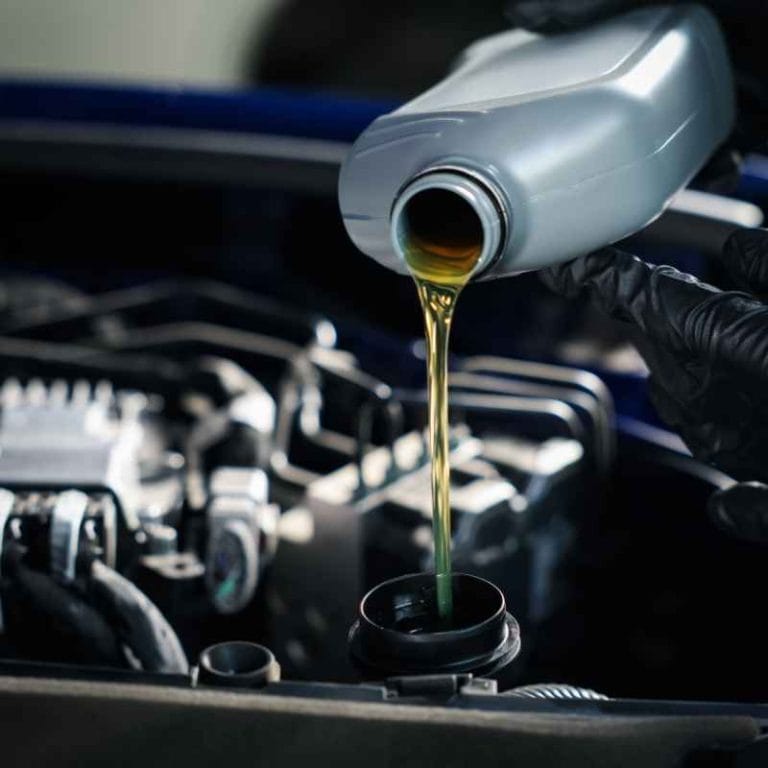
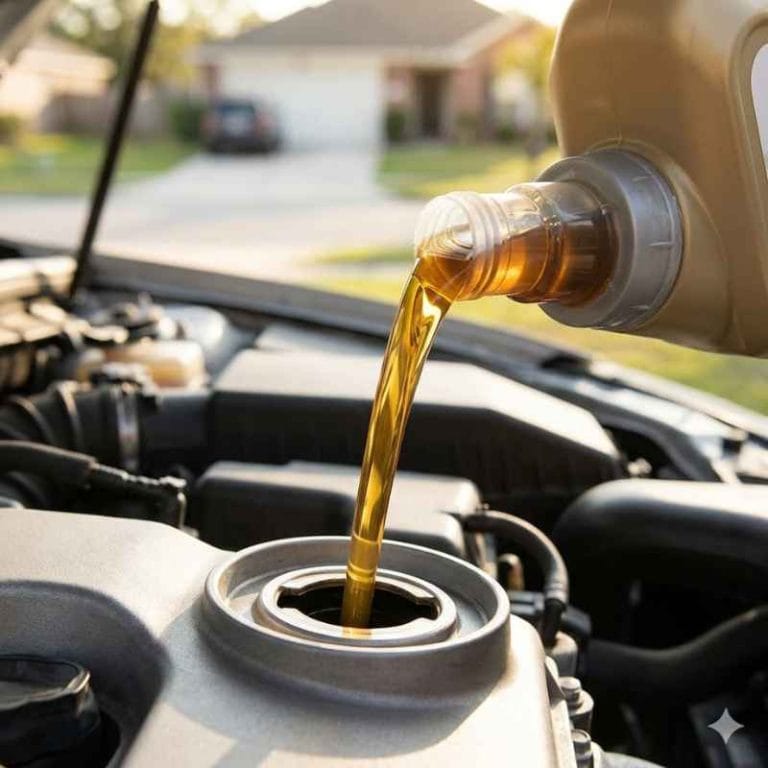
If you check your oil and the level is below the “low” mark on the dipstick, don’t panic. The first thing to do is add oil. You’ll need to know what type of oil your car uses.
Check your owner’s manual. You can buy oil at any auto parts store or gas station. It usually comes in quarts or liters.
Add a small amount of oil at a time. Maybe half a quart (or half a liter) to start. Wait a minute or two for it to drain down.
Then re-check the dipstick. Keep adding small amounts until the level is between the “low” and “full” marks. Do NOT overfill.
Overfilling can also damage your engine.
After adding oil, it’s a good idea to keep a close eye on it. Check it again in a day or two. If the level drops again quickly, you likely have a leak or the engine is burning oil.
In this case, you should take your car to a mechanic. They can diagnose the problem and fix it before it causes major damage.
Oil Additive vs. Actual Oil
What is an oil additive? These are products you can add to your oil to supposedly improve its performance. Some claim to reduce friction or clean the engine.
Do you need them? For most modern cars, the answer is usually no. High-quality modern engine oils already contain a complex blend of additives. They do everything needed for protection and performance.
When to be cautious: Adding extra additives can sometimes disrupt the carefully balanced formula of your engine oil. This could even cause harm.
Recommendation: Stick to the oil recommended by your car manufacturer. Avoid unnecessary additives unless a trusted mechanic specifically recommends one for a particular issue.
Understanding Oil Color and Consistency
The color and texture of your engine oil can tell you a lot. New oil is typically a light amber or golden color. It’s also quite clear.
As it circulates through the engine, it starts to darken. This is normal. It picks up soot, dirt, and tiny metal particles.
After several thousand miles, the oil will become dark brown or even black. It might also thicken. If you check your oil and it looks like thick black tar, it’s definitely time for an oil change.
Old, degraded oil loses its ability to lubricate and protect your engine.
However, if your oil looks milky or has a frothy appearance, that’s a serious sign. It often means coolant is leaking into the oil. This is a very bad situation.
It can cause major engine damage very quickly. If you see this, stop driving your car immediately and have it towed to a mechanic.
When Is It Time for an Oil Change?
Checking your oil is one thing, but changing it is another. Most car manufacturers recommend oil changes based on mileage or time. The common interval used to be every 3,000 miles.
But modern cars and synthetic oils can often go much longer.
You’ll find specific recommendations in your owner’s manual. It might say something like “every 5,000 miles or 6 months, whichever comes first.” Always follow these guidelines. Driving conditions also play a role.
If you do a lot of short trips, stop-and-go city driving, or drive in very hot or cold weather, you might need to change your oil more often.
Many newer cars have an oil life monitor system. This system tracks your driving habits and tells you when an oil change is due. It’s usually displayed on your dashboard.
These systems are generally accurate. However, it’s still a good idea to check your oil level manually periodically, even with a monitor.
Myths vs. Reality: Oil Changes
Myth: You must change your oil every 3,000 miles, no exceptions.
Reality: This is an old rule. Many modern cars with synthetic oil can go 5,000 to 10,000 miles between changes. Check your manual.
Myth: Checking your oil level is a waste of time if you get regular oil changes.
Reality: Even with regular changes, your car can burn or leak oil. Checking between changes catches problems early.
Myth: Any oil is fine as long as it’s the right amount.
Reality: Using the wrong type or weight of oil can damage your engine. Always use the manufacturer-recommended oil.
What Type of Oil Should I Use?
This is a common point of confusion. The best oil for your car is always the one recommended in your owner’s manual. The two main types you’ll see are conventional oil and synthetic oil.
Conventional Oil: This is the traditional type of motor oil. It’s made from petroleum. It’s less expensive.
It’s suitable for many older cars or cars that don’t face extreme driving conditions.
Synthetic Oil: This oil is manufactured in a lab. It’s designed to provide better lubrication. It’s more resistant to heat and breakdown.
Synthetic oil generally lasts longer and performs better in extreme temperatures. Many newer cars require synthetic oil. It’s more expensive upfront, but can offer better engine protection.
There’s also “synthetic blend” oil. This is a mix of conventional and synthetic oils. It offers some of the benefits of synthetic at a lower cost than full synthetic.
The Role of the Oil Filter
Your oil filter is like your engine’s kidney. It works with the oil to keep things clean. As the oil circulates, it picks up dirt, metal shavings, and other debris.
The oil filter traps these particles. This prevents them from circulating and causing wear on engine parts.
When you get an oil change, you should always change the oil filter too. A clogged filter can’t do its job. It can also restrict oil flow.
Many mechanics recommend changing the filter every time you change the oil. This ensures your engine is always protected by clean oil and a clean filter.
Checking Oil When Traveling
Road Trips: Always check your oil before a long journey. Make sure you have at least a quart of the correct oil in your car.
Different Climates: Extreme heat or cold can affect your oil. Check more often when driving in severe conditions.
Rental Cars: While unlikely to be an issue with newer rentals, it’s good to be aware. If you’re on an extended rental, a quick monthly check won’t hurt.
Unfamiliar Cars: If you’re driving someone else’s car, ask them about their oil check routine. Offer to help them check it.
What Happens If You Overfill Your Oil?
We talked about adding oil when it’s low. But it’s also possible to add too much. This is called overfilling.
It’s just as bad for your engine as having too little oil, sometimes worse.
When you overfill the oil, the crankshaft inside the engine can churn the excess oil. This creates foam. Foamy oil doesn’t lubricate well.
It also means there’s too much oil in the crankcase. The rotating crankshaft can splash into this excess oil. This can lead to the oil being forced into other parts of the engine where it shouldn’t be, like the combustion chambers or ventilation system.
Symptoms of overfilling include blue smoke from the exhaust pipe. You might also notice a burning oil smell. The engine might run rough.
If you suspect you’ve overfilled your oil, it’s best to drain out the excess amount. You can do this yourself if you know how, or take it to a mechanic. Don’t drive the car for long distances if you’ve overfilled it.
Myths About Engine Oil
There are a lot of old wives’ tales about engine oil. One common myth is that you should always change your oil at 3,000 miles. While this was true for older cars, modern engines and oils don’t require it.
Your owner’s manual is the definitive source here.
Another myth is that adding extra additives will magically make your engine last forever. As we mentioned, modern oils are complex. Extra additives can sometimes cause more harm than good.
Stick to the recommended oil. Some people also believe that if your car doesn’t leak oil, it doesn’t need checking. This is false.
Cars consume oil through normal combustion, even if they don’t leak.
When to Consult a Mechanic
Oil Light On: If the oil pressure light comes on, stop driving immediately and call for a tow.
Milky Oil: If your oil looks like a milkshake, it means coolant is mixing with the oil. This requires immediate professional attention.
Rapid Oil Loss: If you are adding oil frequently and it keeps dropping fast, there’s likely a leak or internal engine problem.
Strange Noises: Persistent knocking, ticking, or grinding sounds from the engine should be checked out.
Burning Oil Smell: A strong smell of burning oil might indicate a leak or other issues.
Unsure About Oil Type: If you’re not sure what type of oil to use, ask a qualified mechanic.
Checking Oil in Different Weather Conditions
Weather can affect your engine and its oil. In very cold weather, oil can thicken. This makes it harder for the oil pump to circulate it when you first start the car.
This is why synthetic oil, which remains thinner in the cold, is often recommended for colder climates.
In very hot weather, oil can thin out. It also breaks down faster due to heat. This means it might not provide as much protection.
If you live in a very hot region or frequently drive in hot conditions, you might need to check your oil more often. You might also consider a higher-quality synthetic oil that is more heat-resistant.
Always consider the climate you drive in. Your owner’s manual might have specific recommendations for different temperature ranges. It’s a small detail that can make a big difference in engine longevity.
The Importance of a Level Surface
We mentioned this before, but it’s worth repeating. Always check your car’s oil on a level surface. If your car is parked on a hill or an incline, the oil level reading will be inaccurate.
If the front of the car is higher, the oil will pool towards the back of the oil pan, making it look like there’s less oil than there really is. If the back of the car is higher, the opposite will happen.
This is why checking in the morning, before you’ve driven the car, is often best. Most driveways are relatively level. If you’re not sure, try to find a flat spot.
Getting an accurate reading is key to knowing if you actually need to add oil or not.
Your Role in Engine Health
Taking care of your car’s engine doesn’t have to be a mystery. It starts with simple habits. Checking your oil regularly is one of the easiest and most effective things you can do.
It takes minutes but can save you thousands in repairs.
Think of yourself as your car’s guardian. You’re not just a driver; you’re a caretaker. By understanding why oil is important and how to check it, you’re taking a big step.
You’re ensuring your car runs reliably for years to come. It’s about peace of mind on the road.
Frequently Asked Questions About Car Oil Checks
How often should I check my car’s oil level?
It’s recommended to check your car’s oil at least once a month. Many drivers find it convenient to check it every time they fill up with gas. This ensures you always know the oil level.
What happens if I don’t check my car oil?
If you don’t check your oil, it can get too low. This leads to poor lubrication, increased friction, and overheating. This can cause severe engine damage and costly repairs.
Can I check my car oil when the engine is hot?
It’s best to check your oil when the engine is cool. This means waiting at least 15-20 minutes after the car has been turned off. Checking when hot can give an inaccurate reading and you risk burning yourself.
What does it mean if my oil light comes on?
The oil light usually indicates low oil pressure. This is a serious warning. You should stop driving your car as soon as it is safe to do so and check your oil level.
If the level is okay, you may have a problem with the oil pump or sensor.
How much oil do I add if it’s low?
Add oil in small increments, usually about half a quart at a time. Wait a minute or two for it to settle, then re-check the dipstick. Add more if needed, but be careful not to overfill.
Always refer to your owner’s manual for the correct oil type.
Is it bad to use a different brand of oil than what was last used?
As long as you are using the correct type and weight of oil recommended by your car manufacturer, switching brands is generally fine. Modern oils from reputable brands meet industry standards.
Final Thoughts on Oil Checks
Taking charge of your car’s oil level is a small act with huge benefits. It’s not about being a car expert. It’s about being a responsible car owner.
A quick monthly check can prevent major headaches. Keep your engine happy, and it will keep you moving.
Products related to this article
Sponsored / affiliate links. As an Amazon Associate I earn from qualifying purchases. I may earn additional commission from eligible campaigns.