Car Tire Vs Motorcycle Tire: Key Differences Explained
Car Tire Vs Motorcycle Tire: Key Differences Explained
Every journey, whether on four wheels or two, relies on the intricate engineering of tires. From highways bustling with cars to winding roads echoing with the hum of motorcycles, the contact patch between vehicle and road determines not just performance, but safety, comfort, and even fuel efficiency. Yet, despite their shared role, car tires and motorcycle tires are engineered with fundamentally different designs, materials, and purposes.
Understanding the differences between car and motorcycle tires isn’t just for enthusiasts or mechanics—it’s vital for anyone who values performance, safety, and longevity on the road. This article delves deep into the unique characteristics, engineering, and maintenance of car tires versus motorcycle tires, providing data-backed insights and real-world examples.
Whether you’re a daily commuter, a weekend rider, or simply curious about what sets these tires apart, this guide will empower you with the knowledge to make informed decisions and appreciate the marvels of modern tire technology.
Key Takeaways
- Car tires and motorcycle tires differ significantly in design, structure, materials, and performance requirements.
- Tire shape, contact patch, and tread patterns are specifically engineered for the dynamics of each vehicle type.
- Maintenance, safety, and replacement intervals vary based on tire type, usage patterns, and road conditions.
- Understanding these differences can enhance vehicle safety, handling, and longevity.
- Choosing the right tire and maintaining it properly is critical for optimal performance and risk reduction.
Credit: www.tyrescart.ae
Core Design And Structural Differences
The most fundamental distinctions between car and motorcycle tires arise from their design architecture and structural demands. These differences reflect the unique ways in which cars and motorcycles interact with the road and handle dynamic forces.
Tire Shape And Profile
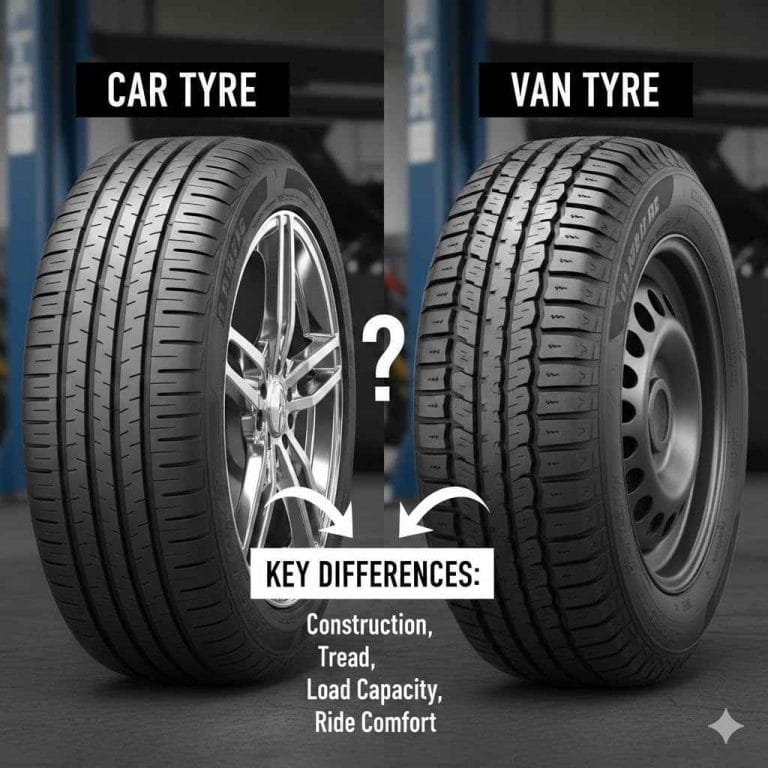
Car tires are typically constructed with a flat, wide tread, designed to maximize the contact patch for stability and traction. This flat profile ensures that a significant portion of the tire remains in contact with the road at all times, which is critical for the heavier weight and four-point contact of a car. The flatness also helps distribute the vehicle’s weight more evenly, resulting in predictable handling and increased resistance to irregular wear patterns. This is particularly important in vehicles designed for higher speeds or heavier loads, such as SUVs or trucks.
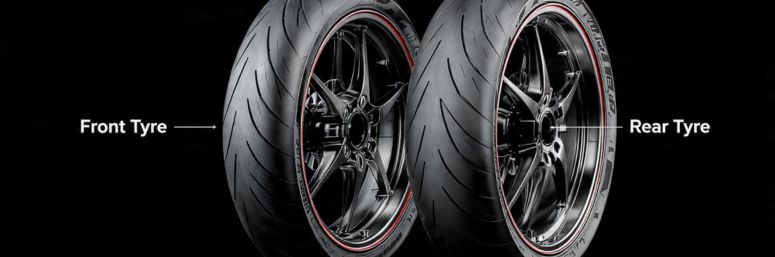
Motorcycle tires, on the other hand, feature a rounded, contoured profile. This enables motorcycles to lean into corners, allowing the tread to maintain optimal contact with the road regardless of the bike’s angle. The curved shape is essential for the unique dynamics of motorcycle riding, where leaning is crucial for steering and balance. As motorcycles bank into turns, the contact patch shifts across the tire’s surface, ensuring grip at various lean angles. This design also allows for more nuanced rider input, making the motorcycle feel more agile and responsive in both city traffic and on twisty mountain roads.
The profile of a tire, whether flat or rounded, is not merely a cosmetic difference—it profoundly affects how the vehicle responds to steering, acceleration, and braking. The rounded profile of motorcycle tires, for example, is a direct response to the need for rapid directional changes and high degrees of lean, whereas car tires prioritize straight-line stability and even wear over long distances.
Construction Materials And Layers
Both car and motorcycle tires use a combination of rubber compounds, textile reinforcements, and steel belts, but the ratios and arrangements differ significantly:
- Car Tires: Typically employ multiple steel belts and polyester plies, offering rigidity and durability to withstand the weight and stresses of a four-wheeled vehicle. The sidewalls are generally stiffer for better handling and load support. In addition, car tires may use advanced silica compounds and other additives to increase tread life and improve wet-weather performance, reflecting the broader range of operating environments cars are expected to handle.
- Motorcycle Tires: Use fewer steel belts but may include aramid or Kevlar fibers for strength without adding excessive weight. The sidewalls are more flexible, allowing the tire to deform appropriately during lean angles and absorb shocks from uneven surfaces. This flexibility is crucial for rider comfort and safety, especially when traversing bumpy or unpredictable roads. Some high-performance motorcycle tires use dual or even triple compound technology, with harder rubber in the center for straight-line durability and softer compounds at the shoulders for enhanced grip during leans.
The materials used in tire construction also play a significant role in determining the tire’s heat management. Car tires, dealing with greater mass and friction, must dissipate heat efficiently to prevent blowouts or premature wear. Motorcycle tires, while lighter, often experience more rapid heat cycles due to aggressive riding and the need for immediate grip, particularly in sport or racing applications.
Load And Speed Ratings
Car tires are engineered to support heavier loads, often ranging from 1,000 to 2,000 pounds per tire, depending on the vehicle type. This higher load capacity is vital for passenger cars, trucks, and SUVs, which must safely accommodate passengers, cargo, and sometimes towing duties.
Load ratings are strictly regulated and are a key consideration in tire selection, as exceeding a tire’s capacity can lead to dangerous failures.
Motorcycle tires, in contrast, are designed for much lighter loads but must endure higher speeds and more variable stress due to dynamic leaning. For instance, while a motorcycle tire may only need to support 300–500 pounds, the loads on the contact patch can fluctuate dramatically as the rider shifts weight during acceleration, braking, or cornering.
Because motorcycles often reach high speeds and experience rapid changes in direction, their tires are engineered to handle intense, short-duration loads rather than sustained heavy weights.
Comparison Table: Core Design Specifications
| Feature | Car Tire | Motorcycle Tire |
|---|---|---|
| Shape/Profile | Flat, wide tread | Rounded, contoured tread |
| Average Load Rating | 1,000–2,000 lbs/tire | 300–500 lbs/tire |
| Number of Plies | 2–4 polyester, 2 steel belts | 1–2 polyester, sometimes aramid/Kevlar |
| Sidewall Stiffness | High for stability | Flexible for lean and shock absorption |
| Speed Rating | Up to 186 mph (Y-rated) | Up to 168 mph (W-rated, varies by type) |
Real-world Example: Tire Profile And Handling
Consider the difference between a Honda Accord sedan and a Yamaha YZF-R1 sportbike. The Accord’s tires are broad and flat, providing consistent grip during turns but relying on steering input and suspension. The YZF-R1’s tires are rounded, allowing the rider to lean aggressively, with the tire’s contact patch shifting seamlessly to maintain grip through the corner.
This difference is more than theoretical—many riders who have experimented with using car tires on motorcycles (a practice called “the dark side”) report significant handling challenges. The car tire’s flat profile resists leaning, making the motorcycle feel unstable during cornering and reducing rider confidence.
Conversely, attempting to use a rounded motorcycle tire on a car would result in poor stability, rapid wear, and unsafe handling, as the tire would not be able to distribute the car’s weight properly across its surface.
Tread Patterns And Rain Performance
Car tires frequently incorporate symmetric or asymmetric tread patterns optimized for water dispersion and all-season performance. These tread patterns are designed to channel water away from the contact patch, reducing the risk of hydroplaning and maintaining grip in wet conditions. Modern car tire designs often include circumferential grooves, sipes, and variable tread blocks to balance wet performance with low road noise and even wear.
Motorcycle tires utilize tread patterns that account for both straight-line grip and the increased water runoff required during leans, ensuring safety in wet conditions. The grooves on a motorcycle tire are specifically placed to direct water away from the tire during cornering, not just in a straight line.
Some high-performance motorcycle tires feature minimal tread for maximum dry grip, while touring tires have deeper grooves for reliable all-weather use. The angle and depth of these grooves play a vital role in how the tire performs on wet roads, with some premium motorcycle tires even incorporating silica compounds to further boost wet traction.
For more technical details on tire design, visit the Tire Wikipedia page.

Credit: www.performanceplustire.com
Performance And Handling Characteristics
The interaction between tire and road is the foundation of vehicle performance, and the differences in tire design manifest profoundly in how cars and motorcycles handle and respond to driver or rider inputs.
Contact Patch And Grip Dynamics
- Car Tires: The contact patch remains relatively constant, regardless of steering angle, ensuring predictable grip and stability. This is vital for high-speed driving and emergency maneuvers, as the driver can rely on consistent traction across a variety of road surfaces.
- Motorcycle Tires: The contact patch changes shape and size as the motorcycle leans, requiring tires to maintain traction across a range of angles. The effective contact patch often becomes smaller at extreme leans, which places a premium on tire compound and tread design to prevent sliding.
The dynamic changes in the motorcycle tire’s contact patch enable agile cornering but demand higher-quality rubber compounds for grip, especially at extreme lean angles. Riders often describe a “progressive” feel as they lean further, with the tire’s rounded profile allowing for smooth transitions and feedback.
Traction And Cornering
Car tires rely on their broad footprint to distribute forces during cornering, braking, and acceleration. This is essential for stability, especially during emergency maneuvers or on slippery surfaces. The large contact patch also helps manage the high torque produced by modern engines, reducing the likelihood of wheelspin or skidding.
Motorcycle tires must balance straight-line stability with the ability to grip during aggressive lean angles. Specialized compounds and tread designs help maintain traction when transitioning from upright to leaned positions. For example, sportbike tires often utilize dual-compound technology: a harder center for durability during highway riding and softer edges for superior grip in the corners. This combination allows riders to enjoy both longevity and performance, depending on their riding style and environment.
Data Table: Traction And Cornering Forces
| Characteristic | Car Tire | Motorcycle Tire |
|---|---|---|
| Contact Patch Area | ~45–60 sq. in. | ~15–25 sq. in. |
| Typical Cornering G-Forces | 0.8–1.2 G | 1.0–1.5 G (at extreme lean) |
| Grip Variation with Lean | Low variation | High variation |
Braking And Acceleration
- Car Tires: Distribute braking and acceleration forces across four contact points, enabling shorter stopping distances and more controlled acceleration. This redundancy means that even if one tire loses grip momentarily (such as hitting a patch of oil), the other three can compensate, reducing the risk of a skid or spin.
- Motorcycle Tires: Manage all forces through just two contact points, making weight transfer and tire quality more critical for safety. During hard braking, most of the weight shifts to the front tire, making front tire performance particularly crucial. Conversely, during acceleration, the rear tire must handle a surge of torque and weight, especially on powerful motorcycles.
The importance of tire quality and condition cannot be overstated—worn or improperly inflated motorcycle tires dramatically increase stopping distances and decrease stability under braking.
Case Study: Rain Performance In Urban Environments
A study by the National Highway Traffic Safety Administration (NHTSA) found that cars equipped with modern all-season tires reduced wet-road stopping distances by up to 15% compared to older models. Motorcycle riders have experienced similar improvements with the advent of advanced rain-specific tires, which use softer compounds and innovative tread designs to maximize grip on wet pavement.
For example, urban commuters on scooters or motorcycles can dramatically reduce their risk of sliding or losing control in the rain by switching to purpose-built rain tires. These tires feature specialized grooves and compounds that remain pliable in cooler temperatures, maintaining consistent grip even when the pavement is slick.
For more, see the NHTSA Tires resource.
Handling Under Load
Car tires are designed to withstand lateral loads during cornering without significant deformation, ensuring consistent performance. This robustness is particularly evident in vehicles that tow or carry heavy loads, where tire strength directly affects safety.
Motorcycle tires, while supporting less weight overall, must flex and adapt to the changing forces during rapid leans and sudden direction changes. Touring motorcycles, which often carry a passenger and luggage, require tires with reinforced sidewalls and higher load ratings, demonstrating the diversity within motorcycle tire design itself.
Credit: meelod.com
Safety Considerations And Failure Modes
Safety is paramount for both cars and motorcycles, but the consequences of tire failure can be dramatically different. Understanding these risks is essential for every driver and rider.
Blowouts And Punctures
- Car Tires: A blowout can lead to loss of control, but the stability provided by four tires often prevents a total loss of vehicle control. Modern vehicles are equipped with traction control and electronic stability systems that can help mitigate the effects of a blowout, allowing the driver to steer the vehicle to safety.
- Motorcycle Tires: A blowout, especially of the front tire, can be catastrophic, causing an immediate loss of stability and control. Riders have far less margin for error, and even a minor puncture can result in a dangerous wobble or slide. This vulnerability is one reason why tire condition is emphasized so heavily in motorcycle safety courses.
Tread Wear And Replacement Intervals
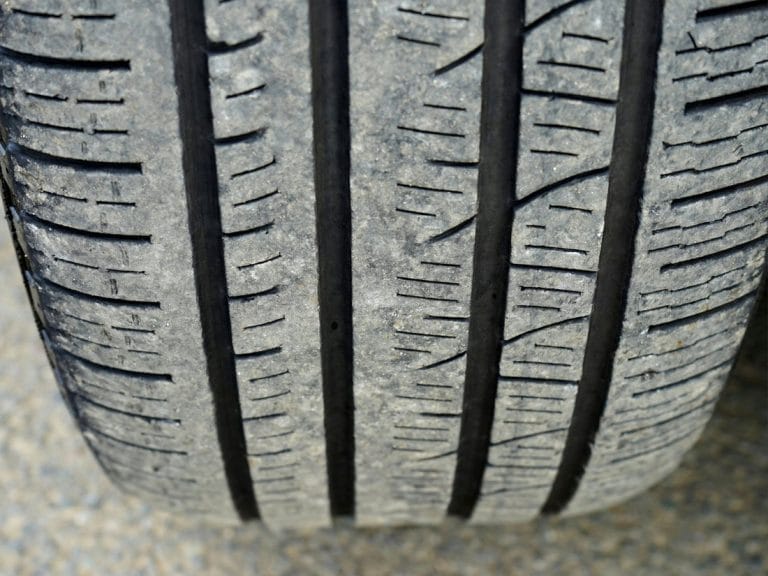
Car tires generally last between 40,000 to 80,000 miles, depending on driving habits and road conditions. Innovations in tread compounds and tire construction have extended the lifespan of modern car tires, with some models specifically marketed for their long-wearing attributes.
Motorcycle tires, however, tend to wear out much faster, often needing replacement every 3,000 to 15,000 miles. The range depends on tire type (sport vs. touring), riding style, and typical road conditions. Aggressive riding, frequent high-speed runs, or carrying heavy loads can significantly shorten tire life, making regular inspection and timely replacement essential for motorcycle safety.
Factors Affecting Tire Longevity
- Type of Compound: Softer compounds (common in high-performance motorcycle tires) offer better grip but wear more quickly. Harder compounds in touring tires increase longevity but may sacrifice some traction.
- Road Surface: Rough or abrasive surfaces accelerate wear for both tire types. Urban environments with frequent stops, sharp turns, and potholes can be particularly hard on tires.
- Load and Inflation: Under-inflated tires run hotter and degrade faster, while over-inflated tires reduce grip and comfort. Proper inflation is critical for maximizing tire life and ensuring safe handling.
Real-world Example: Safety Incident
In 2018, a series of motorcycle accidents in the Pacific Northwest were linked to riders using car tires on their bikes (a practice known as “the dark side”). Investigations revealed that the mismatch in tire profile led to unpredictable handling and increased risk during cornering.
This underscores the importance of using vehicle-specific tires for safety.
Additionally, tire recalls and manufacturing defects have occasionally led to mass replacements in both industries, highlighting the importance of monitoring safety bulletins and adhering to manufacturer recommendations. For motorcyclists, the consequences of ignoring these warnings can be especially severe due to the limited protection in the event of a tire failure.
Tire Pressure And Monitoring
- Car Tires: Most modern cars are equipped with Tire Pressure Monitoring Systems (TPMS), alerting drivers to under-inflation. These systems provide real-time feedback and can help prevent accidents caused by poor tire maintenance.
- Motorcycle Tires: TPMS is less common, making regular manual checks critical for safety. Riders are advised to use high-quality pressure gauges and check tire pressure before every ride, as even small deviations can dramatically affect handling and safety.
For further reading on tire safety, consult the SaferCar.gov tire resource.
Common Failure Modes
- Car Tires: Tread separation, sidewall bulging, and punctures. These failures are often detected early through routine inspections or via warning systems.
- Motorcycle Tires: Tread delamination, sidewall cuts, or catastrophic blowouts due to low pressure. Because motorcycles only have two tires, a failure in either can have immediate and serious consequences, reinforcing the need for regular maintenance and cautious riding.
Specialized Tire Types And Applications
Different driving and riding environments demand specialized tire solutions. Both car and motorcycle tires are available in a variety of types, each optimized for specific conditions.
All-season Vs. Performance Tires
- Car Tires: All-season tires balance comfort, longevity, and wet/dry performance. Performance tires offer superior grip but may wear faster and perform poorly in cold temperatures. Some drivers opt for dedicated summer and winter tires to maximize safety and performance year-round.
- Motorcycle Tires: Sport tires maximize grip and cornering ability, while touring tires prioritize longevity and ride comfort. Track-focused motorcycle tires can reach optimal operating temperature quickly for best grip, but may offer reduced lifespan and are not ideal for daily commuting.
Motorcycle tire manufacturers also produce specialized tires for different riding disciplines, such as cruiser, touring, sport, adventure, and track/racing, each with unique tread patterns and compound blends for their intended environment.
Off-road And Dual-sport Applications
Off-road car tires, such as those used on SUVs or trucks, feature aggressive tread patterns for mud, sand, or rocky terrain. These treads are designed to self-clean, preventing mud and debris from clogging the grooves and reducing grip.
Motorcycle off-road tires (knobbies) are designed for dirt, gravel, and trails, with deep lugs for traction. These tires excel in loose conditions but wear rapidly on pavement. Dual-sport tires attempt to strike a balance, with tread patterns and compounds that perform reasonably well both on- and off-road, though they may not match the peak performance of dedicated road or dirt tires.
Table: Tire Types By Application
| Tire Type | Car Application | Motorcycle Application |
|---|---|---|
| All-Season | Daily driving, moderate weather | Touring, light sport |
| Performance/Sport | High-speed, dry grip | Sport/track riding |
| Winter/Snow | Snow, ice, cold weather | Limited, mostly for adventure bikes |
| Off-Road | Mud, gravel, rugged terrain | Dirt, trails, motocross |
Case Study: Dual-sport Adventure
A BMW R 1250 GS adventure bike equipped with dual-sport tires can transition from smooth highways to rugged off-road trails. Its tires feature a compromise between street tread and off-road lugs, providing versatility at the expense of outright performance in any one environment.
Dual-sport riders often face the challenge of balancing tire longevity, grip, and comfort across varied surfaces. The right tire choice can mean the difference between a smooth transition from pavement to gravel and a struggle with unpredictable traction.
Racing And Track-specific Tires
- Car Racing Tires: Slicks and semi-slicks offer maximum grip on dry tracks but are unsuitable for everyday use. These tires lack tread and are extremely sensitive to temperature changes, requiring careful management to avoid rapid wear or loss of traction.
- Motorcycle Racing Tires: Use advanced compounds and treadless designs for track dominance, requiring careful temperature management. Racing tires are often pre-warmed with tire warmers before hitting the track to maximize grip from the first corner.
For a comprehensive guide on tire types and uses, visit the Tire Rack tire information page.
Maintenance, Replacement, And Cost Considerations
Proper maintenance and timely replacement of tires are critical for maximizing safety, performance, and value. The approaches differ significantly between cars and motorcycles.
Inspection And Maintenance Routines
- Car Tires: Visual inspections, rotation every 5,000–7,000 miles, and alignment checks are recommended. Regular rotation ensures even wear, while alignment checks prevent premature tire replacement due to uneven tread.
- Motorcycle Tires: Frequent inspections (every ride, ideally), checking for cuts, embedded objects, and uneven wear. Given the smaller safety margin, motorcycle tires require more vigilant monitoring for damage, tread depth, and proper inflation.
Motorcycle riders are also encouraged to check tire age, as rubber compounds degrade over time even if tread remains. Most manufacturers recommend replacing tires that are more than five years old, regardless of appearance.
Tire Balancing And Alignment
- Car Tires: Regular wheel balancing and alignment extend tire life and improve handling. Unbalanced or misaligned tires can cause vibrations, uneven wear, and decreased safety.
- Motorcycle Tires: Balancing is crucial at installation. Motorcycles do not require alignment in the traditional sense, but correct axle alignment is essential. Misaligned wheels can lead to uneven wear and negatively affect handling, especially at speed.
Replacement Intervals
Car tires, with their longer lifespans, can often be replaced in sets of two or four, depending on wear patterns. Some vehicles, especially those with all-wheel drive, require all four tires to be replaced at once to avoid driveline damage.
Motorcycle tires are typically replaced in pairs, given the rapid wear of high-performance compounds. However, some riders may replace the rear tire more frequently, as it generally wears out faster due to power delivery and weight transfer during acceleration.
Cost Comparison Table
| Cost Aspect | Car Tire (Average) | Motorcycle Tire (Average) |
|---|---|---|
| Purchase Price (each) | $100–$250 | $80–$200 |
| Typical Lifespan | 40,000–80,000 miles | 3,000–15,000 miles |
| Replacement Frequency | Every 3–6 years | Every 1–2 years |
| Installation Cost (per tire) | $15–$35 | $25–$50 |
Real-world Example: Cost Over Time
A Toyota Camry owner who drives 15,000 miles per year may spend $600–$1,000 on tires over a five-year period. A Yamaha MT-07 rider covering 5,000 miles annually may spend $800–$1,200, despite lower mileage, due to faster tire wear and higher per-mile cost.
This cost discrepancy is often surprising to new riders, but reflects the performance-oriented nature of motorcycle tires and the premium placed on grip and responsiveness.
Storage And Seasonal Considerations
- Car Tires: Often rotated seasonally for winter/summer use; storage requires cool, dry conditions. Storing tires properly, away from direct sunlight and sources of ozone, can extend their lifespan and prevent premature cracking.
- Motorcycle Tires: Riders in colder climates may remove and store tires to avoid flat-spotting during winter. Some riders use stands to keep tires off the ground and reduce deformation during extended storage. Proper storage practices, including cleaning and covering tires, help maintain rubber elasticity and ensure safe performance when riding season resumes.
For more information about proper tire maintenance, see the Consumer Reports tire buying guide.
Environmental Impact And Sustainability
Tire production and disposal have significant environmental implications. While both car and motorcycle tires contribute to pollution, their impacts differ in scale and mitigation options.
Production Footprint
- Car Tires: The sheer volume of car tire production (over 1 billion annually worldwide) leads to considerable raw material and energy consumption. The resources required for manufacturing, shipping, and eventual disposal of car tires represent a significant environmental challenge.
- Motorcycle Tires: Produced in lower volumes, but often with more specialized compounds that may be harder to recycle. The environmental footprint of motorcycle tires is smaller per unit, but their shorter lifespan and frequent replacement can offset some of these advantages.
Microplastic Pollution
As tires wear, they release microplastics into the environment. Car tires, due to their size and longer use, contribute a larger share to this pollution. However, high-performance motorcycle tires can wear rapidly, producing a notable amount per mile traveled. This issue has prompted increased research into tire wear rates and the development of compounds that minimize microplastic release.
Some cities and countries are now monitoring tire wear emissions as part of broader efforts to combat microplastic pollution in waterways and urban environments.
Recycling And Disposal
Efforts to recycle tires are expanding globally. Car tires are frequently repurposed into playground surfaces, construction material, or used as fuel in industrial processes. Innovative uses such as tire-derived aggregate in road construction or as barriers in motorsport venues help reduce landfill waste.
Motorcycle tire recycling is less common but growing, with initiatives to repurpose or safely dispose of worn tires. Some manufacturers have begun take-back programs, encouraging riders to return used tires for responsible disposal.
Sustainable Innovations
- Eco-Friendly Compounds: Both car and motorcycle tire manufacturers are experimenting with renewable materials like silica, soybean oil, and recycled rubber to reduce environmental impact. These compounds aim to maintain or improve performance while reducing the environmental footprint of tire production and disposal.
- Extended Lifespan Designs: Advances in tread technology and compound formulation aim to improve durability, reducing the overall number of tires discarded each year. Some newer tires are designed to retain performance characteristics even as they wear, extending safe usability and further reducing waste.
For further details on tire sustainability, refer to the Michelin sustainable tires initiative.
Frequently Asked Questions
What Happens If You Use A Car Tire On A Motorcycle?
Using a car tire on a motorcycle (often called “the dark side” practice) is strongly discouraged by manufacturers and safety experts. Car tires have a flat profile, which compromises motorcycle handling, especially during leans and cornering. This can lead to unpredictable behavior, reduced grip, and increased risk of accidents. Always use tires specifically designed for your motorcycle.
Why Do Motorcycle Tires Wear Out Faster Than Car Tires?
Motorcycle tires generally use softer rubber compounds to maximize grip, especially during aggressive riding and leaning. Additionally, motorcycles have only two tires, each bearing a larger proportion of the total weight and experiencing more dynamic loads. This leads to faster tread wear compared to the harder compounds and more even load distribution in car tires.
How Do Tread Patterns Differ Between Car And Motorcycle Tires?
Car tire treads are often optimized for straight-line stability, even wear, and water dispersion. Motorcycle tire treads are designed for changing contact patches during leans, with grooves that evacuate water efficiently at various angles and maintain grip during both upright and leaned positions. This specialized design is key to motorcycle safety and performance.
Can You Use The Same Brand And Model Of Tire For Both Cars And Motorcycles?
While some brands manufacture both car and motorcycle tires, the models and designs are always specific to the vehicle type. You cannot use a tire designed for one application on the other, even if the brand and name are similar. Always check the manufacturer’s specifications and recommendations for your vehicle.
How Often Should You Check Tire Pressure On Cars Vs Motorcycles?
Car tire pressure should be checked at least once a month or before long trips, as most cars have TPMS systems to alert drivers to under-inflation. Motorcycle tire pressure should be checked before every ride, as motorcycles are more sensitive to pressure changes and lack widespread TPMS adoption. Proper inflation is critical for safety and performance.
Authoritative Resources For Further Reading
If you want to delve deeper into tire technology, safety, and maintenance, explore these authoritative resources:
- Wikipedia: Tire
- NHTSA: Tires
- SaferCar.gov: Tire Safety
- Tire Rack: Tire Information
- Consumer Reports: Tire Buying Guide
- Michelin: Sustainable Tires
Understanding the distinct engineering and safety requirements of car and motorcycle tires is essential for anyone who values performance and safety on the road. By choosing the right tire for your vehicle, maintaining it diligently, and staying informed about the latest innovations, you can ensure a safer, more enjoyable driving or riding experience—no matter where your journey takes you.
Products related to this article
Sponsored / affiliate links. As an Amazon Associate I earn from qualifying purchases. I may earn additional commission from eligible campaigns.