What Is the Ideal Car Tire Pressure? Tips and Guide
Ideal car tire pressure directly impacts your vehicle’s handling, braking distance, and fuel economy. This guide explains how to find the correct pressure, why it varies, and how to maintain it for optimal performance.
In short, the ideal car tire pressure is the manufacturer-recommended PSI listed on the driver’s side door jamb or owner’s manual. It balances ride comfort, traction, and tread wear for your specific vehicle and typical load.
Key Takeaways
- Ideal car tire pressure varies by vehicle and is not a universal number.
- Check pressure when tires are cold for the most accurate reading.
- Underinflation reduces fuel economy by up to 3% per 1 PSI drop.
- Overinflation causes a harsher ride and uneven center tread wear.
- Always use the manufacturer’s recommendation, not the sidewall maximum.
What Is Ideal Car Tire Pressure?
Ideal car tire pressure is the specific PSI (pounds per square inch) at which your tires perform best. This number is determined by your vehicle’s manufacturer based on testing for safety, ride quality, and tire life.
Contrary to popular belief, the “max pressure” stamped on the tire sidewall is not the ideal pressure. It’s the maximum safe limit for the tire under full load, not the recommended operating pressure for everyday driving.
Key factors that influence ideal pressure include:
- Vehicle weight and load capacity
- Tire size and construction
- Driving conditions (highway vs. city)
- Ambient temperature and altitude
- Seasonal weather changes
| Vehicle Type | Typical PSI Range |
|---|---|
| Compact Car | 30 – 35 PSI |
| Sedan / Midsize | 32 – 38 PSI |
| SUV / Crossover | 35 – 40 PSI |
| Light Truck / Van | 40 – 45 PSI |
These are general ranges only. Always confirm the manufacturer’s specification for your exact model.
Tip: Write down the recommended PSI for your front and rear tires and keep it in the glove box. This ensures you always remember the correct numbers, especially after seasonal changes or when buying a used car.
How Does Tire Pressure Affect Your Car?
Tire pressure is one of the few adjustments you can make that affects multiple vehicle systems at once. A difference of just a few PSI can change how your car behaves on the road.
Here’s what each pressure condition does to your vehicle:
- Underinflation: Increases rolling resistance, lowering fuel economy by about 0.2% for every 1 PSI drop in all four tires. It also causes excessive sidewall flex, leading to heat buildup and potential blowouts.
- Overinflation: Reduces the tire’s contact patch, leading to poor traction, especially in wet conditions. It also makes the ride noticeably harsher.
- Correct pressure: Provides maximum grip, even tread wear, and optimal fuel efficiency. The U.S. Department of Energy reports that proper inflation can improve gas mileage by 3% on average.
| Impact Area | Low Pressure | High Pressure |
|---|---|---|
| Fuel Economy | Decreases | Improves slightly |
| Braking Distance | Increases | May increase on wet roads |
| Tread Wear | Outer edges wear faster | Center wears faster |
| Ride Comfort | Softer, may feel bouncy | Stiff and harsh |
According to the National Highway Traffic Safety Administration (NHTSA), underinflated tires are a factor in roughly 5% of all vehicle crashes. Correct pressure isn’t just about comfort—it’s a safety fundamental.
Warning: Never exceed the maximum pressure stamped on the tire sidewall. Doing so increases the risk of a sudden blowout, especially during high-speed driving or in hot weather.
What Is the Recommended Tire Pressure for Most Cars?
The recommended tire pressure for most passenger cars falls between 30 and 35 PSI when cold. However, this is only a guideline—your specific vehicle may require a different number.
You can find the exact recommendation in these locations:
- Driver’s side door jamb sticker (most common)
- Owner’s manual
- Fuel filler door or glove box
- Inside the center console or sun visor
The sidewall pressure rating is not the recommended pressure. For example, a tire may say “max 44 PSI” on the side, but your vehicle’s ideal might be 32 PSI. Always trust the manufacturer recommendation over the tire’s maximum.
Important: If your vehicle has different recommended pressures for front and rear tires, follow them. Front tires often need slightly higher pressure to support the engine weight, while rear tires may differ for balanced handling.
How to Check Tire Pressure Correctly
Checking tire pressure is a simple task, but doing it wrong can lead to inaccurate readings. Follow these steps for a reliable measurement every time.
- Check when tires are cold. Pressure increases as tires heat up from driving. Wait at least three hours after the car has been parked, or drive less than a mile to the gas station.
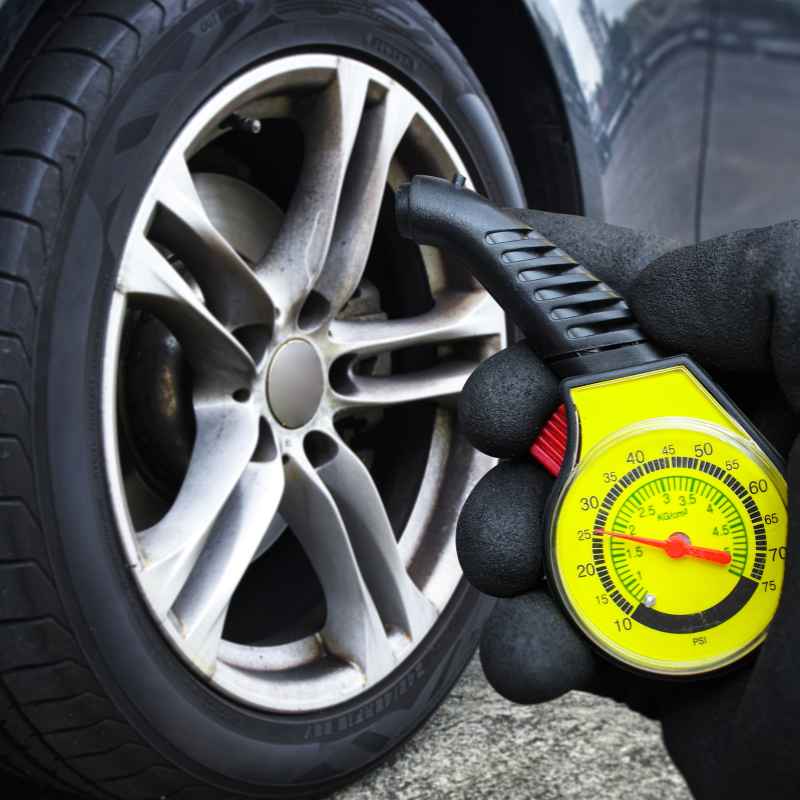
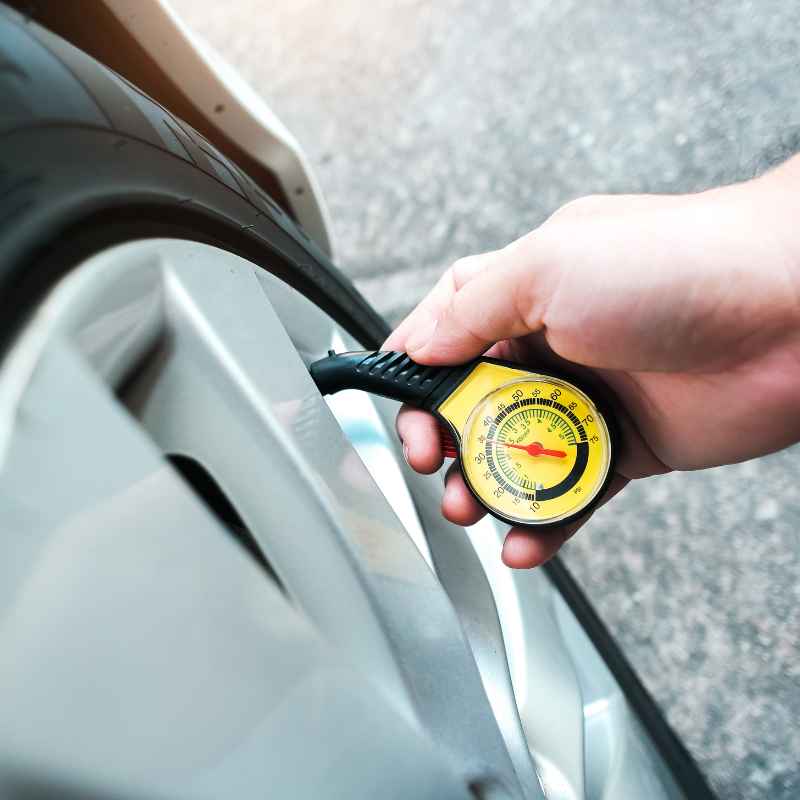
- Use a quality gauge. Digital gauges are more accurate than the pencil-style ones. Stick-type gauges can still work if they aren’t dropped or damaged.
- Remove the valve cap and press firmly. A hissing sound means you aren’t seating it properly. Press straight on to get a clean reading.
- Read the PSI compare to the recommendation. If it’s low, add air until you reach the target. If it’s high, let some out by pressing the valve pin briefly.
- Repeat for all four tires. Don’t forget the spare tire if your vehicle has one—it should also be checked at least once a month.
- Replace the valve caps. Caps protect the valve from dirt and moisture, preventing slow leaks.
According to a survey by the Rubber Manufacturers Association, nearly 80% of drivers do not know how to correctly check tire pressure. By following these steps, you belong to the informed minority.
Tip: If you frequently drive with a heavy load or on highways, consider adding 3–5 PSI to the rear tires. This improves stability and prevents the rear from sagging. Always stay within the maximum sidewall limit.
What Happens if Tire Pressure Is Too Low or Too High?
Both low and high tire pressure can cause immediate and long-term problems. Understanding the symptoms helps you catch issues early.
Low pressure symptoms:
- Vehicle feels sluggish or pulls to one side
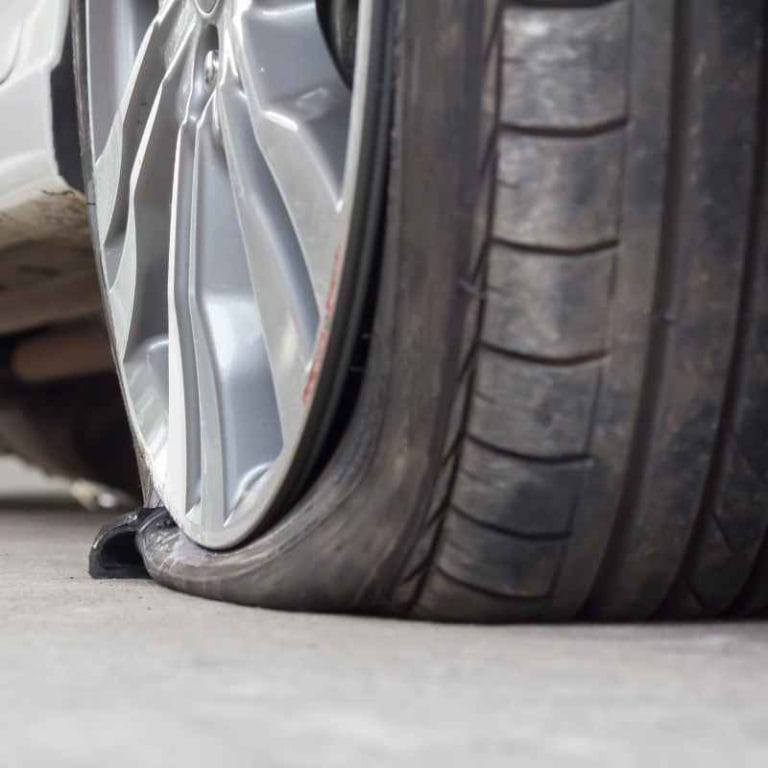
- Tire sidewalls appear bulging or flattened
- Increased rolling noise from the tires
- Tire pressure monitoring system (TPMS) warning light on dashboard
- Poor fuel economy (can drop up to 10% with severe underinflation)
High pressure symptoms:
- Harsh, bouncy ride over bumps
- Less traction on wet roads (longer stopping distance)
- Center of the tread wears faster than edges
- Increased risk of tire damage from potholes
- Unstable handling at highway speeds
| Condition | Short-term Risk | Long-term Damage |
|---|---|---|
| Low PSI | Blowout due to heat buildup | Premature tread wear, sidewall cracking |
| High PSI | Reduced traction in rain | Uneven center wear, reduced tire lifespan |
The Insurance Institute for Highway Safety (IIHS) notes that proper tire pressure is one of the most overlooked yet cost-effective safety measures. A simple monthly check can add thousands of miles to your tire life.
Common Myths About Tire Pressure
Many misconceptions surround tire pressure, leading drivers to make risky assumptions. Here are the most persistent myths debunked.
Myth 1: The pressure stamped on the tire sidewall is the correct one.
Fact: The sidewall shows the maximum safe pressure, not the recommended operating pressure. Your vehicle’s manufacturer recommendation is always lower and specific to your car’s weight and handling.
Myth 2: You can “eyeball” low pressure by looking at the tire.
Fact: Modern radial tires can be significantly underinflated without looking flat. A loss of 5–10 PSI may not be visible but can already affect handling and fuel economy.
Myth 3: Nitrogen inflation means you never need to check pressure.
Fact: Nitrogen leaks more slowly than air, but it is not impervious. You still need to check pressure monthly. Nitrogen also does not improve fuel economy or tire life on passenger cars.
Myth 4: You should lower tire pressure in snow for better traction.
Fact: Lowering pressure increases the contact patch but also reduces sidewall stiffness, which can lead to instability. Winter tires are designed to operate at standard recommended pressures.
Myth 5: It’s okay to inflate tires to the max when carrying a heavy load.
Fact: While you may need to increase pressure for extra load, always stay below the sidewall maximum. Overinflating for weight can still cause uneven wear and ride discomfort.
Warning: Never reduce tire pressure in an attempt to improve fuel economy. Underinflation actually increases rolling resistance, meaning your engine works harder and burns more gas.
How Often Should You Check Tire Pressure?
Regular checks are the simplest way to maintain ideal tire pressure. The frequency depends on your driving habits and climate.
General recommendations:
- At least once a month. Tires naturally lose 1–2 PSI per month due to permeability. Monthly checks catch slow leaks early.
- Before long trips. A road trip puts extra stress on tires. Check pressure and adjust for load and highway speeds.
- With seasonal temperature changes. Pressure drops about 1 PSI for every 10°F decrease in temperature. Fall and spring transitions often cause the TPMS light to come on.
- After hitting a pothole or curb. Impact can cause sudden pressure loss or internal damage that isn’t visible.
- When rotating tires. This is a good opportunity to recheck all four tires and the spare.
The American Automobile Association (AAA) recommends that drivers check pressure every time they fill up with gas. Since gas stations often have air pumps, it’s convenient to combine tasks.
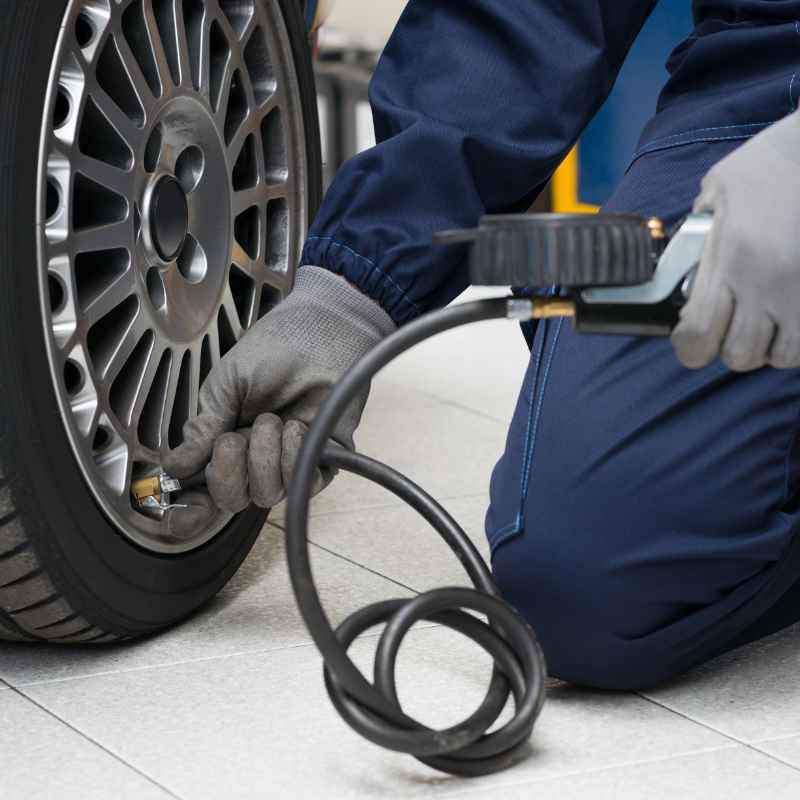
Tip: Keep a portable tire inflator in your trunk. It allows you to top off pressure at home or on the road without relying on gas station pumps, which can be out of order or inaccurate.
Frequently Asked Questions
What PSI should my car tires be?
Your car’s recommended PSI is printed on the driver’s side door jamb sticker or in the owner’s manual. Most passenger cars require 30–35 PSI when cold. Do not rely on the max pressure on the tire sidewall.
Is it better to overinflate or underinflate tires?
Neither is good, but underinflated tires are generally more dangerous because they generate excessive heat and can blow out. Overinflated tires reduce traction and cause harsh rides. Always aim for the exact manufacturer recommendation.
Can I use the air pump at a gas station for my tires?
Yes, but gas station pumps are often inaccurate. Use your own tire gauge to verify the pressure after filling. Also ensure the pump’s hose reaches all four tires without stretching too tightly.
Why does my tire pressure light come on when it gets cold?
Tire pressure drops about 1 PSI for every 10°F temperature decrease. A sudden cold snap can trigger the TPMS light even if you haven’t lost any air. This is normal—just add air until you reach the recommended PSI.
Does driving with low tire pressure damage my wheels?
Yes. Underinflated tires flex more, generating heat that can damage the internal structure and eventually lead to tire failure. The extra flex also puts stress on the wheel rim and can cause bent rims if you hit a pothole.
Final Thoughts
Maintaining ideal car tire pressure is a simple habit with major payoffs in safety, fuel savings, and tire durability. Check your recommended PSI from the door jamb or manual, not the sidewall, and inspect your tires monthly. With consistent care, you’ll drive more efficiently and reduce the risk of preventable tire failures.
See also why do car tyres crack over time causes and prevention.
Products related to this article
Sponsored / affiliate links. As an Amazon Associate I earn from qualifying purchases. I may earn additional commission from eligible campaigns.