Car Tire Sidewall Damage: What’s Safe and What Isn’t
A tire sidewall cut, bulge, cord exposure, or puncture means you should stop driving; a shallow scuff with no cord showing is often treated as cosmetic. Ignore it, and a small defect can turn into a sudden blowout, rim damage, or a roadside breakdown. This guide shows how to sort sidewall damage into drive, inspect-now, or replace-now steps.
What sidewall damage means for safety


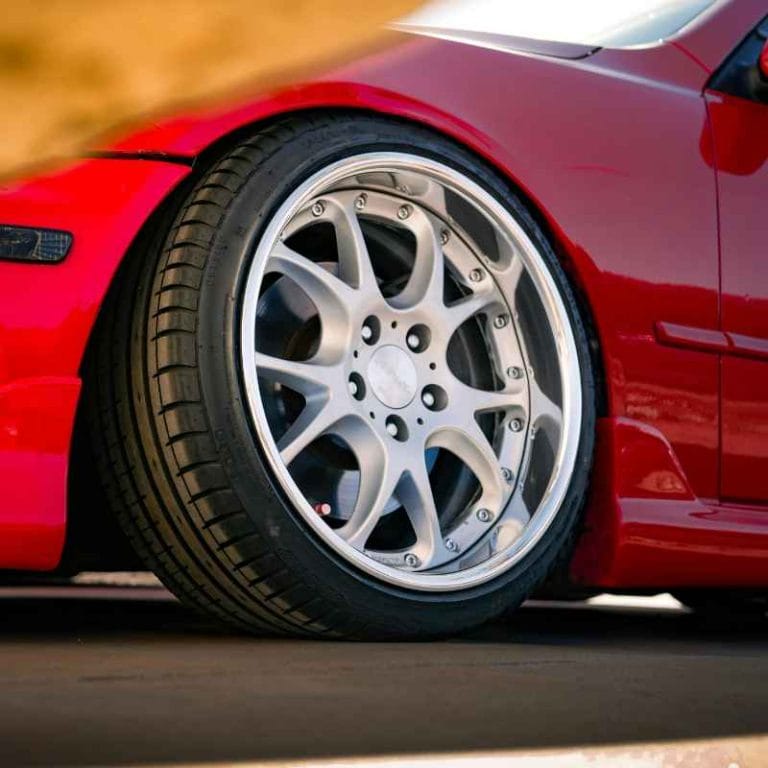
The sidewall is the vertical portion of the tire visible from the side. It flexes under load, so it is not a cosmetic-only zone. Damage there can weaken the structure even when the tread still looks fine, which is why sidewall issues deserve a faster decision than tread wear.
Use three outcomes: drive cautiously, inspect immediately, or stop driving. A small superficial scuff may stay in the first group. A cut with uncertain depth belongs in the second. A bulge, exposed cord, or puncture belongs in the third.
Why the sidewall matters
The sidewall carries load, absorbs flex, and helps the tire hold shape at speed and in corners. That repeated flex is why heat, underinflation, curb strikes, and impact damage can cause problems there long after the original event.
Picture a tire that clipped a curb at low speed and now shows a narrow scrape. If the mark is only on the outer rubber and pressure stays normal, it may be cosmetic. If the same area also has a lump or soft spot, the tire needs a closer look before more driving.
📊 The repairable zone is no closer than 25 mm to the sidewall. Source: Tyre Sidewall Damage – Can You Still Drive on It?.
Can you drive on a tire with a small sidewall cut?
A very shallow scuff may be drivable if it is only surface-level, there is no cord showing, no bulge, and no pressure loss. A cut that reaches deeper than the outer rubber, sits near the bead or shoulder, or follows a curb or pothole hit needs immediate inspection and may end in replacement.
What a shallow scuff looks like
A cosmetic mark is usually a light scrape, some missing black rubber, or a rubbed patch with no opening into the tire. The surface stays smooth enough that you cannot see layers, threads, or cords. The tire keeps its shape and pressure.
What makes a cut unsafe even if it looks small
Size alone is not the real test. A short cut can still be unsafe if it is deep, if the edges gape when the tire flexes, if it sits close to the rim, or if the tire lost air after the impact. Any visible cord means the tire is done.
Which sidewall damage means replace the tire now?
Bulges, bubbles, punctures, exposed cords, and deep or widespread cracking all point to structural damage. A visible bulge, lump, or bubble on the sidewall means immediate replacement. A puncture in the tire sidewall is dangerous in normal road use and should not be treated as a repair job.
Bulges and bubbles
A bulge often suggests the internal cords have been damaged and the inner layers are no longer holding shape. That weak spot can fail without much warning. The tire should come out of service at once, even if the tread looks acceptable.
Cuts or tears that expose cords or plies
Deep sidewall damage that exposes cord plies is a failure indicator, not a watch-and-wait issue. If the cut opens enough to show fabric or thread-like layers, the tire is structurally compromised. Replacement is the safe action.
Sidewall punctures and bead-area damage
Normal repair standards only permit repairs to the central tread area, and the repairable zone is no closer than 25 mm to the sidewall. That means sidewall punctures are usually not repaired in normal practice. Damage near the bead is also a strong stop-driving signal.
Deep cracking and widespread crazing
Fine surface cracking can appear on tyres older than six years. That is not always an immediate failure by itself, but deep, widespread, or chunky cracking is a different matter. Tyres older than ten years should be replaced regardless of tread depth.
| Damage pattern | What it usually means | Action |
|---|---|---|
| Light surface scuff, no opening | Possible cosmetic curb rash | Drive cautiously and recheck |
| Small cut with uncertain depth | Could be shallow or structural | Inspect immediately |
| Visible cord, ply, or thread | Structural compromise | Stop driving, replace |
| Bulge, lump, or bubble | Internal cord damage | Stop driving, replace |
| Sidewall puncture | Non-repairable damage | Stop driving, replace |
| Deep or widespread cracking | Age and degradation | Inspect now; often replace |
How to tell cosmetic scuffs from structural damage
Cosmetic scuffs usually affect only the outer surface. Structural damage changes shape, opens the rubber, or exposes internal material. The best home check is simple: clean the area, inspect in good light, and compare the mark with the rest of the sidewall before deciding anything.
Signs that point to cosmetic curb rash
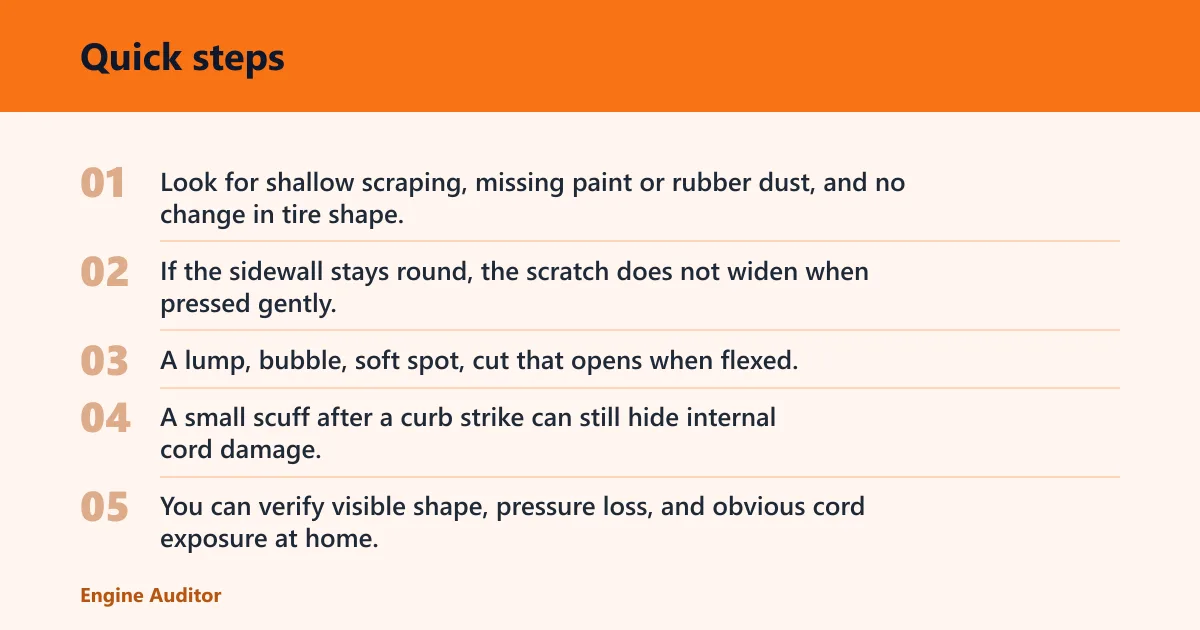
Look for shallow scraping, missing paint or rubber dust, and no change in tire shape. If the sidewall stays round, the scratch does not widen when pressed gently, and air pressure remains steady, the mark is more likely cosmetic.
Signs that point to internal damage
A lump, bubble, soft spot, cut that opens when flexed, or any visible cord means the problem is deeper than the surface. A small scuff after a curb strike can still hide internal cord damage, which is why shape matters as much as the cut itself.
What you can verify at home versus what needs a technician
You can verify visible shape, pressure loss, and obvious cord exposure at home. You cannot reliably judge hidden ply damage, internal separation, or borderline cut depth by guesswork. A tire specialist or technician should make the final call whenever the damage is close to the bead, shoulder, or reinforcement layers.
A common first-timer mistake is treating a clean-looking cut as harmless because it is short. A small sidewall gash near the shoulder can be more serious than a longer scrape in the outer rubber if the deeper layers are affected.
What causes sidewall damage in the first place?
Curb hits, potholes, underinflation, flat driving, age, UV exposure, ozone, oxidation, and sharp-object puncture events are the common causes. Some create instant damage. Others weaken the sidewall first, then show up later as cracking, bulging, or a blowout.
Curb hits and pothole impacts
Kerb or curb impacts and potholes are among the most common triggers. They can cut the outer rubber, pinch the structure, or damage cords inside the sidewall. A bulge can appear later, not always at the moment of impact.
Underinflation and flat driving
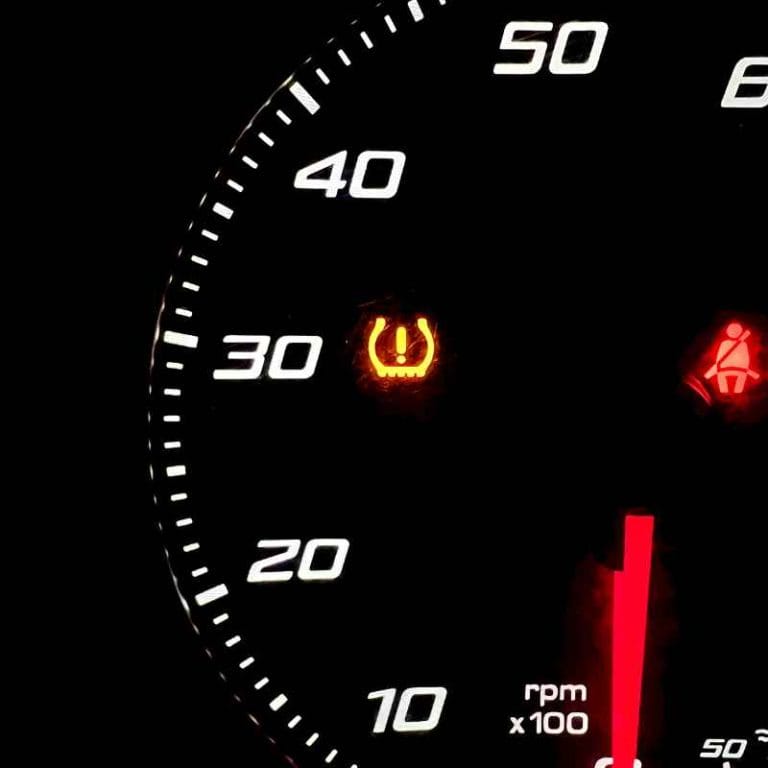
Driving on an underinflated tyre can cause sidewall damage or blowout. Low pressure lets the sidewall flex too much, which creates heat and fatigue. Driving on a flat is worse, because the tire can be damaged quickly even over a short distance.
Age, UV, ozone, and oxidation
Age-related cracking and crazing come from long-term exposure to UV, ozone, and oxidation. That type of damage is different from impact damage. It usually shows as fine checking first, then wider cracks if the tire keeps aging.
Sharp-object puncture events
Sidewall punctures are more dangerous than tread punctures because the sidewall is a structural area that flexes constantly. A nail, screw, or debris strike in that zone is normally not a repair candidate in passenger-car use.
Use this sidewall damage checklist before you decide
Use one photo set and one note set before moving the car again. The goal is not to diagnose every internal defect. The goal is to sort the tire into drive cautiously, inspect immediately, or stop driving and replace.
Photo note template
- Photograph the full tire from the side.
- Take a close-up of the damaged spot with a coin, key, or finger for scale.
- Record cut depth as shallow surface scuff, visible opening, or unknown.
- Note whether cord visibility is present.
- Measure or estimate bulge size and whether the sidewall shape is uneven.
- Write the location: near bead, shoulder, mid-sidewall, or close to the rim.
- Note any pressure loss, pull, vibration, or change in ride behavior.
Decision checklist
- Drive cautiously: shallow scuff only, no cord showing, no bulge, no pressure loss.
- Inspect immediately: small cut with uncertain depth, near-bead damage, or damage after a curb or pothole hit.
- Stop driving: bulge, bubble, puncture, exposed cord, visible ply, or rapid pressure loss.
- Use the spare wheel: if the tire is uncertain but the car must move a short distance to a shop.
- Tow the vehicle: if the tire is flat, bulging, or showing structural damage and no spare is ready.
Should you drive, use a spare, or tow the car?
A short drive to a tire shop is defensible only when the damage looks superficial, the tire holds pressure, and the wheel still rolls normally. A spare wheel is the safer choice when the tire condition is uncertain. Towing is the right call for bulges, sidewall punctures, exposed cords, or a flat tire.
When a short drive to a tire shop is defensible
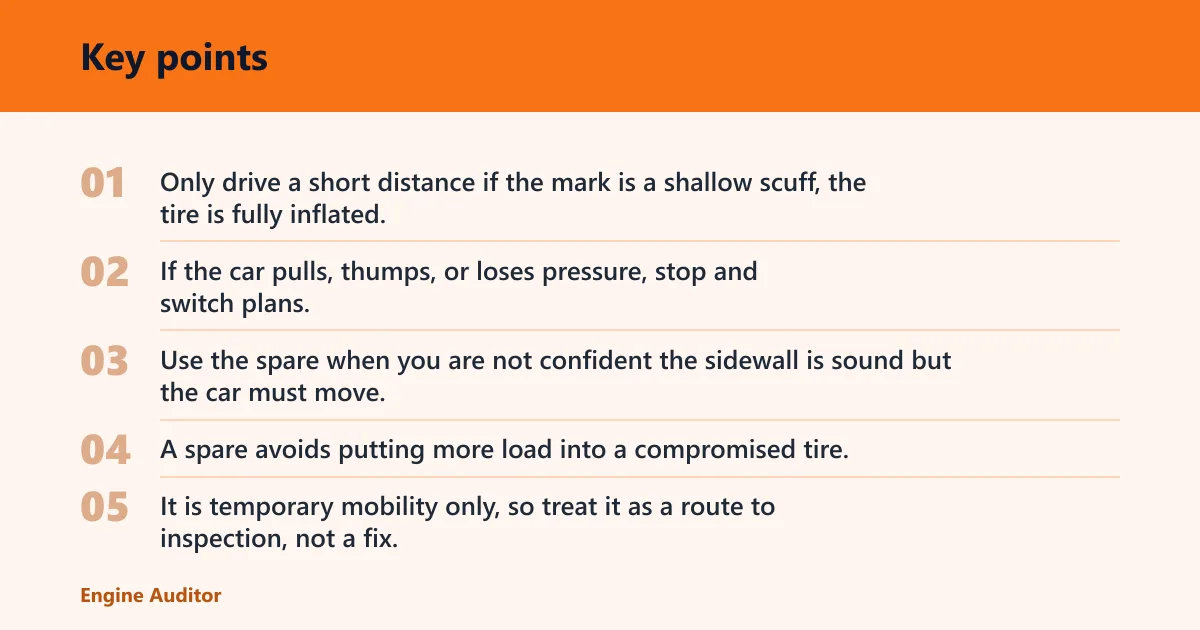
Only drive a short distance if the mark is a shallow scuff, the tire is fully inflated, and there is no sign of shape change or worsening damage. Keep speed low and avoid highways. If the car pulls, thumps, or loses pressure, stop and switch plans.
When a spare wheel is the safer option
Use the spare when you are not confident the sidewall is sound but the car must move. A spare avoids putting more load into a compromised tire. It is temporary mobility only, so treat it as a route to inspection, not a fix.
When towing is the only sensible move
Choose towing if the tire is flat, the sidewall is bulging, the cord is visible, or the puncture is in the sidewall. Those are stop-driving conditions. Trying to nurse the car farther can turn one damaged tire into rim damage or a second failed tire.
How much sidewall damage is too much on a tire?
Any damage that reaches the cords, changes the tire shape, or causes air loss is too much. A visible bulge, a puncture, or deep cracking also crosses the line. If you cannot tell whether the damage is structural, stop driving until a technician checks it.
Is a bulge in a tire sidewall safe to drive on?
No. A bulge or bubble means the sidewall structure has likely been compromised inside the tire. That condition can fail suddenly under load or heat. The safe move is to stop driving and replace the tire, not to watch it for a few more miles.
Can a tire sidewall be repaired?
In normal passenger-car practice, sidewall repairs are not recommended. Tyre repair standards only permit repairs to the central tread area, and the repairable zone is no closer than 25 mm to the sidewall. Sidewall punctures and deep cuts should be treated as replacement cases.
What does exposed cord on a tire sidewall mean?
Exposed cord means the outer rubber has worn or torn through far enough to reveal the internal structure. That is a direct sign of structural compromise, not a cosmetic mark. The tire should be removed from service and replaced before further driving.
Frequently asked questions
Do hairline cracks on tire sidewalls mean I need new tires?
Fine surface cracking can appear on tyres older than six years, so hairline cracks do not always mean immediate replacement. Deep, widespread, or worsening cracking is different. Tyres older than ten years should be replaced regardless of tread depth, even if the cracks seem minor.
Can driving on a flat tire damage the sidewall?
Yes. Driving on an underinflated tyre can cause sidewall damage or blowout, and flat driving can destroy the sidewall quickly. The excess flex creates heat and fatigue. If the tire is flat or nearly flat, stop and use the spare, tow, or call for help.
Products related to this article
Sponsored / affiliate links. As an Amazon Associate I earn from qualifying purchases. I may earn additional commission from eligible campaigns.
 Bullseye 12V DC Car Tire Inflator Portable Air Compressor - Rapid 2 Minute Inflation, Auto Shut-Off, Max 150 PSI, Easy Cord Storage, Digital Pressure Gauge, LED Display (Royal Blue) - As Seen on TV
 Bullseye 12V DC Car Tire Inflator Portable Air Compressor - Rapid 2 Minute Inflation, Auto Shut-Off, Max 150 PSI, Easy Cord Storage, Digital Pressure Gauge, LED Display (Yellow) - As Seen on TV