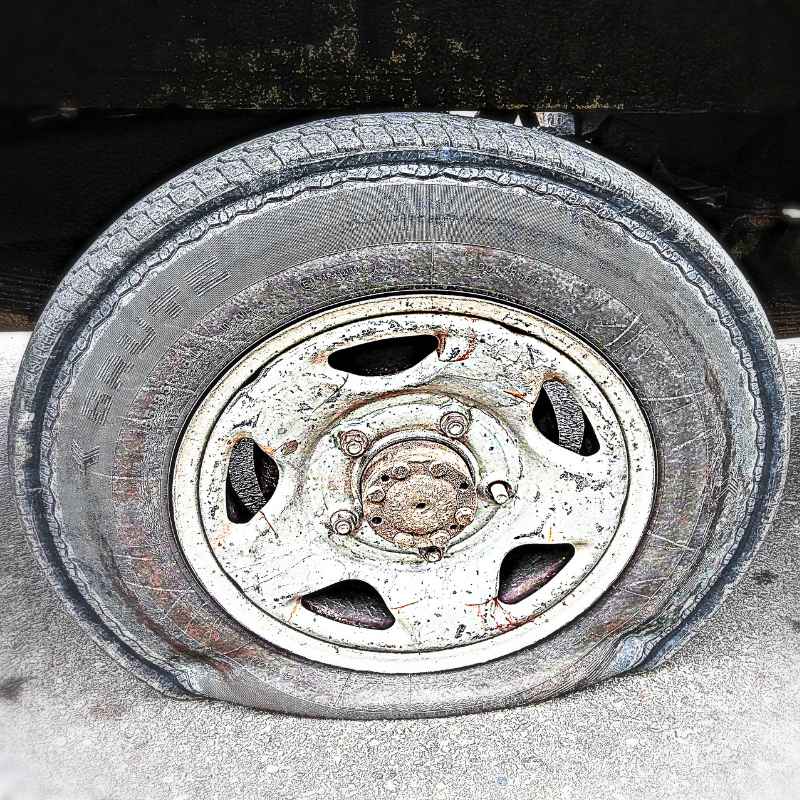
How to Prevent Flat Tires on Your Car (Smart Easy Tips)
Preventing flat tires on your car is one of the most effective ways to avoid roadside emergencies and costly repairs. This guide covers the essential maintenance habits, driving techniques, and smart products that keep your tires rolling safely mile after mile.
Simply put, preventing flat tires comes down to four actions: checking tire pressure weekly, inspecting tread and sidewalls, avoiding road hazards, and using quality tires with proper load ratings. Do these consistently and you will eliminate most common causes of flats.
Key Takeaways
- Preventing flat tires starts with a weekly tire pressure check using a reliable gauge.
- Visual inspections catch punctures, cracks, and sidewall damage before they become blowouts.
- Driving habits matter — avoiding potholes, curbs, and debris dramatically reduces flat risk.
- Quality tires with proper tread depth and load rating last longer and resist punctures better.
- Tire maintenance including rotation, balancing, and alignment extends tire life by thousands of miles.
Check Your Tire Pressure Weekly
The single most effective step in preventing flat tires is maintaining correct tire pressure. Underinflated tires flex too much, generating excessive heat that can cause sudden failure. Overinflated tires ride harshly and are more prone to impact damage from potholes.
The National Highway Traffic Safety Administration (NHTSA) reports that underinflated tires are involved in a significant number of tire-related crashes each year. Your vehicle’s recommended pressure is printed on the driver’s side door jamb or in the owner’s manual, not on the tire sidewall.
Use a quality digital tire gauge and check pressure when tires are cold (before driving or at least three hours after the last drive). Here is a quick checklist for your weekly routine:
- Check all four tires plus the spare tire every seven days.
- Use the same gauge each time for consistent readings.
- Inflate to the manufacturer’s recommended PSI, not the maximum printed on the tire.
- Look for uneven wear patterns that could indicate alignment or inflation issues.
- Replace valve caps promptly to keep dirt and moisture out of the valve stem.
Warning: Do not rely solely on your car’s Tire Pressure Monitoring System (TPMS). The TPMS warning light only activates when pressure drops 25% below the recommended level. By that point, your tire is already dangerously underinflated.
Consistent pressure checks catch slow leaks early. A tire that loses more than 2 PSI per week likely has a slow puncture or a leaking valve stem. Addressing these small issues immediately prevents a complete flat on the road.
Inspect Tread Depth and Tire Condition
Your tires need adequate tread depth to grip the road and resist punctures from sharp objects. Bald or worn tires are far more likely to pick up nails, screws, and glass shards. A tire with less than 2/32 of an inch of tread is legally bald and extremely vulnerable to flats.
The penny test is a quick way to check tread depth. Insert a penny into the tread groove with Lincoln’s head facing down. If you can see the top of Lincoln’s head, your tread is too shallow and the tire needs replacement.
For a more precise measurement, use a tread depth gauge:
| Tread Depth | Condition | Action Needed |
|---|---|---|
| 6/32 inch or more | Good | Continue regular checks |
| 4/32 inch | Fair | Plan replacement within months |
| 2/32 inch | Bald (minimum legal limit) | Replace immediately |
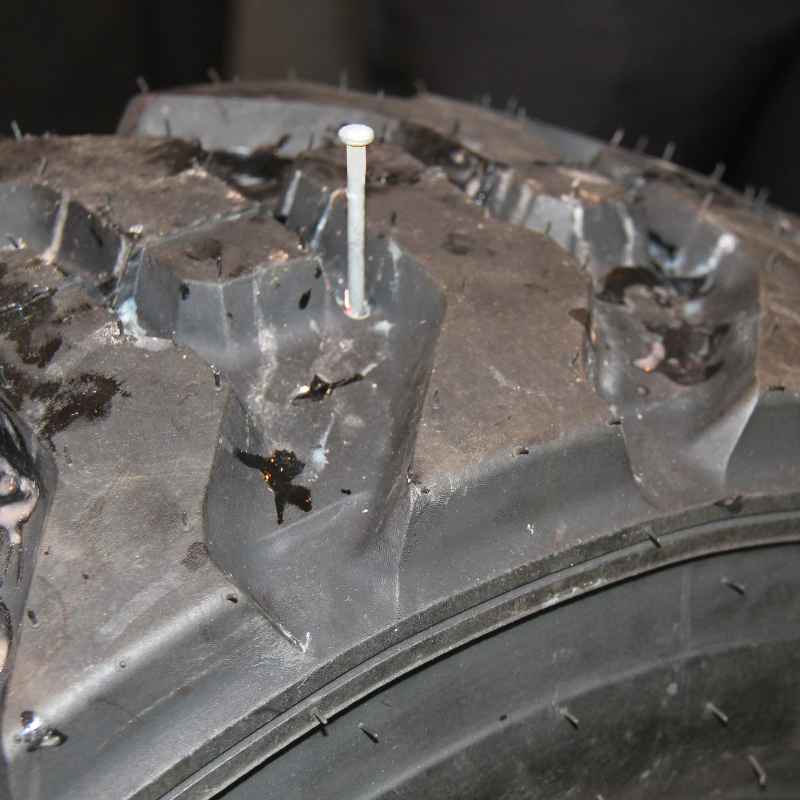
Beyond tread depth, inspect the sidewalls for bulges, cracks, or cuts. Sidewall damage often indicates impact from curbs or potholes and can lead to sudden blowouts. Also check for embedded objects like nails or stones that may not yet have caused air loss.
Tip: Perform your tire inspection when you fuel up. While the pump is running, walk around the car and glance at each tire. This simple habit takes 30 seconds and can save you from a nasty surprise on the highway.
What Are the Best Driving Habits to Avoid Flat Tires?
Your driving style has a direct impact on tire health. Aggressive acceleration, hard braking, and fast cornering wear tread unevenly and increase the risk of punctures. Smooth, defensive driving keeps your tires in better shape and improves fuel economy at the same time.
Here are the key driving habits that help with preventing flat tires:
- Scan the road ahead — Look 10 to 15 seconds ahead and steer around potholes, debris, and construction zones when safe to do so.
- Reduce speed on rough roads — Hitting a deep pothole at 60 mph is far more damaging than the same pothole at 30 mph.
- Avoid curbs and sharp edges — Scraping a curb can pinch the sidewall, causing an immediate flat or a slow leak that appears days later.
- Watch for road debris — Nails, screws, and metal shards are common on highways near construction sites. Maintain safe following distance to avoid running over objects kicked up by other vehicles.
- Do not overload your vehicle — Exceeding the weight rating listed on your tire sidewall generates excessive heat and stress, leading to blowouts.
According to the Rubber Manufacturers Association, road debris causes approximately 33% of all tire punctures. This means that simply paying attention and avoiding debris can cut your flat tire risk by one-third.
Weather conditions also play a role. Wet roads hide potholes and debris, while hot pavement increases internal tire pressure and stress. Adjust your driving accordingly — slow down in rain and avoid sudden steering inputs that could force a tire into a hidden hazard.
Rotate and Balance Tires Regularly
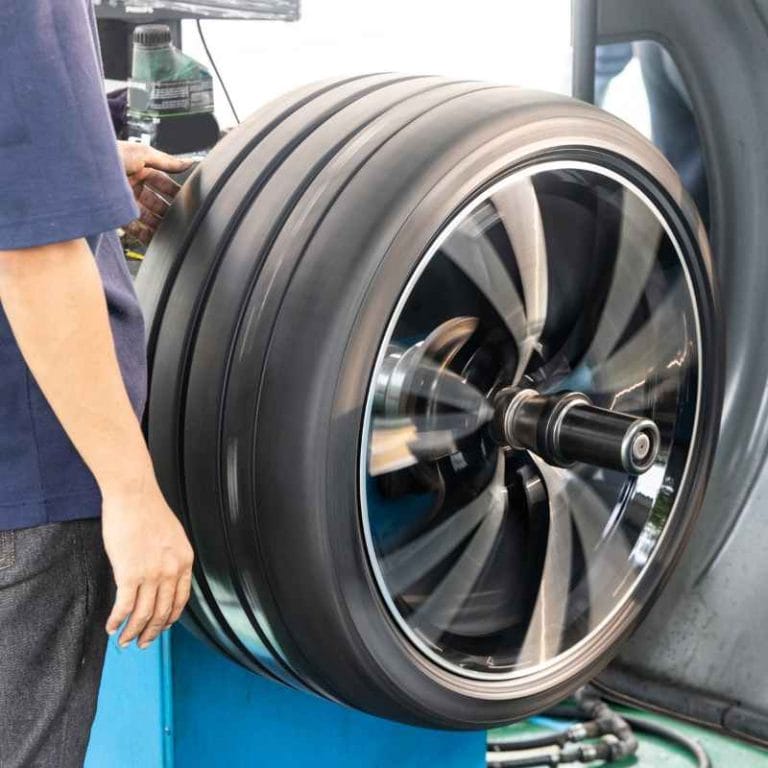
Tire rotation and balancing are essential maintenance tasks that many drivers overlook. Rotation ensures that all four tires wear evenly, extending their lifespan and maintaining consistent traction. Balancing prevents vibration that can cause uneven wear and damage suspension components.
Most manufacturers recommend rotating tires every 5,000 to 8,000 miles. Check your owner’s manual for the specific interval. Balancing is typically done at the same time, though you may need it sooner if you feel vibration in the steering wheel or seat.
Here is a typical tire rotation pattern for front-wheel-drive vehicles:
- Front tires move straight back to the rear axle.
- Rear tires cross to the front axle (left rear to right front, right rear to left front).
- All-wheel-drive vehicles often use a different pattern — consult a professional.
- Always re-torque lug nuts after 50 to 100 miles of driving following rotation.
Important: If your vehicle has a full-size spare tire, include it in the rotation cycle. This ensures the spare is always in good condition and matches the tread depth of the other tires when you need it most.
How Does Proper Wheel Alignment Prevent Tire Damage?
Wheel alignment keeps your tires pointing in the correct direction — straight ahead and parallel to each other. Misalignment causes tires to scrub against the road surface, leading to rapid and uneven wear. A badly misaligned tire can wear out in just a few thousand miles, and the resulting thin spots are vulnerable to punctures.
Alignment issues typically fall into three categories:
You should check alignment whenever you notice the vehicle pulling to one side, uneven tire wear, or after hitting a major pothole or curb. Most shops recommend an alignment check once per year or every 12,000 miles.
Proper alignment not only prevents flats by ensuring even wear but also improves fuel economy and handling. The U.S. Department of Energy notes that misaligned tires can reduce fuel efficiency by up to 10% due to increased rolling resistance.
Choose Quality Tires with Proper Load Ratings
The tires you choose have a major impact on your risk of flats. Budget tires may save money upfront, but they often use thinner rubber and less robust construction, making them more vulnerable to punctures and blowouts. Investing in quality tires from reputable brands is a smart long-term strategy for preventing flat tires.
When shopping for tires, pay attention to these ratings:
- Load index — The maximum weight the tire can carry at its rated speed. Choose a load index that meets or exceeds the vehicle manufacturer’s recommendation.
- Speed rating — Indicates the maximum safe speed. Most passenger cars use S, T, or H ratings (112 mph, 118 mph, and 130 mph respectively).
- Treadwear grade — A rating from 100 to 800+. Higher numbers mean longer-lasting tread. A rating of 500 or above is good for long life.
- Traction rating — AA, A, B, or C. AA offers the best wet-road grip, which helps avoid hydroplaning and impact damage.
A Tire Rack survey found that drivers who purchase premium tires experience 40% fewer flats compared to those using budget brands. The difference comes down to better puncture-resistant materials, stronger sidewalls, and more consistent manufacturing quality.
Tip: Consider all-season tires with a high treadwear rating if you live in a moderate climate. For areas with heavy snow, dedicated winter tires reduce flat risk because their softer rubber compound grips better and flexes around sharp objects rather than cutting.
Use Tire Sealants and Pressure Monitoring Tools
Modern technology gives you additional tools to prevent and manage flats. Tire sealants and advanced monitoring systems provide an extra layer of protection, especially for drivers who travel long distances or through areas with frequent road debris.
Tire sealants are liquid compounds that you inject into the tire through the valve stem. When a puncture occurs, the sealant flows into the hole and plugs it instantly. Here is how different options compare:
| Product Type | How It Works | Best For |
|---|---|---|
| Aerosol sealant (Fix-a-Flat style) | Pressurized can, injects foam | Emergency roadside repairs |
| Liquid tire sealant (preventive) | Installed inside tire, seals punctures as they happen | Off-road vehicles, daily drivers |
| TPMS with real-time pressure display | Monitors pressure and alerts via app or dash display | Drivers who want constant pressure data |
Preventive liquid sealants can seal punctures up to 1/8 inch in diameter. They are particularly popular among off-road drivers and fleet operators. However, they can cause issues with TPMS sensors and tire repair shops may refuse to patch a tire that has sealant inside.
Check with your tire professional before using a permanent sealant.
A TPMS upgrade that displays individual tire pressures (not just a warning light) gives you real-time data. Systems like TireMinder and FOBO Tire attach to valve stems and transmit pressure readings to your smartphone. These tools alert you the moment pressure drops, allowing you to address the issue before the tire goes completely flat.
Common Mistakes That Lead to Flat Tires
Even careful drivers make errors that increase flat tire risk. Recognizing these common mistakes is part of effective preventing flat tires.
- Ignoring the TPMS warning light — Many drivers dismiss the light as a sensor issue. 80% of TPMS warnings indicate actual low pressure that needs immediate attention.
- Using the wrong tire pressure — Filling tires to the sidewall maximum rather than the vehicle manufacturer’s recommendation. This causes a harsh ride and increased impact damage risk.
- Neglecting the spare tire — A spare tire that is flat or damaged is useless when you need it. Check spare pressure at least monthly.
- Overloading the vehicle — Exceeding the Gross Vehicle Weight Rating (GVWR) stresses all four tires beyond their design limits.
- Driving on run-flat tires too long after a puncture — Run-flat tires can travel 50 miles at 50 mph after losing pressure, but driving further damages the tire irreparably.
Warning: Never attempt to repair a tire with a puncture larger than 1/4 inch, a puncture in the sidewall, or a tire that has been driven while severely underinflated. These conditions require replacement, not repair.
Frequently Asked Questions
How often should I check my tire pressure to prevent flats?
You should check tire pressure at least once per week using a digital gauge. Check when tires are cold for the most accurate reading. Monthly checks are the absolute minimum, but weekly checks catch slow leaks before they become emergencies.
Can I prevent a blowout from happening?
Most blowouts are caused by underinflation, overloading, or impact damage. You can prevent them by maintaining correct pressure, avoiding potholes and curbs, and replacing tires that show signs of internal damage like bulges or cracks. Blowouts from manufacturing defects are rare — less than 1% of all tire failures.
How long do car tires typically last?
Most modern tires last between 40,000 and 60,000 miles under normal driving conditions. However, factors like road quality, climate, driving habits, and maintenance frequency affect lifespan. Tires older than six years should be inspected annually regardless of tread depth, as rubber compounds degrade over time.
Is it safe to use tire sealant as a preventive measure?
Yes, liquid tire sealants are safe when used according to the manufacturer’s instructions. However, they can clog TPMS sensors and may interfere with professional repairs. Many tire shops charge extra to clean sealant out of a tire before patching.
Consider sealants as a tool for specific use cases like off-roading rather than a permanent solution.
What should I do if I hit a pothole and suspect tire damage?
Pull over as soon as it is safe and visually inspect the tire for bulges, cuts, or air loss. Check tire pressure with a gauge. If you notice any abnormality, drive slowly to a tire shop for a professional inspection.
Internal tire damage can cause a blowout days or weeks after the impact.
Final Thoughts
Preventing flat tires is largely a matter of consistent habits — weekly pressure checks, regular visual inspections, and smart driving. Invest in quality tires and keep up with rotation and alignment schedules. These simple steps eliminate the vast majority of flat tire causes and give you peace of mind on every drive.
Start with the pressure check this week and build from there.
See also where are car tyres made countries and brands explained. See also how do car tire warranties work everything you must know.
Products related to this article
Sponsored / affiliate links. As an Amazon Associate I earn from qualifying purchases. I may earn additional commission from eligible campaigns.