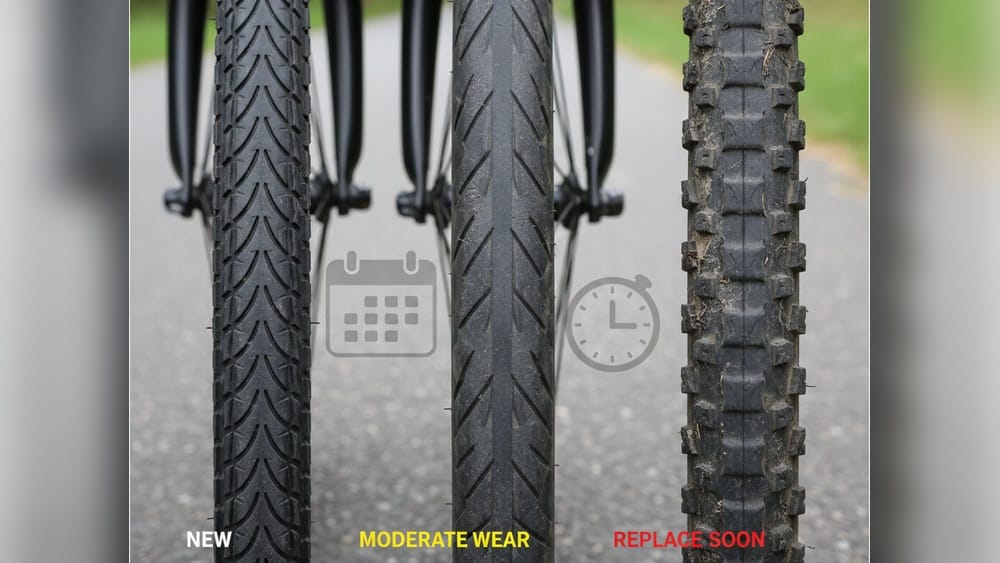
Which Tires Should You Replace First? Front Or Rear?
Every driver faces the moment when their tires wear down and it’s time to replace them. Yet, one of the most debated questions in the automotive world is: Which tires should you replace first—front or rear? This is not just a matter of personal preference or convenience; it’s a question of safety, vehicle performance, and even cost-effectiveness. Making the wrong choice can have serious consequences, from compromised handling in wet weather to increased risk of losing control during emergency maneuvers.
The answer is more nuanced than simply picking the most worn pair. It depends on factors such as your vehicle’s drivetrain, your driving habits, tire wear patterns, and even recommendations from leading tire manufacturers. In this comprehensive guide, we’ll break down the science, expert recommendations, and real-world experiences to give you a clear, actionable answer.
We’ll also provide data-driven comparisons, case studies, and frequently asked questions so you can make the safest and most informed decision for your car.
Key Takeaways
- Most experts and tire manufacturers recommend replacing rear tires first for maximum safety and stability.
- Tire wear patterns, vehicle drivetrain (FWD, RWD, AWD), and road conditions play crucial roles in the decision.
- Placing new tires on the rear helps prevent oversteer and loss of control, especially on wet or slippery roads.
- Proper tire rotation and routine maintenance can extend tire life and reduce replacement costs.
- Real-world examples and data show that the risks of replacing front tires first are often underestimated.
Credit: www.utires.com
Why Tire Replacement Order Matters
Understanding why the order of tire replacement is critical starts with acknowledging that not all tires on your vehicle wear at the same rate, nor do they play identical roles in your car’s handling and safety.
The Role Of Tire Position In Vehicle Dynamics
The front tires and rear tires perform different functions:
- Front tires handle most of the steering, cornering, and (in front-wheel drive cars) power delivery.
- Rear tires provide stability, especially during turns and in emergency maneuvers.
A loss of grip at the rear (known as oversteer) is harder for most drivers to control compared to a loss of grip at the front (understeer). Oversteer can result in the rear end of the vehicle swinging out, potentially causing a spin. This is particularly hazardous during sudden lane changes or emergency braking, where immediate vehicle stability is crucial. In contrast, understeer, which occurs when the front tires lose grip, generally leads to the car plowing straight ahead. Most drivers instinctively reduce speed or correct steering input to regain control, making understeer easier to manage in most situations.
Furthermore, the physics of weight transfer during braking and cornering amplify the differences in how front and rear tires affect handling. When you brake, the weight shifts forward, increasing the load (and grip) on the front tires while reducing it at the rear.
If the rear tires are already worn, this loss of grip is even more pronounced, further increasing the risk of a spin-out.
Manufacturer And Expert Recommendations
Leading organizations like Michelin, Bridgestone, and the National Highway Traffic Safety Administration (NHTSA) consistently recommend installing new tires on the rear axle, regardless of whether your car is front-wheel, rear-wheel, or all-wheel drive. This is based on extensive testing and accident analysis.
For example, a Michelin study found that vehicles with new tires on the rear are less likely to lose control during emergency lane changes on wet roads.
Additionally, the NHTSA explains that maintaining maximum traction at the rear wheels is critical for all vehicles, as it helps prevent fishtailing and loss of directional stability. Bridgestone further echoes these points, stating that “having better tires on the rear axle helps maintain control, especially in adverse conditions.
”
Tire Wear Patterns And Drivetrain Influence
- Front-wheel drive (FWD): Front tires wear faster due to steering and power delivery.
- Rear-wheel drive (RWD): Rear tires typically wear faster, but the difference is less pronounced.
- All-wheel drive (AWD): Tire wear is more even, but mismatched tread depths can damage the AWD system.
Ignoring proper replacement order can lead to:
- Increased risk of hydroplaning
- Reduced braking performance
- Premature wear on new tires
Additionally, mismatched tire tread depths can create unpredictable handling dynamics. For example, if your rear tires are significantly more worn than the front, the rear will lose grip first during cornering or in wet conditions, potentially leading to dangerous situations.
Real-world Consequences
The right choice can mean the difference between a safe stop and a spin-out on a rainy day. In a study by the Tire Industry Association, vehicles with new tires on the front and worn tires on the rear were over 30% more likely to lose control during evasive maneuvers.
This finding is further supported by insurance industry data, which shows a higher incidence of single-vehicle loss-of-control crashes among cars with new front tires and worn rear tires. Emergency responders often report that loss of rear grip, especially on wet or icy roads, is a major factor in spin-related crashes.

Credit: eskute.com
Understanding Tire Wear And Its Causes
Knowing what causes tire wear helps you predict which tires may need replacement first, and why their position matters.
Common Causes Of Tire Wear
- Driving habits: Aggressive acceleration, hard braking, and sharp turns accelerate wear.
- Improper inflation: Over- or under-inflated tires wear unevenly.
- Misalignment and suspension issues: Can cause one side of the tire to wear faster.
- Lack of rotation: Failing to rotate tires results in uneven wear patterns.
Other lesser-known factors include carrying heavy loads frequently (which accelerates rear tire wear in trucks or SUVs), and failing to balance tires, which can lead to cupping or scalloping. Even environmental conditions, such as driving in hot climates or on abrasive surfaces, can increase wear rates across all tires.
Typical Wear Patterns
- Front-wheel drive: Expect more rapid wear on front tires.
- Rear-wheel drive: Rear tires may show more wear, but fronts still degrade due to steering.
- AWD: Slightly more even wear, but often depends on driving style and maintenance.
It’s important to note that tire wear patterns can also be influenced by the type of vehicle and its weight distribution. For instance, heavier vehicles like SUVs and crossovers may experience accelerated tire wear compared to lighter sedans, especially if the suspension system is not properly maintained.
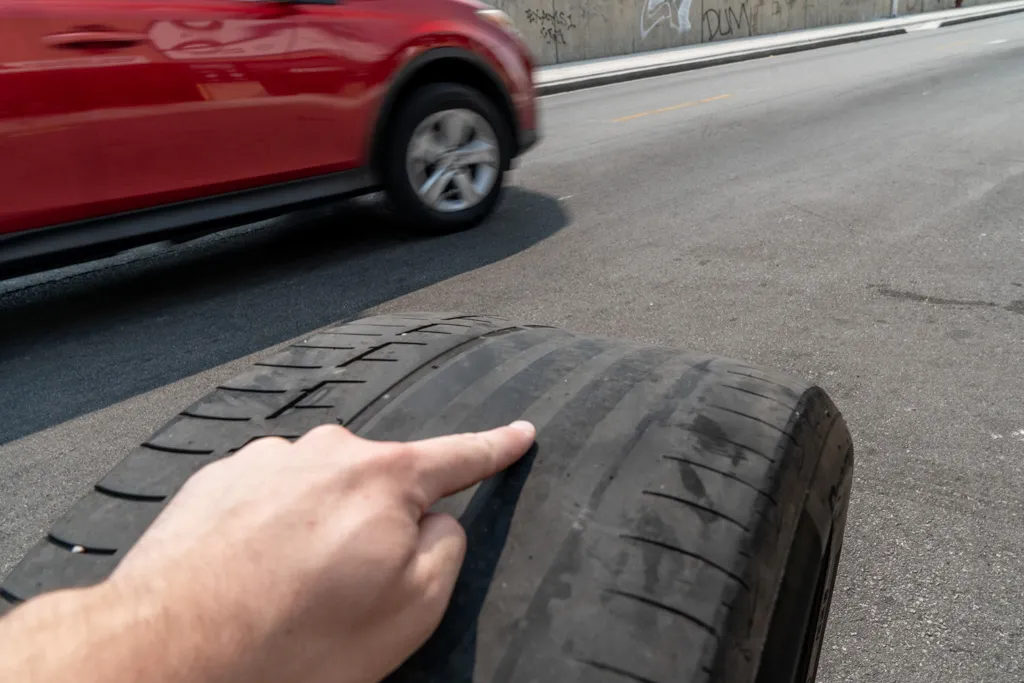
Visual Indicators Of Tire Wear
Inspect tires for:
- Tread depth: Replace below 2/32″ (1.6mm).
- Uneven wear: Indicates alignment or suspension issues.
- Cupping, feathering, or bald spots: Signs of mechanical problems.
Look for additional warning signs such as exposed cords or steel belts, sidewall cracking, or unusual bulges. Any of these issues can signal a compromised tire that needs immediate replacement, regardless of tread depth.
Impact Of Driving Conditions
- Wet climates: Worn rear tires greatly increase hydroplaning risk.
- Snow/ice: Even small differences in tread depth can affect control.
Routine inspection is essential. Use a tread depth gauge or the “penny test” to check if your tires meet the minimum safe tread depth.
In areas with frequent temperature fluctuations, check your tire pressures more often, as air pressure can change by 1 PSI for every 10°F change in temperature. Under-inflated tires are especially prone to uneven wear and increased rolling resistance, which not only shortens tire life but also reduces fuel efficiency.
Credit: www.tirerack.com
Front Vs Rear: The Data-driven Answer
To make an informed choice, let’s analyze the facts and data from independent tests, industry recommendations, and controlled experiments.
What Happens If You Replace Only Front Tires?
Replacing the front tires only, especially on a FWD car, may seem logical since these wear out first. However, multiple studies have shown that this increases the risk of oversteer—where the rear of the car loses grip first, leading to spins.
Key Risks
- Loss of control on wet or slippery surfaces
- Decreased stability during sudden maneuvers
- Increased likelihood of hydroplaning at the rear
The risk is particularly acute for less experienced drivers. In emergency situations, the instinctive reaction is often to turn the wheel more or apply the brakes harder, both of which can exacerbate oversteer if the rear tires have low tread.
This is why new drivers and those in high-rainfall or snowy regions should be especially vigilant about rear tire tread.
What Happens If You Replace Only Rear Tires?
New tires on the rear axle maximize vehicle stability. Even if the front tires have less tread, understeer (front tires losing grip) is more predictable and easier to correct for most drivers.
Key Benefits
- Reduced risk of spin-outs
- Improved control in emergency situations
- Better hydroplaning resistance at the rear
Drivers are more likely to safely recover from understeer than oversteer, as the vehicle remains pointed in the original direction. Many driver safety courses emphasize the importance of controlling understeer, as it gives drivers more time to respond and regain control, compared to the rapid loss of stability associated with oversteer.
Case Study: Michelin’s Wet Road Test
A controlled test by Michelin (cited by the Consumer Reports) involved identical vehicles fitted with new tires on the front versus the rear. In wet conditions, the cars with new rear tires maintained lane control, while those with new front tires spun out.
These findings have been replicated by other organizations. For example, the British Tyre Manufacturers’ Association (BTMA) and Germany’s ADAC both conducted similar tests, confirming that new rear tires provide the greatest margin of safety in emergency maneuvers.
Comparison Table: New Tires On Front Vs Rear
| Scenario | Handling in Wet | Spin-Out Risk | Hydroplaning Resistance | Ease of Correction |
|---|---|---|---|---|
| New Tires on Front | Improved steering, poor rear stability | High | Better front, worse rear | Difficult |
| New Tires on Rear | Stable, predictable handling | Low | Better rear, acceptable front | Easier |
Leading Manufacturer Guidelines
Most tire brands, including Goodyear, Bridgestone, and Continental, state: If replacing only two tires, always install them on the rear axle.
For instance, the official Goodyear guidelines state, “New tires should be installed on the rear axle to help maintain control on wet roads.”
Continental further explains that “installing new tires on the rear axle helps prevent dangerous oversteer situations, which are difficult to control, especially for the average driver. ”
How Drivetrain Impacts Tire Replacement Decisions
The type of drivetrain your vehicle uses—front-wheel drive (FWD), rear-wheel drive (RWD), or all-wheel drive (AWD)—affects tire wear and the optimal replacement strategy.
Front-wheel Drive (fwd)
- Most common in passenger cars.
- Front tires handle both steering and power delivery, wearing out faster.
- Temptation: Replace only front tires.
- Reality: Still safer to put new tires on the rear to avoid oversteer.
Some drivers mistakenly believe that because the front tires wear faster and handle most of the driving load, replacing them first is best. However, this ignores the critical role of rear tire grip in maintaining stability, particularly during adverse conditions.
Rear-wheel Drive (rwd)
- Common in trucks, sports cars, older sedans.
- Rear tires wear faster due to power delivery.
- Replacing rear tires first improves stability, especially during acceleration and cornering.
Enthusiast drivers and those who tow trailers or haul heavy loads should be especially aware of rear tire wear. Loss of rear grip under power can lead to fishtailing, which is difficult to recover from, especially at highway speeds.
All-wheel Drive (awd)
- Uniform power distribution, but tire diameter differences can harm the system.
- Recommendation: Replace all four tires at once.
- If only two can be replaced, always follow manufacturer guidelines, usually favoring the rear.
AWD systems are sensitive to even small differences in tire circumference. A difference of as little as 2/32″ in tread depth between tires can cause the drivetrain to bind, leading to mechanical wear and costly repairs.
Four-wheel Drive (4wd)
- Similar to AWD, but often part-time systems.
- Mismatched tires can cause drivetrain binding and damage.
- Always consult the owner’s manual for specific advice.
Some 4WD vehicles, especially those used off-road, may be more tolerant of minor tread differences, but for best performance and to avoid costly repairs, keep all four tires as closely matched as possible.
Table: Tire Replacement Impact By Drivetrain
| Drivetrain | Most Common Tire Wear | Recommended Replacement Order | Risks of Incorrect Replacement |
|---|---|---|---|
| FWD | Front | New tires on rear | Oversteer, loss of control |
| RWD | Rear | New tires on rear | Rear instability, spin-outs |
| AWD/4WD | Even | All four; if two, on rear | Drivetrain damage, traction loss |
Real-world Example: Awd Tire Mismatch
A 2020 Subaru Outback owner replaced only the front tires after a puncture, leading to a $1,500 differential repair. The mismatched diameters caused binding and premature wear in the AWD system—a common scenario for many AWD drivers.
To avoid such expensive repairs, always consult your owner’s manual and, when in doubt, replace all four tires or have the new tires shaved to match the tread depth of the existing ones.
Tire Rotation, Maintenance, And Replacement Intervals
Proper tire maintenance extends tire life, ensures even wear, and can delay the need for replacement.
The Importance Of Regular Tire Rotation
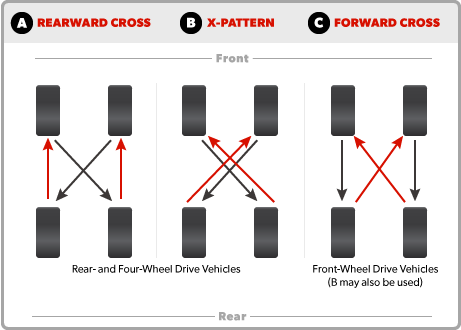
- Rotation intervals: Every 5,000–8,000 miles or per the owner’s manual.
- Goal: Distribute wear evenly among all four tires.
- Benefit: Delays the need to replace just two tires at a time, making it safer to replace all four together.
Regular rotation can also help identify other problems early, such as misalignment or suspension issues. By rotating your tires, you ensure that all tires receive equal exposure to different loads and stresses, which helps maximize their usable life.
Alignments And Balancing
- Alignment: Ensures tires wear evenly and maintain correct contact with the road.
- Balancing: Prevents vibration and uneven tread wear.
Neglecting alignment can lead to rapid and uneven tire wear, pulling, and poor handling. Balancing is equally important, as unbalanced tires can cause excessive vibration, leading not only to driver discomfort but also premature wear of suspension components.
Tread Depth And Replacement Guidelines
- Legal minimum: 2/32″ in most states (Wikipedia: Tire Tread).
- Recommended minimum for wet/snow: 4/32″ or more.
- Penny test: Insert a penny into the tread; if you see the top of Lincoln’s head, replace the tire.
For drivers in areas with frequent rain or snow, consider replacing tires earlier than the legal minimum. Studies show that wet stopping distances increase significantly as tread depth drops below 4/32″.
Maintenance Checklist
- Check tire pressure monthly.
- Inspect for cuts, bulges, and embedded objects.
- Rotate tires at recommended intervals.
- Balance and align as needed.
Additionally, keep an eye on your spare tire (if equipped) and ensure it is properly inflated and free from age-related degradation.
Real-world Example: Fleet Maintenance
A delivery fleet in Seattle implemented strict rotation and alignment schedules, increasing average tire life from 32,000 to 47,000 miles—a 47% improvement and substantial cost savings.
This example underlines the value of a proactive maintenance approach, which not only extends tire life but also improves fuel efficiency, ride comfort, and overall vehicle safety.
How Weather And Road Conditions Affect Tire Replacement Strategy
Your local climate and driving environment are crucial factors in deciding which tires to replace first.
Wet Weather Risks
- Hydroplaning is more likely with worn rear tires.
- New rear tires channel water better, maintaining grip and reducing spin risk.
Hydroplaning occurs when a layer of water builds between the tires and the road surface, causing a loss of traction. Since the rear tires are responsible for stabilizing the vehicle, worn rear tires dramatically increase the risk of the car spinning out in wet conditions.
Snow And Ice
- Winter tires should always be installed as a full set for maximum traction.
- Mixing new and old winter tires undermines the benefits, especially on RWD vehicles.
In snowy or icy regions, even a slight difference in tread depth between front and rear tires can compromise the effectiveness of traction control systems and anti-lock brakes. Winter tires are designed to work as a set; mixing old and new reduces their overall effectiveness.
Dry Conditions
- Less dramatic difference, but rear tire stability is still critical during emergency maneuvers.
Even in dry conditions, new rear tires help maintain balance during sudden swerves or lane changes. High-performance vehicles, in particular, benefit from maximum rear grip when cornering at higher speeds.
Road Surface Quality
- Rough roads: Accelerate wear, especially on the driven axle.
- Smooth highways: More even wear, but still require rotation.
Potholes, debris, and rough pavement can cause cuts and sidewall damage, which may necessitate tire replacement regardless of tread depth.
Extreme Temperatures
- Heat: Increases tire pressure and speeds up rubber degradation.
- Cold: Reduces grip, tread depth becomes even more important.
Extreme heat can also cause blowouts in under-inflated or weakened tires. In cold weather, tires become less flexible and more prone to cracking, so regular inspection is even more important.
Table: Weather Impact On Tire Replacement Choice
| Condition | Risk With Worn Rear Tires | Risk With Worn Front Tires | Recommended Replacement |
|---|---|---|---|
| Wet | High (spin-out) | Moderate (understeer) | New tires on rear |
| Snow/Ice | High (loss of rear grip) | Moderate (reduced steering) | All four, or rear if only two |
| Dry | Medium (cornering instability) | Low | New tires on rear |
Short Case Study: Rainy Region Risk
In Portland, Oregon, a local auto repair shop tracked accident rates among customers who replaced only front or only rear tires. Over three years, vehicles with new tires on the rear had 40% fewer wet-weather loss-of-control incidents.
This real-world data reinforces the importance of following expert recommendations, especially in climates prone to frequent rainfall or hazardous road conditions.
Cost, Convenience, And Long-term Considerations
While safety comes first, cost and convenience are important for many drivers.
The Cost Of Replacing All Four Tires
- Best practice for AWD and when tread depth is similar.
- Expensive upfront, but maximizes safety and performance.
Replacing all four tires at once ensures uniform traction and handling characteristics, reducing the risk of unpredictable vehicle behavior. Many tire retailers offer discounts or promotions for purchasing a full set, which can help offset the higher initial cost.
Replacing Two Tires At A Time
- Cheaper in the short term.
- Always put new tires on the rear for safety.
- Can lead to uneven tread depths and handling quirks.
If your tire budget is limited, replacing two at a time is acceptable only if the remaining pair still has adequate tread depth and is in good condition. However, this approach may shorten the lifespan of the new tires if the old ones are close to the legal limit.
Tire Mixing And Matching
- Avoid mixing brands, types, or tread patterns on the same axle.
- If you must mix, ensure new tires are the same model and size as existing ones.
Mixing tire types can lead to unpredictable handling, increased road noise, and premature wear. Always check with your tire professional or consult your vehicle’s manual if you’re unsure about mixing tire brands or models.
Saving Money With Maintenance
- Routine rotation and alignment reduce the frequency and urgency of partial replacements.
- Proper inflation improves fuel efficiency and extends tire life.
Proactive maintenance is consistently more cost-effective than emergency replacements. The small investment in regular inspections and tire care pays off in longer tire life and fewer unexpected expenses.
Long-term Risks Of Cutting Corners
- Skimping on proper replacement order can lead to costly accidents or mechanical damage.
- Insurance claims may be affected if improper maintenance is found to contribute to a crash.
Some insurance policies may not cover damages if investigators determine that the accident was caused by neglected maintenance or improper tire replacement, so following best practices is also a matter of financial protection.
Real-world Example: Insurance Denial
A driver in New York had an accident on wet pavement. Investigation revealed new tires installed only on the front axle of a FWD sedan, against manufacturer recommendations. The insurance claim was disputed due to “improper maintenance,” resulting in out-of-pocket expenses.
This is a sobering reminder that safety recommendations are not merely suggestions—they can have real legal and financial implications.
External Resources
- For further reading, see the NHTSA tire safety page for comprehensive guidelines.
- The Safercar.gov tire resource provides maintenance tips and recall information.
Frequently Asked Questions
Should I Always Replace All Four Tires At Once?
If you drive an AWD or 4WD vehicle, it’s best to replace all four tires simultaneously to prevent drivetrain damage and maintain balanced traction. For FWD or RWD cars, you may replace two at a time if the other pair has sufficient tread. Always install new tires on the rear for safety.
Is It Dangerous To Put New Tires On The Front Only?
Yes, putting new tires on the front only increases the risk of oversteer and loss of control, especially on wet or slippery roads. Most tire manufacturers and safety agencies advise against this practice. See the Consumer Reports analysis for more details.
How Can I Tell If My Tires Need To Be Replaced?
Check for these signs:
- Tread depth below 2/32 inch
- Visible cracks, bulges, or sidewall damage
- Persistent vibration or noise while driving
- Uneven wear patterns
Use a tread depth gauge or the penny test, and inspect your tires monthly.
Can I Mix Different Tire Brands Or Models?
Mixing different brands or models is not recommended, especially on the same axle. Differences in grip, tread pattern, or construction can affect handling and safety. For best results, always install identical tires in pairs or sets of four.
What Are The Legal Requirements For Tire Replacement?
Most US states require a minimum tread depth of 2/32 inch. Some states have stricter requirements for winter tires or commercial vehicles. Always check your state’s laws and consult your owner’s manual for manufacturer recommendations.
Final Thoughts
Choosing which tires to replace first—front or rear—is a crucial safety decision. The overwhelming consensus among experts, manufacturers, and safety organizations is clear: always install new tires on the rear axle if you’re replacing only two. This simple step can dramatically reduce your risk of losing control, especially in wet or challenging conditions, and may even save lives. Regular maintenance, proper rotation, and informed choices will keep you—and everyone sharing the road—safer for miles to come.
Remember, your tires are the only contact point between your vehicle and the road. Prioritizing safety, following best practices, and staying informed are investments that pay off every time you drive.
Products related to this article
Sponsored / affiliate links. As an Amazon Associate I earn from qualifying purchases. I may earn additional commission from eligible campaigns.