How to Take Care of Your Tires And Make Them Last Longer
Your vehicle’s tires are the unsung heroes of everyday travel, silently carrying you through city streets and highways alike. Yet, despite their essential role in safety, performance, and fuel efficiency, many drivers neglect proper tire maintenance. This oversight can lead to premature wear, unexpected blowouts, and unnecessary expenses.
What if you could dramatically extend the lifespan of your tires and improve your driving experience—without breaking the bank or becoming a car enthusiast overnight?
Learning to take care of your tires doesn’t require advanced mechanical skills—just a commitment to routine checks, timely maintenance, and an understanding of what affects tire longevity. By following evidence-based strategies and industry best practices, you can maximize the value of your tire investment and ensure your journeys remain smooth, safe, and efficient.
Key Takeaways
- Regular tire maintenance can increase tire lifespan by up to 50%.
- Proper tire pressure management boosts safety, fuel efficiency, and tread life.
- Rotation, alignment, and balancing are crucial for even wear.
- Seasonal changes demand adjustments in tire care routines.
- Monitoring and replacing tires at the right time prevents accidents.
- Quality matters: Investing in the right tires pays off over time.

Credit: www.milneschevy.com
Understanding Tire Lifespan: What Affects How Long Tires Last?
Tire lifespan isn’t just about mileage—it’s a combination of design, usage, and maintenance. Understanding the main factors helps you target your efforts for maximum longevity.
Tire Composition And Quality
Tires are engineered with specific compounds and tread patterns tailored for different driving conditions. High-quality tires from reputable brands typically last longer due to superior materials and construction. According to a study by the National Highway Traffic Safety Administration (NHTSA), premium tires can outperform budget alternatives by 20-30% in longevity, especially under similar driving conditions.
Premium tires often include advanced technologies such as multi-layer treads, silica-infused compounds, and reinforced sidewalls that resist wear and environmental degradation. For example, Michelin’s EverGrip technology uses evolving grooves to maintain traction as the tire wears, while Bridgestone’s NanoPro-Tech enhances fuel efficiency and longevity.
On the other hand, budget tires may use lower-grade rubber and simpler tread designs, making them more susceptible to irregular wear, punctures, and heat build-up. While initial savings may be appealing, the shorter lifespan and decreased performance can lead to increased long-term costs and safety risks.
Driving Habits
How you drive plays a significant role in tire wear. Frequent hard braking, rapid acceleration, and sharp cornering all accelerate tread degradation. A driver who favors smooth acceleration, gentle braking, and steady speeds will see substantially longer tire life.
Consistent high-speed driving also increases heat and friction, which can wear tires faster, especially if the tires are not rated for sustained speeds. Aggressive urban driving—such as abrupt stops and tight turns—tends to cause more uneven wear compared to steady highway cruising.
Additionally, regularly driving on underinflated or overloaded tires amplifies these negative effects, leading to a reduced margin of safety.
Road And Climate Conditions
Rough roads, potholes, and unpaved surfaces put extra stress on tires. Similarly, extreme temperatures—both hot and cold—can hasten tire aging. UV exposure and ozone also contribute to sidewall cracking and rubber breakdown, reducing usable tire life even if tread depth looks sufficient.
For example, in hot climates, asphalt can reach temperatures exceeding 140°F (60°C), causing rubber compounds to soften and deteriorate faster. Conversely, in cold climates, rubber hardens, making tires more vulnerable to cracking and reduced traction. If you often drive on gravel, construction zones, or poorly maintained roads, regular inspections are even more critical.
Salt and chemicals used for de-icing in winter can also degrade tire rubber and corrode steel belts, further shortening tire lifespan. Parking for extended periods in direct sunlight accelerates UV damage, making covered or shaded parking a simple, effective protective measure.
Proper Tire Maintenance
Routine inspections, pressure checks, and timely rotations are non-negotiable for maximizing tire lifespan. Neglecting these basics can cut tire life in half, according to a report by the Tire Industry Association.
Regular maintenance also enables early detection of alignment issues, slow leaks, and sidewall damage, preventing small problems from becoming costly or dangerous. Keeping an eye on your tires’ condition and addressing issues promptly ensures you get the most from your investment and maintain optimal safety.

Credit: www.twojacks.com
Essential Tire Maintenance Practices
Sticking to a regular maintenance schedule is the cornerstone of long-lasting tires. The following practices are proven to extend tire life and enhance safety.
Checking And Adjusting Tire Pressure
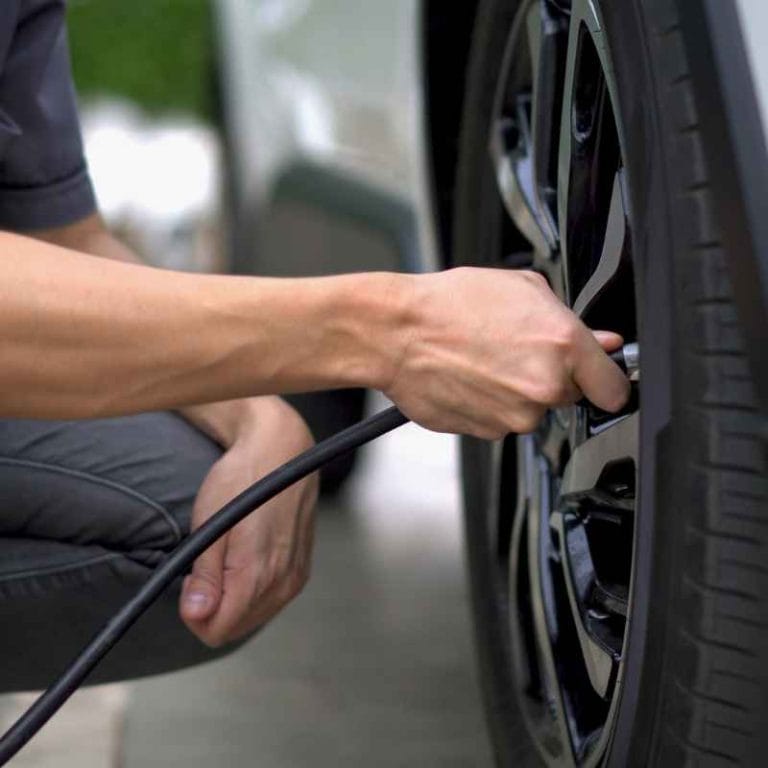
Tire pressure is critical. Under-inflated tires increase rolling resistance, causing excess heat and premature wear, while over-inflation reduces contact area, leading to uneven tread wear.
- Check pressure at least once a month and before long trips.
- Use a quality gauge and compare readings to your vehicle’s recommended PSI, found on the driver’s door jamb or in the owner’s manual.
- Adjust for load and temperature changes—tire pressure drops about 1 PSI for every 10°F decrease in temperature.
Failing to maintain correct tire pressure can also affect braking distance and cornering capability. Low tire pressure is a leading factor in tire blowouts, which can cause loss of vehicle control and serious accidents. Over-inflated tires, on the other hand, may result in a harsh ride and reduced contact with the road, compromising safety.
Data Example: The U.S. Department of Energy states that proper tire inflation can improve fuel efficiency by up to 3%, saving drivers up to $0.11 per gallon at the pump. Over a year, this adds up to substantial savings, especially for high-mileage drivers or commercial fleets.
Tire Rotation
Rotating tires ensures even wear, as front and rear tires often experience different stress levels. Most automakers recommend a rotation every 5,000 to 8,000 miles.
Typical rotation patterns:
- Front-wheel drive: Move front tires to the rear, crossing sides; rear tires move straight forward.
- Rear-wheel drive: Reverse the pattern.
- All-wheel drive: Follow the pattern recommended by the manufacturer.
Regular tire rotation also allows technicians to inspect for damage, proper inflation, and tread depth. Skipping rotations can result in significant tread differences between tires, leading to poor handling, increased road noise, and a need to replace tires in pairs or sets rather than individually.
Wheel Balancing
Unbalanced wheels cause vibration, uneven wear, and premature suspension wear. Have your tires balanced when:
- New tires are installed.
- You notice vibration at certain speeds.
- After repairing a puncture.
Wheel balancing uses small weights attached to the wheel rim to ensure even distribution of weight around the circumference. Even minor imbalances can result in steering wheel vibration, increased tire wear, and reduced driving comfort. Regular balancing—especially after impacts or tire repairs—keeps the ride smooth and prolongs the lifespan of both tires and suspension components.
Wheel Alignment
Misalignment leads to rapid, uneven tire wear and can affect handling. Get alignment checked if:
- The vehicle pulls to one side.
- The steering wheel isn’t centered.
- After hitting a pothole or curb.
Poor alignment can cause “toe” or “camber” wear, where only the inner or outer edge of the tire wears down, shortening tire life considerably. Alignment not only extends tire lifespan but also improves fuel efficiency and ensures the vehicle tracks straight, reducing driver fatigue and risk of accidents.
Comparison Table: Effects of Tire Maintenance on Longevity
| Maintenance Action | Potential Tire Life Increase | Additional Benefits |
|---|---|---|
| Correct Tire Pressure | Up to 20% | Improved fuel economy, safety |
| Regular Rotation | 15-25% | Even wear, smoother ride |
| Proper Alignment | Up to 30% | Better handling, less suspension wear |
| Wheel Balancing | 10-15% | Reduced vibration, comfort |

Credit: tooltroopers.com
Tire Inspection And Monitoring
Regular inspections can help you spot issues before they become dangerous or costly.
Visual Checks
Look for:
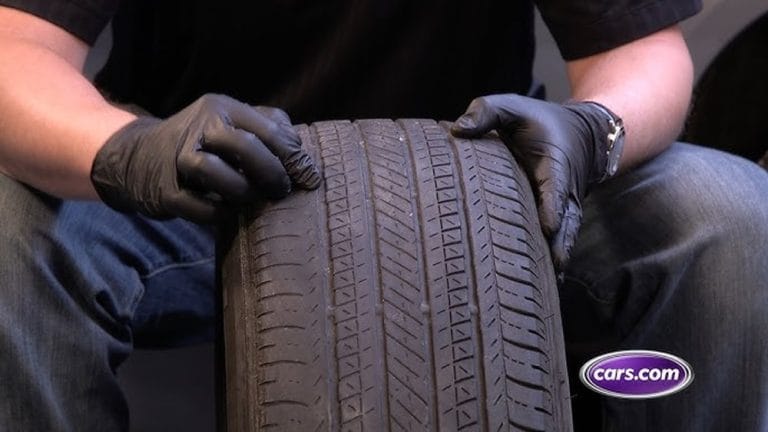
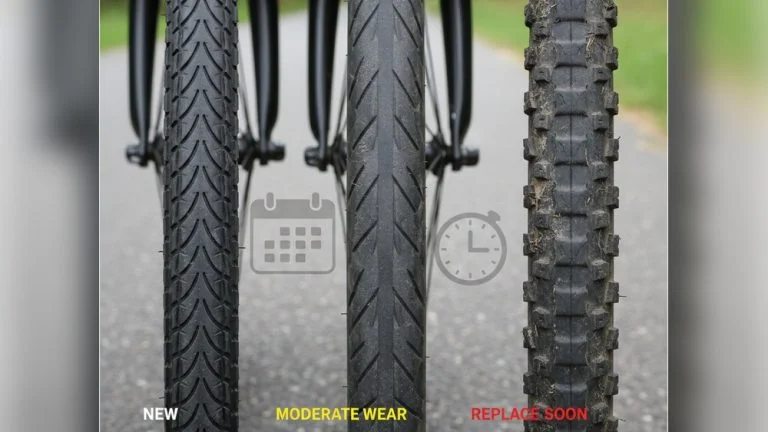
- Uneven wear patterns (cupping, feathering, center wear).
- Cracks, bulges, or cuts in the sidewall.
- Foreign objects (nails, glass) embedded in the tread.
- Tread separation or exposed cords.
Pay particular attention to the outer and inner edges of each tire, as these areas are most prone to hidden damage. Checking for objects lodged in the tread is crucial, as slow leaks or punctures can develop over time, leading to dangerous under-inflation.
Bulges or bubbles indicate structural damage and require immediate replacement, as these can lead to sudden blowouts.
Tread Depth Measurement
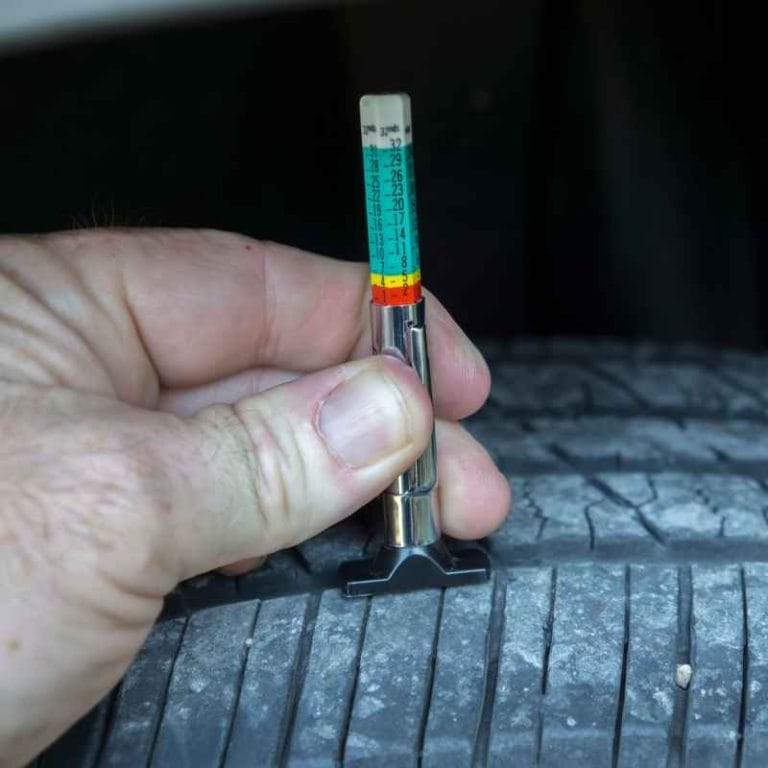
Adequate tread depth is critical for grip, especially in wet or snowy conditions. The legal minimum in many states is 2/32 of an inch; however, replacement is recommended at 4/32 of an inch for optimal wet traction.
Simple Test: Insert a penny headfirst into the tread. If you can see the top of Lincoln’s head, the tread is too worn.
For more precise measurement, use a tread depth gauge, which provides a clear reading in 32nds of an inch or millimeters. Some tires feature built-in tread wear indicators—small bars of rubber perpendicular to the tread—that become flush with the tread surface when it’s time to replace.
Monitoring For Age-related Degradation
Regardless of tread depth, tires should generally be replaced every 6–10 years due to rubber aging, as recommended by the U.S. Tire Manufacturers Association. Check the DOT code on the sidewall for the tire’s manufacture date.
Signs of aging include excessive cracking, discoloration, or a hard, brittle texture. Even if tires appear to have plenty of tread, aged rubber loses its elasticity and grip, especially in wet or cold conditions. This “dry rot” can be accelerated by exposure to sunlight, ozone, and fluctuating temperatures.
Using Digital Tools
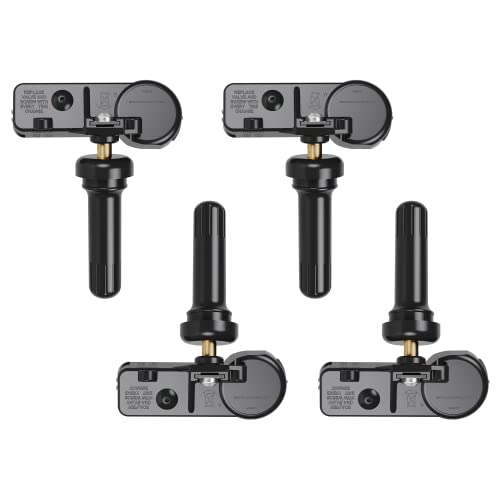
Modern tire pressure monitoring systems (TPMS) and tread depth gauges make inspections quicker and more accurate. Some smart tires even send data to your smartphone.
Example: The Michelin Track Connect system allows drivers to monitor tire pressure and temperature in real-time through a mobile app.
Apps and Bluetooth-enabled gauges can store historical data, helping you spot trends and anticipate maintenance needs before problems arise. For fleet managers, cloud-based monitoring platforms allow for centralized oversight and proactive scheduling of tire service.
Strategies For Maximizing Tire Longevity
Beyond routine maintenance, small changes in behavior and attention to detail can add thousands of miles to your tires.
Smart Driving Habits
- Avoid sudden starts, stops, and sharp turns.
- Slow down for potholes, speed bumps, and rough surfaces.
- Don’t overload your vehicle—check load ratings in your manual.
Drive defensively by leaving extra following distance, which allows for gradual braking and reduces the chance of emergency stops that wear tires rapidly. When cornering, reduce speed before entering the turn rather than braking during the maneuver, which places excess lateral force on the outer tires.
Real-World Case Study: A fleet company reduced tire replacement costs by 18% simply by training drivers in smoother driving and regular tire checks. The program included monthly tire inspections, education on proper inflation, and incentives for drivers who minimized tire-related incidents.
Seasonal Tire Care
Seasonal changes require adjustments:
- In winter, switch to winter tires if you live in a region with snow and ice. All-season tires harden in cold weather, reducing grip and accelerating wear.
- Store unused tires in a cool, dry place away from sunlight.
- Check pressures frequently during extreme temperature swings.
As temperatures drop, tire pressure can fall significantly, so check and adjust more often in the winter. In summer, pavement heat increases tire pressure and can accelerate aging, so avoid over-inflation and park in the shade when possible. If you use winter tires, switch them out promptly when temperatures rise above 45°F (7°C) to avoid excessive wear.
Tire Storage Best Practices
If you use seasonal tires:
- Clean tires before storage.
- Store upright or stacked, not hanging.
- Keep tires in opaque bags to shield from UV light.
Before storing, wash off road salts and grime, and let tires dry completely to prevent moisture damage. Use airtight plastic bags or special tire totes to minimize oxygen and ozone exposure. Avoid storing tires near electric motors or generators, which emit ozone that can degrade rubber.
Choosing The Right Tire For Your Needs
Select tires based on:
- Climate: All-season, summer, or winter tires.
- Driving style: Performance, touring, or off-road tires.
- Vehicle type: Matching load and speed ratings.
Choosing tires optimized for your primary driving environment ensures better performance and longer life. For instance, touring tires prioritize comfort and longevity for highway use, while performance tires deliver better grip at the expense of tread life. Off-road tires feature reinforced sidewalls and aggressive treads but may wear quickly on pavement.
Comparison Table: Tire Types and Longevity
| Tire Type | Average Lifespan (Miles) | Ideal Conditions |
|---|---|---|
| All-Season | 50,000–70,000 | Mild climates, mixed use |
| Summer | 40,000–60,000 | Warm, dry climates |
| Winter | 30,000–40,000 | Cold, snowy conditions |
| Performance | 20,000–40,000 | Sporty driving, dry roads |
Matching your tire selection to your driving needs not only extends tire life but also improves safety and enjoyment behind the wheel.
Addressing Tire Damage And When To Replace
Knowing when to repair and when to replace a tire is vital for safety and cost-effectiveness.
Repairable Vs. Non-repairable Damage
- Repairable: Small punctures (up to 1/4 inch) in the tread area.
- Non-Repairable: Sidewall damage, large punctures, tread separation, or multiple injuries.
A professional inspection is essential before deciding on repairs.
Repairs done outside the tread area or with multiple punctures compromise structural integrity. Plugs and patches should only be used for small, centrally located holes, and the tire must be removed from the wheel for proper internal inspection. Attempting to repair sidewall or shoulder damage is unsafe and not recommended by industry standards.
Recognizing End-of-life Signs
Replace your tires if you notice:
- Tread below 2/32 of an inch.
- Cracks, bulges, or sidewall cuts.
- Persistent air loss despite repairs.
- Vibration even after balancing and alignment.
Unusual noises, such as thumping or rumbling, may also indicate internal separation or damage. Regularly check your spare tire as well, as it may degrade with age even if unused. Ignoring these warning signs can lead to catastrophic tire failure and increased risk of accidents.
Example: According to the NHTSA, nearly 11,000 tire-related crashes occur annually in the U.S., many due to worn-out or damaged tires.
The Cost Of Delayed Replacement
Driving on worn or damaged tires can lead to:
- Blowouts at high speed.
- Reduced braking distance.
- Aquaplaning in wet conditions.
Replacing tires before they reach the legal or safe limit is an investment in your safety and that of others.
Blowouts at highway speeds often result in loss of vehicle control, rollovers, and severe injuries. Worn tread reduces wet and snow traction, increasing stopping distances and the risk of skidding. Delaying replacement to save money often leads to much higher costs, including repairs, insurance claims, or worse, injury.
The Role Of Tire Selection And Quality
Not all tires are created equal. Investing in reputable brands often pays dividends in lifespan, performance, and peace of mind.
Comparing Brands And Warranties
Top-tier brands (e.g., Michelin, Bridgestone, Goodyear) typically offer:
- Longer treadwear warranties (up to 80,000 miles).
- Advanced tread compounds for extended life.
- Robust customer support.
Comparison Table: Leading Tire Brands and Warranties
| Brand | Typical Treadwear Warranty (Miles) | Notable Features |
|---|---|---|
| Michelin | 60,000–80,000 | Advanced silica compounds, low rolling resistance |
| Goodyear | 50,000–85,000 | Run-flat technology, extensive dealer network |
| Bridgestone | 50,000–80,000 | Eco-friendly options, performance focus |
| Continental | 50,000–70,000 | Superior wet traction, comfort |
Premium tires are often backed by road hazard warranties, satisfaction guarantees, and free flat repairs, providing additional value and peace of mind. While initial costs may be higher, the extended lifespan and superior performance make them a wise investment for most drivers.
Real-world Example: Fleet Cost Savings
A major delivery fleet switched from budget to premium tires and implemented strict maintenance protocols. Over two years, the fleet reduced tire replacements by 27% and saved over $50,000 in downtime and fuel costs—a clear testament to the value of quality.
Additional benefits included improved driver satisfaction, fewer roadside breakdowns, and better fuel efficiency due to lower rolling resistance. These outcomes demonstrate the tangible impact of quality tires and consistent maintenance on both operational costs and safety.
How To Read Tire Labels
Understanding tire codes helps you select the right tire for your vehicle:
- Example: P215/60R16 94V
- P: Passenger vehicle
- 215: Width in millimeters
- 60: Aspect ratio (height to width)
- R: Radial construction
- 16: Rim diameter in inches
- 94V: Load index and speed rating
Knowing how to interpret these numbers ensures compatibility with your vehicle and driving style. The speed rating (e. g. , H, V, W) indicates the maximum safe speed, while the load index specifies the maximum weight each tire can carry.
Always match or exceed manufacturer recommendations for both ratings.
For a detailed guide, visit the Tire Rack explainer.
Advanced Tire Care Tips And Technologies
Modern vehicles offer tools and technologies that make tire care easier and more effective.
Tire Pressure Monitoring Systems (tpms)
TPMS alerts you to under-inflation in real-time, reducing the risk of blowouts and improving fuel efficiency. According to the NHTSA, TPMS-equipped vehicles have a 55% reduction in the likelihood of severe tire pressure problems.
Some advanced TPMS systems also monitor tire temperature, providing early warnings of overheating that could signal imminent failure. Regularly calibrate and maintain your TPMS sensors to ensure accurate readings, and never ignore warning lights on your dashboard.
Nitrogen Inflation
Filling tires with nitrogen instead of air can slow pressure loss and reduce oxidation, although the effect is modest for everyday drivers. For most, regular air is sufficient if checked often.
Nitrogen molecules are larger than oxygen, reducing the rate of seepage through the rubber. This technology is commonly used in commercial aviation and racing but can benefit those who drive infrequently or want to minimize maintenance. However, for the average driver, maintaining correct pressure is far more important than the type of gas used.
Run-flat And Self-sealing Tires
These technologies allow you to keep driving temporarily after a puncture, reducing the risk of being stranded and preventing further tire damage. Leading brands offer a variety of options suitable for different vehicles.
Run-flat tires are constructed with reinforced sidewalls that support the vehicle even with no air pressure, typically allowing for 50 miles of driving at reduced speeds. Self-sealing tires contain an inner lining that automatically plugs small punctures, offering peace of mind for drivers who frequently encounter debris-laden roads.
Mobile Tire Services
Companies now offer at-home tire installation, rotation, and repair, making maintenance more convenient than ever. This trend is especially popular among urban drivers and fleet managers.
Mobile services often include digital tread and pressure checks, balancing, and disposal of old tires. Scheduling regular visits ensures maintenance isn’t overlooked due to busy schedules, and can be especially valuable for businesses with multiple vehicles.
Apps And Digital Maintenance Logs
Apps like myCARFAX and TireMinder let you track tire rotations, pressure, and mileage, sending reminders for scheduled maintenance.
Digital logs help maintain a complete history, useful for warranty claims, resale value, and tracking cost-effectiveness of different brands or service providers. Some apps even integrate with TPMS and smart tires for real-time monitoring and alerts.
External Resource: The Consumer Reports Tire Buying Guide offers comprehensive reviews and maintenance advice.
Cost-benefit Analysis: Tire Care Vs. Replacement
Investing in tire care pays off in both the short and long term.
Upfront Costs Vs. Long-term Savings
While regular rotations, alignments, and inspections require modest investment, the savings in tire replacement, fuel, and potential accident avoidance are substantial.
- Regular rotation/alignment: $75–$150 per year.
- Average set of new tires: $600–$1,000.
- Potential savings: Up to 50% more mileage per tire set, plus improved fuel economy.
By proactively caring for your tires, you reduce the frequency of replacements, minimize the risk of expensive repairs from blowouts or accidents, and lower fuel costs. Over the typical lifetime of a vehicle, these savings can amount to thousands of dollars.
Case Study: Family Vehicle Maintenance
A family driving 15,000 miles per year spent $120 annually on maintenance and extended tire life by 20,000 miles, saving $350 on tire replacements alone.
Additionally, they experienced fewer unexpected breakdowns and enjoyed improved ride comfort, demonstrating that even modest investments in maintenance yield significant returns. Their insurance premiums also remained stable, as they avoided claims related to tire-related accidents.
Environmental Impact
Extending tire life reduces landfill waste and the environmental footprint associated with tire production and disposal. According to the EPA, tire recycling and reduced consumption are critical sustainability goals.
Manufacturing tires requires substantial natural resources, including petroleum, rubber, and energy. By maximizing tire life and supporting recycling programs, drivers contribute to a more sustainable future. Some manufacturers, like Continental and Michelin, have initiatives to recycle old tires into new products, further reducing environmental impact.
Insurance And Safety Benefits
Proper tire care can lower insurance premiums and prevent accidents, translating to indirect savings through fewer claims and deductibles.
Insurance providers may offer discounts for vehicles equipped with advanced safety features, including TPMS and run-flat tires, as these reduce the risk of accidents and roadside emergencies. Maintaining proper tire condition also minimizes liability in the event of an incident.
Frequently Asked Questions
How Often Should I Check My Tire Pressure?
Experts recommend checking tire pressure at least once a month and before long trips. Check more frequently during temperature swings, as pressure can fluctuate with weather changes.
Using a reliable digital or analog gauge provides more accurate readings than visually inspecting tires. Many drivers underestimate how quickly pressure can change, especially with seasonal temperature shifts or altitude changes during road trips.
Is Tire Rotation Necessary For All Vehicles?
Yes, tire rotation is essential for all vehicles, including all-wheel and four-wheel drives, to ensure even wear and maximize tire lifespan.
Some modern vehicles with staggered tire sizes (different front and rear tires) may require professional rotation, as not all tires are interchangeable. Always consult your owner’s manual for specific recommendations.
When Should I Replace My Tires?
Replace tires when tread depth drops below 2/32 of an inch, if you notice sidewall cracks or bulges, persistent air leaks, or if tires are 6–10 years old regardless of tread.
Replacing tires proactively, rather than waiting for failure, ensures safety and may prevent costly damage to your vehicle’s suspension or wheels.
Do Premium Tires Really Last Longer Than Budget Options?
Premium tires generally use better rubber compounds and construction techniques, often resulting in 20–30% longer lifespan compared to budget alternatives, according to Consumer Reports.
Additionally, premium tires are more likely to deliver consistent performance throughout their life, offering better wet traction, quieter rides, and enhanced comfort even as they age.
Can I Repair A Tire With A Nail In The Sidewall?
No. Sidewall damage is not repairable due to the risk of blowouts. Only small punctures in the tread area may be safely repaired, per TIA guidelines.
Attempting to patch or plug sidewall injuries compromises the tire’s strength, making it unsafe for continued use at any speed.
Taking care of your tires is one of the smartest investments you can make for your vehicle, your wallet, and your safety. By adopting a proactive maintenance routine, making informed choices, and using available technologies, you’ll enjoy smoother rides, fewer unexpected repairs, and a longer-lasting set of tires.
Start today, and every mile becomes a testament to smart, sustainable driving.
Products related to this article
Sponsored / affiliate links. As an Amazon Associate I earn from qualifying purchases. I may earn additional commission from eligible campaigns.