Car Tire Sounds Like Helicopter? Here’S What’S Wrong
When your car tire starts making a sound reminiscent of a helicopter, it’s not just annoying—it’s a warning that something is wrong. This distinct thumping, whirring, or rotor-like noise often signals a mechanical or tire-related issue that can compromise both safety and performance. While many drivers initially dismiss the noise as harmless, ignoring it can lead to costly repairs, reduced fuel efficiency, and even dangerous driving conditions.
Understanding what causes this helicopter-like sound is crucial for every vehicle owner. From tire tread issues to wheel bearing failure, the origins are varied—but every symptom is a message from your car. This comprehensive guide unpacks the science behind the sound, explains how to diagnose the problem, compares repair options, and offers actionable advice to restore your vehicle’s quiet, smooth ride. Whether you’re a seasoned auto enthusiast or a casual commuter, this article equips you with the knowledge to tackle the issue head-on and maintain your car’s reliability.
Key Takeaways
- Helicopter-like tire sounds usually signal a mechanical or tire issue that needs attention.
- Common causes include tire tread separation, uneven wear, wheel bearing failure, and suspension problems.
- Ignoring the noise can lead to unsafe driving conditions and expensive repairs.
- Diagnosing the source involves inspecting tires, wheels, and related components.
- Timely repairs prevent further damage and restore a quiet, smooth ride.
- Professional help may be necessary for complex issues—don’t hesitate to consult a mechanic.

Credit: megayachtnews.com
Understanding Tire Noise: Why Does Your Car Sound Like A Helicopter?
How Tire Noise Is Generated
Tire noises occur when the rubber interacts with the road surface, producing vibrations that resonate through the vehicle. The unique helicopter sound is typically characterized by a rhythmic, low-frequency thumping or droning, often matching the speed of the car. Unlike typical hums or squeals, this noise suggests a more severe underlying issue.
Tire noise is a normal part of vehicle operation, but it usually manifests as a gentle hum or white noise, especially on highways or rough surfaces. However, when the noise shifts to a repetitive thump or droning, it often indicates a problem with the tire’s structure or the wheel assembly.
The shape, tread pattern, and rubber compound of a tire all contribute to how sound is generated and transmitted into the cabin. For example, performance tires with aggressive tread patterns are inherently noisier, but the helicopter sound is typically unrelated to tread design and is more a sign of physical damage or mechanical failure.
Helicopter-like Sound Explained
The helicopter sound is usually caused by:
- Tread separation: When tire layers begin to split, the resulting gap causes a repetitive thumping, similar to rotor blades.
- Flat spots or uneven wear: Tires worn unevenly or with flat spots create oscillations that mimic helicopter rotor beats.
- Wheel bearing failure: A damaged bearing produces a whirring or droning noise, sometimes mistaken for tire noise.
- Suspension faults: Worn shocks or struts may cause tires to bounce excessively, amplifying the helicopter effect.
Other potential contributors to this sound include loose lug nuts, bent wheels, or even brake issues. If a rotor is warped, it might produce a similar rhythmic noise, but this is usually accompanied by vibration during braking. It’s important to differentiate these sounds to accurately diagnose the cause.
Frequency And Speed Correlation
Most tire-related noises become louder as the speed increases. The repetition rate of the sound often matches the wheel rotation frequency, which can help pinpoint whether the issue is with a specific tire or a suspension component.
When driving at low speeds, the helicopter sound may be subtle, but as the vehicle accelerates, the frequency and intensity of the noise typically increase. This is because defects such as tread separation or flat spots cause the tire to impact the road surface in a repeated pattern, creating a rhythmic sound that scales with rotation speed.
If the noise changes when turning, it can indicate a wheel bearing problem or a suspension issue, as the load shifts between wheels.
Real-world Example: Commuter Experience
Consider a 2017 Honda Accord owner who notices a helicopter-like thumping after driving over a pothole. Upon inspection, a bulge on the tire sidewall reveals a tread separation, confirming the cause. Replacing the tire eliminates the sound and restores normal driving conditions.
Another example involves a driver who hears the helicopter sound only when driving above 40 mph. After a thorough inspection, it’s found that the right rear tire has a flat spot from locking up during a sudden stop. Replacing the tire and balancing all wheels resolved the issue, highlighting the importance of regular checks after unusual events.

Credit: dronexl.co
Common Causes Of Helicopter-like Tire Sounds
Tire Tread Separation
Tread separation is among the most dangerous tire issues. The separation of the tread from the carcass leads to a repetitive thumping that grows louder with speed. According to the National Highway Traffic Safety Administration (NHTSA), tread separation accounts for a significant percentage of tire-related accidents annually.
The structural integrity of the tire is compromised when the tread separates from the underlying layers, often due to manufacturing defects, age, or impact damage. This can cause the tire to deform under load, creating a rhythmic thumping as the separated tread hits the road surface.
If not addressed, tread separation can quickly escalate to a blowout.
Symptoms:
- Thumping or flapping noise
- Visible bulge or deformation on the tire
- Vibration in the steering wheel
In severe cases, the vehicle may pull to one side, or the separated tread can damage surrounding components, such as brake lines or suspension parts.
Uneven Tire Wear
Uneven wear occurs when tires do not wear evenly across their surface, often due to improper alignment, inflation, or suspension issues. This leads to a rhythmic sound as the uneven tread contacts the road.
Causes:
- Misalignment
- Incorrect tire pressure
- Worn suspension components
Uneven wear can also be caused by failing to rotate tires regularly. For example, front tires typically wear faster due to steering and braking forces, so neglecting rotation can result in pronounced wear patterns. Feathering, cupping, or scalloping are all signs of uneven wear that can generate distinctive noises.
Flat Spots
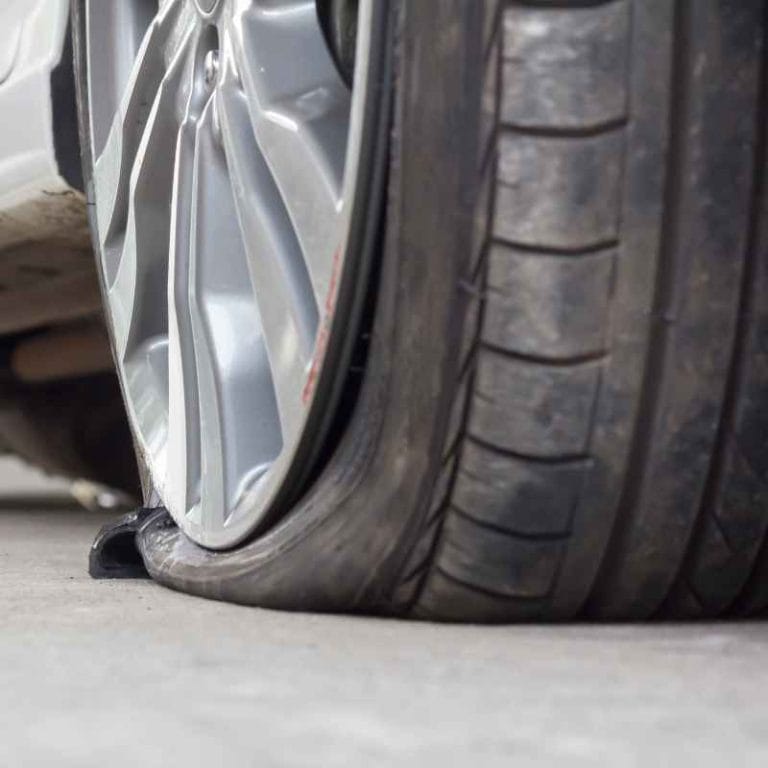
Flat spots develop when a car is parked for extended periods or when a tire locks up during hard braking. These spots create a thump each time the flat area contacts the ground.
Prevention:
- Regularly drive the vehicle
- Avoid emergency braking
Flat spots are particularly common in colder climates, where tires become rigid and less flexible. Vehicles parked in one position for weeks or months may develop flat spots, especially if the tires lose air pressure. For high-performance cars with soft compound tires, flat spots can occur even after a few days of inactivity.
Wheel Bearing Issues
A failing wheel bearing produces a low-frequency droning sound, which can be mistaken for tire noise. The noise often intensifies during turns or at higher speeds.
Symptoms:
- Whirring or droning noise
- Vibration in the steering wheel
- Uneven tire wear
Wheel bearings allow the wheel to rotate smoothly. When they begin to fail, increased friction and play cause vibrations and noise. If left unchecked, wheel bearing failure can result in the wheel detaching from the vehicle, making it a critical safety concern.
Suspension And Alignment Problems
Suspension faults, such as worn shocks or struts, cause tires to bounce excessively, leading to unusual noises. Misalignment further exacerbates wear and noise issues.
Signs:
- Uneven tire wear
- Excessive bouncing
- Steering instability
Suspension issues also affect ride quality and handling. Worn bushings, ball joints, or control arms may cause the tire to lose consistent contact with the road, creating vibrations and noises that mimic the helicopter sound.
Case Study: Fleet Vehicle Analysis
A delivery van with 100,000 miles developed a helicopter noise after a winter season. Inspection revealed uneven tire wear due to neglected alignment. Realigning the wheels and replacing the tires resolved the issue, reducing fleet downtime and maintenance costs.
In another fleet case, drivers reported increased tire noise after switching to a new tire brand. Analysis revealed that the new tires had a softer sidewall, which amplified road imperfections and contributed to noise. The fleet switched back to a firmer tire model, resulting in quieter operation and improved longevity.
Diagnosing The Helicopter Sound: Step-by-step Guide
Initial Inspection
Begin by driving the vehicle at varying speeds and listening for the noise. Note if it increases with speed or is affected by turning.
Checklist:
- Does the sound change with speed?
- Is it louder when turning?
- Does it come from a specific side?
Try driving on different surfaces, such as smooth asphalt versus rough concrete, to see if the noise persists. This can help differentiate between tire and wheel bearing issues. If the sound disappears on a smooth road, it’s likely related to the tire surface.
Visual Tire Examination
Inspect all four tires for visible signs of damage, such as bulges, cracks, or uneven tread wear. Use a tread depth gauge to measure wear.
Look for:
- Bulges or bubbles
- Cracked sidewalls
- Flat spots
Run your hand along the tread to feel for scalloping or cupping. If you notice uneven ridges or dips, it’s a sign of suspension or alignment problems. Check tire pressure and ensure all tires are inflated to the manufacturer’s recommended levels.
Suspension And Wheel Check
Test suspension components by pushing down on the car corners. Listen for squeaks or excessive bounce. Check wheel bearings for play by rocking the wheel back and forth.
Symptoms of Faults:
- Loose wheel
- Excessive movement
- Squeaking sounds
Inspect the shocks and struts for signs of oil leakage, which indicates internal failure. Examine control arms and bushings for wear, as these components affect wheel alignment and tire contact.
Comparison Table: Common Causes Vs Symptoms
| Cause | Typical Sound | Visual Clue | Repair Needed |
|---|---|---|---|
| Tread Separation | Thumping | Bulge or bubble | Replace tire |
| Uneven Wear | Rhythmic droning | Irregular tread | Rotate/replace tire, align wheels |
| Flat Spot | Thump per rotation | Visible flat area | Replace tire |
| Wheel Bearing | Whirring/drone | N/A | Replace bearing |
| Suspension Fault | Bouncing, droning | Excessive bounce | Repair suspension |
Professional Diagnostic Tools
Mechanics use tools such as stethoscopes, vibration analyzers, and tread depth gauges to pinpoint the source. For complex issues, a road force balancer can detect tire defects invisible to the naked eye.
Road force balancing measures how the tire and wheel respond to simulated road conditions, revealing hidden defects such as internal belt shifts or minor separations. A mechanic may also use an electronic listening device to isolate noises while the car is driven on a lift.
Real-world Example: Mechanic Diagnosis
A 2020 Ford F-150 brought in with helicopter-like noise was diagnosed using a road force balancer. The machine revealed a tread separation not visible externally, confirming the need for tire replacement.
In another instance, a mechanic used a stethoscope to listen to the wheel hub while the vehicle was running on a lift. The pronounced drone confirmed a failing wheel bearing, which was then replaced to restore quiet operation.

Credit: www.npr.org
Repair Solutions And Prevention Strategies
Tire Replacement
If tread separation, flat spots, or severe uneven wear are detected, replacing the tire is the safest option. Ensure the new tire matches the specifications of the vehicle.
Tips:
- Replace tires in pairs or all four for balanced performance
- Choose reputable brands
Always check the manufacturing date on new tires. Avoid installing tires older than six years, as rubber degrades over time even if unused. Consider investing in tires with reinforced sidewalls and advanced tread compounds for improved durability and noise reduction.
Wheel Alignment
Proper alignment prevents uneven wear and noise. Most manufacturers recommend alignment checks every 12,000–15,000 miles or after hitting a pothole.
Benefits:
- Improved tire lifespan
- Enhanced fuel efficiency
- Safer handling
Signs of misalignment include the vehicle pulling to one side, uneven tire wear, or off-center steering. Alignment should be performed by professionals using computerized equipment to ensure precision.
Suspension Repair
Suspension components—shocks, struts, and control arms—should be replaced or repaired if found faulty. This restores proper tire contact with the road.
Signs for Replacement:
- Excessive bounce
- Uneven wear
Using high-quality replacement parts is essential for longevity. After suspension repairs, always perform a wheel alignment to ensure proper geometry.
Wheel Bearing Replacement
A noisy wheel bearing requires replacement. This is a labor-intensive job best handled by professionals.
Warning:
- Driving with a faulty bearing can cause wheel detachment
Bearings should be replaced in pairs (left and right) for consistent performance. After replacement, check for proper torque and ensure no contamination with dirt or water.
Preventive Maintenance
Maintain tire pressure, rotate tires regularly, and schedule alignment checks. Inspect tires before long trips to catch issues early.
Routine Checklist:
- Check tire pressure monthly
- Rotate tires every 6,000 miles
- Inspect tread depth and wear
- Schedule annual alignment
Additionally, visually inspect tires for foreign objects, such as nails or screws, and check for signs of dry rot or cracking. Store vehicles on tire mats if parked long-term to prevent flat spots.
Comparison Table: Repair Costs
| Repair Type | Estimated Cost (USD) | Time Required | DIY Possibility |
|---|---|---|---|
| Tire Replacement | $100–$300 per tire | 1 hour | Moderate |
| Wheel Alignment | $75–$150 | 1 hour | No |
| Suspension Repair | $200–$800 | 2–4 hours | No |
| Wheel Bearing Replacement | $250–$600 | 2–3 hours | No |
Case Study: Diy Tire Replacement
An owner of a 2014 Toyota Camry noticed a helicopter noise after a road trip. Upon inspection, a flat spot was detected. The owner replaced the tire themselves using basic tools, resolving the issue for under $150.
The owner also took the opportunity to check all other tires for wear and balance, ensuring continued quiet operation. By following step-by-step guides and using a torque wrench for proper lug nut tightening, the DIY approach proved both cost-effective and safe.
The Science Behind Tire Construction And Noise
Tire Anatomy
A modern tire consists of several layers:
- Tread: The outer layer that contacts the road
- Sidewall: Provides lateral stability
- Carcass: Structural backbone
- Bead: Secures the tire to the wheel
Each layer plays a role in absorbing vibrations and maintaining road contact.
The tread is designed for grip and water evacuation, while the sidewall absorbs shocks and maintains structure. The carcass, usually made of steel or textile cords, provides strength and flexibility. The bead ensures an airtight seal and keeps the tire securely mounted.
How Defects Lead To Noise
Tread separation disrupts the uniformity of the tire, causing inconsistent contact and vibration. Flat spots and uneven wear create oscillations that translate into audible thumps.
When internal belts shift or break, the tire loses its balanced structure. This can also lead to vibrations felt in the steering wheel or seat, further indicating a problem. Even minor defects can result in amplified noise due to the complex interaction between tire and road.
Tire Materials And Durability
High-quality tires use advanced rubber compounds and reinforced layers to resist separation and wear. Cheaper tires may be more prone to defects, especially under harsh conditions.
Fact: The average lifespan of a tire is 50,000–70,000 miles, but defects can drastically shorten this.
Manufacturers invest in research and development to produce tires with optimized tread patterns, silica-infused compounds, and multiple reinforcement layers. These innovations help reduce noise, improve safety, and extend tire life. However, no tire is immune to damage from potholes, curbs, or improper inflation.
External Resource
For a detailed breakdown of tire construction, visit Wikipedia: Tire.
Impact On Safety, Comfort, And Vehicle Performance
Safety Concerns
Driving with a tire making helicopter-like noises can be hazardous. Tread separation may lead to sudden blowouts, and wheel bearing failure can cause wheel loss.
Statistics: According to NHTSA, tire-related issues contribute to over 11,000 accidents annually in the US.
In addition to accident risk, tire defects can compromise the effectiveness of ABS and traction control systems, making emergency maneuvers more difficult. The risk increases exponentially at highway speeds, where a sudden blowout can lead to catastrophic outcomes.
Comfort And Noise Levels
Unusual tire noises degrade cabin comfort, leading to driver fatigue and distraction. Excessive vibration can also damage suspension components.
Persistent noises can mask other important vehicle sounds, such as engine trouble or brake issues. Over time, vibration from defective tires can loosen interior panels, create rattles, and affect overall vehicle integrity.
Vehicle Performance
A faulty tire or suspension component reduces handling, increases braking distance, and lowers fuel efficiency.
Example: A 2018 Chevrolet Malibu with uneven tire wear saw a 15% drop in fuel efficiency until the tires were replaced and aligned.
Compromised tires also affect acceleration and cornering stability. In performance vehicles, even minor defects can reduce lap times and increase tire degradation.
External Resource
For vehicle safety tips and maintenance guidelines, visit Consumer Reports: Car Maintenance Guide.
Expert Recommendations And Best Practices
When To Seek Professional Help
Not all tire noises can be diagnosed or repaired at home. Seek professional help if:
- The noise persists after tire rotation
- Visible damage is detected
- Suspension or wheel bearing issues are suspected
Professional mechanics have specialized tools and experience to accurately diagnose and repair complex issues. Attempting repairs without the necessary knowledge can result in further damage or safety risks.
Choosing Quality Tires
Invest in reputable brands with proven safety records. Refer to tire ratings from organizations like the Tire and Rubber Association of Canada or the US Tire Manufacturers Association.
External Resource: Compare tire brands at Tire Rack.
Look for tires with high UTQG ratings and positive reviews for durability and noise reduction. Avoid purchasing used tires with unknown history, as previous damage may not be visible.
Regular Maintenance Schedule
Follow your vehicle’s recommended maintenance schedule. Keep records of tire rotations, alignments, and repairs.
Regular maintenance not only prevents noise issues but also extends the life of tires and mechanical components. Scheduling inspections before long trips or after impacts helps catch problems early.
Driving Habits
Avoid aggressive braking, sharp turns, and potholes. These actions increase the risk of tire damage and noise.
Maintaining smooth driving habits reduces stress on tires and suspension, minimizing wear and the likelihood of noise issues. Slow down for speed bumps and avoid mounting curbs whenever possible.
Professional Case Study: Dealership Protocol
A major dealership in Texas implemented a protocol to inspect tires and suspension during every oil change. This proactive approach reduced customer complaints related to tire noise by 40% within a year.
Dealerships also reported improved customer satisfaction and fewer warranty claims related to tire defects. Routine inspections are now standard practice, with mechanics trained to spot early signs of trouble.
External Resource
For maintenance checklists and tips, visit AAA: Car Maintenance 101.
Real-world Examples And Case Studies
Example 1: Rental Car Incident
A driver rented a 2019 Nissan Altima and noticed a helicopter sound at highway speeds. Inspection revealed a bubble on the rear tire—tread separation. The rental company replaced the tire, and the sound disappeared.
This case underscores the importance of inspecting rental vehicles before driving, as prior renters may have subjected the car to abuse or neglect.
Example 2: Family Suv Experience
A family SUV developed a persistent droning noise after a vacation. A local mechanic diagnosed a failing wheel bearing. Replacing the bearing resolved the noise and improved handling.
The family noticed improved ride comfort and steering response after the repair, highlighting the impact of even minor mechanical issues.
Example 3: Commercial Fleet Solution
A logistics company’s fleet faced recurring helicopter noise issues. Fleet managers implemented routine tire inspections and alignments, reducing incidents by 60% and saving thousands in maintenance costs.
Fleet managers also standardized tire brands and enforced strict maintenance intervals, leading to fewer breakdowns and increased driver safety.
Comparison Table: Helicopter Noise Cases
| Vehicle Type | Noise Cause | Repair Action | Outcome |
|---|---|---|---|
| Honda Accord | Tread Separation | Tire Replacement | Noise eliminated |
| Nissan Altima | Tread Bubble | Tire Replacement | Safe operation restored |
| Chevrolet Malibu | Uneven Wear | Alignment & New Tires | Improved performance |
| Fleet Delivery Van | Misalignment | Wheel Alignment | Reduced maintenance costs |
External Resource
For a detailed guide on diagnosing tire issues, visit Tire Rack: Tire Noise Diagnosis.
Frequently Asked Questions
What Causes A Car Tire To Sound Like A Helicopter?
A car tire may sound like a helicopter due to tread separation, flat spots, uneven wear, or wheel bearing failure. These issues create rhythmic thumps or droning noises as the tire rotates, often worsening with speed.
Is It Safe To Drive With A Helicopter-like Tire Noise?
No. Driving with this noise can be dangerous, especially if the cause is tread separation or wheel bearing failure. These issues can lead to blowouts, loss of control, or wheel detachment. Immediate inspection and repair are recommended.
How Can I Diagnose The Source Of Tire Noise?
Start by visually inspecting all tires for bulges, cracks, or uneven wear. Test for wheel bearing and suspension issues by checking for excessive movement or noise. If unsure, consult a professional mechanic for a thorough diagnostic.
Can I Fix Helicopter-like Tire Noise Myself?
Some issues, like replacing a tire or adjusting tire pressure, can be handled by DIY enthusiasts. However, complex repairs such as wheel bearing or suspension replacement require specialized tools and expertise. Always prioritize safety.
How Can I Prevent Tire Noise In The Future?
Maintain proper tire pressure, rotate tires regularly, schedule alignments, and drive carefully to avoid potholes or aggressive braking. Regular inspections are key to catching issues early and preventing costly repairs.
Final Thoughts
When your car tire sounds like a helicopter, it’s more than a nuisance—it’s an urgent sign that something’s amiss. Addressing the issue promptly ensures your safety, preserves your vehicle’s performance, and saves money on future repairs. By understanding the causes, diagnosing the problem, and following expert advice, you can keep your ride quiet, comfortable, and reliable.
Don’t let unusual noises go unchecked—take action today and enjoy peace of mind on every journey.
Products related to this article
Sponsored / affiliate links. As an Amazon Associate I earn from qualifying purchases. I may earn additional commission from eligible campaigns.
 ACARLUOY Car tire pump portable,Hand held tire inflator, for ford f-150 raptor pickup (2009-2014) accessories,Fit for ford f-150 raptor (2009-2014), 12V dc car tire air pum
 ACARLUOY 150 PSI portable car tire air pump -Equipped with a digital pressure gauge, Fit for Toyota RAV4 2009-2011, For Toyota RAV4 tire accessories,tire inflator 12v,150 psi tire pump