Why Is My Car Tire Not Coming Off? Causes And Fixes
When a car tire won’t come off, it’s usually due to rust, corrosion, or a seized brake caliper. Gentle but firm methods, like tapping with a rubber mallet or using a tire-iron lever, can help break the bond. Safety first when attempting removal.
The Stubborn Tire: Why It Happens
There are a few main culprits behind a tire that refuses to slide off the wheel hub. Understanding these reasons helps us figure out the best way to get it moving again. Think of your car’s wheels.
They spin and spin, facing all sorts of weather. This exposure is a big part of the problem.
The wheel hub is the part the wheel bolts onto. It’s usually made of metal. Over time, this metal can corrode.
Water, salt (especially in winter), and dirt all play a role. This corrosion can create a strong bond between the wheel and the hub. It’s like a natural glue forming.
Another common reason is a seized brake caliper. This part of your braking system can sometimes get stuck. When it seizes, it can press against the rotor or even the wheel itself.
This pressure makes it very hard to pull the wheel off. It’s like something is holding it in place from the inside.
Sometimes, it’s simply a matter of the wheel being too tight against the hub. If lug nuts are over-tightened, they can press the wheel unevenly. This can cause it to bind up.
This is more common if someone has recently changed your tires or wheels.
Rust and Corrosion: The Silent Culprit
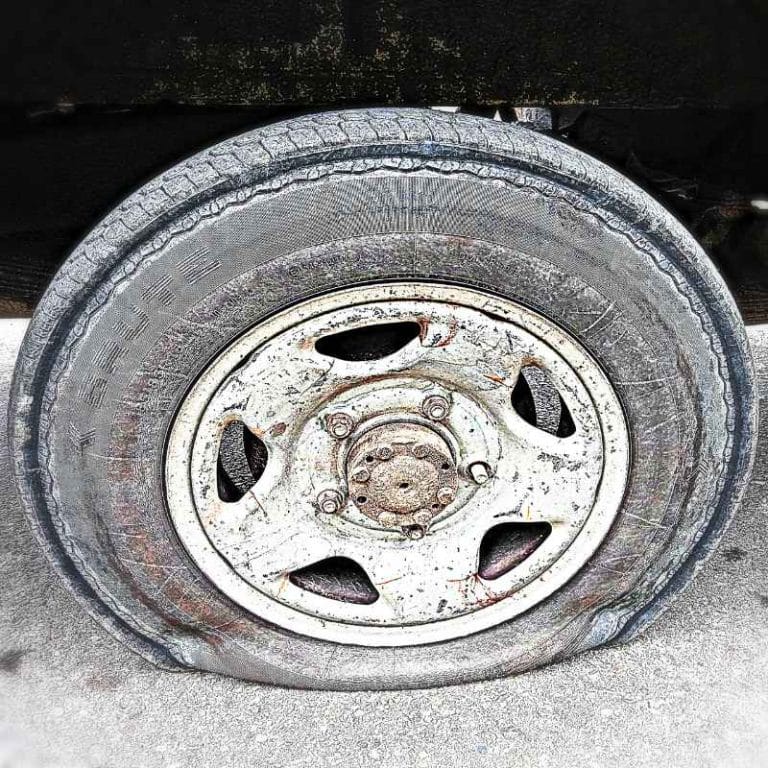
Rust is metal’s worst enemy. When bare metal parts like the wheel hub and the back of the wheel meet, and get wet, rust starts to form. This is especially true for steel wheels.
Even alloy wheels can have steel components that rust.
Salt used on roads in winter is a major accelerator of rust. It eats away at metal. It finds tiny cracks and weaknesses.
Once rust starts, it can expand. This expansion pushes the wheel away from the hub in some places and holds it tight in others. This makes for an uneven and stubborn grip.
This corrosion doesn’t happen overnight. It’s a slow process. But once it gets a good hold, it can make wheel removal a real challenge.
You might see orange dust or flakes when you finally get the wheel off, a clear sign of rust.
Seized Brake Calipers: An Internal Grip
Your car’s brakes are vital for safety. The brake caliper is a key part. It squeezes brake pads against the rotor.
This creates friction to slow your car. Sometimes, these calipers can get stuck. This is called seizing.
A seized caliper might stay partially applied. This means constant pressure on the rotor. Since the wheel is bolted to the rotor assembly, this pressure is transferred to the wheel.
It’s like having an invisible hand holding the wheel firmly against the hub.
You might notice other signs if a caliper is seized. Your car might pull to one side when you brake or drive. You might also smell a burning odor.
Sometimes, the wheel on the affected side can get very hot. This is from the constant friction.
Over-Tightened Lug Nuts: A Simple Bind
Lug nuts are what hold your wheel onto the car. They are usually tightened with a special wrench. If they are put on too tight, or tightened unevenly, they can cause problems.
This is especially true for alloy wheels.
When lug nuts are very tight, they can bend the wheel slightly. Or they can press the wheel hub unevenly. This creates a tight spot.
The wheel gets stuck in this tight spot. It’s like trying to pull a slightly warped disc out of a hole.
This is often the case if you just had your tires rotated. A mechanic might have used an impact wrench. They can sometimes overdo it.
Always check lug nut tightness with a torque wrench. It ensures they are snug but not too tight.
My Own Tire-Removal Nightmare
I remember one crisp autumn afternoon. I was helping my neighbor, Sarah, change a tire on her older sedan. She had a slow leak, and we figured we’d tackle it before it got worse.
We had the spare, the jack, and the lug wrench. Easy peasy, right?
Wrong. We got the lug nuts off without a hitch. But when it came time to pull the wheel off, it just… wouldn’t move.
We tried wiggling it. We tried pulling. Nothing.
It was firmly stuck. Sarah started to get that worried look on her face. I felt a bit of panic creep in myself.
What if we couldn’t get it off?
I’d changed plenty of tires before. This had never happened. I remembered Sarah mentioning she had the brakes worked on a few months back.
That’s when a light bulb went off. Could a brake issue be the problem? I started to suspect the caliper might be partially stuck.
We spent a good twenty minutes trying gentle force, then a bit more. The frustration was mounting. It was that sticky, annoying feeling when something that should be simple turns complicated.
Eventually, we had to call a tow truck, which was embarrassing and costly. That day taught me a valuable lesson about stubborn tires.
Quick Tire Removal Checks
Before you panic, try these simple things:
- Kick Gently: A firm, but not violent, kick to the side of the tire can sometimes break a rust bond. Use the sole of your shoe.
- Wiggle and Pull: Try rocking the wheel back and forth while pulling.
- Inspect Lug Holes: Look for obvious damage or debris.
When Gentle Taps Aren’t Enough
So, you’ve tried a few gentle pulls. The tire is still stubbornly attached. It’s time to try methods that apply a bit more force.
But remember, we’re aiming for effective, not destructive. We don’t want to damage the wheel, the hub, or ourselves.
The most common tool for this is a rubber mallet. Metal hammers are a big no-no. They can easily dent or deform your wheel.
A rubber mallet is softer. It can deliver a shock without causing damage. You need to hit the tire itself, not the metal parts.
You’ll want to strike the tire in a few different spots. Work your way around the wheel. Think of it like tapping a stubborn lid on a jar.
The vibration and shock can break the seal of rust or corrosion. It helps to have someone else gently try to pull the wheel while you tap.
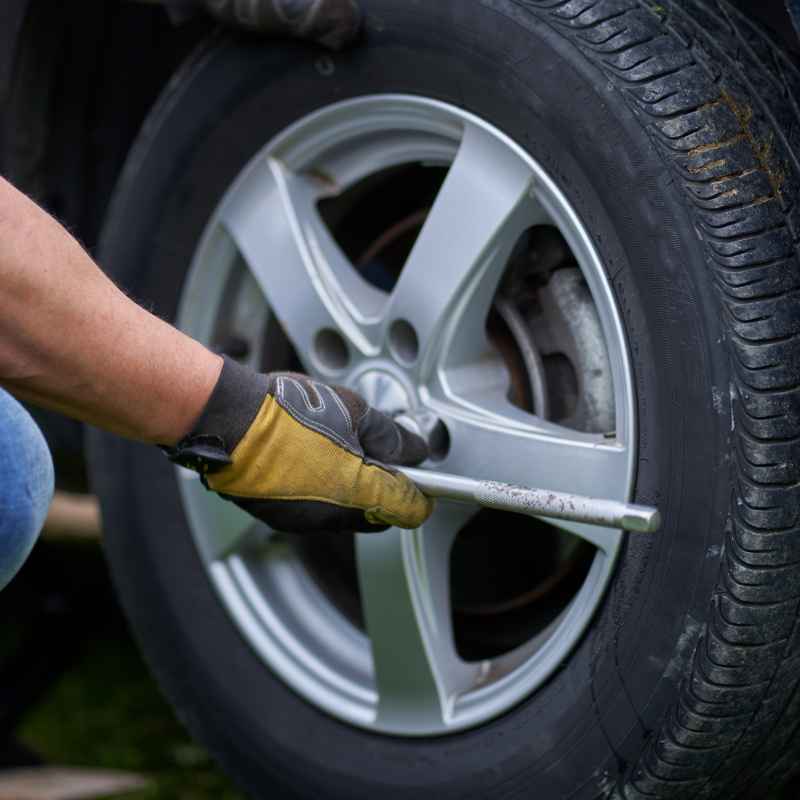
Another technique involves using your tire iron or a pry bar. This requires careful leverage. You want to place the pry bar between the wheel and the hub.
Then, gently try to pry the wheel away. You need to be careful not to bend the wheel rim or damage the hub surface. Do this in several spots around the wheel.
Sometimes, heat can help. This is more advanced and often best left to professionals. But in a pinch, a brief application of heat from a heat gun (not a torch!) to the hub area can cause it to expand slightly.
This might break the bond. Be very cautious with heat. It can damage paint and seals.
Using a Rubber Mallet Effectively
A rubber mallet is your best friend here. It’s designed for striking surfaces without causing damage. You want to hit the tire’s sidewall, not the metal rim.
Aim for the thickest part of the tire, near the rim.
Start with moderate taps. Listen for any give. If it’s not moving, increase the force slightly.
Rotate your position. Hit the tire at the 3 o’clock, 6 o’clock, 9 o’clock, and 12 o’clock positions. Then, try hitting in between.
Keep a steady rhythm.
While you’re tapping, have someone else try to pull on the tire. They should grab opposite sides of the tire and give a strong, steady pull. The combination of tapping and pulling is often very effective.
It’s a two-person job, ideally. But if you’re alone, you can tap, then try pulling yourself.
Leverage with a Tire Iron or Pry Bar
This method requires a bit more caution. You’re applying direct force to the wheel assembly. You need to be careful not to bend the wheel rim or damage the hub surface.
This can lead to costly repairs later.
Position the tip of the tire iron or pry bar carefully. Find a sturdy spot on the back of the wheel. Place the other end against the hub or a strong part of the suspension.
Use steady, increasing pressure to lever the wheel outwards. Never force it too hard.
Work your way around the wheel. Apply leverage in different spots. Each small movement can help break the seal.
If you feel the wheel start to give, keep working it gently. You might need to tap with the mallet again after applying some leverage.
The Role of WD-40 or Penetrating Oil
Sometimes, a little lubricant can go a long way. If you suspect rust is the main issue, a penetrating oil can help. WD-40 is a common choice, though specialized penetrating oils are often more effective.
Spray the oil around the seam where the wheel meets the hub. Let it sit for a while. The oil needs time to seep into the rusted areas.
Fifteen to thirty minutes is a good start. You might even leave it overnight if you have the time.
After the oil has had time to work, try tapping with the mallet again. Or try the leverage method. The oil can help break down the rust and reduce friction.
This makes it easier for the wheel to slide off.
When to Call a Professional
Some situations require expert help:
- Severe Rust: If the hub looks completely rusted over.
- Damaged Parts: If you see bent metal or damaged lug studs.
- No Movement: If after trying multiple methods, the wheel still won’t budge.
- Safety Concerns: If you feel unsure or unsafe at any point.
Real-World Scenarios Where Tires Get Stuck
Why does this happen in everyday life? It’s usually a combination of factors. Think about how cars are used and the conditions they face.
In many parts of the U.S., roads are treated with salt during winter. This salt is great for melting ice, but terrible for car parts. It accelerates rust formation on the hub and the back of the wheel.
Cars that live in snowy climates are much more prone to stuck wheels.
Parking habits can also play a role. If a car sits for long periods, especially in damp weather, rust can form. This is more common with older vehicles or cars that are used infrequently.
The wheel has more time to bond to the hub.
The type of wheels you have matters too. Steel wheels are more susceptible to rust than alloy wheels. However, even alloy wheels can have rust form where they meet the hub.
Also, if the wrong lug nuts are used, or if they are over-tightened, it can cause binding.
The Impact of Winter Weather
Winter is a major contributor to stuck tires. Road salt, ice, and moisture create a perfect storm for corrosion. Think about a car that’s driven daily through slush and salt.
Water gets into every crevice. Then, the salt speeds up the rust process dramatically.
After a long winter, the hub assembly can look quite rough. It’s common to see a thick layer of orange rust. This rust expands.
It forces itself between the wheel and the hub. It creates a bond that is very difficult to break without significant force.
Many people in colder climates learn to deal with this. They might regularly clean their wheels and hubs. Some even apply anti-seize compound to the hub when changing tires.
This helps prevent rust from forming in the first place.
Sitting Idle: The Sitting-Stuck Syndrome
It might seem counterintuitive, but a car that doesn’t move much can also develop stuck wheels. If a vehicle is parked for weeks or months, especially in a humid environment, moisture can get trapped. This moisture leads to rust formation on the hub.
Imagine a car parked in a driveway for the winter. Rain and snow can settle around the wheels. Even if it’s not driven, the metal parts are exposed.
This slow corrosion can create a surprisingly strong bond. It’s less about pressure and more about time and exposure.
Classic cars or project vehicles that sit for long periods are prime candidates for this issue. When it’s finally time to move them, the wheels can be incredibly difficult to remove. This is a common problem for enthusiasts.
What This Means for You: Recognizing the Signs
So, how do you know if your tire is likely to be stuck? And what should you do about it? It’s about being prepared and knowing when to expect trouble.
If you live in an area with harsh winters, or if your car is older, expect that your tires might be a bit stubborn. It doesn’t mean something is wrong. It just means the parts have been exposed to the elements.
It’s a normal consequence of driving in certain conditions.
When you go to change a tire, pay attention. If the wheel doesn’t slide off easily after removing the lug nuts, don’t force it too hard. Stop and assess.
Look for obvious signs of rust on the hub. If you can, have a friend give the tire a good wiggle and pull.
If you’re changing your tires seasonally (e.g., winter to summer tires), this is the perfect time to address potential sticking. Clean the hub surface. Apply a thin layer of anti-seize compound.
This will save you a lot of trouble next time.
When It’s Just a Little Stuck
A little bit stuck is very common. You remove the lug nuts, and the wheel might be tight. It might require a good firm pull.
Or a few taps with a rubber mallet. This is usually not a cause for alarm. It’s often just a light bond of rust.
In these cases, a few minutes of gentle persuasion should do the trick. Don’t try to ram the car off the jack. Work smart, not just hard.
If it’s slightly difficult, but responds to moderate effort, you’re likely in the clear for now.
The key is to recognize this difference. If it feels like it’s giving way with some effort, keep at it gently. If it feels completely solid and unmoving, then it’s time to pause and re-evaluate.
When to Worry About Your Stuck Tire
You should start to worry if you’re applying significant force and the wheel isn’t moving at all. Or if you hear concerning noises like grinding or creaking. This could indicate more serious damage.
Damage to the hub studs is a major concern. If you try to force the wheel and one of the studs bends or breaks, that’s a significant repair. Also, if you notice any visible damage to the wheel itself from your efforts, that’s a sign you might be overdoing it.
If the problem seems related to a seized brake caliper (e.g., the wheel is very hot, or the car pulls), that’s a safety issue that needs professional attention. Don’t attempt to drive the car extensively if you suspect brake problems.
Quick Fixes and Prevention Tips
The best way to deal with a stuck tire is to prevent it from getting stuck in the first place. A little preventative maintenance goes a long way. And when it is stuck, having a few tricks up your sleeve can save the day.
The most important preventative measure is using anti-seize lubricant on the hub. When you change your tires, clean the hub surface thoroughly. Then, apply a thin, even coat of anti-seize compound.
This creates a barrier against rust and corrosion.
Regularly cleaning your wheels and checking them for damage can also help. If you notice excessive rust on the hub, address it before it becomes a major problem. Sometimes, a wire brush can clean up minor rust.
If you’re in a pinch and the tire is stuck, remember the mallet and oil. These are your go-to tools. And always have a plan B, which might involve calling a tow truck if you’re unable to free the wheel safely.
Hub Cleaning and Lubrication Steps
When changing tires, follow these steps:
- Clean the Hub: Use a wire brush to remove any rust or debris from the hub surface. Wipe it clean with a rag.
- Apply Anti-Seize: Use a small amount of anti-seize lubricant. Apply it evenly to the hub where the wheel sits.
- Clean Wheel Interior: Make sure the inside of your wheel is also clean.
Frequently Asked Questions About Stuck Tires
Q1: How long should I let penetrating oil soak into a stuck tire?
For best results, let penetrating oil like WD-40 soak for at least 15-30 minutes. If the tire is very stubborn, you might leave it for a few hours or even overnight. The longer it soaks, the more it can break down rust.
Q2: Can I use a hammer to get a stuck tire off?
It’s strongly advised NOT to use a metal hammer. You risk damaging your wheel rim, hub, or studs. A rubber mallet is the safe alternative.
It delivers shock without the hardness to cause damage.
Q3: My lug nuts are stuck. What should I do?
If lug nuts are stuck, first ensure you have the correct size socket and a good wrench. Apply steady pressure. If they still won’t turn, use penetrating oil and let it soak.
Sometimes, a breaker bar provides extra leverage. If they round off or break, you’ll need professional help.
Q4: Is it safe to drive with a stuck tire?
No, it is not safe to drive with a stuck tire if you were trying to change it. If your tire is stuck and you can’t remove it to put on a spare, you should not drive the vehicle. If the tire is stuck and you can’t remove it, you’ll need it towed or a professional to assist.
Q5: How often should I apply anti-seize lubricant?
You should apply anti-seize lubricant every time you remove your wheels for service, such as tire rotations, brake jobs, or seasonal tire changes. It’s a simple step that prevents future headaches. It doesn’t degrade quickly, so annual application is usually sufficient.
Q6: What if the tire is stuck on one side but not the other?
This often points to a seized brake caliper or a bent wheel. Focus your efforts on the side that is stuck. Use penetrating oil and gentle tapping.
If one side is much harder to remove than the other, it strongly suggests an issue with the brake system on that wheel. A mechanic should inspect this.
Conclusion
Dealing with a tire that won’t come off can be a frustrating experience. It’s usually caused by simple factors like rust, corrosion, or a tight brake fit. By understanding these causes and using the right tools and techniques, you can often solve the problem yourself.
Remember to be patient and apply force gently but firmly. Prevention is key, so a little anti-seize lubricant during tire changes can save you a lot of trouble down the road. If you’re ever unsure or uncomfortable, don’t hesitate to call a professional.
See also pros and cons of used tires is it worth the risk . See also where can you get the cheapest tires without sacrificing quality.
Products related to this article
Sponsored / affiliate links. As an Amazon Associate I earn from qualifying purchases. I may earn additional commission from eligible campaigns.