Can You Use Car Tires On A Trailer
Trailers carry weight differently than cars. Cars balance weight on four tires. These tires flex and turn.
They help steer the vehicle. Trailers, however, mostly carry weight on their tires. They don’t steer themselves.
The load pushes down hard. Trailer tires need to be tougher. They need to handle this stress.
They also deal with sidewall flex differently.
Car tires are built for driving comfort. They are made to grip the road. They absorb bumps well.
They turn corners smoothly. Trailer tires are built for load capacity. They are designed to be stiff.
This stiffness helps them carry heavy loads. It also reduces swaying. Swaying is a big safety issue for trailers.
Trailer tires often have stronger sidewalls. This keeps them from deforming too much under load.
Think about how a trailer moves. It follows behind a tow vehicle. It can get pushed around by wind.
Or by uneven roads. Stiff trailer tires help keep it stable. Car tires are more flexible.
They might wobble or sag. This can make the trailer unstable. It might even cause it to swerve.
Safety is the main reason. You want tires that do their specific job right.
Understanding Trailer Tire Design
Trailer tires are often called ST tires. ST stands for Special Trailer. This label tells you they are made for trailers.
They have specific features. Car tires are P-type tires. P stands for Passenger vehicle.
They are not designed for the same demands.
ST tires have thicker sidewalls. This is a big difference. The thicker walls resist damage.
They also handle the constant push of a load. They are less likely to bulge or blow out. This is super important when you’re miles from help.
Car tires have thinner sidewalls. They are meant to flex for comfort. This makes them lighter.
But it also makes them weaker for trailer duty.
ST tires also have a higher ply count. Plies are the layers of fabric or steel inside the tire. More plies mean more strength.
They can hold more air pressure. Higher pressure helps carry more weight. It also keeps the tire shape.
It stops the tire from getting too hot. Overheating is a major cause of tire failure. Trailer tires run hotter than car tires.
So, they need to be built to handle it.
Another key aspect is tread. Trailer tires have less aggressive treads. They don’t need to grip like car tires.
They just need to roll smoothly and carry weight. Less tread means less rolling resistance. This can help with fuel economy a bit.
It also means the tire wears more evenly under load. Car tires have deeper treads. They are made to grip in different weather.
They wear faster from turning and braking.
Finally, ST tires are designed for static loads. This means they are made to sit under weight for long periods. Trailers often sit parked for weeks or months.
Car tires can develop flat spots. This happens when they sit in the same spot too long. ST tires are more resistant to this.
They maintain their round shape better.
Can You REALLY Use Car Tires on a Trailer?
In short, it’s generally not recommended. And in some places, it’s not legal. While you might be able to put car tires on a trailer, it’s a risky move.
The tires are not built for the job. They won’t perform as well. They won’t be as safe.
Let’s break down why this is such a common question, and why the answer leans so heavily towards “no.”
People think of tires as just round rubber things. They don’t always realize the engineering behind them. A car tire is a finely tuned piece of equipment.
So is a trailer tire. They are designed for very different stresses. Putting a car tire on a trailer is like wearing your running shoes to go rock climbing.
They might look similar, but they won’t do the job right. They could lead to a fall.
Imagine a loaded-up utility trailer. It’s packed with tools, or maybe gravel. That weight is pushing down.
If you have car tires, they might sag. The sidewalls will bulge outward. This bulge creates heat.
Heat is the enemy of tires. It breaks down the rubber. It can lead to a blowout.
A blowout on a trailer can be scary. It can make the trailer fishtail. It can cause you to lose control of your vehicle.
What about the load rating? Car tires have a load index. Trailer tires have a load range and ply rating.
Trailer tires are designed to carry much more weight than car tires of a similar size. If your trailer’s weight is close to the limit of car tires, you’re asking for trouble. You could overload them easily.
This leads to premature wear. It also leads to failure.
Even if the weight isn’t an issue, the way the trailer moves is. Trailers are towed. They don’t have their own engine.
They don’t have their own steering. They are pulled. This means they can be buffeted by winds.
They can sway side-to-side. Car tires flex too much. This extra flex can make the sway worse.
It’s a dangerous cycle. ST tires are built to be stiff. This stiffness helps prevent that sway.
It keeps the trailer tracking straight.
There’s also the issue of being parked. Trailers often sit for long periods. Car tires can develop flat spots.
These are areas where the tire is permanently flattened. This isn’t good for ride quality. It can also stress the tire.
Trailer tires are made to resist this. They keep their shape better. So, even if the trailer isn’t moving, the tires are under strain.
My Own Scare with a “Good Enough” Idea
I remember a time, years ago, when I was moving some old furniture. I had a small utility trailer. I needed new tires, but I was short on cash.
I had a set of decent tires from a retired sedan in my garage. They looked fine. They had plenty of tread.
“What’s the big deal?” I thought. “It’s just a few miles.” Famous last words, right?
So, I put them on. The trailer felt a bit wobbly from the start. But I told myself it was just the load shifting.
I was driving on a mostly empty back road. It was a warm afternoon. About five miles into the trip, I heard a loud POP!
Then a hissing sound. The trailer started to swerve. I braked gently.
I tried to keep it straight. It felt like it was trying to get away from me. My heart was pounding.
I managed to pull over to the shoulder. One of the car tires had completely blown out. The sidewall had ripped open.
It looked like it had been shredded. The heat and the load had just been too much for it. It was a wake-up call.
I was lucky I didn’t lose control. I learned that day that safety is not worth risking for a few bucks saved. Since then, I always use proper trailer tires.
The Legal Side of Things
In many parts of the United States, using car tires on a trailer is against the law. States have laws about vehicle equipment. These laws are for safety.
Trailer tires are classified differently than car tires. They have specific requirements. Using car tires might mean your trailer isn’t road legal.
Some states might not have specific laws about car tires on trailers. But they do have laws about safe operation. If your tires fail and cause an accident, you could still be held responsible.
This is especially true if you used the wrong type of tire. Insurance companies might deny claims. They could say you used the equipment improperly.
This is a big financial risk.
Federal regulations also play a role. The National Highway Traffic Safety Administration (NHTSA) sets standards. These standards are for tires.
They cover passenger cars and light trucks. Trailer tires have their own set of standards. These are often different.
They focus on the unique stresses trailers face. Always check your local laws. But generally, sticking to ST tires is the safest bet.
It keeps you on the right side of the law.
What this means is you can’t just swap out tires from any old vehicle. The load capacity, the construction, and the intended use are all different. A tire is not just a tire.
It’s a critical safety component. For a trailer, the tire is carrying almost all the weight. It’s also dealing with a different kind of stress than a car tire.
So, before you even think about using car tires, do your homework. Look up the regulations in your state. Check the rules for your specific type of trailer.
A small, light-duty trailer might seem like it could get away with it. But even small trailers have weight limits. And they can be unstable if not properly equipped.
It’s better to be safe than sorry. A fine is one thing. An accident is another.
Tire Label Decoder: What to Look For
ST Tires: These are for Special Trailers. They have “ST” in their size. For example, ST205/75R15.
P Tires: These are for Passenger cars. They have “P” in their size. For example, P205/75R15.
Load Range: Look for the load range. For ST tires, it might be C, D, or E. This tells you the maximum weight the tire can carry.
Car tires have different load ratings.
Speed Rating: ST tires usually have lower speed ratings. They are not meant for high speeds. Car tires are designed for higher speeds.
Sidewall Strength: ST tires have reinforced sidewalls. This is a key difference you can’t see easily, but it’s crucial.
Comparing the Specs: A Closer Look
Let’s put some numbers to this. Imagine a common trailer tire size. It might be ST205/75R15.
This tire is likely rated for a load range of C or D. A Load Range C tire might carry around 1,760 pounds. A Load Range D might carry up to 2,040 pounds.
This is per tire.
Now, look at a car tire of a similar size, like P205/75R15. Its load index might be around 90 or 92. A load index of 90 means it can carry about 1,323 pounds.
A load index of 92 means about 1,433 pounds. See the difference? The trailer tire can carry significantly more weight.
Also, consider the pressure. ST tires are often inflated to higher pressures. They might require 50 PSI or even 65 PSI.
Car tires usually run around 30-35 PSI. Higher pressure in trailer tires helps them maintain their shape under load. It also helps them run cooler.
Car tires are not designed for these high pressures. The rims might not handle it. The tire itself could fail.
The speed rating is another factor. ST tires are typically rated for speeds up to 65 MPH. Some might be rated for 75 MPH.
Car tires are often rated for 80 MPH, 90 MPH, or even higher. This shows the different design goals. Trailer tires are built for steady hauling.
Car tires are built for varied driving conditions, including higher speeds.
When you look at these specs, the picture becomes clear. Car tires are built for a different purpose. They are not up to the task of safely carrying the load a trailer demands.
Trying to use them is a gamble with your safety and your cargo.
Quick Scan: Car vs. Trailer Tires
| Feature | Car Tire (P-Type) | Trailer Tire (ST-Type) |
|---|---|---|
| Primary Purpose | Driving Comfort & Handling | Load Carrying & Stability |
| Sidewall Strength | Flexible | Stiff & Reinforced |
| Load Capacity | Lower | Higher |
| Max Inflation Pressure | Lower (30-45 PSI) | Higher (50-65+ PSI) |
| Speed Rating | Higher | Lower (Typically 65 MPH) |
| Resistance to Flat Spotting | Lower | Higher |
What Happens When Car Tires Are Used on Trailers?
Using car tires on a trailer sets off a chain reaction of problems. It’s not usually an immediate disaster. But it increases risk over time.
The most common issues are:
Overheating: The main culprit. Car tires are not designed for the constant stress of carrying heavy loads and sitting under that weight. The thinner sidewalls flex more.
This flexing creates friction. Friction creates heat. The heat builds up, especially on long trips or in hot weather.
This heat weakens the rubber and the internal cords. It can lead to tread separation or a blowout.
Premature Wear: Car tires will wear out much faster on a trailer. They are not built to handle the constant side loads. They also wear unevenly because they can’t maintain their shape under load.
You’ll find yourself replacing them much sooner than expected.
Reduced Stability: As mentioned, car tires flex too much. This makes the trailer more prone to swaying. Swaying is dangerous.
It can start small. But if it gets bad, it can jackknife the trailer. It can cause you to lose control of your tow vehicle.
Proper trailer tires are stiff. They help keep the trailer tracking straight.
Tire Failure: This is the worst outcome. A blowout on a trailer can be sudden and violent. It can damage the trailer.
It can cause accidents. It can be very difficult to control the vehicle when a tire blows out. This is especially true if it happens at speed.
Voiding Warranties: If you have a trailer with a warranty, using the wrong tires could void it. The manufacturer might say you didn’t use the equipment as intended. This is another reason to stick to the right tires.
Even for small trailers, the risk is there. A small utility trailer loaded with garden waste or a few pieces of furniture still puts stress on the tires. It’s easy to underestimate the weight.
It’s also easy to forget how much a trailer can be affected by road conditions and wind.
Real-World Trailer Use Cases
Let’s think about different types of trailers. Each has unique demands.
Utility Trailers: These are common. They haul everything from lawnmowers to building materials. The loads can be heavy and shift.
They are often used for tough jobs. Car tires would struggle with the consistent heavy weight and potential for rough use.
Boat Trailers: These are specialized. They carry heavy, often unbalanced loads. They often go into water.
The tires need to be robust. They need to handle the weight of the boat plus the trailer. They also need to be okay with getting wet.
Car tires are not built for this specific stress.
RV/Travel Trailers: These are designed for long distances and heavy loads. They are essentially homes on wheels. The tires are under constant pressure for days or weeks.
They need to be top-quality trailer tires. Using car tires here would be extremely dangerous.
Horse Trailers: These carry live animals. Animal safety is paramount. A tire failure could spook the animals.
It could cause injury. The tires must be incredibly reliable. They need to provide a stable ride.
This requires specific trailer tires.
Enclosed Cargo Trailers: These can carry valuable items. A tire blowout could damage the cargo. The tires need to be strong and stable to protect the contents during transit.
They often sit for long periods when not in use.
In every one of these cases, the trailer tire’s job is different from a car tire’s. It’s about carrying static weight, resisting sidewall collapse, and maintaining stability. Car tires are for dynamic driving.
They are for comfort and agility. The demands are just too different.
When Is It “Okay” (With Major Caveats)?
Scenario: A very small, lightweight trailer. For example, a trailer to move a single motorcycle for a short, slow trip on a quiet road. The total weight (trailer + cargo) is well within the capacity of the car tires.
Risks Involved: Even in this limited scenario, car tires are not ideal. They may still overheat. They may still be more prone to sidewall damage.
The risk of instability is still present, though lower.
Recommendation: It’s still best practice to use ST tires. The cost difference is often small compared to the potential risks. If you absolutely must use car tires for a very short, slow, light-duty situation, check them constantly for heat.
Drive very slowly. And understand you are taking a risk.
This is NOT a recommendation. It’s an acknowledgment of a rare, risky exception.
What This Means for You: Safety First
The core takeaway is simple: use the right tire for the job. Your trailer’s safety depends on it. Your cargo’s safety depends on it.
And your own safety depends on it.
When it’s normal to use car tires: Honestly, there are almost no scenarios where it’s truly “normal” or recommended. The purpose of car tires is to be on a car. They are not designed for the constant, high-pressure load of a trailer.
Even for very light loads, there are better options.
When to worry: You should worry if you currently have car tires on your trailer. You should worry if you are thinking about using them. If your trailer’s tires are old, cracked, or showing signs of wear, replace them.
Don’t just grab whatever you have lying around.
Simple checks: Before any trip, check your trailer tires. Look for cracks in the sidewalls. Check for bulges.
Ensure they are properly inflated. Feel the tires (carefully!) for excessive heat during stops. If they feel hotter than the road, that’s a bad sign.
The cost of a set of trailer tires is an investment. It’s an investment in safety. It’s an investment in peace of mind.
When you’re towing, you need to be able to trust your equipment. Tires are a huge part of that trust. Don’t compromise on them.
Think about it this way: you wouldn’t use a garden hose to put out a house fire. It’s not designed for that kind of pressure or volume. Trailer tires are designed for the specific stresses of towing.
Car tires are designed for driving. Stick to the design. It’s there for a reason.
Quick Tips for Trailer Tire Care
If you have the correct ST trailer tires, here’s how to keep them in good shape:
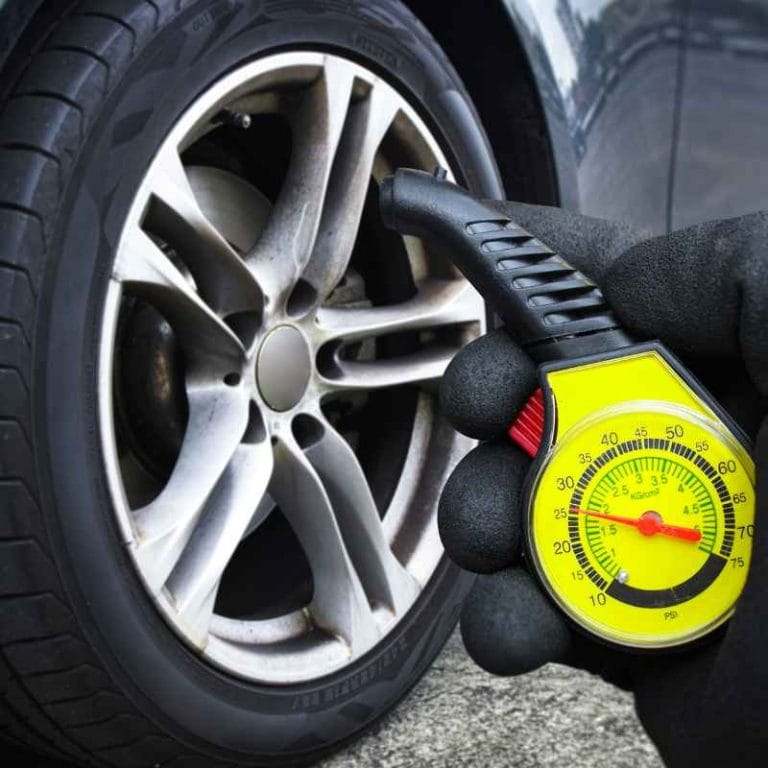
- Proper Inflation: Always inflate your trailer tires to the pressure recommended on the tire sidewall (usually higher than car tires). Check the pressure before every trip.
- Load Rating: Never exceed the load capacity of your tires or your trailer. Know the weight of your cargo.
- Speed Limits: Stick to the speed rating on your trailer tires. Most ST tires are rated for 65 MPH. Driving faster creates excessive heat.
- Regular Inspection: Check for cracks, cuts, bulges, and uneven wear. Remove any stones or debris from the tread.
- Storage: If storing the trailer for a long time, consider putting it on blocks. This takes the weight off the tires. This helps prevent flat spotting.
- Rotation: While not as common as on cars, some recommend rotating trailer tires. This can help them wear more evenly. Check your trailer’s manual.
- Valve Caps: Keep valve caps on. They keep dirt and moisture out of the valve stem.
Frequent Questions About Trailer Tires
Can I use truck tires on my trailer instead of car tires?
Truck tires (LT-type) are also generally not recommended for trailers. While they are stronger than car tires, they are still designed for the stresses of driving a truck, not the static load and sidewall demands of a trailer. ST tires are specifically engineered for trailers.
My trailer tires look old but have good tread. Are they still okay?
Tires age out even if they have good tread. Rubber degrades over time due to UV exposure and heat. Check the tire’s date code (four digits, like 1522 for the 15th week of 2022).
If tires are more than 5-7 years old, they should be replaced, regardless of tread depth.
What is the difference between radial and bias-ply trailer tires?
Bias-ply tires are older technology. They have cords running diagonally. Radial tires have cords running straight across.
Radial ST tires generally offer a smoother ride and better heat dissipation. Many modern trailers use radial ST tires.
How do I know if my trailer needs ST tires?
If your trailer is designed to carry more than a few hundred pounds and is meant to be towed on public roads, it almost certainly requires ST tires. Check your trailer’s manual or look for tire size information on the trailer frame.
What happens if I put car tires on my trailer and get a ticket?
You could face a fine. Depending on the state and the circumstances, it could be a misdemeanor. More importantly, law enforcement officers can issue citations if they deem your trailer unsafe for the road.
Can I use different brands or types of tires on the same trailer?
It’s best to use tires that are identical in size, load rating, and type on all wheels of your trailer. Mismatched tires can cause handling problems and uneven wear. Always refer to your trailer manufacturer’s recommendations.
Final Thoughts on Trailer Tires
So, can you use car tires on a trailer? The overwhelming answer is no. While it might seem like a money-saving hack, it’s a gamble with your safety.
Trailer tires, or ST tires, are built with different materials and construction. They handle heavy loads. They resist heat.
They provide stability. Car tires are made for driving comfort and handling. They just can’t take the strain.
Always choose the right tire for your trailer. It’s the smartest, safest choice you can make.
See also how to make car tire shine at home fast and easy ways .