What Were The Original Tires On My Car
Understanding Your Car’s Original Tire Choice
When cars are made, engineers and designers spend a lot of time picking out every single part. The tires are a huge part of that. They choose them to match the car’s weight, how it handles, how it’s supposed to feel when you drive it, and even how far it should go on a tank of gas.
They don’t just slap any old tire on.

Fullway
4 x Fullway HP108 205/55R16 91V SL…
- Product Overview: The Fullway HP108 are 205/55R16 91V SL-Standard Load, 4 Ply Rated Performance Tires Manufactured For Passengers
- Driving Conditions: All Season Traction, UTQG 380AA
- Styling and Construction: Four Black Sidewall, Radial Construction, 16 Inch Tires
As an Amazon Associate I earn from qualifying purchases.
The tire you find on a brand-new sports car will be very different from the tire on a brand-new family minivan. One might be focused on grip and speed. The other might be focused on comfort and lasting a long time.
This is why knowing the original equipment (OE) tires matters. It’s a big clue about what your car is designed to do best.
Think of it like buying shoes. You wouldn’t put running shoes on a serious hiker expecting them to climb mountains comfortably, right? It’s similar with cars.
The right tires help your car perform the way it was meant to. They affect how it steers, how well it stops, and even how smoothly it rides.
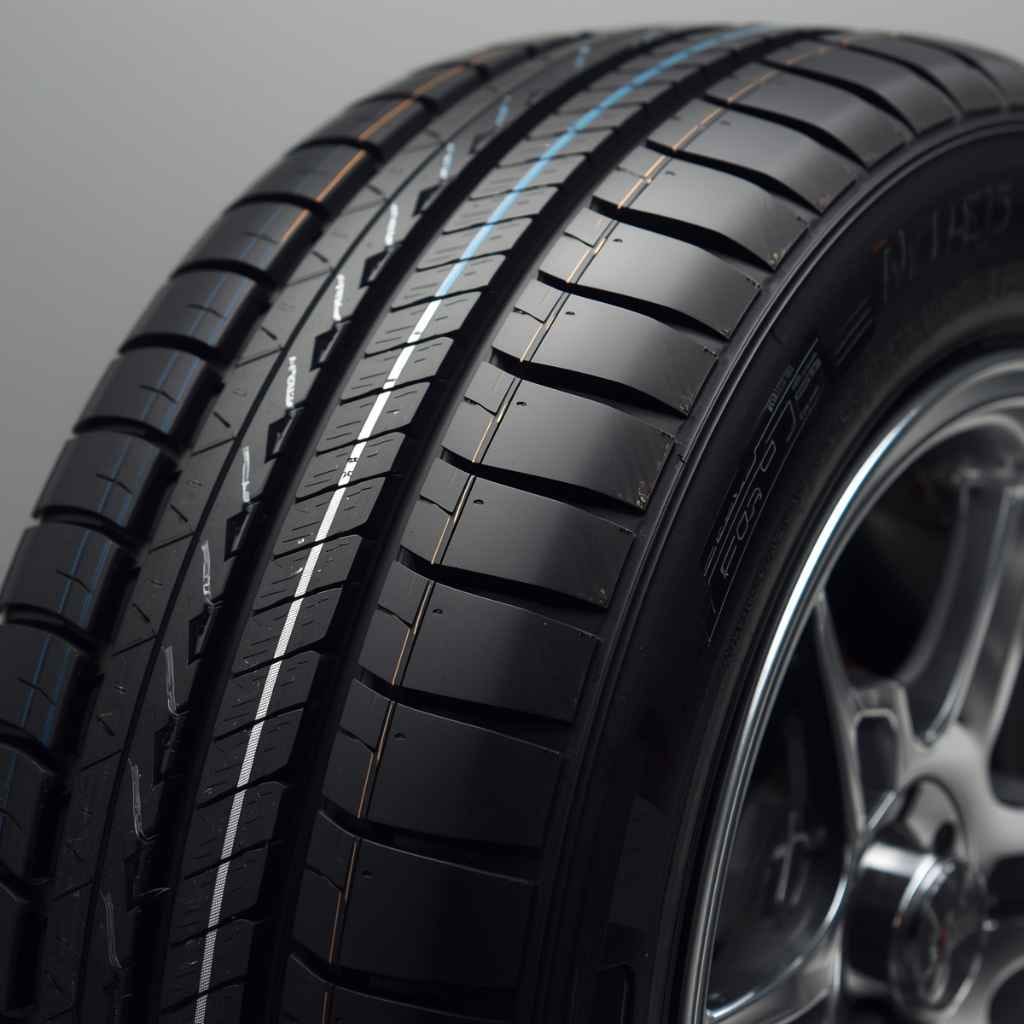
Where to Find Your Car’s Original Tire Information
Most of the time, the information you need is right there on your car or in its documents. You just have to know where to look. It’s not usually hidden away in some super secret place.
Most car owners can find this without needing a mechanic.
The Driver’s Side Doorjamb Sticker
This is the most common spot. Open your driver’s door. Look on the edge of the door or the frame where the door closes.
You’ll see a sticker. This sticker has tons of info. It lists your car’s weight limits.
It also shows the recommended tire size. It will tell you the front and rear tire pressures too. This sticker is your first, and often best, clue to the original tire setup.
The tire size will look something like this: P215/60R16. This tells you the tire’s width, the aspect ratio (how tall the sidewall is compared to its width), the construction type (R for radial), and the rim diameter it fits. Sometimes, it might even list the specific tire model or brand that was originally fitted, but this is less common.
Your Owner’s Manual
Your car’s owner’s manual is like a guidebook for your vehicle. Flip through it. There’s usually a section on tires or wheels.
This section will detail the original tire size and often the recommended types of tires. It might even offer different options if your car came with various trims or packages. Keep this manual safe; it’s a great resource for all sorts of car care questions.
The manual is written by the people who built your car. So, the information in it is accurate for your specific model year. It’s a trusted source.
If you can’t find your physical manual, you can often download a PDF version from the car manufacturer’s website. Just search for your car’s make, model, and year.
The Glove Box and Other Places
Sometimes, other stickers might exist. Check your glove box lid. Look inside the fuel filler door.
Some manufacturers even put a sticker on the inside of the trunk lid. While the doorjamb sticker is the most common, a quick check of these other spots won’t hurt. You never know where that useful piece of information might be hiding.
These extra locations sometimes have slightly different information. They might specify tires for different driving conditions. Or they might list tire options for performance packages.
It’s always worth a few minutes to look around.
Vehicle Identification Number (VIN) Decoder
If you’re really stuck, you can use your car’s VIN. This is a unique 17-character code for your vehicle. You can find it on the dashboard near the windshield or on your insurance card.
There are online VIN decoders. Some of these can tell you a lot about your car’s original specifications, including the original tires. However, this method is less direct for tire info than the stickers.
Using a VIN decoder is more for general build information. It might not always break down the exact tire model. But it can confirm the size.
It’s a good backup if other methods fail. Just make sure to use a reputable VIN decoder website.
Online Resources and Forums
Car communities are incredibly helpful. Online forums dedicated to your car’s make and model can be a goldmine. Owners often share detailed information about their cars.
You can search these forums for discussions about original tires. You might even find someone with the exact same car who has already done the research.
Also, many tire retailer websites have tools where you can enter your car’s make, model, and year. They will show you tires that fit. Sometimes, they will even indicate which tires are the OE fitment for that vehicle.
It’s a good way to cross-reference what you find.
Quick Check: Tire Size Breakdown
Tire Size Format: P215/60R16
- P: Passenger vehicle tire
- 215: Tire width in millimeters
- 60: Aspect ratio (sidewall height is 60% of width)
- R: Radial construction
- 16: Wheel diameter in inches
Why Knowing Your Original Tires Matters
So, you found the original tire size. Great! But why should you care?
Does it really make a big difference what tires you choose now compared to what came on the car years ago? The answer is a definite yes. The original tires were chosen for a reason, and understanding that reason helps you make better choices today.
Performance Characteristics
The OE tires are selected to match your car’s performance goals. If your car is built for speed and handling, the original tires will offer great grip. They will have a stiffer sidewall to help with cornering.
If your car is a luxury sedan, the original tires will likely be designed for a quiet and smooth ride. They might have a softer compound to absorb road noise.
For an SUV or truck, the OE tires might be geared towards durability and load-carrying capacity. They could have a more robust construction. Knowing the original tire type helps you understand the performance characteristics the car manufacturer intended.
You can then decide if you want to replicate that or enhance it.
Safety and Handling
Safety is paramount. Original tires are part of your car’s safety system. They affect braking distance, stability in turns, and how the car behaves in emergencies.
Manufacturers test extensively to ensure the OE tires work well with the car’s anti-lock braking system (ABS), electronic stability control (ESC), and suspension. Using tires that are too different can compromise these systems.
For instance, if your car came with high-performance tires designed for dry grip, but you put on all-season tires with a focus on snow traction, your car might not handle as precisely in warm, dry weather. It’s about balance. The OE choice aims for a good balance for the average driver in typical conditions.
Fuel Efficiency
Tires play a role in your car’s fuel economy. Some tires are designed with low rolling resistance. This means they don’t take as much energy for the car to move them.
Manufacturers often select these types of tires for their vehicles to help meet fuel efficiency standards. If you choose tires with much higher rolling resistance, you might notice your gas mileage drop.
It’s not always a huge difference, but it can add up over time. The original tires were a factor in the MPG ratings you saw when the car was new. Understanding this can help you pick replacement tires that keep your fuel costs in check.
Comfort and Noise Levels
The type of tire you have significantly impacts ride comfort and road noise. Luxury cars often come with tires designed to be exceptionally quiet. They use special tread patterns and construction methods to minimize noise.
Sportier cars might have tires that are a bit louder but offer better road feel and feedback.
If you’re used to a quiet ride, putting on tires known for being noisy might be a disappointing change. Knowing what the car was designed for helps you select replacements that maintain or improve the comfort you expect.
Contrast: OE Tires vs. Aftermarket Choices
Myth: Any tire that fits is fine.
Reality: Original Equipment (OE) tires are specifically chosen by the car manufacturer for optimal performance, safety, and efficiency for that particular vehicle model. Aftermarket tires can be great, but they might change the car’s original characteristics.
Common Original Tire Brands and Types
Many different tire brands produce tires for car manufacturers. The specific brand and model can vary widely based on the car’s make, model, year, and even the region where it was sold. However, some brands are very common as OE fitments.
Major Tire Manufacturers
You’ll often see tires from companies like Michelin, Goodyear, Bridgestone, Continental, Pirelli, and Yokohama as original equipment. These companies have strong relationships with car makers. They produce a wide range of tires designed to meet various needs, from performance to economy.
For example, a luxury German car might frequently come with Continental or Pirelli tires. An American pickup truck could be equipped with Goodyear or Firestone. A Japanese sedan might often feature Bridgestone or Yokohama.
Specific Tire Lines
Car manufacturers don’t just pick a random tire from a brand. They often work with the tire company to develop a specific version of a tire model. This is sometimes called an “OE-spec” or “original equipment specification” tire.
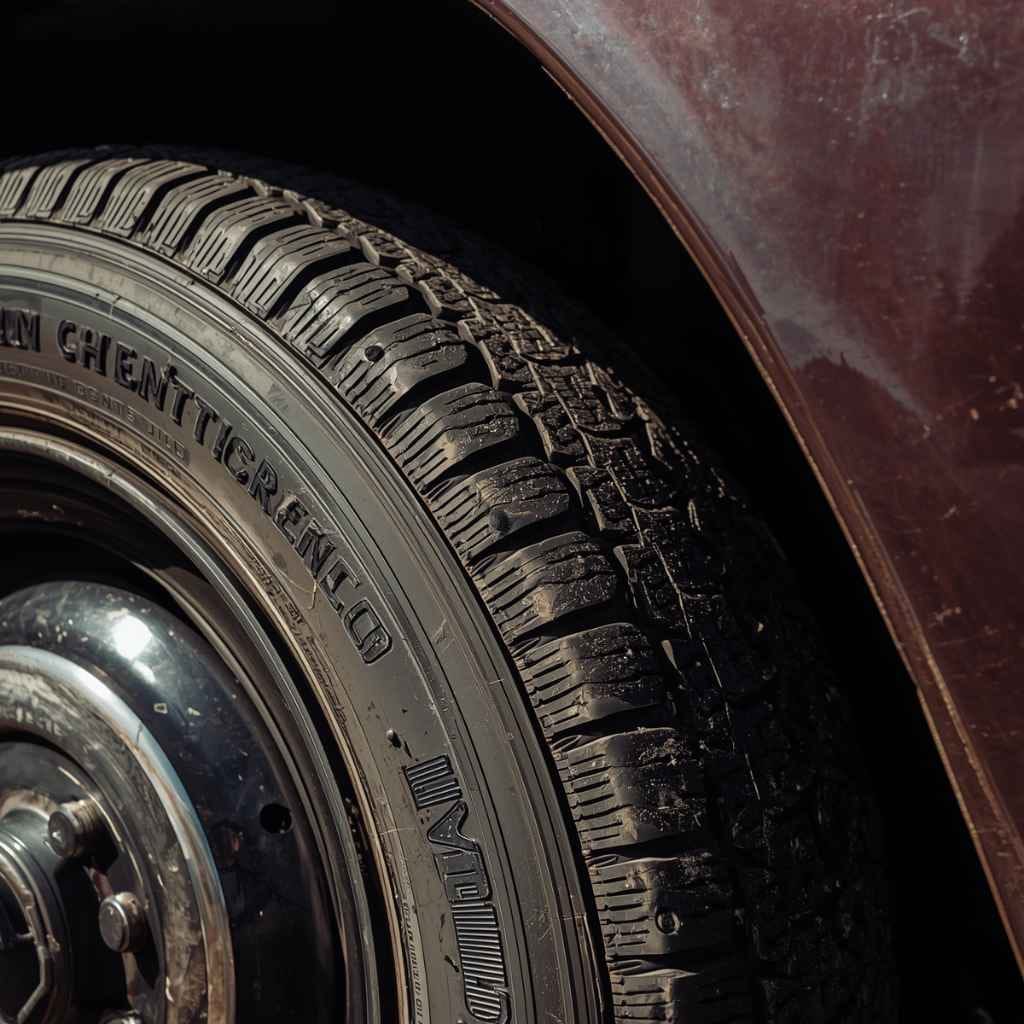
It might have a small mark or code on the sidewall indicating it’s for a particular car maker (e.g., MO for Mercedes, * for BMW, AO for Audi).
These OE-spec tires are tuned to that car. They might have slightly different rubber compounds, tread designs, or internal construction compared to the same tire model sold in the general market. This ensures the performance characteristics are exactly as intended by the car company.
Tire Types Based on Vehicle Segment
The type of tire also depends on the car. Here’s a general idea:
- Economy Cars: Often come with all-season tires focused on durability, fuel efficiency, and a comfortable ride. Brands like Hankook, Kumho, or budget lines from major brands are common.
- Sedans: Typically get all-season touring tires. These offer a good balance of ride comfort, quietness, tread life, and all-weather traction. Michelin, Goodyear, and Bridgestone are frequent choices.
- Sports Cars: Feature high-performance or ultra-high-performance tires. These prioritize grip, steering response, and braking. Pirelli, Michelin Pilot Sport, and Bridgestone Potenza are common.
- SUVs/Crossovers: Usually come with all-season tires designed for longer tread life, a comfortable ride, and moderate off-road or all-weather capability. Continental, Michelin, and Goodyear are popular.
- Trucks: Often equipped with highway terrain (HT) or all-terrain (AT) tires. HT tires are for paved roads and fuel efficiency, while AT tires offer more capability off-road. Goodyear Wrangler, BFGoodrich All-Terrain, and Toyo Open Country are common.
Observational Flow: Finding OE Spec Markings
1. Locate Tire Size: Find the P
2. Inspect Sidewall: Look closely at the sidewall of your current tires.
3. Search for Codes: Hunt for manufacturer-specific codes (e.g., *, MO, AO, K, VW).
4. Cross-Reference: Use these codes to identify the exact OE tire model and spec.
5. Consult Online: Forums or tire retailer sites can help decipher these codes.
When to Deviate from Original Tires
While knowing your original tires is helpful, it doesn’t mean you must buy the exact same tire. Tire technology has advanced significantly. There might be better options available now.
You might also have different needs than the average driver the car was originally intended for.
Upgrading Performance
If you enjoy spirited driving or track days, you might want to upgrade to higher-performance tires than what came stock. Modern performance tires offer superior grip, cornering ability, and braking. This can transform how your car feels and handles.
Just be aware that performance tires often have a shorter lifespan and can be noisier.
You might also consider summer tires if you live in a region where temperatures rarely drop below 45°F and you don’t need snow traction. These offer the best dry and wet grip. However, they wear out quickly and are useless in cold or snowy conditions.
Prioritizing Different Needs
Perhaps your commute has changed, or you now need to drive in conditions the original tires weren’t optimized for. For instance, if your car came with performance tires but you now live in an area with harsh winters, switching to dedicated winter tires (or high-quality all-weather tires) is a smart safety move. Your car might have had fuel-efficient tires, but maybe you need tires that can handle rougher roads or carry heavier loads.
It’s a personal choice based on your driving habits and environment. The key is to understand the trade-offs. If you gain better winter traction, you might lose a bit of dry-road responsiveness.
If you gain tread life, you might sacrifice some quietness.
Budget Constraints
Sometimes, the original equipment tires are premium, expensive options. If your budget is tighter, you might opt for a more budget-friendly tire from a reputable brand that still meets the correct size and load/speed ratings. Many excellent mid-range tires offer good performance and durability without the premium price tag.
However, it’s wise to avoid the absolute cheapest tires. Extremely cheap tires can compromise safety, grip, and longevity. Stick with well-known brands, even if it’s their more affordable line.
Always ensure the new tires meet or exceed the load index and speed rating specified for your vehicle.
Contrast: All-Season vs. Performance Tires
Original Intent: Balanced performance for everyday driving.
Upgrade: Summer/Ultra-High Performance Tires.
Benefit: Superior dry grip, sharper handling, faster acceleration/braking.
Trade-off: Shorter tread life, less quiet, poor cold/snow performance.
Understanding Tire Markings Beyond Size
The tire size is just one piece of the puzzle. There are other important markings on the sidewall that tell you a lot about a tire’s capabilities. These are crucial for selecting the right replacement, even if you’re not sticking to the OE spec.
Load Index and Speed Rating
These are critical for safety. The load index is a numerical code that corresponds to the maximum weight a tire can carry. The speed rating is a letter code indicating the maximum speed the tire can sustain under its rated load.
Your car’s doorjamb sticker or owner’s manual will specify the required minimum load index and speed rating.
For example, a load index of 98 means the tire can carry 1,653 pounds. An ‘H’ speed rating means it’s good for speeds up to 130 mph. Never buy tires with a lower load index or speed rating than what your car requires.
It’s safe to go higher, but not lower.
Treadwear, Traction, and Temperature (UTQG)
On the sidewall, you’ll see three numbers together, like 400 A A. This is the Uniform Tire Quality Grading (UTQG). It’s a government standard:
- Treadwear: A relative rating (e.g., 400, 600, 800). Higher numbers mean the tire is expected to last longer. 400 is average; 800 is very long-lasting.
- Traction: A rating from AA (best) to C. This measures the tire’s straight-line wet braking traction.
- Temperature: A rating from A (best) to C. This measures the tire’s resistance to heat buildup at speed.
While UTQG is useful, remember that treadwear ratings are less standardized between brands than traction and temperature ratings. A 500 treadwear from one brand might wear like a 400 from another.
DOT Code (Date of Manufacture)
The “DOT” symbol means the tire meets all Department of Transportation requirements. Following the DOT code, you’ll find a series of numbers and letters. The last four digits are key: they indicate the week and year the tire was manufactured.
For example, “3223” means the tire was made in the 32nd week of 2023.
Tires degrade over time, even if unused. It’s generally recommended to replace tires that are six years old or older, regardless of tread depth. Buying tires that are several years old, even if they look new, is not a good idea for safety and performance.
Stacked Micro-sections: Key Tire Markings
Load Index: Max weight per tire. Must meet or exceed vehicle spec.
Speed Rating: Max speed tire can handle. Must meet or exceed vehicle spec.
UTQG Treadwear: Durability estimate. Higher is longer life.
UTQG Traction: Wet braking ability. AA is best.
UTQG Temperature: Heat resistance. A is best.
DOT Date Code: Week and year of manufacture. Crucial for age.
Real-World Scenarios and Considerations
Let’s look at how this plays out in everyday situations. Many people don’t think about their tires until there’s a problem, but considering the original intent can save a lot of headaches.
Scenario 1: The Family Sedan
Maria drives a 2018 Honda Accord. When she bought it, it came with Michelin Primacy tires. These are known for being quiet, comfortable, and long-lasting all-season touring tires.
Her commute is mostly highway. She rarely drives in snow but wants decent grip for rain.
Now, her Michelins are worn. She checks the doorjamb sticker: P215/55R17 94V. The original tires were 94V.
She could get the exact same Michelin Primacy model again. Or, she could look at other brands offering similar touring all-season tires. She might also consider a tire with slightly better wet traction if that’s a concern.
What she probably shouldn’t do is buy ultra-high-performance tires. They would be overkill, noisy, and wear out much faster. They wouldn’t offer much benefit for her typical driving.
Sticking close to the original tire’s category ensures she keeps the car’s comfort and efficiency.
Scenario 2: The Sporty Compact Car
David has a 2020 Mazda3 with the sport package. It came with Bridgestone Potenza tires, designed for responsive handling and good grip. He loves the way his car feels on twisty roads.
His Bridgestones are worn. He checks the size: 215/45R18 89W. The original tires were 89W.
He could buy the same Bridgestones. He might also look at other performance tires from Continental or Goodyear. He wants to maintain that sporty feel.
He doesn’t need all-season tires as he lives in California and rarely sees cold weather.
He might be tempted by cheaper all-season tires to save money. But he knows this would dull his car’s sharp handling. The original tires were chosen to make the Mazda3 fun to drive.
He wants to keep that experience. So, he’ll likely stick with a performance-oriented tire.
Scenario 3: The Older SUV
Carlos owns a 2015 Toyota RAV4. It originally came with Bridgestone Ecopia tires. These are focused on fuel efficiency and long tread life.
He uses his SUV for city driving and occasional weekend trips.
His tires are getting old and cracked, even with some tread left. He sees the size: 225/65R17 102H. The original tires were 102H.
He might look for another set of fuel-efficient tires. But he’s also noticed his RAV4 feels a bit less sure-footed in heavy rain lately. He might consider a tire with better wet traction, even if it means a slight drop in fuel economy.
A good all-season tire from a reputable brand would be a safe bet.
He wouldn’t need off-road tires since he never goes off-road. He also doesn’t need extreme performance tires. The goal is to maintain reliable, safe, and reasonably efficient daily transport, similar to the original intent but perhaps with a slight improvement in a specific area like wet grip.
Quick-scan Table: Tire Category Examples
| Car Type | Original Tire Focus | Potential Upgrade/Change |
|---|---|---|
| Economy Car | Fuel Efficiency, Longevity | Improved Wet Grip, Quieter Ride |
| Sedan | Comfort, Quietness, All-Season | Performance Handling, Enhanced Wet Traction |
| Sports Car | Maximum Grip, Steering Response | Track-day Tires, Lighter Weight Wheels |
| SUV/Crossover | Durability, Comfort, All-Weather | All-Terrain, Winter Traction, Load Capacity |
| Truck | Load Capacity, Durability, Off-Road | Highway Comfort, Fuel Efficiency (HT tires) |
What This Means for Your Next Tire Purchase
When you’re ready for new tires, use the information about your original equipment (OE) tires as a starting point. It’s not the only factor, but it’s a very important one. It tells you what the car manufacturer aimed for when they designed and built your vehicle.
Use OE as a Baseline
Think of the original tires as the baseline. They represent a balance of performance, safety, comfort, and cost that the manufacturer deemed appropriate for the average driver of that car. If you are happy with how your car drives, feels, and performs, sticking close to the original tire category is often the best path.
If you find the original tires were a bit loud, you might look for a quieter touring tire. If they wore out too quickly, you might opt for a tire with a higher treadwear rating. If they didn’t handle well in snow, a dedicated winter tire or a better all-weather option is wise.
Consider Your Driving Habits
Be honest about how you actually drive. Do you often push your car to its limits? Or do you mostly drive to work and back?
Do you live in a place with harsh winters, or is it mild year-round? Your daily driving habits should heavily influence your tire choice.
If you rarely drive on highways, you don’t need tires optimized for high-speed stability. If you live in a snowy climate, all-season tires might not be enough; dedicated winter tires can be a lifesaver. Matching the tire to your real-world use is key.
Don’t Ignore Your Budget, But Be Smart
Price is always a factor. However, tires are one of the most critical safety components on your car. They are the only part that touches the road.
Spending a little more on a quality tire from a reputable brand can pay off in terms of safety, longevity, and performance.
Research different brands and models. Read reviews. Ask for recommendations from trusted sources.
Sometimes, a slightly more expensive tire will last much longer, making it more cost-effective in the long run. Compare total cost of ownership, not just the initial price.
Safety Ratings are Non-Negotiable
Always ensure your new tires meet or exceed the load index and speed rating specified for your vehicle. These are safety specifications. Failing to meet them can lead to tire failure, accidents, and void your warranty.
The correct tire size is also essential for proper fit and performance.
When in doubt, consult your owner’s manual or the sticker on your driver’s side doorjamb. If you’re still unsure, a professional tire dealer can help you find tires that are safe and appropriate for your car.
Quick Fixes & Tips
It’s not about quick fixes for tire problems, but rather smart tips for choosing and maintaining them.
- Check Tire Pressure Regularly: Under-inflated tires wear faster and reduce fuel economy. Over-inflated tires can lead to a harsher ride and uneven wear. Use the pressure recommended on your driver’s side doorjamb sticker.
- Rotate Your Tires: Follow your car’s maintenance schedule for tire rotations (usually every 5,000-7,500 miles). This helps them wear more evenly, extending their life.
- Get Wheel Alignment Checked: If your car pulls to one side or your tires show uneven wear patterns (like on just one edge), get your alignment checked. Poor alignment wears out tires quickly.
- Inspect for Damage: Periodically walk around your car and look at your tires. Check for cuts, bulges, embedded objects, or uneven wear. Small issues can become big problems if ignored.
- Consider the Weather: If you live in an area with distinct seasons, consider having two sets of tires: summer/all-season and winter tires. The performance difference in cold or snow is dramatic.
Frequently Asked Questions
What is an OE tire?
OE stands for Original Equipment. An OE tire is a tire that was specifically chosen by the car manufacturer to be fitted to a new vehicle when it’s built. These tires are designed to meet the specific performance, comfort, and safety standards set by the car company for that particular model.
How do I know if my current tires are the original ones?
You can often tell by the wear and age. Look for the DOT code on the tire’s sidewall, which includes the manufacture date (week and year). If the tire is very old (6+ years) or has significantly worn tread, it might be original.
Also, compare the brand and model of your tires to common OE fitments for your car. If you’re unsure, check your owner’s manual or the vehicle’s documentation.
Can I put a different brand of tires on my car than what it came with?
Yes, absolutely! You are not required to buy the exact same brand or model. The key is to ensure the new tires match the correct size, load index, and speed rating specified for your vehicle.
You can choose tires that offer different characteristics, like better fuel economy, improved handling, or enhanced comfort, as long as they meet the safety requirements.
Are OE tires always the best quality?
OE tires are high-quality and specifically engineered for the vehicle. However, tire technology advances rapidly. It’s possible that newer aftermarket tires in the same category might offer improvements in tread life, fuel efficiency, or performance.
OE tires represent a specific balance chosen at the time of vehicle production, not necessarily the absolute pinnacle of current tire technology in every aspect.
What does it mean if my car has different tire sizes front and rear?
Some performance cars or specific models are designed with staggered tire setups. This means the front and rear tires have different sizes. The wider tires are typically on the rear to improve traction and handling for the drive wheels, or to provide better stability.
Always replace tires in pairs (front or rear) and use the exact sizes specified for each axle.
How old is too old for tires, even if they look good?
Tire manufacturers and safety organizations generally recommend replacing tires that are six years old or older, regardless of their tread depth. The rubber compounds in tires degrade over time due to exposure to air, sunlight, and temperature changes. This degradation can compromise the tire’s structural integrity, leading to a higher risk of failure, even if the tread appears to be in good condition.
Conclusion
Understanding your car’s original tires is more than just knowing a size. It’s about grasping the engineering choices made to give you a specific driving experience. Use this knowledge as your guide when it’s time for new tires.
Your car will thank you for it with better performance, safety, and a more enjoyable ride.
See also car tire sounds like helicopter here’s what’s wrong.
Related pick: Check today's price on Amazon