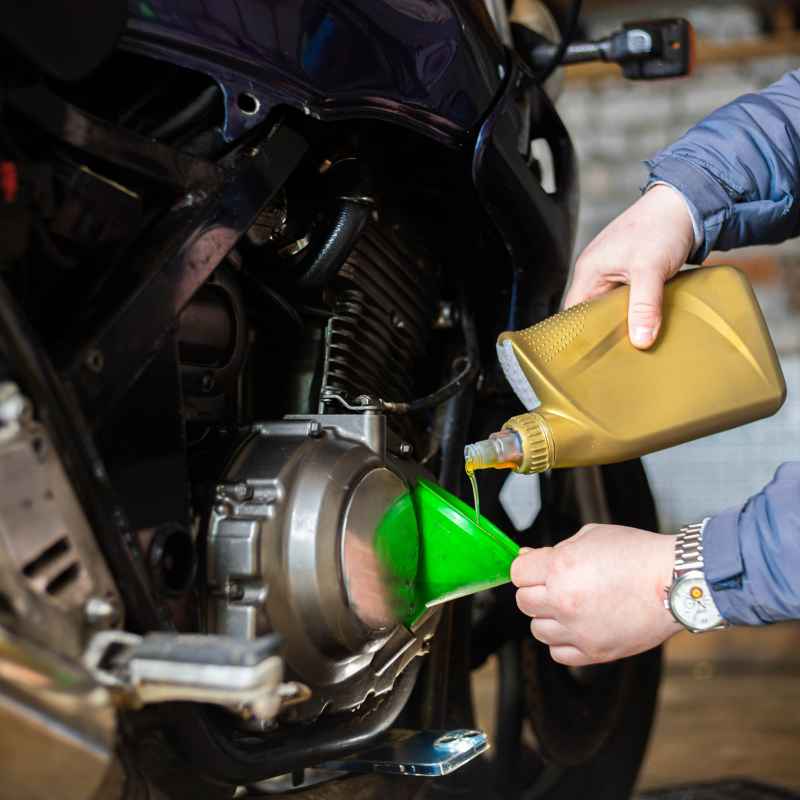
Can You Use Car Engine Oil In A Bike? Read This First
Using car engine oil in a motorcycle is generally not recommended. Motorcycles have unique lubrication needs that car oils don’t always meet. This can lead to engine damage, clutch slippage, and other serious problems for your bike. Always use oil specifically designed for motorcycles.
Understanding Motorcycle Engine Oil
Your motorcycle’s engine is a complex piece of machinery. It’s not just about keeping parts moving. It’s about keeping them cool, clean, and protected. Motorcycle engines are often air-cooled. This means they get hotter than car engines. Car oils are made for liquid-cooled engines. They might not handle the extra heat well.
The oil in a motorcycle also has a few jobs that are different from a car. It has to lubricate the engine’s gears and the clutch plates. Car oil often has friction modifiers. These are great for fuel economy in cars. But they can make motorcycle clutch plates slip. This is a big problem. A slipping clutch means less power goes to the wheel. It can also cause a lot of wear.
The Key Differences in Oil Formulations
So, what’s inside these oils that makes them so different? Let’s break it down.
Viscosity: This is how thick or thin the oil is. Both car and bike oils come in different weights, like 10W-40. But the right weight for your bike is very specific. Using the wrong one can hurt performance and protection.
Additives: This is where the real magic (or trouble) happens. Car oils have additives for things like emission control and fuel efficiency. Motorcycle oils have additives for extreme pressure in the gears. They also have additives to protect the wet clutch.
Detergents: Engine oil cleans as it lubricates. Car oils can have strong detergents. These might be too harsh for motorcycle engine parts. They could wear down seals or coatings faster.
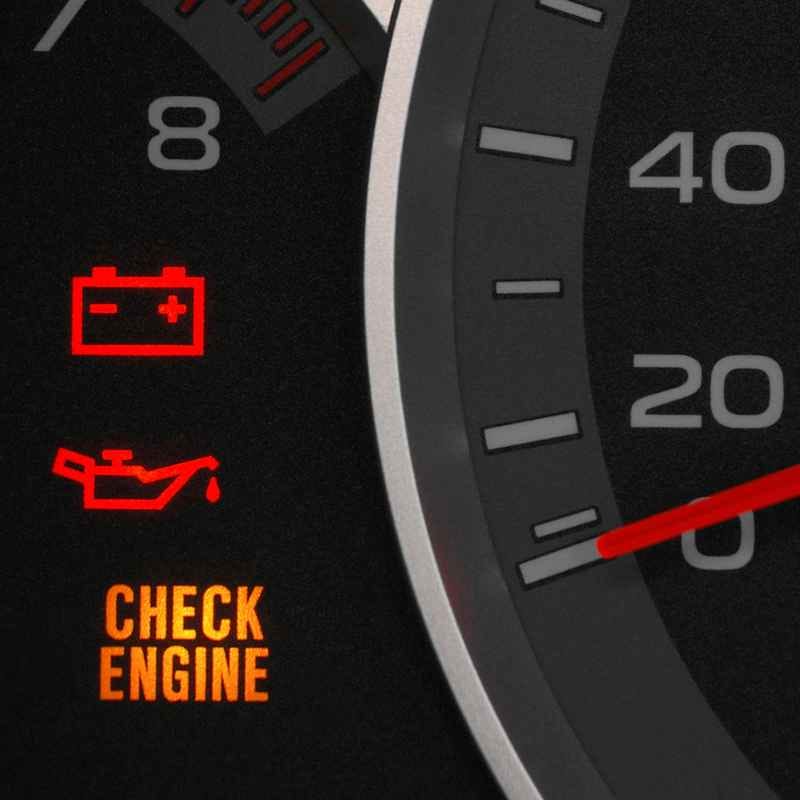
Why Using Car Oil in Your Bike is Risky
You might think, “It’s just a little bit of oil, what’s the harm?” The harm can be significant. It’s like giving a baby aspirin to an adult. It might not do much, but it’s not what they need. And sometimes, it can cause unexpected side effects.
The most common issue is clutch slippage. Imagine trying to run a race with slippery shoes. Your feet can’t grip the ground properly. Your clutch plates work the same way. The additives in car oil can make them too slick. This means your bike won’t accelerate as well. It can also cause the clutch to overheat and wear out much faster.
Another risk is overheating. As we mentioned, motorcycle engines can get very hot. Car oil might break down at these high temperatures. When oil breaks down, it loses its ability to protect. This can lead to increased engine wear. It might even cause parts to seize up. That’s a very expensive repair.
Real-Life Stories: When Things Went Wrong
I remember talking to a fellow rider, Dave. He was on a long road trip. His bike started making a funny noise. He was far from a bike shop. He remembered seeing a jug of car oil at a small gas station. He thought, “It’s just for a few miles, it’ll be fine.”
He added the car oil. The noise seemed to go away at first. But a few hundred miles later, things got worse. His clutch started slipping badly. He couldn’t get enough power to climb hills. Then, the engine started sounding rough. By the time he reached a town, his bike was barely running. The mechanic told him the heat and the wrong oil had damaged his clutch and started stressing the engine. Dave learned a hard lesson that day. It cost him a lot of money and cut his trip short.
In my own early days as a rider, I once made a similar mistake on a dirt bike. I was so focused on getting out for a weekend ride that I grabbed the wrong oil. I didn’t realize it until I was out on the trails. The bike felt sluggish. The clutch was grabby and then started slipping. It wasn’t a dramatic failure, but the difference in performance was clear. I rode it very gently back home, feeling a knot of worry in my stomach. It was a stark reminder that bikes have specific needs.
What Your Motorcycle Actually Needs
Your motorcycle owner’s manual is your best friend. It will tell you exactly what kind of oil your bike needs. It will list the:
Viscosity grade (e.g., 10W-40, 20W-50)
API service classification (e.g., SG, SH, SJ, SL, SM, SN)
JASO standard (e.g., MA, MA1, MA2, MB)
This JASO standard is super important for motorcycles. JASO stands for Japanese Automotive Standards Organization.
Understanding JASO Standards
JASO MA/MA1/MA2: These oils are designed for motorcycles with a wet clutch. They ensure proper clutch engagement and prevent slippage. MA2 is the highest friction specification, offering the best clutch performance.
JASO MB: This is for motorcycles with dry clutches, like some scooters. It often has more friction modifiers because it doesn’t need to worry about the clutch plates. Using MB oil in a wet clutch bike will cause slippage.
Most motorcycles use a wet clutch system. So, you need JASO MA, MA1, or MA2 rated oil. This is what separates motorcycle-specific oil from car oil.
The Role of Motorcycle-Specific Oil
Motorcycle-specific oils are formulated to handle the unique demands of a bike. They are engineered to:
Protect against high temperatures: They resist breaking down in the heat of an air-cooled engine.
Lubricate gears: They handle the pressure and wear on the transmission gears.
Ensure clutch performance: They allow wet clutches to engage smoothly and powerfully.
Keep the engine clean: They have detergents suited for motorcycle engines.
Prevent foaming: Motorcycle engines can churn oil more than car engines. Bike oil is designed to resist foaming. Foaming oil doesn’t lubricate well.
Types of Motorcycle Oil
There are three main types of motorcycle oil. Each has its own benefits and cost.
Motorcycle Oil Types Explained
Mineral Oil
This is the most basic type. It comes from crude oil. It’s the most affordable.
It offers decent protection for older bikes or lower-performance engines. It might need to be changed more often.
Synthetic Blend Oil
This is a mix of mineral oil and synthetic oil. It offers better protection than pure mineral oil. It’s a good middle-ground option.
It provides better performance and stability at higher temperatures.
Full Synthetic Oil
This is the highest quality oil. It’s made in a lab. It offers superior protection against heat and wear.
It stays stable at extreme temperatures. It provides the best performance and longest drain intervals. It’s also the most expensive.
For most modern bikes, especially those ridden hard or in hot climates, synthetic or synthetic blend oils are recommended. They offer the best protection.
What About “Motor Oil” vs. “Engine Oil”?
Sometimes, you’ll see products labeled “motor oil” and others labeled “engine oil.” For cars, these terms are often used interchangeably. But in the motorcycle world, it’s helpful to be precise. You want oil specifically made for your motorcycle’s engine. Many car “motor oils” will clearly state “For Automotive Use Only” or not have the JASO rating. Always check the label carefully.
Common Scenarios and Considerations
Let’s look at some real-world situations where this question might come up.
The Weekend Warrior
You have a bike that sits most of the week. You take it out for a fun ride on Saturday. You notice the oil is a bit low. It’s tempting to top it off with car oil. But even for short rides, the oil’s job is crucial. It lubricates, cools, and cleans. Using the wrong oil, even for a short time, can start a chain reaction of damage.
What’s the best thing to do? If you’re low on motorcycle oil, it’s better to add a small amount of a known good motorcycle oil. If you have absolutely no motorcycle oil, then it’s best to postpone the ride. Think of it as protecting your investment. A few hours waiting is better than weeks of repairs.
The Commuter Bike
Your bike is your daily transport. You put a lot of miles on it. Reliability is key. You cannot afford engine problems. For a commuter bike, using the correct motorcycle oil is non-negotiable. The constant use means the engine oil is working hard every day. It needs the specific protection that only motorcycle oil can provide.
Scooters and Different Clutch Types
Scooters are a bit different. Many scooters use a dry clutch. This means the clutch is not bathed in oil. Some scooters have separate engine oil and transmission oil. Others might use a single oil. If your scooter uses a JASO MB oil, then car oil might be closer to what it needs. However, it’s still best to use the specific scooter oil recommended by the manufacturer. Car oils still have additives that might not be ideal for the scooter’s engine design. Always check your scooter’s manual.
Dry Clutch vs. Wet Clutch: A Quick Look
Wet Clutch: Found in most motorcycles. The clutch plates are bathed in engine oil. This oil must allow the plates to grip strongly when engaged.
It must also allow them to slip smoothly when disengaged. Car oil additives can prevent proper gripping.
Dry Clutch: Found in some cars and specific motorcycles/scooters. The clutch plates operate in the air, not in oil. The engine oil’s job is purely lubrication and cooling of the engine.
However, car oil is still not ideal due to other internal engine factors.
What This Means for Your Bike’s Health
Ignoring the oil type can lead to a slow decline or a sudden catastrophic failure. It’s not about if, but when, problems will arise.
Early Warning Signs
How can you tell if your bike might have the wrong oil?
Clutch Slippage: The most common sign. The engine revs up, but the bike doesn’t speed up as it should. This happens especially when you open the throttle.
Overheating: Your bike might feel hotter than usual. You might notice a change in engine sound. The oil temperature light might come on (if your bike has one).
Increased Engine Noise: Ticking, knocking, or grinding sounds can indicate a lack of proper lubrication.
Sluggish Performance: Your bike just doesn’t feel as responsive. It feels tired.
When to Worry and When It’s Okay
When should you absolutely not use car oil?
Always for wet clutch motorcycles. This is the biggest rule.
If your manual specifies a JASO rating.
If your bike is high-performance or air-cooled.
Is there ever a time when it’s “okay”? In a true emergency, and I mean life-or-death emergency where adding any oil prevents immediate engine seizure, a very small amount of the closest car oil might be a temporary stopgap. However, you must drain and
Quick Checks and Simple Advice
Here’s how to stay on the right track.
Read Your Owner’s Manual
This cannot be stressed enough. Your manual is the ultimate guide. It’s tailored to your specific bike model. It has the most accurate oil specifications.
Know Your JASO Rating
Look for JASO MA, MA1, or MA2 on motorcycle oil bottles. If you see only an API rating (like SN or SP) and no JASO, assume it’s for cars.
Check the Oil Level Regularly
Make it a habit before every few rides. Knowing your oil level is correct means you won’t be tempted to use the wrong thing in a pinch.
What If You Already Used Car Oil?
If you’ve already put car oil in your bike, don’t panic. But act fast.
Emergency Oil Change Steps
1. Drain the Oil: Get the car oil out of your engine immediately. Warm the engine slightly first to help the oil drain better.
2. Replace the Oil Filter: It’s good practice to replace the filter too, especially if the car oil caused any issues.
3. Refill with Correct Motorcycle Oil: Use the oil specified in your owner’s manual. Make sure it has the correct JASO rating.
4. Monitor Performance: Ride gently for a short while. Listen for any unusual noises.
Check that the clutch is engaging properly.
If you notice any signs of problems like clutch slippage or strange engine noises after using car oil, get it checked by a mechanic right away. The sooner you address it, the less likely it is to cause permanent damage.
Common Questions About Motorcycle Oil
Can I use synthetic car oil in my motorcycle?
No, generally not. Even synthetic car oils can contain friction modifiers that harm motorcycle clutches. Always check for a JASO rating (MA, MA1, MA2) on motorcycle-specific oil.
What happens if I use car oil for a very short distance?
You might get lucky and experience no immediate problems, especially if it was just a tiny top-up. However, you risk starting wear or clutch issues. It’s a gamble with your engine’s health.
Is motorcycle oil really that different from car oil?
Yes. Motorcycle oil is designed for higher engine temperatures, shared engine/transmission/clutch systems, and specific clutch needs (wet clutches). Car oil is formulated for different priorities like fuel economy and emissions.
My bike is old. Can I just use any cheap oil?
No. Older bikes still have specific oil needs. Using the wrong oil can accelerate wear on their components. Always refer to your owner’s manual for the correct specifications, even for vintage motorcycles.
What’s the difference between 10W-40 motorcycle oil and 10W-40 car oil?
The main difference is in the additive package. Motorcycle 10W-40 will have additives to protect the clutch and transmission, and to withstand higher temperatures. Car 10W-40 typically has additives for fuel efficiency and emissions, which can cause clutch slip.
Can I mix different brands of motorcycle oil?
It’s generally okay to mix motorcycle oils of the same type (e.g., two full synthetics) and viscosity, as long as they meet the same JASO and API standards. However, it’s always best to stick to one brand and type for optimal performance. Mixing could slightly alter the additive balance.
Conclusion
The temptation to use car engine oil in your bike is understandable. It seems like a simple, readily available solution when you’re in a bind. But the reality is that motorcycles have very specific needs that car oils just can’t meet. From the high heat of air-cooled engines to the delicate balance of a wet clutch, your bike’s lubrication system is a finely tuned machine. Using the wrong oil is like giving it the wrong medicine. It might not kill it instantly, but it will cause stress, damage, and ultimately, shorten its life. Always refer to your owner’s manual and use oil specifically designed for motorcycles. Your bike will thank you for it with reliable performance and a longer life.
Products related to this article
Sponsored / affiliate links. As an Amazon Associate I earn from qualifying purchases. I may earn additional commission from eligible campaigns.