How to Fix Low Engine Oil Pressure in Car: Expert Solutions
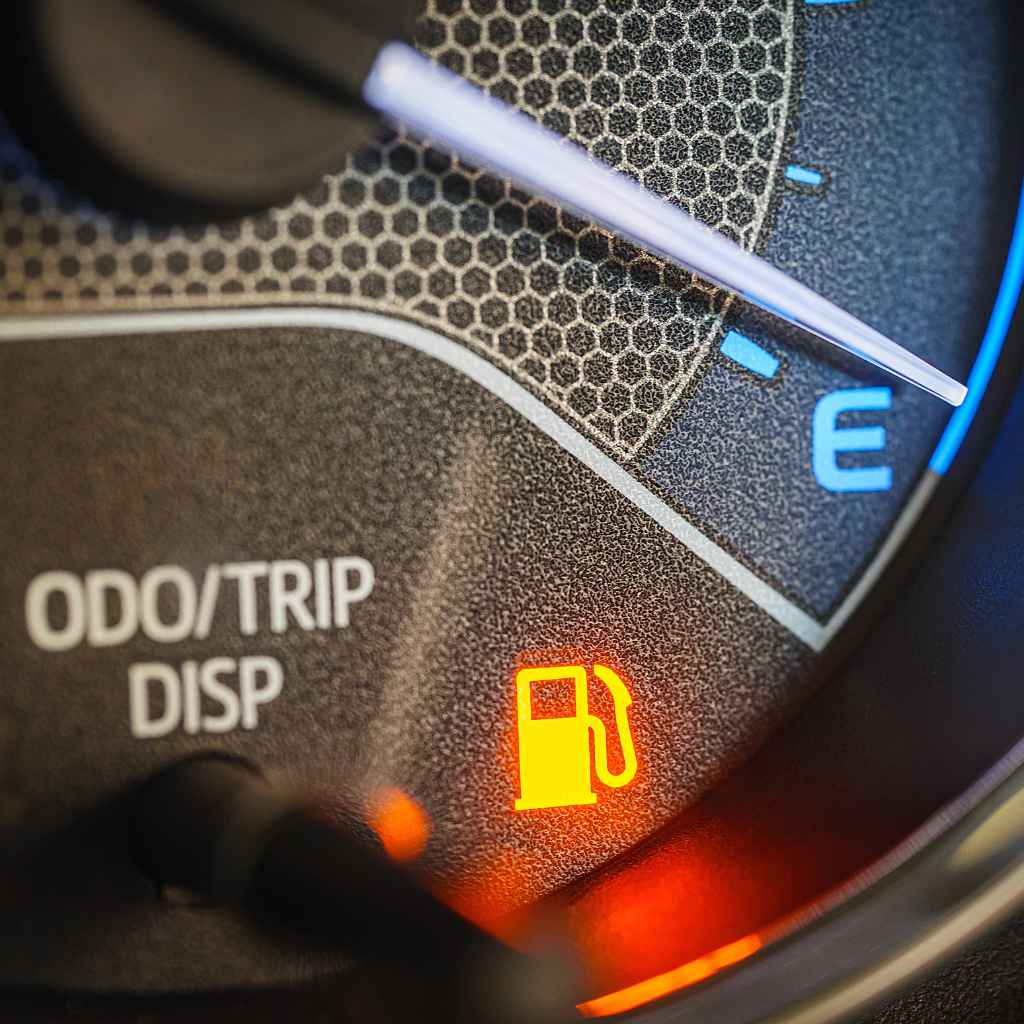
Low engine oil pressure is more than just a warning light on your dashboard. It’s a sign that your car’s engine is at risk of serious damage. Many drivers see the oil pressure warning, feel anxious, and wonder what’s wrong.
The good news is, with the right steps, you can often fix low oil pressure yourself or at least know when to seek expert help. Understanding the causes, symptoms, and solutions will save you money and protect your engine from costly repairs.
This guide will walk you through everything you need to know about how to fix low engine oil pressure in a car. You’ll learn not just the common fixes, but also the hidden issues that most beginners miss. We’ll cover warning signs, step-by-step troubleshooting, repair options, and smart prevention tips. Whether you’re a hands-on car owner or someone who wants to speak confidently with your mechanic, you’ll find practical advice here.
Why Engine Oil Pressure Matters
Engine oil pressure is the force that pushes oil through passages inside your engine. This pressure is essential for keeping moving parts lubricated, reducing friction, and carrying away heat. If oil pressure drops too low, metal parts grind together. This can lead to bearing failure, warped engine parts, or even a seized engine.

Lucas Oil
Lucas Oil 10278 Engine Oil Stop Leak…
- Compatible with petroleum, semi-synthetic, and full synthetic motor oils
- Renews worn seals with no risk of damage or eventual corrosion
- Reduces engine noise and oil consumption, while raising oil pressure
As an Amazon Associate I earn from qualifying purchases.
Most modern cars have an oil pressure warning light or gauge. If you see a warning, it’s important to act fast. Driving with low oil pressure, even for a few minutes, can cause permanent engine damage.
Symptoms Of Low Engine Oil Pressure
Identifying the symptoms early can save you from bigger problems. Here are the most common warning signs:
- Oil pressure warning light on the dashboard
- Engine ticking or knocking noises
- Low oil reading on the dipstick
- Burning oil smell under the hood
- Unusual engine temperature increase
- Reduced engine performance
Not all symptoms appear together. Sometimes, the only sign is the warning light. Ignoring any of these signs increases your risk of a breakdown.
What Causes Low Oil Pressure?
Understanding the root causes helps you fix the issue faster. These are the main reasons for low oil pressure:
- Low engine oil level – Not enough oil in the system.
- Wrong oil viscosity – Oil is too thick or too thin for your car.
- Worn engine bearings – Bearings lose their tight fit, causing leaks.
- Clogged oil filter – Oil cannot flow freely.
- Oil pump failure – The pump doesn’t push oil properly.
- Oil leaks – Oil escapes from seals, gaskets, or pan.
- Blocked oil passages – Sludge or debris restricts oil flow.
- Faulty oil pressure sensor or gauge – Incorrect reading, not a real problem.
Many beginners focus only on oil level, but deeper mechanical issues are often to blame. Sometimes, a combination of problems causes low oil pressure.
Step-by-step: How To Fix Low Engine Oil Pressure
Let’s break down the process of diagnosing and fixing low oil pressure. These steps will help you find and solve the problem safely.
1. Stop Driving And Check Oil Level
When the oil pressure warning light comes on, pull over as soon as it’s safe. Driving with low pressure risks major damage.
- Park on level ground.
- Wait a few minutes for the engine to cool.
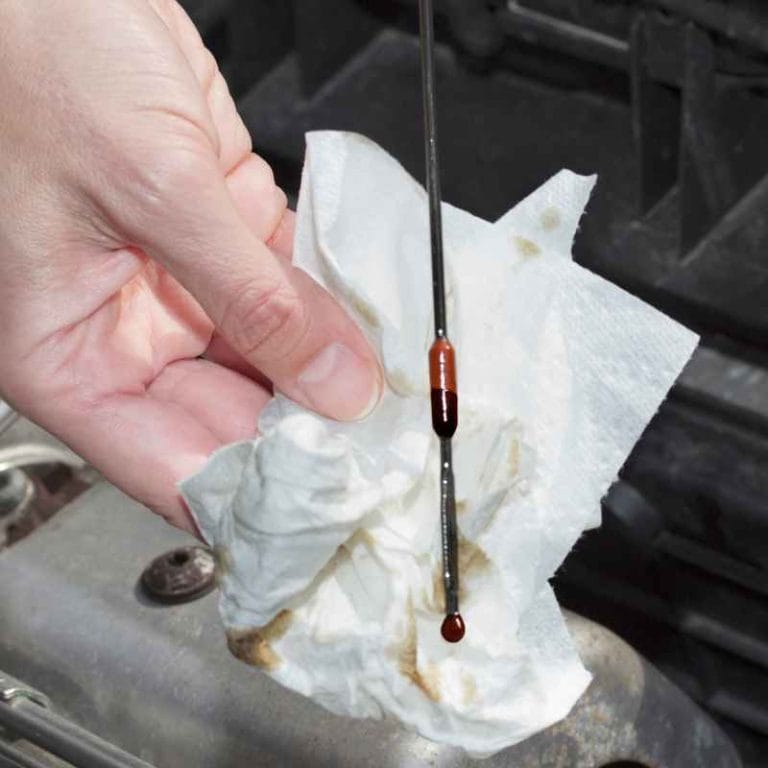
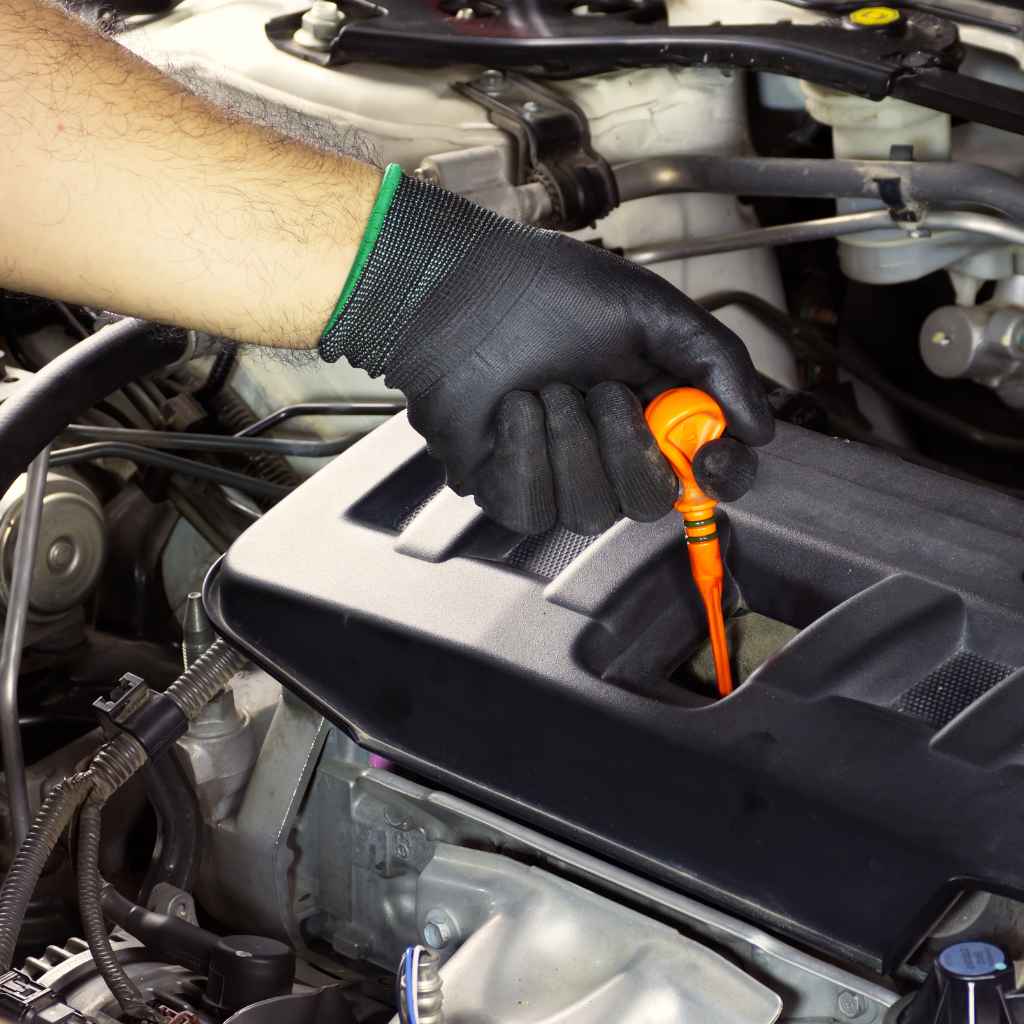
- Pull out the dipstick, wipe it, insert it again, and check the level.
If the oil is below the minimum mark, add the recommended oil type immediately.
2. Inspect For Oil Leaks
Look under your car and around the engine:
- Check for oil spots on the ground.
- Inspect around the valve cover, oil pan, and oil filter.
- Pay attention to burning oil smells.
Even small leaks can cause pressure loss over time.
3. Examine Oil Condition
Dirty or old oil loses its lubricating qualities.
- Wipe some oil between your fingers—look for grit or sludge.
- Oil should be amber or dark brown, not black and sticky.
- If oil is milky, coolant may be leaking into the engine (serious issue).
Change the oil and filter if it’s dirty, contaminated, or overdue.
4. Check Oil Filter And Replace If Needed
A clogged oil filter restricts flow and increases pressure loss.
- Replace the oil filter with a high-quality one recommended for your car.
- Never use a cheap or incorrect filter—it can cause more problems.
5. Verify Correct Oil Viscosity
Oil comes in different thicknesses (viscosity). Check your owner’s manual for the right grade (e. g. , 5W-30).
- Too thin: Oil leaks past worn parts, reducing pressure.
- Too thick: Oil pump struggles to push oil, especially in cold weather.
Drain and refill with the correct oil type if needed.
6. Listen For Unusual Noises
Start the engine and listen closely:
- Ticking or knocking noises often mean poor lubrication.
- If noises get louder as you rev the engine, stop and seek professional help—this could mean bearing wear.
7. Test The Oil Pressure Sensor
Sometimes, the warning is caused by a faulty sensor, not real low pressure.
- Locate the sensor (often near the oil filter).
- Unplug and inspect for oil leaks at the connector.
- Test with a mechanical oil pressure gauge if you’re able.
Replace the sensor if it’s faulty.
8. Inspect The Oil Pump
The oil pump creates pressure. A failing pump can’t circulate oil properly.
- Listen for whining or rattling from the oil pan area.
- Low pressure at idle and normal at higher RPMs often means a weak pump.
- Replacing the oil pump is a complex job—best left to a mechanic unless you’re experienced.
9. Check For Clogged Oil Passages
Engine sludge can block oil passages, especially in high-mileage engines.
- Sludge buildup is common if oil changes are skipped.
- If oil looks thick and sludgy, consider using an engine flush product (follow instructions carefully).
- In severe cases, professional cleaning or engine rebuild may be needed.
10. Assess For Worn Engine Bearings
Worn bearings can cause internal oil leaks, lowering pressure.
- This usually happens in older or poorly maintained engines.
- Signs include persistent knocking sounds and pressure dropping when the engine is hot.
- Repair requires engine disassembly—get a qualified mechanic to check.
Comparing Common Causes Of Low Oil Pressure
Understanding which cause is most likely helps you focus your efforts. Here’s a comparison of the main issues:
| Cause | How to Check | Difficulty to Fix | Repair Cost Estimate (USD) |
|---|---|---|---|
| Low Oil Level | Check dipstick | Easy | $20–$50 |
| Oil Leak | Inspect for drips | Easy–Medium | $50–$300 |
| Clogged Oil Filter | Replace filter | Easy | $10–$40 |
| Wrong Oil Viscosity | Check owner’s manual | Easy | $40–$100 |
| Worn Bearings | Listen for knocking | Hard | $800–$2,000+ |
| Oil Pump Failure | Test with gauge | Hard | $300–$1,000 |
As you can see, some fixes are simple and cheap, while others require major work.
Tools And Products You May Need
Having the right tools makes diagnosing and fixing low oil pressure much easier. Here are some useful items:
- Oil filter wrench – For removing and installing filters
- Socket set – For oil pan and sensor removal
- Mechanical oil pressure gauge – For accurate pressure readings
- Oil catch pan – To avoid spills during oil changes
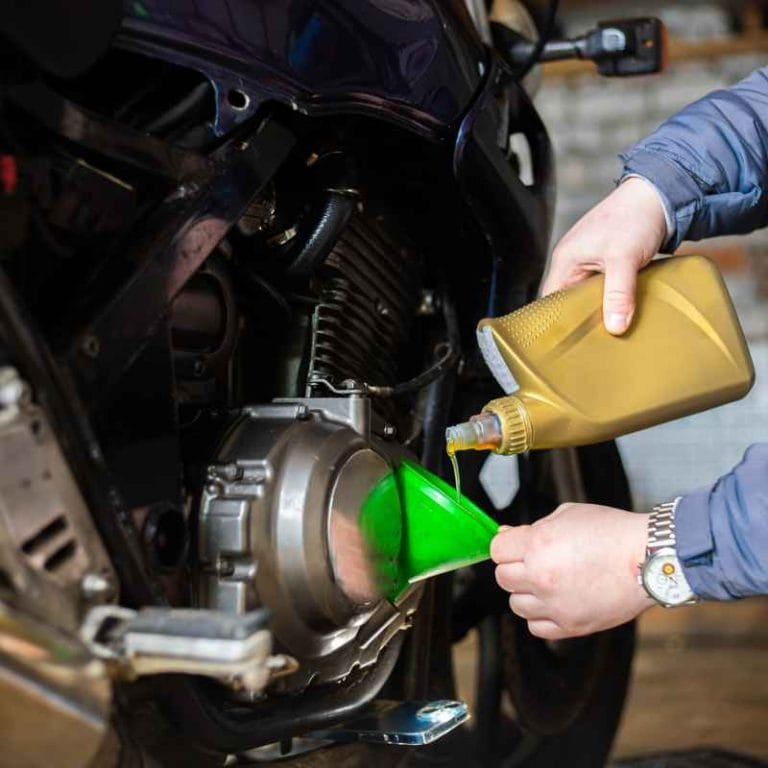
- Funnel – For adding oil cleanly
- Clean rags – For wiping dipsticks and spills
- Owner’s manual – For correct oil type and specifications
Most repairs can be done with basic tools, but advanced fixes (like oil pump or bearing replacement) require more skill and equipment.
Step-by-step: Performing An Oil Pressure Test
A mechanical oil pressure gauge gives the most accurate readings. Here’s how to use one:
- Locate the oil pressure sensor (usually near the oil filter).
- Remove the sensor using a wrench.
- Screw in the mechanical gauge in place of the sensor.
- Start the engine and watch the gauge at idle and higher RPMs.
- Compare readings to specifications in your manual (most engines: 20–40 psi at idle, 40–60 psi at driving speeds).
- Turn off the engine and reinstall the sensor.
If the pressure is low across all RPMs, the problem is likely internal (pump, bearings, or passages). If normal, your sensor or wiring is likely faulty.
How Oil Viscosity Affects Pressure
Many car owners don’t realize how much oil thickness impacts pressure. Here’s a quick comparison:
| Oil Viscosity | Cold Start Pressure | Hot Engine Pressure | Risk of Low Pressure |
|---|---|---|---|
| Too Thin (e.g. 0W-20 in hot climate) | Normal | Low | High |
| Too Thick (e.g. 20W-50 in winter) | High | Normal/Low | Medium |
| Correct (per manual) | Normal | Normal | Low |
Always check your manual for the correct oil for your car and climate.
Hidden Problems Beginners Miss
Many first-time DIYers only look at the oil level and filter. But two common, often missed issues are:
- Faulty oil pressure relief valve: This valve controls maximum pressure. If stuck open, it dumps oil back to the pan, lowering pressure. It’s usually inside the oil pump and rarely checked unless the pump is replaced.
- Internal engine sludge: Sludge can block small passages, especially in turbocharged engines or cars with infrequent oil changes. Symptoms can be subtle at first, like pressure dropping only at idle. An engine flush or professional cleaning may be needed.
Ignoring these can lead to repeated low pressure problems, even after basic repairs.
When To Call A Professional
Some oil pressure problems are too complex for most car owners. Call a mechanic if:
- Oil pressure stays low after oil and filter change
- You hear loud engine knocking or rattling
- There’s a sudden drop in pressure while driving
- Oil is milky (possible coolant leak)
- DIY repairs do not solve the problem
Professional shops have special tools to check for internal leaks, worn bearings, and pump problems. They can also do leak-down tests and inspect for engine wear.
Preventing Low Oil Pressure In The Future
Regular maintenance is the best way to avoid low oil pressure. Here’s how:
- Change oil and filter at recommended intervals (usually every 5,000–7,500 miles).
- Check oil level monthly, especially before long trips.
- Use the right oil viscosity for your car and climate.
- Replace the oil filter with each oil change.
- Inspect for leaks at least twice a year.
- Fix leaks quickly—small drips add up over time.
- Avoid cheap or counterfeit oil—always use trusted brands.
- Listen for engine noises—catch problems early.
Doing these steps extends engine life and gives you peace of mind.
Real-world Example
A 2012 Honda Accord driver noticed the oil pressure light flickering at stoplights. He checked the oil level—normal. The oil was overdue for a change, and the filter was clogged with sludge. After a full oil and filter change with the correct 5W-20 oil, pressure returned to normal.
Another driver with a high-mileage Ford F-150 had the warning light and knocking noise. Changing oil and filter made no difference. A mechanic found worn engine bearings. The repair cost over $1,500. Early action could have saved the engine.
These stories show why it’s important to act fast and check more than just the oil level.
Common Mistakes To Avoid
Even experienced car owners make mistakes when fixing low oil pressure:
- Ignoring the warning light: Delaying repairs always leads to more damage.
- Using the wrong oil: Even one oil change with incorrect viscosity can harm your engine.
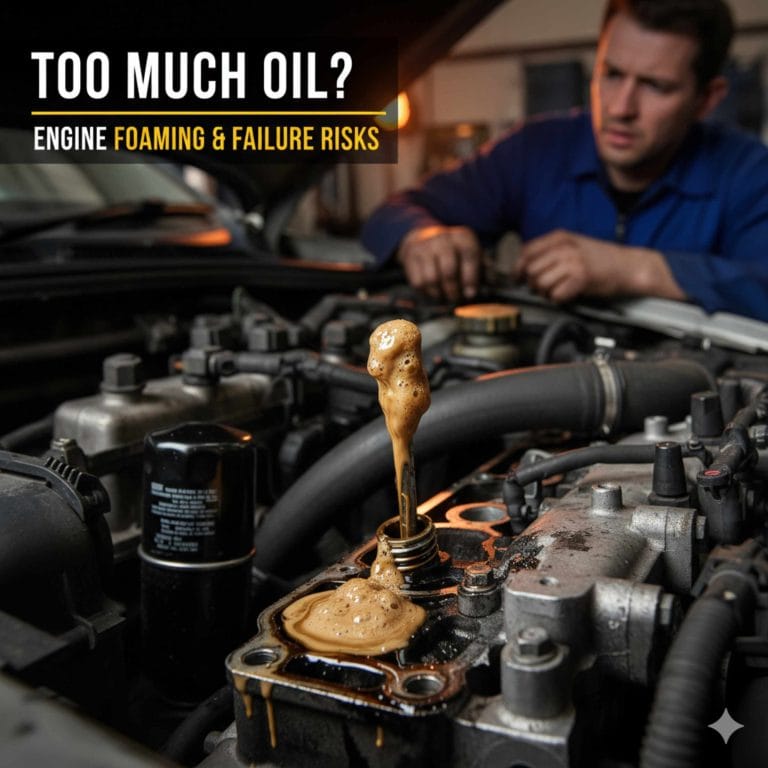
- Overfilling the oil: Too much oil can foam, reducing pressure and causing leaks.
- Skipping the filter: Old filters restrict flow and bypass dirty oil.
- Trusting only the sensor: A faulty sensor gives false warnings or hides real problems.
Double-check your work, and when in doubt, get a second opinion.
Cost Of Ignoring Low Oil Pressure
Driving with low oil pressure is risky. Here’s what can happen:
- Engine bearing failure: $800–$2,000 repair
- Crankshaft damage: $1,500–$3,000
- Seized engine: $3,000–$7,000+ (full replacement)
- Reduced car value: Harder to sell, lower trade-in value
Fixing the problem early is always cheaper than waiting for a breakdown.
How Mechanics Diagnose Low Oil Pressure
Professional mechanics use a step-by-step process:
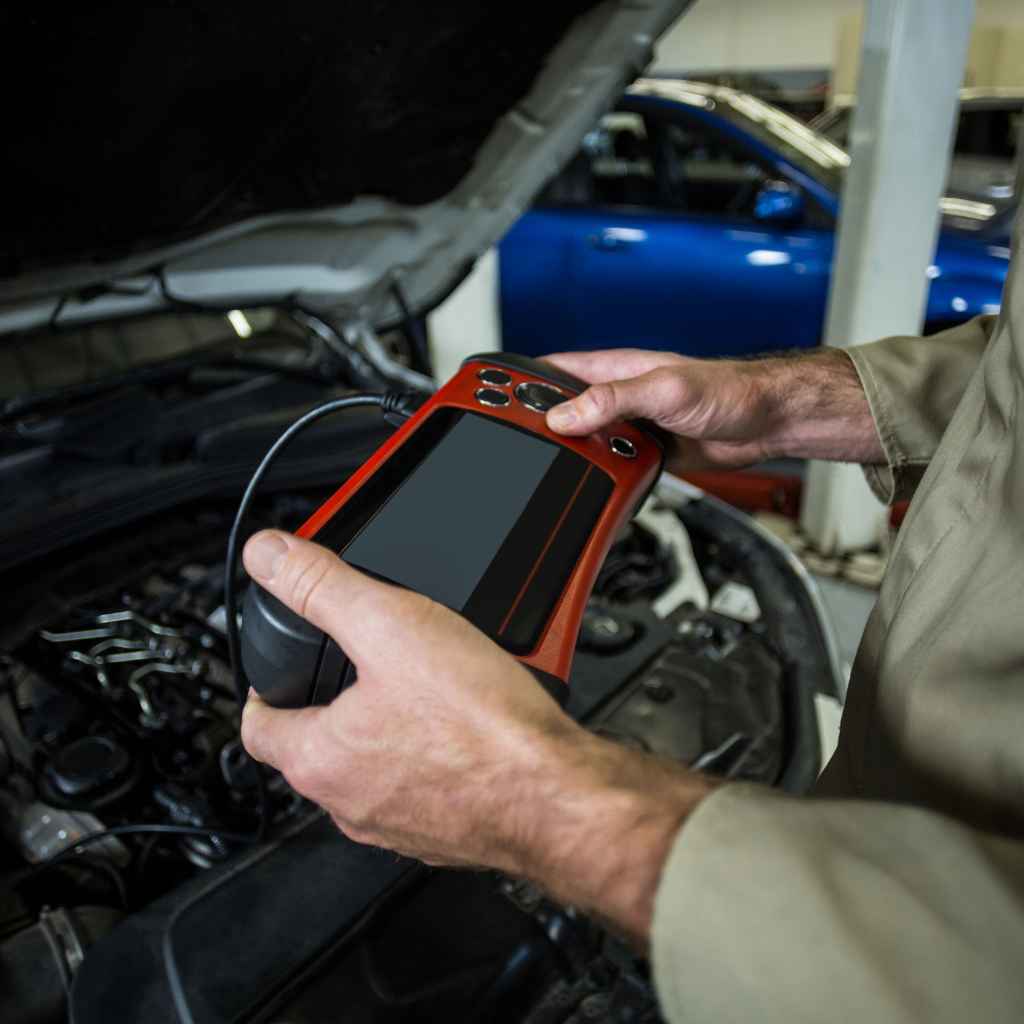
- Scan the car’s computer for error codes.
- Visually inspect for leaks and damage.
- Check oil level and condition.
- Test pressure with a mechanical gauge.
- Inspect the oil filter and replace if clogged.
- Assess internal engine condition if all else fails.
This process helps them find the root cause quickly and avoid guesswork.
How Long Can You Drive With Low Oil Pressure?
Most experts agree: Do not drive with low oil pressure. Even a few minutes can cause engine damage. If the warning light comes on, stop as soon as safe, check the oil, and fix the issue before driving again.
Quick Reference: What To Do When Oil Pressure Light Comes On
Here’s a summary for fast action:
- Pull over safely.
- Check oil level.
- Add oil if low.
- If level is normal, do not drive—call for help.
- Fix the root cause before driving further.
When It’s Safe To Drive After Fixing
After fixing the cause (oil change, filter, sensor, etc.), start the engine and watch the warning light or gauge:
- If the light stays off and pressure is normal, you can drive.
- If the warning returns, shut off the engine and get a professional diagnosis.
Never ignore repeat warnings.
Where To Learn More
For more technical details and repair guides, visit the Wikipedia page on engine oil pumps.
Frequently Asked Questions
What Is The Most Common Cause Of Low Engine Oil Pressure?
The most common cause is low oil level due to leaks or not enough oil added during maintenance. Other frequent causes are a clogged oil filter or using the wrong oil viscosity.
Can I Just Add Oil To Fix Low Pressure?
If the oil is low, adding more may fix the issue. But if pressure stays low after adding oil, there may be a deeper problem, such as a worn pump, clogged filter, or bearing wear. Always investigate further if the light stays on.
How Often Should I Change Oil To Prevent Low Pressure?
Most manufacturers recommend every 5,000–7,500 miles for modern cars, but always check your manual. Severe driving (towing, short trips, extreme temperatures) means you should change oil more often.
Is It Safe To Use Engine Oil Additives For Low Pressure?
Some additives claim to boost oil pressure by thickening oil or cleaning sludge. They can help in mild cases, but are not a substitute for fixing mechanical problems. Only use products recommended by your manufacturer.
What Happens If I Ignore The Oil Pressure Warning Light?
Ignoring the warning can lead to engine bearing failure, crankshaft damage, or a seized engine. Repairs are expensive—often more than the car’s value. Always act quickly if the light comes on.
Taking low engine oil pressure seriously protects your car and your wallet. With these steps, you’re ready to diagnose, fix, and prevent this common but serious problem.
Related pick: Check today's price on Amazon
Products related to this article
Sponsored / affiliate links. As an Amazon Associate I earn from qualifying purchases. I may earn additional commission from eligible campaigns.