Check Engine Light On: Flashing Means Pull Over Now
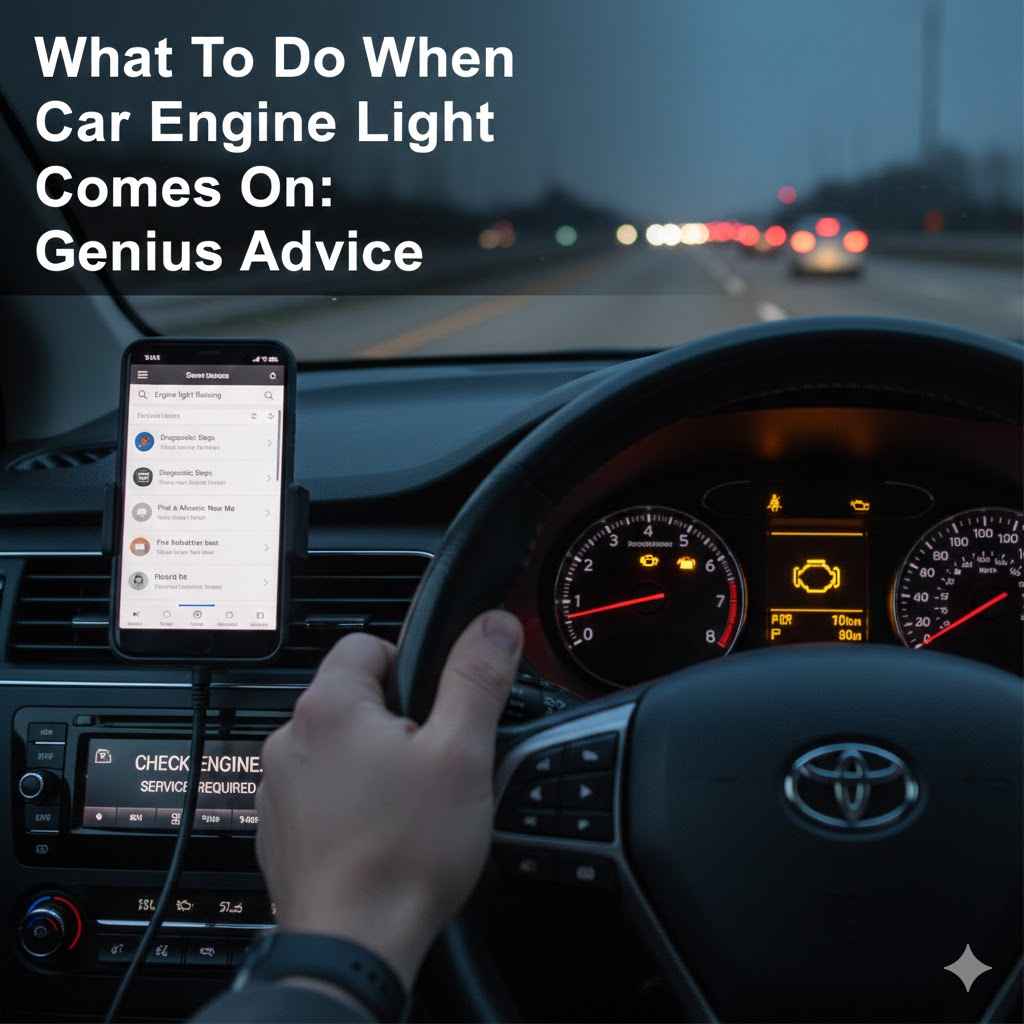
When your check engine light comes on, don’t panic. First, check for serious issues like strange noises or smoke. If the car feels normal, tighten your gas cap. A solid light means you should get the car checked soon. A flashing light signals a serious problem, so pull over safely and call for help.
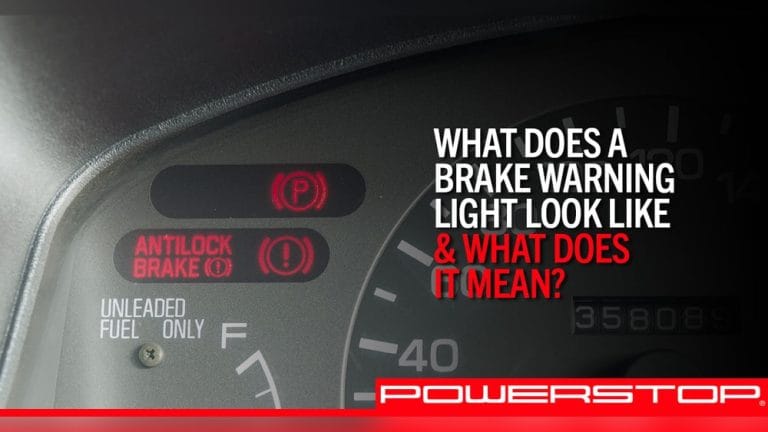
That little glowing light on your dashboard can feel like a big problem. It’s shaped like an engine, and it’s usually yellow or orange. Seeing it pop on can make your heart sink. You might worry about big repair bills or getting stranded on the side of the road. But I’m here to tell you that it’s going to be okay.
The check engine light is your car’s way of talking to you. It’s telling you that it has noticed something is not quite right. It could be something very simple, or it could be more serious. In this guide, I’ll walk you through what to do, step by step. You’ll learn how to stay calm and figure out what your car needs. Let’s get you back on the road with confidence.
First Things First: Don’t Panic!
The moment that light appears, take a deep breath. Panicking won’t help you or your car. Your first job is to become a detective and observe what your car is doing. Pay attention to how it feels and sounds. This will give you important clues.
Best OBD2 Scanner Pick
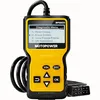
MOTOPOWER Basic OBD2 Scanner – $19.99
The affordable OBD-II scanner option this guide names for reading your own trouble code before deciding whether to see a mechanic.
- Best for: reading the trouble code yourself for the first time
- Why we picked it: matches this guide’s own point that a basic scanner is surprisingly affordable
- Main drawback: basic code reading only, no live data or advanced features
Compare more OBD2 scanner options
 Option 1 VDIAGTOOL VD10 OBD2 Scanner – $15.99
|
 Option 2 ANCEL AD410 Enhanced OBD2 Scanner – $38.96
|
 Option 3 BlueDriver Pro Bluetooth OBD2 Scanner – $94.95
|
As an Amazon Associate we earn from qualifying purchases.
Is the Light Solid or Flashing?
This is the most important question you need to answer right away. The check engine light has two main modes, and they mean very different things.
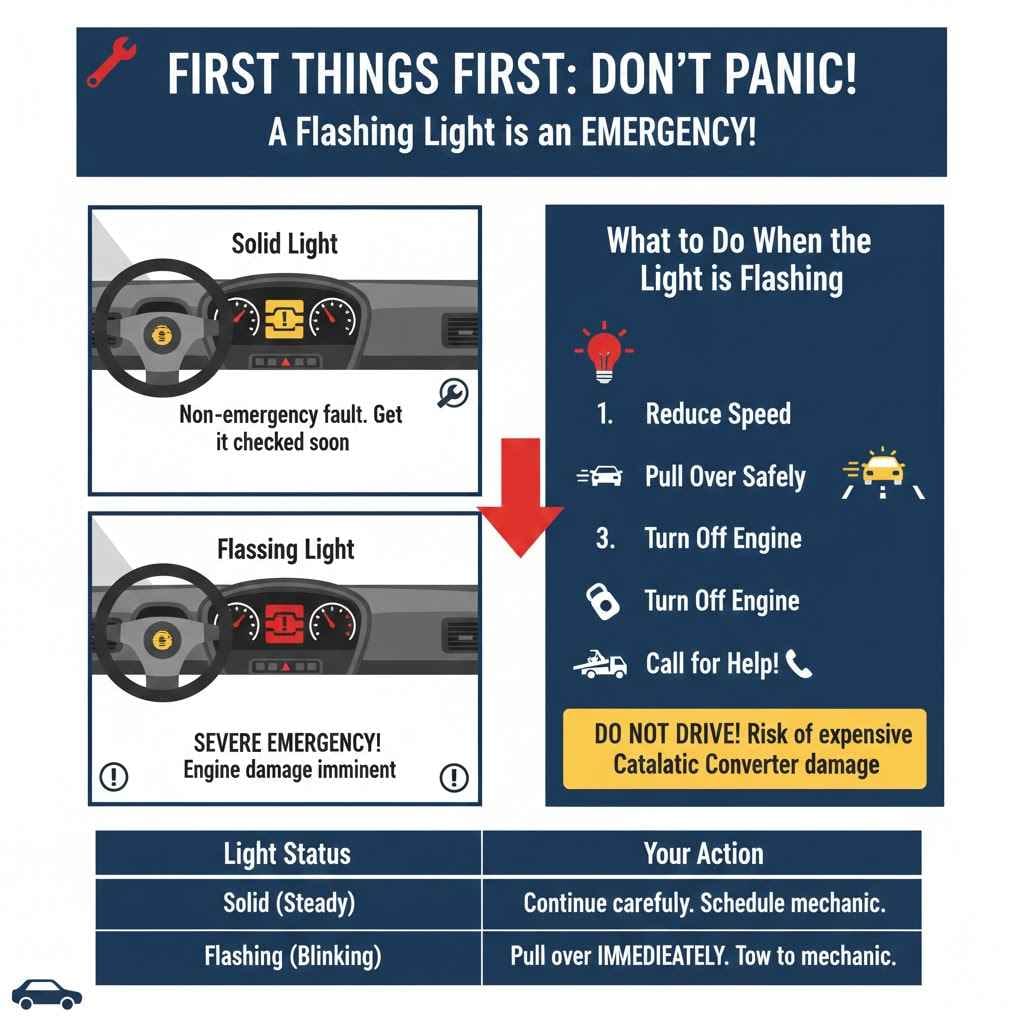
- A Solid Light: This is the most common situation. A steady, solid light means your car’s computer has found a fault. It’s a “heads-up” signal. The issue is not an emergency, but you should get it checked out soon. You can usually continue driving, but pay close attention to how the car performs.
- A Flashing Light: A blinking or flashing check engine light is a serious warning. It signals a severe problem that could cause major damage to your engine or catalytic converter if you keep driving. This is an emergency.
What to Do When the Light is Flashing
If you see a flashing check engine light, you need to act immediately to protect your car from expensive damage.
- Reduce Your Speed: Gently ease off the gas pedal. Avoid hard acceleration.
- Pull Over Safely: Find the nearest safe place to pull over, like a parking lot or the shoulder of the road. Turn on your hazard lights.
- Turn Off the Engine: Once you are safely stopped, turn off your car.
- Call for Help: Do not drive the car any further. Driving with a flashing check engine light can ruin your catalytic converter, a repair that can cost thousands of dollars. Call a tow truck to take your car to a trusted mechanic.
| Light Status | What It Means | Your Action |
|---|---|---|
| Solid (Steady) | A non-emergency fault was detected. | Continue driving carefully. Schedule a check-up with a mechanic soon. |
| Flashing (Blinking) | A severe, urgent problem is happening (often a misfire). | Pull over immediately and safely. Turn off the engine and call for a tow. |
Step 1: Perform These Quick, Simple Checks
If the light is solid and the car seems to be driving fine, there are a few simple things you can check yourself before heading to a mechanic. Sometimes, the fix is incredibly easy and costs you nothing!
Check Your Gas Cap
This is the most common—and happiest—reason for a check engine light to turn on. A loose, cracked, or missing gas cap can cause fuel vapors to leak out. This breaks the seal in the fuel system, which your car’s computer will notice. It will then trigger the light.
Here’s what to do:
- Pull over when it’s safe.
- Turn off your car.
- Check your gas cap. Is it on tight? Unscrew it and then screw it back on until you hear it click several times.
- If the cap looks cracked or the rubber seal is damaged, you’ll need a new one. They are inexpensive and easy to find at any auto parts store.
After tightening or replacing the cap, the light won’t turn off immediately. You may need to drive for a day or two before the car’s computer re-checks the system and turns the light off. So be patient!
Look for Other Obvious Problems
Take a quick look around and under your car. Do you see any leaks on the ground? Do you hear any strange noises, like hissing, clanking, or squealing? Does the car feel different when you drive? Is it shaking, losing power, or stalling? Answering these questions can provide valuable clues to your mechanic, or even help you pinpoint the issue yourself.
Step 2: Find Out What the Car Is Trying to Tell You
Your car has a built-in computer system called the On-Board Diagnostics system, or OBD-II. This system monitors all the important parts of your engine and emissions system. When it finds a problem, it turns on the check engine light and stores a special “trouble code” in its memory. This code is the key to figuring out what’s wrong.
To read this code, you need a special tool called an OBD-II scanner. You have a few options for getting the code read.
Option 1: Buy Your Own OBD-II Scanner
For car owners who want to be more involved, buying an OBD-II scanner is a fantastic investment. They are surprisingly affordable, with basic models costing as little as $20. You can find them online or at any auto parts store.
How it works:
- Locate your car’s OBD-II port. It’s usually under the dashboard on the driver’s side.
- Plug the scanner into the port.
- Turn your car’s key to the “On” position, but don’t start the engine.
- Follow the scanner’s instructions to read the codes. It will display a code that starts with a letter, followed by four numbers (e.g., P0420).
Owning a scanner empowers you. You can check the codes yourself anytime the light comes on, giving you valuable information before you even talk to a mechanic.
Option 2: Visit an Auto Parts Store
Many major auto parts stores (like AutoZone, Advance Auto Parts, and O’Reilly Auto Parts) offer a free check engine light scanning service. This is a great no-cost option.
Just drive to the store and ask an employee to scan your car. They will plug in their scanner and give you the trouble code. They may even be able to tell you what the code means and what parts might be needed to fix it. This is a friendly, helpful service that can save you a diagnostic fee at a repair shop.
Option 3: Go to a Mechanic
If you’re not comfortable with the other options, you can always take your car to a trusted mechanic. They will have advanced diagnostic tools that can not only read the code but also perform deeper tests to find the exact cause of the problem. While they will charge a diagnostic fee for this service, it is the most thorough way to get an accurate diagnosis.
Step 3: Understand the Most Common Trouble Codes
Once you have the code, you can start to understand the problem. A quick search online for your specific code (e.g., “P0301 Toyota Camry”) will give you a wealth of information. Here are some of the most common issues that trigger the check engine light, explained in simple terms.
Faulty Oxygen Sensor (O2 Sensor)
Your oxygen sensor measures the amount of unburned oxygen in your car’s exhaust. This information helps your car’s computer adjust the fuel mixture to be as efficient as possible. When an O2 sensor fails, the computer gets bad information. This can cause your car to burn more fuel and can damage your catalytic converter over time. Replacing an O2 sensor is a common repair.
Bad Spark Plugs or Ignition Coils
Spark plugs create the spark that ignites the fuel in your engine. Ignition coils provide the electricity for the spark plugs. If either of these parts fails, your engine can “misfire,” which means the fuel in one of the cylinders isn’t burning properly. This is what often causes a flashing check engine light. You might feel the car shuddering or hesitating when you accelerate. Replacing spark plugs is part of regular maintenance, but it’s often overlooked.
Failing Catalytic Converter
The catalytic converter is a critical part of your car’s exhaust system. Its job is to convert harmful gases like carbon monoxide into less harmful substances. According to the Environmental Protection Agency (EPA), a functioning catalytic converter is essential for controlling vehicle emissions. If it fails, your car will pollute more, and you won’t pass an emissions test. A failing catalytic converter is often the result of another problem, like bad spark plugs or a faulty O2 sensor, so it’s important to fix the root cause too.
Mass Airflow (MAF) Sensor Issues
The MAF sensor measures the amount of air entering the engine. Just like the O2 sensor, this information is crucial for the computer to calculate the right amount of fuel to inject. If the MAF sensor is dirty or fails, it can cause a wide range of problems, from poor fuel economy to stalling. Sometimes, simply cleaning the MAF sensor can solve the problem.
Loose or Faulty Gas Cap
As we mentioned earlier, this is a very common and simple fix! The gas cap is a key part of the evaporative emission control (EVAP) system, which prevents gasoline vapors from escaping into the atmosphere. A loose cap is a system leak, triggering the light.
A Simple Table of Common Problems
| Problem | Common Code Range | What It Feels Like | DIY Difficulty |
|---|---|---|---|
| Loose Gas Cap | P0455, P0457 | Usually no symptoms. | Very Easy |
| Bad Oxygen Sensor | P0130 – P0167 | Worse fuel mileage, may run rough. | Moderate |
| Bad Spark Plugs / Coils | P0300 – P0312 | Rough idle, shaking, poor acceleration. (Can cause flashing light). | Easy to Moderate |
| Failing Catalytic Converter | P0420, P0430 | Loss of power, rotten egg smell from exhaust. | Difficult (Pro Recommended) |
| Faulty Mass Airflow Sensor | P0100 – P0104 | Rough idle, stalling, poor acceleration. | Easy (Cleaning) to Moderate (Replacing) |
Step 4: Decide on Your Next Move – DIY or Pro?
With the trouble code in hand, you have a big decision to make: should you try to fix it yourself, or should you take it to a professional mechanic? The right choice depends on the problem, your comfort level with tools, and your budget.
Easy Fixes You Can Probably Do Yourself
Many check engine light issues are perfect for beginners. If you have a few basic tools and are willing to watch a tutorial video, you can save a lot of money on labor costs.
- Tightening or Replacing the Gas Cap: This is the easiest fix of all. No tools needed!
- Replacing the Engine Air Filter: A clogged air filter can sometimes trigger a MAF sensor code. Replacing it is usually as simple as opening a box and swapping the old filter for a new one.
- Cleaning the Mass Airflow Sensor: If the MAF sensor is just dirty, you can often clean it with a special spray cleaner. This is a simple job that can save you from buying a new part.
- Replacing Spark Plugs: On many cars, especially those with 4-cylinder engines, changing spark plugs is a straightforward job that requires only a few specific tools.
When to Call a Professional Mechanic
Some jobs are best left to the experts. If the problem is complex, requires expensive specialty tools, or involves safety systems, a mechanic is your best bet.
- If the Light is Flashing: As mentioned, this is an emergency. Get it to a pro right away.
- Catalytic Converter Replacement: This is a big, expensive job that often involves cutting and welding exhaust pipes.
- Internal Engine or Transmission Problems: Codes that point to issues inside the engine or transmission are complex and require a skilled technician.
- Anything You’re Not Comfortable With: There is no shame in knowing your limits. If a repair seems too complicated or you’re worried about making things worse, a good mechanic is worth their weight in gold. Peace of mind is priceless.
How to Reset the Check Engine Light
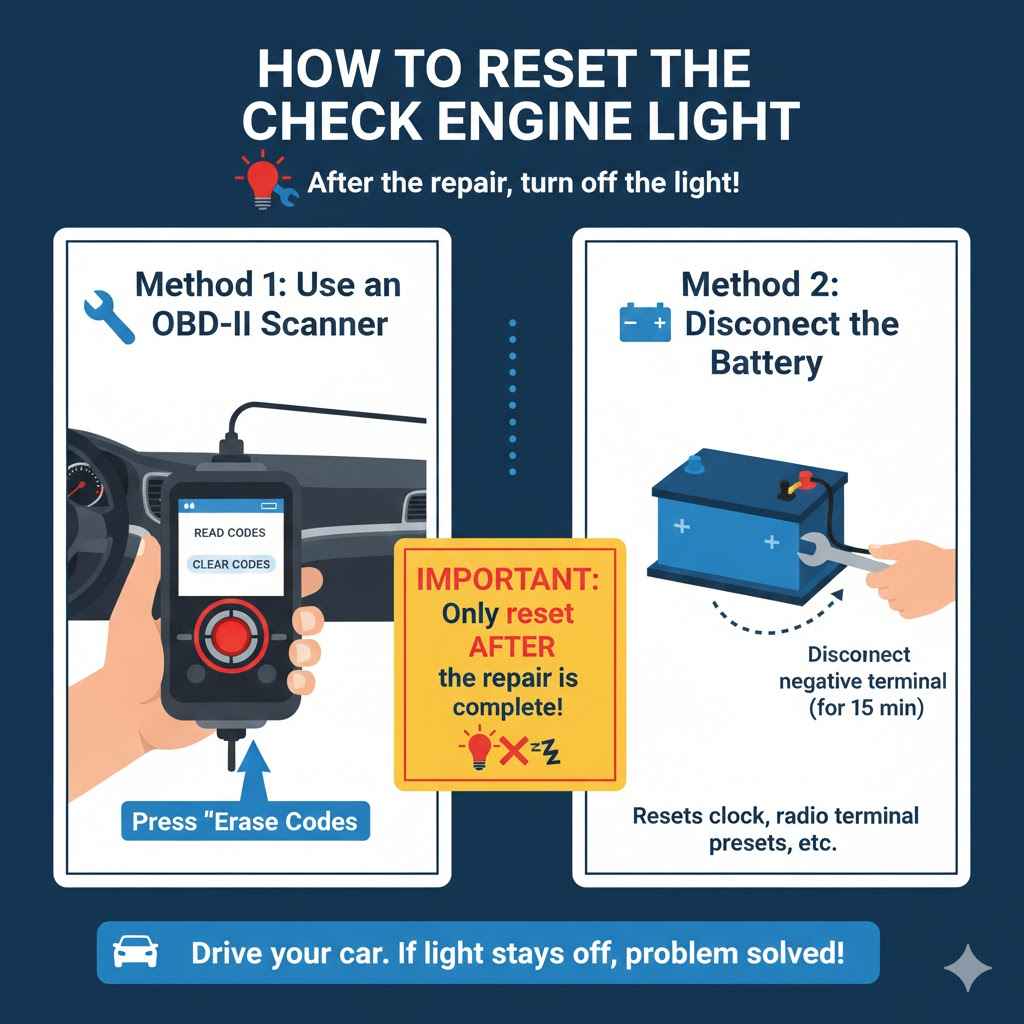
After you’ve fixed the problem, you’ll want to turn off that little light. There are a couple of ways to do this, but it’s very important to only reset the light after the repair is complete. Simply turning off the light without fixing the issue is like hitting snooze on an alarm clock—the problem is still there, and it will come back.
- Use an OBD-II Scanner: Most scanners have a function to “Clear Codes” or “Erase Codes.” This is the best and safest way to reset the light.
- Disconnect the Battery: You can also reset the light by disconnecting the negative terminal of your car battery for about 15 minutes. However, be aware that this will also reset your car’s clock, radio presets, and other computer settings. For information on how to handle car batteries safely, you can refer to resources from educational institutions like the Finger Lakes Community College Automotive Technology program.
After a reset, drive your car as you normally would. If the light stays off, congratulations—you’ve solved the problem! If it comes back on, it means the issue wasn’t fully fixed, or there’s another problem that needs attention.
Frequently Asked Questions (FAQ)
1. Can I drive with my check engine light on?
If the light is solid and the car is driving normally (no strange noises, no loss of power), it is generally safe to drive for a short period. However, you should get it checked as soon as possible to prevent a small problem from becoming a big, expensive one. If the light is flashing, you should pull over and stop driving immediately.
2. How much does it cost to diagnose a check engine light?
Many auto parts stores will read the code for free. If you take it to a mechanic, they will likely charge a diagnostic fee, which can range from $50 to $150. This fee covers their time and the use of their advanced scanning equipment to accurately pinpoint the problem.
3. Will my check engine light turn off by itself?
Sometimes, yes. If the problem was temporary, like a loose gas cap that you’ve since tightened, the light will turn off after a few drive cycles. However, for most issues, the light will stay on until the underlying problem is repaired and the code is cleared.
4. Does a loose gas cap really cause the light to come on?
Absolutely! It’s one of the most common reasons. Your car’s EVAP system is designed to be a sealed, pressurized system to prevent fuel vapors from escaping. A loose cap creates a leak, which the car’s computer detects as a fault, triggering the light.
5. What’s the difference between a check engine light and a maintenance required light?
A “maintenance required” or “service due” light is a simple reminder for routine service, like an oil change or tire rotation. It is not an indicator of a problem. A check engine light, on the other hand, specifically signals that the car’s diagnostic system has detected a fault in the engine, transmission, or emissions system.
6. How can I prevent my check engine light from coming on?
The best way to prevent issues is to follow your car’s recommended maintenance schedule. Regular oil changes, new spark plugs at the proper intervals, and keeping an eye on fluid levels can prevent many common problems. Also, always make sure your gas cap clicks when you tighten it!
Your Journey to Car Confidence
Seeing that check engine light doesn’t have to be a moment of dread. Think of it as your car’s way of asking for a little help. By staying calm, observing your car’s behavior, and understanding the basics of how to read a trouble code, you are taking control of the situation. You are moving from being a worried driver to an empowered car owner.
Whether you choose to tackle a simple DIY repair or find a trustworthy mechanic to handle the job, you now have the knowledge to make a smart decision. Every time you learn a little more about your vehicle, you build confidence and save money. You’re not just fixing a problem; you’re building a better relationship with the machine that gets you where you need to go. Drive safely, and enjoy the peace of mind that comes with knowing what to do.
Products related to this article
Sponsored / affiliate links. As an Amazon Associate I earn from qualifying purchases. I may earn additional commission from eligible campaigns.