What Happens When You Don’T Have Engine Oil In Your Car?
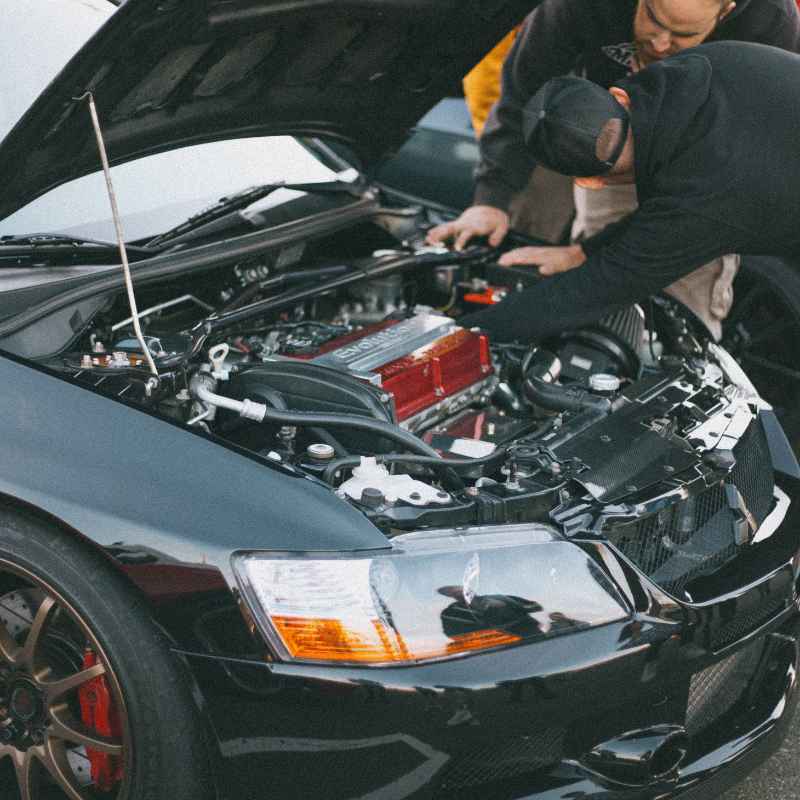
When your car runs without engine oil, critical metal parts grind against each other. This causes extreme heat and friction. The engine will quickly overheat and seize up, leading to severe, often irreparable damage. It’s vital to address low oil levels immediately.
The Vital Role of Engine Oil
Engine oil is more than just a lubricant. It’s a superhero fluid working hard inside your car’s engine. Every time the engine runs, countless parts are moving very, very fast.

As an Amazon Associate I earn from qualifying purchases.
Think of pistons shooting up and down. Think of gears spinning and meshing. Without oil, these parts would crash into each other.
They would create massive heat and wear down instantly.
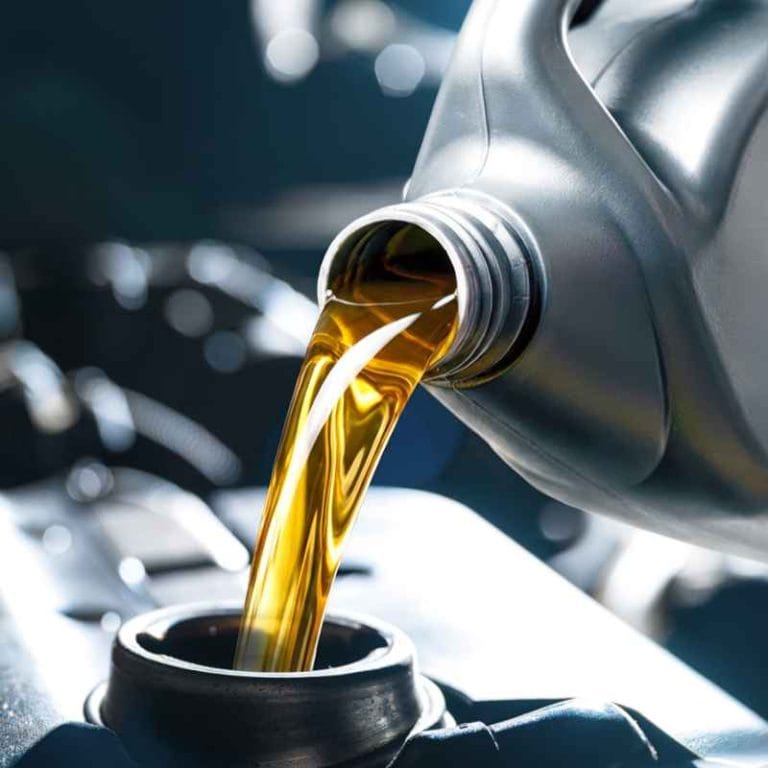
Oil does several key jobs. It lubricates moving parts. This reduces friction.
It also cools the engine down. Hot parts get cooled by the oil flowing over them. Oil helps seal the gap between piston rings and cylinder walls.
This keeps power from escaping. It also cleans the engine. It picks up tiny metal bits and dirt.
Then it carries them to the oil filter.
An oil filter acts like a kidney. It traps the gunk. This keeps the oil cleaner.
Cleaner oil means a healthier engine. It also helps prevent corrosion. Oil forms a protective layer on metal surfaces.
This stops rust and wear.
What Happens When Oil Levels Drop?
When your car starts with very little oil, or none at all, the problems begin right away. It’s not like a small issue that you can ignore for a while. The damage starts almost instantly.
It’s a snowball effect. The situation gets worse with every second the engine runs without enough oil.
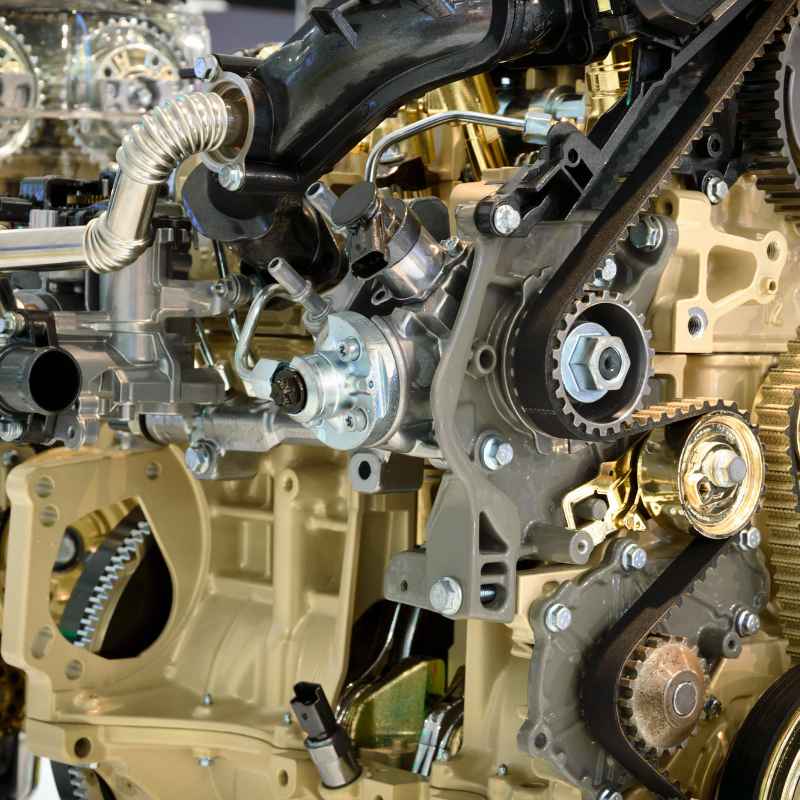
First, the oil pump starts to struggle. The oil pump is like the heart for the oil. It circulates the oil throughout the engine.
If the oil level is too low, the pump might suck in air. Air doesn’t lubricate. It doesn’t cool.
It just makes noise. The pump can also overheat if it’s running dry. This can cause it to fail completely.
As the oil pressure drops, the warning light on your dashboard comes on. This is usually a red oil can symbol. It’s your car’s way of screaming for help.
Many people see this light and panic. Others might ignore it, hoping it’s a mistake. That’s a dangerous gamble.
The Friction and Heat Build-Up
With less oil, the lubrication barrier between moving metal parts becomes thin. Or it disappears entirely. This leads to metal-on-metal contact.
This contact creates a huge amount of friction. Friction generates heat. Lots and lots of heat.
The engine is designed to handle some heat. But it’s not designed to handle the extreme temperatures created by dry friction.
Parts like the crankshaft, connecting rods, and camshafts start to heat up very quickly. The metal can expand. It can warp.
It can even begin to melt in the worst-case scenarios. This is where the grinding noises often start. They sound terrible.
They are a clear sign that something is very wrong.
The engine’s cooling system can’t keep up. Even if your coolant is full, it’s not designed to cool these specific hot spots caused by friction. The oil’s cooling function is gone.
So, the engine temperature starts to climb rapidly. This overheating is a major part of the failure process.
Warning Signs of Low Oil
Listen Closely: Unusual noises like knocking, ticking, or grinding from the engine. These sounds are your engine’s pain.
Dashboard Lights: The oil pressure warning light (red oil can) or the engine temperature warning light (red thermometer). Never ignore these.
Smell: A burning oil smell can mean oil is leaking onto hot engine parts or the engine is overheating.
Performance Issues: The car might feel sluggish, lose power, or even stall.
The Immediate Consequences: Seizure and Damage
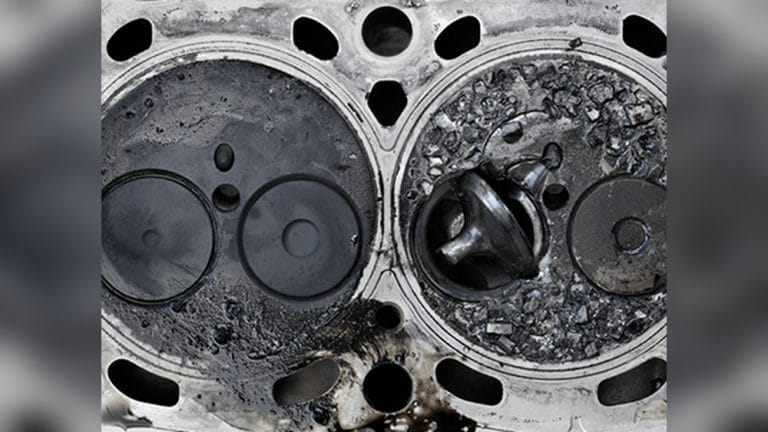
If an engine runs without oil for even a short time, it can seize. Engine seizure happens when moving parts expand so much from heat that they jam together. They can no longer move.
The engine stops dead. It’s like the engine just gave up.
This seizure can happen in different ways. A connecting rod bearing can fail. It’s a small metal piece that connects the piston to the crankshaft.
When it’s destroyed by friction, the rod can break. It can then punch a hole through the engine block. This is catastrophic.
It means the engine is ruined.
Another common failure point is the piston rings. They can melt or break. They can get stuck in the cylinder wall.
This prevents the piston from moving up and down. The engine stops. The damage is severe.
The metal parts are fused or broken. They are no longer usable.
Even if the engine doesn’t seize completely, running without oil causes massive wear. The cylinder walls get scored. Bearings get damaged.
The crankshaft and camshafts can become pitted and worn. These are not cheap parts to replace. Often, the cost of repairing this level of damage is more than the car is worth.
Quick-Scan Table: Oil Level vs. Damage
| Oil Level | Potential Damage |
|---|---|
| Slightly Low | Increased wear, higher engine temp, ticking noises |
| Very Low | Oil pressure light on, serious friction, grinding sounds, potential bearing damage |
| None (Dry Start) | Rapid overheating, engine seizure, catastrophic component failure (rod, piston, block) |
My Own “Oh No!” Moment
I remember one time, years ago, I was driving a used car I’d just bought. It was an older model, and I hadn’t gotten around to a full service yet. I was on a road trip, about two hours from home, when I heard it.
A faint, rhythmic ticking sound. At first, I thought it was just the normal noise of an older engine. But it got louder.
It changed from a tick to a slight knock.
Then, the oil pressure light flickered on. It wasn’t a steady red light, just a quick flash. My heart sank.
I remembered reading about this. I immediately pulled over to the side of a quiet country road. I turned off the engine.
I grabbed the dipstick. It was bone dry. Not a drop of oil on the end.
My stomach dropped. I had run my engine almost completely dry.
I was miles from anywhere. I had no spare oil. I felt a wave of panic.
I pictured a seized engine and a massive repair bill. I ended up calling a tow truck. It cost me a pretty penny.
The mechanic later told me I was incredibly lucky. I had only run it for a short time. A few more minutes, he said, and the engine would have been toast.
It was a hard lesson. Always check your oil.
How to Check Your Engine Oil
Checking your engine oil is a simple task. It can save you thousands in repairs. Most cars have the dipstick in an easy-to-find spot.
It usually has a brightly colored handle, often yellow or orange. You can’t miss it.
Here’s how to do it correctly. First, make sure your car is parked on a level surface. This is important for an accurate reading.
Your engine should be cool. Ideally, it should have been off for at least 10–15 minutes. This lets the oil drain back into the oil pan.
Pull the dipstick out. Wipe it clean with a rag or paper towel. Then, push it all the way back in.
Pull it out again. Look at the markings on the end of the dipstick. There are usually two marks or holes.
One is labeled “ADD” or “LOW.” The other is labeled “FULL” or “MAX.”
The oil level should be between these two marks. If it’s at or below the “ADD” mark, you need to add oil. If it’s at the “FULL” mark, it’s good.
Be careful not to overfill. Too much oil can also cause problems, though usually less severe than no oil at all.
Checking Your Oil: Step-by-Step
1. Park on Level Ground: Crucial for accurate readings.
2. Engine Cool: Let the car sit for 10-15 minutes after turning it off.
3. Locate Dipstick: Look for a bright handle under the hood.
4. Wipe and Reinsert: Pull it out, clean it, push it back in fully.
5. Check Level: Pull out again and read the oil level against the markings.
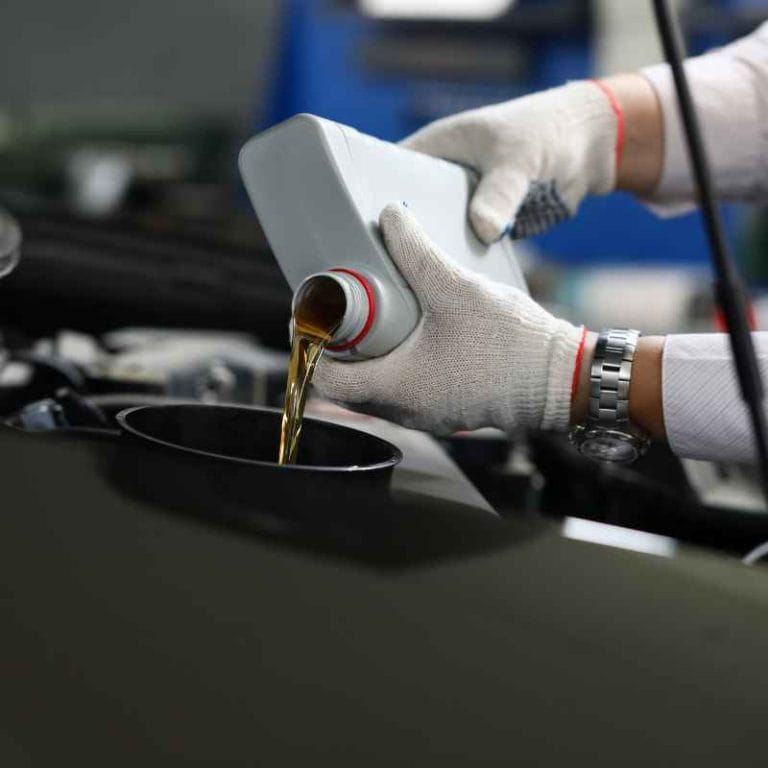
6. Add if Needed: If below “LOW,” add the correct type of oil slowly, rechecking often.
What Kind of Oil Does Your Car Need?
Using the right type of engine oil is just as important as having enough of it. Cars are designed to run on specific oil weights and types. This information is usually found in your car’s owner’s manual.
It’s also often printed on the oil cap itself.
Oil weight is shown as a number, like 5W-30. The “W” stands for winter. The first number (5) is how well the oil flows when it’s cold.
A lower number means it flows better in cold weather. The second number (30) is how well the oil protects at higher temperatures. This is its viscosity.
There are different types of oil too: conventional, synthetic blend, and full synthetic. Full synthetic oils offer the best protection. They are more resistant to heat and breakdown.
They also provide better lubrication. Many modern cars recommend or require synthetic oil.
If you’re unsure, always check your owner’s manual. Using the wrong oil can reduce its effectiveness. It can lead to faster wear and tear.
It can even void your warranty. So, know your car’s needs.
Oil Type Breakdown
Conventional Oil: Standard, good for older cars or light use. Needs more frequent changes.
Synthetic Blend Oil: A mix of conventional and synthetic. Offers better protection than conventional.
Full Synthetic Oil: The best performance. Resists heat, flows well in cold, lasts longer between changes.
Why Do Cars Even Lose Oil?
Cars don’t magically lose oil. There are usually a few main reasons why the oil level drops. Understanding these can help you prevent it.
The most common reason is normal oil consumption. All engines burn a small amount of oil. It’s part of how they work.
The oil gets into the combustion chamber and burns off with the fuel. This is why you need to check your oil regularly. The amount burned is usually very small, often just a quart or so between oil changes.
Another major reason is leaks. Gaskets and seals in the engine can wear out over time. They can crack or get damaged.
This allows oil to escape the engine. You might see oil spots under your car. These are clear signs of a leak.
Common leak spots include the oil pan gasket, valve cover gasket, or the oil filter seal.
Worn-out engine parts can also cause oil loss. If the piston rings are worn, more oil can sneak past them into the combustion chamber. This leads to burning oil.
Worn valve seals can also let oil leak into the cylinders. These are more serious engine issues.
Driving habits can play a small role too. High-speed driving or heavy towing can increase the rate at which an engine burns oil. Aggressive acceleration and braking also put more stress on the engine.
This can contribute to higher oil consumption.
Common Oil Loss Causes
Normal Consumption: A small, expected amount burned during normal operation.
Oil Leaks: From worn gaskets, seals, or a loose oil filter. Look for puddles under your car.
Worn Engine Parts: Damaged piston rings or valve seals allowing oil into the combustion chamber.
Driving Conditions: Aggressive driving or heavy loads can increase oil burning.
When to Worry: Beyond the Low Oil Light
Seeing the oil pressure light is a clear sign to stop immediately. But there are other signs that indicate a potential oil-related problem. Some are more subtle than others.
Paying attention to your car’s behavior is key.
A persistent knocking or ticking sound from the engine is a major red flag. This is often called “rod knock.” It happens when the bearings that support the crankshaft are worn out. They have too much space.
The rod hammers against the crankshaft with each rotation. This sound is usually a sign of deep, internal engine damage. It means oil levels or pressure were likely too low for too long.
Blue smoke coming from the exhaust pipe is another sign. This means oil is being burned inside the engine. It can be caused by worn valve seals or piston rings.
While not as immediate as a seizure, it’s a sign of internal wear that needs attention. If the smoke is thick and constant, it suggests a more significant oil burning issue.
A significant drop in oil pressure, even if the light isn’t on, can be a problem. If you have a car with an oil pressure gauge, watch it. If it’s much lower than normal, even if it’s still in the “safe” zone, it warrants investigation.
Low pressure means poor lubrication.
Finally, strange smells. While burning oil is one smell, an engine that’s overheating due to lack of lubrication can emit a hot, metallic smell. It’s not the sweet smell of coolant overheating, but a harsher, more acrid odor.
When to Get Immediate Help
Red Oil Pressure Light: Pull over safely and turn off the engine NOW.
Loud Knocking/Grinding: Stop driving immediately. Further driving will worsen damage.
Thick Blue Smoke from Exhaust: Indicates significant oil burning. Get it checked soon.
Rapidly Rising Temperature Gauge: Could be lack of oil-induced friction heat. Stop driving.
What to Do If You Suspect Low Oil
If you see the oil light, or hear strange noises, the absolute first thing to do is pull over safely. Find a spot away from traffic. Turn off the engine immediately.
Do not try to drive further. Continuing to drive can turn a repairable problem into an engine-killing disaster.
Once you’re safely stopped, open the hood. Let the engine cool down for a bit. Then, check your oil level using the dipstick.
If it’s low, you have a few options depending on your situation.
If you are close to a safe location, like a gas station or auto parts store, and the oil level is only slightly low, you might be able to add oil. Make sure you have the correct type of oil for your car. Add a small amount at a time, waiting a few minutes between additions.
Recheck the dipstick frequently. Do not overfill.
If the oil level is extremely low or the dipstick is dry, or if the oil pressure light was on, it’s safer to call for a tow truck. Trying to add oil might not be enough if the damage has already begun. A tow will get your car to a mechanic without further risking engine destruction.
For peace of mind, it’s always a good idea to keep a quart of the correct oil in your car, especially on longer trips. You never know when you might need it. A small $10 purchase could save you thousands.
Action Plan: Low Oil Detected
1. Safely Stop: Pull over immediately, away from traffic.
2. Turn Off Engine: Do not run the engine without adequate oil.
3. Let it Cool: Allow 10-15 minutes for the engine to cool slightly.
4. Check Dipstick: Accurately assess the oil level.
5. Add Oil (If Minor): Use the correct type, add slowly, recheck often.
6. Tow Truck (If Severe): If very low or light was on, call a tow truck.
Preventative Maintenance is Key
The best way to avoid the nightmare of an oil-less engine is through preventative maintenance. This means sticking to a regular oil change schedule. It also means regularly checking your oil level yourself.
Your car’s owner’s manual will recommend an oil change interval. This is usually based on mileage or time. For example, every 5,000 miles or every 6 months, whichever comes first.
Some newer cars with synthetic oil can go longer, perhaps 7,500 or even 10,000 miles.
However, consider your driving conditions. If you do a lot of stop-and-go driving, short trips, or drive in very hot or dusty conditions, you might need more frequent oil changes. These conditions are harder on your oil.
Make it a habit to check your oil level at least once a month. Also, check it before any long road trip. It takes less than five minutes.
Think of it as a quick health check for your car’s most vital organ.
When you get your oil changed, ask the mechanic to check for any signs of oil leaks. Small leaks can become big problems if left untreated. Catching them early saves you money and prevents future issues.
Preventative Checklist
Regular Oil Changes: Follow your owner’s manual recommendations.
Monthly Oil Checks: Make it a habit to check the dipstick.
Pre-Trip Inspection: Always check oil before long journeys.
Listen to Your Car: Address any new noises or smells promptly.
Watch for Leaks: Inspect under your car for oil spots.
Common Misconceptions About Engine Oil
There are a few things people often get wrong about engine oil. Understanding these can help you take better care of your car.
One common myth is that if your car is older, it just naturally burns a lot of oil. While older engines can burn more oil, a significant amount is usually a sign of wear. It’s not something to just accept.
It should be diagnosed and fixed.
Another mistake is thinking that any oil is better than no oil. This is dangerously untrue. Using the wrong type or weight of oil can actually cause more harm than good.
It won’t lubricate or protect as it should. It could lead to increased wear or even damage. Always use the oil specified for your car.
Some people believe that once the oil light comes on, the damage is already done. While it’s true that damage can start happening immediately, stopping the car quickly can prevent catastrophic failure. You might still need repairs, but it could be far less costly than if you continued driving.
Finally, many people think oil changes are just a waste of money. This couldn’t be further from the truth. Regular oil changes are one of the most cost-effective maintenance tasks you can perform.
They extend engine life significantly and prevent far more expensive repairs down the road.
Myth vs. Reality
Myth: Old cars just burn lots of oil. Reality: Significant burning indicates wear that needs fixing.
Myth: Any oil is better than no oil. Reality: Wrong oil can cause serious damage.
Myth: The oil light means the engine is already ruined. Reality: Stopping immediately can save the engine from total failure.
Myth: Oil changes are a waste of money. Reality: They are crucial for engine longevity and preventing costly repairs.
Conclusion: Protect Your Engine
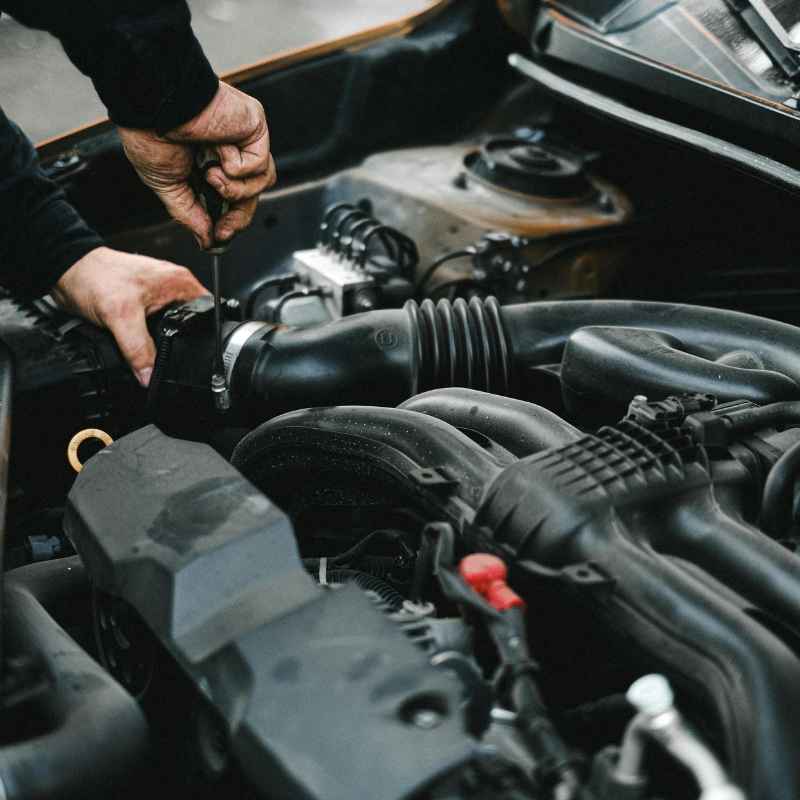
Running your car without engine oil is one of the fastest ways to destroy it. The intricate moving parts need that protective film. Without it, friction and heat cause rapid, devastating damage.
This can lead to a seized engine, a repair bill that can total your car. Always check your oil regularly. Make it a habit.
It’s a simple step that ensures your engine stays healthy and happy for miles to come.
Frequently Asked Questions
What is the first sign that my car is low on oil?
The most common early warning sign is a ticking or knocking noise from the engine. It might start subtly. You might also see the oil pressure warning light on your dashboard.
This light usually looks like a red oil can.
How long can a car run without engine oil?
Most cars can only run for a very short time, perhaps only a few minutes, without engine oil before severe damage occurs. Some engines might seize up within seconds of starting with no oil.
Can I add oil if my car is already making noise?
If your car is already making knocking or grinding noises, it means internal damage has likely started. Adding oil might help prevent further damage if the level is critically low, but the existing noises indicate existing wear or damage that may require professional repair.
What happens if I overfill my engine oil?
Overfilling the oil can cause the crankshaft to whip the oil into a foam. This foamy oil doesn’t lubricate well. It can lead to oil starvation in some parts.
It can also cause excessive pressure in the crankcase. This might blow out seals and gaskets, leading to leaks.
How often should I check my engine oil level?
It’s a good practice to check your engine oil level at least once a month. You should also check it before any long road trip. This simple check can prevent many potential problems and costly repairs.
Is it okay to mix different brands of oil?
If you must mix oil, it’s best to use the same type and weight. Mixing different brands and types of oil is generally not recommended. While most modern oils are compatible, it’s safest to stick to one type.
Always refer to your owner’s manual for the correct specifications.
What is the difference between oil pressure and oil level?
Oil level refers to the amount of oil in the oil pan. Oil pressure is the force with which the oil is being pumped through the engine. Low oil level can lead to low oil pressure, but low oil pressure can also be caused by a failing oil pump or internal engine wear, even with adequate oil.
Related pick: Check today's price on Amazon
Products related to this article
Sponsored / affiliate links. As an Amazon Associate I earn from qualifying purchases. I may earn additional commission from eligible campaigns.
 ECOGARD X10023 Cartridge Engine Oil Filter for Conventional Oil - Premium Replacement | Fits 2018-2023 Volkswagen Atlas 3.6L; 2020-2023 Atlas Cross Sport 3.6L
 ECOGARD X10040 Cartridge Engine Oil Filter for Conventional Oil - Premium Replacement | Fits 2011-2026 Jeep Grand Cherokee, Dodge Durango 3.6L; 2012-2026 Wrangler 3.6L; 2014-2022 Cherokee 3.2L