What Does Bad Car Oil Smell Like? Signs You Shouldn’T Ignore
Bad car oil often smells like burnt toast, burning rubber, or very strong, acrid fumes. This odor typically indicates overheating, oil breakdown, or leaks into other engine parts. Ignoring these smells can lead to serious engine damage.
Understanding Your Car’s Oil
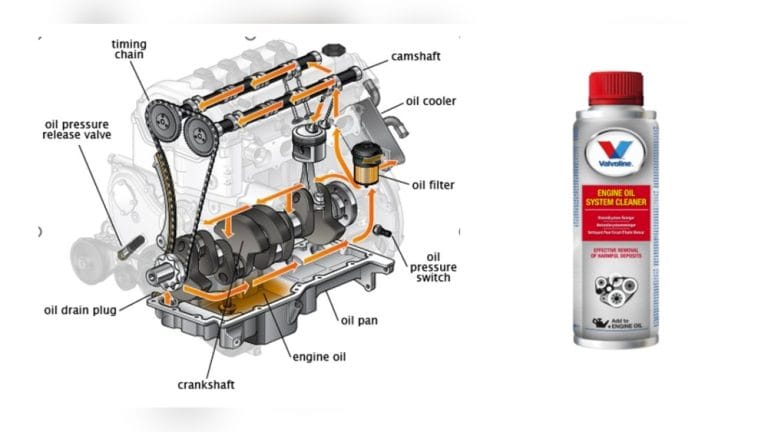
Your car’s oil is like its lifeblood. It does a few very important jobs. It keeps your engine parts moving smoothly.
It also helps keep things cool. And it cleans out gunk that builds up. Over time, though, oil breaks down.
It can get dirty. This is normal. But if it breaks down too much, it stops doing its job well.
When oil breaks down, it changes. Its color changes. Its smell changes.
This is where the problem starts. A healthy engine smells a bit like oil. That’s okay.
But a really strong, bad smell is a warning. It’s your car’s way of shouting for attention. It’s trying to tell you something is wrong before it gets worse.
Think of it like food. Fresh oil is good. Old, spoiled oil smells bad.
It can even be harmful. That’s why knowing the smells is key. It helps you catch problems early.
This saves you money and stress down the road. You become a better car owner. You can protect your investment.
What Does Bad Car Oil Smell Like?
So, what exactly are we listening for with our noses? The smell of bad oil isn’t just one thing. It can show up in a few different ways.
Each smell points to a slightly different problem. But all of them mean you need to pay attention.
The most common bad oil smell is like burnt toast. It’s a dry, sharp, toast-like odor. This often means the oil is getting too hot.
It’s literally cooking itself. Another smell is like burning rubber. This can happen if oil is leaking onto hot engine parts.
Or it could mean a belt is slipping and burning. Sometimes, the smell is just a very strong, acrid, chemical smell. This means the oil is old and has lost its protective qualities.
It might also mean it’s contaminated.
A musty or moldy smell can also be an issue. This usually means water is getting into your oil. This is bad because water and oil don’t mix well.
They can create a sludgy mess that harms your engine. A gas smell is also a red flag. This can mean fuel is leaking into the oil.
This thins out the oil and makes it less effective.
Understanding these different smells is your first step. It’s like a detective for your car. Your nose is a powerful tool.
Use it to keep your car running its best.
The “Burnt Toast” Smell: Overheating Oil
The “burnt toast” smell is probably the most common sign of bad oil. It’s a distinct, unpleasant aroma. It’s sharp and a bit dry.
This smell often means your engine is running too hot. And your oil is taking the brunt of that heat. Oil has a specific temperature range where it works best.
When your engine works hard, it creates heat. The oil circulates. It carries that heat away.
It also cools down when it passes through the oil pan. But if the engine gets too hot, the oil can’t cool down enough. It starts to break down.
Its chemical structure changes. This breakdown creates that burnt smell. It’s like frying food for too long.
Several things can cause your engine to overheat. Low oil levels are a big one. If there isn’t enough oil, it can’t carry heat away effectively.
A faulty cooling system is another cause. This includes a radiator that isn’t working right or a bad water pump. Sometimes, a clogged oil filter can restrict oil flow.
This also makes it work harder and get hotter.
If you smell burnt toast, don’t delay. Pull over safely. Let the engine cool down.
Check your oil level. If it’s low, add some oil. But the underlying cause of the overheating still needs to be fixed.
Driving with overheated oil can cause severe damage. It can lead to engine seizure. That’s a very expensive repair.
Signs Your Oil Is Overheating
Symptom: Burnt toast smell
Meaning: Oil is too hot, breaking down.
Possible Causes: Low oil, cooling system issue, bad oil filter.
Action: Check oil level, stop driving, get it checked.
The “Burning Rubber” Smell: Leaks and Friction
Another common bad smell from your car is like burning rubber. This smell can be a bit confusing. It might not always point directly to the oil itself.
But it often involves oil or other fluids in the engine area. This smell can be caused by a couple of different things.
One major cause is an oil leak. If oil drips onto hot exhaust parts, like the manifold or catalytic converter, it will burn. This creates a strong, acrid, rubbery smell.
You might also notice smoke. This is a clear sign something is leaking. Where is the oil leaking from?
Look for drips under your car. Check around the oil pan, valve covers, and oil filter.
Sometimes, a burning rubber smell can be from a slipping belt. A drive belt connects to many engine components. If it’s worn, loose, or misaligned, it can slip.
The friction can make the belt heat up and smell like burning rubber. This is often accompanied by a squealing noise.
It’s important to tell these smells apart. An oil leak smell is usually more oily and acrid. A belt smell might be sharper and more like actual burning rubber.
Both are serious. A leak means you’re losing essential fluids. A slipping belt means other engine parts aren’t getting power.
When you smell burning rubber, try to pinpoint the source. Is it coming from the front of the engine (likely belts)? Or from underneath (likely leaks)?
Address it quickly. Both can lead to bigger problems if ignored.
Rubber Smell: Oil Leak vs. Belt Issue
Oil Leak Smell:
- Acrid, oily odor.
- Often strongest when car is hot.
- Look for drips under the car.
- Check oil level.
Belt Slipping Smell:
- Sharper burning rubber scent.
- Often comes with a squealing noise.
- Usually from the front of the engine.
- Check belt condition and tension.
The Strong, Acrid Fume Smell: Degraded Oil
Sometimes, the smell of bad oil is just a general, strong, acrid fume. It’s not quite burnt toast, not quite rubber. It’s just… nasty.
This smell usually means the oil itself has degraded significantly. It’s lost its ability to protect your engine.
Oil is made up of base oils and additives. These additives help with cleaning, preventing wear, and keeping the oil stable at different temperatures. Over time and with exposure to heat and stress, these additives get used up.
The base oil also oxidizes. This process changes the oil’s properties. It becomes less effective.
It can even become corrosive.
This strong, acrid smell is your signal that the oil needs changing. It’s a sign that the oil is no longer lubricating properly. It’s not cleaning.
It’s not protecting. Driving with this kind of oil is like trying to run a race with no energy. Things start to break down.
How does oil get this way? It’s usually from driving with old oil for too long. Or from driving your car in harsh conditions.
Think of frequent short trips where the engine doesn’t get hot enough to burn off moisture. Or heavy towing. Or stop-and-go traffic in extreme heat.
These all put extra stress on the oil.
This smell is a direct message: Change your oil and filter soon. Don’t put it off. Fresh oil is vital for engine health.
It keeps things running smoothly. It prevents premature wear and tear. It also helps keep your engine cooler.
The Musty or Moldy Smell: Water Contamination
A musty or moldy smell coming from your engine area is a more serious sign. It often indicates that water is getting into your engine oil. This is bad news for your engine.
Water and oil do not mix. They create a sludgy substance. This sludge can clog oil passages.
It can prevent oil from reaching critical engine parts.
Where does the water come from? A common culprit is a blown head gasket. The head gasket seals the engine block from the cylinder head.
If it fails, coolant can leak into the combustion chambers or the oil system. Another possibility is a cracked engine block or cylinder head. This is less common but more serious.
Condensation can also cause small amounts of water. This happens in engines that are only used for short trips. The engine doesn’t get hot enough to evaporate the moisture.
Over time, this can build up. But a strong musty smell usually points to a larger leak.
If you smell a musty odor, check your oil dipstick and the underside of your oil filler cap. You might see a milky or frothy substance. This is often called “mayonnaise.” It’s a clear sign of water in the oil.
If you see this, stop driving immediately. This is not something to ignore. It requires professional diagnosis and repair to prevent catastrophic engine damage.
Water in Oil Check
Look for: Milky, frothy, or mayonnaise-like substance on the dipstick or oil filler cap.
Smell: Musty or moldy odor.
Cause: Likely a blown head gasket, cracked block, or significant condensation.
Urgency: Extremely high. Stop driving and get it inspected.
The Fuel Smell: Gas in the Oil
If you catch a whiff of gasoline when you check your engine oil, that’s another big warning sign. This means raw fuel is leaking into your engine oil. This is also known as fuel dilution.
It’s a serious issue that can damage your engine quickly.
Why would fuel get into the oil? Several things can cause this. Faulty fuel injectors that don’t spray fuel properly can drip excess fuel into the cylinders.
A stuck or leaking fuel injector can also do this. Worn piston rings can allow fuel to bypass the rings and drip into the crankcase. A malfunctioning fuel pressure regulator can also cause issues.
When fuel gets into your oil, it thins the oil down. This reduces its ability to lubricate. Imagine trying to use water instead of oil to keep two metal parts from grinding.
It won’t work well. This leads to increased friction and wear. It can also wash away the protective film on engine parts.
The smell of gasoline in your oil is a strong indicator that something in your fuel system or engine is not working right. It needs to be addressed by a mechanic as soon as possible. They will need to diagnose the exact cause of the fuel leak.
Ignoring this smell can lead to rapid engine wear. It could even cause engine failure.
Personal Experience: The Day My Car Smelled Like a Campfire
I remember one crisp autumn morning. I was heading out for a long drive. I started my car, and something was off.
Instead of the usual faint engine hum, there was this. smoky smell. Not like exhaust smoke, but more like a distant campfire.
It was faint at first, but I knew it wasn’t normal. My gut feeling kicked in.
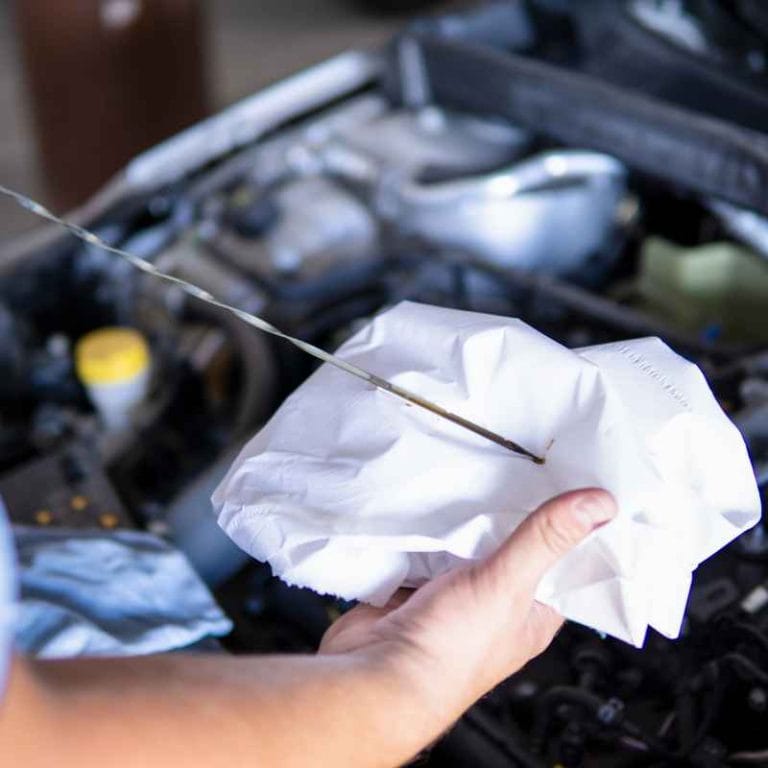
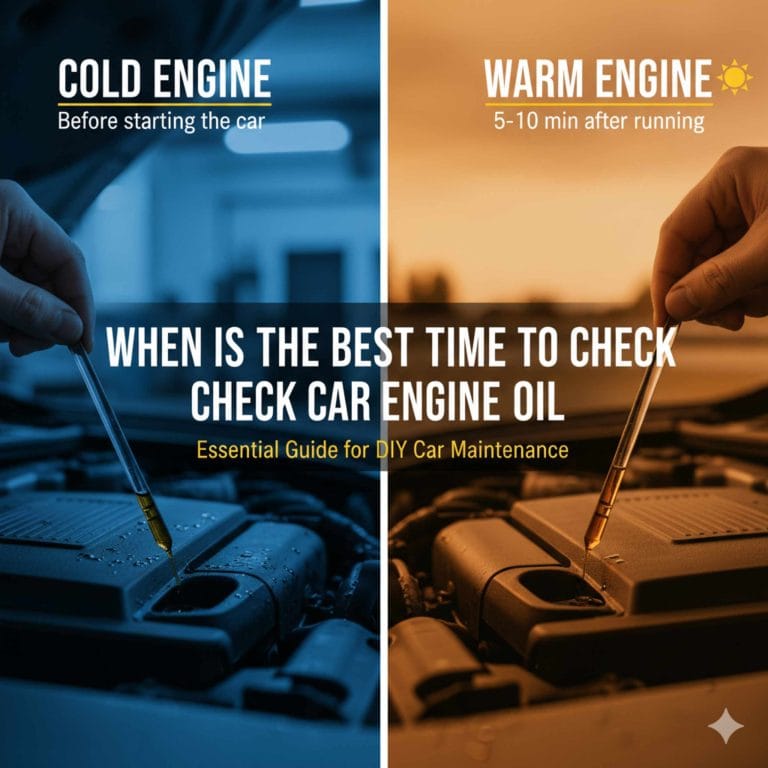
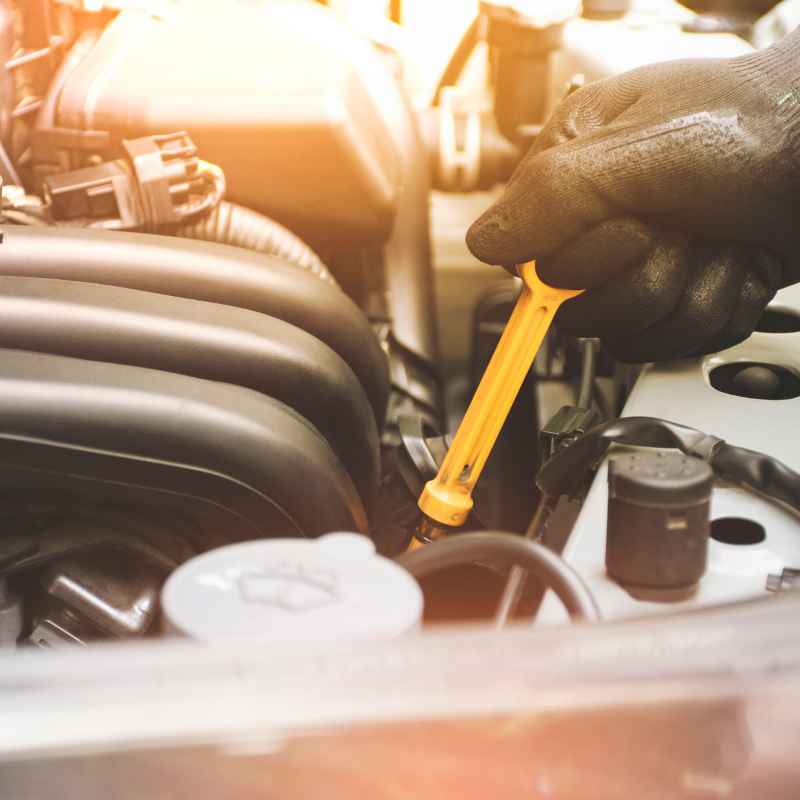
I decided to check my oil before I left. Popped the hood, pulled out the dipstick. The oil looked okay, still amber-ish.
But the smell was definitely stronger when I sniffed the dipstick directly. It wasn’t the clean, slightly metallic smell of good oil. It was that dry, burnt toast aroma.
My heart sank a little. I knew this meant trouble.
I’d been pushing my car a bit lately. A few longer trips than usual. Maybe the oil was just old and tired.
Or maybe something else was going on. I decided not to risk the long drive. I called a local mechanic.
He told me to bring it in right away. He said the smell was a clear sign of oil breakdown due to heat. He suspected my oil was old and the engine was working too hard to keep it from overheating.
When I got to the shop, he took a look. Sure enough, the oil was due for a change and showed signs of severe thermal stress. He changed the oil and filter.
He also gave my cooling system a once-over. Thankfully, it was just old oil in this case. But that smell was a wake-up call.
It taught me to never ignore unusual engine smells. My nose saved me from a much bigger problem on that trip.
Real-World Context: When Smells Indicate Common Problems
Car smells are often tied to everyday driving habits and common vehicle issues. Understanding this context helps you know when a smell is just a quirk versus a serious problem.
Short Trips & Condensation: If you mainly drive short distances, your engine might not get hot enough to burn off moisture. This condensation can build up in the oil. Over time, this can lead to a slightly thicker, grayer oil and a musty smell.
This is more common in colder climates.
Heavy Towing or Hauling: When you tow a trailer or carry heavy loads, your engine works much harder. This generates more heat. If your oil is old or the wrong type for the conditions, it can overheat and break down, leading to the burnt toast smell.
Stop-and-Go Traffic: Constant acceleration and braking in heavy traffic also taxes your engine and oil. The engine runs hot for extended periods. This can accelerate oil degradation and produce those acrid smells.
Oil Leaks: Leaks are often caused by worn-out gaskets, seals, or damaged oil pans. These parts degrade over time. When hot oil hits the exhaust system, the burning rubber smell is a direct result of this common wear-and-tear issue.
Aging Engine Components: As engines age, components like piston rings or fuel injectors can wear out. This can lead to fuel dilution or oil blow-by, creating specific smells that indicate internal engine wear.
What These Smells Mean for You
These different oil smells are not just odd noises your car makes; they have direct implications for you as a driver and car owner. Your actions based on these smells can save you money, time, and a lot of headaches.
When it’s Normal: A very faint, clean oil smell when the engine is first started might be normal. It’s the smell of lubricants working. If you’ve just changed your oil, there might be a slight new oil smell.
This is usually nothing to worry about.
When to Worry: Any strong, persistent, or unusual smell from your engine bay should be a cause for concern. Specifically, the smells of burnt toast, burning rubber, strong acrid fumes, musty mold, or gasoline are all signals that something is wrong. These smells mean your car is trying to tell you it’s in distress.
Simple Checks You Can Do:
- Check the oil level: Use your dipstick. Make sure it’s between the min and max marks.
- Inspect the oil: Look at the color and consistency. Is it dark and thick? Is there a milky or sludgy appearance?
- Look for leaks: Park over a piece of cardboard. Check for fresh oil spots under the car.
- Note the smell’s location: Try to tell if it’s coming from the front, back, or underneath the car.
These simple checks can give you vital information to share with your mechanic. They can help diagnose the problem faster and more accurately. Don’t wait.
A small issue identified by smell can prevent a massive repair bill later.
Quick Fixes and Tips for Managing Oil Smells
While many oil smells require professional attention, there are some immediate steps and preventative tips that can help manage and avoid these issues.
Immediate Action:
- If you smell burnt toast: Pull over safely. Let the engine cool. Check oil level. Add oil if low. Note if the overheating issue persists.
- If you smell burning rubber: Try to identify the source. If it’s a belt squeal, it might be a quick fix like tightening. If it’s a leak, you need to get it checked soon.
- If you smell gas: Stop driving immediately. This is a fire hazard and an engine killer. Get it towed to a mechanic.
- If you smell musty/water: Do not drive. Get it towed. This indicates serious internal engine damage.
Preventative Maintenance is Key:
- Regular Oil Changes: Follow your car manufacturer’s recommended oil change intervals. Use the correct type of oil. This is the single best way to prevent oil breakdown and related smells.
- Check Oil Level Regularly: Make it a habit to check your oil level at least once a month, or before long trips.
- Monitor Engine Temperature: Keep an eye on your temperature gauge. If it starts climbing, investigate why.
- Address Leaks Promptly: If you notice oil spots under your car, get them fixed before they cause major issues or a bad smell.
- Use Quality Parts: When getting repairs, use quality oil filters and oil.
These steps can help prevent the smells from occurring in the first place. They also ensure that if a smell does appear, you can react appropriately to minimize damage.

Frequent Questions About Bad Car Oil Smells
Why does my car oil smell like burnt toast?
The burnt toast smell usually means your engine oil is overheating. This can happen if your oil level is too low, your cooling system isn’t working right, or your oil is old and has lost its ability to handle heat. It’s a sign the oil is breaking down.
Is it dangerous to drive my car if the oil smells bad?
Yes, it can be very dangerous. A bad oil smell often means the oil isn’t doing its job. It’s not lubricating or cooling properly.
Driving with bad oil can lead to increased wear and tear, and even major engine damage like seizure. It’s best to stop driving and get it checked.
How often should I check my car’s oil?
It’s a good idea to check your car’s oil level at least once a month. You should also check it before any long road trips. Looking at the oil’s color and smell during these checks can help you spot problems early.
Can a simple oil change fix a bad oil smell?
If the smell is due to old, degraded oil, then yes, a fresh oil and filter change will likely fix it. However, if the smell is caused by overheating, leaks, or water contamination, changing the oil is only a temporary fix. The underlying problem that is causing the oil to smell bad needs to be repaired.
What is the difference between a burnt oil smell and a burning rubber smell?
A burnt toast smell usually points to oil overheating and breaking down. A burning rubber smell often comes from oil leaking onto hot engine parts or from a slipping drive belt. Both are serious, but they indicate different issues happening in or around your engine.
Should I worry if my new car smells like oil?
A new car might have a faint new car smell or a slight odor from new parts breaking in. However, a strong, unpleasant burnt toast, rubber, or acrid smell is not normal, even for a new car. If you notice such a smell, contact your dealership immediately.
It could indicate a manufacturing defect.
Conclusion: Trust Your Nose, Protect Your Engine
Your car’s engine is a complex machine. It needs care. Sometimes, that care starts with just using your senses.
The smell of your car’s oil is a powerful indicator of its health. From the sharp scent of burnt toast to the acrid fumes of old oil, each odor tells a story.
Paying attention to these smells can help you catch problems early. This can save you from costly repairs. It ensures your car runs smoothly and safely.
Don’t ignore that bad smell. It’s your car’s way of asking for help. Listen closely, and you’ll keep your engine happy for miles to come.
Products related to this article
Sponsored / affiliate links. As an Amazon Associate I earn from qualifying purchases. I may earn additional commission from eligible campaigns.