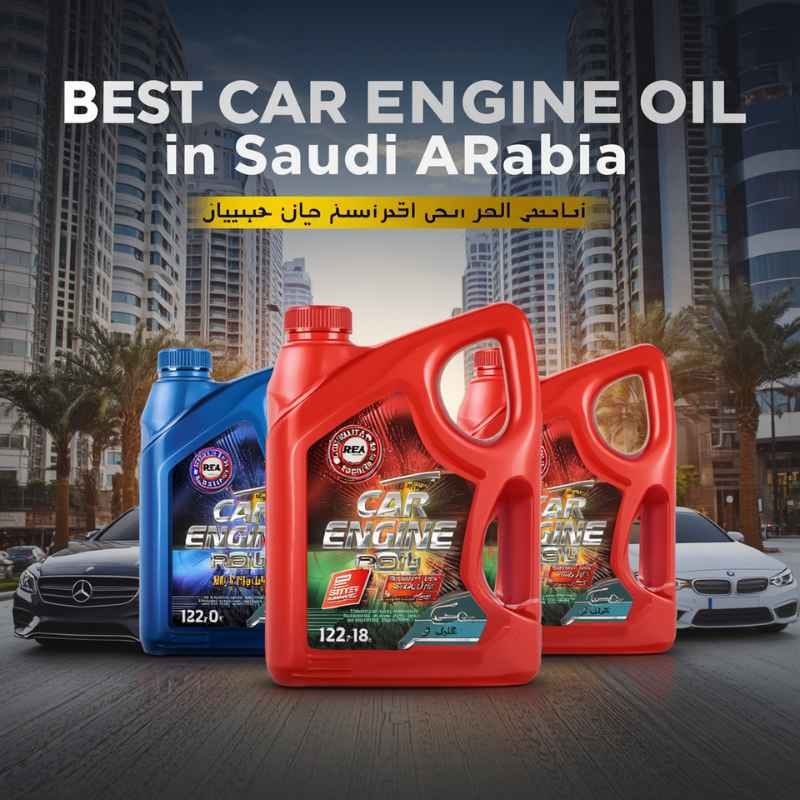
Best Car Engine Oil In Saudi Arabia: Top Picks For Heat
Living in Saudi Arabia means dealing with some seriously hot weather. Your car’s engine feels that heat too. It works extra hard to stay cool.
This heat can be tough on your engine oil. It can make the oil thinner and less effective. That’s why picking the right engine oil is super important here.
You want oil that can handle the heat. It needs to protect your engine. It needs to keep things running smoothly.
Let’s dive into finding the best car engine oil for the hot Saudi climate.
Choosing the right car engine oil in Saudi Arabia is vital due to extreme heat. The best oils resist thinning, provide superior lubrication, and protect your engine from high temperatures, ensuring longevity and performance. Look for synthetic oils with high viscosity grades suitable for hot climates.
Understanding Engine Oil in Hot Climates
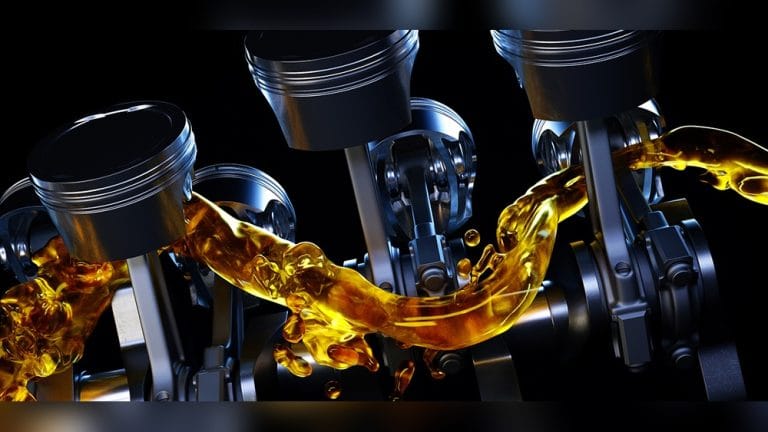
Engine oil is like your car’s blood. It does many jobs. It helps keep parts moving smoothly.
It also cools the engine. It stops rust from forming. In a hot place like Saudi Arabia, the oil has a harder job.
The sun beats down. Temperatures can soar. This heat makes the oil work overtime.
Think about it this way. Water boils at 100 degrees Celsius. Most engines run much hotter inside.
The oil must handle this. It needs to stay strong. It must not break down.
High temperatures can make oil thin. Thin oil doesn’t protect parts well. It can’t cushion them.
This leads to more wear. It can even cause engine damage.
So, what makes an oil good for heat? It’s about its viscosity. This is how thick or thin the oil is.
Oil has numbers. Like 5W-30 or 10W-40. The first number with a ‘W’ is for winter.
It tells you how well the oil flows when cold. The second number is for hot weather. A higher second number means the oil is thicker when hot.
This is good for Saudi Arabia.
For Saudi Arabia, you generally want a higher second number. Oils like 10W-40 or 20W-50 are often better. They stay thicker at high temperatures.
This means they keep protecting your engine. Even when it’s super hot outside. Or when your engine is working hard.
There are two main types of oil. Conventional oil is made from crude oil. It’s cheaper.
But it doesn’t handle heat as well. Synthetic oil is made in a lab. It’s much better at high temperatures.
It lasts longer too. For Saudi Arabia’s heat, synthetic or synthetic blend oils are usually the best choice. They offer superior protection.
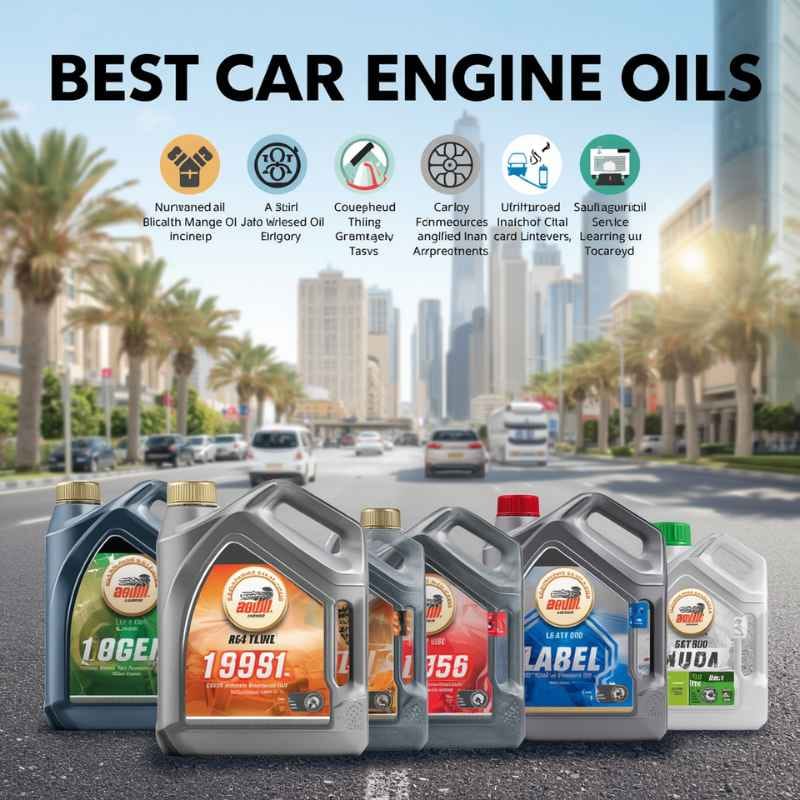
Why Engine Oil Performance Matters in Saudi Arabia
Saudi Arabia’s climate presents unique challenges for car engines. The intense heat affects more than just your comfort. It directly impacts your engine’s health and performance.
Engine oil is the first line of defense against this heat stress. Its ability to maintain its protective properties is crucial.
When oil breaks down due to heat, several problems can occur. First, the lubrication quality suffers. Moving parts in the engine, like pistons and bearings, need a constant film of oil.
This film prevents metal-on-metal contact. If the oil thins too much, this film breaks. This leads to increased friction.
Friction generates more heat. It also causes premature wear on engine components.
Second, oil also helps cool the engine. It carries heat away from hot spots to the oil pan. If the oil can’t handle the heat, its cooling efficiency drops.
This can cause the engine to run hotter than it should. Overheating is a major cause of engine damage. It can warp engine parts.
It can lead to blown head gaskets. These are very expensive repairs.
Third, high temperatures can cause oil to oxidize faster. Oxidation is a chemical reaction. It makes the oil degrade.
It forms sludge and deposits. These can clog oil passages. They can reduce oil flow.
Sludge also makes the oil less effective at lubrication and cooling. This speeds up engine wear.
Therefore, selecting an oil specifically designed for high temperatures and harsh conditions is not just a recommendation. It is a necessity for vehicles operating in Saudi Arabia. The right oil ensures your engine stays protected.
It helps maintain its power. It extends its lifespan. It saves you money on potential repairs down the line.
Many drivers might not realize how much their oil choice matters. They might stick to what their car manual suggests without considering the local climate. But a manual often gives a range.
For example, it might say 5W-30 or 10W-40. In Saudi Arabia, leaning towards the higher viscosity grade in that range is often a smarter move. It’s about adapting the oil to the environment.
Consider a scenario where a car is used for frequent short trips in the city. Even in cooler weather, these trips don’t allow the engine to reach optimal operating temperature. This can lead to moisture buildup.
However, in Saudi Arabia, even short trips happen in extreme heat. The engine still reaches high temperatures quickly. The oil needs to be robust from the start.
It needs to withstand the initial heat shock.
This is where the advanced formulations of synthetic oils really shine. They have a more stable molecular structure. They resist breaking down under stress.
They maintain their viscosity better. This provides consistent protection. No matter how hot it gets outside or how hard the engine is working.
My Own Experience: A Close Call in Jeddah
I remember a time a few years back. I was driving my older sedan through Jeddah during Ramadan. It was peak summer.
The sun was relentless. I had been meaning to change the oil for a while. Life got busy.
I thought, “It’s just a few more days.” Big mistake.
It was late afternoon. I was stuck in traffic. The air conditioning was blasting, but inside the car, it felt like an oven.
I noticed the temperature gauge on my dashboard starting to creep up. It wasn’t quite in the red zone, but it was higher than I had ever seen it. My heart sank.
I could almost feel the engine protesting.
Then, a faint smell started to fill the car. It wasn’t burning rubber or coolant. It was a sharp, almost acrid smell.
Like something was getting too hot. I started to panic a little. I pulled over as soon as I could.
I popped the hood. There wasn’t smoke, but I could feel the heat radiating off everything. The engine oil itself looked darker than usual.
It had a different sheen to it. It felt almost watery.
That day, I learned a very hard lesson. Pushing your car in extreme heat with old or the wrong kind of oil is a recipe for disaster. The oil I had in there was a standard conventional type.
It was probably the wrong viscosity grade for such extreme temperatures. It had clearly started to break down. It lost its ability to lubricate and cool effectively.
I immediately drove to the nearest service station. I explained my situation. They recommended a full synthetic oil with a higher viscosity.
They even did a flush to remove any potential sludge. After the oil change, I felt a noticeable difference. The engine ran quieter.
The temperature gauge stayed happily in its normal spot. The acrid smell was gone. It was a wake-up call.
Since then, I’ve never skimped on engine oil, especially when the temperature climbs.
This experience taught me that in Saudi Arabia, engine oil isn’t just a maintenance item. It’s a critical component for survival. It’s about keeping your car running reliably.
It’s about preventing costly breakdowns. It’s about peace of mind on those scorching summer days.
Engine Oil Basics for Hot Climates
- Viscosity Grade: For Saudi heat, look for oils with a higher second number (e.g., 10W-40, 20W-50).
- Oil Type: Synthetic or Synthetic Blend oils offer superior heat resistance and longevity.
- API Service Category: Ensure the oil meets current standards (like SP, SN Plus).
- Base Oil: Synthetic base stocks are more stable at high temperatures than conventional ones.
Key Features to Look for in Saudi Arabian Engine Oils
When you’re standing in the auto parts store or looking online, what should you focus on? Several key features make an engine oil suitable for Saudi Arabia’s heat. Knowing these will help you make the best choice for your car.
High Viscosity Index (VI)
This relates to how much the oil’s viscosity changes with temperature. A high VI means the oil’s thickness changes less. It stays closer to its intended thickness across a wide range of temperatures.
This is vital. It means the oil won’t get too thin when the engine is scorching hot. It also won’t get too thick when it’s cooler, which is rare but can happen.
Advanced Additive Packages
Good engine oils have additives. These are special chemicals mixed in. They do important jobs.
For hot climates, you want additives that fight oxidation. You also want those that prevent deposit formation. Anti-wear additives are always important.
Detergents keep the engine clean. Dispersants stop particles from clumping together. The best oils for Saudi heat have robust additive packages designed for extreme conditions.
Excellent Thermal Stability
This means the oil can withstand high temperatures without breaking down. It resists evaporation. It doesn’t degrade chemically.
Oils with excellent thermal stability maintain their protective qualities for longer. This is crucial for extended drain intervals, if your car manufacturer allows them. But more importantly, it ensures consistent protection.
Shear Stability
Engine oil is subjected to high shear forces. These happen when parts move against each other. Heat can make this worse.
Shear stability means the oil can resist these forces. It won’t break down into a thinner liquid. This is part of maintaining viscosity.
It’s a key feature for long-lasting protection.
Many top oil brands offer specific product lines. These are often labeled for “severe conditions” or “high-performance engines.” These are usually a good bet. They are formulated with these demanding environments in mind.
Don’t be afraid to look for these labels.
Also, check your car’s owner’s manual. It will tell you the recommended oil viscosity grade. And the minimum API service category.
Always start there. Then, consider the climate. For Saudi Arabia, upgrade to a full synthetic if possible.
And choose the highest recommended viscosity grade for hot weather use.
For example, if your manual says 5W-30 or 10W-30 is acceptable, and you live in Riyadh or Dammam, leaning towards a 10W-40 synthetic is often a wise upgrade. It offers that extra buffer against extreme heat. This is something I learned from a mechanic I trust.
He deals with cars in the Saudi heat every single day.
The technology in engine oils has come a long way. Modern synthetics are engineered at a molecular level. They can withstand stresses that conventional oils simply cannot.
They offer better fuel economy too, as they reduce friction. This is an added bonus for drivers watching their fuel costs.
Top Oil Features for Saudi Heat
- High Viscosity Index (VI): Resists thinning in high temps.
- Oxidation Inhibitors: Prevents oil breakdown.
- Deposit Control: Keeps engine parts clean.
- Wear Protection: Guards against friction.
- Low Volatility: Reduces oil burn-off.
Popular and Trusted Engine Oil Brands in Saudi Arabia
When you’re in Saudi Arabia, you’ll see certain engine oil brands more often. These brands have a strong presence. They are usually well-regarded for their quality.
Choosing a well-known brand can give you peace of mind. Especially when dealing with extreme conditions.
Some of the most popular and trusted brands include:
- Mobil 1: This is a premium synthetic oil. It’s known for its excellent performance in extreme temperatures. Mobil 1 is a top choice for many performance cars. It offers superior protection against heat and wear. Look for their Extended Performance or High Mileage lines if appropriate.
- Castrol: Another globally recognized brand. Castrol offers a wide range of oils. Their EDGE line is particularly popular. It’s designed for maximum performance and protection. They often have specific formulations for hot climates.
- Shell Helix: Shell is a major player. Their Helix Ultra range is a fully synthetic option. It uses advanced cleaning technologies. It’s designed to keep engines running like new. It offers good protection against the heat and stresses of driving in Saudi Arabia.
- Total: TotalEnergies offers a range of high-quality synthetic oils. Their Quartz line is well-regarded. They often emphasize fuel economy and engine protection. Good options exist for high-temperature performance.
- Liqui Moly: This German brand has gained a strong following. They are known for their high-quality lubricants. Many drivers in Saudi Arabia swear by Liqui Moly for its effectiveness. Their Leichtlauf (Low Friction) series is popular. They also offer special additives.
- Valvoline: An American brand with a long history. Valvoline offers a comprehensive range of oils. Their full synthetic options are designed to handle demanding conditions.
When choosing, always look at the specific product. Not just the brand name. Each brand has different lines.
Some are entry-level. Others are premium synthetics. For Saudi Arabia, focus on their fully synthetic offerings or high-performance synthetic blends.
Also, consider the recommended oil for your car. You can often find this on the oil cap. Or in your owner’s manual.
Cross-reference that with the oil’s specifications. Does it meet the API and ACEA standards your car needs?
I’ve personally used Castrol and Mobil 1 in my cars for years. I found them to be reliable. They held up well during the hottest months.
I also have friends who are big fans of Liqui Moly. They say their cars feel smoother. And their engines run cooler.
It often comes down to personal preference and what works best for your specific vehicle.
It’s also worth checking reviews from other drivers in Saudi Arabia. Online forums or local car enthusiast groups can offer insights. People often share their experiences with different brands and types of oil.
This real-world feedback can be very valuable.
Popular Oil Brands & Lines for Saudi Arabia
- Mobil 1: Extended Performance, High Mileage
- Castrol: EDGE, GTX Ultraclean
- Shell Helix: Ultra, HX8
- TotalEnergies Quartz: Ineo, Energy
- Liqui Moly: Leichtlauf, Synthoil
- Valvoline: Advanced Full Synthetic
Choosing the Right Viscosity Grade
We’ve touched on viscosity. Let’s dig a bit deeper. This is perhaps the most critical factor for engine oil in hot climates like Saudi Arabia.
Viscosity is the oil’s resistance to flow. It’s measured using SAE (Society of Automotive Engineers) grades.
These grades look like this: XW-YY.
- XW: The ‘W’ stands for Winter. This number indicates how easily the oil flows when cold. Lower numbers are better for cold starts. In Saudi Arabia, this isn’t as big a concern as the hot weather performance. But it’s still part of the oil’s overall specification.
- YY: This second number is the key for hot weather. It indicates the oil’s viscosity at engine operating temperature (around 100°C). A higher number here means the oil is thicker when hot.
For Saudi Arabia, you want a higher second number. Here’s a general guide:
Common Viscosity Grades and Their Suitability
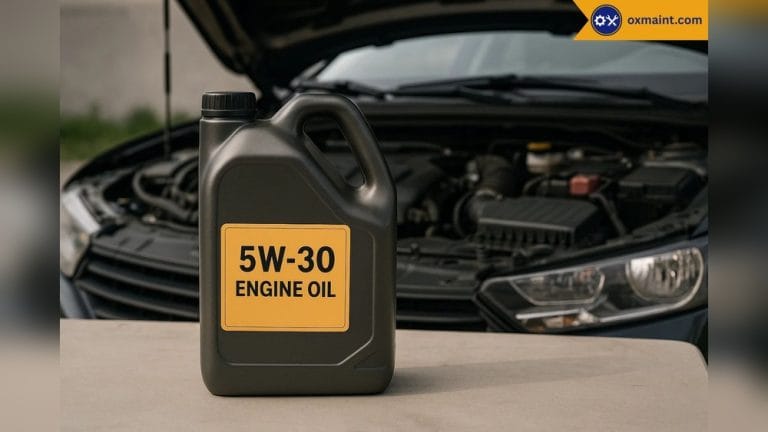
- 5W-30: A very common oil. Good for many cars. However, in the peak heat of Saudi summer, it might become a bit too thin for some engines, especially older ones or those that work very hard.
- 10W-30: Better than 5W-30 for heat. Offers a bit more protection.
- 10W-40: This is often a sweet spot for many cars in Saudi Arabia. It provides good flow when cold and better resistance to thinning when hot compared to 5W-30.
- 15W-40: A good choice for older engines or vehicles that operate under heavy loads. It’s more robust in high heat.
- 20W-50: This is a very thick oil when hot. It’s excellent for extreme heat conditions and for older or high-mileage engines. It offers maximum protection against heat-induced thinning.
What does your car manufacturer recommend? This is your first guide. Check your owner’s manual. It will list the recommended viscosity grades for your vehicle.
It might even specify a range based on ambient temperature.
For example, a manual might say: “Use 5W-30 if ambient temperature is below 30°C. Use 10W-40 if ambient temperature is above 30°C.” In Saudi Arabia, you are almost always above 30°C for many months of the year. So, you should likely be using the higher viscosity grade.
Consider your driving habits. Do you drive mostly in stop-and-go city traffic? Do you frequently tow? Do you drive long distances at high speeds?
These conditions put more stress on your engine and oil. They make a higher viscosity grade even more beneficial.
What about synthetic vs. conventional? Synthetic oils generally maintain their viscosity better across a wider temperature range. This means a 10W-40 synthetic will likely perform better in extreme heat than a conventional 10W-40.
It will also resist breakdown longer.
I switched from a 5W-30 conventional oil to a 10W-40 synthetic blend in my old SUV. The change was noticeable. The engine ran smoother.
It felt less strained on hot days. I was convinced I had made the right choice. It’s a simple change that offers significant benefits.
When in doubt, consult a trusted mechanic. They know the local conditions. They have experience with many different vehicles.
They can guide you to the best viscosity grade and oil type for your specific car and driving needs in Saudi Arabia.
Viscosity Grade Cheat Sheet for Saudi Heat
- Most Cars: 10W-40 (Synthetic or Blend)
- Older/High-Mileage Cars: 15W-40 or 20W-50 (Synthetic or Blend)
- Performance Cars: Check manual, often 5W-40 or 10W-40 Synthetics
- Always: Prioritize manufacturer’s recommendation then adapt for heat.
Synthetic vs. Conventional Oil: The Heat Test
This is a question that comes up a lot. Is synthetic oil really worth the extra cost, especially in a hot climate like Saudi Arabia? The short answer is yes, it often is.
Let’s break down why.
Conventional Oil
Conventional oil is made directly from crude oil. It’s put through refining processes. It’s the traditional type of engine oil.
It works fine for many cars in milder climates. However, it has limitations:
- Less Stable: Its molecular structure is less uniform. This makes it more susceptible to breaking down under extreme heat.
- Higher Volatility: It can evaporate more easily at high temperatures. This means you might need to add oil more often. It also means the remaining oil becomes thicker and less effective.
- Shorter Lifespan: Conventional oil degrades faster. This means you need to change it more frequently.
In Saudi Arabia, using conventional oil means you are constantly fighting the heat. You might need to change your oil more often than recommended for cooler regions. Even then, the protection it offers might not be as robust as synthetic.
Synthetic Oil
Synthetic oil is engineered in a laboratory. It starts with a highly refined base stock. Then, additives are blended in to create a very consistent product.
Here’s why it’s better for heat:
- Superior Heat Resistance: Synthetic oils have a more stable molecular structure. They resist breaking down under extreme temperatures much better. They maintain their viscosity.
- Lower Volatility: They evaporate far less at high temperatures. This means the oil film stays in place. It continues to protect your engine.
- Longer Lifespan: Synthetics resist oxidation and degradation better. They can often last longer between oil changes.
- Better Performance: They provide superior lubrication, better flow at cold temperatures (though less critical in Saudi heat), and cleaner engines due to better additive packages.
The Cost Factor: Yes, synthetic oil is usually more expensive. A quart of full synthetic can cost two or three times more than conventional. However, consider the benefits:
- Extended Drain Intervals: Some synthetics allow for longer periods between oil changes. This can offset some of the initial cost. Always follow your manufacturer’s recommendations, though.
- Better Engine Protection: The superior protection against wear and heat stress can prevent costly engine repairs. This is where you really save money. An engine rebuild can cost thousands.
- Improved Fuel Economy: Reduced friction from synthetic oils can lead to slightly better fuel efficiency.
For Saudi Arabia, the recommendation is almost always to go with a full synthetic oil. If your budget is very tight, a high-quality synthetic blend is a good compromise. It offers better protection than conventional oil but is less expensive than full synthetic.
I made the switch to full synthetic oil about five years ago. I have not looked back. My engines run quieter.
They feel more responsive. And I have the peace of mind knowing they are getting the best possible protection against the extreme heat. It feels like a small investment for a big return in engine health.
When you’re buying, look for terms like “Full Synthetic” or “100% Synthetic.” These indicate you’re getting the best quality. Don’t be fooled by labels that just say “Synthetic Blend” if you want the absolute best. Though, as mentioned, a blend is still a great upgrade.
Synthetic vs. Conventional: The Heat Verdict
| Feature | Conventional Oil | Synthetic Oil |
|---|---|---|
| Heat Resistance | Fair | Excellent |
| Volatility (Evaporation) | Higher | Lower |
| Lifespan | Shorter | Longer |
| Protection | Basic | Superior |
| Cost | Lower | Higher |
Engine Oil Additives: Friend or Foe in the Heat?
You might see various engine oil additives for sale. These are extra products you can pour into your oil. Some claim to boost performance, reduce wear, or clean the engine.
When considering these in Saudi Arabia, especially in extreme heat, proceed with caution.
What Are Additives?
Engine oil already contains a complex blend of additives. These include detergents, dispersants, anti-wear agents, friction modifiers, and more. These are carefully balanced by the oil manufacturer.
The Risks of Aftermarket Additives
Adding extra chemicals to your engine oil can disrupt this balance. This is especially true in high-heat environments:
- Altering Viscosity: Some additives can change the oil’s viscosity in unpredictable ways. This could make it thinner or thicker than intended, compromising protection.
- Chemical Reactions: The new chemicals might react with the existing additives in the oil. This can create unwanted byproducts. It can even make the oil less effective or cause deposits.
- Voiding Warranty: Using aftermarket additives can sometimes void your car manufacturer’s warranty. Always check your warranty terms.
- Not Needed for Quality Oils: Modern, high-quality synthetic oils are already formulated with robust additive packages. They are designed to perform exceptionally well without any extra help.
There are specific additives designed for extreme heat or performance. For example, some might claim to improve thermal stability. However, the risks often outweigh the potential benefits.
When might they be considered? For very old engines with known issues, a mechanic might recommend a specific, high-quality additive as part of a treatment. But this is usually done under expert advice. It’s not a casual addition.
My general advice for drivers in Saudi Arabia is this: Stick to a top-tier full synthetic oil. If your car has specific needs, your owner’s manual or a trusted mechanic will tell you. Don’t experiment with extra bottles from the auto parts store.
The risk of damaging your engine, especially under heat stress, is not worth it.
I once saw a friend’s car develop oil leaks after he started using a popular “engine revitalizer” additive. He stopped using it, but the damage was done. It was a costly lesson for him.
It reinforced my belief in letting the oil manufacturer do their job.
Focus on choosing the right base oil and viscosity grade. That is where you will get the most benefit for your car’s performance and longevity in the Saudi heat.
Additives: Quick Guide
- Use with Caution: Most aftermarket additives are not needed.
- Balance Disruption: They can upset the oil’s carefully balanced formula.
- Warranty Risk: Can void your car’s warranty.
- Best Practice: Choose a high-quality synthetic oil.
When to Change Your Engine Oil in Saudi Arabia
The old rule of thumb used to be every 3,000 miles. But with modern cars and modern oils, that has changed. The best guide is always your car’s owner’s manual.
It will specify the recommended oil change interval. This is usually based on mileage or time, whichever comes first.
Factors Affecting Oil Change Intervals in Saudi Heat
While the manual is your primary source, Saudi Arabia’s extreme heat is a factor. It puts extra stress on the oil. Here’s how to think about it:
- Driving Conditions: Frequent short trips, stop-and-go traffic, and heavy loads create more stress on the oil. If you primarily drive in these conditions, you might consider changing your oil slightly sooner than the manual suggests.
- Oil Type: As we’ve discussed, synthetic oils last much longer than conventional oils. If you’re using a full synthetic, you can likely stick to the manual’s recommended interval. If you’re using conventional, you might want to shorten it, especially in the hottest months.
- Oil Age: Even if you don’t drive much, oil degrades over time. It can absorb moisture and contaminants. Most manufacturers recommend changing oil at least once a year, regardless of mileage. In Saudi Arabia, given the heat, sticking to an annual change is even more important.
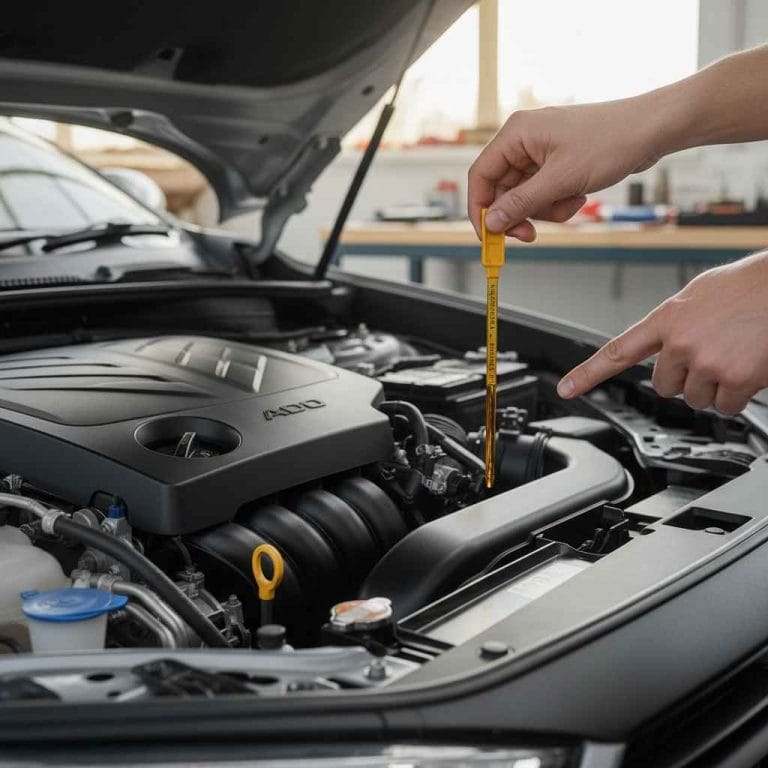
- Oil Appearance: While not a perfect science, you can learn to read your oil. If it looks very dark, sludgy, or gritty, it’s definitely time for a change. The smell can also be a clue. A burnt smell means the oil is breaking down.
Mileage vs. Time: Let’s say your manual says change oil every 10,000 miles or 12 months. If you only drive 5,000 miles in a year, you should still change the oil at the 12-month mark.
If you drive 15,000 miles in 12 months, you should change it at 10,000 miles.
Using the right oil matters here. If you are using a high-quality full synthetic oil that is rated for high temperatures, you can generally stick closer to the manufacturer’s recommended mileage interval. The oil will hold up better to the heat.
I personally tend to change my oil a little sooner than the absolute maximum recommended by the manufacturer. Especially before the peak summer months. It gives me extra peace of mind.
It’s a small price to pay for ensuring my engine is in the best condition to handle the heat.
Don’t forget to change your oil filter at the same time. The filter traps debris. A clogged filter can restrict oil flow.
This is counterproductive to protecting your engine.
If you’re unsure, ask your mechanic. They can assess your driving habits and the condition of your current oil. They can give you personalized advice for oil change intervals in Saudi Arabia.
Oil Change Interval Factors
- Car Manual: Always the primary guide.
- Oil Type: Synthetic lasts longer.
- Driving Habits: City driving vs. highway.
- Time: Oil degrades even when not used.
- Climate: Extreme heat accelerates degradation.
Protecting Your Car Beyond Just Oil
While choosing the best engine oil is crucial for handling Saudi Arabia’s heat, it’s not the only thing you should do. Your car has other systems that work to keep it cool and running smoothly. Maintaining these will complement your engine oil choice.
Cooling System Maintenance
Your car’s radiator and coolant are its primary cooling mechanism. Ensure your coolant level is always correct. The coolant should be a 50/50 mix of antifreeze and distilled water for optimal performance in both heat and potential rare cold spells.
Regularly inspect your radiator hoses for cracks or leaks. A faulty radiator cap can also cause issues. If you notice your temperature gauge creeping up, get your cooling system checked immediately.
A cooling system flush might be needed periodically.
Tire Pressure
Hot weather can affect tire pressure. Underinflated tires can cause more friction. This leads to increased heat buildup in the tires and can even impact fuel efficiency.
Always check your tire pressure when the tires are cold. Use the pressure recommended on the sticker inside your driver’s side doorjamb.
Battery Health
Heat is very hard on car batteries. High temperatures can cause the battery fluid to evaporate. It also speeds up the corrosion of battery terminals.
Before summer hits, have your battery tested. Ensure the terminals are clean and free of corrosion.
Air Conditioning System
While not directly engine-related, a well-functioning AC system is vital for driver comfort. It also helps prevent the engine from working too hard to cool the cabin. Keep your AC system serviced.
Ensure the refrigerant levels are correct.
I remember a summer where my car’s AC was weak. I thought it was just normal for older cars. But it made driving in the heat unbearable.
I had it serviced, and the difference was amazing. It made my daily commute so much more bearable. And I noticed the engine didn’t seem to labor as much trying to compensate.
By taking a holistic approach to your car’s maintenance, especially focusing on cooling and protection, you ensure your vehicle is ready for the demanding conditions in Saudi Arabia. The right engine oil is a cornerstone of this, but it’s part of a larger picture.
Beyond Engine Oil: Heat Preparation
- Cooling System: Check coolant, hoses, and cap.
- Tires: Maintain correct inflation pressure.
- Battery: Test and clean terminals.
- AC: Ensure it’s functioning optimally.
Frequently Asked Questions
What is the best engine oil viscosity for Saudi Arabia?
For most cars in Saudi Arabia, a 10W-40 viscosity grade is highly recommended due to the extreme heat. For older or high-mileage vehicles, 15W-40 or 20W-50 might offer even better protection. Always check your car’s owner’s manual first, and then consider a higher viscosity for hot weather.
Should I use synthetic or conventional oil in Saudi Arabia?
Full synthetic oil is strongly recommended for Saudi Arabia’s climate. Synthetic oils offer superior resistance to heat breakdown, better lubrication, and longer lifespans compared to conventional oils. A synthetic blend is a good alternative if budget is a concern.
How does extreme heat affect engine oil?
Extreme heat causes engine oil to thin out. This reduces its ability to lubricate and cool engine parts. High temperatures can also accelerate oil oxidation, leading to sludge formation and degradation of the oil’s protective properties.
Can I use a thicker oil than recommended by my car manufacturer?
Generally, it’s best to stick to the manufacturer’s recommended viscosity grades. However, in a very hot climate like Saudi Arabia, using the higher end of the recommended range (e.g., 10W-40 instead of 5W-30, if both are listed as acceptable) is often beneficial for heat protection. Always consult your owner’s manual or a trusted mechanic.
How often should I change my engine oil in Saudi Arabia?
Always follow your car’s owner’s manual for recommended oil change intervals. However, due to extreme heat, consider changing your oil slightly sooner if you drive under severe conditions (e.g., frequent short trips, heavy traffic). Using a high-quality synthetic oil can help you stick closer to the recommended intervals.
What are the signs that my engine oil is breaking down due to heat?
Signs include a darker or sludgier appearance of the oil, a burnt smell, increased engine noise, the engine running hotter than usual, and potentially reduced engine performance. Regularly checking your oil level and condition is important.
Final Thoughts on Engine Oil for Saudi Heat
Navigating the demands of Saudi Arabia’s scorching heat for your car requires careful attention to your engine oil. It’s more than just a fluid; it’s your engine’s shield against extreme temperatures. By understanding viscosity grades, the benefits of synthetic oils, and key features, you can make an informed choice.
Choosing the right oil ensures your engine stays protected, runs smoothly, and lasts longer. Don’t let the heat get the better of your vehicle. Invest in quality, and your car will thank you with reliable performance for years to come.
Regular checks and timely changes are your best defense.
Products related to this article
Sponsored / affiliate links. As an Amazon Associate I earn from qualifying purchases. I may earn additional commission from eligible campaigns.