What To Do If Your Car Tire Is Leaking (Step-By-Step Fix)
If your car tire is leaking, first try to locate the source of the leak. If it’s a small puncture, you might be able to use a tire plug kit for a temporary fix. If the leak is severe or the tire is damaged, pull over safely and use your spare tire.
Always check tire pressure regularly to catch slow leaks early.
Understanding Leaking Car Tires
A leaking car tire is one where air is escaping. This can happen slowly or quite quickly. A slow leak might just be a drip of air.
You might not even notice it for days. A fast leak means air rushes out. Your tire can go flat very fast.
This is dangerous. It can affect how your car handles. It can also damage your wheel rim.
Or worse, it can lead to a blowout. This means the tire suddenly bursts. It’s vital to know why tires leak.
It’s also key to know the signs.
Several things can cause a tire to lose air. The most common is a puncture. Something sharp stabs the tire.
Think nails, screws, or glass. This creates a hole. Another cause is valve stem trouble.
The valve stem is where you add air. It can get old or damaged. It might not seal properly.
Leaks can also come from the rim. The wheel rim is the metal part the tire sits on. If it’s bent or corroded, air can escape.
Even a small bend can cause a problem. The seal between the tire and the rim can fail. This is called a bead leak.
Sometimes, the tire itself is old. The rubber can crack over time. This allows air to seep out.
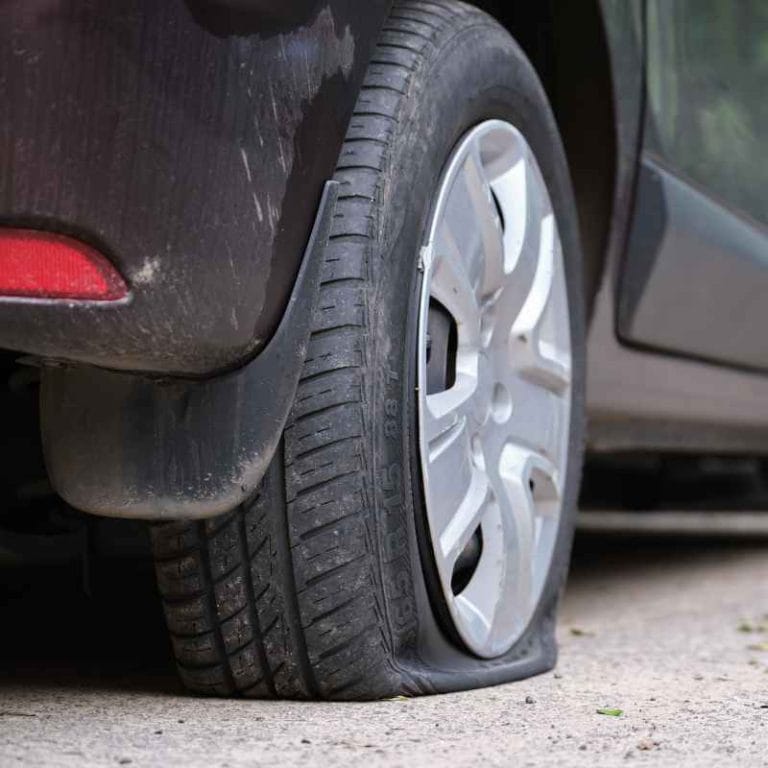
Knowing what to look for is smart. A flat tire is obvious. It looks saggy.
It might even be touching the ground. A slow leak is sneakier. You might notice your car pulling to one side.
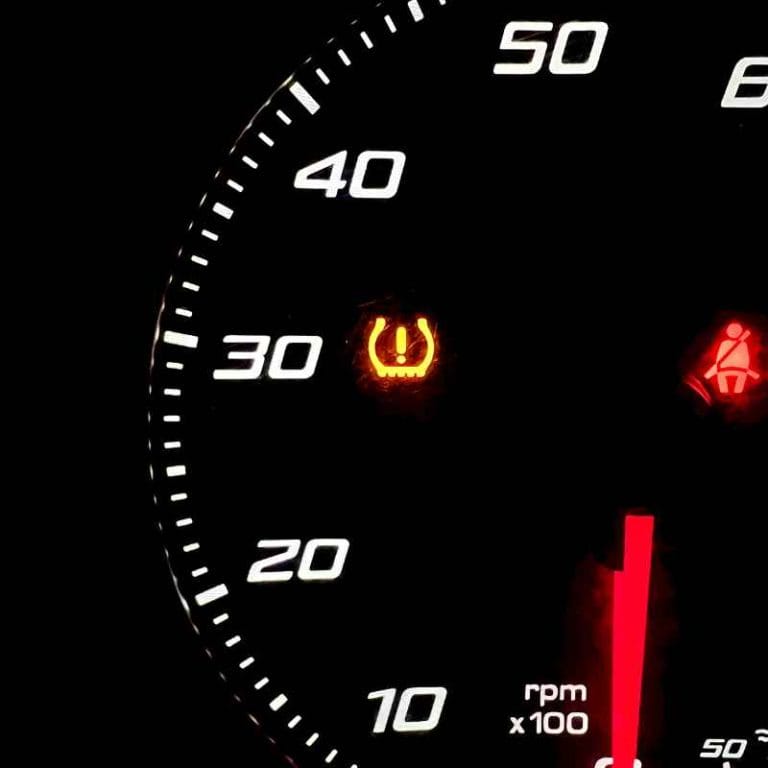
This happens because that tire has less air. The pressure is lower. Your tire pressure monitoring system (TPMS) light is a big clue.
This light on your dashboard means a tire is low on air. Don’t ignore it. It’s your car’s way of telling you something is wrong.
Sometimes you can hear a hissing sound. This is air escaping. You might also see a wet spot on the tire.
This happens if you spray soapy water on it. Bubbles will form where the air is leaking.
My Experience with a Mysterious Slow Leak
I remember one time, I was heading out for a weekend camping trip. It was a Friday afternoon. The sun was starting to dip.
I’d just loaded up the car. Everything was ready to go. As I pulled out of my driveway, I noticed something felt off.
The car seemed to drift a little to the right. My heart sank. I pulled over onto the shoulder.
I got out to look. All four tires looked fine. No flat.
No obvious nails. I felt a wave of annoyance. I had plans.
I didn’t have time for this.
I walked around the car, tapping each tire. I even got down on my hands and knees. Nothing.
I put my hand on the sidewall. I couldn’t feel or hear any air escaping. This was weird.
I started the car again. Drove another mile. The feeling was still there.
That’s when the tire pressure light flashed on. Ugh. I knew I had a slow leak somewhere.
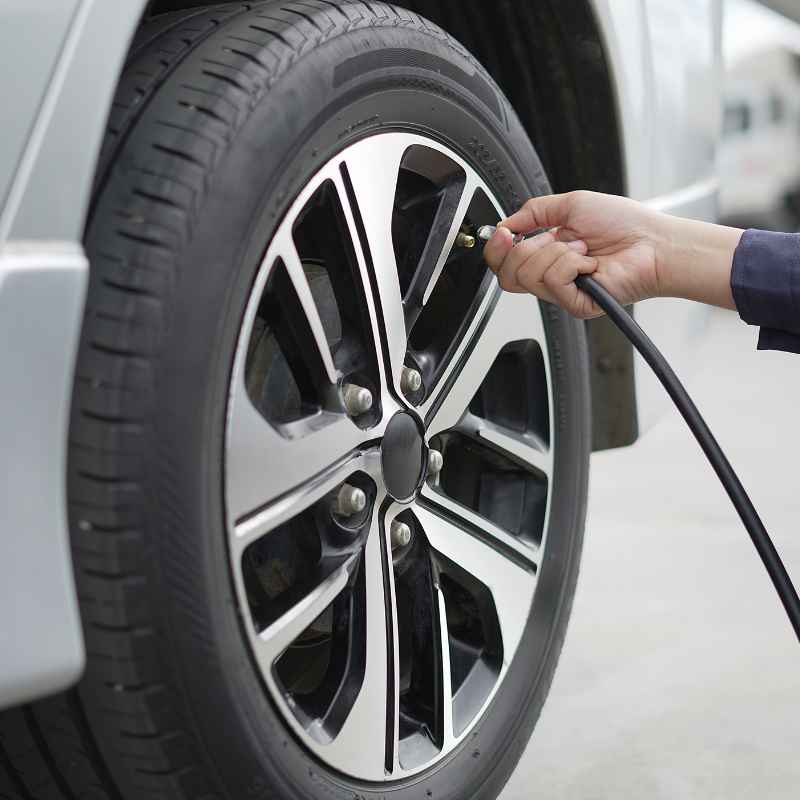
I found a gas station. I grabbed the air pump. I started filling up the front right tire.
I kept pumping. It just wouldn’t hold pressure. The gauge showed it was going down as I pumped.
That was the moment I knew. It wasn’t a simple nail. It was something else.
I ended up having to call a tow truck. The tire was completely shot. It was a stark reminder that sometimes, problems aren’t visible at first glance.
Quick Tire Leak Check Guide
What to look for:
- Sagging tire shape
- Car pulling to one side
- Tire pressure warning light
- Hissing sounds
- Visible damage (cuts, bulges)
How to check:
Spray soapy water on the tire tread and sidewall. Look for bubbles. This shows where air is escaping.
Finding the Source of the Leak
Locating a tire leak is the first crucial step. If you don’t know where the air is going, you can’t fix it. You’ve already checked for obvious signs like a flat tire.
Now, let’s get a bit more detailed. The soapy water trick is your best friend here. Get a spray bottle.
Mix a good amount of dish soap with water. Shake it up well. You want lots of suds.
Then, go around your tire. Spray it generously. Pay close attention to the tread area.
This is the part that touches the road. Also, spray the sidewalls. Don’t forget the valve stem.
And check the rim edge where the tire meets the wheel.
As you spray, watch closely. If there’s a leak, you’ll see bubbles forming. The air escaping will push the soapy water out.
This creates visible bubbles. The bigger the leak, the faster the bubbles will appear. If you see bubbles, you’ve found your spot.
Mark it with chalk or a pen. This helps you remember where it is. Sometimes, the leak is very small.
You might only see a tiny, slow stream of bubbles. Be patient. Take your time.
This method works for both slow and fast leaks.
What if you can’t find anything with the soapy water? Double-check the valve stem. Sometimes the little cap is missing.
Or the core inside can be loose. You can try gently pressing down on the valve stem’s inner pin with a small tool. Listen for a hiss.
If you hear air escaping, the valve core might need tightening or replacing. This is a bit more advanced. If you’re not comfortable, leave it to the pros.
Also, consider the rim. Look for any dents or damage. Corrosion can create tiny gaps.
If the tire looks fine and the valve stem seems okay, the leak might be between the tire and the rim.
Common Leak Locations
Tread: Punctures from nails, screws, glass.
Sidewall: Cuts, tears, or damage from hitting curbs.
Valve Stem: Worn out, loose core, or damaged.
Rim Edge: Bent rim, corrosion, or debris.
Temporary Fixes: What You Can Do Now
Okay, you’ve found the leak. What now? If it’s a small puncture and you need to get moving, a temporary fix might be possible.
This is not a permanent solution. It’s meant to get you to a repair shop. The most common temporary fix is a tire plug kit.
These kits are available at auto parts stores. They usually come with a reamer tool, an insertion tool, and plugs. The plugs are sticky, stringy bits of rubber.
Using a plug kit requires a bit of effort. First, you need to get the offending object out. If it’s a nail or screw, carefully pull it out with pliers.
Be prepared for air to rush out. Then, take the reamer tool. It looks like a corkscrew.
Jam it into the hole. Twist it around several times. This cleans out the hole and widens it just enough for the plug.
It’s a firm push. Next, thread a plug onto the insertion tool. Coat the plug with the provided cement or rubber cement, if needed.
Push the insertion tool with the plug deep into the hole. You want about half the plug to stick out. Pull the insertion tool straight out.
The plug should stay in the tire. Trim off any excess plug sticking out. Then, inflate the tire to the correct pressure.
You can use your car’s air pump or a gas station pump. Check for bubbles around the plug. If you don’t see any, you’re likely good to go for a short distance.
Another temporary measure, especially for slow leaks or valve stem issues, is tire sealant. This is a liquid that you inject into the tire through the valve stem. It coats the inside of the tire.
When it hits the air leak, it hardens and seals the hole. Some sealants are temporary. Others are more permanent.
Be aware that some sealants can make a permanent repair more difficult later. They can also gum up tire pressure sensors. So, always check the product instructions.
And again, this is usually a temporary solution. It’s best to use this if you can’t access a plug kit or need to get home quickly.
Temporary Fix Supplies
Tire Plug Kit: Essential for puncture repairs.
Tire Sealant: Good for slow leaks or valve stem issues.
Air Compressor/Pump: To reinflate the tire.
Tire Pressure Gauge: To check the pressure.
Pliers: To remove sharp objects.
When to Use Your Spare Tire
Sometimes, a leak is too big for a temporary fix. Or the tire damage is too severe. This is when you need to put on your spare tire.
This is a common task for many drivers. But it can seem daunting if you’ve never done it before. The first thing is safety.
Find a safe, level spot to pull over. Avoid soft shoulders or busy roads. Turn on your hazard lights.
Make sure the parking brake is engaged. You don’t want your car rolling.
You’ll need your spare tire, a jack, and a lug wrench. These are usually in the trunk of your car. They might be under a floor panel.
Check your car’s owner’s manual if you’re unsure. To remove the flat tire, you’ll need to loosen the lug nuts first. Use the lug wrench.
Turn them counter-clockwise. They might be tight. You might need to use some body weight.
Don’t remove them completely yet. Just loosen them a bit. Then, find the jack point on your car’s frame.
Your owner’s manual will show you where this is. Position the jack under the car. Slowly crank the jack to lift the car.
Lift it high enough so the flat tire is off the ground. Now, you can fully unscrew the lug nuts. Keep them safe.
Put the flat tire aside. Mount the spare tire onto the wheel studs. Screw on the lug nuts by hand.
Tighten them in a star pattern. This ensures the wheel is seated evenly. Lower the car slowly.
Once the car is on the ground, use the lug wrench to fully tighten the lug nuts. Again, use that star pattern. Then, check the spare tire’s pressure.
Spare tires often need higher pressure than regular tires. Drive cautiously on a spare. They are not meant for long distances or high speeds.
Get your flat tire repaired or replaced as soon as possible.
Spare Tire Basics
Safety First: Pull over safely. Use hazard lights. Engage parking brake.
Tools Needed: Spare tire, jack, lug wrench.
Loosen Lug Nuts: Before jacking. Turn counter-clockwise.
Jack Up Car: Use correct jack point. Lift until tire is off ground.
Mount Spare: Hand-tighten lug nuts in star pattern.
Lower Car: Tighten lug nuts fully with lug wrench. Star pattern is key.
Check Pressure: Inflate spare to correct PSI.
Drive Cautiously: Spares are temporary.
When to Call a Professional
Not all tire leaks are simple fixes you can do yourself. There are times when you absolutely need a mechanic or a tire shop. If the leak is in the sidewall, forget about temporary fixes.
Sidewalls flex a lot. A plug or patch there won’t hold. A puncture in the sidewall usually means a new tire.
Another red flag is a large gash or cut. If you can see the internal cords of the tire, it’s too damaged. This is a safety issue.
If you tried to plug a tire and it’s still leaking, it’s time for help. Maybe the plug didn’t seal. Or maybe you can’t get the plug to go in properly.
Sometimes, a tire might have multiple small punctures. Trying to plug them all can be risky. A professional has the right tools and experience.
They can assess the damage accurately. They can tell you if the tire is repairable or if you need a replacement. They can also check the rim for damage.
They can ensure the tire is mounted correctly. This is important for balance and safety.
Also, consider your own comfort level. If you’re not mechanically inclined, or if you feel unsafe doing the work, call a professional. It’s better to pay for a service than to risk an accident or further damage.
Many roadside assistance services can help you change a tire. Or they can tow your car to a shop. Don’t hesitate to ask for help.
Driving on a damaged or improperly repaired tire is dangerous. It can lead to blowouts and loss of control. Trust your gut.
If it feels like a big problem, let the experts handle it.
Signs You Need a Pro
Sidewall Damage: Cuts, punctures, or bulges on the sidewall.
Large Punctures: Holes bigger than a pencil lead.
Multiple Leaks: Several small holes in one tire.
Rim Damage: Dents or bends in the wheel rim.
Failed DIY Repair: If your temporary fix didn’t work.
Uncertainty: If you’re not sure about the damage or repair.
Preventing Future Tire Leaks
The best way to deal with a leaking tire is to prevent it from happening. This sounds obvious, but there are simple steps you can take. First and foremost, check your tire pressure regularly.
This is probably the most important thing. Low tire pressure is bad for your tires. It causes them to wear unevenly.
It can also lead to overheating. This increases the risk of a blowout. And it makes slow leaks harder to spot.
Tires lose air over time, even when healthy. So, check your pressure at least once a month. Also, check it before long trips.
Use a good tire pressure gauge. You can find them at auto parts stores. They are inexpensive.
Make sure you check the pressure when the tires are cold. That means before you’ve driven the car much. The recommended tire pressure is usually on a sticker inside your driver’s side door jamb.
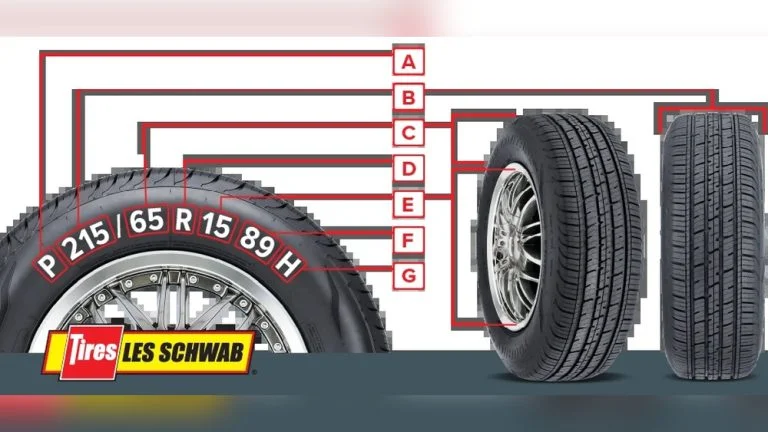
It’s also in your owner’s manual. Do not use the pressure listed on the tire’s sidewall. That’s the maximum pressure the tire can hold, not the recommended operating pressure.
Also, keep an eye on your tires’ condition. Look for cuts, cracks, or bulges. If you see any damage, get it checked.
Rotate your tires regularly. This helps them wear more evenly. Uneven wear can sometimes lead to issues.
Avoid driving over potholes or debris whenever possible. These can cause damage to tires and rims. And if you do pick up a nail or screw, try to get it fixed soon.
Don’t wait until it becomes a flat tire. A quick patch is often all that’s needed. Keeping your tires in good shape saves you money and keeps you safe.
Tire Health Checklist
Pressure: Check monthly when tires are cold.
Tread Depth: Ensure adequate tread for grip.
Visual Inspection: Look for cuts, bulges, or embedded objects.
Rotation: Rotate tires every 5,000-7,500 miles.
Alignment: If your car pulls to one side or tires wear unevenly.
Understanding Tire Repair vs. Replacement
When you have a leaking tire, the question often comes up: can it be repaired, or do I need a new one? This depends on a few key factors. The U.S.
Tire Manufacturers Association has guidelines for this. Generally, a tire can be repaired if the puncture is in the tread area only. It must be a clean puncture.
The hole should be less than one-quarter of an inch (about 6mm) in diameter. The tire must also have sufficient tread depth remaining.
A proper tire repair involves more than just sticking a plug in from the outside. A professional repair involves removing the tire from the rim. They then inspect the inside for damage.
If it’s repairable, they use a patch-plug combination. This is a mushroom-shaped rubber plug with a patch attached. It’s inserted from the inside.
The patch seals the hole on the inside surface. The plug seals the tread area. This is considered the safest and most reliable type of tire repair.
However, some leaks cannot be repaired. As mentioned before, any damage to the tire’s sidewall is usually unrepairable. This includes cuts, cracks, or bulges.
Punctures near the sidewall or on the shoulder (where the tread meets the sidewall) are also often unrepairable. If the tire has been driven on while flat for a significant distance, the internal structure can be damaged. This damage might not be visible from the outside.
In such cases, replacement is necessary. Also, if the tire is old and the rubber has deteriorated, or if it has multiple unrepaired punctures, a new tire is the safer choice. Your tire professional is the best person to advise you on whether a repair is safe and viable for your specific situation.
Repairable vs. Unrepairable Leaks
Repairable:
- Puncture in the tread area only.
- Hole size less than 1/4 inch.
- Sufficient tread depth.
Unrepairable:
- Damage on the sidewall or shoulder.
- Large cuts or gashes.
- Multiple punctures.
- Tire driven flat for extended distance.
- Deteriorated rubber.
Common Tire Issues and What They Mean
Let’s look at some common tire issues related to leaks and what they signal. Understanding these can help you react faster.
Slow Leaks
These are the sneakier ones. They can be caused by tiny punctures from sharp objects. They can also be from a slow leak around the rim.
Valve stem issues are common culprits too. A slow leak means you’ll likely see your tire pressure light come on. Or you’ll notice the car pulling.
These are often fixable. But they need attention sooner rather than later. Letting a tire stay low on air can damage it.
It can also affect fuel economy.
Fast Leaks
These happen when a larger object punctures the tire. Or if a tire suffers a significant cut or tear. Air rushes out quickly.
You’ll notice the tire deflating rapidly. This is dangerous. You must pull over immediately.
Do not try to drive on a rapidly deflating tire. Use your spare tire or call for assistance. These often require replacement of the tire.
Valve Stem Leaks
The valve stem is a small rubber or metal nozzle. It’s where you add air. The valve core inside can get loose or worn.
The rubber can also crack with age. Sometimes debris can prevent it from sealing properly. You might hear a faint hiss.
Or you’ll see bubbles around the stem. Many shops can replace a valve stem quickly and cheaply. Sometimes the valve stem cap is all that’s missing.
Bead Leaks
This is a leak where the tire meets the wheel rim. It can happen if the rim is bent or corroded. Debris trapped between the tire and rim can also cause it.
If you see bubbles forming along the edge of the rim, this is likely the cause. This often requires the tire to be removed. The rim needs to be cleaned and inspected.
Sometimes a special lubricant or sealant is used to restore the bead seal.
Frequently Asked Questions About Leaking Tires
How often should I check my tire pressure?
It’s a good practice to check your tire pressure at least once a month. You should also check it before any long road trips. Always check when the tires are cold.
Can I drive on a tire that is losing air slowly?
You can drive on a tire losing air slowly for a short distance to get to a safe place or a repair shop. However, it’s best to reinflate it to the correct pressure first. Driving on a significantly underinflated tire can damage the tire and affect vehicle handling.
What happens if I ignore a tire leak?
Ignoring a tire leak can lead to a flat tire. It can cause uneven tire wear, reduce fuel efficiency, and compromise your car’s handling and braking. In severe cases, it can lead to a dangerous tire blowout.
Are tire plug kits safe for long-term use?
Tire plug kits are designed for temporary repairs. While some people use them long-term, it’s generally recommended to have a professional inspect the tire and perform a permanent patch-plug repair from the inside. This ensures the safest and most reliable fix.
How do I know if my spare tire is in good condition?
Check your spare tire’s air pressure regularly, just like your regular tires. Inspect it for any cracks or damage. Ensure the spare is properly inflated and ready to use before you actually need it.
Can a tire be repaired if it has a nail in the sidewall?
No, tires with punctures or damage in the sidewall are generally not considered repairable. The sidewall flexes constantly, making any repair unreliable and unsafe. You will likely need to replace the tire.
Final Thoughts on Tire Leaks
Dealing with a leaking car tire is a common but important issue. It requires quick thinking and smart action. Remember to check your tires regularly.
This is key to preventing bigger problems. Know the signs of a leak. Learn how to find it.
Understand your options for temporary fixes. And always know when it’s time to call a professional. Your safety on the road depends on it.
A little knowledge goes a long way.
See also car tire pump not working quick fixes you can try now.