What Happens When Your Transmission Stops Working Suddenly?
When your car’s transmission stops working suddenly, it means a critical component responsible for changing gears has failed. This often results in an inability to move forward or backward, leaving you stranded. Understanding the common symptoms and causes can help you react calmly and assess the situation effectively.
The Heart of Your Drivetrain: Understanding Transmission Failure
Your car’s transmission is a marvel of engineering. It’s the link between your engine’s power and your wheels. Think of it like the gears on a bicycle.
You use lower gears to get started from a stop or go uphill. You use higher gears to go fast on a flat road. Your car needs this too.
The engine spins very fast, but your wheels need to spin at different speeds.
The transmission makes this happen. It has many gears. It selects the right gear for the speed you are going.
It also lets your engine run smoothly. This is true for both automatic and manual transmissions. An automatic transmission does this for you.
A manual transmission needs you to shift the gears. When it stops working suddenly, all that smart gear-changing stops.
Suddenly failing means it didn’t give you much warning. There were no slow grinding noises. No slipping gears before this moment.
It just stopped working. This can happen for many reasons. Some are simple.
Some are very serious. It’s like a vital organ in your body just stops. You can’t drive the car anymore.
You need to figure out why.
Most of the time, transmission problems start small. You might hear a little noise. The car might feel a bit sluggish.
But sometimes, they fail with no sign. This is usually because a part broke suddenly. Or a fluid line burst.
Or something internal just gave out. It’s a complex system. Many things can go wrong.
When this happens, your car might feel like it’s in neutral. Even if you try to accelerate. The engine might rev up.
But the car won’t move. Or it might make a loud grinding noise. This noise tells you gears are not meshing.
Sometimes, you might get stuck in one gear. This makes driving very difficult. You can’t go fast.
You can’t start from a stop easily.
My Own Transmission Scare: A Night to Remember
I remember one particularly stressful evening. I was driving home after a long day at work. The sky was already dark.
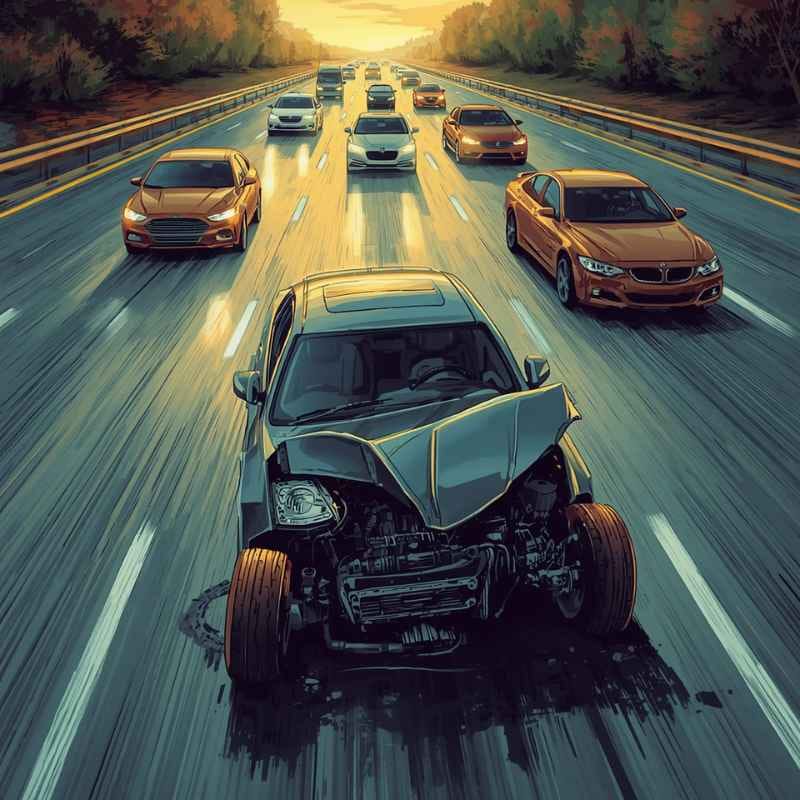
I was on a busy highway, merging into traffic. Suddenly, my car’s engine roared, but I didn’t move forward. It felt like I had accidentally hit a neutral button.
But my car doesn’t have one like that. Panic set in. Cars were whizzing past me.
I managed to coast to the shoulder. My hands were shaking a little. I tried shifting into different gears.
The engine just made a strange noise. It was a high-pitched whine mixed with a clunk. My mind raced.
Was it something I did? Did I miss a warning sign? I felt a wave of helplessness wash over me.
Being stuck on a highway at night is not fun. I just sat there for a moment, trying to breathe.
I called for a tow truck. Waiting felt like forever. The tow truck driver took a look.
He said it sounded like a serious internal transmission issue. He explained that some failures are sudden like this. A part could have just snapped.
Or a seal could have blown out. It was a costly repair, but at least I understood it wasn’t my fault. It was a harsh lesson in how crucial a working transmission is.
And how quickly things can go wrong without much warning.
Quick Scan: Signs of Sudden Transmission Failure
Sudden Loss of Power: Engine revs but car won’t move.
Loud Noises: Grinding, clunking, or whining sounds.
Stuck in Gear: Car won’t shift to higher or lower gears.
Leaking Fluid: Red or brown fluid under the car.
Dashboard Warning Lights: Transmission or check engine light.
What’s Really Happening Inside? Common Causes
There are several reasons why a transmission might decide to stop working without much fuss. It’s often a combination of wear and tear, or a sudden mechanical breakdown. Let’s break down some of the most common culprits.
Transmission Fluid Problems
This is often the first thing to check. Transmission fluid is like the blood of your transmission. It lubricates moving parts.
It cools the transmission. It also helps with shifting gears. Low fluid levels are a major cause of failure.
Leaks are usually why the fluid gets low. If there isn’t enough fluid, the parts can’t move smoothly. They can overheat or grind against each other.
Old, dirty fluid is also a problem. Over time, fluid breaks down. It loses its ability to protect parts.
It can also become contaminated with metal shavings. These shavings are from worn parts. Dirty fluid can clog tiny passages inside the transmission.
This stops fluid from getting where it needs to go. This can cause parts to overheat and fail quickly.
Internal Mechanical Failure
Transmissions have many small, intricate parts. Gears, clutches, bands, seals, and more. Any one of these can break.
A gear tooth could snap off. A clutch disc could disintegrate. A seal could blow out, causing a sudden fluid loss.
These are often due to age, wear, or even manufacturing defects. Sometimes, a hard shift or rough driving can stress these parts.
When a part breaks like this, it can cause a chain reaction. Metal shavings can get into other parts. This causes more damage.
It can jam the shifting mechanism. It can cause the transmission to slip out of gear. Or it can cause it to stop engaging any gear at all.
This type of failure is often sudden and complete.
Torque Converter Issues (for Automatic Transmissions)
The torque converter is like a fluid coupling. It connects the engine to the transmission. It allows the engine to keep running when the car is stopped.
It also multiplies torque. If the torque converter fails, it can cause strange symptoms. You might lose power.
Or you might hear a loud noise. Sometimes, it can prevent the car from moving at all.
Internal components within the torque converter can break. Or the seals can fail. This can lead to fluid leaks.
It can also cause the converter to slip. This means the engine is spinning, but the wheels aren’t turning as they should. A failing torque converter can sometimes lead to a complete loss of drive.
It can also overheat the transmission fluid.
Solenoid or Valve Body Problems (for Automatic Transmissions)
Automatic transmissions use solenoids and a valve body to control fluid flow. Solenoids are like electronic switches. They tell the valve body when to open or close passages.
The valve body directs fluid to engage different gears. If a solenoid fails, it might not signal the valve body correctly. Or the valve body itself could have a blockage or leak.
This can cause shifting problems. It might feel like the car is stuck in one gear. Or it might refuse to shift into any gear.
Sometimes, a solenoid failure can cause a sudden loss of all forward or reverse motion. These parts are electrical and hydraulic. They need to work together perfectly.
Clutch Problems (for Manual Transmissions)
In a manual transmission, the clutch is what you operate with the pedal. It’s what disconnects the engine from the transmission. So you can change gears.
If the clutch fails suddenly, you might not be able to engage any gear. The clutch pedal might feel loose or go to the floor. You might hear grinding when you try to shift.
The clutch disc, pressure plate, or throw-out bearing can fail. A broken clutch fork can also be an issue. If the clutch can’t engage properly, it’s like it’s always slipping.
This means the engine’s power isn’t getting to the wheels. This can happen suddenly, leaving you unable to move.
Understanding Your Transmission Type
Automatic Transmission: Changes gears without driver input. Uses fluid pressure and electronic controls. More complex internally.
Manual Transmission: Driver uses a clutch pedal and gear shifter to change gears. Simpler mechanical design but requires driver skill.
CVT (Continuously Variable Transmission): Uses belts and pulleys to create infinite gear ratios. Smooth operation but can have unique failure modes.
Navigating the Roadside: What to Do When It Happens
Being stranded is never ideal. But knowing what steps to take can make the situation much smoother. It’s about staying safe and getting the help you need.
Safety First
The absolute first thing is to get your car to a safe spot. If you are moving, try to coast to the shoulder of the road. Turn on your hazard lights immediately.
This warns other drivers that you have a problem. If you are on a busy road, stay in your car. If you feel it’s unsafe to stay in the car, carefully exit on the side away from traffic.
Stand well away from the road.
If you are in a parking lot or on a quiet street, try to pull over as far as possible. Avoid stopping in a traffic lane. Once you are safely stopped, take a deep breath.
Assess your surroundings. Make sure you and any passengers are safe.
Call for Assistance
Once you are safe, it’s time to get help. If you have roadside assistance through your insurance or a service like AAA, now is the time to use it. Have your membership information ready.
They will send a tow truck to help you. If you don’t have roadside assistance, you’ll need to call a local towing company. Do a quick search on your phone for “towing service near me.
When you call, be clear about your location. Tell them your car will not move. Explain that it seems to be a transmission issue.
This helps them send the right kind of tow truck. Some trucks are better equipped for certain vehicles.
Contact Your Mechanic
While waiting for the tow truck, it’s a good idea to call your trusted mechanic. Let them know what happened. They can prepare for your car’s arrival.
They might also give you some initial advice over the phone. Knowing your car will be going to a familiar shop can bring some peace of mind. If you don’t have a regular mechanic, ask the towing company for a recommendation.
Or do some local online research.
Be prepared to explain the symptoms as best you can. What sounds did you hear? Did the car lurch?
Did the engine still run? The more information you can give, the faster they can diagnose the problem once they have your car.
What to Tell the Tow Truck Driver
Your Exact Location: Road name, mile marker, nearest cross-street.
Vehicle Make and Model: Helps them know what to expect.
The Problem: “My transmission just stopped working. The engine revs but I can’t move.”
Where to Tow: Your mechanic’s shop or your home.
The Repair Bill: What to Expect
Unfortunately, transmission repairs are rarely cheap. They are one of the most complex and labor-intensive systems in a car. The exact cost depends on many factors.
Factors Affecting Repair Cost
Type of Transmission: Automatic transmissions are generally more expensive to repair than manual ones. This is due to their complexity.
Severity of the Damage: A minor leak might be a few hundred dollars. A complete internal failure can run into thousands.
Parts Needed: Are they replacing just one part? Or do they need to rebuild the entire transmission?
Labor Costs: Mechanics charge by the hour. Transmission work takes a lot of time.
Shop Location: Costs can vary by region.
New vs. Rebuilt vs. Used Parts: A brand-new transmission will be the most expensive.
A rebuilt one is often a good balance. A used one from a junkyard is the cheapest but riskiest.
Options for Repair
Repair/Rebuild: The mechanic takes the transmission apart. They replace worn or broken parts. They then put it back together.
This is often the most common solution for a sudden failure. A good rebuild can last many years.
Replacement: The mechanic removes the old transmission and installs a new or used one. A new transmission from the dealer is very expensive. A remanufactured transmission is built to like-new standards.
A used transmission from a salvage yard is an option, but you have less assurance of its quality.
Transmission Flush vs. Fluid Change: A simple fluid change is relatively inexpensive. A transmission flush cleans out more of the old fluid and debris.
However, for a transmission that has suddenly failed, a flush might not be enough. Often, the damage is already done.
It’s always a good idea to get at least two quotes if possible. Ask your mechanic for a detailed breakdown of the parts and labor. Understand the warranty they offer on the repair or replacement.
Transmission Repair Cost Snapshot (Estimate)
Simple Fluid Leak Repair: $200 – $500
Solenoid or Valve Body Replacement: $500 – $1,500
Clutch Replacement (Manual): $800 – $2,000
Torque Converter Replacement: $700 – $2,000
Transmission Rebuild: $2,500 – $5,000+
Transmission Replacement (Remanufactured): $3,000 – $6,000+
Note: These are rough estimates and can vary greatly by location and vehicle.
Can It Be Prevented? Maintenance Matters
While some transmission failures are sudden and unavoidable, good maintenance can prevent many problems. Regular checks can catch issues before they become disasters.
Regular Fluid Checks and Changes
This is the most important step. Check your owner’s manual for the recommended service interval for transmission fluid. This is usually every 30,000 to 60,000 miles.
But it can vary. Don’t skip these service intervals. Use the correct type of transmission fluid specified by your car manufacturer.
When you get your oil changed, ask your mechanic to check the transmission fluid level and condition. Is it dark or smell burnt? This is a warning sign.
It means the fluid is old or the transmission is overheating.
Listen to Your Car
Pay attention to any unusual sounds. A grinding noise, a whine, or a clunk when shifting can all be early signs of trouble. Don’t ignore them.
Take your car to a mechanic to have it checked out. It’s better to deal with a small issue than a major breakdown.
Smooth Driving Habits
Avoid aggressive driving. Rapid acceleration and hard braking put extra stress on your transmission. Don’t “ride” the clutch in a manual car.
Don’t shift into “Drive” while the car is still rolling forward or backward.
Address Warning Lights Promptly
If your check engine light or transmission warning light comes on, don’t put off getting it checked. These lights are there for a reason. They indicate a problem that needs attention.
Sometimes, these lights can signal an issue that could lead to sudden failure if ignored.
Transmission Maintenance Checklist
Check Fluid Level: Regularly, as per owner’s manual.
Check Fluid Condition: Look for dark color or burnt smell.
Follow Service Schedule: Change fluid and filter at recommended intervals.
Listen for Noises: Investigate any grinding or clunking sounds.
Watch for Leaks: Note any red or brown fluid under your car.
Respond to Warning Lights: Don’t ignore dashboard indicators.
When Is It Normal, When to Worry?
Sometimes, things that seem odd are actually normal. But with transmissions, sudden changes are usually a sign to worry.
Normal Transmission Behavior
Smooth Shifting: Most modern transmissions shift smoothly and almost unnoticeably. A slight pause or gentle nudge during a shift is often normal.
Engine RPM Changes: As your car speeds up or slows down, the engine’s revolutions per minute (RPMs) will change. This is how the transmission is doing its job.
Slight Hesitation: In some older cars, or in stop-and-go traffic, there might be a very slight hesitation before engaging into gear. This is usually not a cause for alarm if it’s minor and consistent.
When to Worry (Sudden Changes)
Complete Loss of Drive: If your car will not move forward or backward when you shift into gear, even though the engine is running, this is a serious problem. This is the hallmark of a sudden, critical failure.
Loud Mechanical Noises: Grinding, clunking, or loud whining sounds are not normal. These indicate parts are broken or grinding against each other.
Slipping Gears: If the engine revs up, but the car doesn’t speed up accordingly, the transmission is slipping. This can happen suddenly and is a sign of internal wear or damage.
Burning Smell: A burnt smell often means the transmission fluid is overheated. This can be due to low fluid levels or internal damage causing excessive friction.
Dashboard Warning Lights: A flashing or solid transmission warning light or check engine light should never be ignored. It’s your car’s way of telling you something is seriously wrong.
The Bottom Line on Sudden Transmission Failure
When your car’s transmission stops working suddenly, it’s a stressful event. It means a vital part of your vehicle has failed. This often leaves you stranded.
Understanding the common causes like fluid issues or internal part breakage is key. Knowing what to do next – prioritize safety, call for a tow, and contact your mechanic – makes a difficult situation more manageable. While some failures are unavoidable, regular maintenance like fluid checks and listening to your car can help prevent many issues.
If you experience sudden loss of power, strange noises, or warning lights, don’t delay seeking professional help. Addressing problems early can save you from more costly repairs down the line.
Quick Fixes & Tips (When Possible)
For Low Fluid: If you are certain it’s just low fluid and can safely add the correct type, it might temporarily get you to a mechanic. But a leak needs fixing!
For Stuck in Park: Sometimes a brake light switch issue can prevent shifting out of park. Check if your brake lights work. A gentle jiggle of the steering wheel might help too.
For Minor Hesitation: If it’s a slight, infrequent hesitation and no warning lights, monitor it closely. Get it checked soon.
Important Note: These are very basic tips. A sudden complete failure usually requires professional repair or replacement.
Frequently Asked Questions About Transmission Failure
What does it mean if my car suddenly won’t go into gear?
If your car suddenly won’t go into gear, it means the transmission is likely unable to engage any gear. This could be due to low transmission fluid, a broken internal part like a gear or clutch, or a problem with the shift linkage or solenoids (in automatic transmissions). It’s a serious issue that requires immediate professional diagnosis.
Why does my car make a grinding noise when I try to move?
A grinding noise when trying to move typically indicates that the gears within the transmission are not meshing properly. This can happen if teeth on a gear have broken off, if a clutch is slipping and not fully engaging, or if there’s an internal component failure. This sound is a strong indicator of significant damage.
My check engine light came on, and now my transmission feels off. What should I do?
If your check engine light is on and you notice your transmission acting strangely, such as delayed shifting, rough shifts, or a loss of power, it’s crucial to get it checked by a mechanic right away. The check engine light often indicates a problem detected by the car’s computer, which could be related to the transmission or its control system. Ignoring it could lead to more severe damage.
Can I drive my car if the transmission is slipping?
Driving a car with a slipping transmission is not recommended. Slipping means the engine is revving, but the car isn’t accelerating as it should. This indicates that the connection between the engine and the wheels is not fully engaged.
Continuing to drive can cause further internal damage, leading to more expensive repairs or complete transmission failure. It’s best to have it towed to a mechanic.
How much does a transmission rebuild typically cost?
The cost of a transmission rebuild can vary widely, but generally, you can expect to pay anywhere from $2,500 to $5,000 or more. This depends on the complexity of your specific transmission, the extent of the damage, the parts needed, and labor rates in your area. Always get a detailed quote from your mechanic.
Is it worth repairing an old car’s transmission?
Whether it’s worth repairing an old car’s transmission depends on several factors. Consider the overall condition of the car, its market value, and how much the repair will cost. If the car is otherwise in good shape and has significant sentimental value or is still reliable, a repair might be worthwhile.
However, if the car is nearing the end of its life or the repair cost is close to the car’s value, it might be more economical to replace the vehicle.
What is the difference between a transmission flush and a fluid change?
A transmission fluid change involves draining the old fluid from the transmission pan and replacing it. A transmission flush is a more comprehensive process that uses a machine to pump out almost all the old fluid and
How long does a transmission typically last?
With proper maintenance, a transmission can last the lifetime of the vehicle, often well over 100,000 miles. However, factors like driving habits, the type of transmission, and regular maintenance significantly influence its lifespan. Some transmissions might last longer, while others might experience issues earlier due to neglect or hard use.
See also what does transmission control do in your vehicle exactly . See also how strong is the w58 transmission real performance facts.
Products related to this article
Sponsored / affiliate links. As an Amazon Associate I earn from qualifying purchases. I may earn additional commission from eligible campaigns.