How Much Does Used Motor Oil Cost? Prices & Where to Buy
Used motor oil costs can vary significantly depending on several factors, making it crucial to understand the pricing landscape if you’re looking to buy or sell it. While many associate motor oil with an expense, used oil can sometimes be a commodity, though its value is often more about processing and recycling costs than direct profit. This post will break down the typical costs involved with used motor oil, where you might find it for sale, and what influences its price.
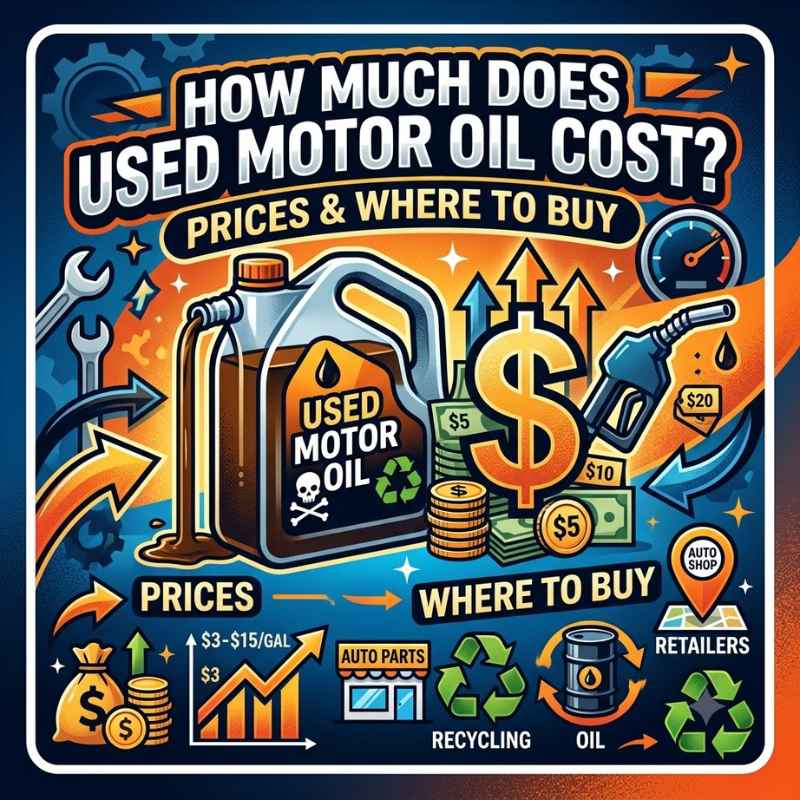
Simply put, the cost of used motor oil is generally low, often ranging from free to a few dollars per gallon, especially when purchased in bulk for recycling or re-refining purposes. The price is heavily influenced by processing expenses, transportation, and local regulations rather than its inherent material value. Small quantities for personal use are rare and might incur higher per-unit costs due to handling.
Key Takeaways
- Used motor oil cost is typically very low, often ranging from free to $1-$5 per gallon, especially for bulk purchases by recycling facilities.
- The primary costs associated with used motor oil are collection, transportation, processing, and regulatory compliance.
- Individuals looking to buy small quantities are unlikely to find readily available sellers; it’s more of an industrial commodity.
- Recycling and re-refining facilities are the primary “buyers” of used oil, often receiving it for minimal cost or even paying a small fee for collection.
- The value of used motor oil is tied to the energy and resources required for its safe disposal and potential re-use.
What is Used Motor Oil?
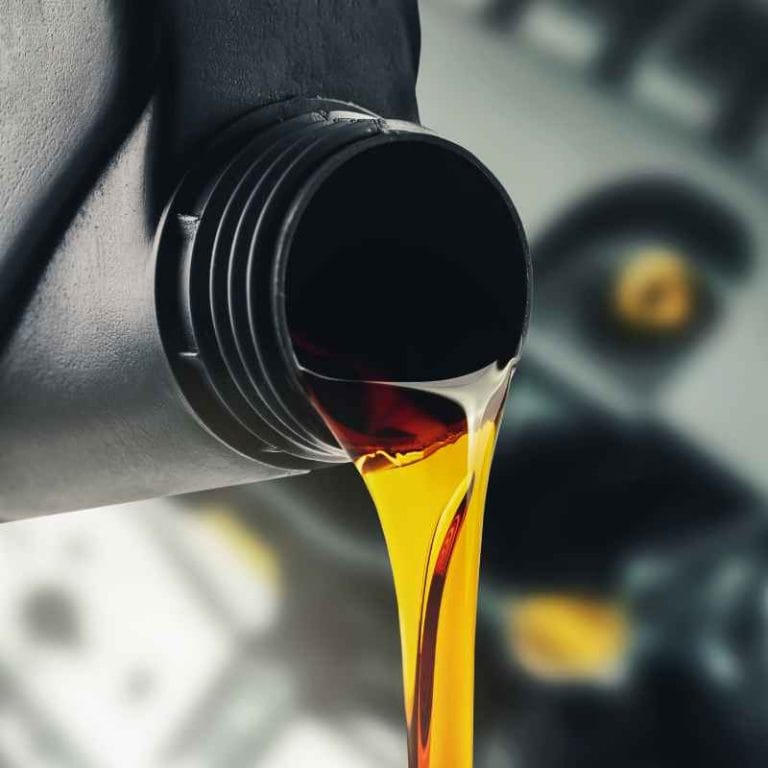
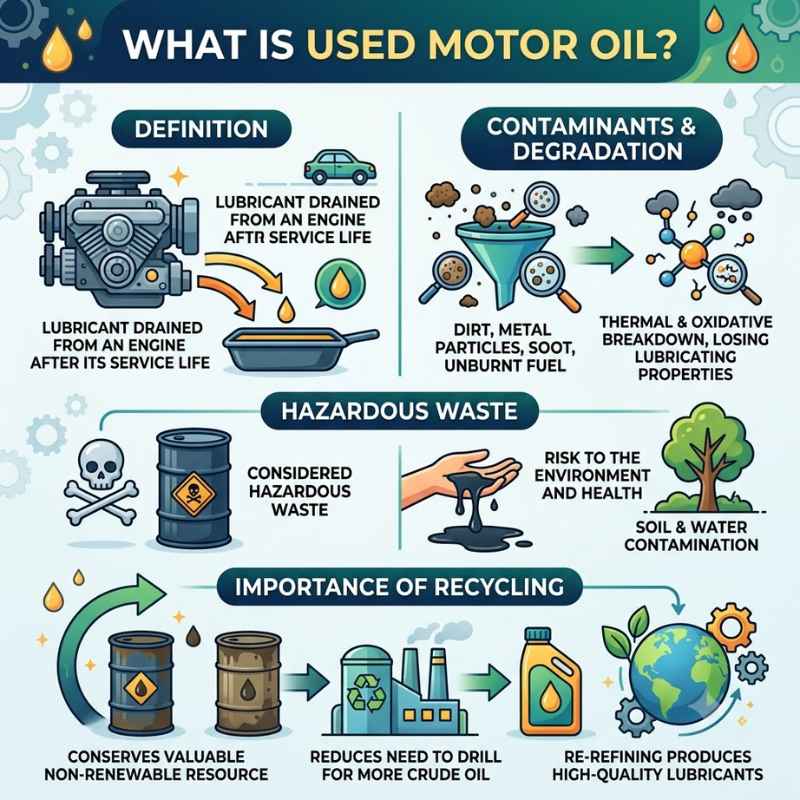
Used motor oil is the lubricant that has been drained from an engine after its service life. Over time, as it circulates through an engine, it picks up contaminants like dirt, metal particles, soot, and unburnt fuel. It also undergoes thermal and oxidative breakdown, losing its lubricating properties.
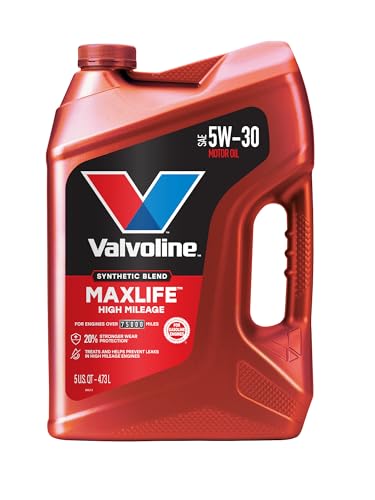
Valvoline
Valvoline MaxLife High Mileage 5W-30 Synthetic Blend…
- Formulated for engines with 75,000 miles or more, Valvoline MaxLife High Mileage synthetic blend is formulated with seal condition…
- Delivers 20% better wear protection and 15% better sludge defense than industry standards to help prevent engine breakdown
- Extra detergents safeguard against friction, corrosion and deposits to keep high-mileage engines clean
As an Amazon Associate I earn from qualifying purchases.
Because of these contaminants and degradation, used motor oil is considered a hazardous waste. It requires specific handling and disposal procedures to prevent environmental damage. Improper disposal can lead to severe soil and water contamination, harming ecosystems and potentially human health.
Recycling used motor oil is a critical environmental practice. It conserves a valuable non-renewable resource and reduces the need to drill for more crude oil. Re-refining used oil can produce lubricants that are as high in quality as those made from virgin oil.
Why is Used Motor Oil Recycled?
The environmental imperative to recycle used motor oil is significant. A single gallon of used motor oil, if improperly disposed of, can contaminate up to one million gallons of fresh water. This highlights the urgency of proper disposal and recycling programs.
Recycling also conserves resources. Crude oil, the base for most motor oils, is a finite resource. By re-refining used oil, we reduce the demand for virgin oil production, lessening the environmental impact associated with crude oil extraction and refining.
- Environmental Protection: Prevents contamination of soil, groundwater, and surface water.
- Resource Conservation: Reduces the need for new crude oil extraction.
- Energy Savings: Re-refining oil uses significantly less energy than producing virgin oil. A study by the US Environmental Protection Agency (EPA) found that re-refining used oil can save up to 85% of the energy required to produce lubricating oils from crude oil.
- Economic Benefits: Creates jobs in collection, transportation, and re-refining industries.
- Reduced Hazardous Waste: Diverts a hazardous material from landfills.
Factors Influencing Used Motor Oil Costs
The “cost” of used motor oil isn’t typically a direct purchase price for consumers. Instead, it’s more about the cost of collection, transportation, and processing. These factors directly influence whether a facility pays for used oil, charges for it, or offers it for a nominal fee.
The main economic driver is the cost of re-refining or proper disposal. If the cost of processing exceeds the potential value of the re-refined product or the disposal fees, the price for acquiring the used oil will be higher. Conversely, if there’s a strong demand for re-refined oil or effective methods to minimize processing costs, the price paid for used oil can be lower, or even negative (meaning they pay to take it).
Collection and Transportation Expenses
One of the biggest components of used motor oil cost is getting it from where it’s generated to a processing facility. This involves specialized collection trucks and trained personnel, especially considering its hazardous nature. The distance of transportation also significantly impacts the overall cost.
Collection points can include auto repair shops, quick lube centers, fleet maintenance facilities, and DIY oil change locations. The logistics of scheduling pickups, managing container inventory, and ensuring compliance with transport regulations add to the overhead. These costs are often passed on or factored into the pricing.
Processing and Re-refining Costs
The journey from used oil to a usable lubricant involves several complex and energy-intensive processes. These include vacuum distillation, solvent deasphalting, hydrotreating, and filtration to remove contaminants and restore the oil’s properties. The technology and infrastructure required for these processes are substantial.
The efficiency of the re-refining plant plays a role. Newer, more efficient plants can process oil more economically. The cost of energy, chemicals, and labor within the plant also contributes to the final cost.
According to the Re-Refiners Association, re-refining used oil conserves up to 85% of the energy required to make lubricants from virgin crude oil, but the upfront capital and operational costs are still considerable.
Regulatory Compliance and Disposal Fees
Used motor oil is regulated as a hazardous waste in many jurisdictions. Facilities that collect, transport, store, or process used oil must adhere to strict environmental regulations. Compliance involves permitting, record-keeping, safety protocols, and waste management plans, all of which add to the operational costs.
If a facility cannot re-refine the oil economically, it must be disposed of properly, which often incurs significant disposal fees. These fees are driven by the hazardous nature of the waste and the limited approved disposal methods. These compliance and disposal costs are a major factor in why you generally won’t find used motor oil for sale at retail prices.
Where Can You Buy Used Motor Oil?
For individuals looking to purchase small quantities of used motor oil, the options are extremely limited, and it’s generally not a practical or advisable endeavor. The market for used motor oil is primarily industrial, focusing on bulk quantities for recycling and re-refining.
Most of the time, if you’re an individual generating used oil from your vehicle, you’ll be looking for a place to dispose of it for free or a minimal charge, rather than buying it. The concept of “buying” used oil usually applies to businesses that need to consolidate and transport it to recycling centers.
Bulk Purchases for Recycling Facilities
Recycling centers and oil re-refiners are the primary “buyers” of used motor oil. They contract with collection companies to pick up large volumes from businesses like auto repair shops, service stations, and industrial facilities. The price paid in these transactions is typically very low, often ranging from free to a few dollars per gallon, and sometimes even involves the collector paying the re-refiner a small fee for the privilege of taking the oil off their hands due to disposal costs.
The scale of these operations means they have specialized equipment and logistics to handle large quantities efficiently. Their interest isn’t in “reselling” used oil in its raw form but in processing it. The value is in the end product (re-refined oil) or the avoided disposal costs.
Potential for Small-Scale Sales (Rare)
Occasionally, you might find individuals or small operations selling used motor oil for specific purposes, such as fuel for waste oil heaters or for certain industrial applications where purity isn’t a major concern. However, these sales are not common and are often unregulated. The price might be low, but the quality and consistency are highly questionable.
It’s crucial to exercise extreme caution if considering purchasing used oil from informal sources. Contaminants can cause significant damage to equipment, and improper use can lead to environmental violations. Always verify the source and intended use.
DIY Oil Change Programs
Many auto parts stores and local municipalities offer free or low-cost collection programs for DIY oil changes. These programs accept used motor oil from individuals for recycling. You are not buying the oil; you are dropping off your waste oil for proper disposal.
Some of these centers might have a small fee for disposal to cover handling costs, but it’s not a purchase of the oil itself.
Typical Price Ranges for Used Motor Oil
When discussing the “cost” of used motor oil, it’s important to distinguish between what a business might pay to have it collected versus what an individual might pay to acquire it. For practical purposes, individuals rarely “buy” used motor oil.
The figures often cited relate to what collection services might charge businesses for pickup or, in some cases, what re-refiners might effectively pay for a steady supply of clean, sorted used oil. These are not retail prices.
Bulk Collection Prices
For businesses generating significant amounts of used oil, collection services typically charge a fee. This fee can range from $1 to $5 per gallon, depending on the volume, distance, and local market conditions. However, some collection services might offer to pick up the oil for free or even pay a very small amount (e.g., $0.10-$0.50 per gallon) if the volume is high and the oil is relatively clean, as this offsets their disposal costs and adds to their collection volume.
This isn’t the “price” of the oil itself, but the cost of its safe removal and transport. The actual material value is then realized through re-refining.
Re-refined Oil Prices
Once processed, re-refined motor oil can be sold. The price of re-refined oil is often competitive with or slightly lower than virgin motor oil. For example, a gallon of re-refined conventional motor oil might cost between $4 to $8, while a gallon of virgin conventional motor oil might range from $5 to $10.
High-performance or synthetic re-refined oils would be priced higher.
This is the price of the product made from used oil, not the price of the used oil itself. The cost of re-refining is factored in, along with the profit margin.
Free Collection Points
For individuals, the most common scenario is finding free drop-off locations. Many auto parts stores, quick lube chains, and local government recycling centers accept used motor oil from the public at no charge. This is part of their commitment to environmental stewardship and regulatory compliance.
These locations are designed for responsible disposal, not for reselling the oil. They consolidate the collected oil and arrange for its pickup by certified recycling haulers.
Environmental Considerations and Regulations
The handling and disposal of used motor oil are heavily regulated to prevent environmental harm. These regulations impact the “cost” by adding layers of complexity and expense for anyone involved in the process.
Understanding these regulations is key to grasping why used motor oil isn’t a common retail product and why its pricing is tied to its hazardous nature and recycling infrastructure.
Hazardous Waste Classification
In the United States, the Environmental Protection Agency (EPA) classifies used motor oil as a hazardous waste. This classification means it cannot be disposed of in regular landfills or dumped into sewers, storm drains, or waterways. This designation necessitates specialized handling, transport, and disposal methods.
The Hazardous Waste Management Act and other related legislation dictate how used oil must be managed from its point of generation through its final disposal or recycling. Compliance with these acts requires permits, manifests, and adherence to strict protocols, all of which add costs.
State and Local Regulations
While the EPA sets federal guidelines, individual states and even local municipalities often have their own specific regulations regarding used motor oil. These can include requirements for collection centers, transporters, and re-refiners. Some states may offer incentives or impose surcharges to encourage recycling.
For example, California has stringent regulations and often manages its used oil recycling programs through state agencies, which can influence collection and processing costs. Other states might have simpler frameworks. These variations can lead to differences in collection fees or the availability of free disposal sites.
Recycling Incentives and Programs
To encourage recycling, many programs offer incentives. These can include tax credits for re-refiners, grants for collection infrastructure, or subsidies for collection services. The goal is to make recycling economically viable and to ensure that used oil is diverted from harmful disposal methods.
The success of these programs is directly linked to the demand for re-refined oil and the efficiency of the collection network. A robust recycling infrastructure, supported by regulations and incentives, helps keep the “cost” of managing used oil as low as possible while ensuring environmental safety.
Common Misconceptions About Used Motor Oil Costs
There are several common misunderstandings regarding the cost and availability of used motor oil. Many people assume it’s a valuable commodity that can be bought cheaply, or that it’s simply “free waste” with no associated costs.
Clarifying these misconceptions is important for anyone looking to understand the market or dispose of their own used oil responsibly.
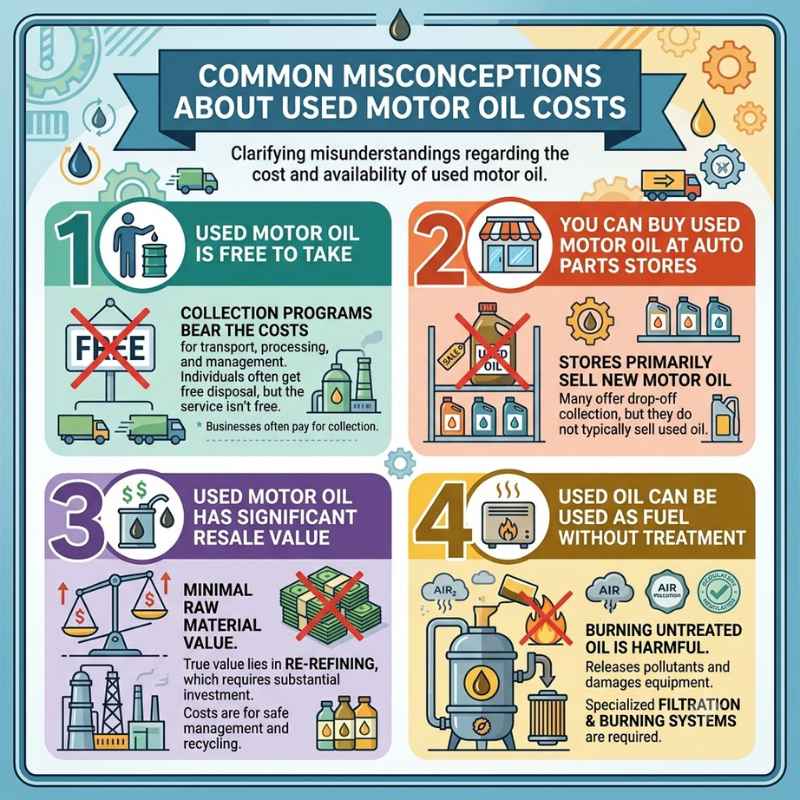
Misconception 1: Used Motor Oil is Free to Take
While many DIY drop-off centers offer free disposal for individuals, this doesn’t mean the oil itself has no cost associated with it. The cost is borne by the recycling facility or municipality that manages the program, covering collection, transport, and processing. Businesses generating large volumes often pay for collection services.
Misconception 2: You Can Buy Used Motor Oil at Auto Parts Stores
Auto parts stores primarily sell new motor oil. While some may host used oil collection events or have designated drop-off points, they do not typically sell used motor oil. Their business model is based on selling automotive parts and new fluids.
Misconception 3: Used Motor Oil Has Significant Resale Value
The resale value of used motor oil is minimal as a raw material. Its true value lies in its potential to be re-refined into high-quality lubricants, which requires substantial investment in processing. The “cost” associated with it is more about the expense of safe management and recycling than its inherent material worth.
Misconception 4: Used Oil Can Be Used as Fuel Without Treatment
While waste oil heaters can burn used motor oil, they require specific filtration and burning systems designed for such fuel. Burning untreated used oil can release harmful pollutants and damage the heating equipment. There are also regulations regarding its use as fuel.
Frequently Asked Questions
What is the average price paid for used motor oil by recycling facilities?
Recycling facilities typically pay very little for used motor oil, often ranging from free to just a few dollars per gallon, especially when dealing with bulk collections from businesses. In some cases, the collection company might even pay a nominal fee to the re-refiner for taking the oil, effectively making the cost negative for the collector.
Can I sell used motor oil from my car?
It’s highly unlikely you can sell small quantities of used motor oil from your car. The market is primarily for bulk quantities for recycling. Your best option is to find a local facility that accepts used oil for free disposal.
Is re-refined motor oil as good as new motor oil?
Yes, modern re-refining processes can produce lubricants that are as high in quality and performance as those made from virgin oil. In fact, re-refined oils often meet or exceed industry specifications. Independent studies by organizations like the EPA have validated the quality of re-refined lubricants.
How much does it cost for a business to have used motor oil collected?
For businesses generating significant volumes of used motor oil, collection services typically charge a fee, which can range from $1 to $5 per gallon. This fee covers transportation and handling. However, if volumes are very high, some services might offer free pickup or even a small rebate.
What are the environmental risks of improperly disposing of used motor oil?
Improper disposal of used motor oil poses severe environmental risks. A single gallon can contaminate one million gallons of fresh water, rendering it undrinkable. It can also contaminate soil, harming plant and animal life, and can clog storm drains, leading to localized flooding.
Final Thoughts
Understanding the true cost of used motor oil reveals it’s less about a retail price and more about the economics of collection, transportation, and environmental stewardship. While you won’t typically buy used motor oil for a few dollars a gallon, its recycling is vital for conserving resources and protecting the environment. Always opt for responsible disposal through designated recycling programs.
See also can car engine oil catch fire what you need to know. See also how to check car engine oil level in under 2 minutes.
Related pick: Check today's price on Amazon See also when to add car engine oil and how much to put in.